Atyaf
Our verdict
Atyaf sits in Makkah’s hotel-and-pilgrimage dining orbit, where restaurants are judged less by spectacle than by reliability, family suitability, and proximity to the city’s central rhythms. With no public awards or pricing signals to lean on, the useful read is contextual: expect a city restaurant shaped by mixed travel parties, familiar ingredients, and the practical demands of dining around worship schedules.

Pearl is the En Primeur Club membership app — saves, bookings, and concierge access live there. Same editors, same standards.
- Address
- King Abdul Aziz - 38 Rd, Endowment, Makkah 24231, Saudi Arabia
- Phone
- +966 12 571 7777
- Website
- all.accor.com
- Directions
- Get directions
The menu
What to order
- Mandi
- Mixed grills
- Freshly made pasta
- Mantu dumplings
- Kunafa
- Cheesecake
Approaching dining rooms around Makkah, the first impression is rarely theatrical. The scene is defined by movement: families regrouping after prayer, hotel corridors carrying several languages at once, and tables expected to work for children, elders, and visitors eating on compressed schedules. Atyaf belongs to that practical Makkah category, where the measure of a meal is not a chef’s manifesto but how well the room absorbs the city’s constant flow.
Makkah dining is built around timing, comfort, and familiar ingredients
Makkah’s restaurant culture is inseparable from pilgrimage logistics. In cities driven by destination dining, a restaurant can ask guests to surrender an evening. Here, the dining room usually has to fit around prayer times, family groups, hotel transfers, and a wide range of appetites. That makes sourcing and menu structure matter in a particular way: the food needs enough familiarity to serve mixed groups, enough consistency to satisfy repeat visitors, and enough breadth to avoid turning dinner into a negotiation.
In that context, Atyaf reads as part of the city’s mainstream hospitality circuit rather than the trophy-restaurant tier. No public Michelin, 50 Best, or comparable award signals are provided for the restaurant, and no listed chef identity or tasting-menu format is supplied to reposition it as a destination counter. That absence is useful. It places the decision where it belongs in Makkah: on convenience, group fit, and the likely availability of dishes that can serve several generations at the same table.
The better comparison is not with chef-led restaurants elsewhere in Saudi Arabia, but with the dense Makkah set that has to feed visitors efficiently without reducing the meal to pure utility. City choices such as Aja, Al Dira, Mazedar, Lezzet, and Mazaq sit in the same broad reader decision: where to eat when location, timing, and group tolerance matter as much as culinary ambition. For a wider scan, Our full Makkah restaurants guide is the more useful starting point than chasing a single headline booking.
The useful test is how the room serves a pilgrimage city
Ingredient sourcing in Makkah is less about hyper-local farm narratives than dependable supply across a high-volume hospitality market. The city receives diners from across Saudi Arabia, the Gulf, South Asia, Southeast Asia, Africa, and beyond, and that mix shapes expectations. Familiar staples and shared dishes often carry more practical value than intricate tasting sequences because they travel across cultures and age groups. A restaurant in this orbit succeeds when broad categories are handled with consistency and when the kitchen understands that a table may include cautious eaters alongside guests looking for familiar regional cues.
Atyaf’s public profile does not support claims about signature dishes, named suppliers, or chef-led sourcing. The stronger editorial point is category discipline. In Makkah, a restaurant without major public awards can still be the right call if it matches the city’s pace: a meal that does not require decoding, a room that can handle families, and a format that respects the fact that dinner may sit between obligations rather than define the evening. That is a different value system from more heavily branded dining rooms in other Saudi cities.
Readers comparing Saudi dining beyond Makkah will find different pressures elsewhere: some restaurants are shaped by mass-market recognition, others by heritage positioning or destination-tourism frames. Makkah is compressed and functional. The restaurants here are judged in real time by families who may be tired, hungry, and unwilling to gamble, which makes convenience, clarity, and dependable service part of the editorial calculation.
How to place Atyaf in a Makkah itinerary
The sensible way to use Atyaf is as part of a Makkah plan rather than as the anchor of a trip. Its listed position in Makkah gives it practical relevance in a place where short distances can feel longer during peak movement. Since public pricing, hours, and booking method are not listed, the safer assumption is to treat meal timing with flexibility, especially around prayer periods and high pilgrimage seasons.
For travelers building a broader city plan, food should be mapped alongside accommodation and movement. Our full Makkah hotels guide helps frame where dining convenience matters; Our full Makkah experiences guide is better for structuring time outside meals. The city is not a bar or winery destination in the conventional leisure sense, but category pages such as Our full Makkah bars guide and Our full Makkah wineries guide clarify what to expect from local hospitality norms.
Within EP Club’s wider restaurant map, Atyaf sits closer to practical city dining than to concept-led venues in larger leisure markets or destination-specific listings elsewhere in Saudi Arabia and abroad. It also serves a different travel need from international entries built around nightlife, specialist counters, or standalone culinary travel. The read is simple: in Makkah, reliability and location carry editorial weight. Atyaf belongs in that calculation.
Frequently asked questions
Is Atyaf good for families?
Its location in Makkah makes Atyaf a practical choice for mixed-age groups moving through the city. With no cuisine or price range listed, the safest read is as a location-led stop rather than a destination built around tasting menus or formal service.
What's the vibe at Atyaf?
Atyaf reads as a Makkah restaurant, so the mood is shaped more by city context than by a chef-driven concept. In a city where many dining rooms serve pilgrims and transit traffic, that usually means a functional, straightforward room built for convenience.
What's the address for Atyaf?
Makkah.
How hard is it to get a table at Atyaf?
No booking details are listed for Atyaf, so table access is best judged by its Makkah location and the city’s surge periods around prayer times and peak travel. Without hours or reservation policy, timing is the main variable rather than any named exclusivity.
Side-by-Side Snapshot
Comparable venues by cuisine and price in the same metro.
Details
- Modern
- Elegant
- Scenic
- Well Known
- Sophisticated
- Family
- Group Dining
- Celebration
- Casual Hangout
- Hotel Restaurant
- Panoramic View
- Design Destination
- Zero Proof
- Skyline
- Buffet
- A La Carte
- Juice Bar
- Non Alcoholic Drinks
- Halal
- Vegetarian Friendly
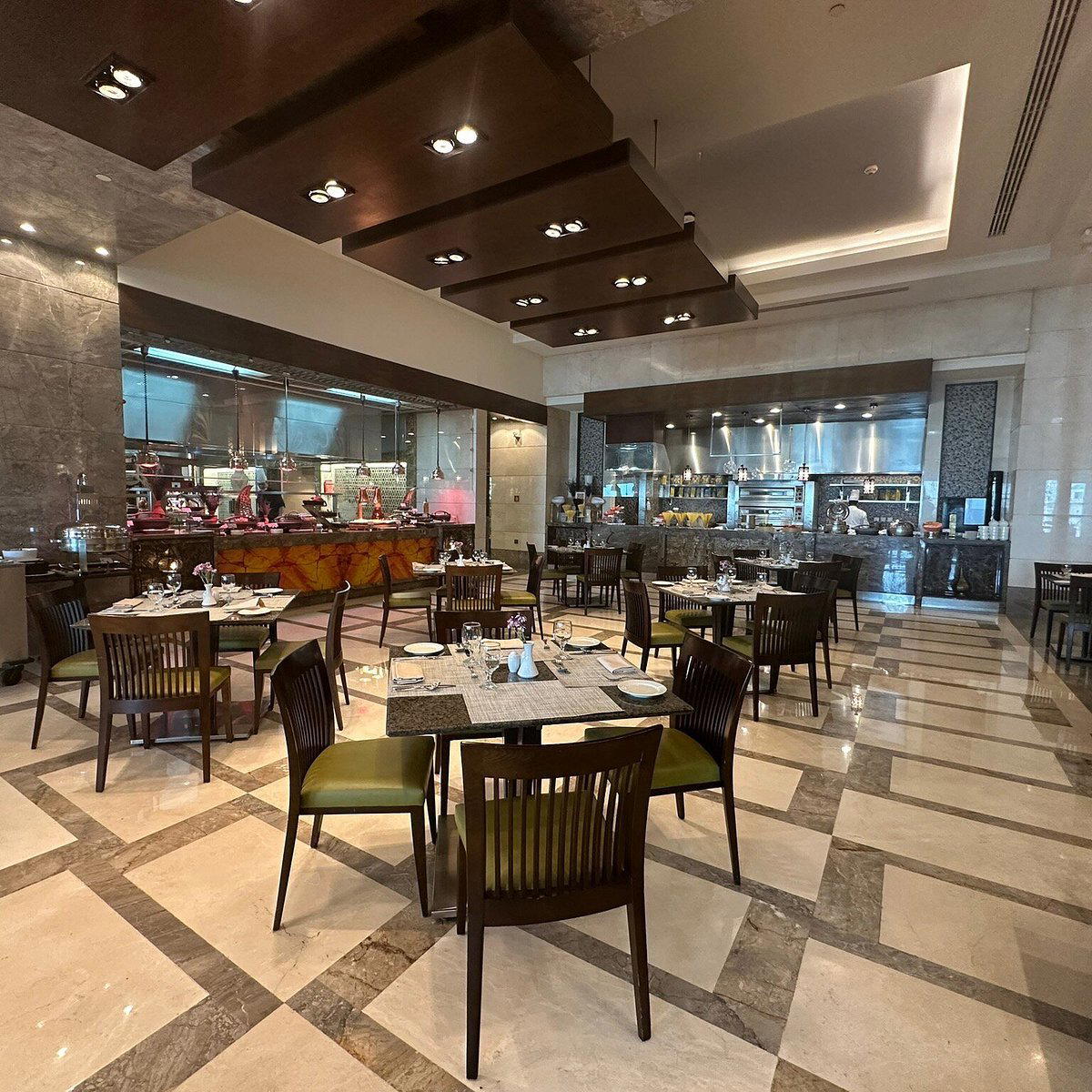
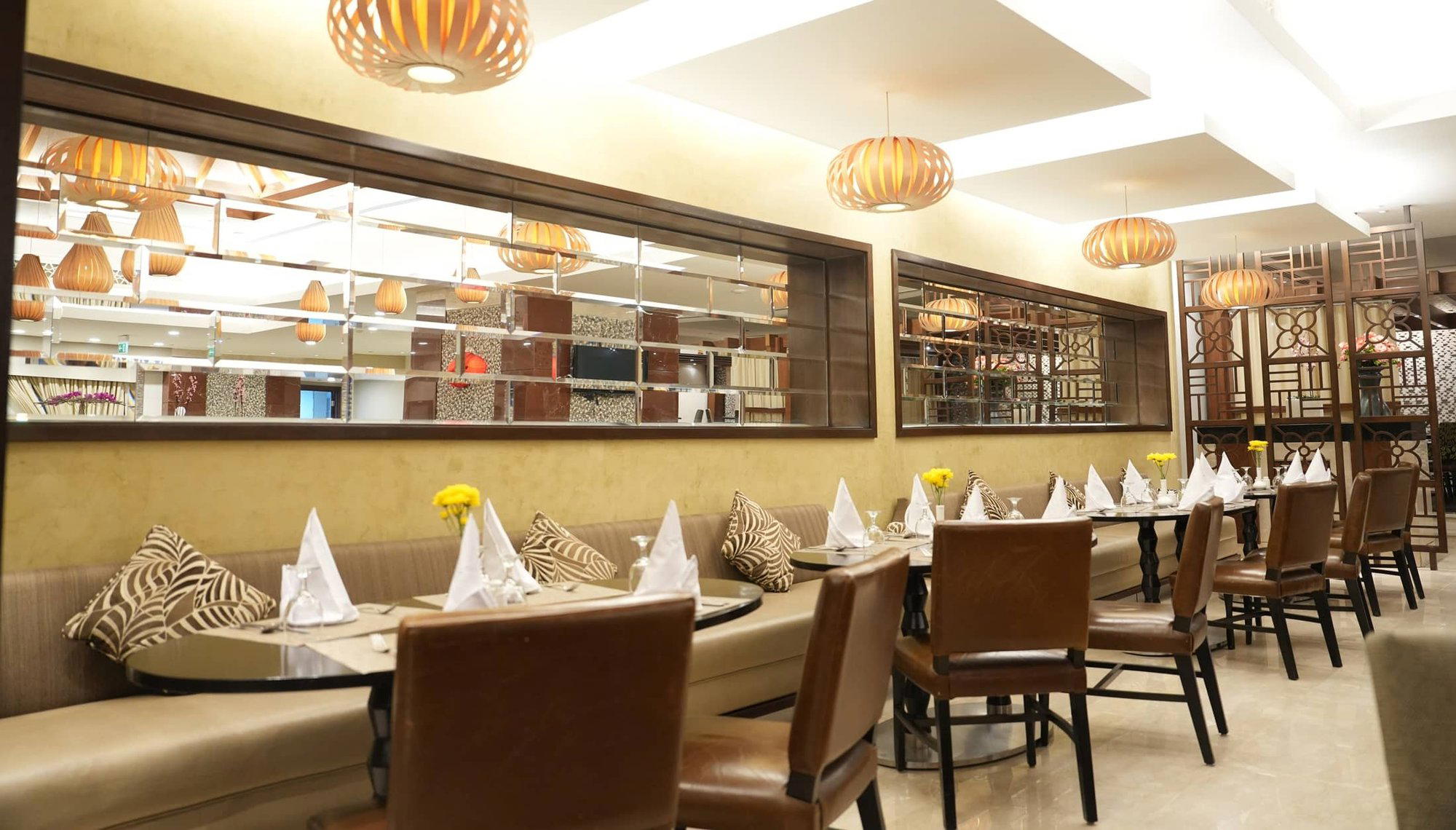
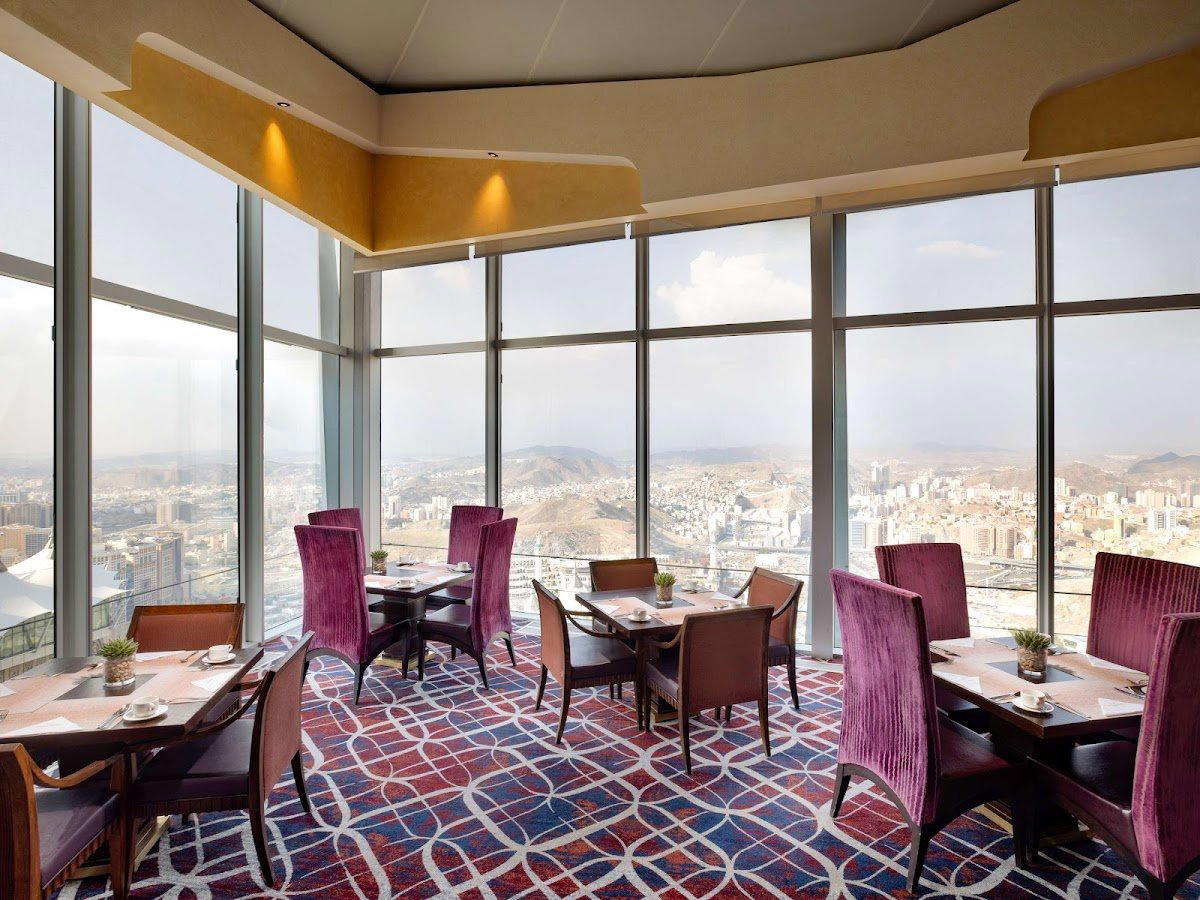
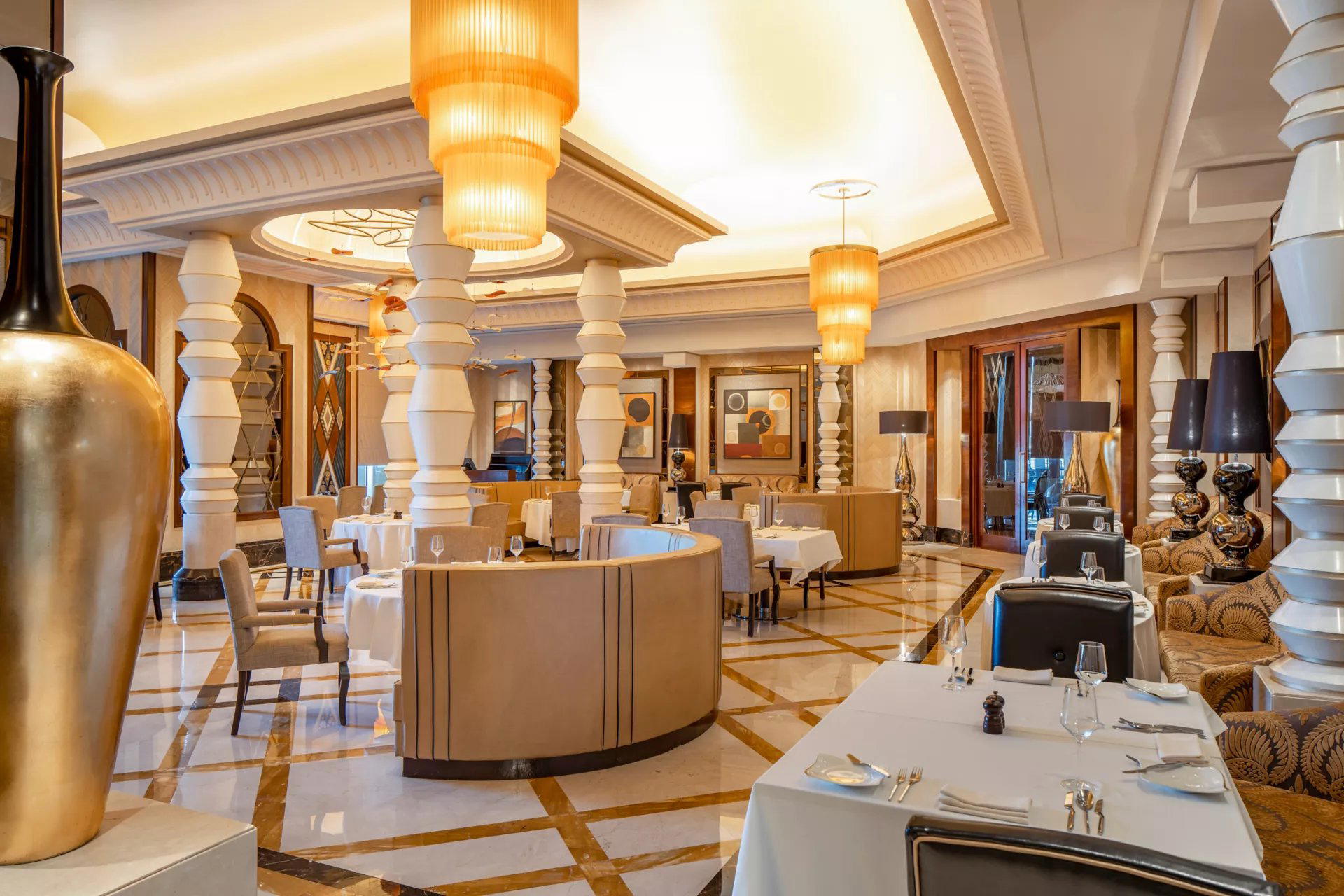
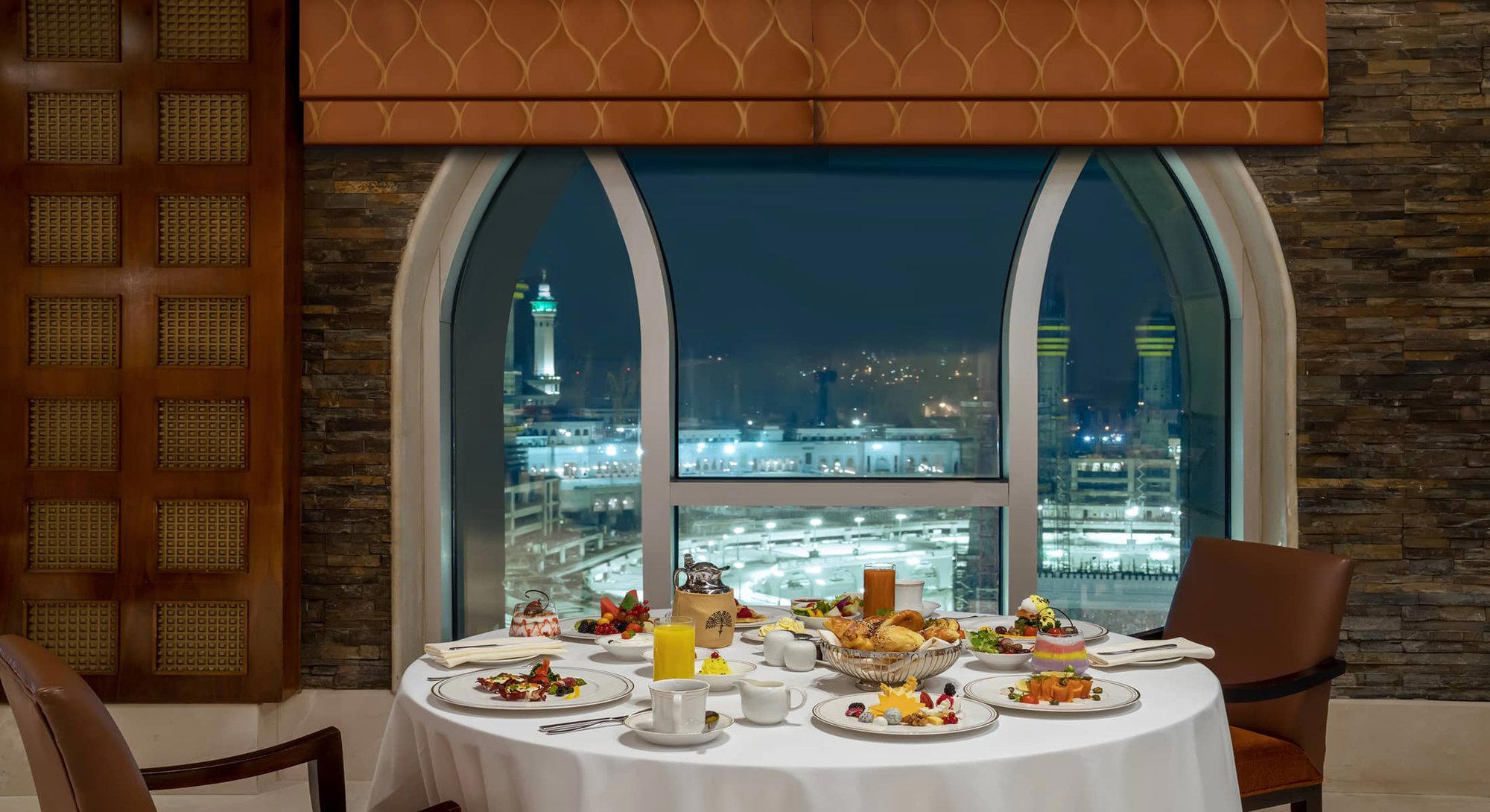
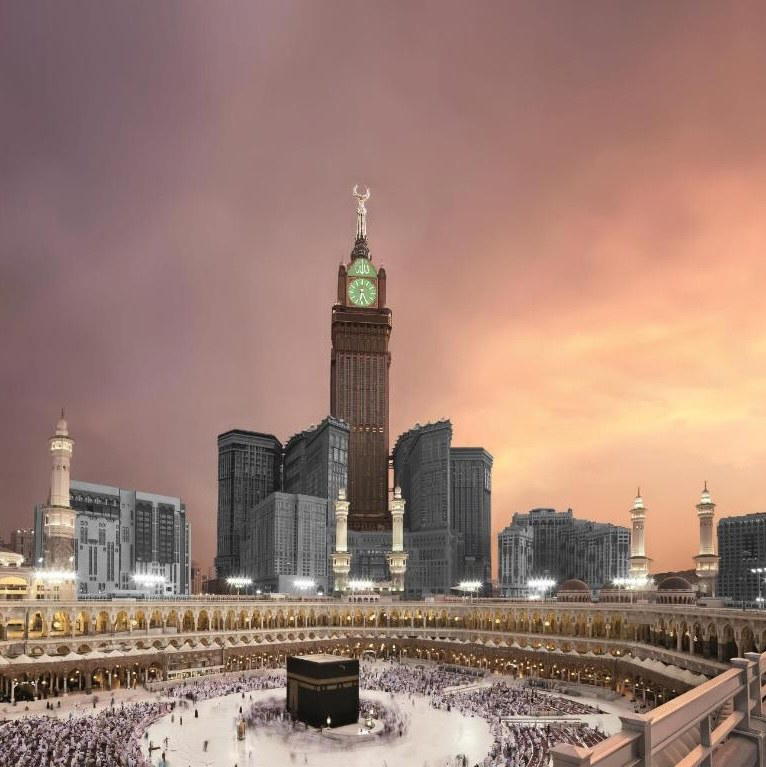
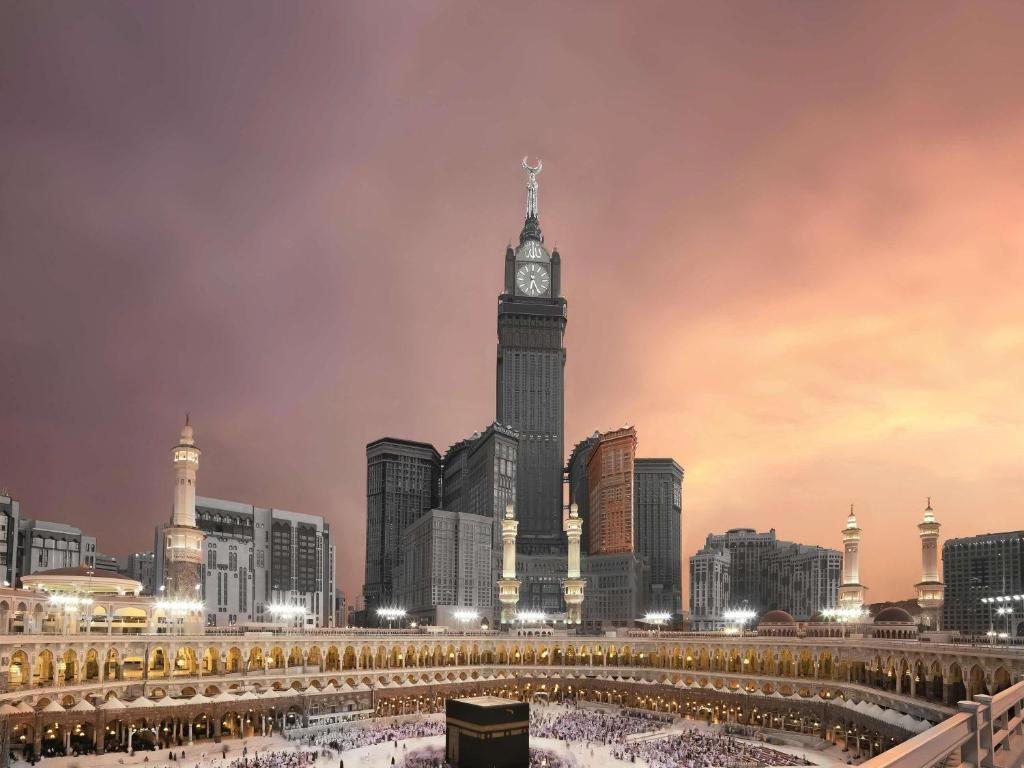
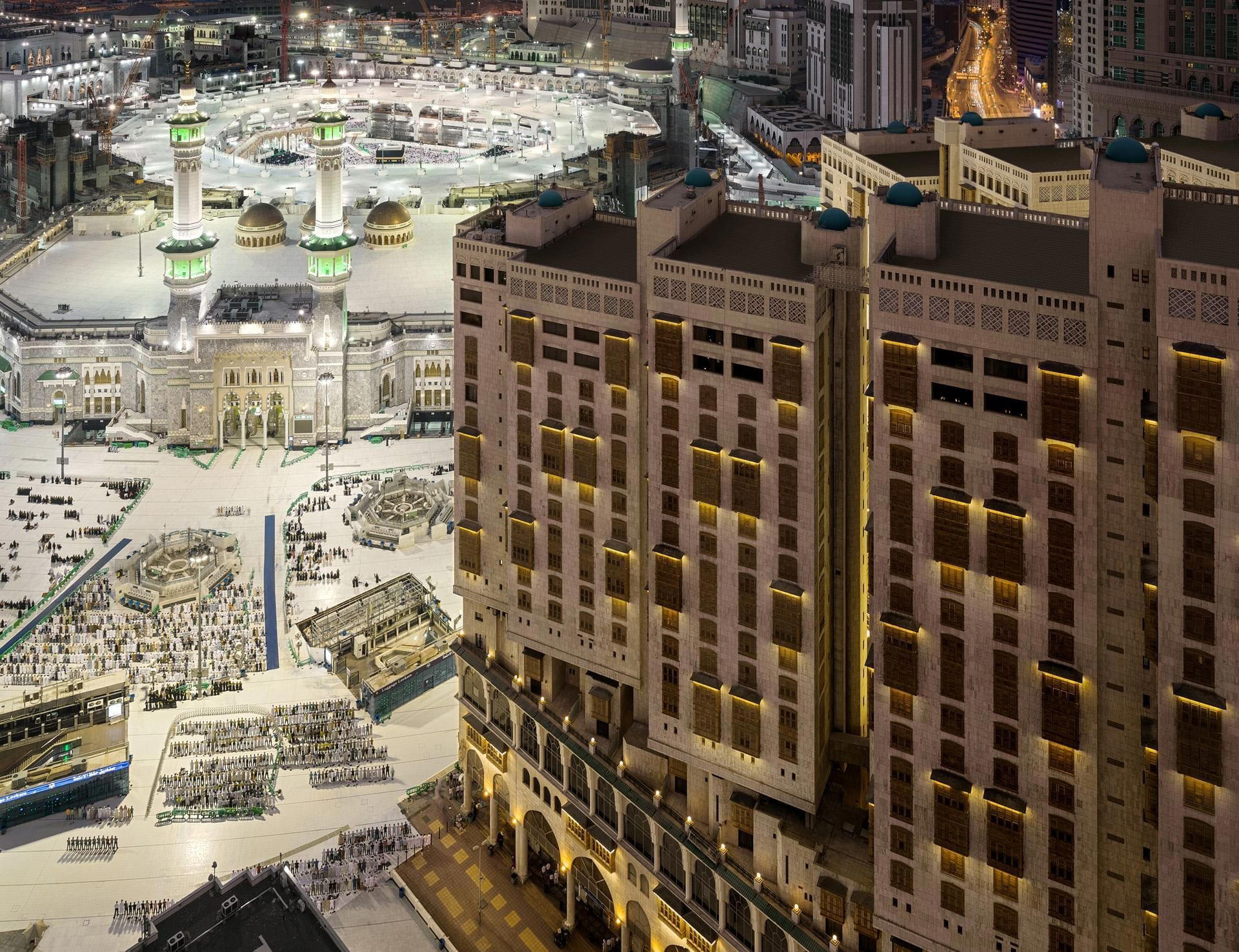
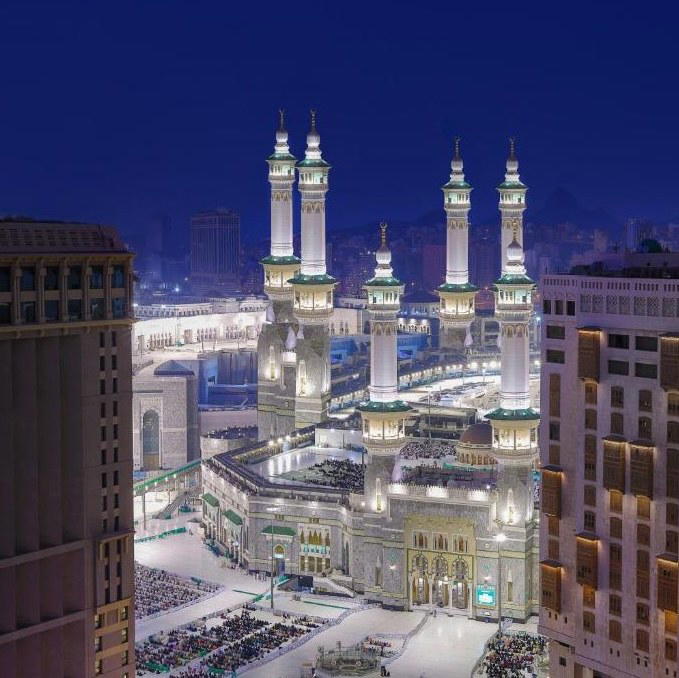
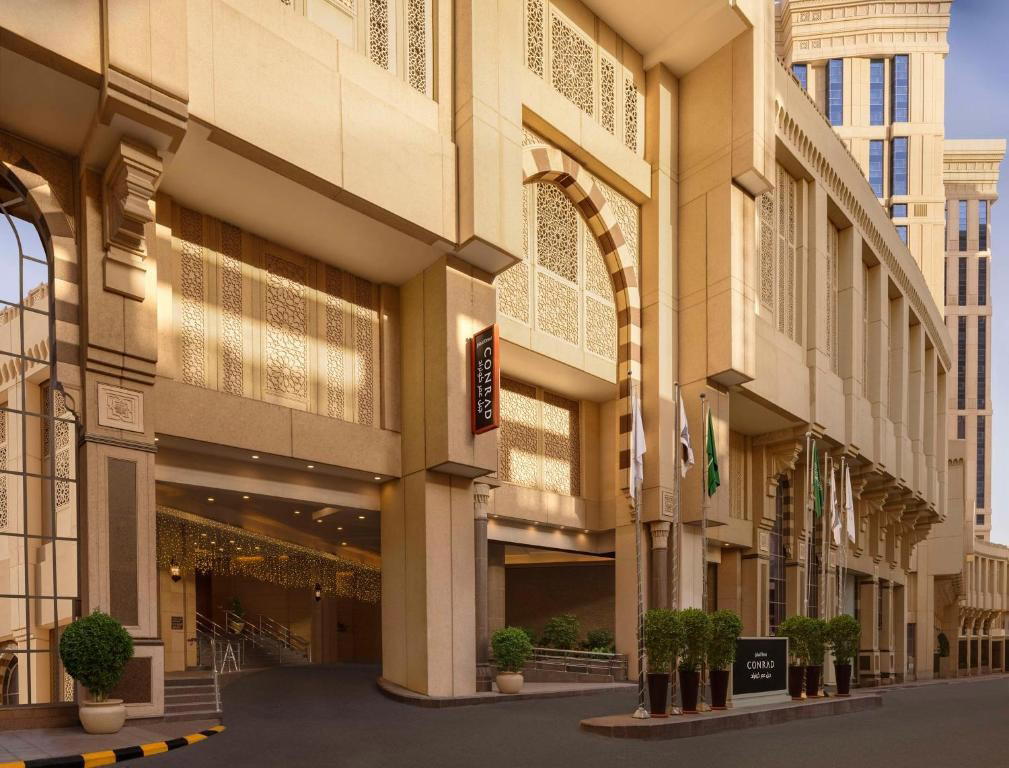
Casual yet polished hotel-restaurant setting with spacious seating, calm atmosphere, and contemporary buffet counters designed to handle large pilgrim crowds comfortably.