Al Dira
Our verdict
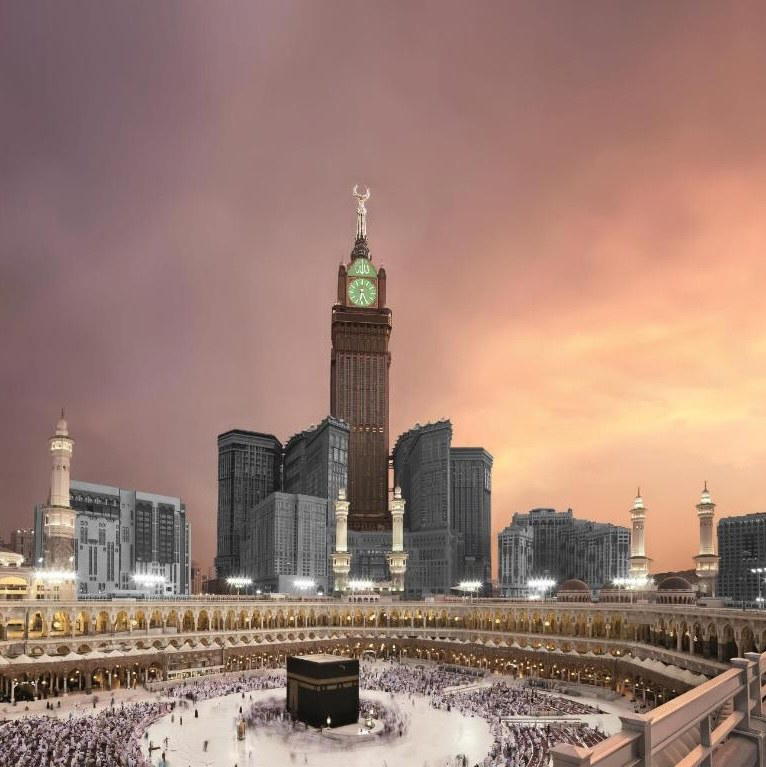
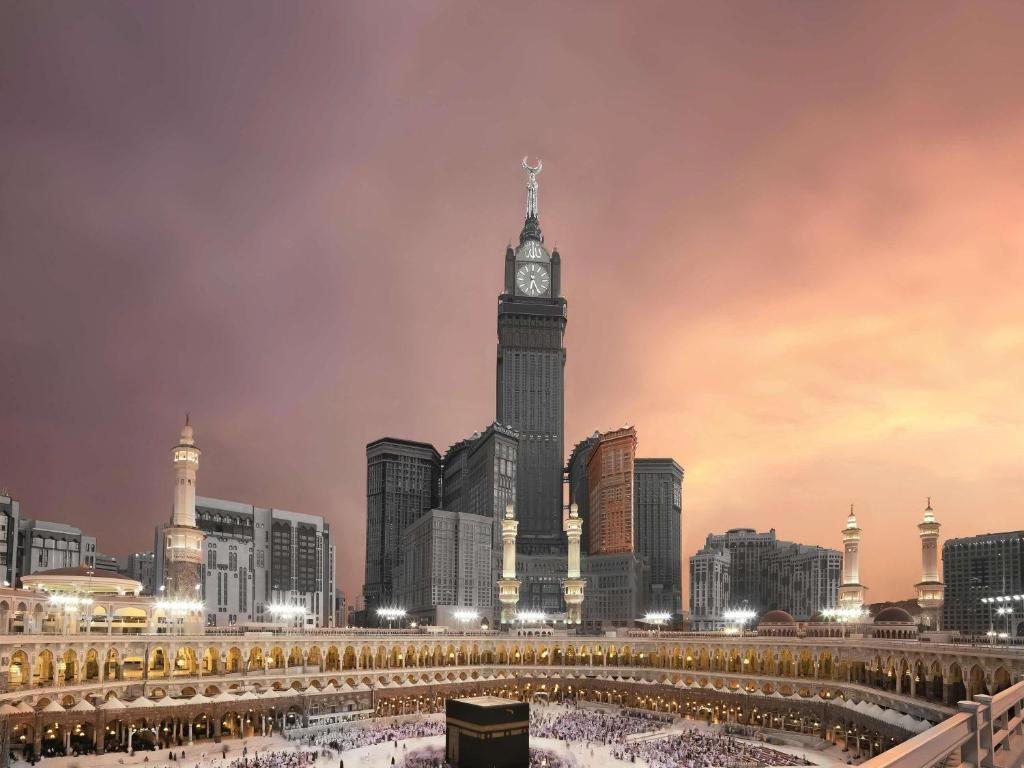
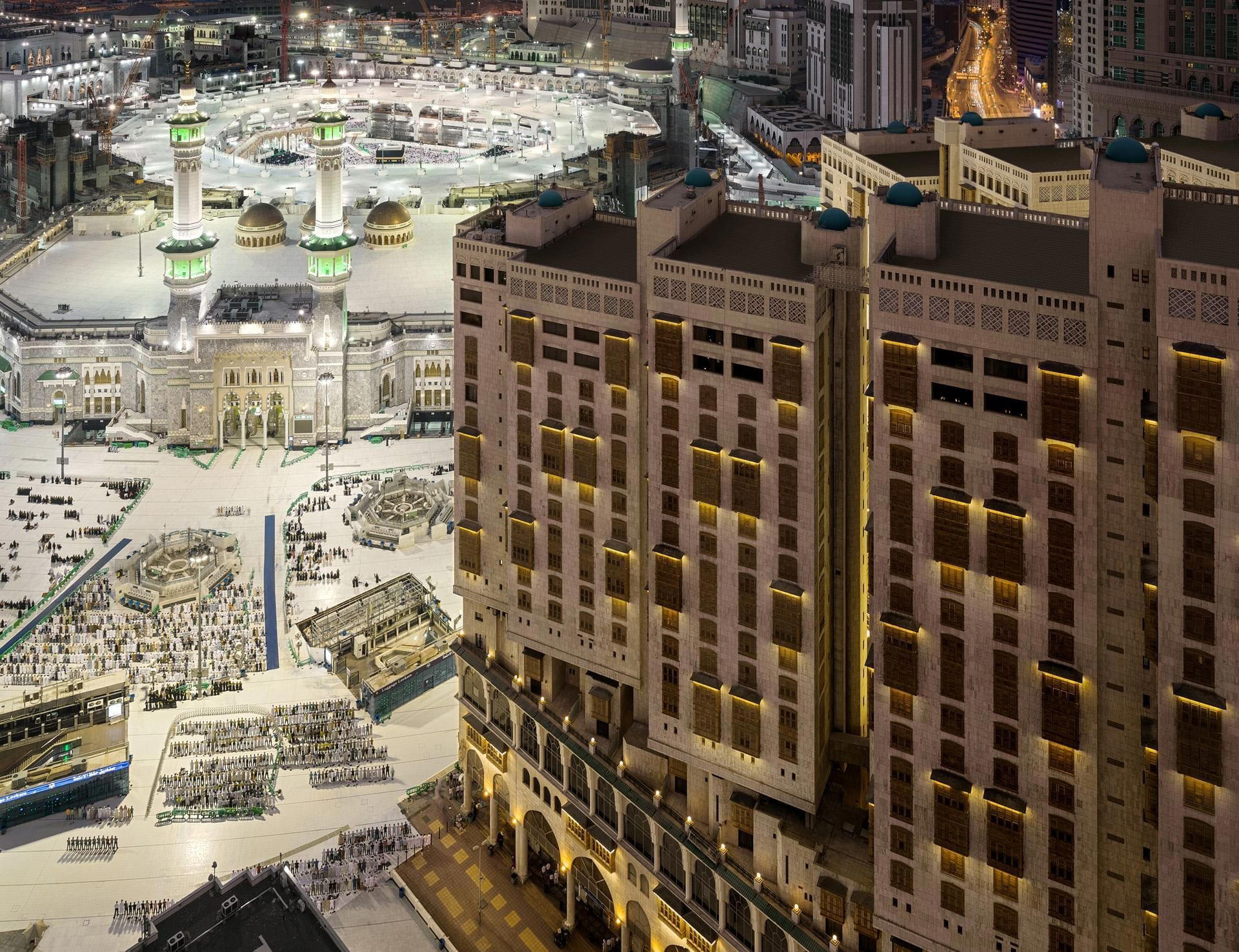
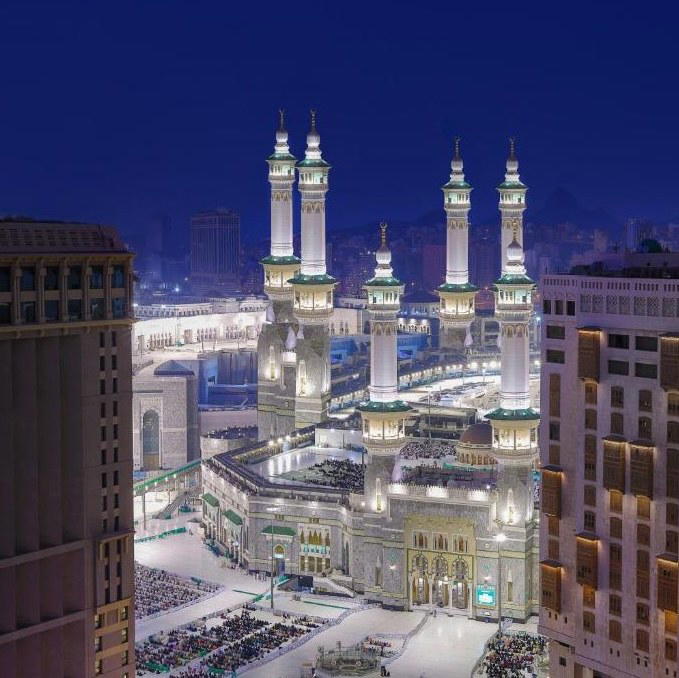
Al Dira sits in Makkah’s central hotel-and-pilgrim dining zone, where restaurants are judged less by spectacle than by how well they serve mixed groups at demanding hours. With little public detail on menu format or awards, the useful reading is contextual: expect a city-centre restaurant shaped by proximity to the Haram, regional supply rhythms, and the practical needs of families, visitors, and repeat local diners.

Pearl is the En Primeur Club membership app — saves, bookings, and concierge access live there. Same editors, same standards.
- Address
- King Abdul Aziz - 38 Rd, Endowment, Makkah 24231, Saudi Arabia
- Phone
- +966 12 571 7777
- Hours
- Daily 7–11 PM
- Website
- all.accor.com
- Directions
- Get directions
The menu
What to order
- Slow-cooked mandi lamb with hashi rice
- Kabsa with spiced rice
- Jareesh grain stew
- Live ouzi/quzi carving station
- Shawarma station
- Cold mezze selection
Approaching Makkah means entering a city where dining is inseparable from movement: families returning from prayer, hotel guests crossing through busy areas, and groups looking for a meal that can absorb different appetites without slowing the evening down. Al Dira belongs to that Makkah pattern. The restaurant’s significance is not built on chef theatre or tasting-menu ceremony; it sits in a city where usefulness, consistency, and group compatibility carry more weight than culinary performance.
Makkah’s restaurant culture has a particular pressure on it. The city receives visitors from across Saudi Arabia, the Gulf, South Asia, Southeast Asia, Africa, and beyond, yet the most dependable dining rooms tend to stay grounded in familiar formats: shared dishes, breads, soups, salads, and plates that travel well across generations. Ingredient sourcing matters here because the cooking has to satisfy people who may be eating after long walks, irregular sleep, or a day structured around worship rather than leisure. A good restaurant in Makkah is judged by whether ingredients arrive in forms that feel clear, generous, and easy to share.
Makkah dining is built around rhythm, not theatre
The food economy in Makkah reflects the city’s daily pulses. Demand rises around prayer times, group meals, and hotel check-ins; kitchens in this zone have to manage volume without turning every plate into an anonymous buffet item. That is where ingredient choices become more than procurement. Shared dishes need enough structure to hold under service. Grilled or freshly prepared items need timing and turnover. Herbs, breads, broths, and other familiar staples function as anchors because they offer recognisable comfort across a wide visitor base.
Al Dira should be read through that lens. In cities with a stronger destination-restaurant culture, a diner might start with awards, a chef’s CV, or a tasting-menu price. In Makkah, the sharper question is whether a restaurant fits the moment: a family meal after worship, a late lunch between obligations, or a table where several generations can order without negotiation becoming the main event. Other Makkah names such as Atyaf, Mazedar, Aja, Lezzet, and Mazaq occupy the same broad city conversation, though the comparison is more about function and setting than documented critical hierarchy.
For readers mapping the wider local scene, a full Makkah restaurants guide is the more useful companion than a trophy-led ranking. Hotels also shape the area’s dining habits, which helps explain why many meals here are planned around proximity rather than pure culinary ambition. Broader city coverage sits in our full Makkah experiences guide, while category pages for Makkah bars and Makkah wineries are better understood as navigation pages than reflections of the city’s dining identity.
Ingredient familiarity is the quiet advantage
Dining at this level often depends on familiar ingredients handled with discipline rather than novelty. That grammar matters in Makkah because the audience is unusually broad. A menu that leans on shared staples gives local families, Gulf visitors, and international pilgrims a common table language. The result is not a narrow regional showcase; it is a practical city style where sourcing, freshness, and turnover determine whether the meal feels settled.
That pattern also separates Makkah from restaurant scenes where chefs compete through scarcity, imported luxury ingredients, or elaborate plating. Here, the more relevant luxury is reliability at the right moment. A Makkah restaurant that can serve mixed groups sits in a different competitive set from a small counter restaurant abroad or a reservation-only dining room in another global city. Its value comes from fit: location, pace, ingredient familiarity, and the ability to handle guests whose schedules are shaped by the city rather than by dinner itself.
Al Dira’s public profile is best approached through its Makkah context rather than through a named chef identity, published tasting format, or global fine-dining frame. That changes how to assess it. The better editorial question is not whether it belongs to a global fine-dining conversation, but whether it answers Makkah’s dining brief. In this city, the credible restaurant is the one that makes a large table work, keeps the food recognisable, and respects the practical tempo of visitor-season eating.
Where it fits in a Saudi dining itinerary
Travellers comparing Saudi restaurant styles should place Makkah beside, not beneath, other cities. Riyadh often frames dining through capital-city polish and branded concepts; Jeddah adds coastal informality and a long appetite for casual meals; AlUla turns meals into part of the heritage-and-desert itinerary; Taif and other Saudi destinations tell different stories again through climate, season, and regional habit. Useful reference points are best treated generically: polished capital restaurants, coastal casual dining, heritage-destination meals, and regional cafés all show how varied the Saudi dining map can be.
Within Makkah itself, readers can cross-check related listings such as Aja, Atyaf, Lezzet, Mazaq, and Mazedar. For contrast outside Saudi Arabia, other international dining rooms show how specialist formats operate in cities where the meal is often the destination itself. Al Dira belongs to another logic: a Makkah table shaped by access, shared food, and the ingredients that keep a group meal coherent.
Frequently asked questions
Is Al Dira a family-friendly restaurant?
Al Dira is presented as a Makkah dining address, which places it in a city where meals often need to work for groups and mixed-age tables. Makkah is the clearest anchor for that setting.
What's the overall feel of Al Dira?
Al Dira reads as a straightforward Makkah dining address rather than a destination defined by chef theatre or tasting-menu ceremony. The Makkah setting points to a place shaped by local routine and practical service.
What's the address for Al Dira?
Makkah.
What's the best way to book Al Dira?
The safest approach is to plan around the venue itself in Makkah and confirm arrangements directly. For a place in Makkah, that is more reliable than assuming a particular booking format.
What do critics highlight about Al Dira?
The main point to underline is location: Al Dira is in Makkah, which places it inside the city’s everyday dining circuit. Its Makkah context carries the most weight for readers comparing local dining options.
Is Al Dira allergy-friendly?
The venue name and city, Al Dira in Makkah, are the concrete reference points available.
Snapshot
Comparable venues by cuisine and price in the same metro.
Details
- Ornate
- Elegant
- Well Known
- Scenic
- Sophisticated
- Family
- Group Dining
- Celebration
- Special Occasion
- Casual Hangout
- Brunch
- Hotel Restaurant
- Panoramic View
- Design Destination
- Zero Proof
- Skyline
- Street Scene
- Buffet
- A La Carte
- Tea
- Coffee
- Fresh Juices
- Halal
- Vegetarian Friendly
Current opening hours
- Monday
- 7–11 PM
- Tuesday
- 7–11 PM
- Wednesday
- 7–11 PM
- Thursday
- 7–11 PM
- Friday
- 7–11 PM
- Saturday
- 7–11 PM
- Sunday
- 7–11 PM
Hours can change for holidays and private events. Last verified .
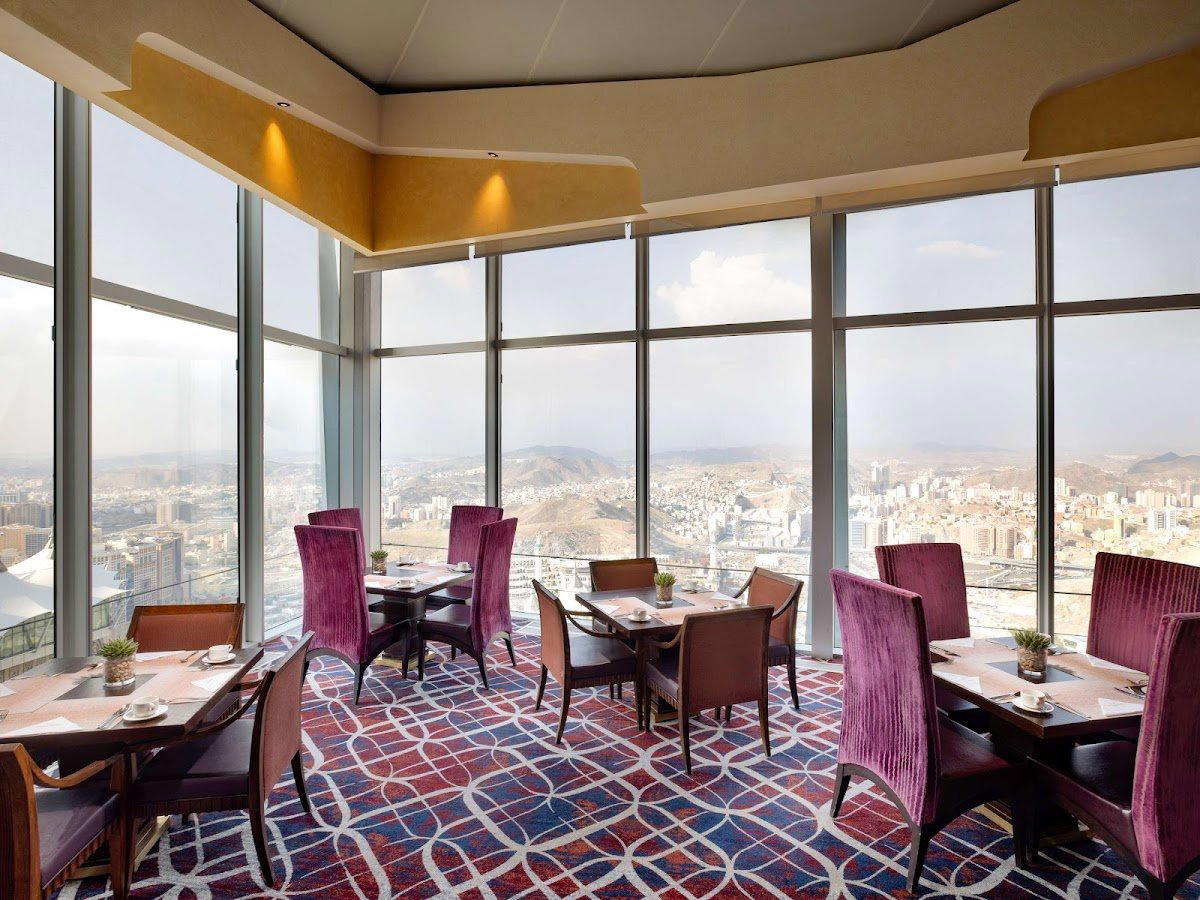
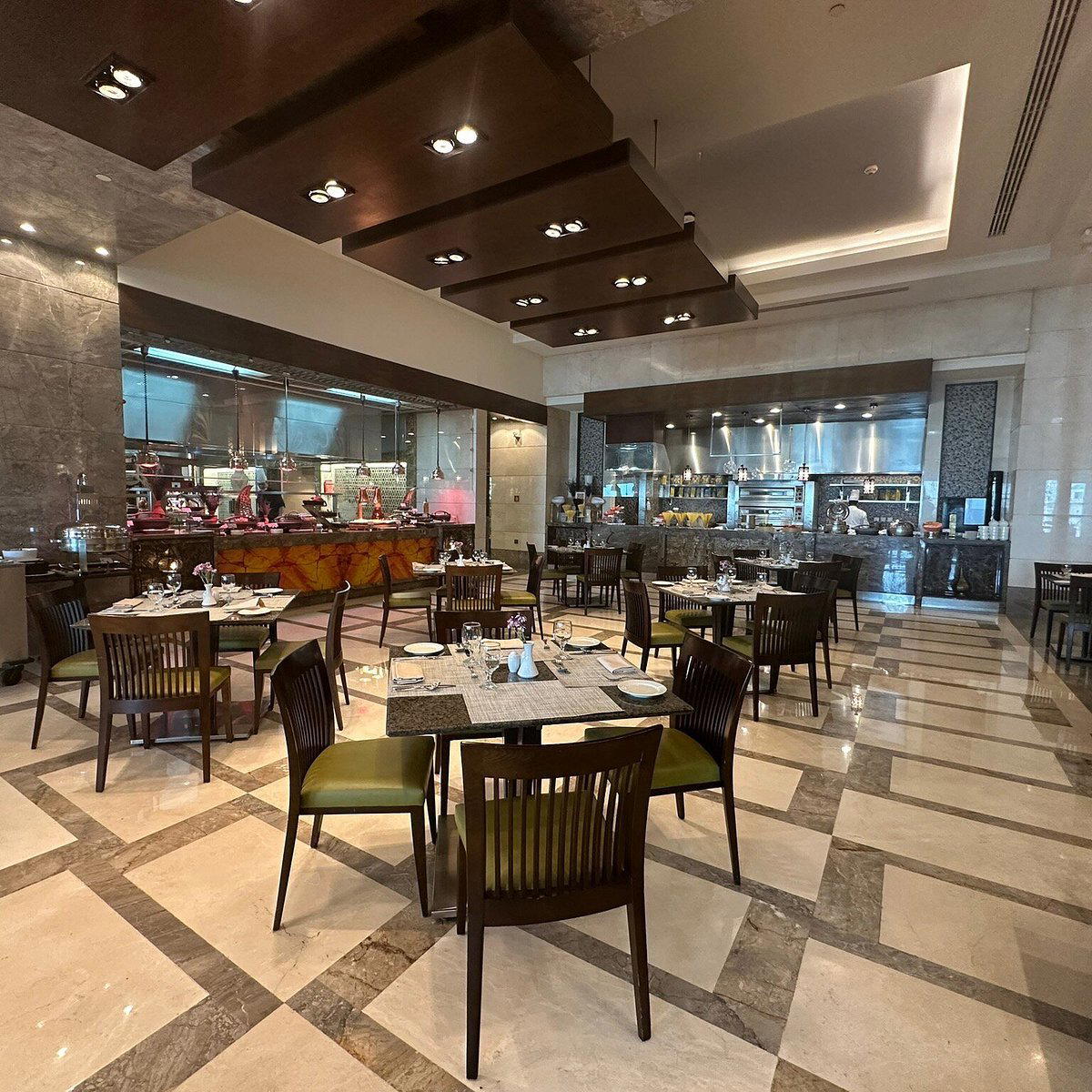
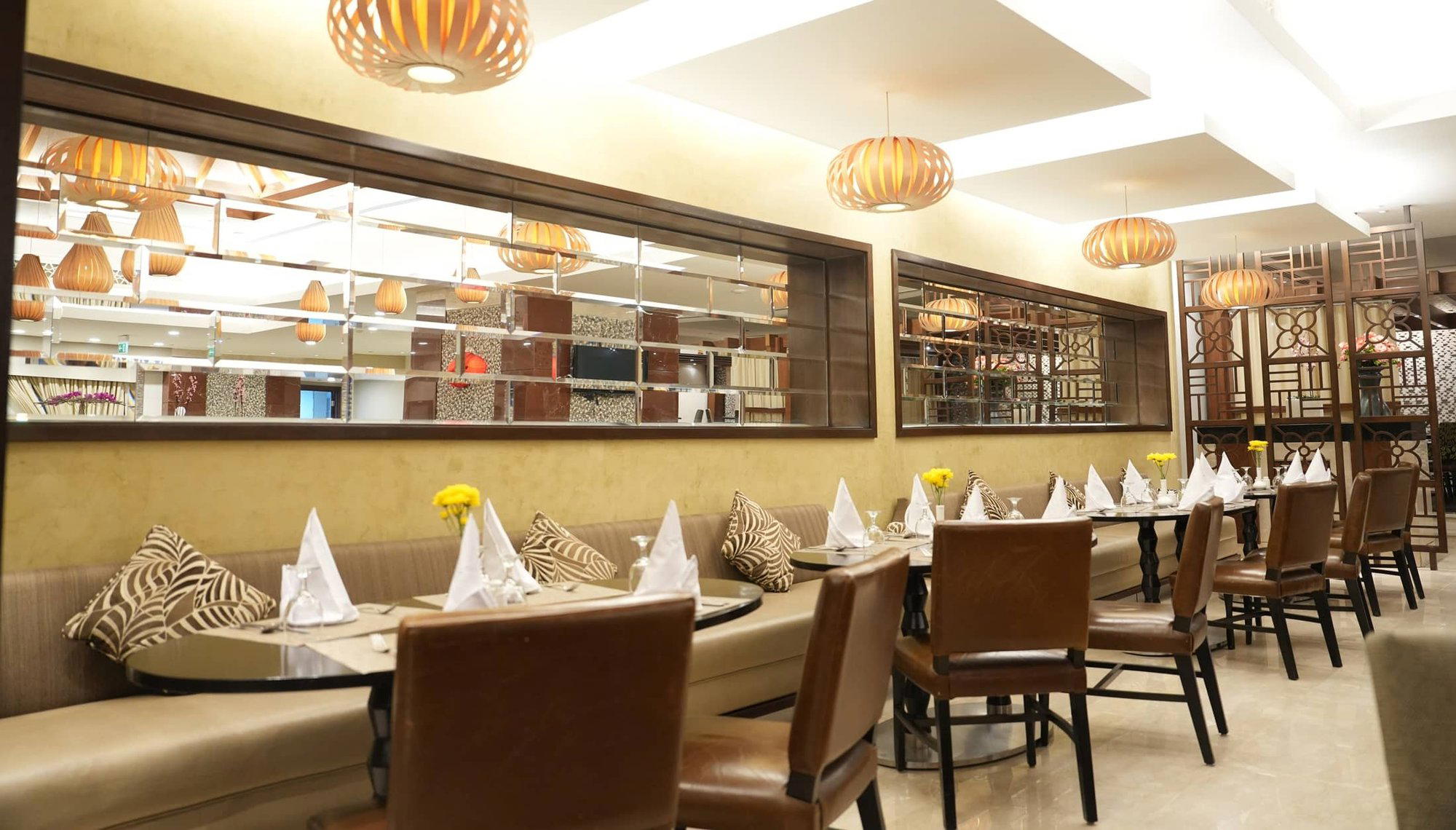
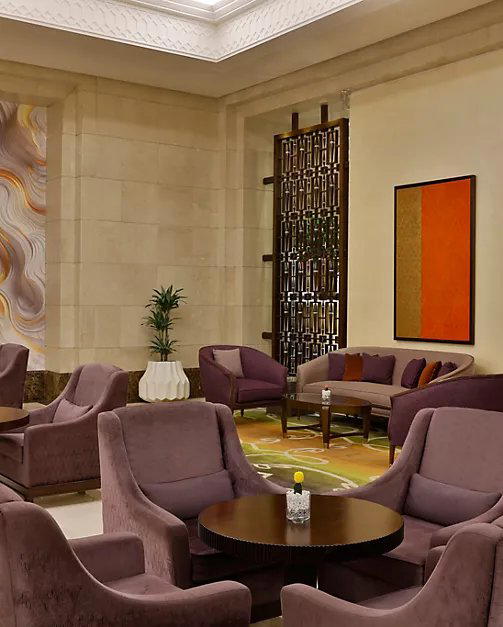
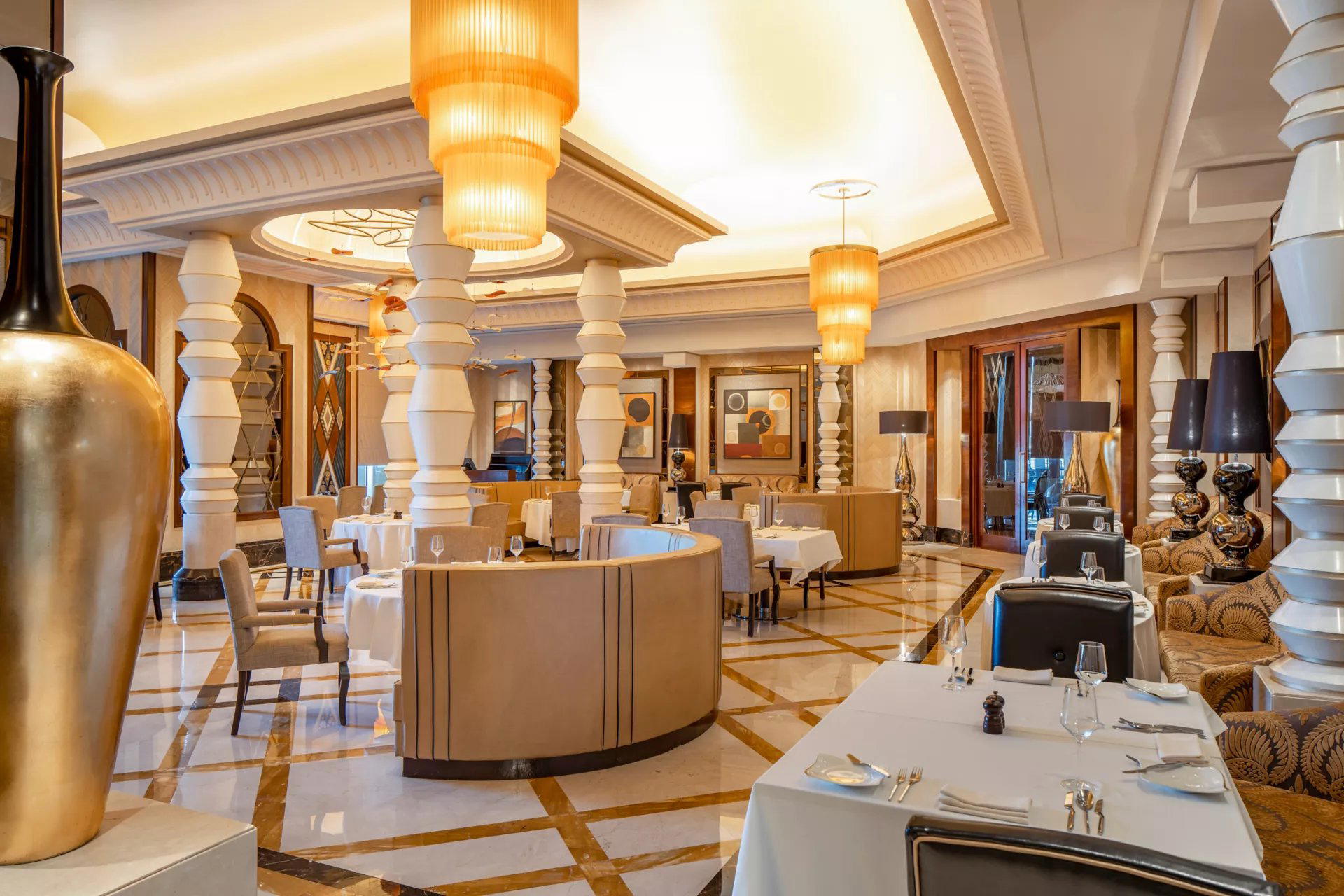
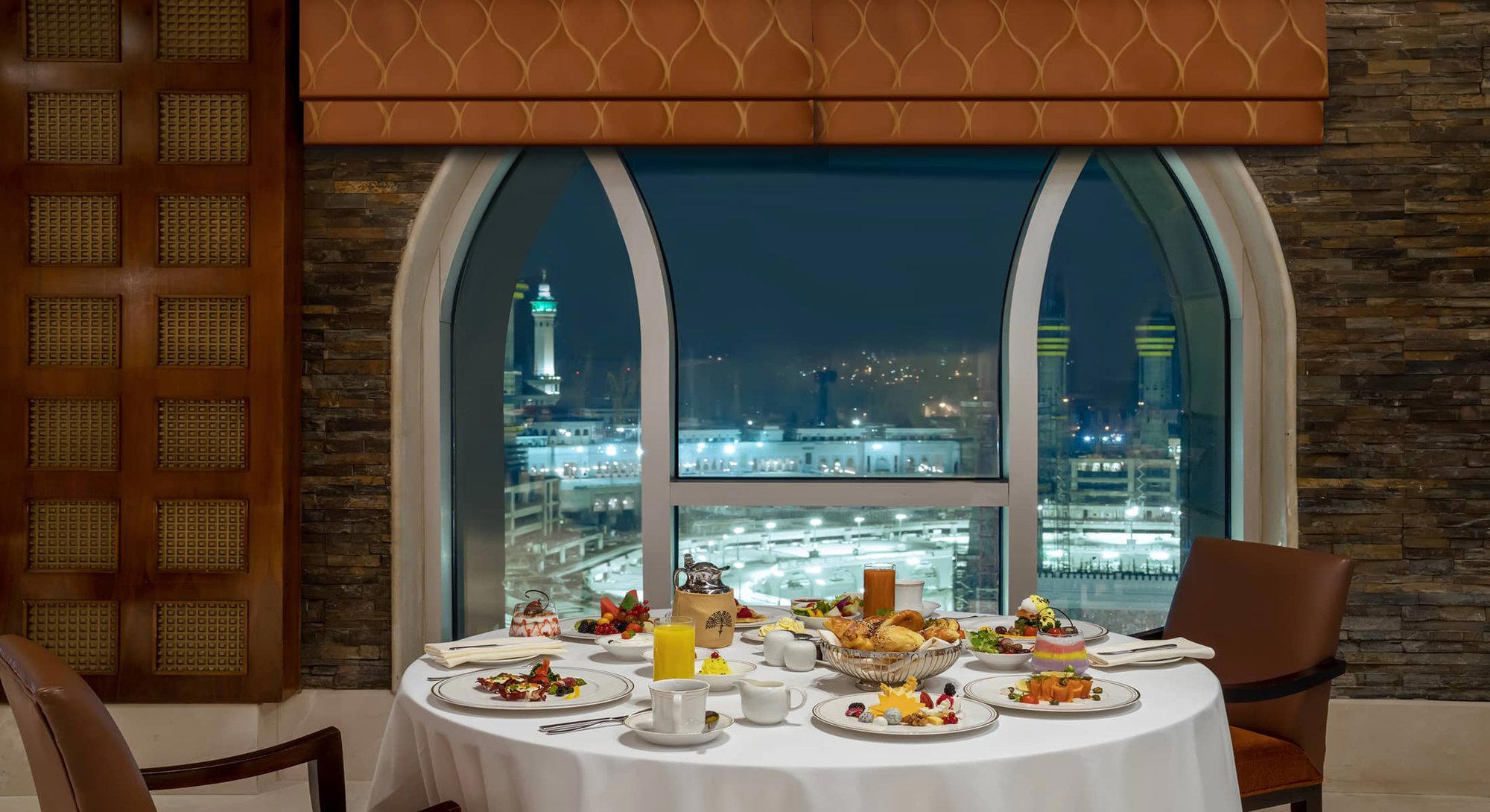
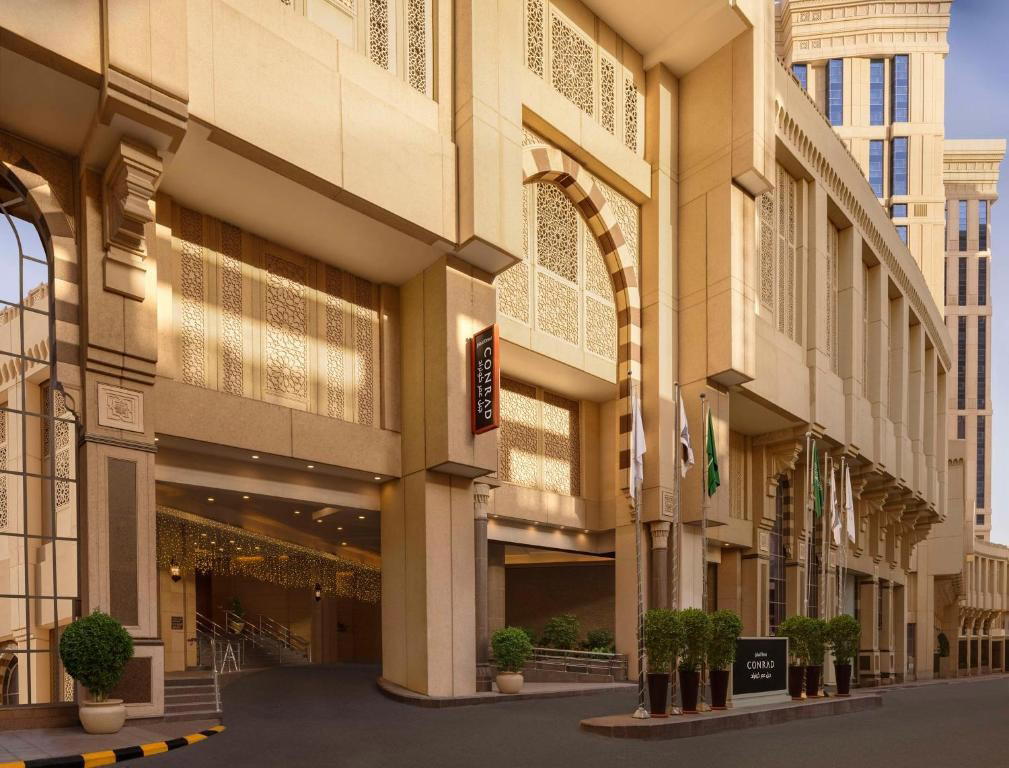
Grand, chandelier-lit dining room with palatial Saudi decor, polished service, and a calm but bustling atmosphere typical of an upscale hotel buffet serving pilgrims and families.