Al Majlis
Our verdict
Al Majlis sits in Makkah’s central hotel-dining belt, where meals are shaped by pilgrimage rhythms, mixed regional expectations, and the practical need for dependable hospitality close to the Haram precinct.

Pearl is the En Primeur Club membership app — saves, bookings, and concierge access live there. Same editors, same standards.
- Address
- Royal Tower, Near Ibrahim Al Khalil Rd, Al Hajlah, Makkah 24231, Saudi Arabia
- Phone
- +966 12 571 7800
- Hours
- Daily 12 AM–4 PM
- Website
- raffles.com
- Directions
- Get directions
- Booking
- Book on the venue's website
The menu
What to order
- Mezzeh appetizer buffet
- Oriental kebab
- Kabsa
- Caesar salad
Approaching Makkah, the dining mood changes from street-level movement to hotel-contained calm. This part of the city feeds people in compressed windows: before prayers, after long walks, between family obligations, and often across several generations at one table. Al Majlis belongs to that hotel-dining grammar, where the room has to absorb a city’s religious intensity without turning dinner into ceremony.
Makkah is not a restaurant city in the conventional leisure sense. Its dining culture is shaped by pilgrimage traffic, Gulf hospitality codes, and the needs of visitors who may be arriving from Jeddah, Riyadh, Cairo, Jakarta, Lagos, Karachi, London, or Kuala Lumpur in the same week. That mix changes what a Makkah dining room has to deliver. Consistency matters. Clear sourcing matters. Familiarity matters, especially when guests are eating around worship schedules rather than building an evening around a chef’s tasting menu.
Hotel dining in Makkah is judged by trust before theatre
The Makkah restaurant category rewards a different kind of competence from the trophy dining rooms of Dubai, Riyadh, or Doha. Imported luxury signals carry less weight here than operational discipline: food that can satisfy mixed groups, kitchens that understand halal assurance as a baseline rather than a selling point, and menus broad enough to make sense for families who may not share the same appetite after travel.
Ingredient sourcing is part of that equation. In Saudi hotel kitchens, the practical question is less about fashionable provenance language and more about supply reliability: rice, lamb, poultry, dates, dairy, breads, spices, and produce moving through high-volume hospitality systems with clear halal control. The better Makkah rooms tend to show their seriousness through restraint, not through novelty for its own sake.
Al Majlis should therefore be read within Makkah’s hospitality scene rather than as a chef-led destination restaurant. Comparison points such as Al Qasr, Al Andalus Restaurant, Al Fayhaa Restaurant, Jasmin Café, and Al Noor Restaurant occupy the same broad decision zone for visitors weighing convenience, comfort, and group suitability. The useful question is not whether a room behaves like a Riyadh fine-dining address. It is whether it fits the tempo of Makkah without adding friction.
Provenance here means regional fluency, not menu theatrics
Makkah’s tables sit at the meeting point of Hijazi food memory and global Muslim travel. The city’s dining rooms often need to accommodate Gulf staples, Levantine habits, South Asian expectations, and international hotel cooking within the same service period. That breadth can flatten weaker kitchens into generic buffet logic, but it can also produce a practical form of hospitality: dishes built around recognizable grains, grilled meats, stews, breads, salads, and sweets that travel well across cultures.
For an ingredient-led reading, the strongest lens is the Hijaz itself. Western Saudi Arabia has long been a corridor for spices, pilgrims, merchants, and port-linked foodways, with Jeddah historically connecting inland Makkah to Red Sea trade. That history explains why dining here rarely feels narrowly local in the way a mountain village or coastal town might. Cardamom, saffron, rice dishes, grilled meats, dates, and dairy-based desserts sit comfortably beside broader hotel-restaurant standards because Makkah has always had to feed outsiders as well as residents.
How to place it in a Makkah itinerary
The practical read is simple: Makkah dining is about reducing decision fatigue. A restaurant in Makkah suits visitors who want a contained meal within the city’s hotel-heavy pattern rather than a cross-city food expedition. Families, older travellers, and mixed-nationality groups usually benefit from that setup because it lowers the risk of transport delays and menu mismatch.
Readers building a wider Makkah plan can pair dining choices with the Makkah experiences guide.
For broader editorial comparison beyond Makkah, look to unnamed dining formats in other cities and travel contexts. The contrast is useful: Makkah’s restaurants are not chasing the same audience as chef-counter dining, American diner culture, or sake-bar minimalism. Al Majlis belongs to a pilgrimage-city category where sourcing discipline, halal confidence, and low-friction hospitality carry the argument.
Frequently asked questions
How far ahead should I plan for Al Majlis?
Plan around your stay in Makkah rather than treating it as a standalone outing. Demand for Makkah dining tends to follow prayer and pilgrimage schedules, so timing matters more than ceremony.
In Context: Similar Options
Nearby venues at a similar price tier for orientation.
| Venue | Cuisine | Price |
|---|---|---|
| Al MajlisThis venue — the venue you are viewing | Fine-dining Eastern Mediterranean with Italian and Levantine influences | $50–100 |
| Al Qasr | Luxury all‑day international buffet with Arabic, Indian, Moroccan and Western dishes | $50–100 |
| Al Andalus Restaurant | Arabic & International Hotel Buffet with Holy Haram Views | Not listed |
| Al Fayhaa Restaurant | Oriental & International Halal Buffet with Holy Haram Views | Not listed |
| Al Noor Restaurant | Arabic & international buffet with Holy Haram views | Not listed |
Details
- Elegant
- Scenic
- Sophisticated
- Classic
- Ornate
- Well Known
- Business Dinner
- Family
- Group Dining
- Special Occasion
- Celebration
- Date Night
- Terrace
- Panoramic View
- Hotel Restaurant
- Zero Proof
- Skyline
- Street Scene
- A La Carte
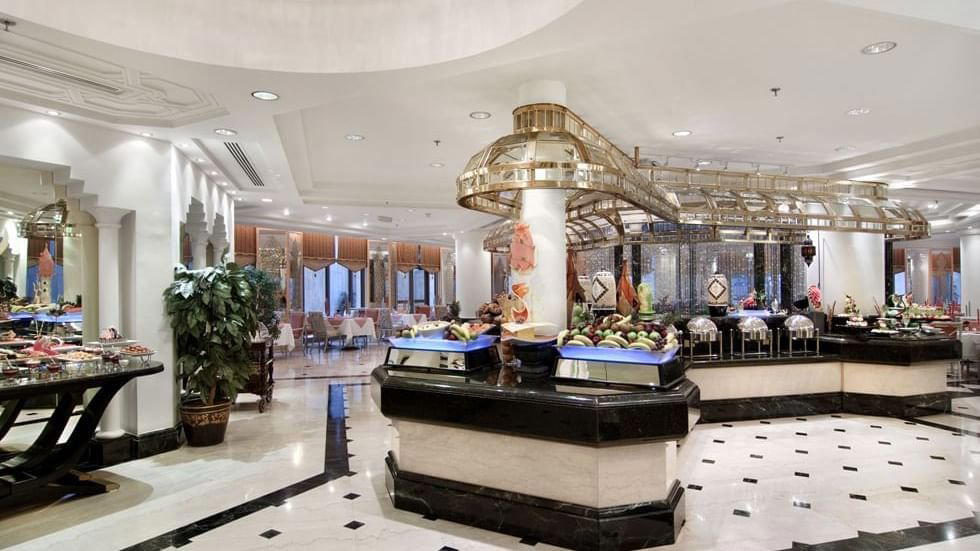
- Buffet
- Non Alcoholic
- Tea And Coffee
- Halal
- Vegetarian Friendly
Current opening hours
- Monday
- 12 AM–4 PM
- Tuesday
- 12 AM–4 PM
- Wednesday
- 12 AM–4 PM
- Thursday
- 12 AM–4 PM
- Friday
- 12 AM–4 PM
- Saturday
- 12 AM–4 PM
- Sunday
- 12 AM–4 PM
Hours can change for holidays and private events. Last verified .
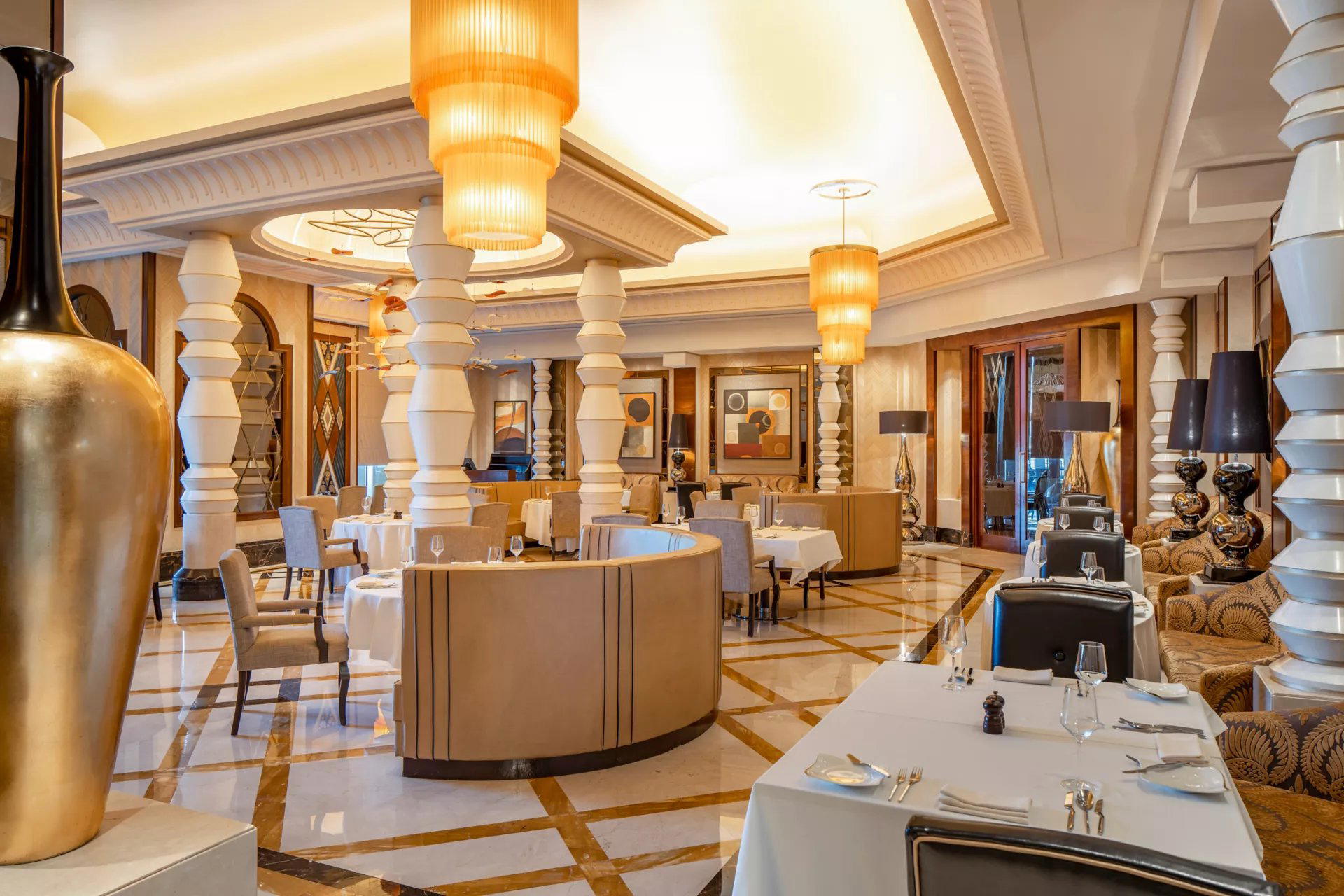
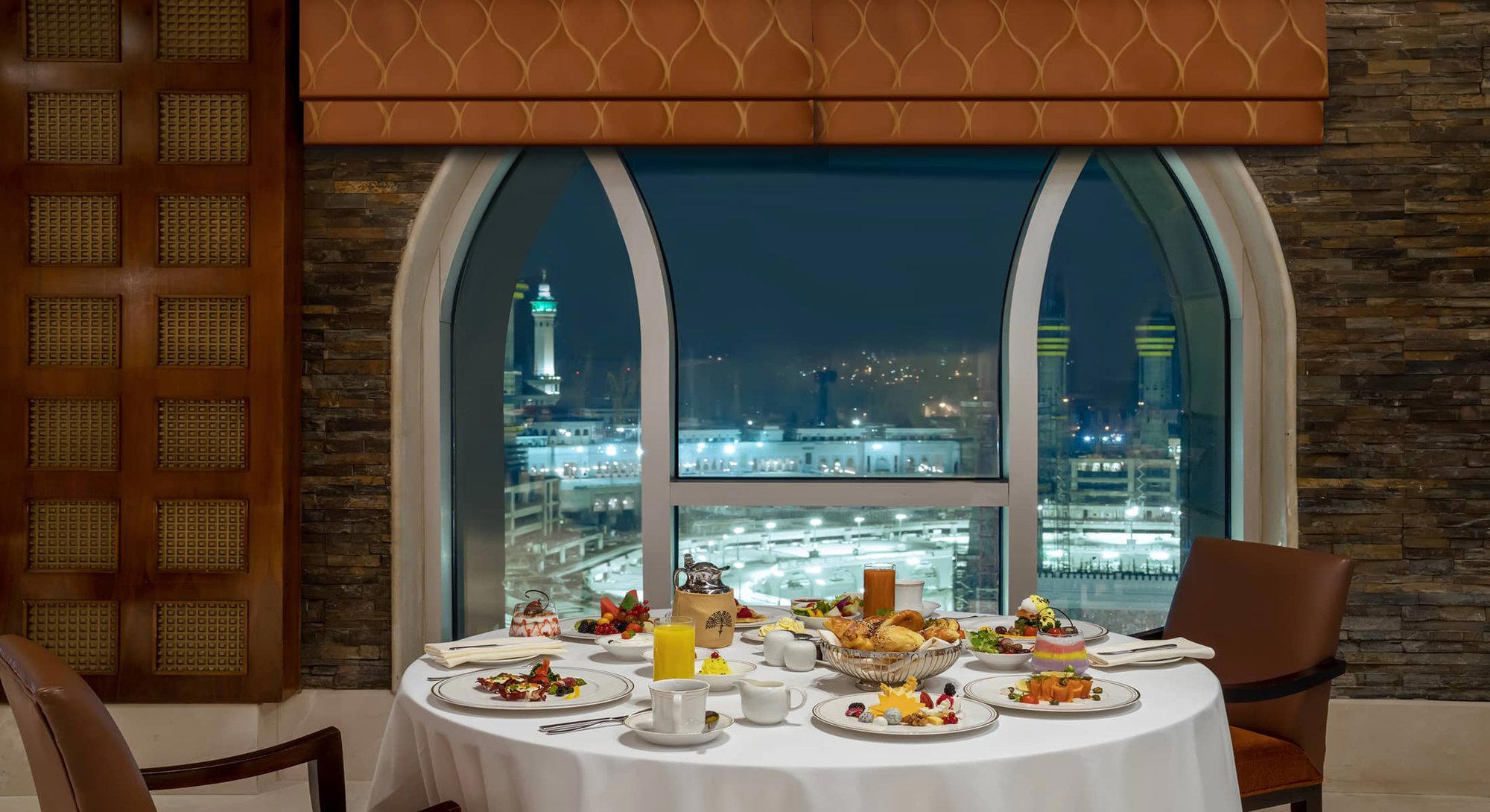
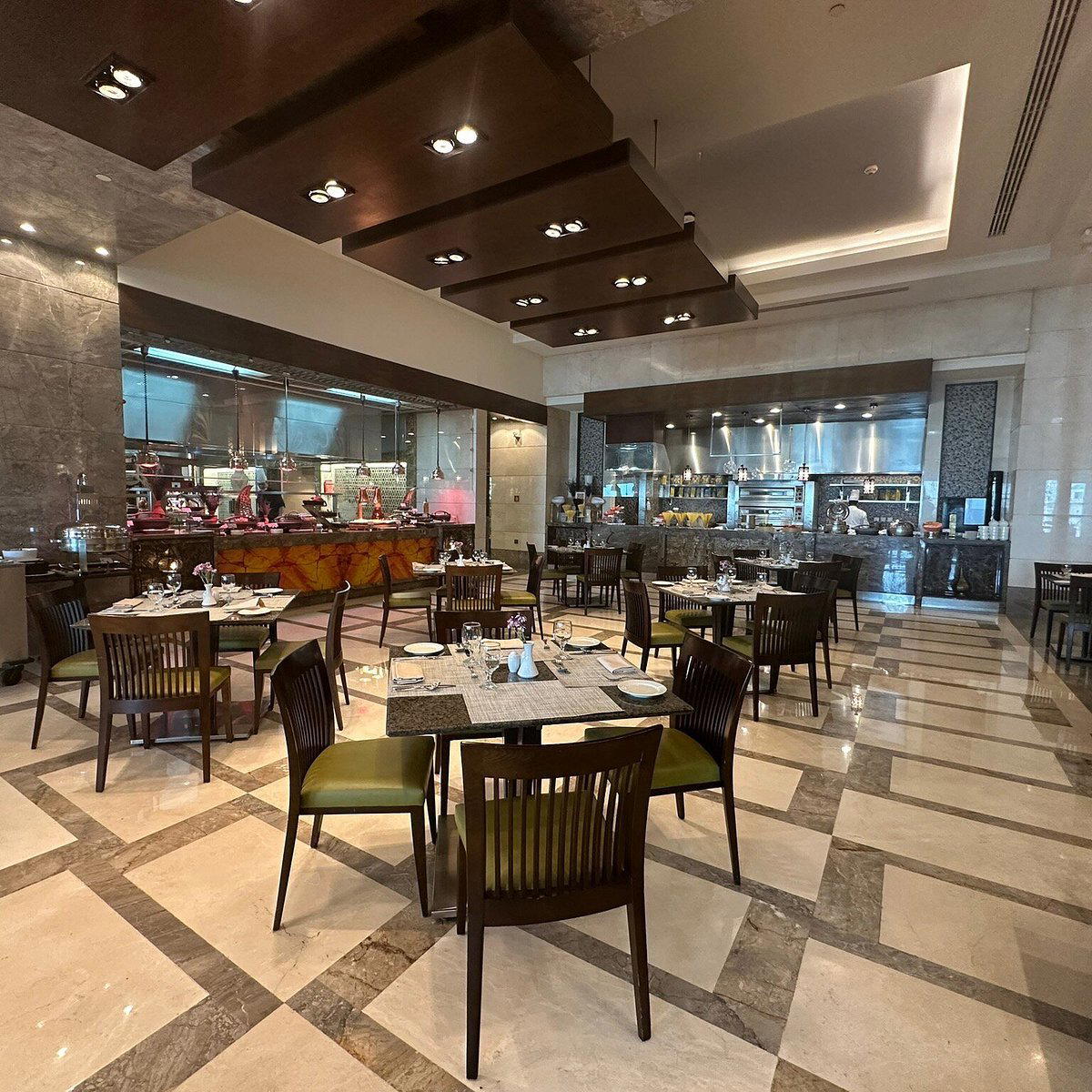
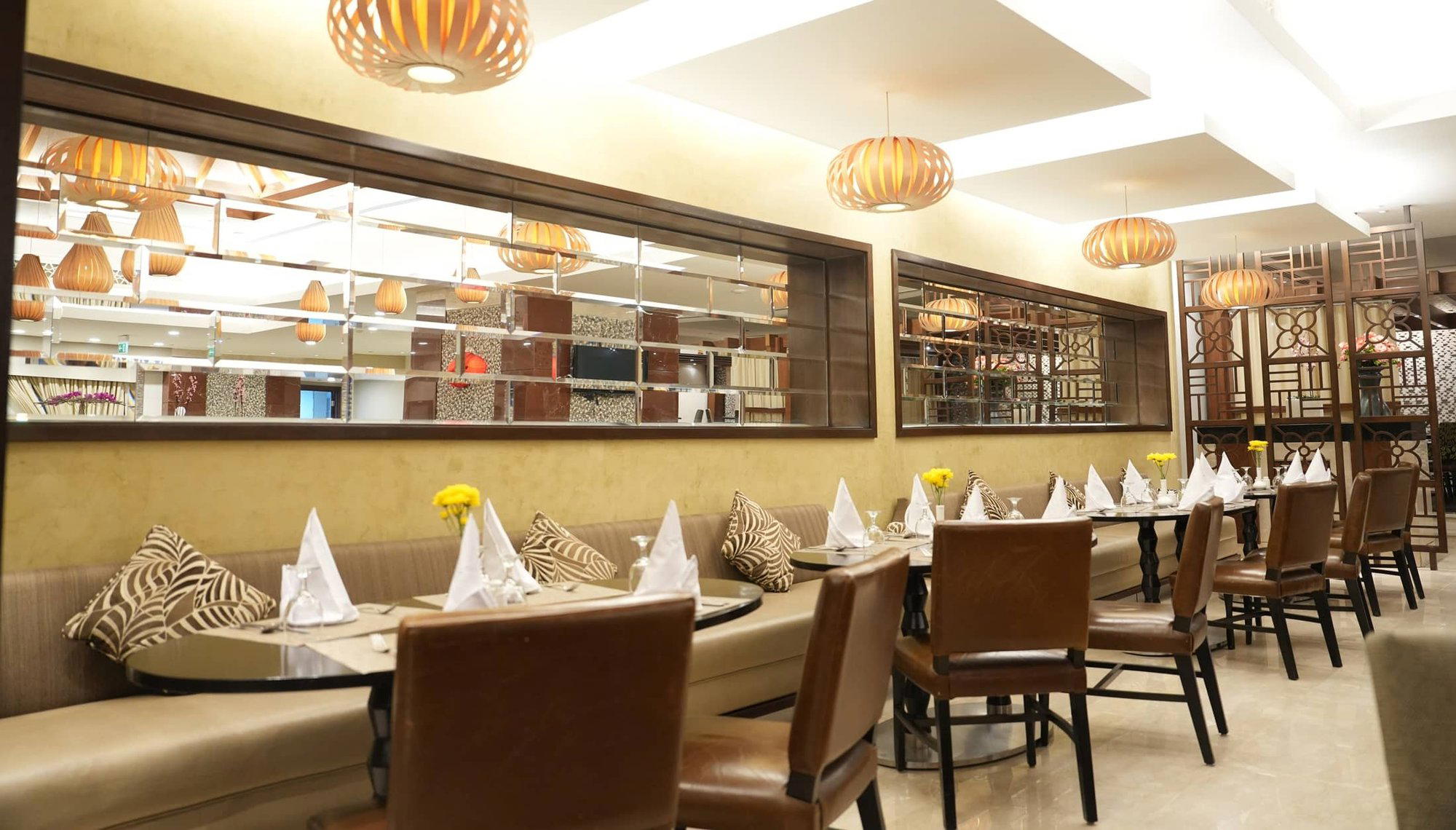
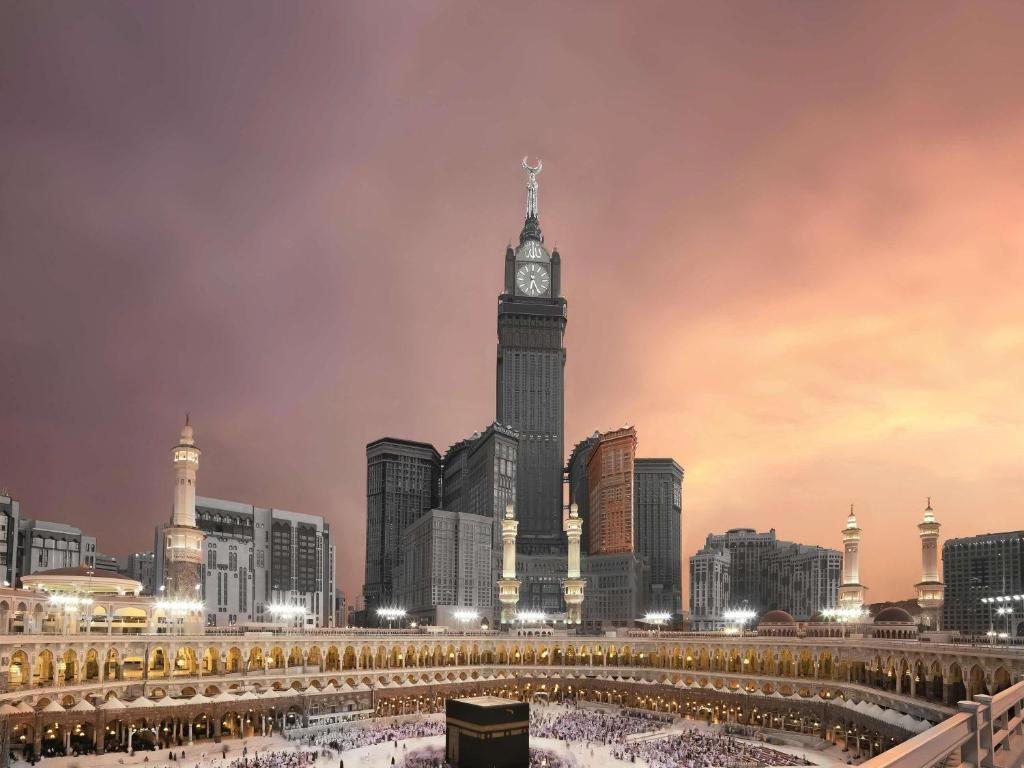
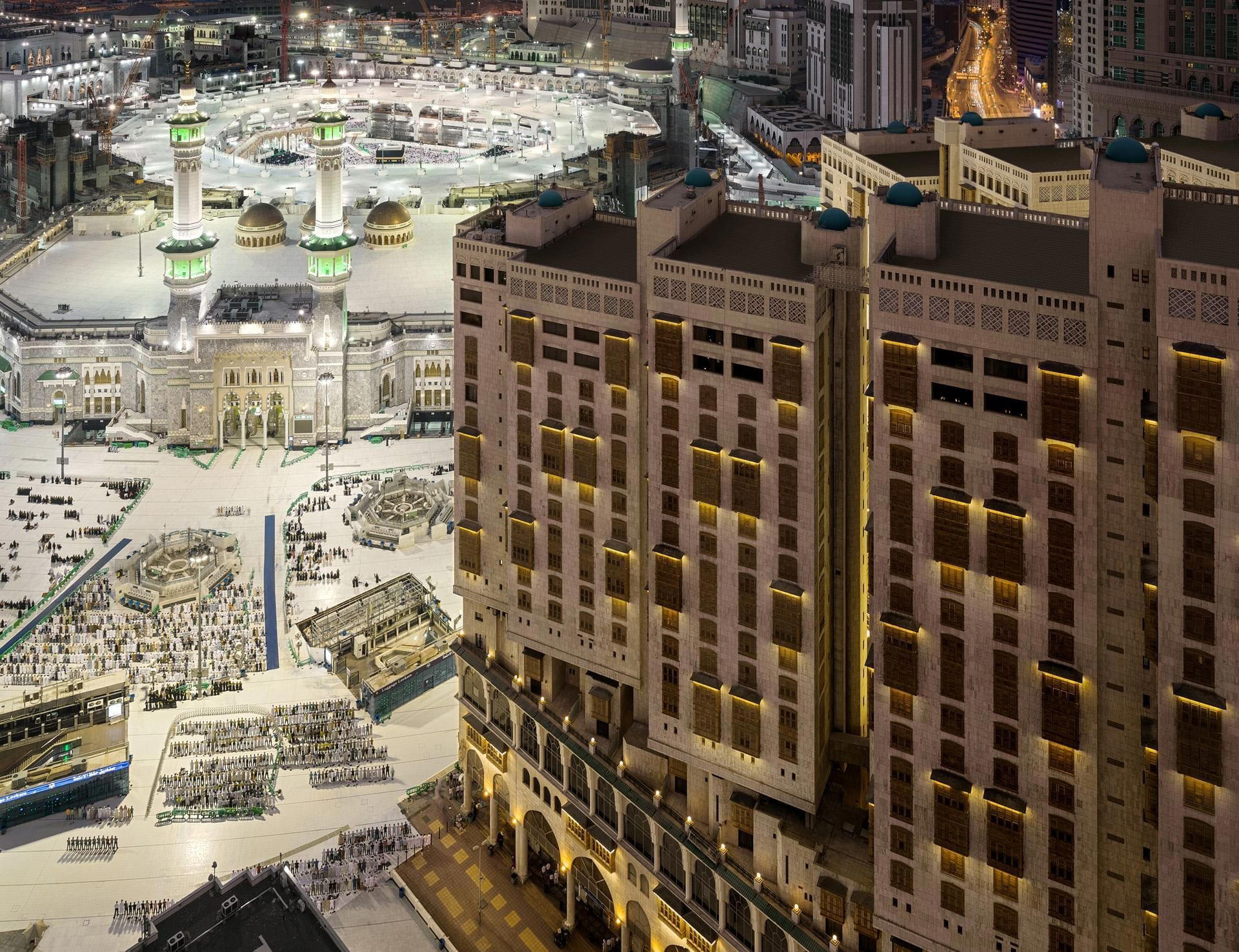
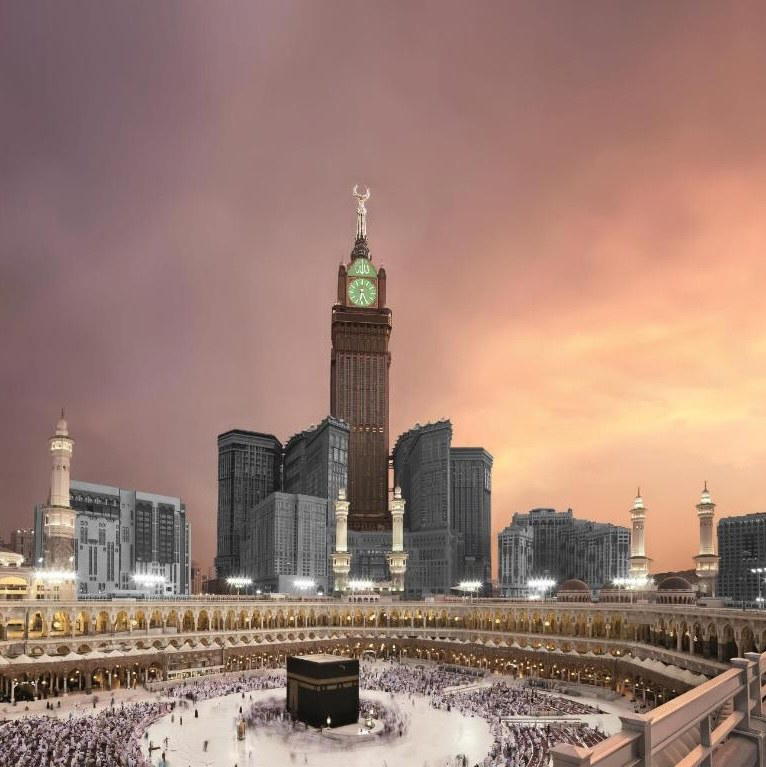
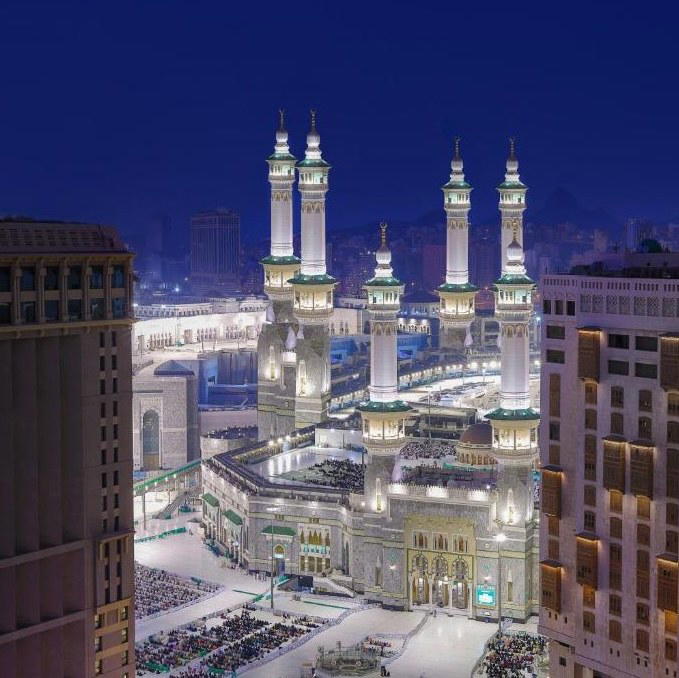
Refined hotel-restaurant setting with elegant, classic decor, attentive fine-dining service, and a calm, upscale atmosphere enhanced by panoramic views of Al Masjid al-Haram.