
Relais Chateaux Award
Our verdict
On Trieste's grandest civic square, Harry's Restaurant and Dehors occupies a setting that few Italian seafood addresses can match. Under chef Davide Tonetti, the kitchen has earned recognition for creative cooking within a tradition anchored to the northern Adriatic. For a city that lives at the intersection of Italian, Slovenian, and Central European influences, the menu and its wine pairings reflect that layered coastal identity.

Pearl is the En Primeur Club membership app, where members save venues, book tables and use the concierge.
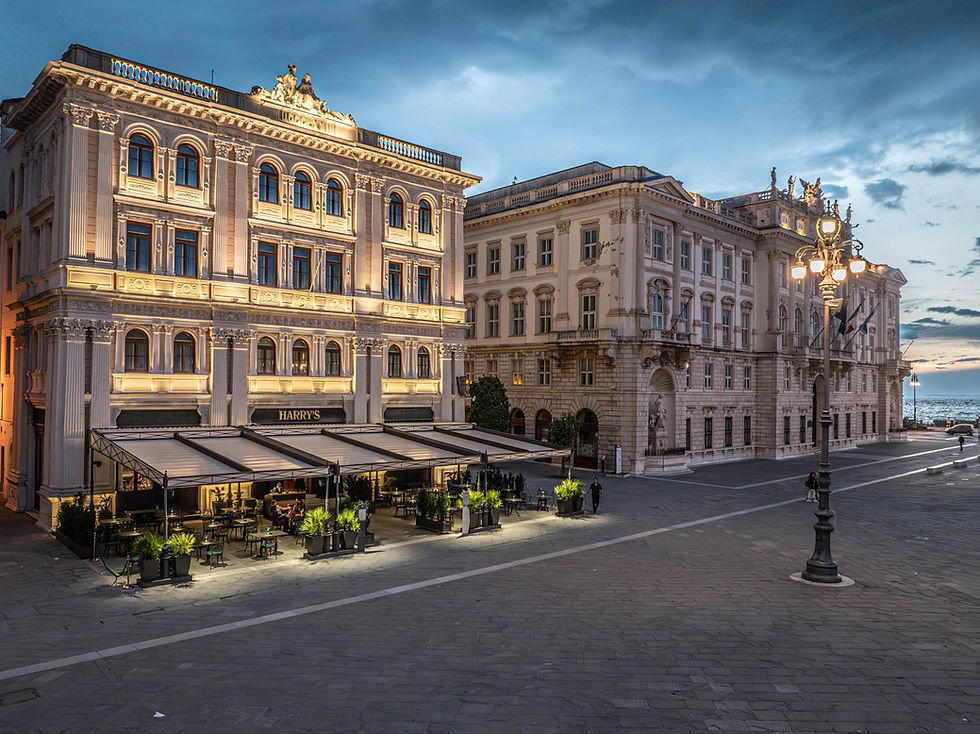
A Table on Piazza Unità d'Italia
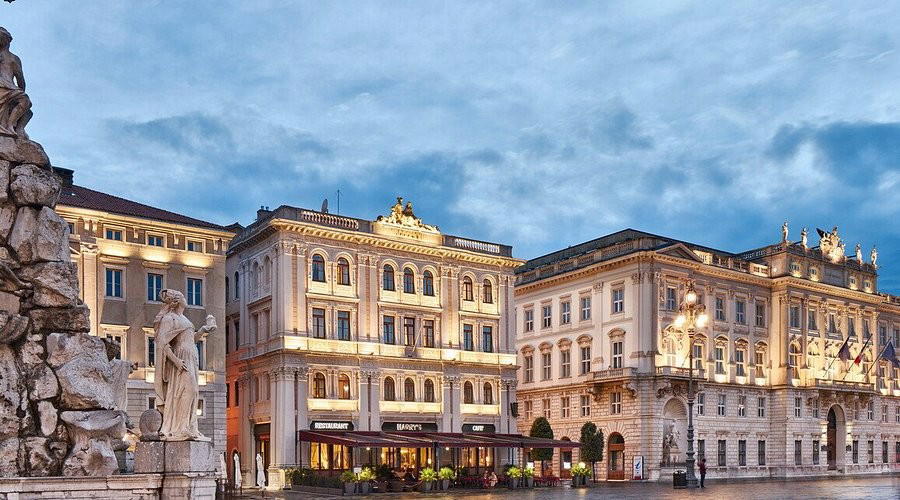
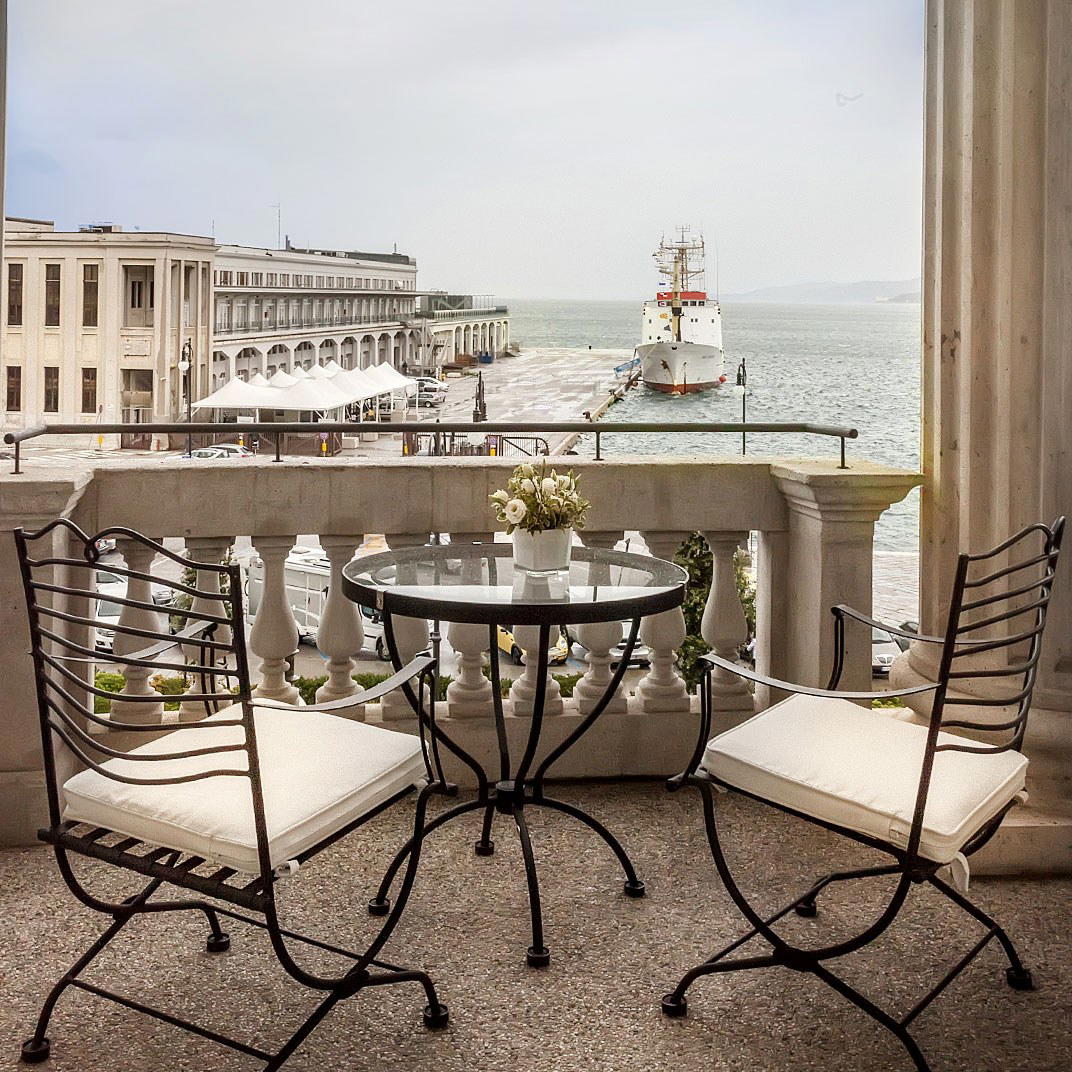
Piazza Unità d'Italia is not a backdrop you stumble into, it is one of the largest sea-facing civic squares in Europe, its colonnaded facades opening directly onto the Gulf of Trieste. Sitting at a table on the dehors here, the water visible beyond the piazza's edge, is a reminder that Trieste's relationship with the Adriatic is not decorative. It is the engine of the city's kitchen. Harry's Restaurant and Dehors occupies a privileged position within that setting, at address number two on the square itself, and the weight of the location shapes expectations before a single dish arrives.
Trieste's dining scene is smaller and more specialised than the Italian cities that absorb most international attention. It sits at a geographical and cultural intersection, Italian by governance, Habsburg by architecture, Slovenian by proximity, and its seafood tradition reflects all three. The fish and shellfish that define the northern Adriatic differ from what you find on Venetian counters or along the Ligurian coast: smaller, colder-water species, crab preparations common to Istrian cooking, and a wine culture shaped by the Carso plateau directly behind the city. Harry's, with its Creative Cooking recognition, operates within this particular regional grammar rather than against it.
Creative Cooking in a Northern Adriatic Context
The Creative Cooking designation Harry's carries is worth contextualising against Trieste's competitive set. At the upper end, Harry's Piccolo holds two Michelin stars and prices at the €€€€ tier, representing the city's most formal fine-dining register. The mid-range seafood category includes Al Bagatto and Al Petes, both operating at €€€, while Menarosti anchors the more casual €€ bracket. Harry's Restaurant and Dehors sits in a creative-focused Italian seafood tier that bridges occasion dining and the city's Adriatic culinary heritage, a position supported by its award recognition under chef Davide Tonetti.
Creative cooking in an Italian seafood context does not mean departure from tradition so much as a willingness to interrogate it. Italy's great creative restaurants, from Osteria Francescana in Modena to Le Calandre in Rubano, have built international reputations by treating regional ingredients as the fixed point and technique as the variable. At the coastal level, that means seafood treated with more structural ambition than a simple grill or crudo allows, while remaining legible to guests who come to Trieste specifically for its Adriatic produce. The creative designation signals that Tonetti's kitchen is engaged in that conversation.
Wine and the Northern Adriatic Table
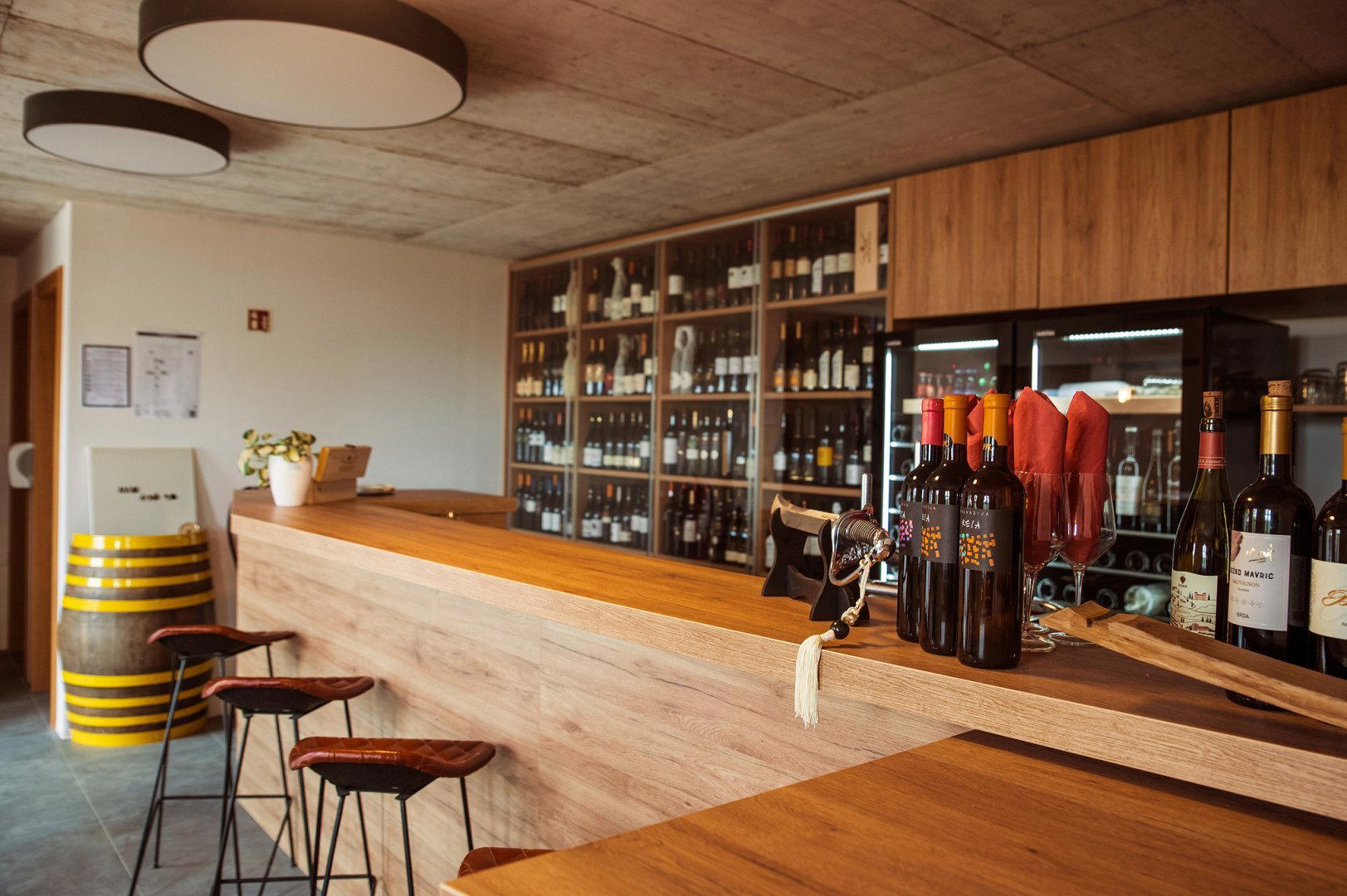
No serious discussion of eating in the Trieste region separates food from wine, and the reason is geographic. The Carso DOC, the limestone plateau rising sharply behind the city, produces some of Italy's most characterful white wines, built primarily on Vitovska and Malvasia Istriana, alongside Terrano for reds. These are not soft, accommodating styles. Carso whites carry a mineral austerity that functions as a structural counterpoint to the iodine weight of Adriatic shellfish, a pairing logic rooted in the same geology that shapes both the vines and the sea's character as it meets the land.
For guests approaching the wine list at a creative Italian seafood address in Trieste, the broader Friuli-Venezia Giulia region deepens the options considerably. Collio and Isonzo whites, Friulano, Ribolla Gialla, local Pinot Grigio in its more serious skin-contact expressions, extend the pairing range from the mineral-saline end of the spectrum toward more textured, oxidative profiles suited to cooked preparations and richer sauces. The leading sommeliers at this level use the wine list not as a catalogue but as a map: the Adriatic on the table, the Carso and Collio in the glass, a few steps of elevation connecting both. Italy's most accomplished wine-focused restaurants, among them Enoteca Pinchiorri in Florence and Enrico Bartolini in Milan, have long demonstrated how a thoughtful wine programme doubles the articulation of a menu. In a city with Trieste's wine geography, that principle applies with particular force.
Italian seafood and wine pairing at its most specific is also a question of timing. Early in a meal, when raw or lightly cured preparations appear, a Vitovska from a producer on the Carso plateau cuts cleanly against sea urchin or oyster. As cooking progresses toward braises, pasta courses, or roasted whole fish, the richer skin-contact Ribolla Gialla from Friuli's orange wine tradition holds weight without overpowering. These are not arbitrary pairings drawn from a textbook, they are the result of centuries of people eating what the sea provides and drinking what the hill above them grows.
Trieste Beyond the Plate
Harry's dehors position on the piazza means the restaurant functions differently depending on season. The outdoor terrace commands the square's full civic scale in warmer months, a dining experience shaped as much by the specific quality of light on the Gulf of Trieste as by what arrives from the kitchen. Trieste is not a high-volume tourist city in the way Venice or Florence absorbs visitor traffic; its rhythms are slower, its reputation among Italian diners rather than international tourists, which tends to keep the dining room anchored to a local and regional clientele with genuine knowledge of what the kitchen is doing.
For visitors planning around the restaurant, the broader city offers significant context. Trieste's coffee culture, literary history, and Habsburg-era architecture make it a destination that rewards more than a single meal. Our full Trieste restaurants guide maps the complete dining picture, and our guides to Trieste hotels, bars, wineries, and experiences provide the fuller picture of what the city does well.
For those building a broader Italian seafood itinerary, the contrast between Trieste's northern Adriatic register and other coastal traditions is instructive. Baccano in Rome and La Terrazza in Punta Ala represent different coastal contexts; the ingredient logic and wine pairing shift substantially between them. Within northeast Italy, Atelier Moessmer Norbert Niederkofler in Brunico and Dal Pescatore in Runate demonstrate how the alpine and Po Valley registers diverge from what Trieste does with its proximity to the sea. Piazza Duomo in Alba anchors the Piedmontese frame of reference. Each maps a different corner of Italian creative cooking; Harry's occupies the northeastern coastal one with specificity.
Planning Your Visit
Harry's Restaurant and Dehors is located at Piazza Unità d'Italia, 2, placing it at the civic heart of Trieste with the piazza's outdoor seating a significant draw from spring through early autumn. Booking in advance is advisable, particularly for the outdoor tables, which are limited in number relative to demand on warmer evenings. For visitors arriving by rail, Trieste Centrale connects directly to Venice and Ljubljana, making the city a logical point within a northeast Italy or cross-border itinerary rather than a deviation from one.
Frequently asked questions
Is Harry's Restaurant and Dehors okay with children?
Piazza Unità d'Italia is a civic space, not an intimate dining room, and the outdoor setting is tolerant of a broader age range, but the mid-to-upper price positioning and creative kitchen focus make it a better fit for adult tables than a family outing with young children.
Is Harry's Restaurant and Dehors better for a quiet night or a lively one?
If you want a calm, focused dinner, go on a weeknight in the shoulder season, the piazza thins out and the kitchen's creative work gets proper attention. If the square is busy, the dehors absorbs the energy of the piazza rather than filtering it, which suits an occasion dinner but not concentrated conversation. The creative cooking recognition and the civic scale of the setting make it well suited to a meaningful meal rather than a high-energy night out.
What should I eat at Harry's Restaurant and Dehors?
The Italian seafood focus, combined with the kitchen's Creative Cooking recognition under chef Davide Tonetti, points toward the fish and shellfish preparations as the core of the menu. In a city whose northern Adriatic supply chain differs from any other Italian coastal tradition, the seafood-led dishes are the clearest expression of what the kitchen is doing, and the most direct argument for eating here rather than at a more generic Italian address.
The Short List
Comparable venues nearby, for context on price, style, and recognition.
| Venue | Cuisine | Price | Awards | Notes |
|---|---|---|---|---|
| Harry's Restaurant and DehorsThis venue (the venue you are viewing) | Contemporary Italian Bistro | $50–100 | Relais Chateaux Award | Not listed |
| Ristorante Le Vele | Italian Seafood | Not listed | Not listed | Not listed |
| Imperatore Champagneria e Vineria | Italian Seafood & Wine Bar | $30–50 | Not listed | Centro, Italian Seafood & Wine Bar |
| Nanut | Italian-Friulian Enoteca | Not listed | Not listed | IV Circoscrizione, Italian-Friulian Enoteca |
| Nerodiseppia | Italian Seafood Trattoria | Not listed | Not listed | Centro, Italian Seafood Trattoria |
| Trattoria Alla Sacchetta | Traditional Italian Seafood Trattoria | $20–30 | Not listed | Riva Tommaso Gulli, Traditional Italian Seafood Trattoria |
Recognition history
Dated appearances from independent guides and award organizations, with the underlying list record or original source where available.
Relais Chateaux Award
Relais Chateaux
Continue exploring
More in Trieste
Restaurants in Trieste
All restaurants in Trieste →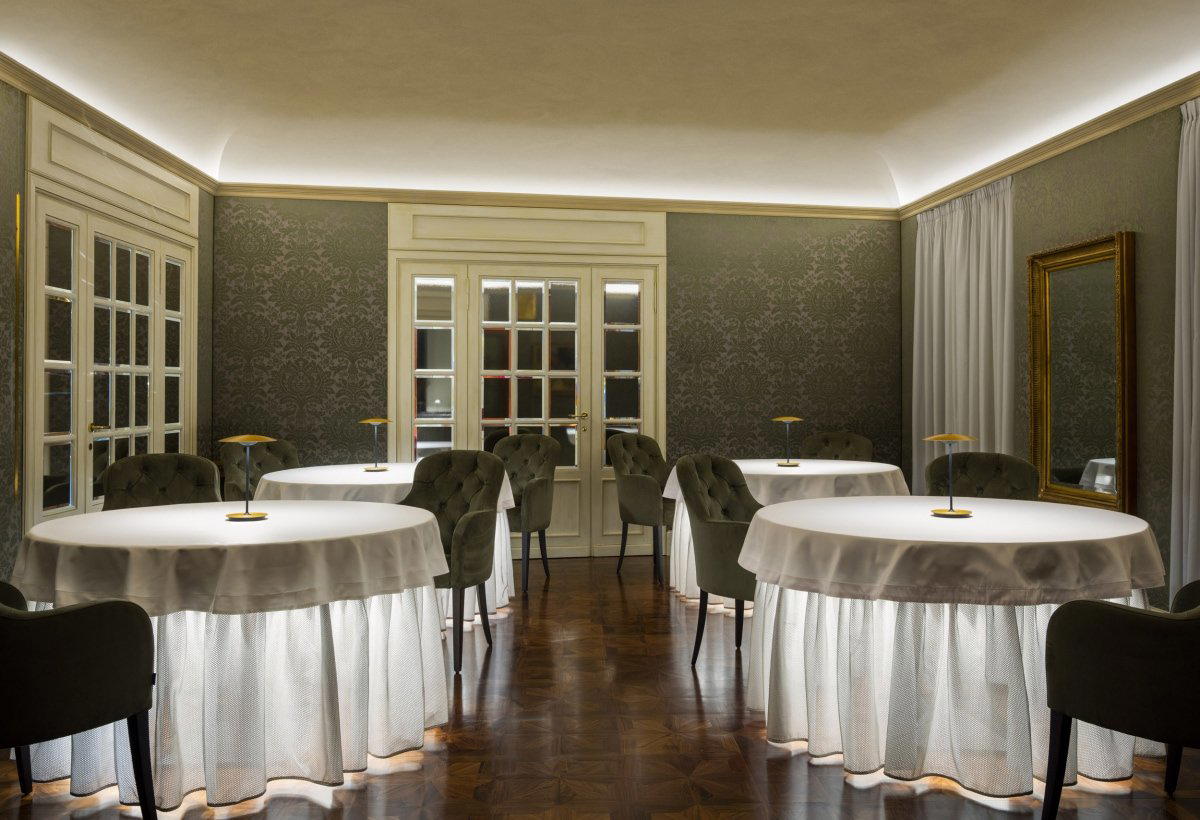
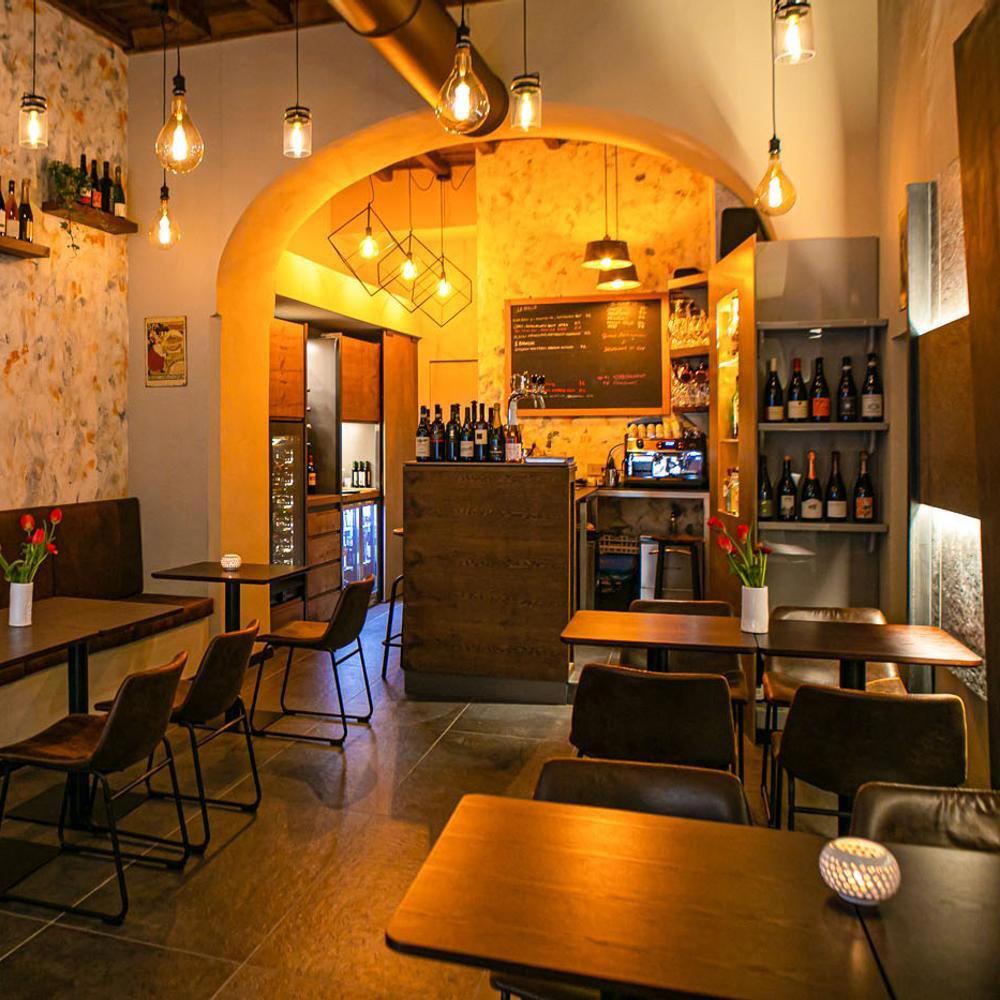
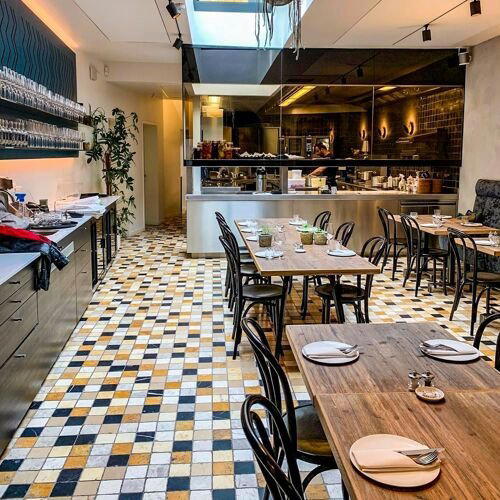
Bars in Trieste
Browse all →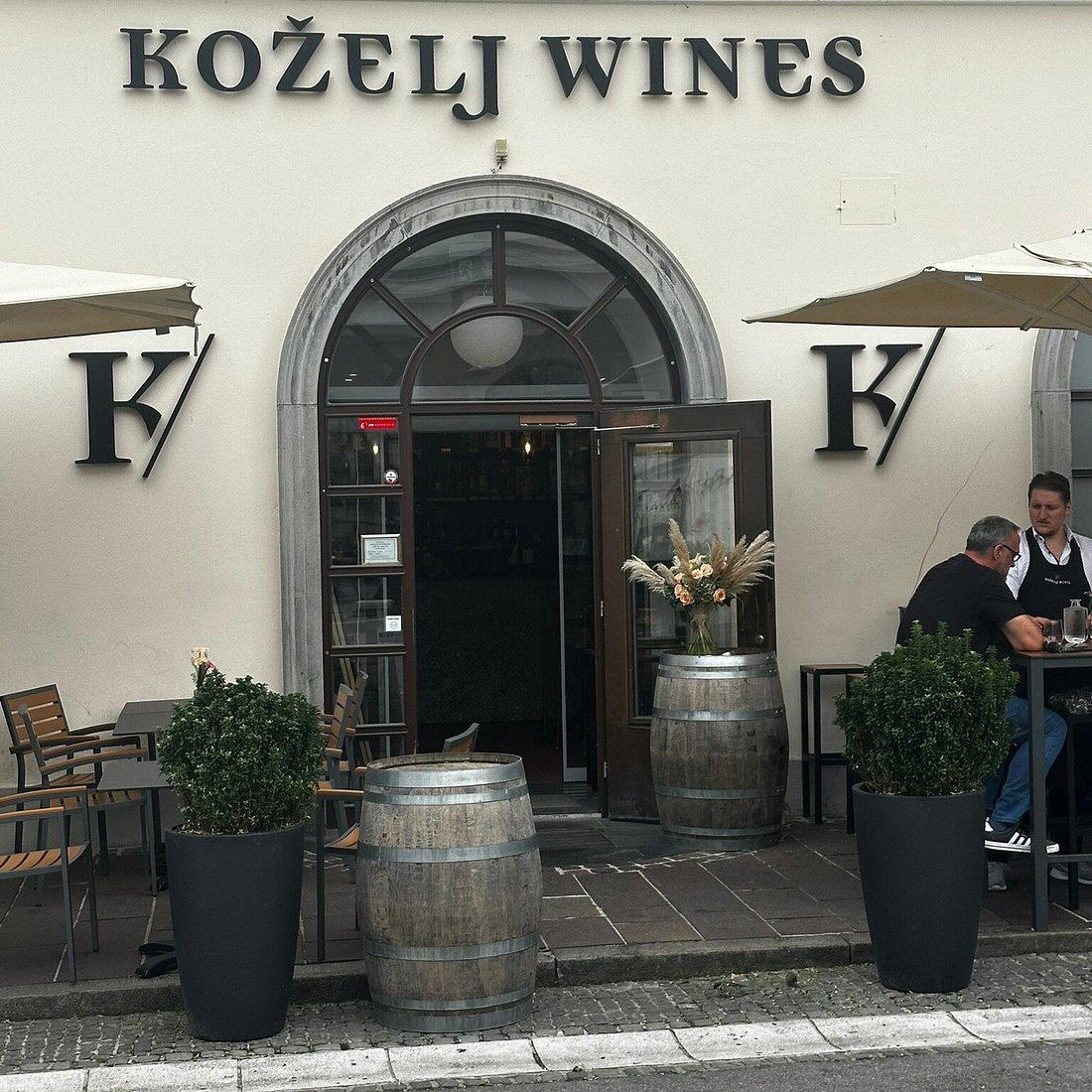
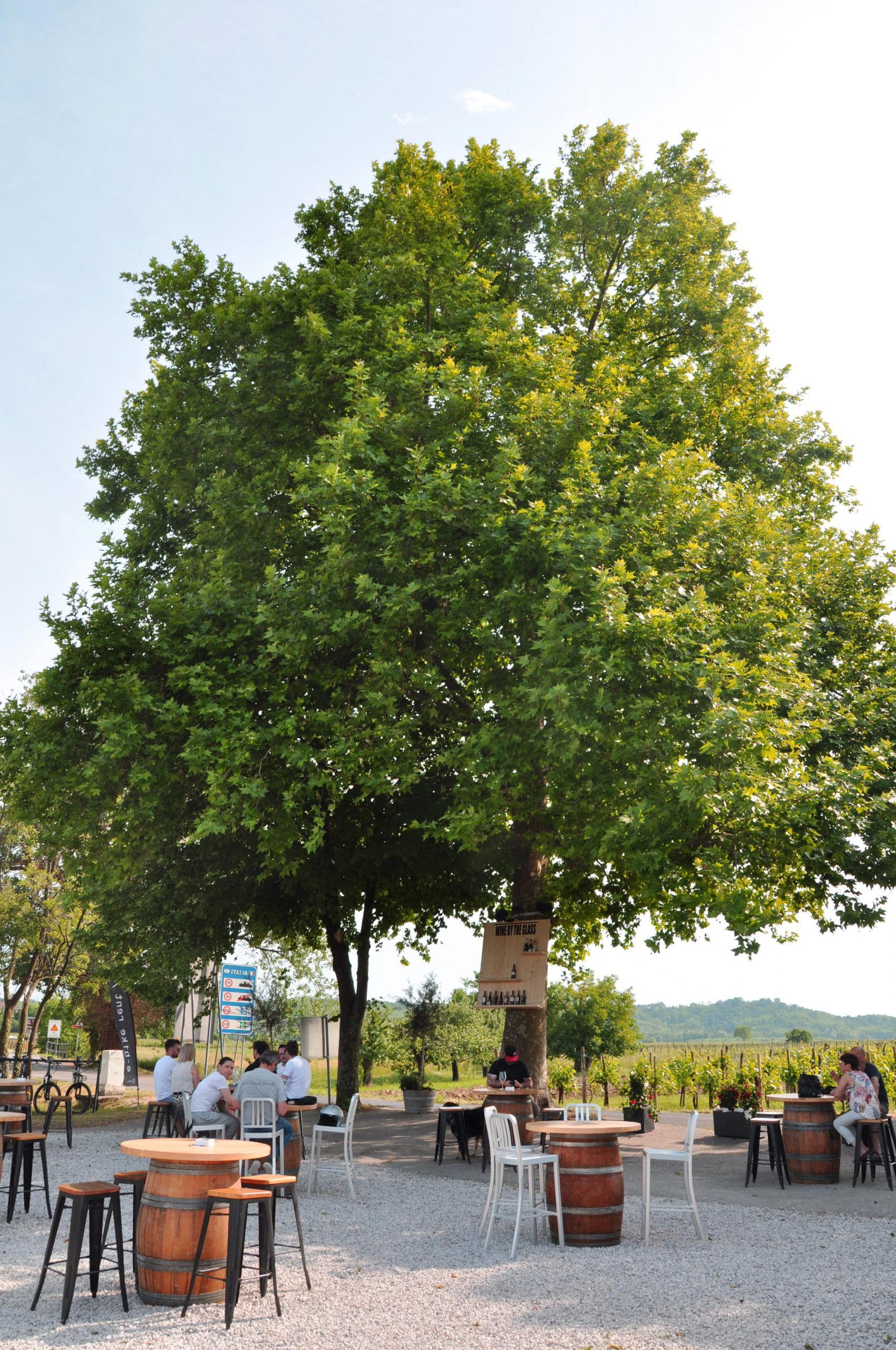
Harry's Restaurant and Dehors
The wine
- Extensive wine list
- Craft cocktails
Details
- Elegant
- Romantic
- Sophisticated
- Intimate
- Date Night
- Business Dinner
- Special Occasion
- Terrace
- Waterfront
- Open Kitchen
- Historic Building
- Extensive Wine List
- Craft Cocktails
- Local Sourcing
- Waterfront
- A La Carte
- Small Plates
- Wine
- Cocktails
- Vegetarian Friendly
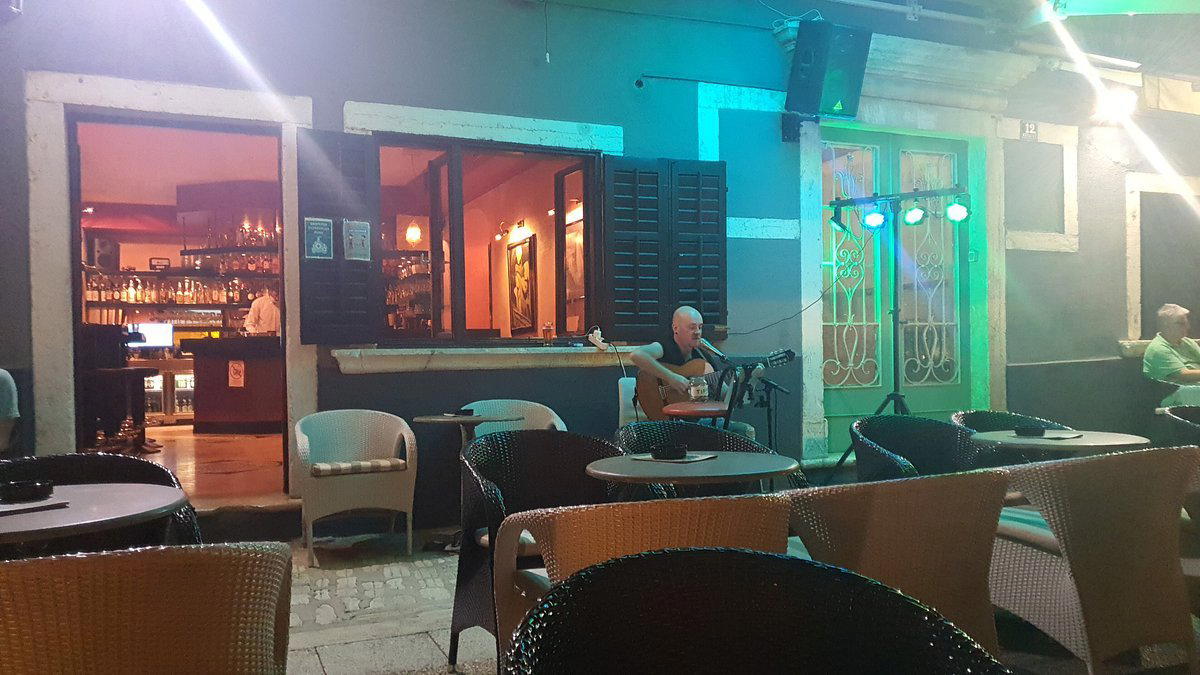
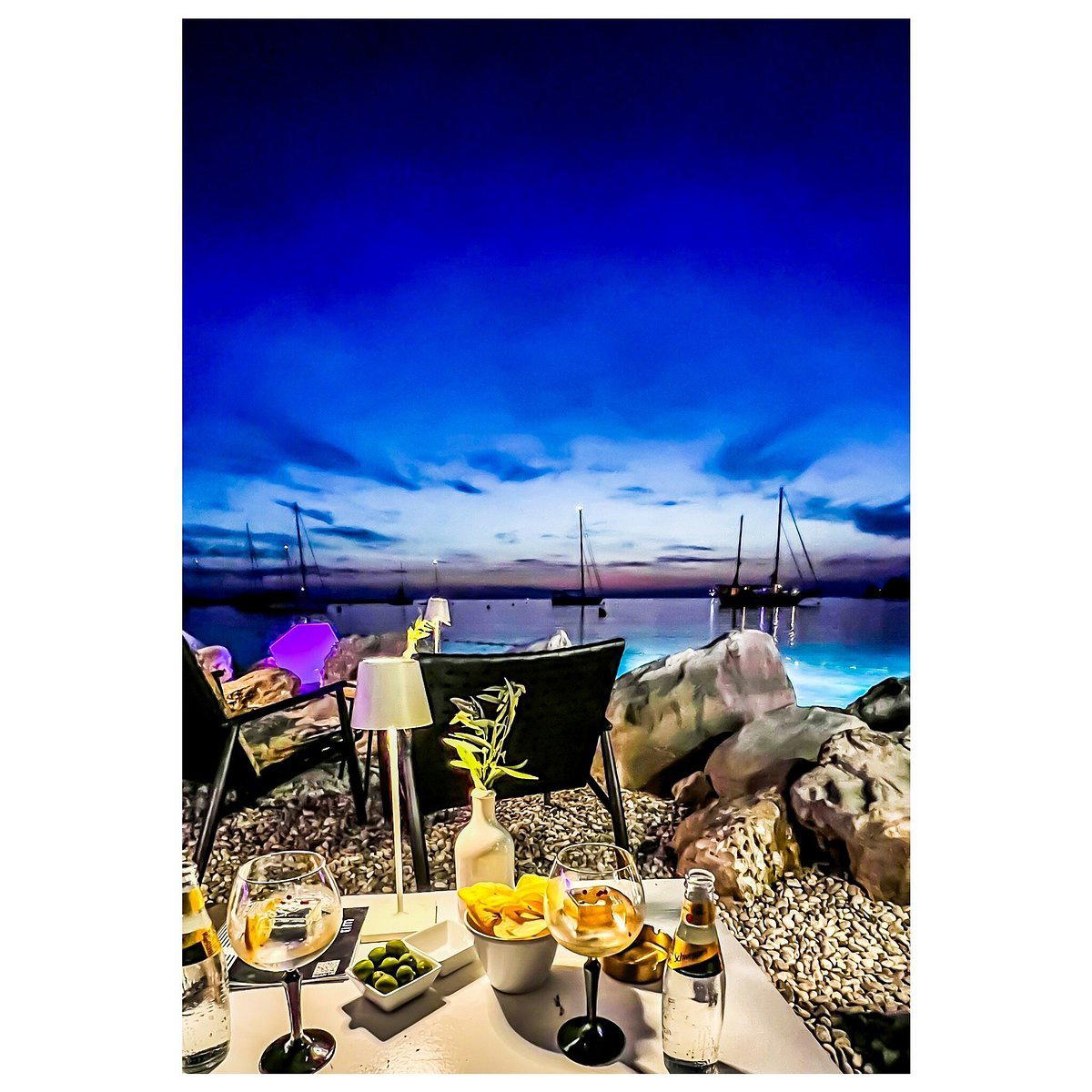
Elegant and pared-back interior with hushed ambience; illuminated tables create a sophisticated nocturnal atmosphere; stylish terrace with views of one of Italy's most beautiful squares.