Agave Restaurant, Est. 2000
Open since 2000, Agave Restaurant occupies a spot on Boulevard SE in Atlanta's Grant Park-adjacent corridor, a stretch that has seen successive waves of neighbourhood change without losing its unpretentious character. The name signals agave-forward Mexican and Southwestern cooking, positioning it in a tier of casual-to-mid Atlanta dining that trades on neighbourhood loyalty and accessible pricing rather than tasting-menu ambition.
- Address
- 242 Boulevard SE, Atlanta, GA 30312
- Phone
- +1 404 588 0006
- Website
- agaverestaurant.com
- Directions
- Get directions
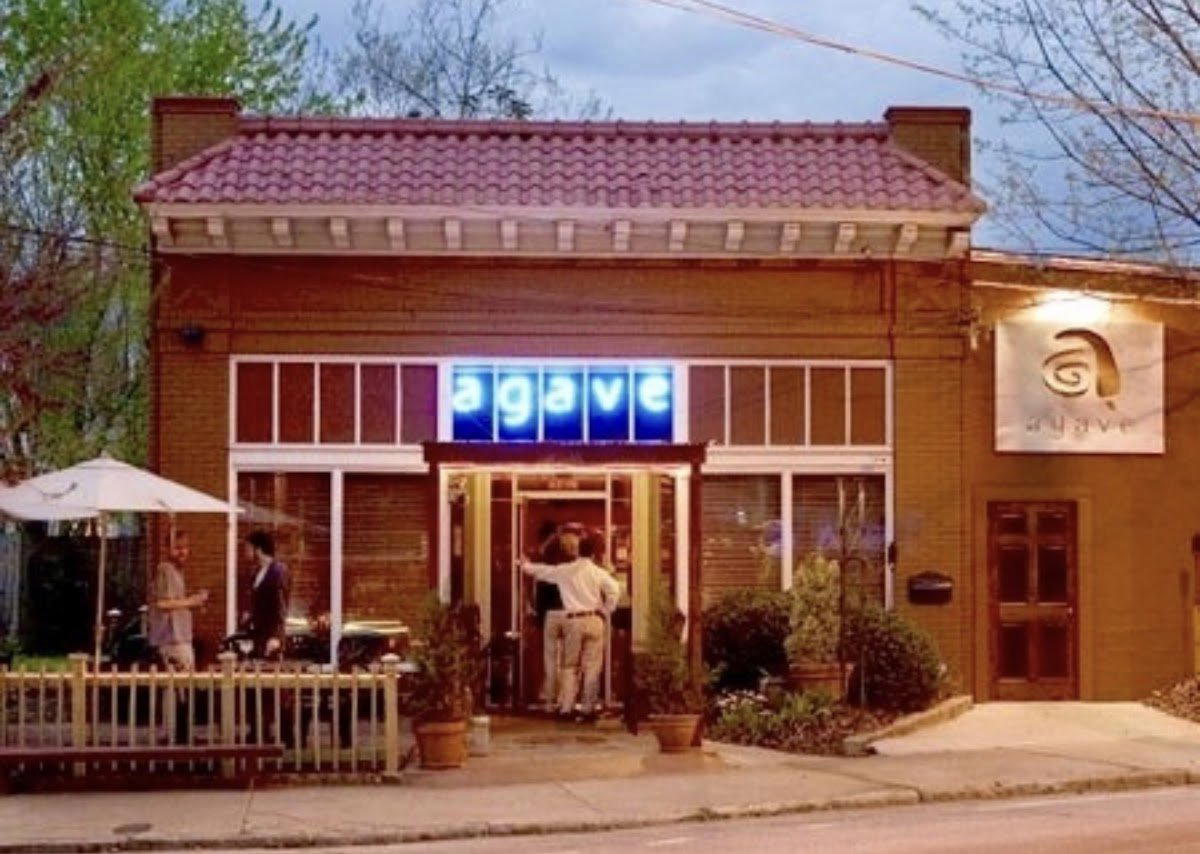
Boulevard SE and the Neighbourhood That Shaped It
Atlanta's dining geography tends to be discussed in terms of its fine-dining anchors: the long-running influence of Bacchanalia on the New American conversation, or the tasting-menu formalism of Lazy Betty and Atlas. But the city's day-to-day dining character is built on something less discussed: the neighbourhood restaurant that has stayed put through two decades of demographic shift, property development cycles, and the arrival of more photogenic competitors. Agave Restaurant, an Eclectic Southwestern restaurant at 242 Boulevard SE since 2000, belongs to that cohort. Its address places it in the corridor connecting Grant Park and Reynoldstown, a stretch that feels distinctly residential compared to the Old Fourth Ward's more curated restaurant row further north.
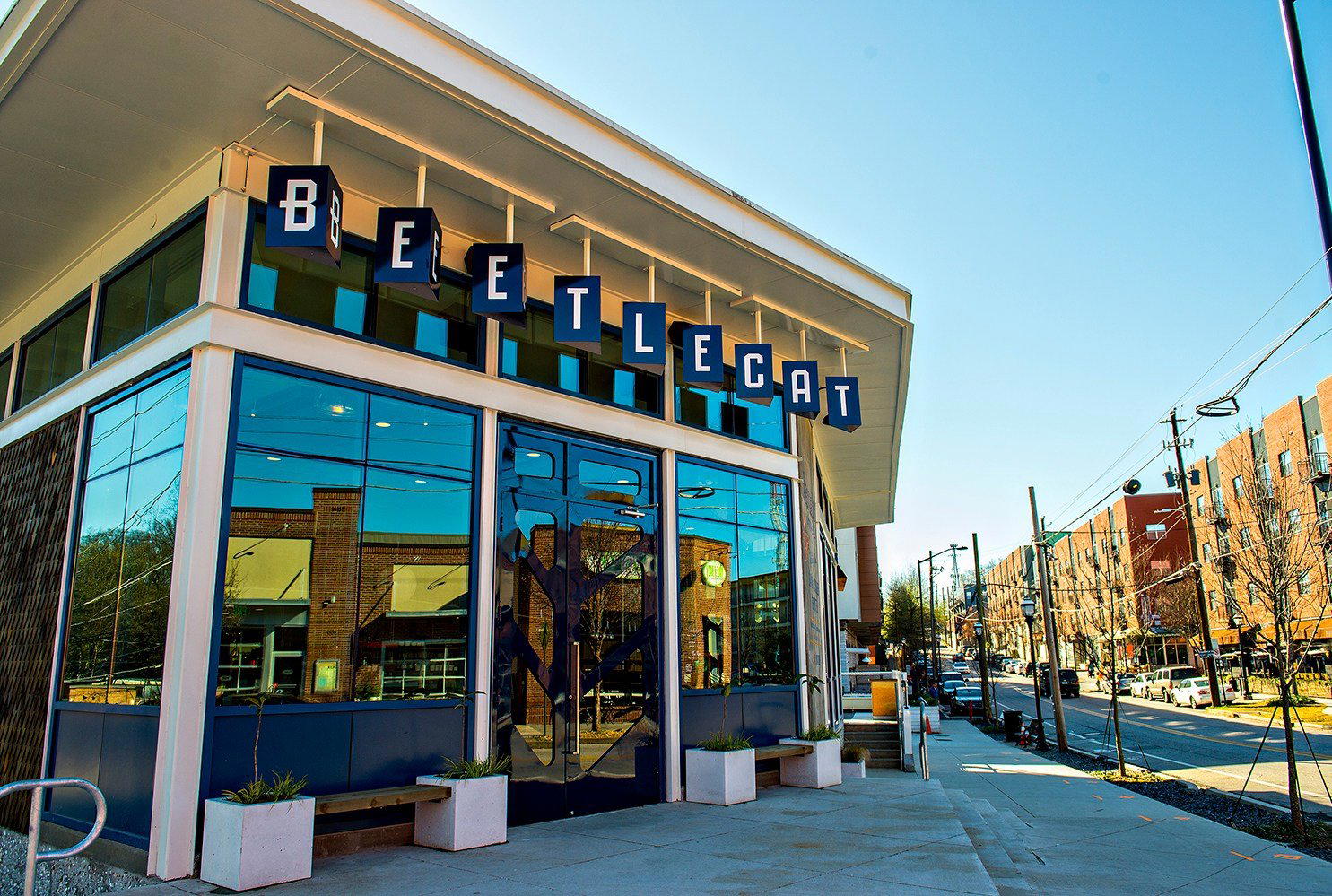
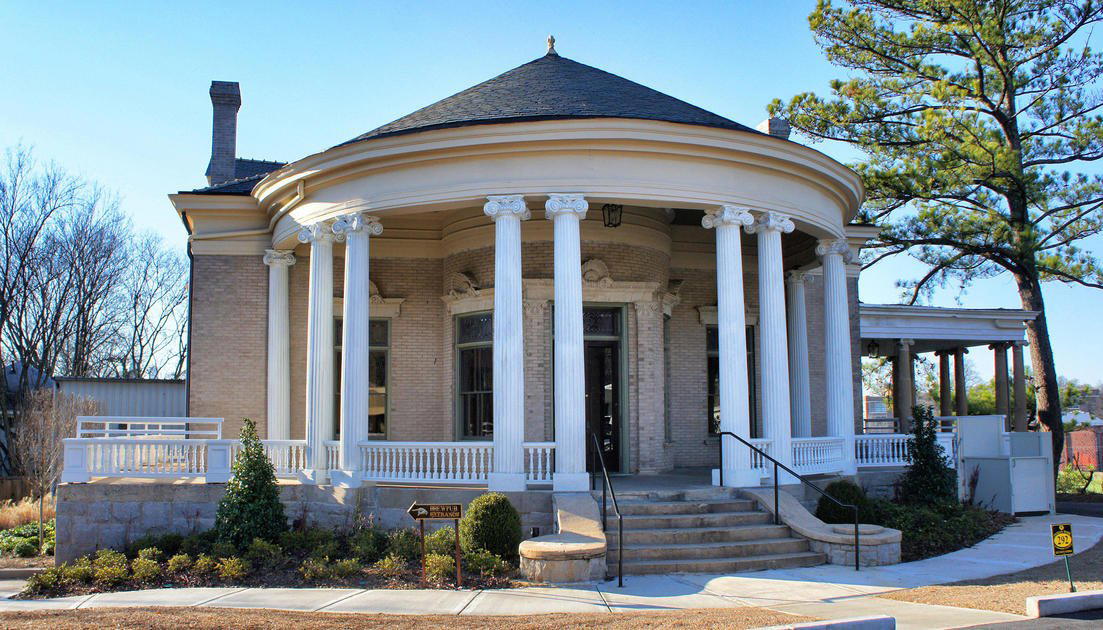
The building's exterior on Boulevard SE reads as functional rather than designed for kerb appeal, which is consistent with restaurants that opened before Atlanta's current wave of hospitality investment made architectural spectacle a competitive requirement. That positioning matters when you're trying to understand how a venue like this fits into a city whose premium tier now includes omakase counters like Mujō and Japanese precision dining at Hayakawa. Agave is not competing in that register. Its competitive set is the neighbourhood Mexican and Southwestern category, where longevity itself functions as a trust signal.
Agave-Forward Cooking in a City That Has Changed Around It
Mexican and Southwestern restaurants operating in American cities since the late 1990s and early 2000s tended to open in a moment before the mezcal and artisanal tortilla wave reshaped category expectations. The name Agave signals a particular orientation toward the plant and its derivatives: agave spirits, the ingredient's role in cuisine, and the broader Southwestern register that American dining absorbed through the 1990s via chefs working in the Santa Fe and Tex-Mex traditions. Whether that original positioning has evolved is something the current menu would answer, but the category context remains relevant. Agave restaurants that survived the 2010s mezcal boom either adapted toward craft spirits programming or leaned harder into their legacy comfort-food position. Both are defensible strategies in a neighbourhood-anchored model.
Across the American restaurant scene, venues in this category tier often function differently at lunch and dinner in ways that reveal their actual identity. The lunch service at a neighbourhood Mexican-leaning restaurant is typically stripped back: a focused set of plates, faster table turns, a clientele drawn from nearby offices or residents running errands. Dinner is where the kitchen extends toward the full menu, where the bar program comes into its own if one exists, and where the room's mood shifts from functional to social. For a venue that has operated since 2000, that daytime-to-evening divide likely represents two distinct audiences, not simply one audience at different hours. The lunch crowd in a Grant Park-adjacent address skews toward people who live or work within walking distance. The dinner crowd, particularly on weekends, may draw from a wider Atlanta radius, drawn by familiarity or reputation built over years rather than by a recent press spike.
This dual-service character is one of the structural advantages that long-running neighbourhood restaurants hold over newer, more concept-driven openings. A restaurant that has been absorbing a neighbourhood's rhythms for over two decades develops a kind of institutional knowledge about its guests that no amount of design investment can replicate quickly. For the reader deciding between a quick lunch stop and a longer evening visit, that distinction is practical: lunch at a venue like this tends to offer better value-per-plate as kitchens tighten the offering, while dinner allows more time to explore whatever the bar program and full menu have accumulated over the years.
Placing Agave in Atlanta's Broader Dining Conversation
Atlanta's full restaurant conversation now extends well beyond the neighbourhood tier. The city's most-discussed tables operate in a national frame, measured against the kind of ambition you find at Le Bernardin in New York City, The French Laundry in Napa, or Smyth in Chicago. Even within the American South, the reference points have multiplied: Emeril's in New Orleans and the farm-driven format of Blue Hill at Stone Barns in Tarrytown have set expectations that ripple through how American diners assess any restaurant. Against that backdrop, a neighbourhood Mexican and Southwestern venue operating since 2000 is not asking to be judged in those terms. Its claim is different: consistency, familiarity, and the kind of value proposition that a $200-plus tasting menu cannot offer.
That is not a diminished claim. In cities like Atlanta, where new openings receive intense short-cycle attention before the next wave arrives, the restaurants that accumulate decade-long loyalty often prove more resilient than the concepts that opened with more capital and fanfare. Lazy Bear in San Francisco, Providence in Los Angeles, and Addison in San Diego each represent a version of sustained ambition at the summit of the market. Agave's sustained operation represents a different kind of endurance: the neighbourhood anchor that keeps its doors open not through Michelin attention or 50 Best placement, but through repeat custom and geographic loyalty. Single Thread Farm in Healdsburg, Atomix in New York City, and Atelier Moessmer Norbert Niederkofler in Brunico operate in entirely different registers, where the prestige economy demands constant critical engagement. Agave's economy is local, which makes its longevity its most legible credential.
For a fuller map of where Atlanta's dining scene sits across price tiers and cuisine categories, the EP Club Atlanta restaurants guide offers a comparative view. The Inn at Little Washington and Atelier Moessmer Norbert Niederkofler are useful reference points for understanding how far the upper tier of the American and European dining market has moved since Agave first opened, which in turn clarifies exactly what kind of restaurant Agave is not trying to be.
Planning a Visit
Agave Restaurant sits at 242 Boulevard SE, Atlanta, GA 30312, in a residential corridor that is accessible by car and within range of the BeltLine's Eastside Trail for those approaching from the Old Fourth Ward or Inman Park on foot or by bike. Calling ahead before a first visit is advisable, particularly for dinner on weekend evenings when neighbourhood restaurants in Atlanta's inner-east suburbs tend to run at capacity. Lunch visits carry lower logistical risk and typically offer one direct route to assessing the kitchen's core output before committing to a longer evening meal.
Cuisine-First Comparison
Comparable venues nearby, for context on price, style, and recognition.
| Venue | Cuisine | Price | Notes |
|---|---|---|---|
| Agave Restaurant, Est. 2000This venue — the venue you are viewing | Eclectic Southwestern | $$$ | Not listed |
| Alma Cocina | Contemporary Mexican | $$$ | Downtown Atlanta |
| Pata Negra | Modern Mexican Mezcaleria | $$$ | Brookwood/Upper Midtown |
| Zocalo | Authentic Mexican | $$ | Midtown |
| The Sun Dial Restaurant, Bar & View | Contemporary American Steakhouse | $$$ | Downtown |
| Yakitori Kona | Yakitori Izakaya | $$$ | Virginia-Highland |
At a Glance
- Lively
- Energetic
- Rustic
- Date Night
- Group Dining
- Special Occasion
- Historic Building
- Extensive Wine List
- Craft Cocktails
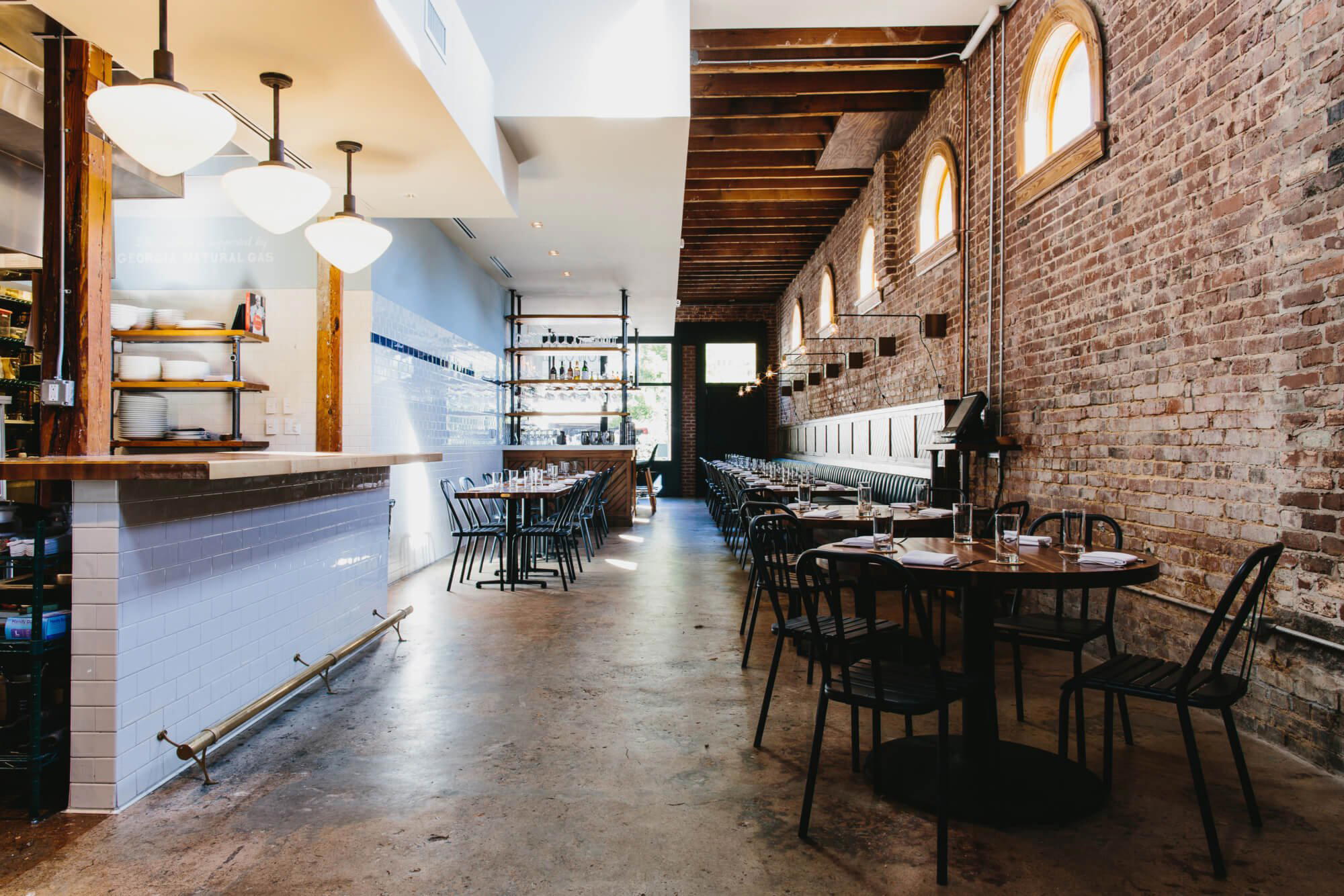
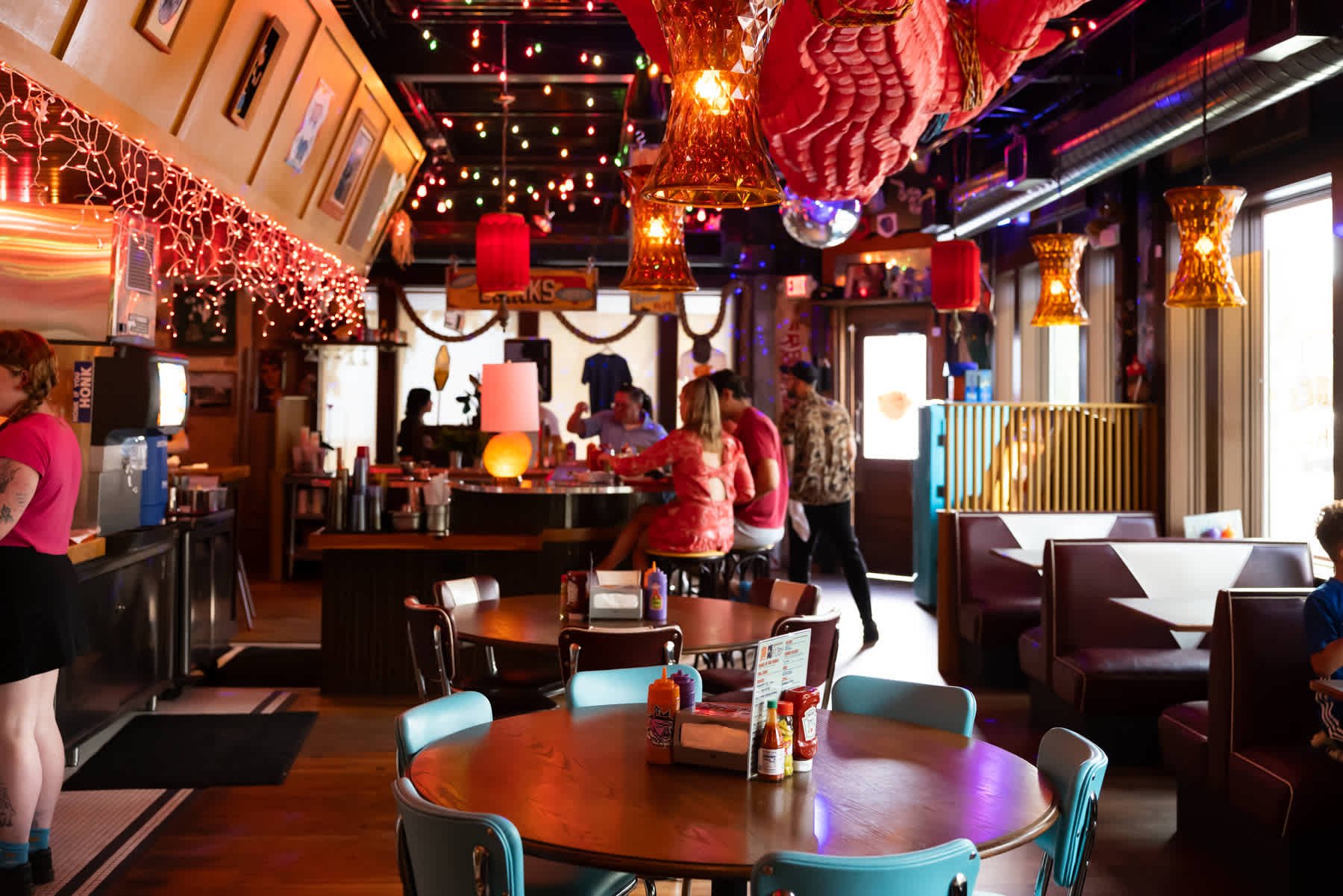
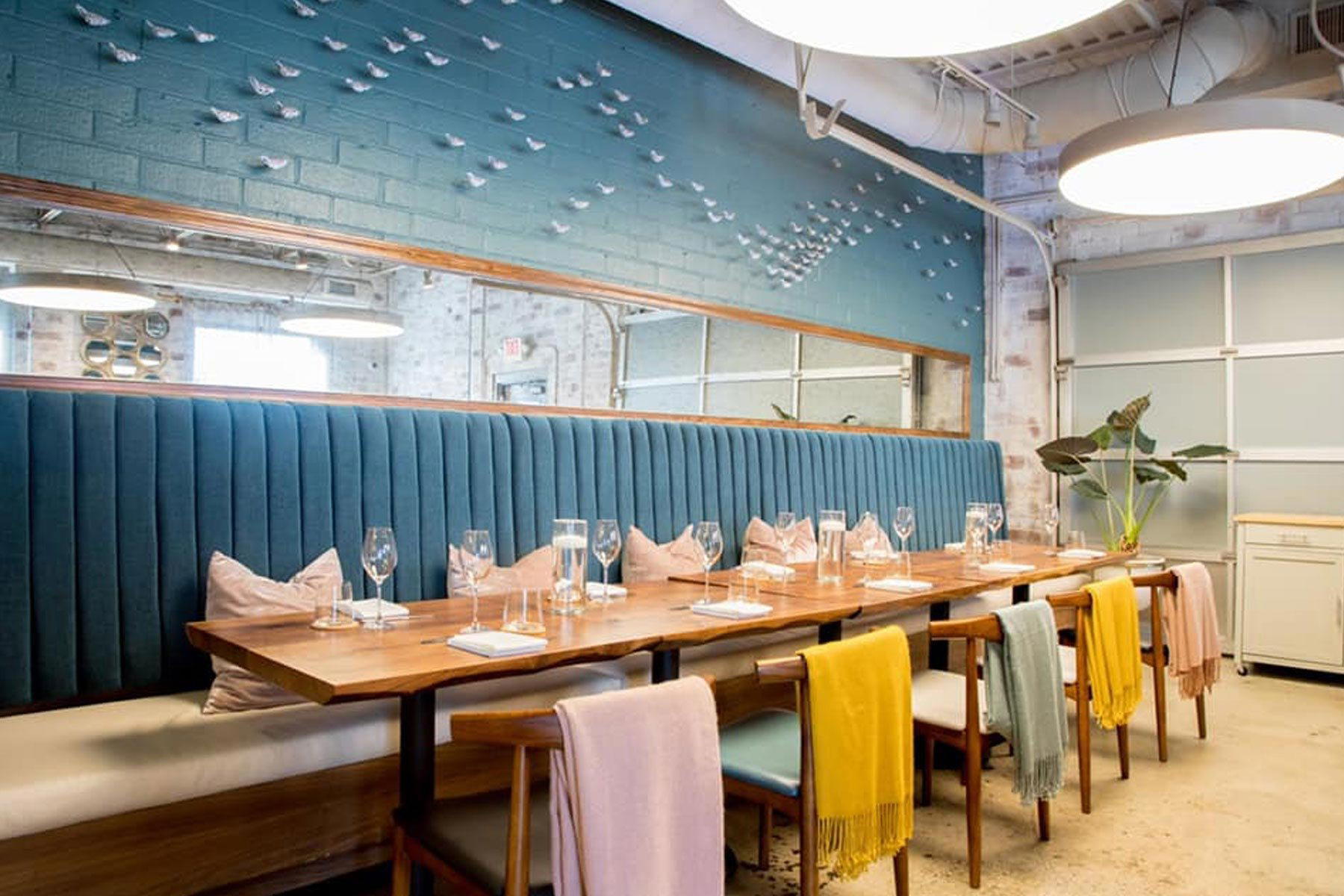
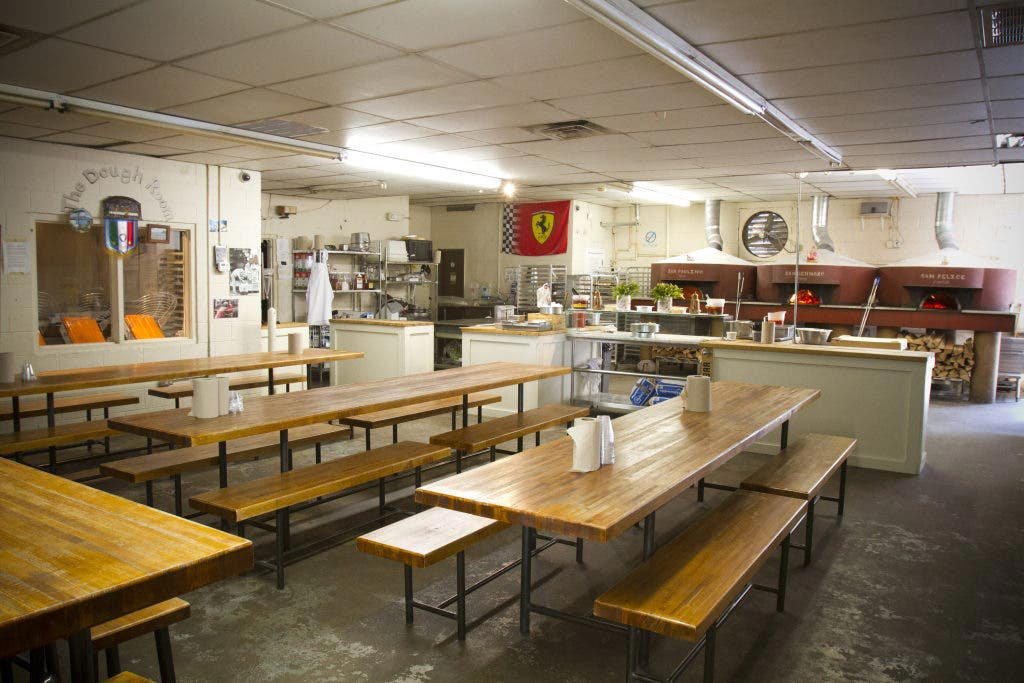
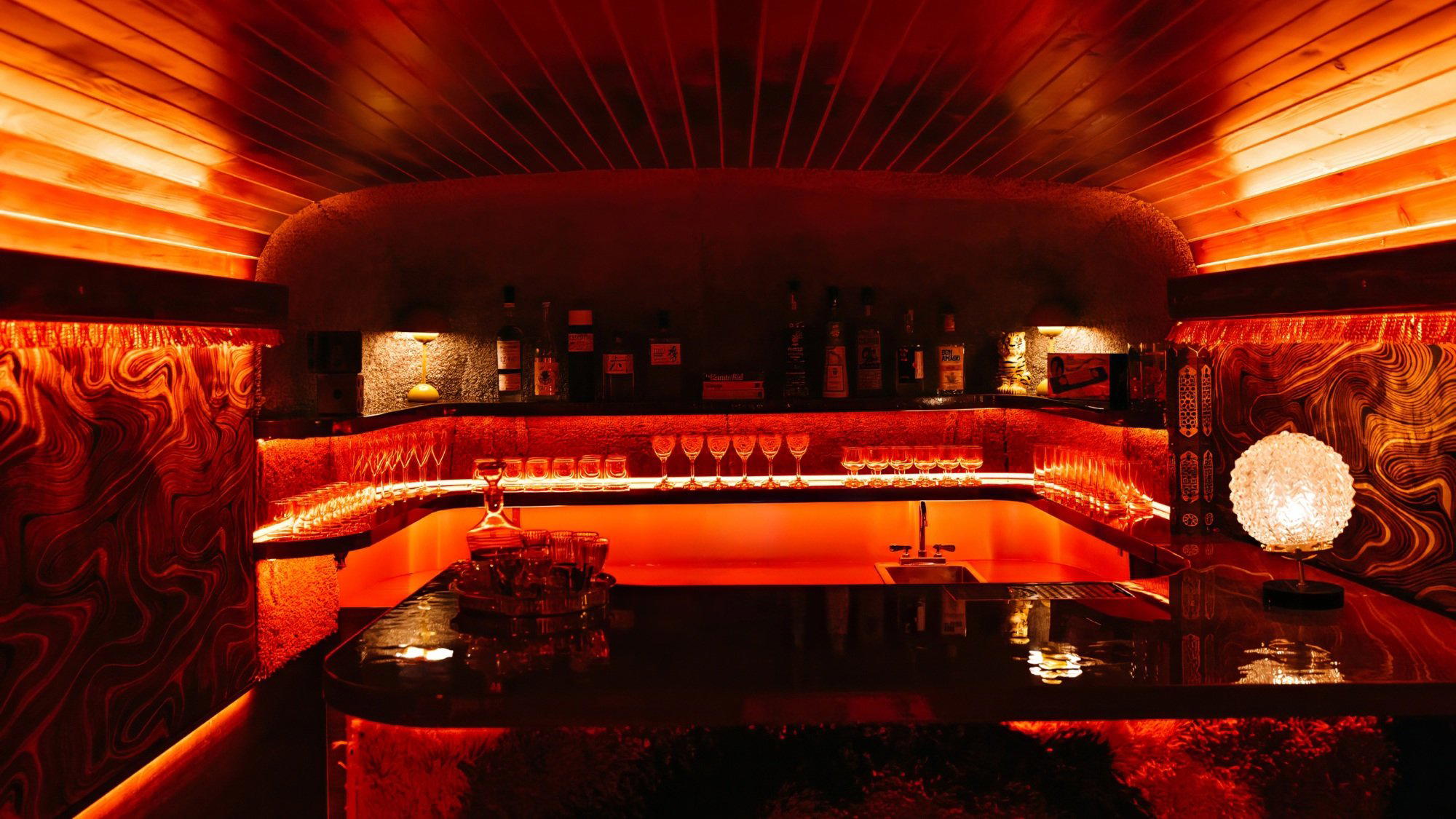
High-energy dining room with festive atmosphere in a restored historic mill building.