Patria Mezcaleria
On Peachtree Road in Atlanta's Buckhead corridor, Pata Negra takes its name from Spain's most prized cured ham, signalling a Spanish-focused identity in a dining district better known for American fine dining. The address places it among a concentration of serious restaurants, giving visitors a useful anchor point for a neighbourhood evening rather than a standalone destination visit.
Pearl is the En Primeur Club membership app — saves, bookings, and concierge access live there. Same editors, same standards.
- Address
- 1777 Peachtree Rd NE, Atlanta, GA 30309
- Phone
- +14043436212
- Website
- patanegraatl.com
- Directions
- Get directions
 Saves & bookings on Pearl
Peachtree Road and the Question of Spanish Dining in Atlanta
Buckhead's Peachtree Road corridor has spent the last decade consolidating around a particular style of American fine dining, the kind that trades in local sourcing, multi-course formats, and wine lists priced to match. What makes a Spanish-inflected address at 1777 Peachtree Road NE interesting is precisely the contrast. Spanish cuisine, at least in the form its name evokes, operates on different logic: a culture of cured meats, preserved seafood, regional cheeses, and wine traditions that sit closer to Rioja and Albariño than to the New American framework that defines much of Atlanta's upper dining tier.
The name Pata Negra is not decorative. It refers to Ibérico pork from free-range black-hoofed pigs, the designation that produces valued jamón. Using it as a restaurant name sets an expectation about seriousness of sourcing and product commitment, the kind of shorthand that signals, to anyone familiar with Spanish food culture, that this is not a tapas bar in the generic sense.
The Buckhead Address and What It Means for the Evening
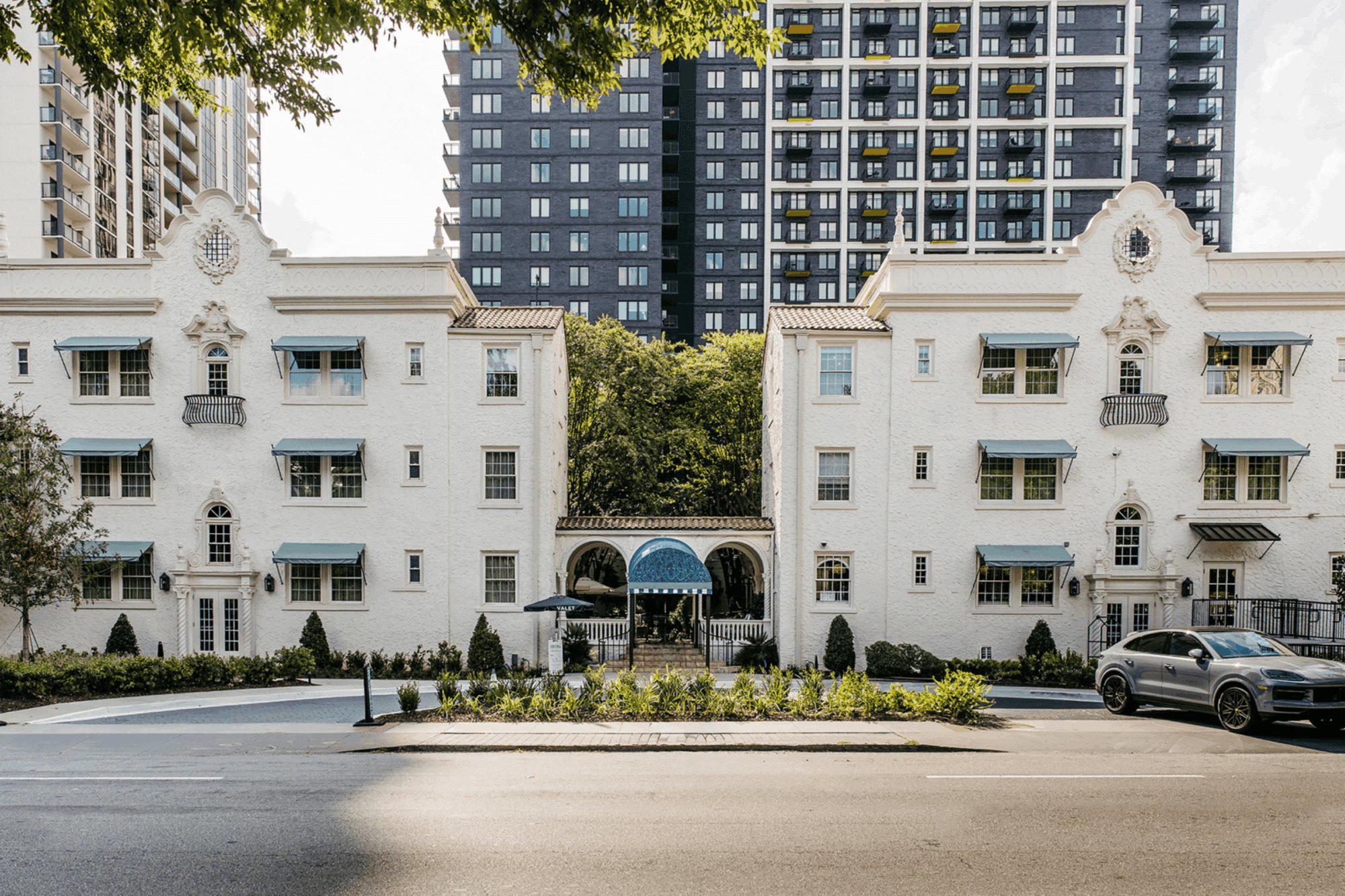
Buckhead clusters enough quality restaurants along and around Peachtree Road that a single neighbourhood can absorb an entire evening without requiring much transit. The 1777 Peachtree Road NE address places Pata Negra within reach of the broader Buckhead dining circuit, which includes Atlas, positioned at the summit of Atlanta's Modern European tier, and Bacchanalia, which has defined New American fine dining in this city for years.
That neighbourhood context matters for how you approach Pata Negra. If you are already in Buckhead for the evening, the Spanish identity here offers a tonal shift from the tasting-menu formality that dominates the area's upper tier. Spanish dining, at its core, is structured around sharing, grazing, and returning to the same dishes multiple times over a long evening. That rhythm sits differently from the sequential procession of a formal American tasting menu, and at a street address like this, surrounded by fine dining neighbours, that informality is a relevant distinction.
Atlanta's Spanish Dining Position in a Broader Context
Spanish cuisine occupies a niche that is simultaneously well-understood and underrepresented at the serious level. Cities with deeper Spanish dining scenes tend to cluster in coastal markets. In the American South, the category has historically skewed toward the accessible end, with full-format Spanish restaurants, the kind that take Ibérico product and regional wine seriously, appearing only occasionally and often without the institutional recognition given to French or Italian formats.
Atlanta's fine dining scene has developed considerable range in recent years, with Lazy Betty holding recognition in the contemporary tasting-menu format, and Japanese-focused addresses like Hayakawa and Mujō anchoring the city's omakase tier. The Spanish category has fewer obvious reference points at the serious level, which means a name like Pata Negra occupies relatively open ground within Atlanta's dining map.
What Spanish Dining at This Level Involves
The Ibérico category that the name invokes is a useful frame for understanding how Spanish fine dining differs structurally from other European traditions. Where French cuisine tends to centre on technique and sauce architecture, and Italian on regional pasta and ingredient simplicity, serious Spanish cooking often foregrounds the quality of cured and preserved products: jamón, anchovies, mojama, conservas. These are not supporting elements; they are often the centrepiece, and the kitchen's job is to select and present them at a level that justifies the setting.
Beyond cured products, Spanish regional cuisine spans significant range, from the grilled fish traditions of the Basque coast to the rice dishes of Valencia and the slow-braised preparations of Castile. A restaurant operating under a name as specific as Pata Negra has, in effect, made a positioning decision about which part of that tradition it intends to represent, and that decision should be legible in what lands on the table.
Wine is the other structural element worth noting. Spanish wine's most serious tier, covering aged Rioja Gran Reserva, Priorat, and the emerging Atlantic white wine producers, has found its audience in American cities relatively recently. A restaurant committed to the Spanish format should hold a wine list that reflects that range, since pairing with Spanish food from a Californian reference point produces a different kind of meal entirely.
Know Before You Go
Similar Picks
Comparable venues nearby, for context on price, style, and recognition.
| Venue | Cuisine | Price | Notes |
|---|---|---|---|
| Pata NegraThis venue — the venue you are viewing | Modern Mexican Mezcaleria | $$$ | Not listed |
| Emilio's Tacos & Tequila | Authentic Acapulco-Style Mexican Tacos & Tequila | $$ | Midtown |
| Zocalo | Authentic Mexican | $$ | Midtown |
| South City Kitchen | Modern Southern | $$$ | Midtown |
| Forza Storico | Traditional Roman Italian | $$$ | Blandtown |
| The Southern Gentleman | Modern Southern Gastropub | $$$ | Buckhead |


At a Glance
- Romantic
- Intimate
- Elegant
- Sophisticated
- Date Night
- Special Occasion
- Celebration
- Open Kitchen
- Design Destination
- Standalone
- Craft Cocktails
- Extensive Wine List
- Beer Program
- Local Sourcing
Current opening hours
- Monday
- Closed
- Tuesday
- 11 AM–10 PM
- Wednesday
- 11 AM–10 PM
- Thursday
- 11 AM–10 PM
- Friday
- 11 AM–10 PM
- Saturday
- 11 AM–10 PM
- Sunday
- 11 AM–9 PM
Hours can change for holidays and private events. Last verified .
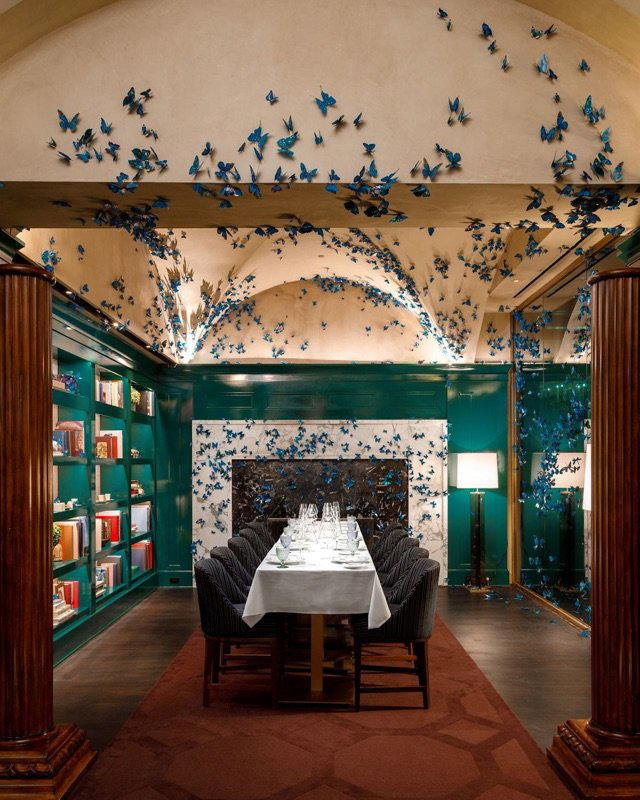
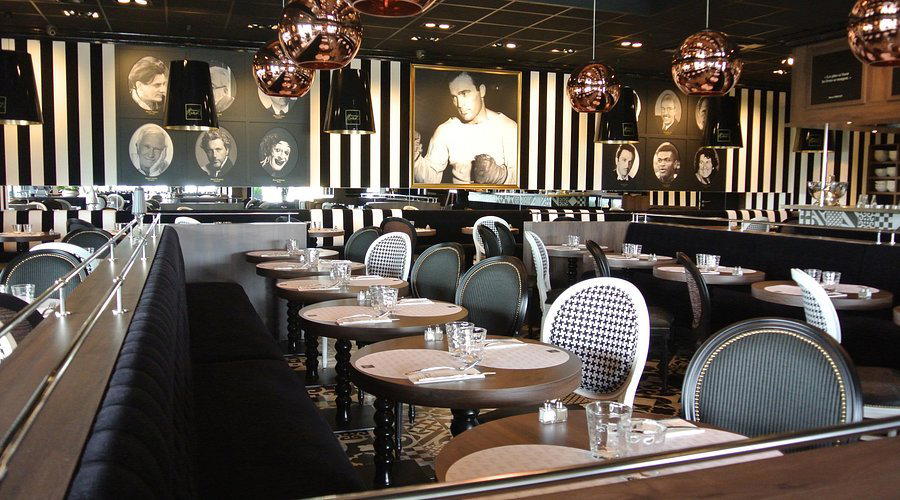
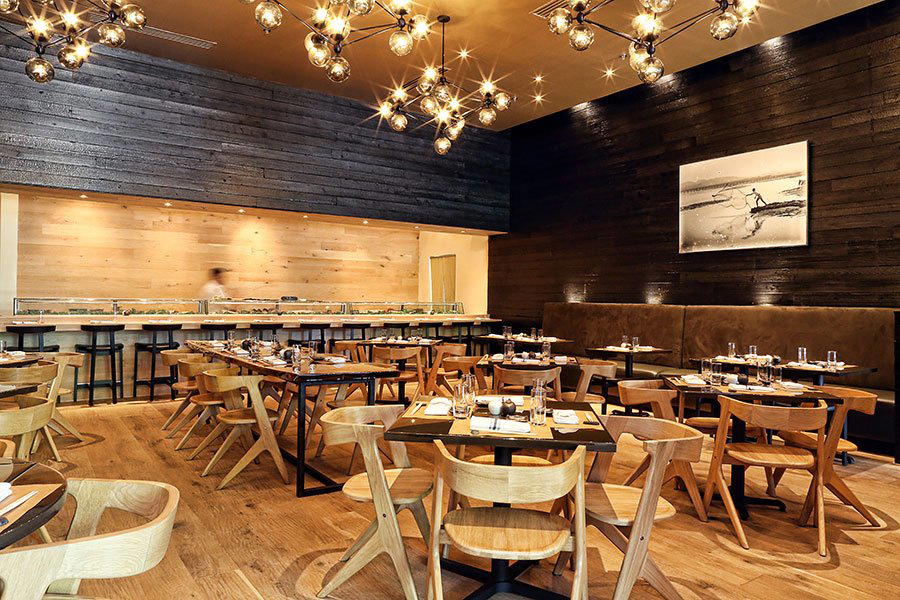
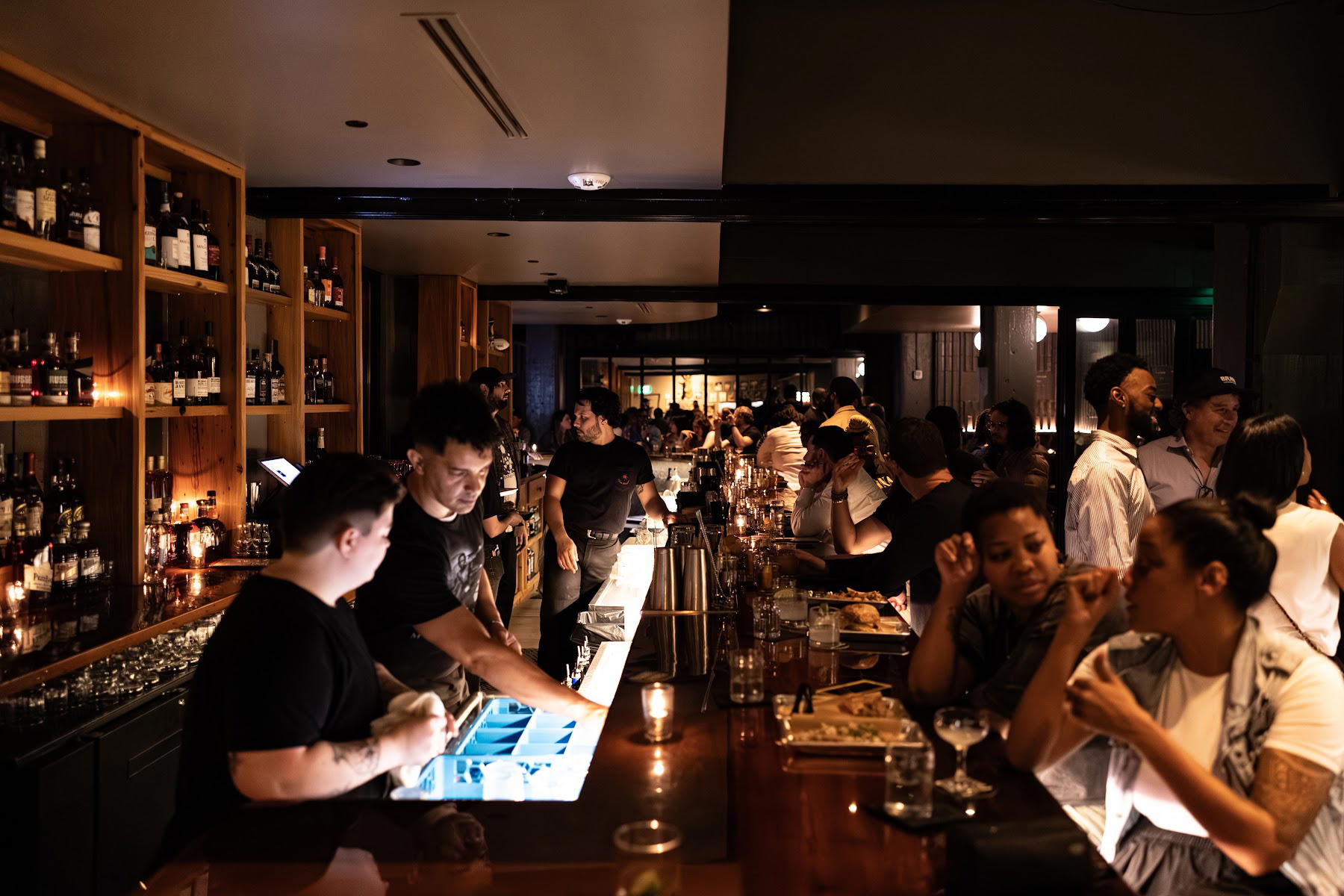
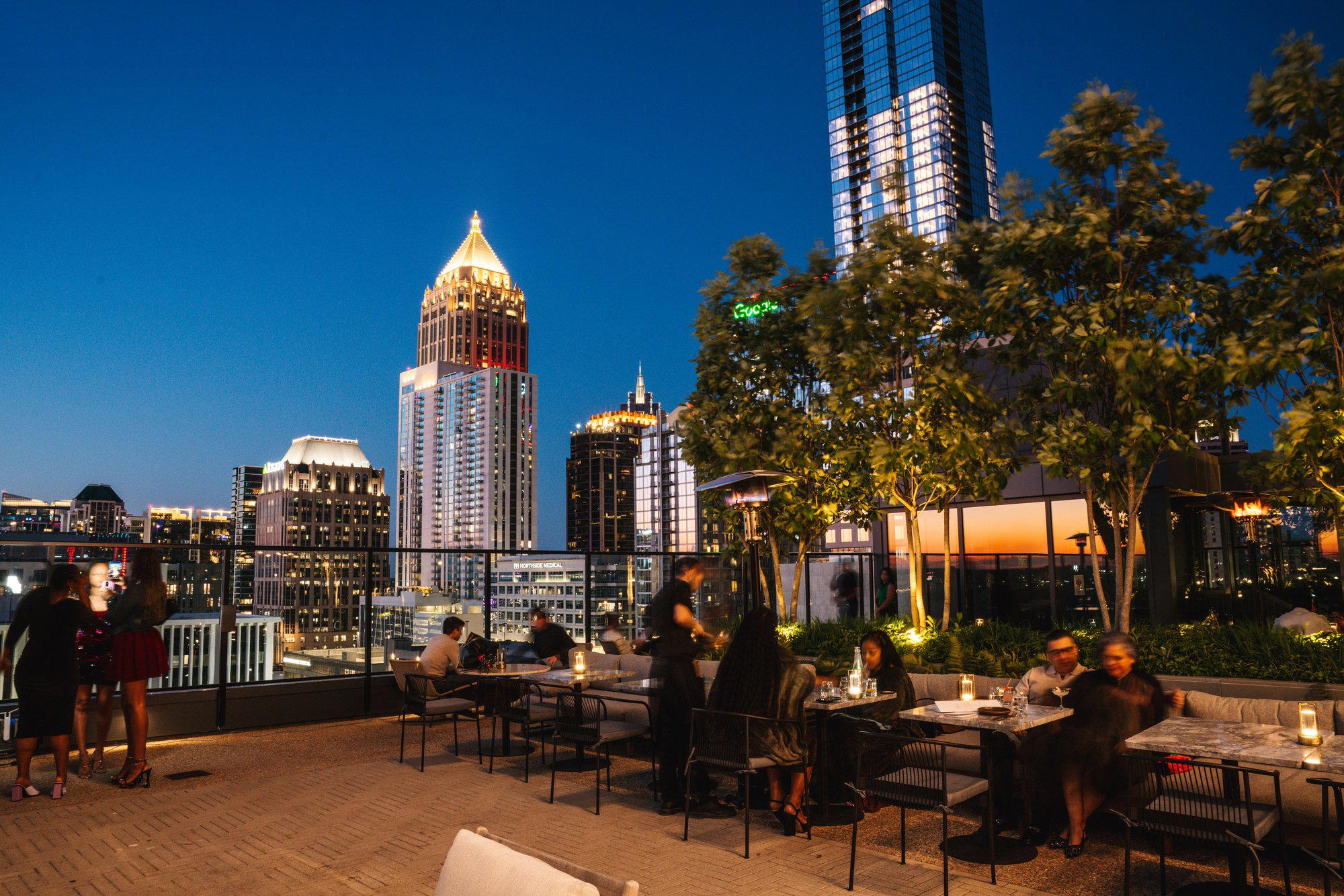
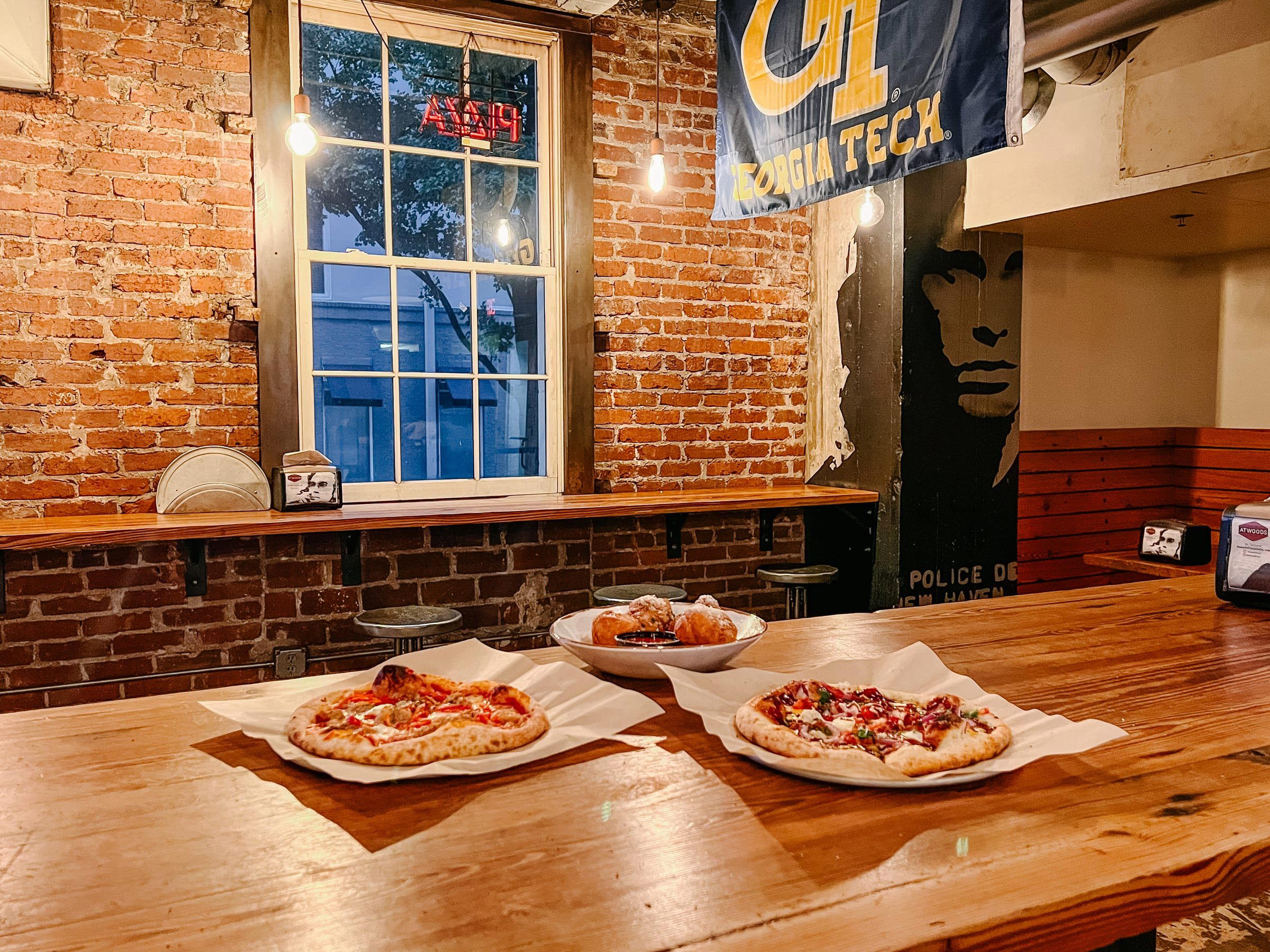
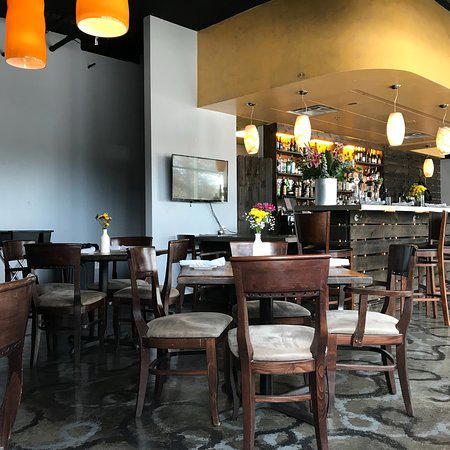
Dark, moody, and sultry with warm lighting and high ceilings; intimate and electric atmosphere with gothic energy designed to evoke the agave fields of Jalisco.