
A plant-based café and dining room in Hamburg's Hoheluft-West neighbourhood, Aendrè operates on a deliberately short, seasonal menu built around organic sourcing. The format is less about fine dining and more about a particular kind of regularity: the kind where the room fills with people who share an interest in where their food comes from. Located at Schlüterstrasse 86, it sits at the quieter, more residential end of Hamburg's eating options.
Pearl is the En Primeur Club membership app — saves, bookings, and concierge access live there. Same editors, same standards.
- Address
- Schlüterstrasse 86, 20251 Hamburg, Germany
- Phone
- +49406068104
- Website
- aendre.de
- Directions
- Get directions
 Saves & bookings on Pearl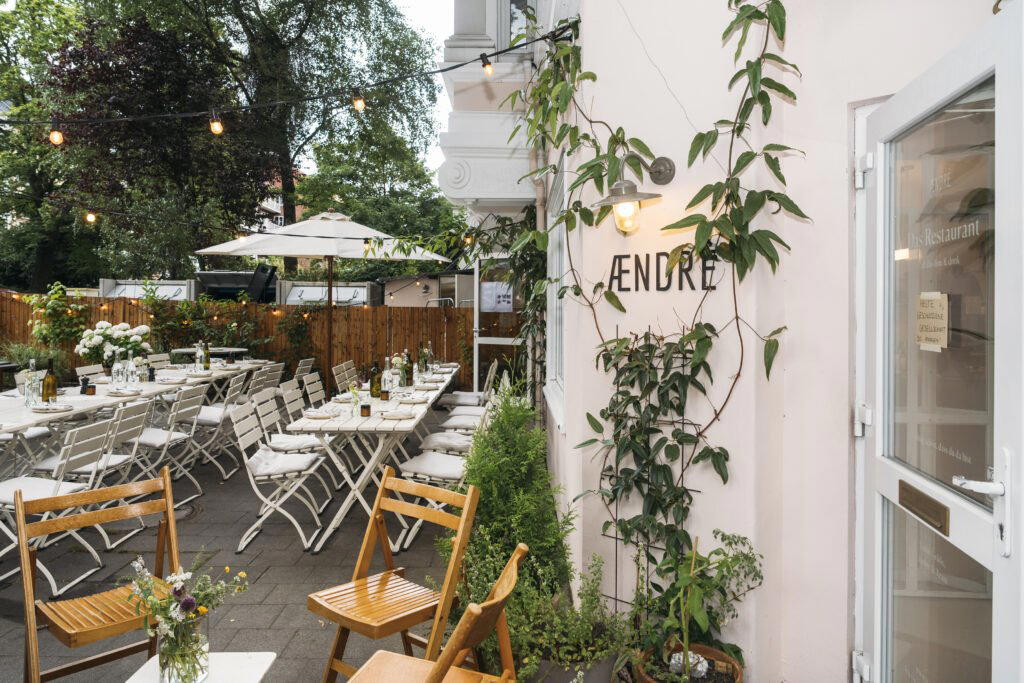
Where the Ingredient Is the Argument
Hamburg's dining conversation tends to circle the same coordinates: the tasting-menu ambition of Restaurant Haerlin, the technical precision at The Table Kevin Fehling, the Mediterranean confidence of bianc. These are €€€€ operations built around craft and spectacle. Aendrè, on Schlüterstrasse in Hoheluft-West, operates from a different premise entirely. The argument here begins not with technique but with sourcing: 100% plant-based, organic wherever supply allows, and structured around whatever the season makes available rather than whatever a fixed menu demands.
Hoheluft-West is a residential district with the particular character of a neighbourhood that feeds itself rather than performs for visitors. The streets around Schlüterstrasse are lined with independent food shops, bakeries, and the kind of cafés that fill at 9am with locals rather than tourists. Aendrè fits that register. Approaching it, there is nothing declarative about the frontage. The invitation is low-key, which is consistent with the philosophy inside: the food speaks through specificity rather than presentation.
The Organic Sourcing Commitment and What It Actually Means
The plant-based positioning in European urban dining has split into two distinct modes. The first is high-concept: elaborate preparations that mimic the structure of omnivore fine dining, with fermented bases, aged plant proteins, and plated compositions that signal effort. The second is ingredient-forward: short menus, transparent sourcing, restraint in processing, letting the quality of what was grown carry the dish. Aendrè belongs to the second category.
The insistence on organic sourcing, stated as a default rather than an aspiration, has practical implications for how the menu functions. Organic supply chains are less predictable than conventional ones. Quantities are smaller, availability shifts, and growers work to different harvest rhythms. A kitchen that commits to following that supply honestly ends up with a shorter, more variable selection, not because of editorial restraint but because that is what honest seasonal sourcing produces. The limited menu at Aendrè is not a stylistic choice operating in isolation; it is a downstream consequence of the sourcing commitment.
This is worth understanding because it changes how you read the offer. At venues like Lakeside or 100/200 Kitchen, the menu is a curated product that reflects extensive planning and supply chain management. At Aendrè, the menu reflects what is available and good right now. The two approaches produce different kinds of eating, and readers who value the latter should recognise it as the harder discipline to maintain.
Across Germany, the most credible plant-forward kitchens have moved away from substitution thinking, where the goal is to recreate a meat dish without meat, and toward ingredient thinking, where the vegetable or grain is simply treated as the main event. This shift is visible in ambitious addresses like CODA Dessert Dining in Berlin, which applies similar constraint-as-creative-discipline logic to its format. Aendrè applies the same logic at a more accessible register: the discipline is ingredient sourcing, and everything else follows from it.
The Community Format and Why It Works Here
The timing of a visit to Aendrè depends on what you are looking for. It operates across breakfast, coffee, and full meals, which means the room shifts character through the day. Morning is quieter and more solitary; the café rhythm of a neighbourhood at the start of its day. By lunch, the dynamic described by those who know the place well comes into focus: regulars finding each other, the kind of organic social density that develops when a place attracts a consistent community rather than a rotating cast of first-timers.
That community dynamic is not incidental. In European cities where plant-based eating has moved from fringe to mainstream, the venues that persist are those that develop a local identity rather than chasing a broad demographic. Hamburg's plant-based options include higher-profile destinations that generate reach; Aendrè generates depth. The distinction matters for how you plan a visit. This is not the kind of place where a walk-in at peak hours is direct during busy periods, though the informal format means the experience is different from managing a reservation at a white-tablecloth operation.
Placing Aendrè in Hamburg's Wider Food Map
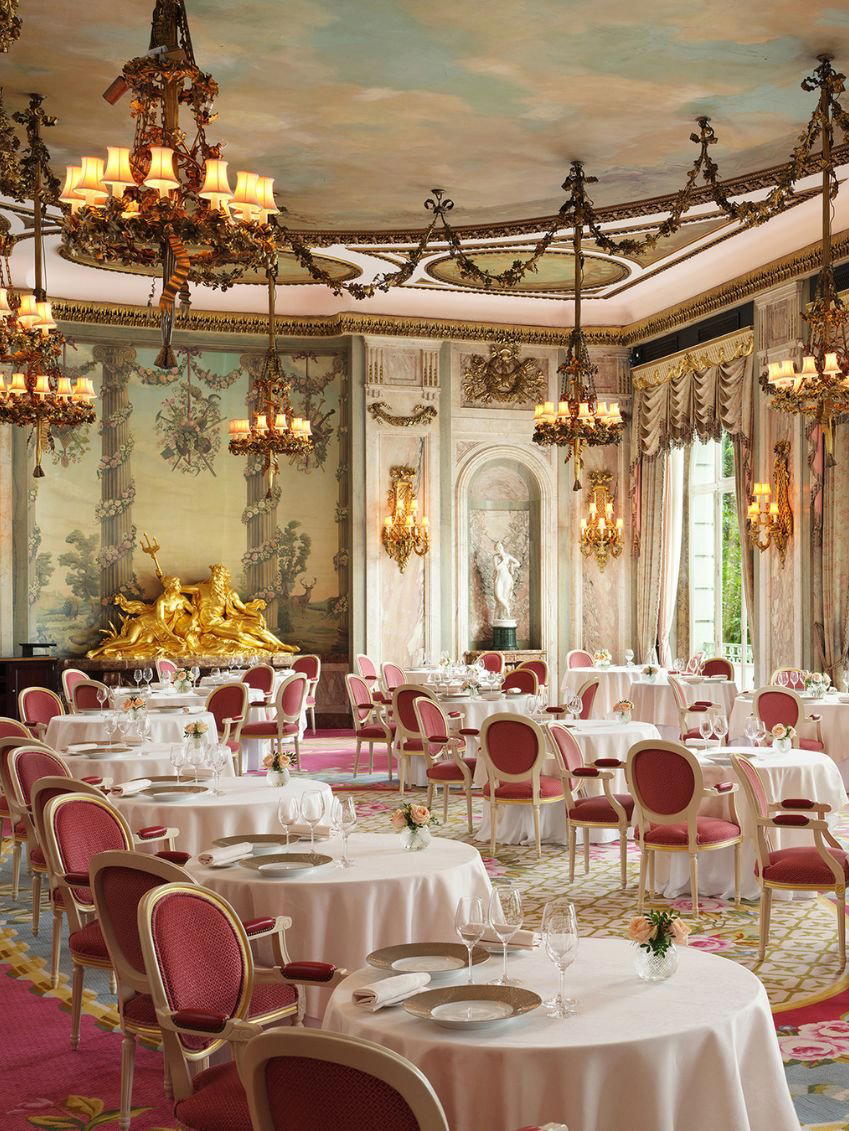
Hamburg's restaurant scene skews toward European classical traditions with modernist inflection. The addresses that attract the most critical attention, from Haerlin to The Table Kevin Fehling, operate in a register defined by Michelin recognition and tasting-menu formality. There is an entirely separate layer of Hamburg eating that does not intersect with that register at all, and Aendrè belongs to it. The relevant comparison is not with the city's fine-dining tier but with other ingredient-committed, format-simple operations that prioritise daily regularity over special-occasion visits.
Across the broader German scene, the venues making the most sustained argument for ingredient sourcing as the primary creative act tend to be smaller operations, whether that is the precision sourcing at places like Aqua in Wolfsburg at the high end, or the farm-to-table discipline visible in regional restaurants like ES:SENZ in Grassau. Aendrè approaches the same priority from a neighbourhood café position rather than a destination dining one. Internationally, the ingredient-first logic connects to kitchens like Le Bernardin in New York City, where the sourcing argument is made at the top of the price tier. Aendrè makes it at the accessible end, which is arguably a harder commercial proposition.
For readers putting together a full Hamburg visit, the city's broader options are mapped in our full Hamburg restaurants guide, with additional coverage across hotels, bars, wineries, and experiences.
Planning a Visit
Aendrè is located at Schlüterstrasse 86, 20251 Hamburg, in Hoheluft-West, accessible from the Hoheluftbrücke U-Bahn station. The multi-daypart format means the experience varies by time of day: breakfast and coffee visits have a different pace than lunch or dinner. Given the limited menu size and the community-driven dynamic that generates repeat custom, arriving during off-peak hours gives a clearer read of what the kitchen is doing. Specific hours, current pricing, and booking details are best confirmed directly with the venue, as the organic sourcing model means both availability and pricing can shift with supply.
How Aendrè Hamburg compares with similar nearby venues.
| Venue | Awards |
|---|---|
| Aendrè | We're Smart World 2025, 2 Radishes |
Recognition history
Dated appearances from independent guides and award organizations, with the underlying list record or original source where available.
We're Smart World 2 Radishes
We're Smart World
Continue exploring
More in Hamburg
Restaurants in Hamburg
Browse all →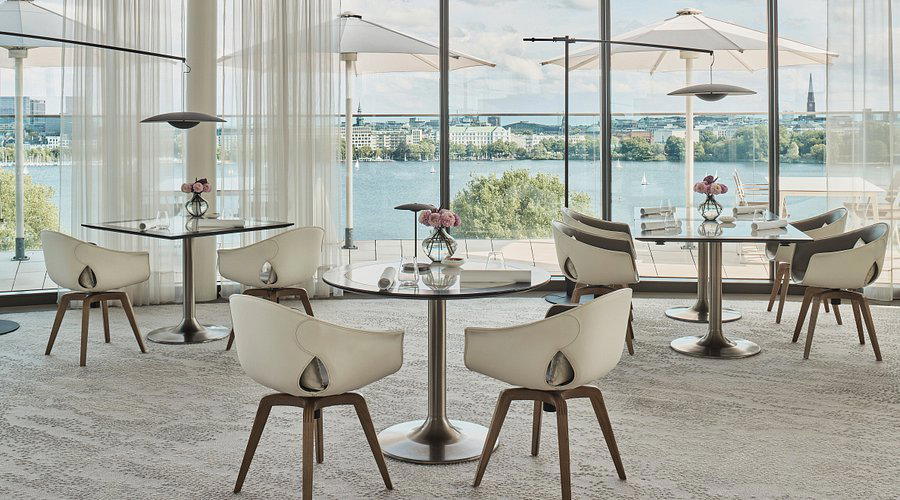
Bars in Hamburg
Browse all →
Hotels in Hamburg
Browse all →
Wineries in Hamburg
Browse all →
At a Glance
- Cozy
- Modern
- Intimate
- Brunch
- Casual Hangout
- Open Kitchen
- Natural Wine
- Organic
- Local Sourcing
Current opening hours
- Monday
- 9 AM–3 PM
- Tuesday
- 9 AM–3 PM
- Wednesday
- 9 AM–3 PM
- Thursday
- 9 AM–3 PM
- Friday
- 9 AM–3 PM
- Saturday
- 9 AM–4 PM
- Sunday
- 9 AM–4 PM
Hours can change for holidays and private events. Last verified .
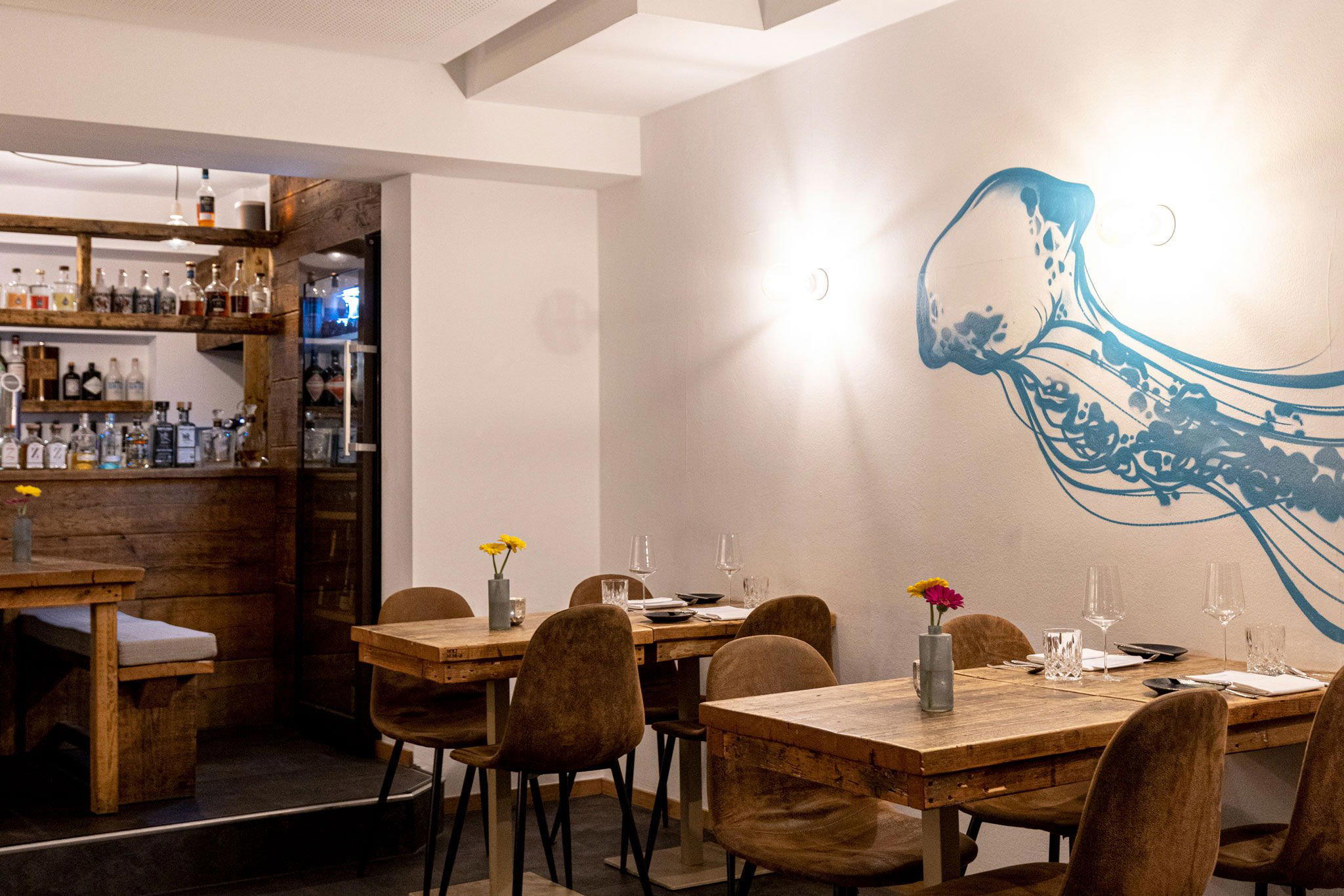
Cozy Japandi-inspired atmosphere with a relaxed, gemütlich ambiance ideal for conversation, featuring comfortable indoor and pleasant outdoor seating.
Know Before You Go
- Getting there
- Schlüterstrasse 86, 20251 Hamburg, Germany