
We're Smart World 1 Radish
Our verdict
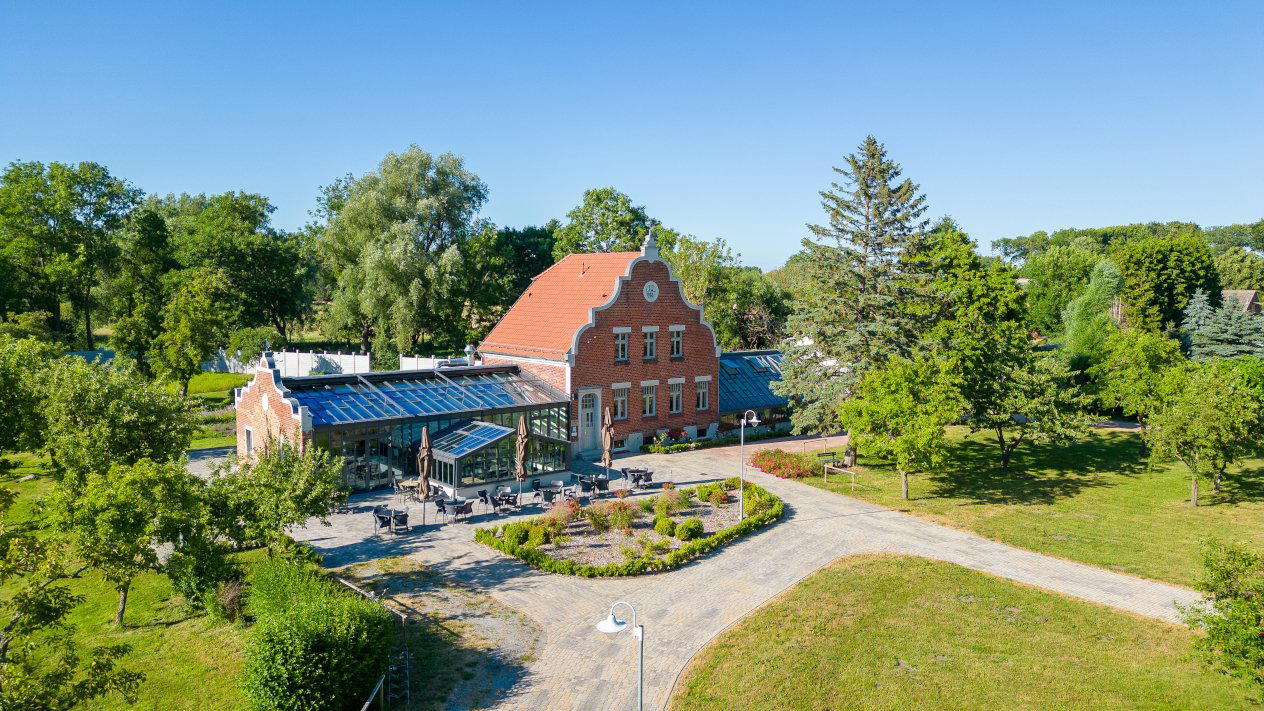
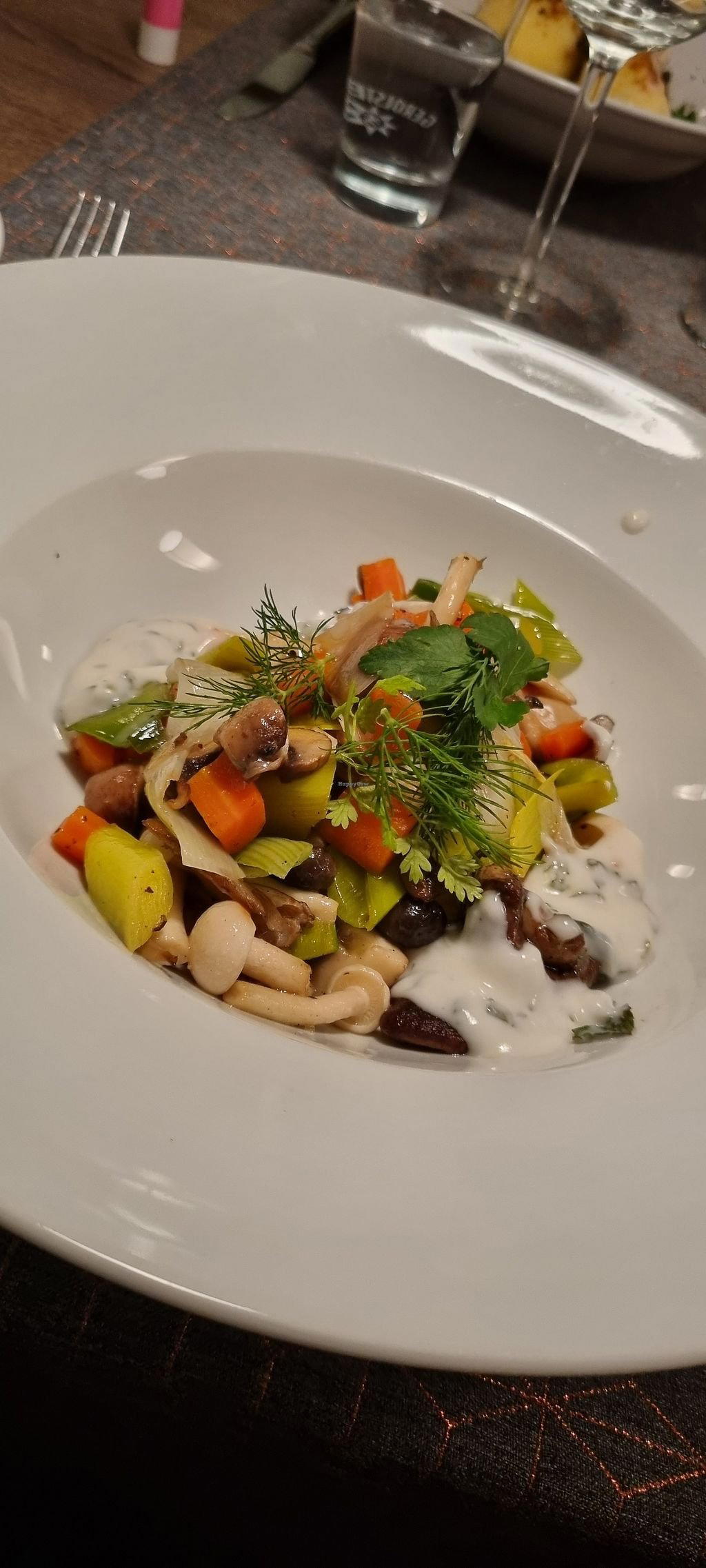
Aedenlife sits in the rural quiet of Vaschvitz, a small settlement on the island of Rügen near Trent, where the kitchen puts vegetables at the centre of the plate rather than the margin. The approach here is produce-led and unhurried, shaped by the surrounding landscape of northeast Germany. Guests who flag dietary preferences in advance can expect a meal tailored to those choices rather than a fixed formula.

Pearl is the En Primeur Club membership app, where members save venues, book tables and use the concierge.
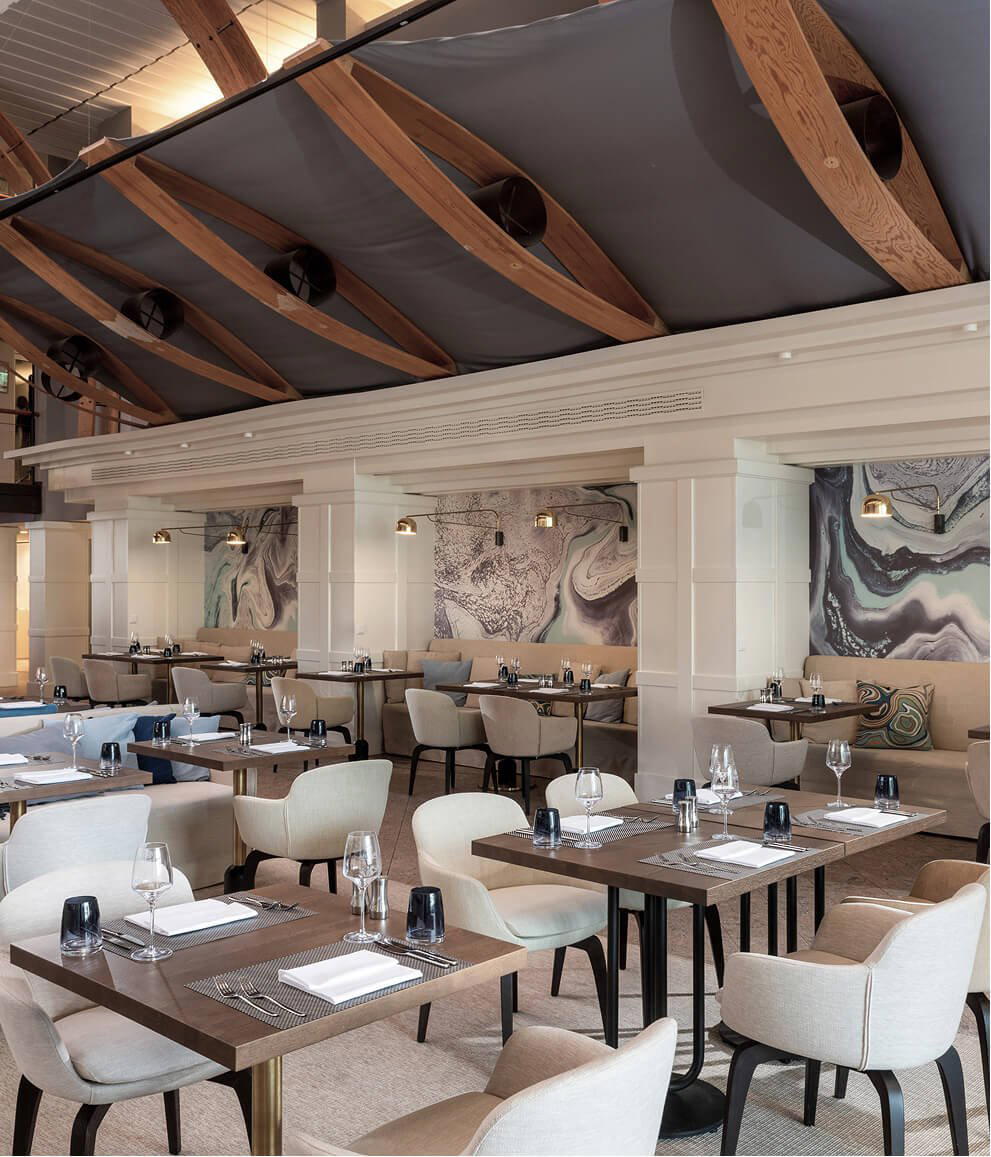
Where the Produce Sets the Agenda
On the island of Rügen, where the flat fields of Mecklenburg-Vorpommern meet the Baltic, a quiet shift in how guests eat has been taking place for some time. The movement toward vegetable-centred cooking, long dominant in urban kitchens from Berlin to Hamburg, arrives here with less fanfare and more rootedness. Aedenlife, located along the rural track of Vaschvitz 17 in the small community near Trent, operates in that tradition: a place where the sourcing decision comes first and the menu follows from it. This part of Germany has the agricultural density to support that philosophy. Rügen's farms supply root vegetables, brassicas, and herbs to regional tables, and the island's growing season, compressed by its northerly position, gives produce a particular intensity that chefs working with conventional supply chains rarely access.
The region's broader dining culture has not historically attracted the same critical attention as Germany's fine dining centres. The three-Michelin-star operations that define Germany's upper tier, places like Aqua in Wolfsburg, Schwarzwaldstube in Baiersbronn, or Vendôme in Bergisch Gladbach, operate inside densely connected hospitality ecosystems with ready access to premium suppliers and international press. Aedenlife sits at the other end of that geographic spectrum, which in practice means a tighter reliance on what the island and its immediate hinterland can offer. That constraint, in kitchens that treat it seriously, tends to produce a more coherent plate.
The Vegetable as Subject, Not Supplement
Germany's fine dining conversation has spent the past decade negotiating where vegetables belong. At CODA Dessert Dining in Berlin, the boundary between savoury and sweet dissolves entirely, with produce treated as a structural element rather than a garnish. At JAN in Munich, Scandinavian foraging logic has influenced how kitchens relate to wild and seasonal ingredients. At Aedenlife, the premise is more direct: guests are invited to make vegetables the explicit centre of their meal, and the kitchen adjusts to that instruction. This is not a tasting menu format built around a fixed seasonal sequence. It is, from what the venue communicates publicly, a more responsive model, one that asks guests to state their preferences and then works around them.
That responsiveness carries editorial weight. In an industry where the tasting menu has become a device for the kitchen's self-expression at the expense of the guest's, a kitchen that opens a dialogue about ingredients before cooking is making a different claim about what hospitality is for. The produce-led restaurants gaining the most traction internationally, whether in Copenhagen, the Basque Country, or the Hudson Valley, have in common a willingness to treat the ingredient sourcing decision as the primary creative act. Aedenlife's position in rural Rügen gives it access to ingredients that urban counterparts would have to import or simulate.
Rügen and the Logic of Eating Where You Are
Trent sits in the western part of Rügen, an island that has served German holidaymakers since the nineteenth century and that has retained a slower pace compared to the Baltic's more developed resort towns. The island's ecology, protected wetlands, chalk cliffs at Jasmund, agricultural lowlands, means that visitors arriving primarily for food are also arriving inside a particular natural context. That context matters when a kitchen is sourcing regionally. A brassica grown in Rügen soil and harvested within a short radius of the table has a provenance that a supply chain cannot replicate. The island's short growing window, running roughly from late spring through early autumn, concentrates the availability of peak-condition vegetables into a season that rewards planning a visit accordingly.
For those considering when to go, the summer months offer the densest overlap between the island's agricultural output and its most accessible weather. Visitors travelling from Germany's larger cities, Berlin is reachable by car via the Rügenbrücke crossing, will find Trent a considerable distance from urban infrastructure, which is part of the point. Rügen's appeal to a certain type of visitor has always been its deliberate distance from routine. For restaurants operating in that context, see our full Trent restaurants guide, alongside options for accommodation, bars, wineries, and local experiences.
Planning a Visit
Vaschvitz is a small settlement and Aedenlife sits at number 17 along that address. Visitors arriving without familiarity with rural Rügen should allow more navigation time than a postcode search alone might suggest. Given that the kitchen tailors its cooking to guest preferences, communicating dietary priorities before arrival, specifically flagging vegetables as the central element, is the mechanism the venue itself identifies as the way to unlock that service. Pricing and seat count are not in current public records, so prospective guests should confirm both at time of booking.
For comparison on the German fine dining register, the country's top-rated vegetable-forward and creative tasting menu operations, including ES:SENZ in Grassau, Schanz in Piesport, and Restaurant Haerlin in Hamburg, operate at price points and formality levels that differ substantially from what a rural Rügen setting suggests. Aedenlife belongs to a different register entirely, closer to the retreat-style dining experiences gaining ground across northern Europe than to the Michelin circuit. Those seeking the structured formality of operations like Victor's Fine Dining by Christian Bau in Perl or Waldhotel Sonnora in Dreis will find a different proposition here. Aedenlife's pitch is rest, fresh air, and a kitchen that listens before it cooks. That is a narrower offer, and for the right visitor, a more useful one. Comparable produce-led dining in international contexts, from Le Bernardin in New York City to Emeril's in New Orleans or Bagatelle in Trier, operates across a wide spectrum of formality and geography, which underscores that ingredient-led cooking is not a single style but a set of values applied differently depending on context.
Frequently asked questions
Is Aedenlife suitable for children?
The setting at Vaschvitz 17 in Trent is a rural, unhurried one, well away from the pace of Rügen's busier resort towns. That environment tends to suit families looking for a calmer meal rather than a formal occasion. Vegetables are the focus here, and the kitchen works to guest preferences, which gives parents some room to request simpler preparations for younger diners.
How would you describe the vibe at Aedenlife?
Quiet and deliberate rather than scene-driven. Aedenlife sits in Vaschvitz, a small settlement in western Rügen, and the surrounding landscape of flat fields and Baltic air sets the register for what happens at the table. Guests are encouraged to communicate their preferences in advance, which gives the experience a considered, unhurried character.
What kind of recognition has Aedenlife received?
Aedenlife has received recognition including: Do you want to relax, get a breath of fresh air and enjoy pure pampering? Then you have come to the right place. Just let them know that vegetables are the star of your choice so they can cook it all to your liking.
What do people recommend at Aedenlife?
The vegetable-centred approach is the point of the place, guests are invited to specify that vegetables take the lead and the kitchen builds around that instruction. Arriving with a clear sense of what you want from the meal, and communicating it ahead of time, appears to be the most consistent route to a satisfying visit at this address on Rügen.
At-a-Glance Comparison
Comparable venues nearby, for context on price, style, and recognition.
| Venue | Cuisine | Price | Awards | Notes |
|---|---|---|---|---|
| AedenlifeThis venue (the venue you are viewing) | Modern Regional German | $30–50 | We're Smart World 1 Radish | Not listed |
| Minimanufaktur Parow | Sophisticated German Country Cuisine with International Flair | $30–50 | Not listed | Kramerhof |
| Marstall Festzelt | Traditional Bavarian Oktoberfest | $30–50 | Not listed | Theresienwiese |
| Restaurant Bernstein | Modern German Fine Dining | Not listed | Not listed | Seebad Heringsdorf |
| Hausmann's | Traditional German Brasserie | $20–30 | Not listed | Frankfurt Airport |
| FOREIGN AFFAIRS | Authentic Austrian | Not listed | Not listed | Mitte |
Recognition history
Dated appearances from independent guides and award organizations, with the underlying list record or original source where available.
We're Smart World 1 Radish
We're Smart World
Continue exploring
More in Trent
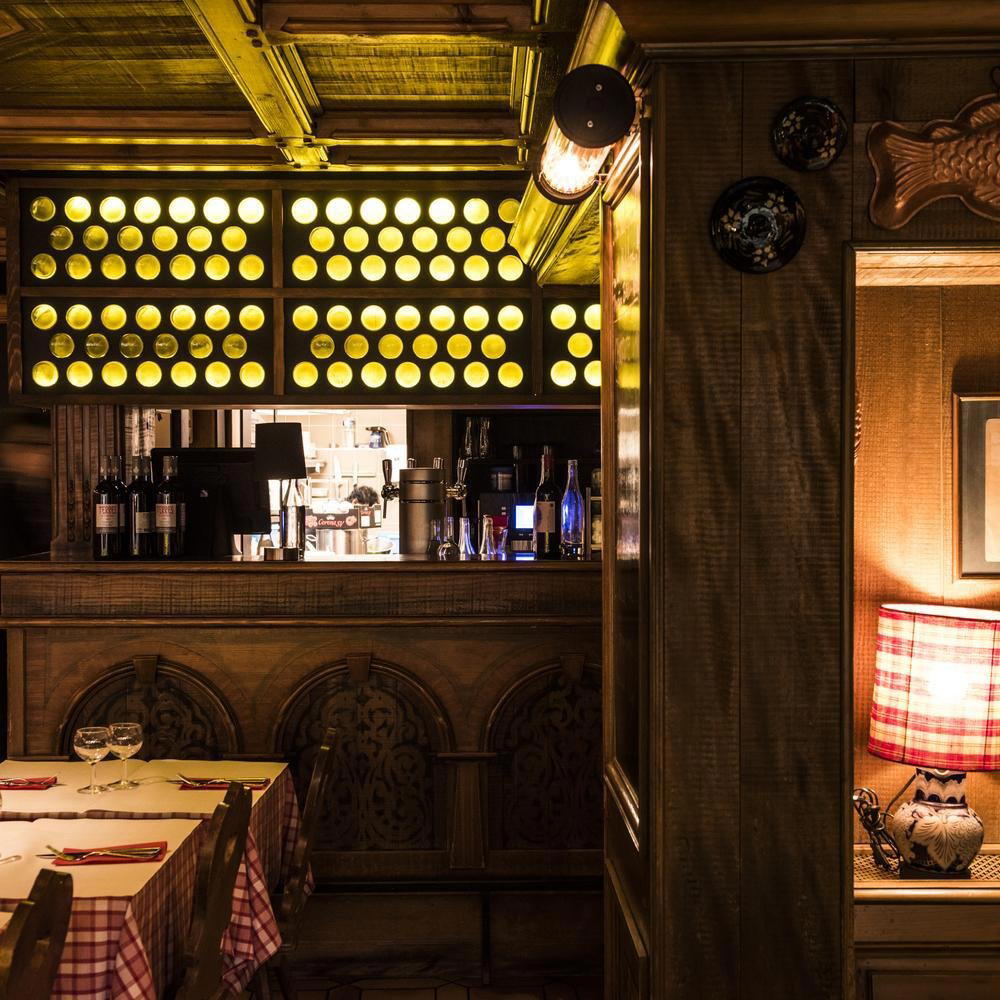
Details
- Modern
- Cozy
- Elegant
- Quiet
- Special Occasion
- Family
- Waterfront
- Terrace
- Local Sourcing
- Waterfront
- A La Carte
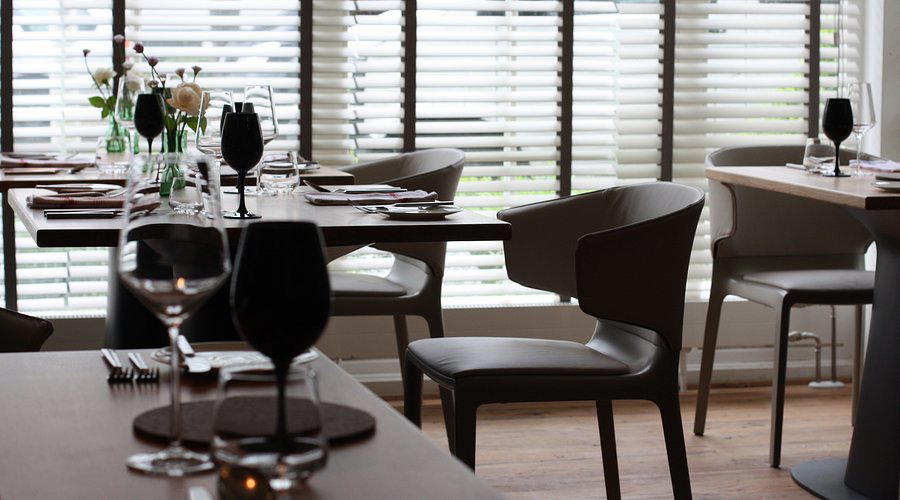
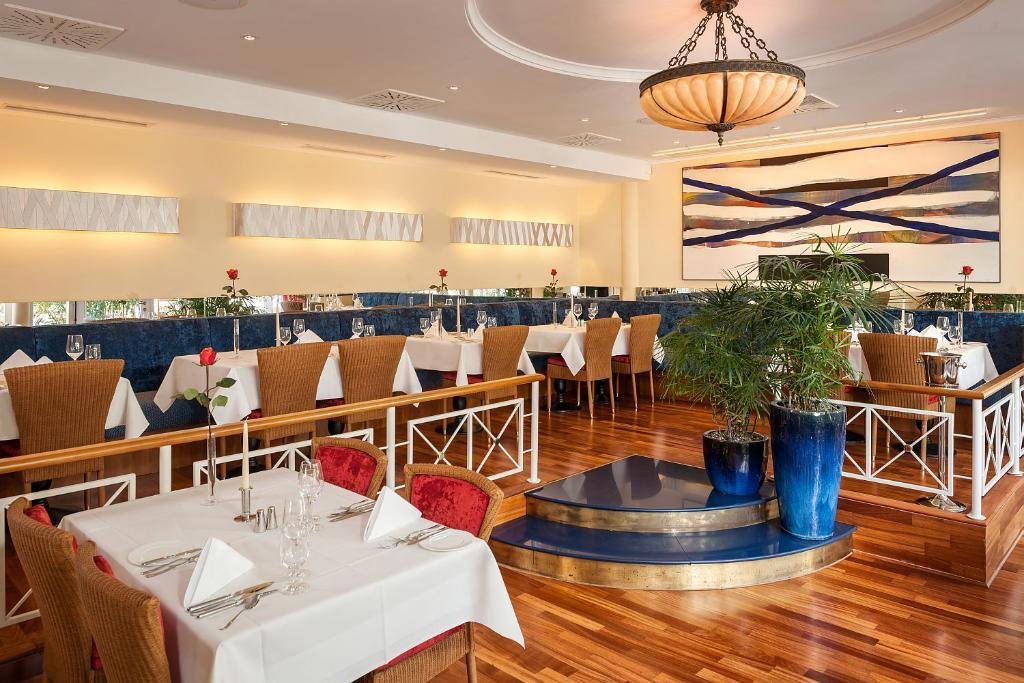
Stylish Nordic-inspired atmosphere with winter garden offering soothing sea views, tastefully decorated lobby, and relaxing ambiance praised for cleanliness and comfort.