
Michelin Plate
Our verdict
ADN occupies a vaulted space on Bastia's rue de l'Ancienne-Poste, where chef Quentin Sanchez builds his menu around meticulous sourcing: organic Corsican vegetables, farm-reared veal, local fish, and island olive oil, supplemented by carefully chosen mainland ingredients. The result is cooking defined by substance and technique rather than theatrical gesture, with bold flavours anchored in a genuine sense of place.

Pearl is the En Primeur Club membership app, where members save venues, book tables and use the concierge.
Stone Vaults and a Sourcing Manifesto
Corsica's restaurant scene has long operated at a remove from mainland French fine dining. The island's produce traditions, its particular olive oils, its maquis-grazed livestock, its coastal fish, have historically fed a culture of trattoria-style simplicity rather than technical ambition. ADN, on the quiet rue de l'Ancienne-Poste in Bastia's old quarter, represents a different proposition: a kitchen that treats Corsican produce with the same rigour found at destination addresses elsewhere in France, without abandoning the island's essential directness. The vaulted interior, stone overhead and candlelit at table level, sets the register before anything arrives from the kitchen. This is not a room designed for spectacle. It is a room designed to focus attention.
What Goes Into the Sourcing
The sourcing framework at ADN is worth understanding in detail, because it defines what the kitchen can and cannot do. Chef Quentin Sanchez builds from a core of Corsican raw materials: organic vegetables, farm-reared veal, local fish, and the island's olive oil. These are not token gestures toward provenance, they are the structural logic of the menu. Where Corsican supply cannot deliver the specific quality a dish requires, Sanchez supplements with a narrow set of imported ingredients, each chosen with evident deliberateness. Anchovies come from Cantabria, where the Bay of Biscay catch and the curing traditions produce a product that most chefs in France treat as a benchmark. Jersey beef and Breton lobster round out the external sourcing. The geographic spread of those choices is instructive: these are not generic luxury imports but specific regional products with their own documented reputations.
This kind of tiered sourcing, island-first with targeted mainland exceptions, mirrors the approach taken at kitchens like Bras in Laguiole, where the Aubrac plateau defines the culinary logic and outside ingredients enter only where the region's larder has a genuine gap. It also connects ADN to a broader conversation in French regional cooking, where chefs at addresses like Auberge du Vieux Puits in Fontjoncouse and Mirazur in Menton have built reputations precisely on that discipline of letting a specific place set the boundaries of the menu.
Technique in Service of Flavour
The description of ADN's cooking that emerges from critical accounts circles around two qualities that often pull against each other: meticulous technique and forthright flavour. Precision plating and careful seasoning point toward a kitchen with classical French training. Bold, direct flavours point toward the Corsican cooking tradition, which has never been interested in subtlety for its own sake. The combination is not contradictory. It reflects a choice to use technique as a vehicle for flavour rather than as an end in itself, a distinction that separates kitchens operating at this level from those where refinement becomes a form of neutrality.
Among French regional kitchens that have navigated that tension well, AM par Alexandre Mazzia in Marseille offers a useful comparison point: a Mediterranean address where technical discipline and intense, concentrated flavours coexist without one diluting the other. ADN operates in the same register, at a different scale and with Corsica's specific larder as its frame of reference.
Bastia as a Dining Context
Bastia is Corsica's commercial capital and, in many ways, its most workday city: a port town with an 18th-century Genoese upper quarter and a functioning economy built on trade rather than tourism. That context matters for understanding ADN's position. Ajaccio draws more visitors; Porto-Vecchio caters more overtly to summer money. Bastia's dining scene is quieter, less curated, and for a restaurant operating at ADN's level of ambition, that makes the choice of location something of a statement. The kitchen is cooking for locals and for the kind of traveller who finds the city on its own terms, not for a captive resort audience.
For those visiting Bastia and building a broader itinerary around the city, the EP Club has compiled resources covering the full range of options: our full Bastia restaurants guide, our full Bastia hotels guide, our full Bastia bars guide, our full Bastia wineries guide, and our full Bastia experiences guide.
Where ADN Sits in the French Fine Dining Map
The mainland French table at the highest tier, places like Alléno Paris au Pavillon Ledoyen, Flocons de Sel in Megève, or Troisgros in Ouches, occupies a different competitive set from a Corsican address operating outside the main tourist circuit. The comparison is useful not for placing ADN in that league on credentials, but for understanding the ambition. Kitchens in Alsace like Au Crocodile in Strasbourg, or in the Champagne region like Assiette Champenoise in Reims, built regional reputations by working with local specificity and technical seriousness simultaneously. That lineage extends to Corsica, even if the island's geographic remove has historically limited its visibility in national and international critical circuits.
Addresses like Auberge de l'Ill in Illhaeusern and Paul Bocuse in Collonges-au-Mont-d'Or built their identities around a specific French regional identity expressed through discipline and consistency over decades. ADN is at a different stage, but the structural logic is recognisable. For international visitors familiar with kitchens like Le Bernardin in New York City, where seafood sourcing is treated with the same specificity that ADN applies to its full larder, the cooking at ADN will read as operating inside a shared set of values, even at a very different scale and price point.
Planning a Visit
ADN sits at 1 rue de l'Ancienne-Poste in central Bastia, within walking distance of the old port. Reservations are advisable; a kitchen working at this level of sourcing precision and with a vaulted dining room of limited capacity is not the kind of address that holds walk-in tables. Corsica's high season runs from late June through August, when Bastia accommodates both local traffic and a significant influx of visitors; booking further ahead during those months is sensible. For context, the island's peak ferry and flight connections operate most frequently between July and September, with service thinning considerably from November onward.
Frequently asked questions
Is ADN child-friendly?
ADN is an adult-oriented restaurant with a focused tasting format built around technique and precise sourcing, organic Corsican vegetables, local fish, farm-reared veal. There are few comparable alternatives at this level in Bastia, so families with young children should weigh that before booking.
Is ADN formal or casual?
The vaulted stone interior at 1 rue de l'Ancienne-Poste signals a clear step above Bastia's everyday trattoria register, and the kitchen's emphasis on meticulous technique and plating reinforces that. Smart-casual dressing fits the room; the tone is serious without being stiff.
What distinctions does ADN have?
ADN has received recognition including: In an elegant, vaulted interior, chef Quentin Sanchez sings a heartfelt ode to produce. Organic veg, farm-reared veal, local fish and olive oil: meticulous sourcing that also features a handful of cherry-picked ingredients from outside the ….
What's the best thing to order at ADN?
The kitchen's logic centres on Corsican organic vegetables, local fish, and farm-reared veal, so following the produce-led dishes tracks most directly with chef Quentin Sanchez's intent. The supplementary ingredients, Cantabrian anchovies, Jersey beef, Breton lobster, appear as counterpoints to the island base rather than the main event.
At-a-Glance Comparison
Comparable venues nearby, for context on price, style, and recognition.
| Venue | Cuisine | Price | Awards | Notes |
|---|---|---|---|---|
| ADNThis venue (the venue you are viewing) | Modern Corsican Fine Dining | Not listed | Michelin Plate | Not listed |
| Radiche | Modern Corsican | Not listed | Michelin Plate | Old Town |
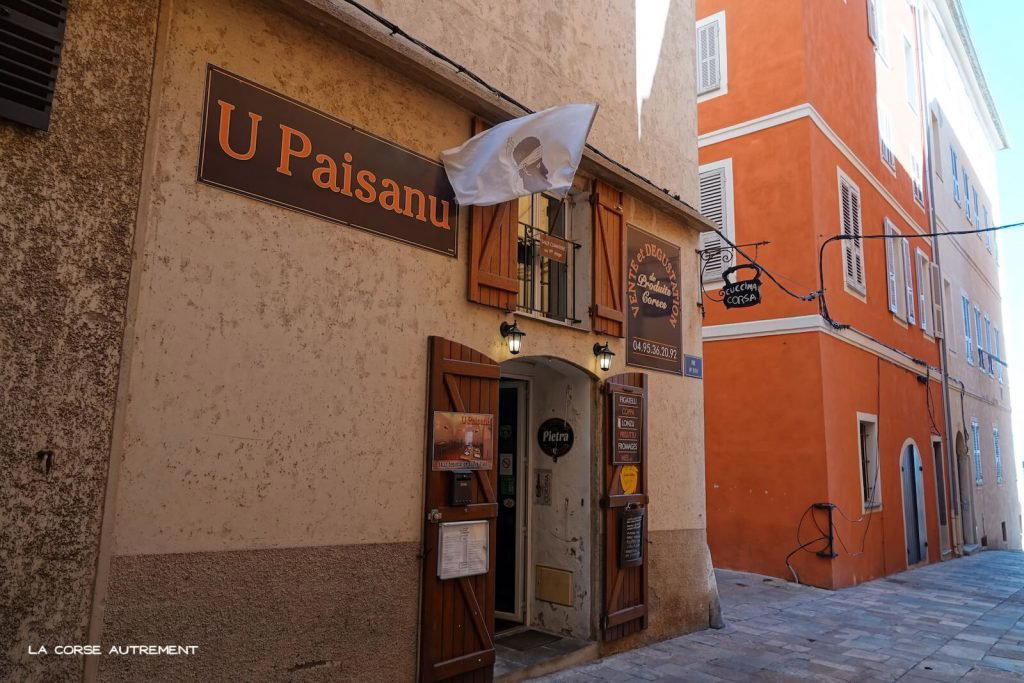
| U Paisanu | Authentic Corsican | $30–50 | Not listed | Vieux-Port |
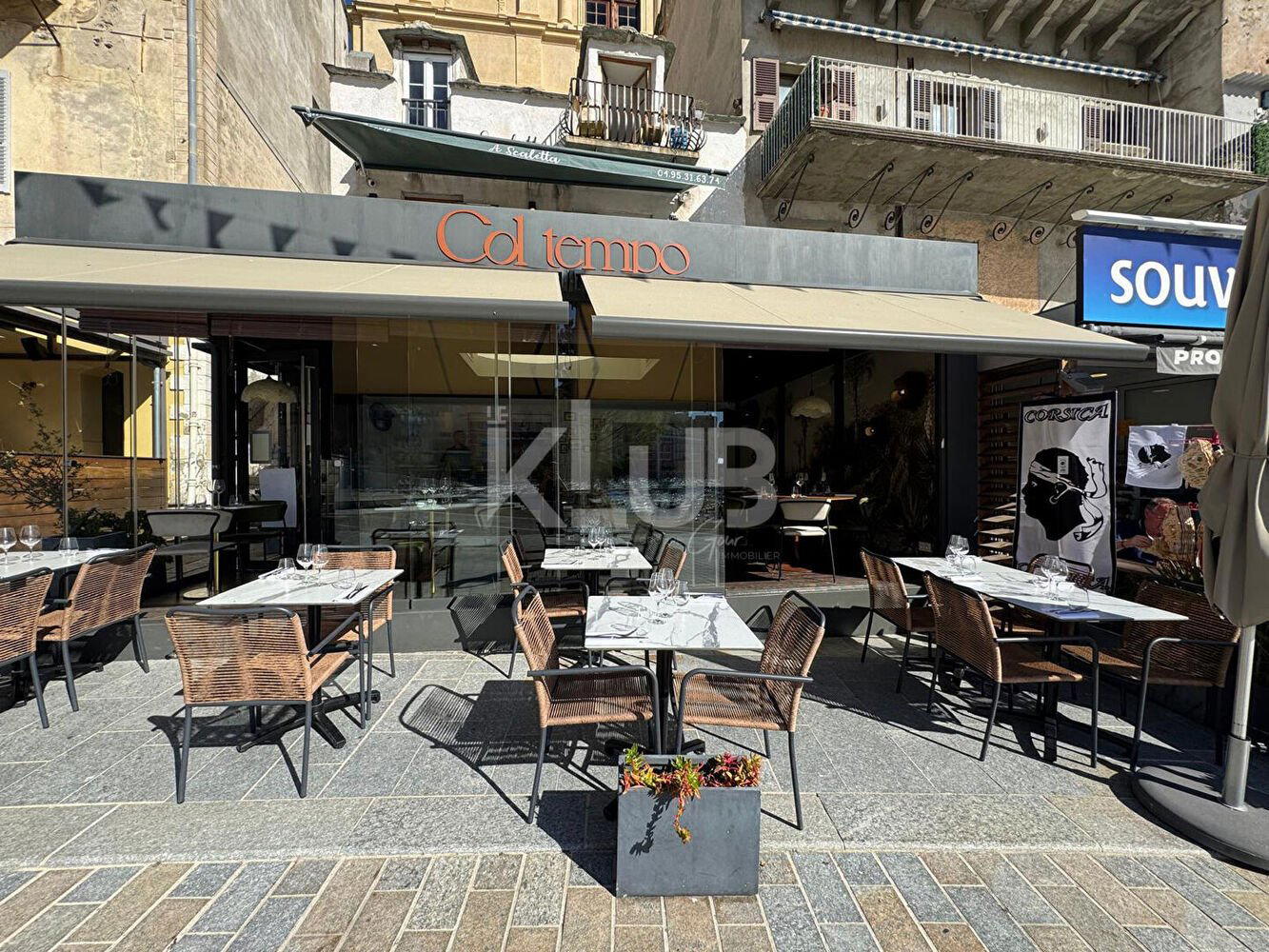
| Col Tempo | Modern French Market Cuisine | $50–100 | Not listed | Vieux-Port |
| Cristo | Modern French Bistro with Vegan Options | $30–50 | Not listed | centre ville |
| Chez Huguette | Corsican Seafood | $50–100 | Not listed | Vieux Port |
Recognition history
Dated appearances from independent guides and award organizations, with the underlying list record or original source where available.
Michelin Plate
Michelin
Continue exploring
More in Bastia
Restaurants in Bastia
All restaurants in Bastia →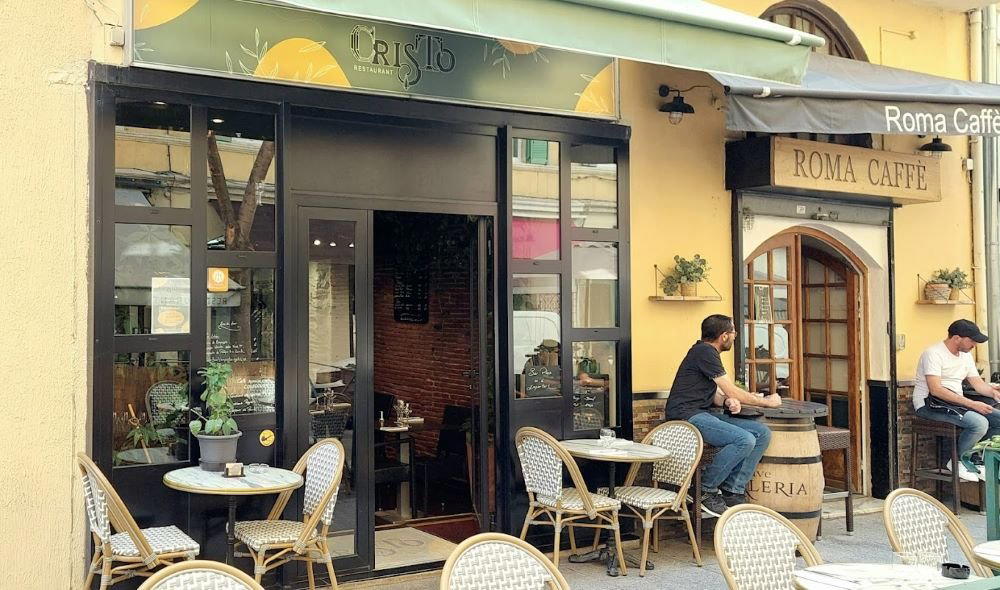
Hotels in Bastia
Browse all →
Wineries in Bastia
Browse all →
Details
- Elegant
- Sophisticated
- Cozy
- Industrial
- Date Night
- Special Occasion
- Open Kitchen
- Extensive Wine List
- Local Sourcing
- Organic
- A La Carte
Current opening hours
- Monday
- 11 AM–2 PM, 6:30–11 PM
- Tuesday
- Closed
- Wednesday
- Closed
- Thursday
- 11 AM–2 PM, 6:30–11 PM
- Friday
- 11 AM–2 PM, 6:30–11 PM
- Saturday
- 11 AM–2 PM, 6:30–11 PM
- Sunday
- 11 AM–2 PM, 6:30–11 PM
Hours can change for holidays and private events. Hours as of .
Elegant vaulted interior with chic brasserie-industrial aesthetic, cozy setting praised for warm and welcoming atmosphere.