Our verdict
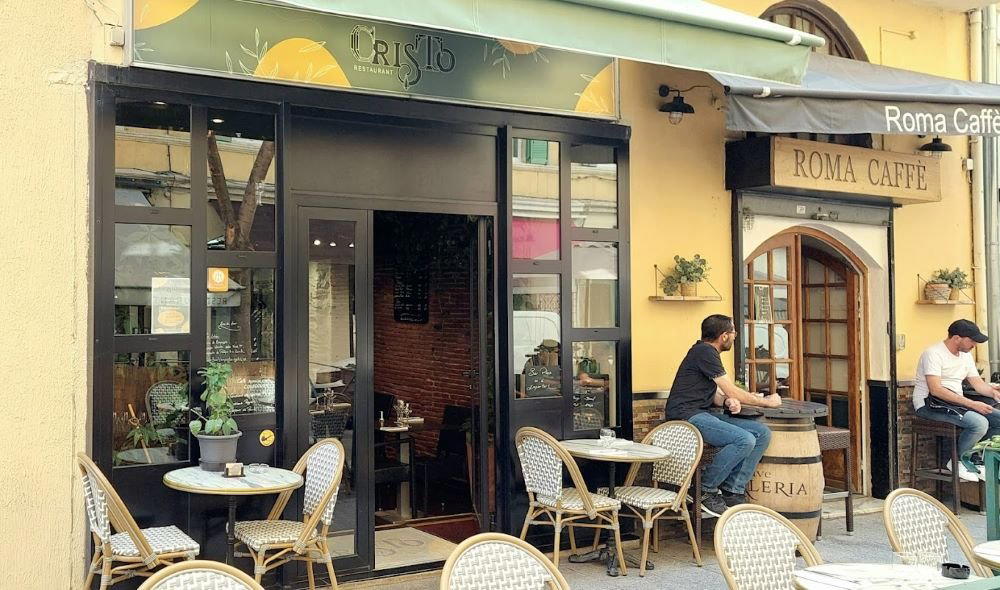
On the Rue César Campinchi in central Bastia, Cristo occupies a corner of the city's restaurant scene where Corsican hospitality and considered cooking meet. The address sits within reach of the old port quarter, placing it among a generation of Bastia tables rethinking what local dining means. For visitors willing to look past the well-trodden tourist trail, it offers a grounded alternative to the harbour-front defaults.

Pearl is the En Primeur Club membership app — saves, bookings, and concierge access live there. Same editors, same standards.
- Address
- 33 Rue César Campinchi, 20200 Bastia, France
- Phone
- +33495556099
- Hours
- Mon ClosedTue–Sat 11:30 AM–2:30 PM, 7–10:30 PMSun Closed
- Website
- m.facebook.com
- Directions
- Get directions
The menu
What to order
- Vegan burger
- Fish and chips
- Vegetable tartare
Where Bastia's Dining Ritual Plays Out
Bastia is not a city that performs for outsiders. The capital of Haute-Corse operates on its own rhythm — unhurried lunches that stretch past two o'clock, a certain formality of greeting that softens only once you've been seated and poured, and a culinary register that leans on the island's producers rather than chasing continental trends. Cristo, at 33 Rue César Campinchi, sits inside that rhythm. The address is central, a short walk from the old port and the Baroque churches of the Terra Vecchia district, but the street itself belongs to the working city rather than the tourist circuit. Approaching the door, you are in Bastia proper.
That positioning matters when you understand how dining customs function in Corsican towns of this scale. In cities like Paris — home to institutions such as Alléno Paris au Pavillon Ledoyen, or in destination restaurants such as Mirazur in Menton, the meal is structured around a formal choreography of service. Bastia operates differently. Tables here are not stages for performance; they are extensions of a domestic tradition in which hospitality is expressed through generosity and pacing rather than precision and spectacle. Cristo belongs to that register.
The Shape of a Meal Here
The dining ritual at a restaurant of this type in Bastia tends to unfold in distinct phases, each governed by the informal code of Corsican table culture. An arrival drink or an amuse, depending on the kitchen's ambition that day, establishes the register before anything has been ordered. The menu, wherever it sits on the spectrum between bistro and table gastronomique, will draw from the island's producers: charcuterie cured in the interior, fish from the Tyrrhenian, cheeses from the mountains above Corte. This is not a culinary philosophy in the branded sense that a Michelin-starred house might articulate it; it is simply what Corsican cooks have always done.
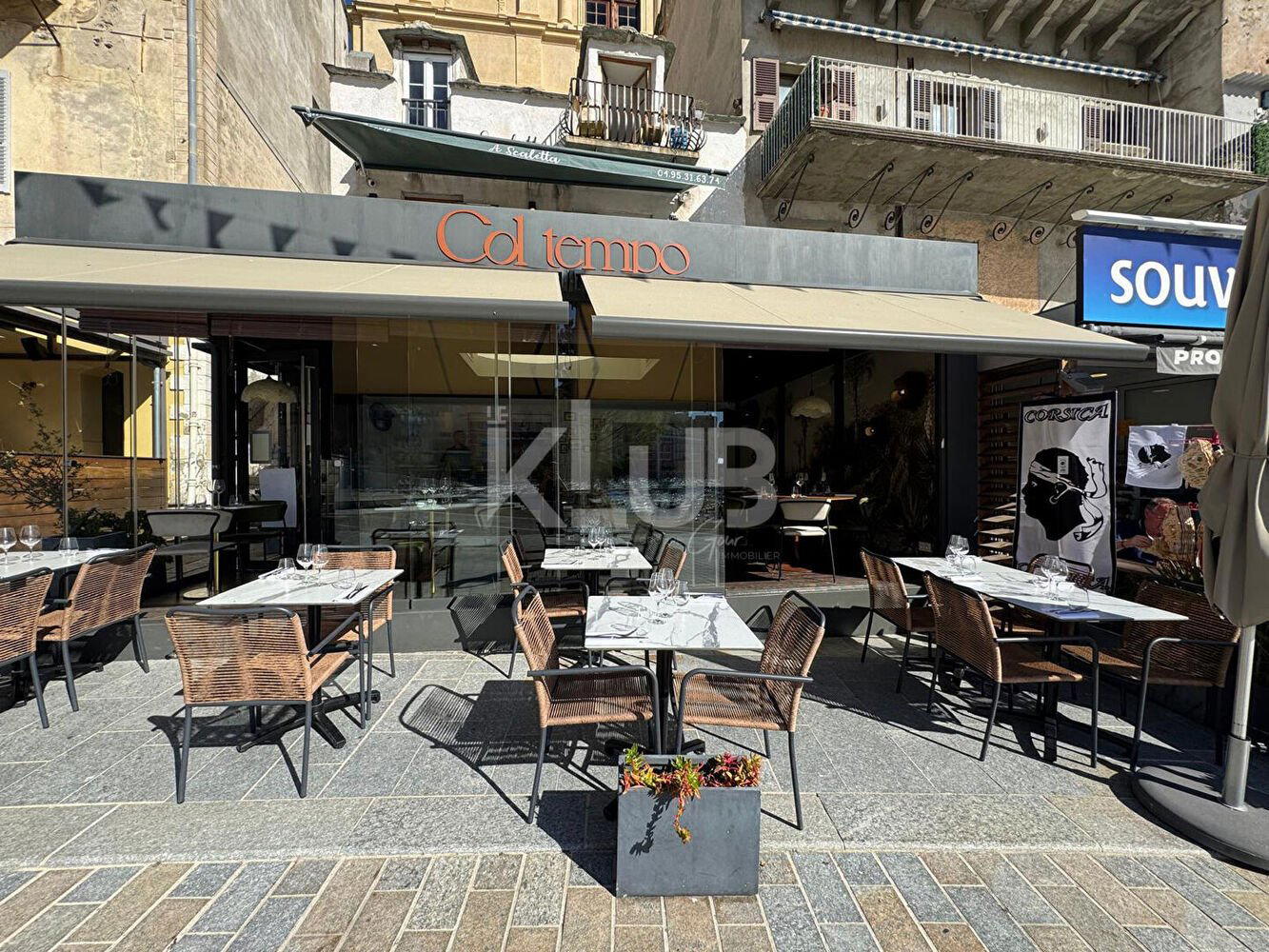
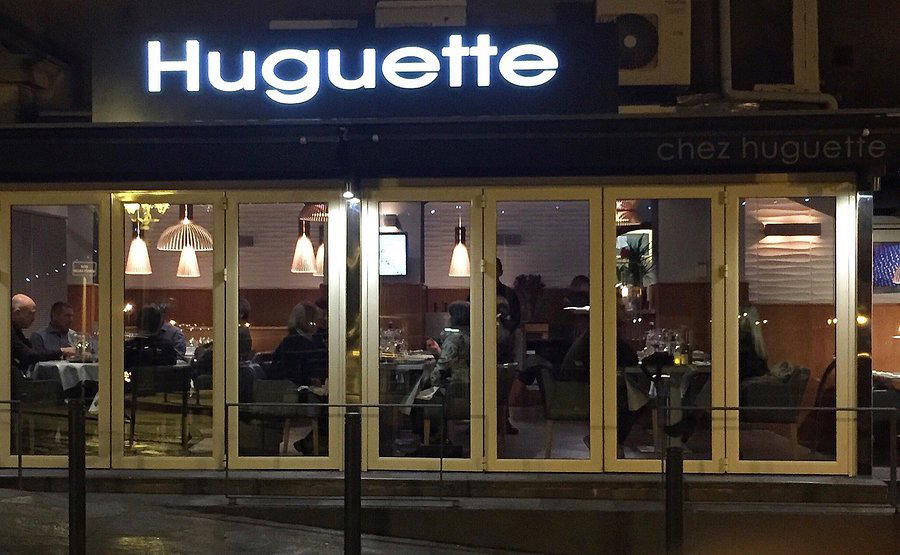
Within Bastia's current restaurant scene, Cristo occupies a position alongside a cohort of addresses that take the island's ingredients seriously without repackaging them as a concept. Radiche and ADN are among the tables pursuing a similar ambition from their respective angles, while Chez Huguette holds its own ground closer to the port with a seafood focus that has earned it consistent local regard. Col Tempo and La Table de Mare & Gustu extend the range further, demonstrating that Bastia's dining conversation has grown considerably more layered than the harbour-terrace defaults would suggest. Our full Bastia restaurants guide maps the broader scene for those planning multiple meals.
Corsica's Ingredients and What They Demand of a Kitchen
The island's food culture is built on a degree of self-sufficiency that few French regions can match. Chestnut flour, cured pork from semi-wild pigs, brocciu cheese, aromatic herbs from the maquis scrubland, these are not artisanal flourishes imported for the menu; they are the baseline from which Corsican cooking has always operated. A kitchen that works with them well must understand restraint: the ingredients resist over-elaboration. This is a different discipline from the technical ambition you find at, say, Flocons de Sel in Megève or the classical rigour of Troisgros in Ouches, but it demands its own form of skill.
For restaurants like Cristo, the test is whether the cooking amplifies what the island produces or simply uses local provenance as marketing shorthand. The better addresses in Bastia's current generation pass that test. Across the channel, at mainland France's most formally recognised tables, Bras in Laguiole, Auberge de l'Ill in Illhaeusern, Les Prés d'Eugénie in Eugénie-les-Bains, Georges Blanc in Vonnas, or Paul Bocuse's Auberge du Pont de Collonges, the relationship between region and plate has been institutionalised over generations. Corsica is still in an earlier chapter of that story, which makes the current generation of cooks on the island worth watching.
Pacing, Sequence, and What to Expect at the Table
The meal at a Bastia restaurant of this type rarely rushes. Lunch service, particularly in the warmer months when Corsica draws visitors from across Europe, tends to stretch. This is not inefficiency; it is the operating assumption. Courses arrive when they are ready, conversation is expected to fill the intervals, and the cheese course, when it arrives, is not the afterthought it has become in faster-paced urban dining rooms. The wine list, in any Corsican address worth the name, will include bottles from the island's appellations, Patrimonio, a short drive north of Bastia, and Ajaccio further south, alongside selections from the mainland.
Visitors accustomed to the precision-service model of, say, Le Bernardin in New York City or the communal-format dining at Lazy Bear in San Francisco will find the register here considerably more informal. That informality is the point. The ritual of a Corsican meal is governed by a different set of expectations: generosity over precision, conviviality over choreography.
For planning purposes, 33 Rue César Campinchi places Cristo within the central grid of Bastia, walkable from the main transport nodes and close enough to the Terra Vecchia that a meal here pairs naturally with time in the old quarter. Contact details and current hours are best confirmed directly before visiting, as operating schedules on the island shift between high season and the quieter months of autumn and early spring. A table of this character in Le Castellet would carry comparable logistical considerations; provincial France, including its island territories, operates on seasons in a way that city restaurants do not.
Frequently asked questions
What's the address for Cristo?
Cristo is located at 33 Rue César Campinchi, 20200 Bastia, France, Bastia.
Where exactly is Cristo located in Bastia, and is it easy to reach on foot?
Cristo is at 33 Rue César Campinchi, 20200 Bastia — a central street in the lower town, within walking distance of the old port and the main commercial quarter. The address puts it in the part of Bastia that locals move through daily, not in the tourist-facing waterfront zone. On foot from the place Saint-Nicolas, the walk is short and entirely flat.
What's the must-try dish at Cristo?
The address on Rue César Campinchi places Cristo in the working heart of Bastia, where kitchens tend to follow seasonal availability rather than fixed signature dishes.
Is Cristo reservation-only?
In Bastia, where lunch crowds can fill neighbourhood restaurants quickly, calling ahead is the practical approach — particularly on weekdays when locals dominate service. No phone number is currently listed for Cristo, so checking in person or via a local concierge is the most reliable route.
What makes Cristo worth seeking out?
Cristo sits at 33 Rue César Campinchi in Bastia, the administrative and cultural capital of Haute-Corse — a city that eats for itself rather than for visitors. Restaurants in this part of Bastia operate within a dining culture shaped by Corsican self-sufficiency: cured meats, island-grazed meat, and produce that rarely crosses to the mainland. That geographic and culinary insularity is what gives the local table its character.
Is Cristo good for vegetarians?
Corsican cuisine is built substantially around cured pork, lamb, and cheesemaking traditions, which means plant-forward options are rarely the focus at neighbourhood restaurants in Bastia. Without a confirmed menu on record for Cristo, vegetarians should check the venue's official channels before visiting. Corsican kitchens do work with chestnuts, pulses, and seasonal vegetables, but these tend to appear as accompaniments rather than centrepieces.
Is Cristo worth the price?
In Bastia's neighbourhood restaurant context, meals of this type typically represent fair value relative to equivalent dining in Paris or Lyon, given the quality of locally sourced Corsican ingredients. Confirming current pricing directly with the restaurant before visiting is advisable.
Where It Fits
Comparable venues nearby, for context on price, style, and recognition.
| Venue | Cuisine | Price | Awards | Notes |
|---|---|---|---|---|
| CristoThis venue — the venue you are viewing | Modern French Bistro with Vegan Options | $30–50 | Not listed | Not listed |
| Col Tempo | Modern French Market Cuisine | $50–100 | Not listed | Vieux-Port |
| ADN | Modern Corsican Fine Dining | Not listed | Michelin Plate | centre ville |
| Chez Huguette | Corsican Seafood | $50–100 | Not listed | Vieux Port |
| Radiche | Modern Corsican | Not listed | Michelin Plate | Old Town |
| La Table de Mare & Gustu | Corsican Mediterranean Seafood | $30–50 | Not listed | Vieux-Port |
Continue exploring
More in Bastia
Restaurants in Bastia
Browse all →
Hotels in Bastia
Browse all →
Wineries in Bastia
Browse all →
Details
- Cozy
- Modern
- Date Night
- Casual Hangout
- Open Kitchen
- Extensive Wine List
- Local Sourcing
- Street Scene
- A La Carte
- Corsican Wines
- Vegan Options
- Gluten Free Options
Current opening hours
- Monday
- Closed
- Tuesday
- 11:30 AM–2:30 PM, 7–10:30 PM
- Wednesday
- 11:30 AM–2:30 PM, 7–10:30 PM
- Thursday
- 11:30 AM–2:30 PM, 7–10:30 PM
- Friday
- 11:30 AM–2:30 PM, 7–10:30 PM
- Saturday
- 11:30 AM–2:30 PM, 7–10:30 PM
- Sunday
- Closed
Hours can change for holidays and private events. Last verified .
Warm and friendly atmosphere with attentive service in a cozy center-ville location.