Our verdict
On Goethestraße in Schwerin, Adana Döner Kebab represents the kind of no-frills street-food counter that anchors everyday eating in German cities. The name signals a direct lineage to Adana-style preparation, where spiced ground meat and long-blade carving technique define the product. For a city with a compact but growing dining scene, it occupies the accessible end of the spectrum.

Pearl is the En Primeur Club membership app, where members save venues, book tables and use the concierge.
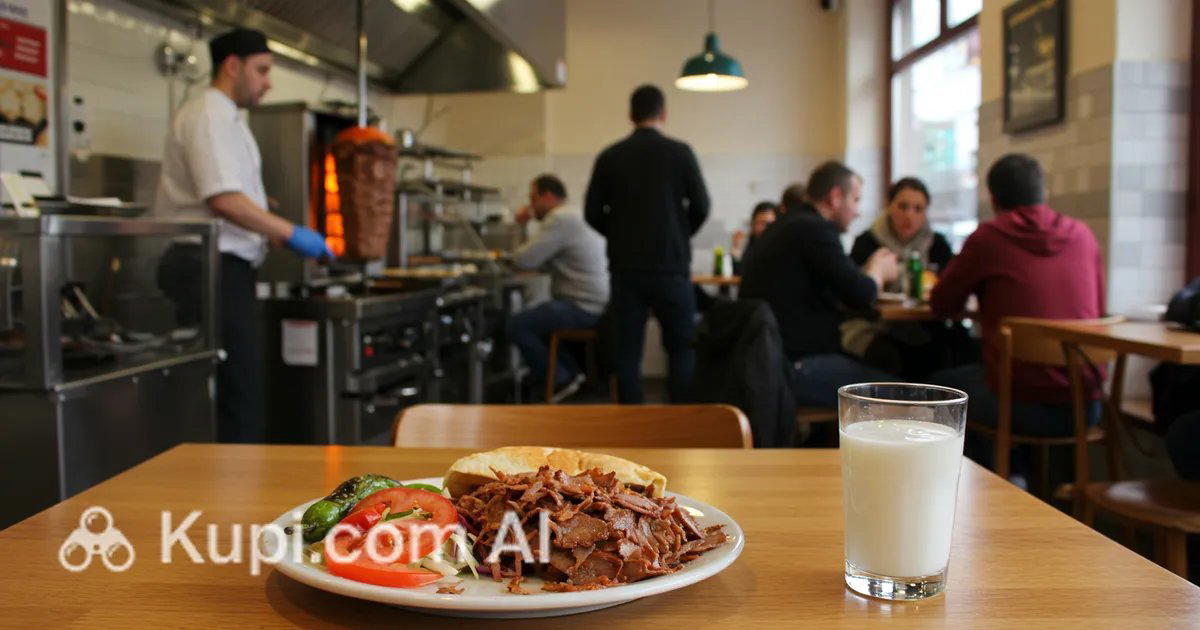
The menu
What to order
- Adana Döner
- Classic Döner
- Chicken Döner
Street-Level Eating in a State Capital
Schwerin is not a city that typically draws food tourists, but its dining scene tells a useful story about how German provincial capitals eat across a full range of occasions. At the formal end, Gourmetrestaurant 1751 operates at the four-symbol price tier. In the middle, places like Gourmetfabrik and Weinbistro "George" hold the casual-quality bracket. At the accessible end sits the döner counter: fast, affordable, and built for the rhythm of a working city rather than a dining occasion. Adana Döner Kebab on Goethestraße 99 occupies that position in Schwerin's daily eating life.
The address puts it in a residential and commercial stretch of the city, the kind of street where lunch has to arrive quickly and the format of the food matters more than the room it is served in. A döner counter in this context is not competing with the restaurants listed above. It is answering a different question entirely: what does a person eat when they have twenty minutes and need something substantial?
The Adana Distinction: What the Name Signals
Döner kebab arrived in Germany through Turkish migrant communities in the early 1970s, and Berlin became the format's most famous German home, but the product has since spread to every city of any size in the country. Within that broad category, the prefix "Adana" is a specific claim. Adana is a city in southern Turkey where the regional kebab tradition centres on hand-minced meat, typically lamb or a lamb-beef blend, worked with fat and spices and shaped around flat skewers before grilling over charcoal. The result is leaner and more intensely seasoned than generic döner preparations, with a char that comes from direct heat rather than the rotisserie drum that defines the standard vertical-spit format.
When a venue carries the Adana name, it is signalling that the sourcing and preparation logic traces to that tradition: the cut of meat, the spice balance, and the method of cooking are all implied in the name. Whether the execution at any given counter honours that lineage is a function of ingredient sourcing and kitchen discipline, but the name itself sets an expectation that the product is not the lowest-common-denominator version of the category. For diners who know the distinction, it is a meaningful signal. For those who do not, it at minimum indicates that someone chose the name deliberately.
Ingredient Logic in the Döner Format
The döner kebab's reputation for quality variance across Germany is well-documented. The difference between a counter that sources its meat from a regional halal butcher with clear provenance and one that uses pre-seasoned frozen blocks is significant and detectable in the finished product. The bread, too, varies: fresh-baked flatbread or durum wheat wraps from a local bakery behave differently under heat than packaged alternatives, and the structural integrity of a döner wrap depends partly on the bread's moisture content and crust.
Vegetable components follow the same logic. Freshly shredded cabbage, tomatoes, and onions served the same day they are prepared read differently in texture and flavour from components that have been sitting under refrigeration. The yogurt-based sauces, whether a simple cacık or a more complex garlic preparation, are the element most sensitive to freshness and fat content. These are not abstract concerns: they are the variables that separate a döner counter worth returning to from one that satisfies only in the absence of alternatives.
Schwerin's size means that the supply chain for any food business here is different from Berlin or Hamburg. A city of under 100,000 people does not have the same density of specialist suppliers, but it does sit in a region with active agricultural production and proximity to the Baltic coast. The broader Mecklenburg-Vorpommern region is known for livestock farming, and the availability of locally sourced meat, even for a quick-service counter, is not implausible in this context.
Where Adana Döner Kebab Sits in Schwerin's Dining Range
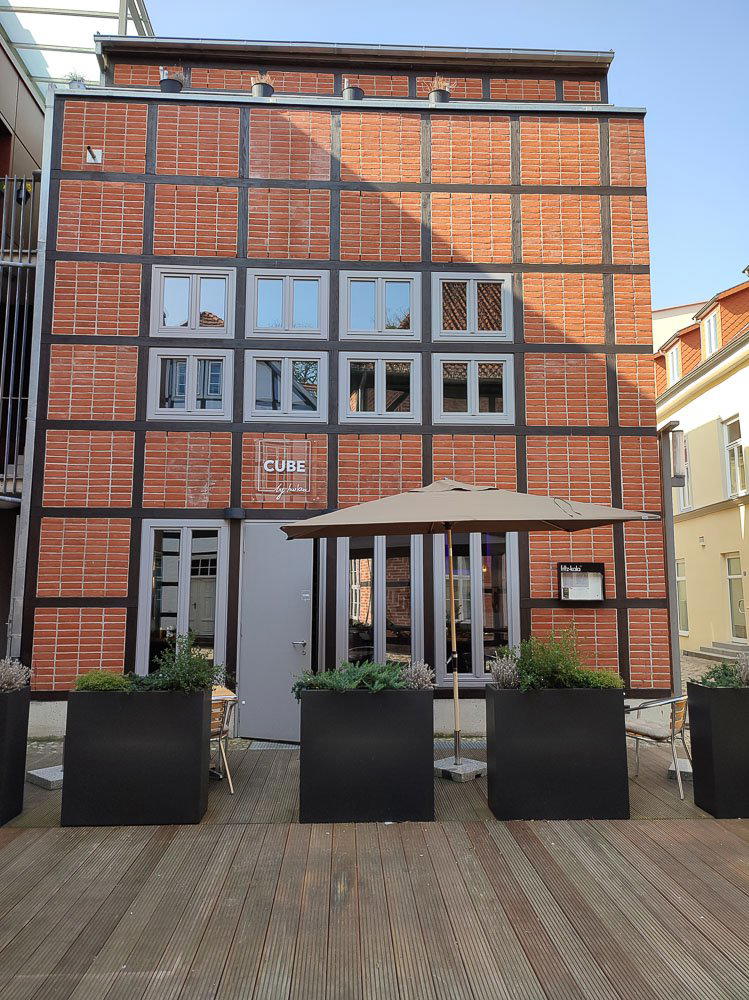
Schwerin's restaurant scene, as mapped across EP Club's listings, spans from the Cube by Mika izakaya format through to international-leaning mid-range options at La Bouche et El Pato. None of these are direct competitors to a döner counter. The döner format operates outside the seated-restaurant category almost entirely: it is a standing or grab-and-go proposition, priced to reflect that, and timed to fit a gap in the day rather than frame the day around it.
That positioning is not a limitation; it is the point. Germany's döner market is estimated at over 1.5 billion euros annually, with more than 16,000 döner businesses operating across the country. Within that market, the counters that build genuine local loyalty tend to do so through consistency rather than novelty: the same product, made the same way, available reliably. For a city like Schwerin, where the high-end dining options at the Gourmetrestaurant 1751 level require planning and a meaningfully different budget, the döner counter serves a structural role in daily eating that no amount of fine dining can replace.
For readers whose German dining interests extend to the upper tiers, EP Club covers that territory across the country: Schwarzwaldstube in Baiersbronn, Aqua in Wolfsburg, JAN in Munich, Vendôme in Bergisch Gladbach, Victor's Fine Dining by Christian Bau in Perl, ES:SENZ in Grassau, Schanz in Piesport, Waldhotel Sonnora in Dreis, and Restaurant Haerlin in Hamburg. Internationally, Le Bernardin in New York City, Lazy Bear in San Francisco, and CODA Dessert Dining in Berlin represent the format-driven end of the premium spectrum. These are different conversations, for different trips and different budgets.
For the Schwerin visit itself, the full picture of what the city offers across price tiers and formats is covered in EP Club's Schwerin restaurants guide.
Planning a Visit
Adana Döner Kebab is located at Goethestraße 99, 19053 Schwerin. Döner counters in Germany typically operate across lunch and into the evening without reservation requirements, and the format is inherently walk-in: queuing, ordering, and eating in a few minutes is the expected experience. No booking infrastructure exists in this category, and none is needed.
Frequently asked questions
Does ADANA DÖNER KEBAB work for a family meal?
The döner format is well-suited to family visits: portions are self-contained, ordering is quick, and the counter structure at Goethestraße 99 removes the need for table service or set menus. Döner counters across Germany typically run at a pace that works for groups with children.
What kind of setting is ADANA DÖNER KEBAB?
Adana Döner Kebab operates as a street-level counter at Goethestraße 99 in Schwerin, the kind of format that prioritises throughput over atmosphere. Expect a practical, standing-or-quick-seat setup typical of Turkish döner counters that have operated in German cities since the early 1970s. It sits in a residential and commercial stretch of Schwerin rather than a tourist corridor.
Why does Adana Döner Kebab carry the Adana name rather than a generic döner branding?
The Adana designation points to a specific regional Turkish tradition: Adana, a city in southern Turkey, is associated with minced or hand-worked meat preparations seasoned with red pepper flakes and grilled over charcoal. Using that name as a trading identity in Schwerin positions the counter within a more specific culinary lineage than the generic döner label covers. Check the venue's official channels for the latest details.
What dish is ADANA DÖNER KEBAB famous for?
The name signals a focus on Adana-style preparation, a reference to the southern Turkish city of Adana associated with spiced, hand-formed meat rather than the standard mixed-meat rotating spit. Döner kebab in its various forms, served in flatbread, as a plate, or as a dürüm wrap, is the core offer at counters bearing this name.
What part of town is ADANA DÖNER KEBAB in?
ADANA DÖNER KEBAB is located at Goethestraße 99, 19053 Schwerin, Germany, Schwerin.
Is ADANA DÖNER KEBAB reservation-only?
Döner kebab counters in Germany operate as walk-in formats; reservations are not part of the model. Adana Döner Kebab at Goethestraße 99 follows this convention. No booking platform or phone number is listed in EP Club's database for this location.
At-a-Glance Comparison
Comparable venues nearby, for context on price, style, and recognition.
| Venue | Cuisine | Price | Awards | Notes |
|---|---|---|---|---|
| ADANA DÖNER KEBABThis venue (the venue you are viewing) | Authentic Turkish Döner Kebab | $10–20 | Not listed | Not listed |
| Gourmetfabrik | Modern German Bistro | $20–30 | Michelin Plate | Werderstraße |
| La Bouche et El Pato | French-Mediterranean Bistro | $30–50 | Michelin Plate | Altstadt |
| Gourmetrestaurant 1751 | Modern German Fine Dining | Not listed | 1 Michelin Star | old town |
| Weinbistro "George" | Modern German Bistro with Wine Focus | $30–50 | Michelin Plate | Old Town |
| Weinhaus Uhle | Modern German Regional Cuisine | $100–150 | Not listed | Altstadt |
Continue exploring
More in Schwerin
Details
- Cozy
- Casual
- Casual Hangout
- Late Night
- Standalone
- Beer Program
- A La Carte
- Halal
- Vegetarian Friendly
Current opening hours
- Monday
- 11 AM–11 PM
- Tuesday
- 11 AM–11 PM
- Wednesday
- 11 AM–11 PM
- Thursday
- 11 AM–11:30 PM
- Friday
- 11 AM–4 AM
- Saturday
- 11 AM–5 AM
- Sunday
- 11 AM–12 AM
Hours can change for holidays and private events. Hours as of .
Small, cozy, low-key environment with friendly service.