Weinhaus Uhle occupies a historic address on Schusterstraße in central Schwerin, placing it within a city better known for its lakeside castle than its restaurant scene. As one of the older wine-focused establishments in Mecklenburg-Vorpommern, it sits in the small tier of Schwerin venues where tradition and provenance carry more weight than modern format trends.
Pearl is the En Primeur Club membership app — saves, bookings, and concierge access live there. Same editors, same standards.
- Address
- Schusterstraße 13-15, 19055 Schwerin, Germany
- Phone
- +4938548939430
- Website
- weinhaus-uhle.de
- Directions
- Get directions
 Saves & bookings on Pearl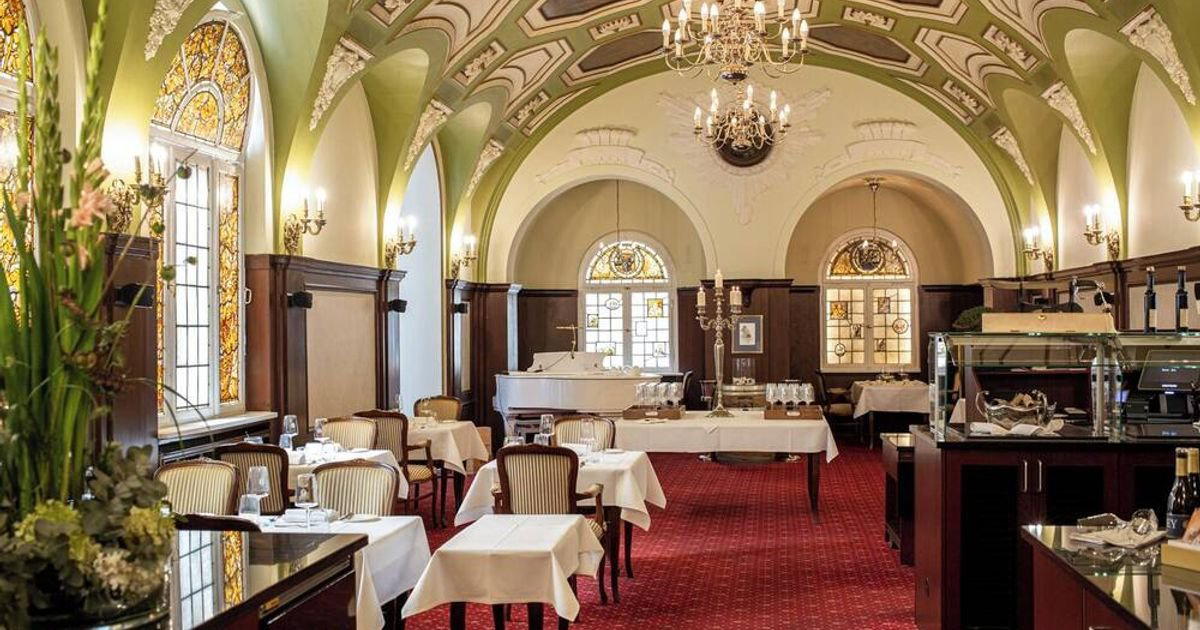
Schwerin's Wine and Food Tradition, Placed in Context
Schwerin is not a city that appears on most German dining itineraries. The capital of Mecklenburg-Vorpommern draws visitors for its neo-Gothic castle and the broad lakes that frame the old town, not for its restaurants. That relative quietness is precisely what shapes the dining character here: venues that endure tend to do so on substance rather than profile, attracting a local and regional clientele that returns by habit rather than by trend. Within that context, Weinhaus Uhle on Schusterstraße 13-15 represents the older tier of Schwerin hospitality — the kind of address that has absorbed decades of regional eating and drinking culture rather than pivoting to accommodate it.
Across northern Germany, the wine-house format occupies a specific place in the hospitality tradition. It is neither a casual Gasthaus nor a formal fine-dining room, but something in between: a space where the wine selection anchors the experience and the food is expected to hold its own rather than merely accompany. This format has faced pressure from all directions — from the rise of bistro and international formats on one side, and from the upward drift of ambitious restaurant cooking on the other. The venues that survive in this middle register do so by maintaining a clarity of purpose that more fashionable formats often sacrifice.
Where the Ingredients Come From, and Why That Matters Here
Mecklenburg-Vorpommern is one of Germany's most significant agricultural regions. The state produces substantial quantities of grain, rapeseed, and pork, and its coastline along the Baltic contributes smoked fish and seafood that have defined northern German cooking for generations. The inland lakes, the Schweriner See being among the largest, support freshwater fishing that feeds local tables with pike-perch, eel, and carp in a tradition that predates modern supply chains by centuries.
In a city like Schwerin, the proximity to these sources is not a marketing position but a structural reality. Restaurants operating at any serious level here are close to the land and water that produce the ingredients: the distances between farm, water, and kitchen are shorter than in Germany's larger urban centres. This geographic compression shapes what regional venues serve and how they source it, even if the precise sourcing relationships at any individual establishment require direct confirmation. At an address like Weinhaus Uhle, where the wine-house format has historically meant a close relationship between what is on the plate and what is in the glass, the northern German larder provides the material from which that relationship is built.
The broader Schwerin dining scene reflects this regional grounding. The Weinbistro George, operating under a farm-to-table orientation at the €€ tier, makes the sourcing relationship explicit. Other venues in the city, including Gourmetfabrik and La Bouche et El Pato, draw on international frameworks while operating within the same regional supply environment. The result is a city where provenance is embedded in the cooking even when it is not foregrounded in the menu language.
The Setting on Schusterstraße
Schusterstraße runs through central Schwerin, close to the old market and the historic core that gives the city much of its architectural character. An address here places Weinhaus Uhle within walking distance of the main points of the city, the castle is reachable on foot, and the lakes are not far beyond. This centrality matters in a compact city where visitors tend to move on foot and where proximity to the historic fabric is itself part of the experience.
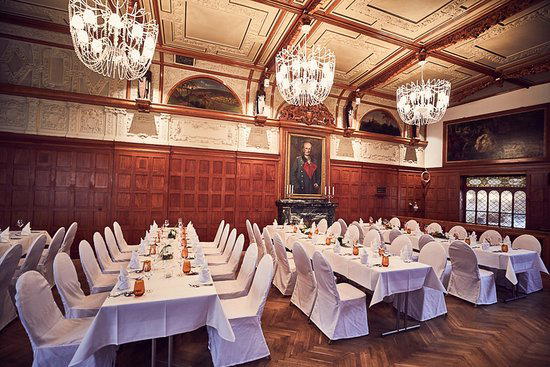
The wine-house format, in its traditional German expression, implies a certain interior register: wood, wine racks or at least a serious list visible at the room's edge, seating arranged for conversation rather than spectacle. Whether Weinhaus Uhle adheres to this template in its current form requires a visit to confirm, but the format's conventions provide a useful baseline expectation for a first-time visitor. The address has the weight of an established presence rather than a recently arrived concept.
Schwerin's Dining Tier and Where Weinhaus Uhle Sits
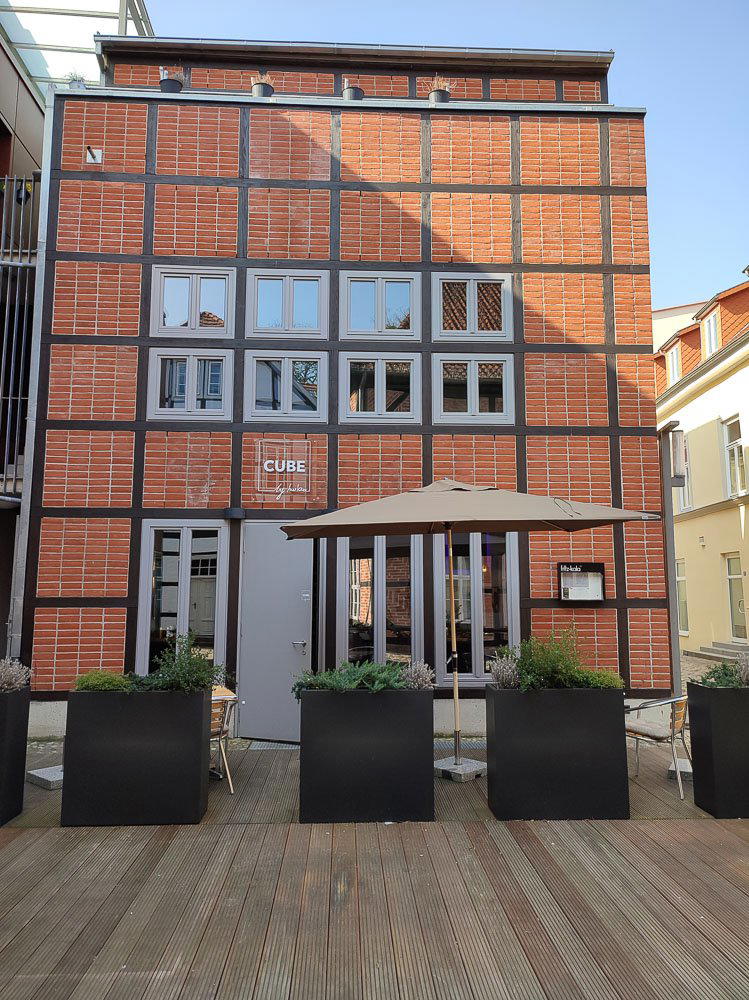
Schwerin's restaurant scene operates at a different scale from Germany's major dining cities. The high end of the local market is represented by Gourmetrestaurant 1751, which sits at the €€€€ tier and represents the city's most formal dining proposition. Below that, a cluster of mid-range venues, including Cube by Mika at the izakaya-influenced €€ tier and ADANA DÖNER KEBAB at the accessible end, fills out a diverse but compact scene. The restaurant occupies the traditional wine-house register, which in most German cities falls in the mid tier by price but often punches above that level in terms of the seriousness with which wine and food are treated together.
Nationally, Germany's most decorated wine-focused and regional dining rooms, places like Waldhotel Sonnora in Dreis, Vendôme in Bergisch Gladbach, or Schanz in Piesport, operate at a level of formal recognition that is unlikely to be the restaurant's direct competitive frame. Closer parallels exist in the category of serious regional establishments that serve a local and returning clientele without chasing national awards recognition. For Schwerin, that is not a limitation, it is an accurate description of what the city's dining culture values and sustains. Venues like Restaurant Haerlin in Hamburg or Aqua in Wolfsburg provide a reference point for what northern German fine dining looks like at its most formally recognised, but that is a different category than what a wine house in Schwerin is built to deliver.
Planning a Visit
Schwerin is accessible by rail from Hamburg in roughly 90 minutes, making it viable as a day trip or short stay from the north German coast. Visitors combining the castle and the lakeside with an evening meal will find Schusterstraße a practical focal point in the city centre. Because specific hours, booking methods, and current pricing at the restaurant are not confirmed in available records, direct contact with the venue before visiting is the prudent approach, particularly for larger groups or specific dietary requirements. For a broader view of where the restaurant sits within the city's options, our full Schwerin restaurants guide maps the scene across formats and price tiers.
Fast Comparison
| Venue | Cuisine | Price | Awards |
|---|---|---|---|
| Weinhaus UhleThis venue — the venue you are viewing | This venue | Not listed | Not listed |
| Cube by Mika | Izakaya | €€ | Izakaya, €€ |
| Gourmetfabrik | International | €€ | International, €€ |
| Gourmetrestaurant 1751 | International | €€€€ | International, €€€€ |
| La Bouche et El Pato | International | € | International, € |
| Weinbistro "George" | Farm to table | €€ | Farm to table, €€ |
At a Glance
- Classic
- Elegant
- Cozy
- Historic
- Sophisticated
- Date Night
- Special Occasion
- Business Dinner
- Historic Building
- Wine Cellar
- Extensive Wine List
- Local Sourcing
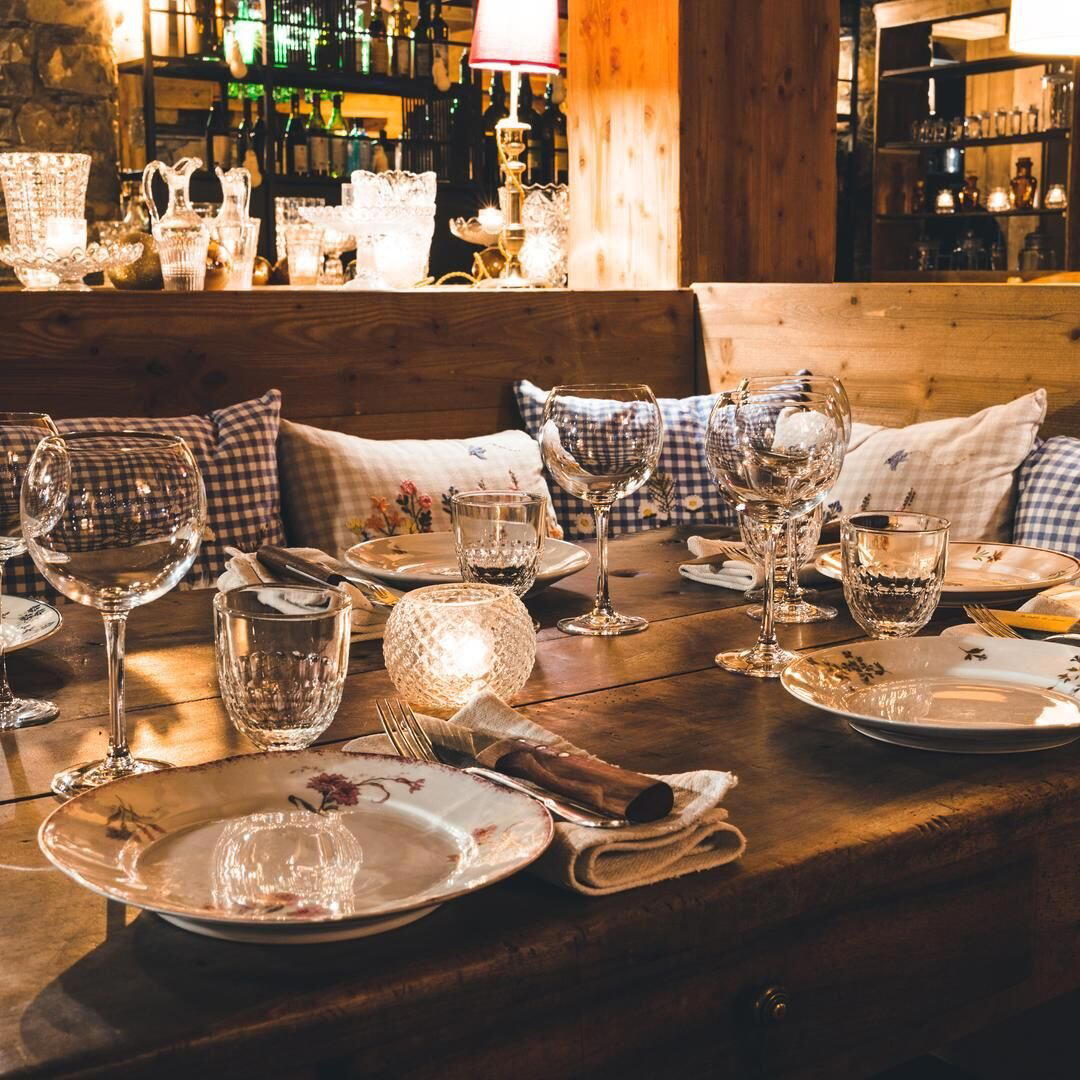
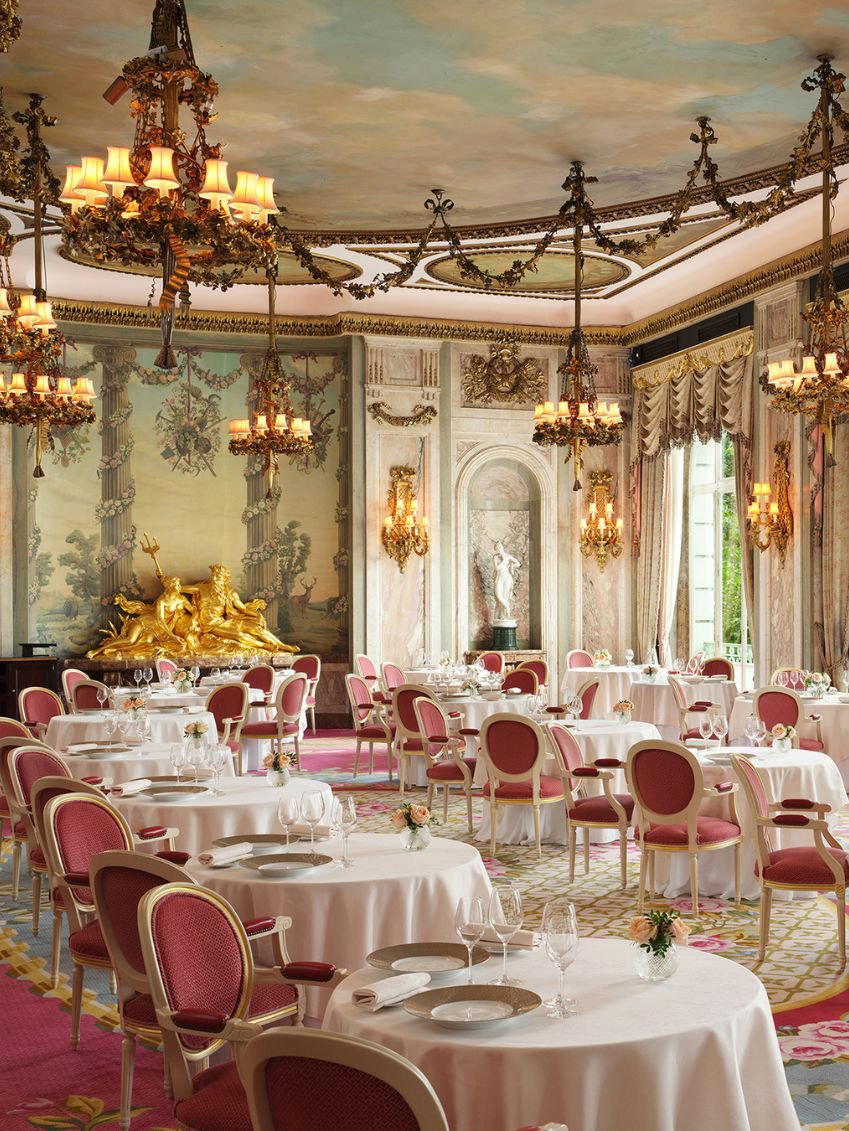
Warm and inviting historic atmosphere with beautifully restored barrel-vaulted ceilings and elegant lighting blending tradition and modernity.