Adamo
Adamo occupies a double address on Frankestraat in central Haarlem, placing it within easy reach of the city's compact dining circuit. The kitchen works within a tradition that the Netherlands has quietly developed over decades: ingredient-led cooking that lets sourcing decisions carry the editorial weight of a dish. For visitors already familiar with Haarlem's broader restaurant offer, Adamo represents a considered addition to an itinerary built around Dutch culinary ambition.
Pearl is the En Primeur Club membership app — saves, bookings, and concierge access live there. Same editors, same standards.
- Address
- Frankestraat 17-19, 2011 HT Haarlem, Netherlands
- Phone
- +31235322500
- Website
- adamohaarlem.nl
- Directions
- Get directions
 Saves & bookings on Pearl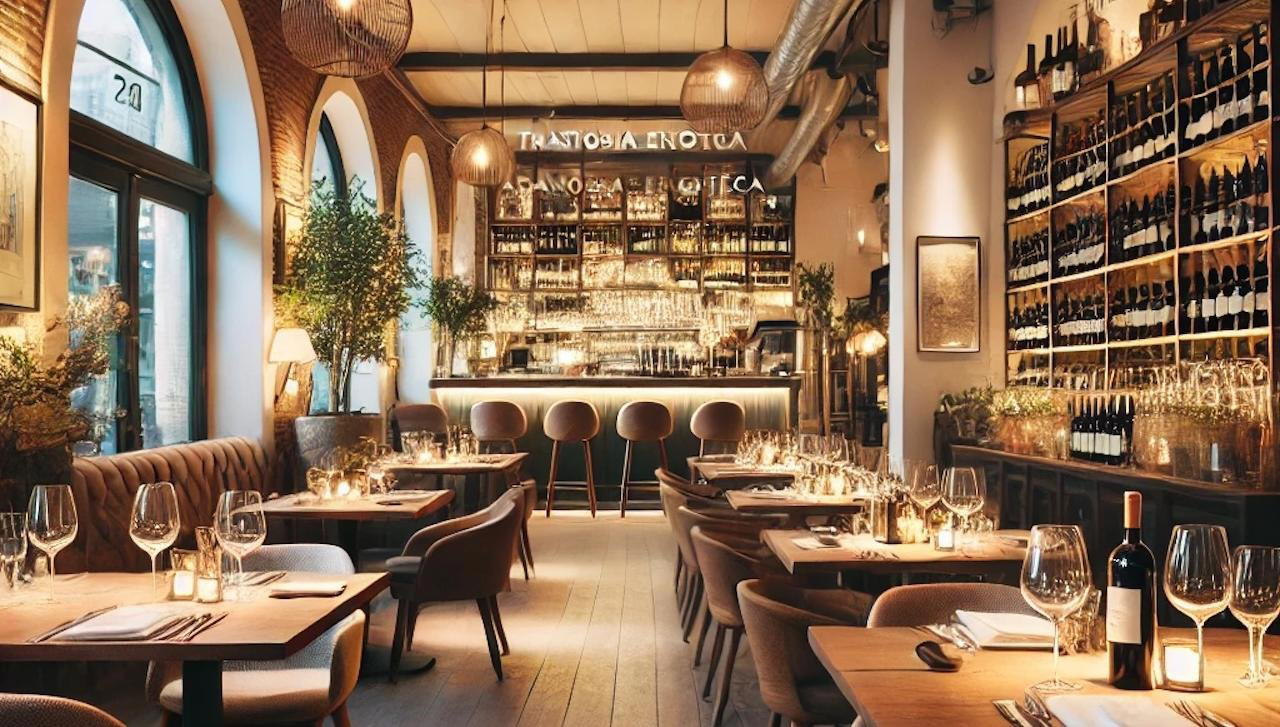
Frankestraat and the Logic of Haarlem's Dining Scene
Haarlem's restaurant culture has long operated in Amsterdam's shadow, which has, paradoxically, kept it focused. Without the pressure to perform for mass tourism, the city's better kitchens have been free to develop a quieter kind of seriousness: menus built around what Dutch producers, fishermen, and small farms can actually deliver, rather than what looks impressive on a tasting-menu photograph. Adamo, at Frankestraat 17-19 in the city centre, sits inside that tradition. The double address suggests a modest but deliberate footprint, the kind of space that prioritises table depth over volume.
The Frankestraat corridor is a few minutes' walk from Haarlem's Grote Markt, which means the surrounding streets carry the particular atmosphere of a Dutch city that has mostly resisted the conversion of its ground floor into souvenir retail. Approaching the address, the scale is residential rather than monumental. Inside, the room works on a register that Dutch hospitality has refined over many years: understated materials, a pace that does not rush, and a relationship between front-of-house and kitchen that tends to feel collaborative rather than hierarchical.
Ingredient Sourcing as Editorial Stance
The Netherlands sits at an intersection of agricultural traditions that outsiders consistently underestimate. The country is the world's second-largest food exporter by value, a fact that shapes what appears on plates at its more thoughtful restaurants. Dutch kitchens with genuine ambition have access to North Sea fish landed at IJmuiden, dairy from Frisian herds, heritage vegetables from the Westland greenhouse belt, and game from the eastern provinces. The question a kitchen like Adamo's answers, in practical terms, is which of those supply chains it chooses to stand behind and how transparently it communicates that choice to the table.
In ingredient-focused cooking, sourcing decisions function as the first layer of the kitchen's argument. A restaurant that commits to named producers and regional supply chains is making a claim about value that sits upstream of technique. It is saying that the raw material, handled with restraint, is more interesting than anything that can be built around it. That philosophy has become a defining characteristic of the most serious Dutch kitchens over the past fifteen years, from De Nieuwe Winkel in Nijmegen, which has pushed plant-based sourcing to a level that earned international recognition, to De Librije in Zwolle, where regional ingredient specificity has been a structural commitment rather than a marketing note.
Adamo operates within that national current, in a city that provides its own local sourcing logic. Haarlem is close enough to the coast that North Sea produce can arrive in condition that inland restaurants cannot replicate. The city's hinterland includes the Haarlemmermeer agricultural zone, which supplies vegetables and herbs with short transit times. A kitchen that takes those geographic advantages seriously can build menus with a traceable chain of custody from producer to plate.
Where Adamo Sits in Haarlem's Competitive Set
Haarlem's restaurant offer spans a wider range than its size might suggest. At the upper end, Ratatouille Food & Wine operates at a €€€€ price point with a modern cuisine format that signals serious kitchen investment. ML works at €€€ with a creative emphasis that places it in the tier immediately below the city's most expensive rooms. Brasserie BRUIS and Deplanu round out a mid-market offer that gives the city genuine range across price brackets. At the accessible end, Café Samabe represents the Indonesian culinary tradition that has been woven into Dutch food culture for generations.
Adamo addresses a reader who is not primarily making a price decision but a sourcing and format decision. In a city where the top-end options are clearly identifiable, the mid-tier restaurants that distinguish themselves through ingredient provenance and kitchen discipline occupy a position that has real value for diners who have already moved past the question of whether to spend and are now asking what, specifically, they are spending on.
For broader context on where Dutch fine dining has established its benchmarks, the country's provincial restaurants have often outperformed urban expectations. Inter Scaldes in Kruiningen, De Bokkedoorns in Overveen (just four kilometres from Haarlem), De Lindenhof in Giethoorn, and Tribeca in Heeze all demonstrate that the Netherlands has built its credibility in kitchens that are geographically removed from Amsterdam but fully embedded in Dutch ingredient culture. Haarlem, sitting twenty minutes from the capital by train, is close enough to benefit from that cultural gravity while maintaining its own identity.
The same argument applies at the extreme of this tradition: De Groene Lantaarn in Staphorst, Brut172 in Reijmerstok, De Lindehof in Nuenen, and De Treeswijkhoeve in Waalre each represent a Dutch kitchen that has built its reputation on what the surrounding land and coast provides, rather than on international reference points. Internationally, the approach has parallels at Le Bernardin in New York City, where ingredient primacy in seafood cookery has defined a long-running reputation, and at Lazy Bear in San Francisco, where the sourcing narrative is structurally embedded in the format.
Planning a Visit
Adamo is at Frankestraat 17-19 in Haarlem's city centre, reachable from Haarlem railway station in around ten minutes on foot. Haarlem is served by frequent direct trains from Amsterdam Centraal, making it a practical evening destination for visitors based in the capital. For the full picture of what the city's restaurant scene can offer across price points and cuisines, the full Haarlem restaurants guide provides category-level context.
How Adamo Haarlem compares with similar nearby venues.
| Venue | Cuisine | Price |
|---|---|---|
| Moustique | Modern Cuisine | €€ |
| Café Samabe | Indonesian | €€ |
Continue exploring
More in Haarlem
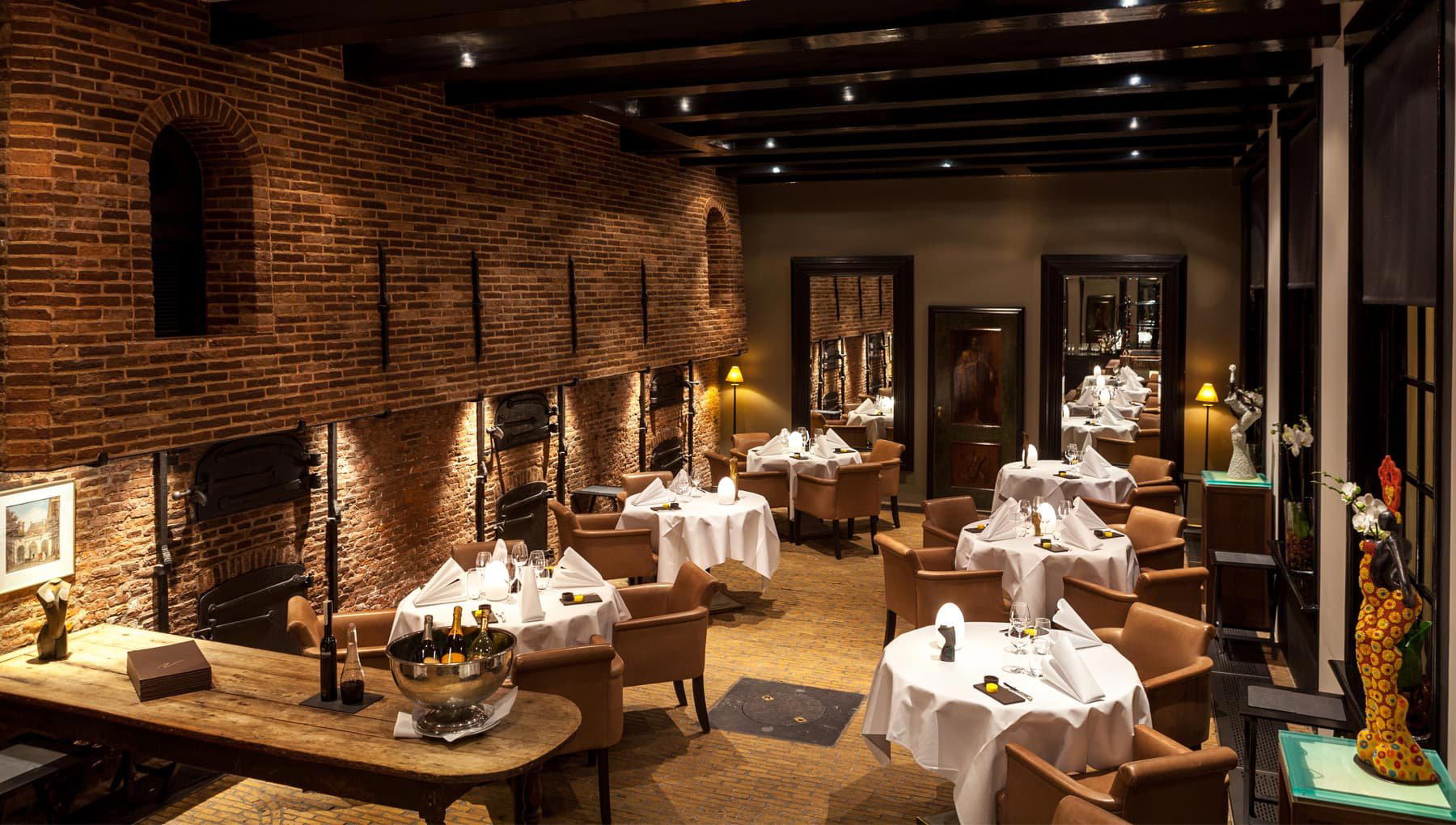
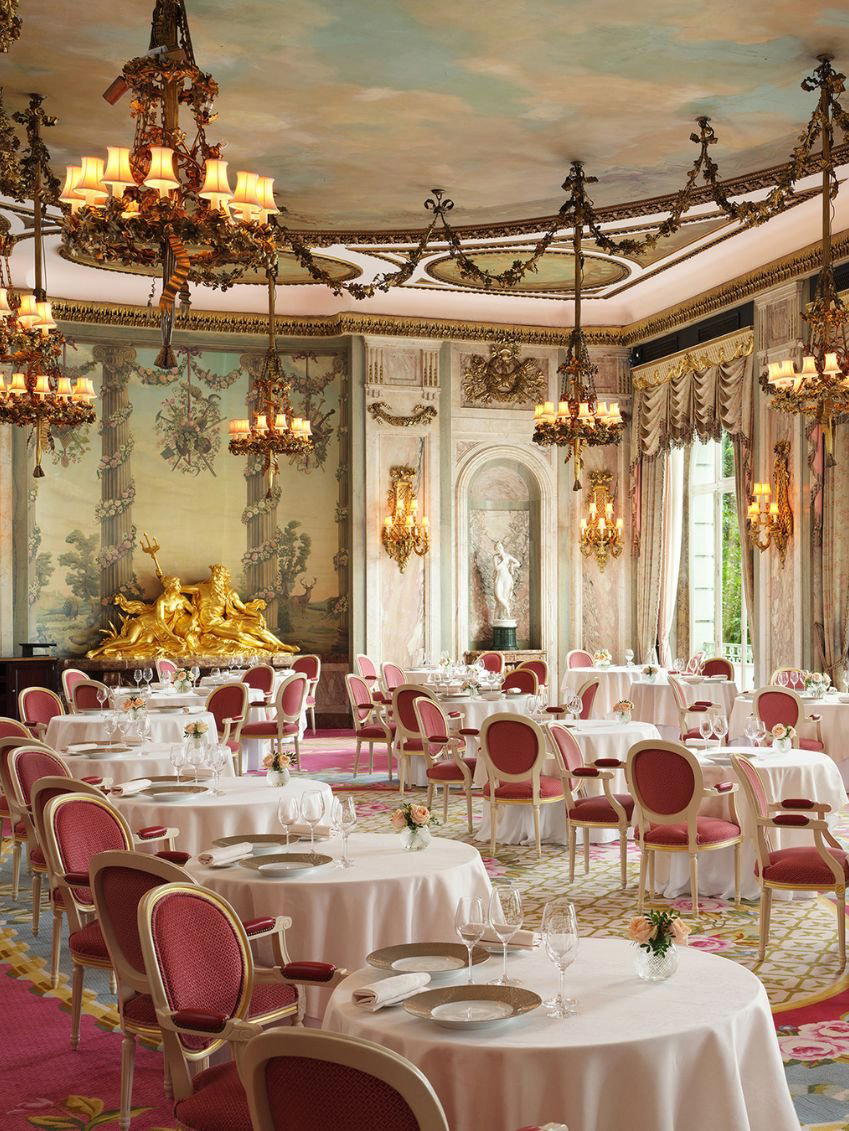
Restaurants in Haarlem
Browse all →
Bars in Haarlem
Browse all →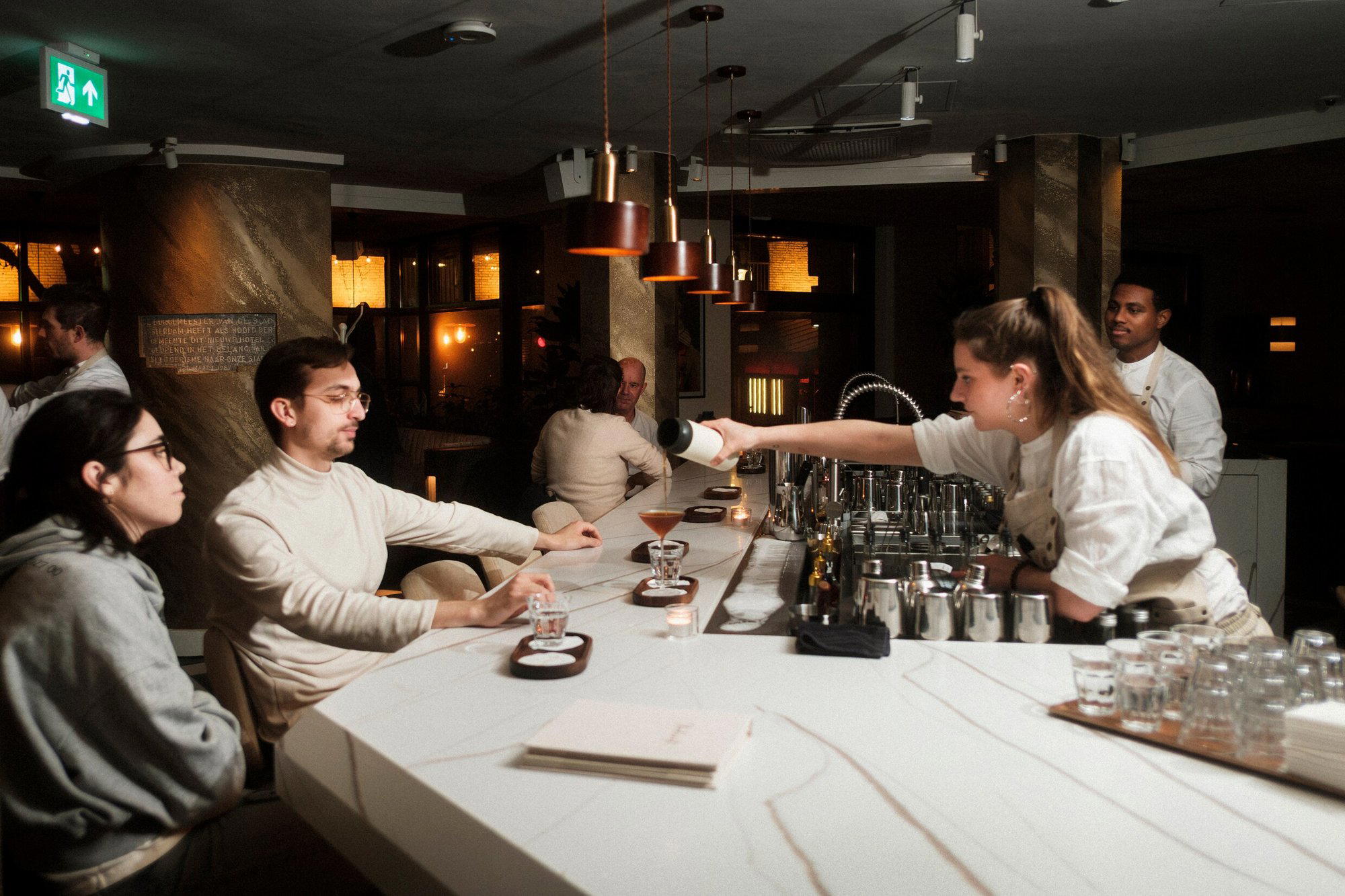
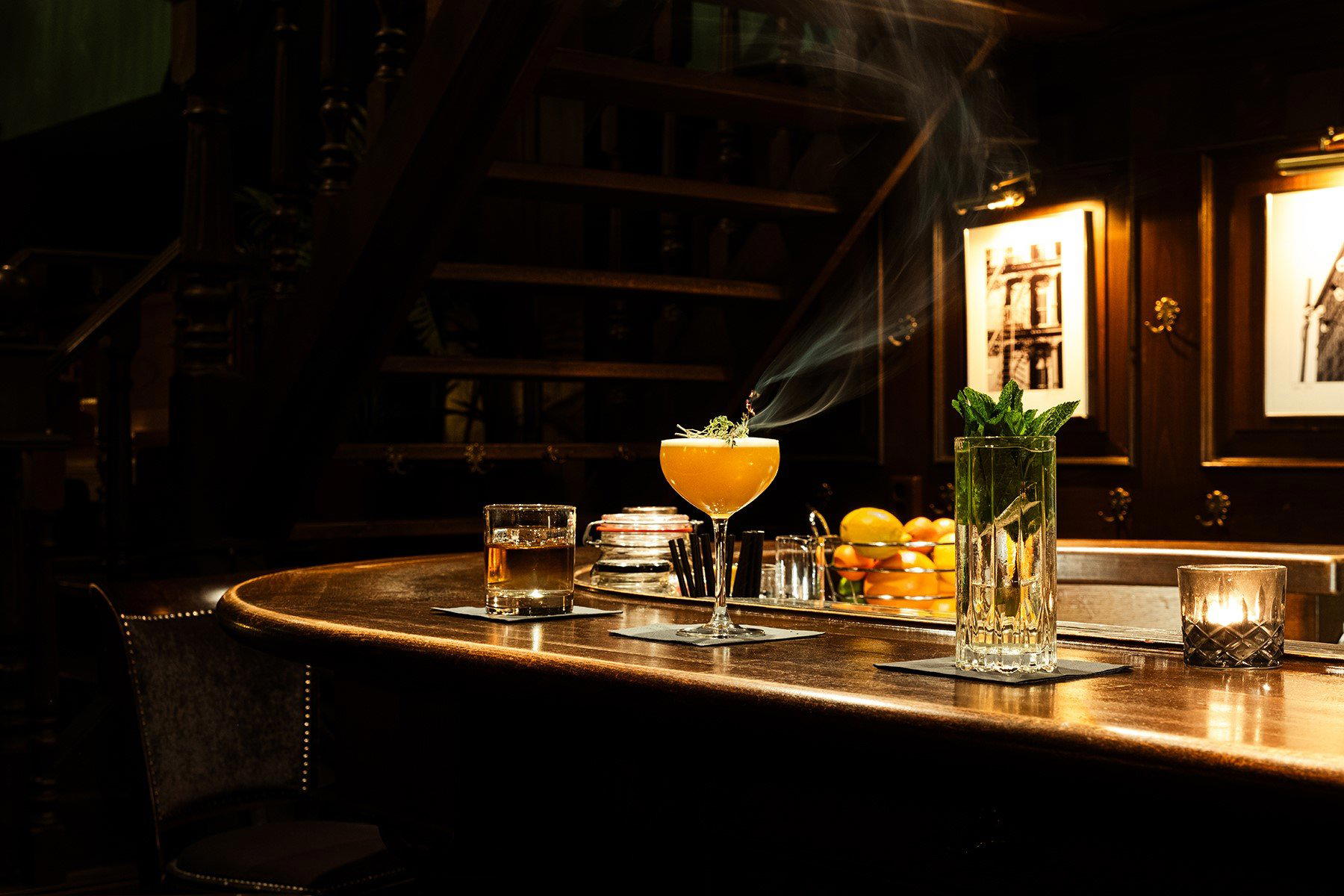
Hotels in Haarlem
Browse all →
Wineries in Haarlem
Browse all →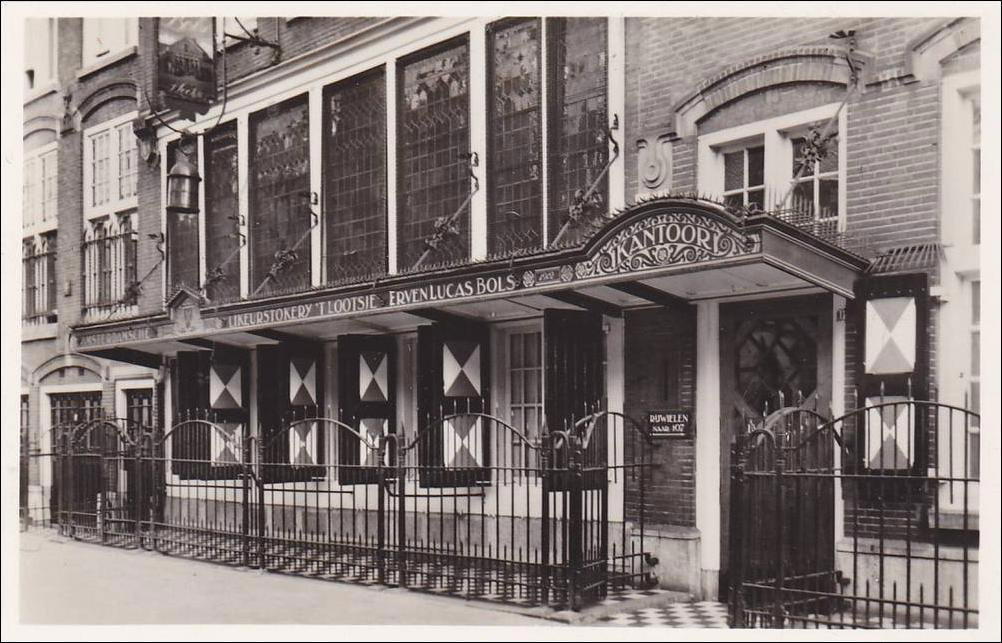
At a Glance
- Romantic
- Cozy
- Elegant
- Classic
- Date Night
- Special Occasion
- Celebration
- Standalone
- Extensive Wine List
- Local Sourcing
Current opening hours
- Monday
- Closed
- Tuesday
- 5–11 PM
- Wednesday
- 5–11 PM
- Thursday
- 5–11 PM
- Friday
- 5–11 PM
- Saturday
- 5–11 PM
- Sunday
- Closed
Hours can change for holidays and private events. Last verified .
Warm and authentic Italian atmosphere in a historic Haarlem setting, with intimate table service and refined yet approachable dining experience.
Know Before You Go
- Getting there
- Frankestraat 17-19, 2011 HT Haarlem, Netherlands