Ad Astra

Michelin Plate
Our verdict
In the Oltrepò Pavese hills south of Pavia, Ad Astra holds a 2025 Michelin Plate for contemporary cooking that draws on the region's agricultural depth while moving confidently between classic and modern techniques. Chef Alessandro Folli has shaped a kitchen with clear European range and a grounded sense of place. At €€€ pricing, it sits above the village trattoria tier without reaching the rarefied bracket of northern Italy's starred houses.

Pearl is the En Primeur Club membership app, where members save venues, book tables and use the concierge.

Where Oltrepò Pavese Ends Up on a Plate
The Oltrepò Pavese is one of Lombardy's least-publicised wine and food territories, a wedge of hills south of the Po River that most visitors bypass on the way to Emilia-Romagna or Piedmont. That oversight has kept its produce culture intact: small producers, short supply chains, and a regional larder that ranges from Bonarda grapes and Pinot Nero vineyards to river fish, cured meats, and grain-growing flatlands on the valley floors. It is, by the standards of Italian food geography, a quietly productive zone that has rarely attracted the kind of restaurant ambition capable of translating that produce into contemporary cooking.
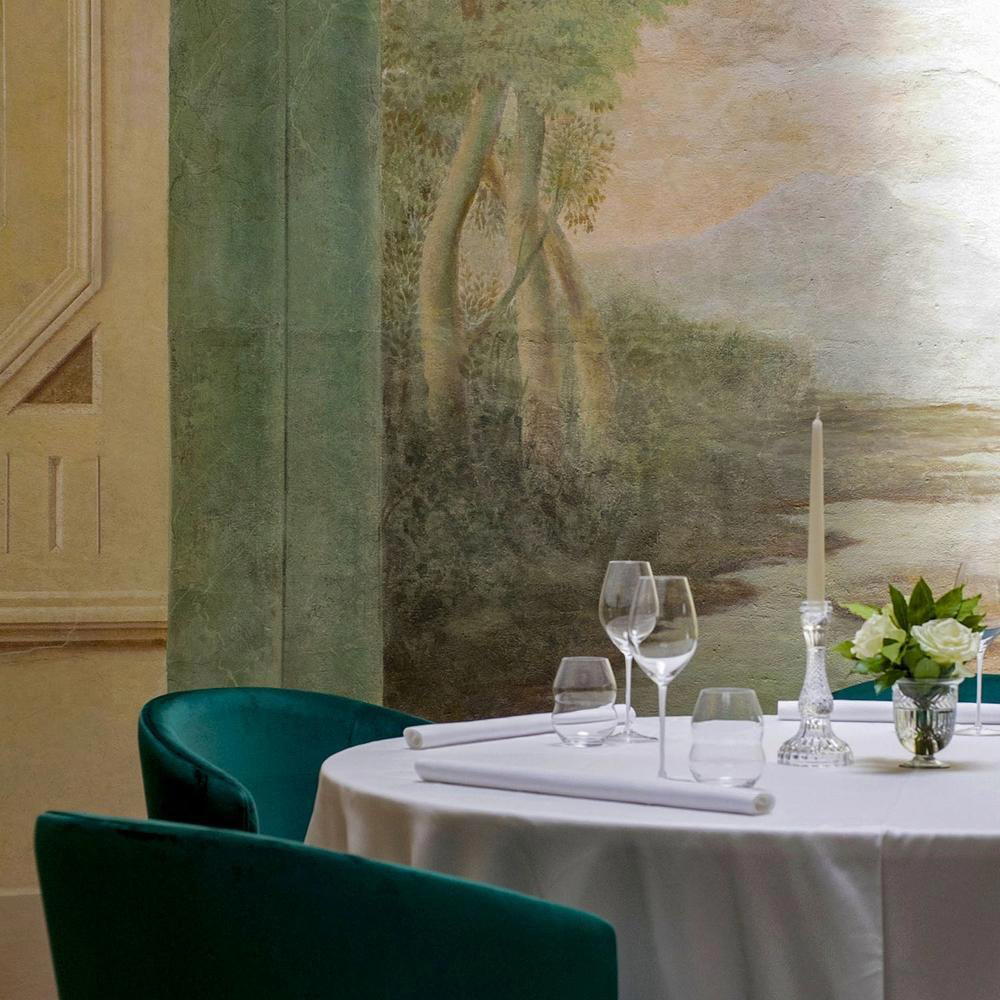
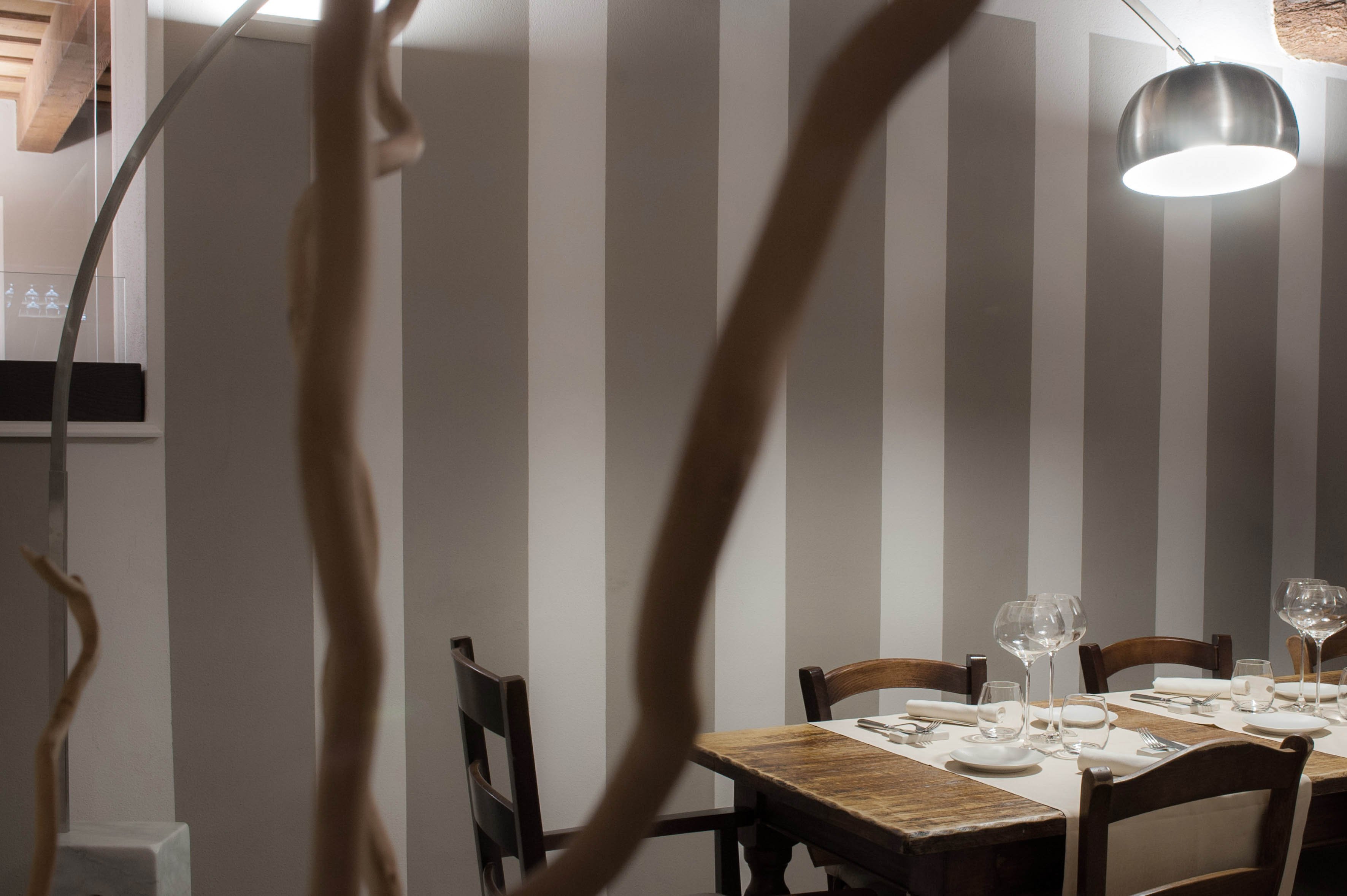
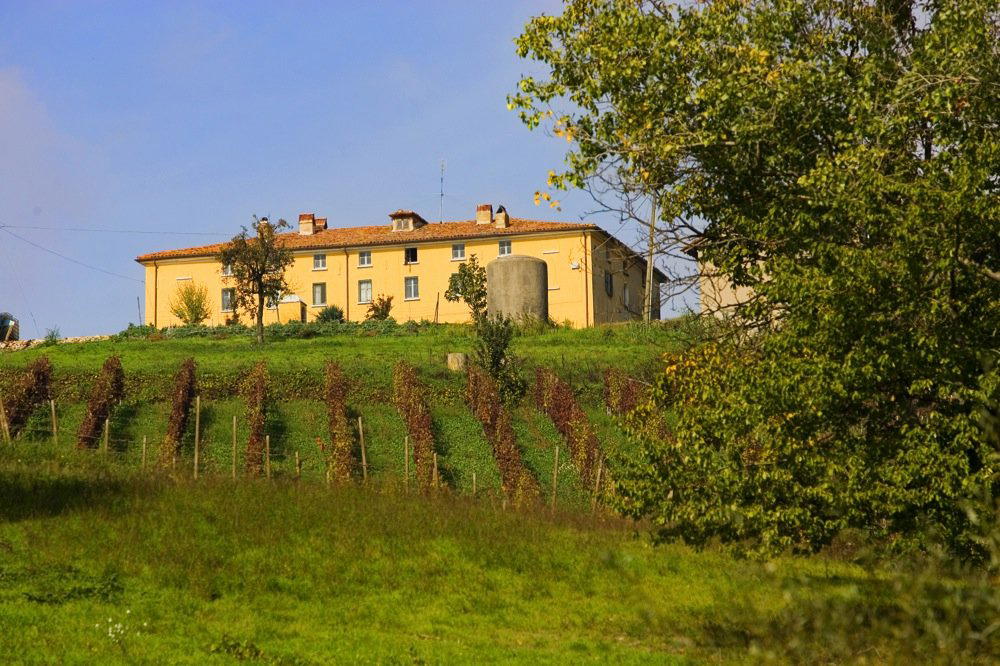
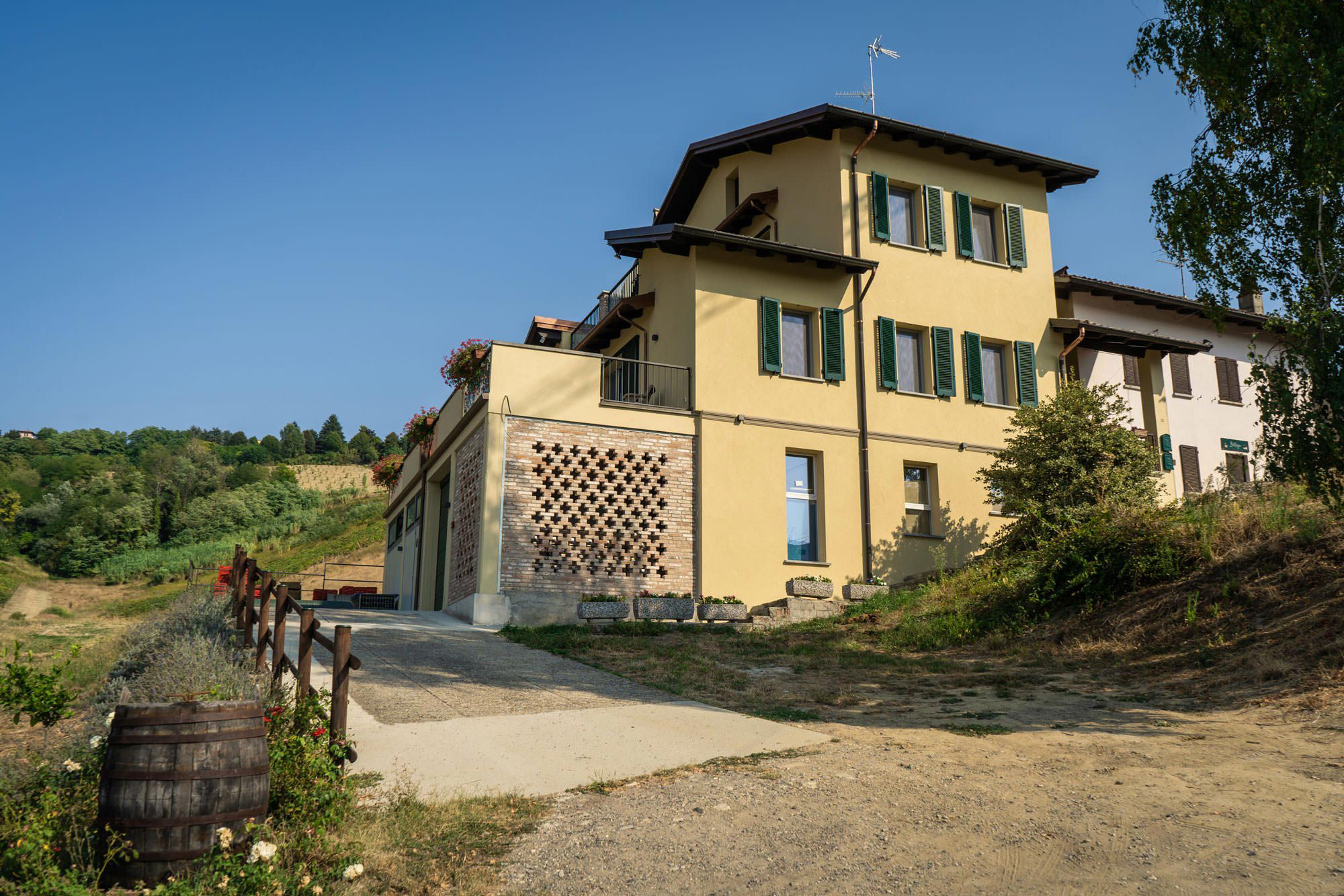
Ad Astra, on Via Camillo Cavour in Santa Maria della Versa, is one of the area's more deliberate responses to that gap. The name comes from the Latin phrase per aspera ad astra, through adversity to the stars, and while the reference carries some obvious ambition, the restaurant itself reads as considered rather than showy. The setting is compact and well-maintained, the kind of room where the cooking is expected to carry the weight of the experience, not the décor. For context on the broader range of quality cooking available across northern Italy's contemporary tier, the full Santa Maria della Versa restaurants guide maps where Ad Astra sits relative to other local options.
What the Michelin Plate Signals About the Kitchen
In the current Michelin framework, the Plate designation, which Ad Astra holds for 2025, functions as a quality floor rather than a ceiling. It identifies kitchens producing food at a standard the inspectors consider worth noting, without the consistency or conceptual distinctiveness required for star recognition. Within Italy's contemporary restaurant tier, the Plate bracket is competitive: it sits well above the village trattoria level while remaining distinct from the more rarified €€€€ houses. For comparison, northern Italy's starred houses, including Enrico Bartolini in Milan, Le Calandre in Rubano, and Dal Pescatore in Runate, operate at €€€€ pricing with multi-decade track records and multiple stars. Ad Astra's €€€ positioning places it at a different access point: meaningful cooking at a price that does not require the kind of advance planning or budgeting that Italy's top-tier houses demand.
Chef Alessandro Folli's documented background spans several European kitchens, a trajectory that tends to produce cooks with broader technical range than those who train exclusively in one regional tradition. That cross-regional exposure is legible in a kitchen described as balancing modern and classic approaches, a phrase that, in practice, usually means a chef comfortable with both technique-led contemporary cooking and the kind of disciplined classical method that Italian culinary culture still values. The Michelin Plate for 2025 is the clearest external signal that this balance is landing with some credibility. Peer institutions that have achieved the higher star recognition in comparable contemporary Italian contexts include Osteria Francescana in Modena and Piazza Duomo in Alba.
The Ingredient Logic of Oltrepò Pavese
The editorial angle that most accurately explains Ad Astra's position in this territory is ingredient sourcing. Oltrepò Pavese kitchens have always had access to strong raw material: the region produces certified DOP salami, river fish from the Po and its tributaries, truffles in the wooded hill zones, and a wine culture rooted in Pinot Nero and Croatina that pairs with the local food idiom in ways that imported bottles rarely match. What has historically been missing is the kind of kitchen ambition that treats these ingredients as the starting point for a contemporary menu rather than the entirety of a traditional one.
Contemporary Italian cooking at the Plate and star level increasingly treats regional sourcing as both an ethical and a culinary argument. The logic, demonstrated at houses like Reale in Castel di Sangro and Uliassi in Senigallia, is that hyper-local ingredients, when handled with technical sophistication, produce a specificity of flavour that generic high-quality sourcing cannot replicate. The Oltrepò Pavese larder is deep enough to support that approach, and a chef with European exposure who chooses to cook in this specific territory is, implicitly, making a case for that regional depth.
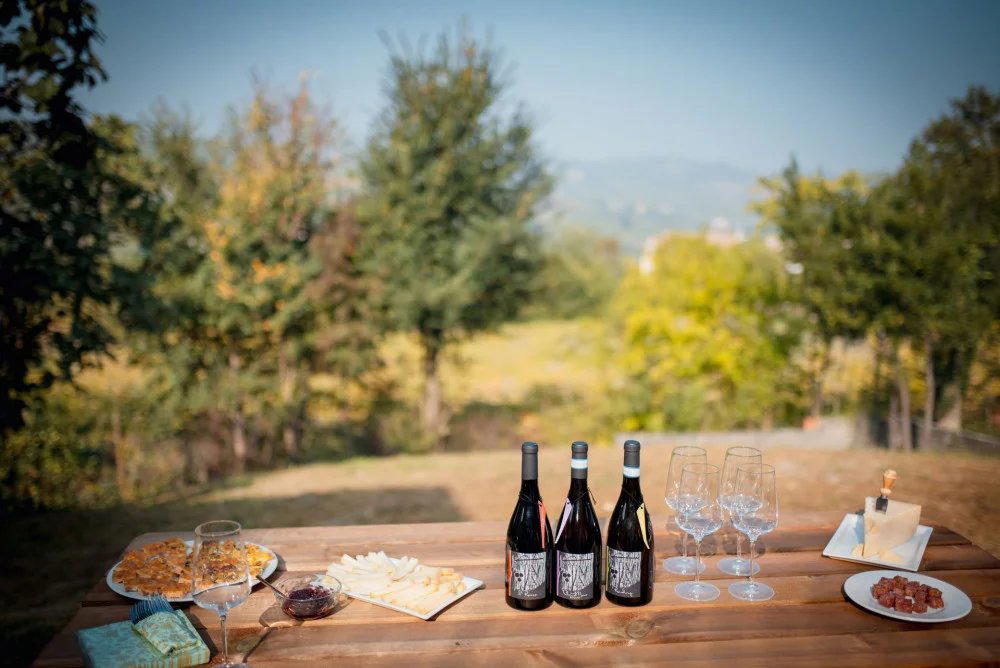
The wine dimension of that sourcing logic is worth noting separately. Santa Maria della Versa sits at the centre of Oltrepò Pavese wine production, and the area's Pinot Nero in particular has attracted renewed attention from producers and critics who see it as undervalued relative to its quality ceiling. A restaurant operating at this level in this village should, by that logic, carry a list that reflects the immediate territory. For broader context on the local wine producers worth knowing alongside a meal at Ad Astra, see the Santa Maria della Versa wineries guide.
The Competitive Context in Northern Italy
To place Ad Astra correctly, it helps to understand the spread of contemporary Italian cooking across the north. At the top of the tier sit multi-starred institutions, including Enoteca Pinchiorri in Florence and Atelier Moessmer Norbert Niederkofler in Brunico, which have built decades of recognition and operate at price points and booking lead times that reflect their status. Below that tier, and more relevant as direct comparators, are Plate-level and single-star kitchens in small towns and second cities across Lombardy, Emilia, and Piedmont. These kitchens often share a structural similarity with Ad Astra: a single strong chef, a focused room, a menu built around regional produce, and pricing in the €€€ range. The distinction between them is usually in the specificity of technique and the coherence of the sourcing story.
Review aggregates at that score, on that volume, across a restaurant of this size in a small Italian town, tend to indicate consistent execution rather than viral popularity. The sample is local and regional enough to reflect repeat visitors and informed guests rather than tourist traffic. That consistency signal aligns with what the Michelin Plate recognises: a kitchen performing reliably at a defined standard.
For contemporary cooking at a comparable access point in different international contexts, César in New York City and Jungsik in Seoul offer useful reference points for how the contemporary format operates across different culinary cultures. Closer to home, Casa Perbellini 12 Apostoli in Verona and Quattro Passi in Marina del Cantone demonstrate the range of ambition within Italy's contemporary restaurant tier at different price levels and settings.
Planning a Visit
Ad Astra is on Via Camillo Cavour in Santa Maria della Versa, a small Oltrepò Pavese town that functions as a day-trip destination from Pavia or Milan rather than a stand-alone overnight stop, though the local accommodation and wine estate options make a longer stay viable. At €€€ pricing, a full meal here represents a considered but not extreme commitment. For those building a longer itinerary around the area, the Santa Maria della Versa hotels guide, bars guide, and experiences guide cover the broader local offer.
Frequently asked questions
Is Ad Astra a family-friendly restaurant?
Ad Astra is described as a small, well-kept restaurant in Santa Maria della Versa, which suggests an intimate rather than a sprawling family-casual setting. The contemporary cooking style and Michelin Plate recognition position it as a considered dining destination. Families with older children who appreciate sit-down meals would find it appropriate; it is not a casual trattoria format.
What kind of setting is Ad Astra?
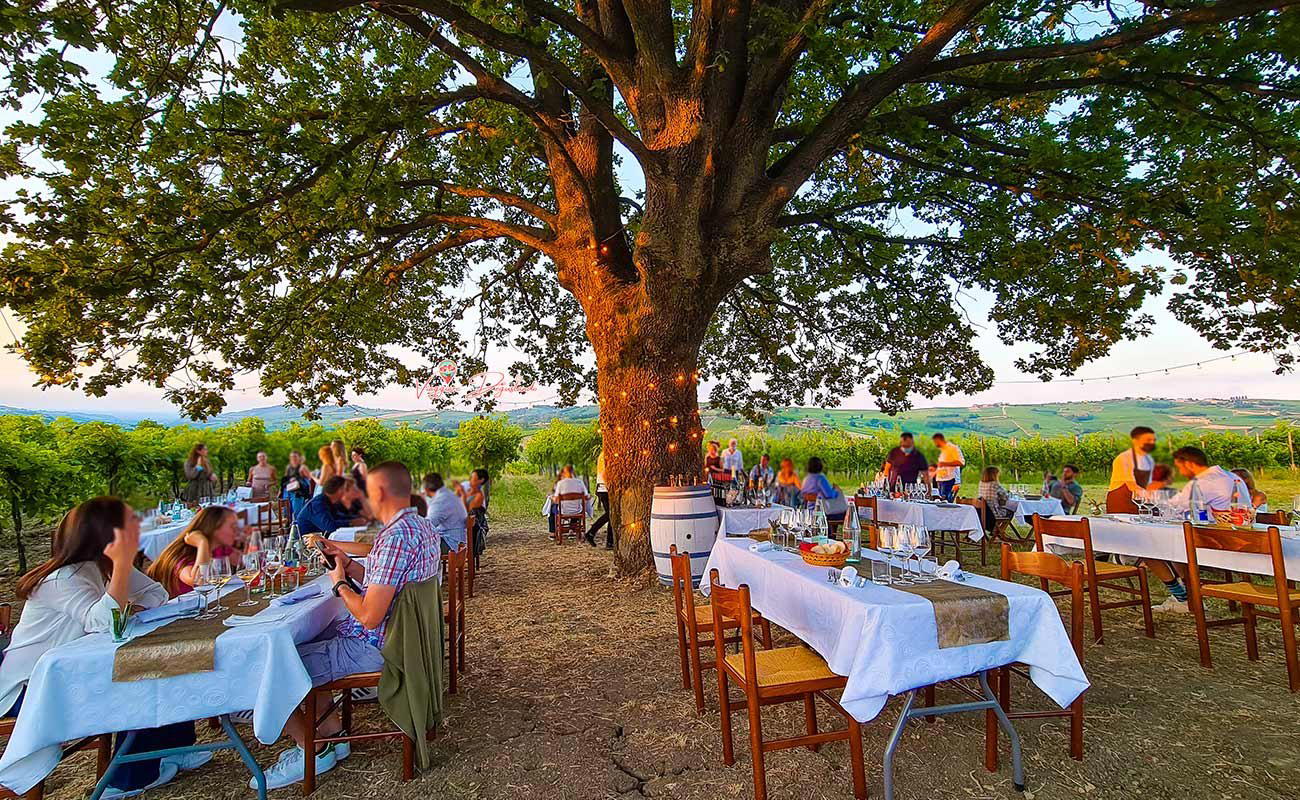
Ad Astra occupies a compact address on Via Camillo Cavour in Santa Maria della Versa, a small town in the Oltrepò Pavese hills south of the Po River. The restaurant is described as well-kept, with a tone that sits closer to focused neighbourhood dining than destination spectacle. Its Michelin Plate standing for 2025 indicates the kitchen operates to a documented quality standard within that modest scale.
What kind of recognition has Ad Astra received?
Ad Astra has received recognition including: Per aspera ad astra (“through adversity to the stars”) is the motto of this small, well-kept restaurant in the Oltrepò Pavese region, where chef Alessandro Folli is at the helm in the kitchen. Bringing all his prior experience working in di….
What's the must-try dish at Ad Astra?
What the Michelin Plate citation does confirm is that chef Alessandro Folli's cooking draws on European training to balance modern technique with classic Italian reference points, with Oltrepò Pavese ingredients forming the regional core. Ordering from the full menu rather than selecting à la carte is the approach most likely to reflect that range.
Comparable Spots, Quickly
| Venue | Cuisine | Price | Awards | Notes |
|---|---|---|---|---|
| Ad AstraThis venue (the venue you are viewing) | Modern Italian Fine Dining | Not listed | Michelin Plate | Not listed |
| Atelier Moessmer Norbert Niederkofler | Modern Alpine Fine Dining | $300–500 | 3 Michelin Stars · World's 50 Best #38 | Italian, Creative |
| Dal Pescatore | Classic Italian Fine Dining | $200–300 | 3 Michelin Stars · World's 50 Best #38 | Italian, Italian Contemporary |
| Enoteca Pinchiorri | Contemporary Italian Fine Dining | $200–300 | 3 Michelin Stars · World's 50 Best #32 | Italian - French, Italian Contemporary |
| Enrico Bartolini | Modern Italian Fine Dining | $300–500 | 3 Michelin Stars · World's 50 Best #85 | Creative |
| Osteria Francescana | Avant-Garde Italian Contemporary | $300–500 | 3 Michelin Stars · World's 50 Best #1 | Progressive Italian, Creative |
Recognition history
Dated appearances from independent guides and award organizations, with the underlying list record or original source where available.
Michelin Plate
Michelin
Full recognition history (2 entries)
Michelin Plate
Michelin
Continue exploring
More in Santa Maria della Versa
Restaurants in Santa Maria della Versa
All restaurants in Santa Maria della Versa →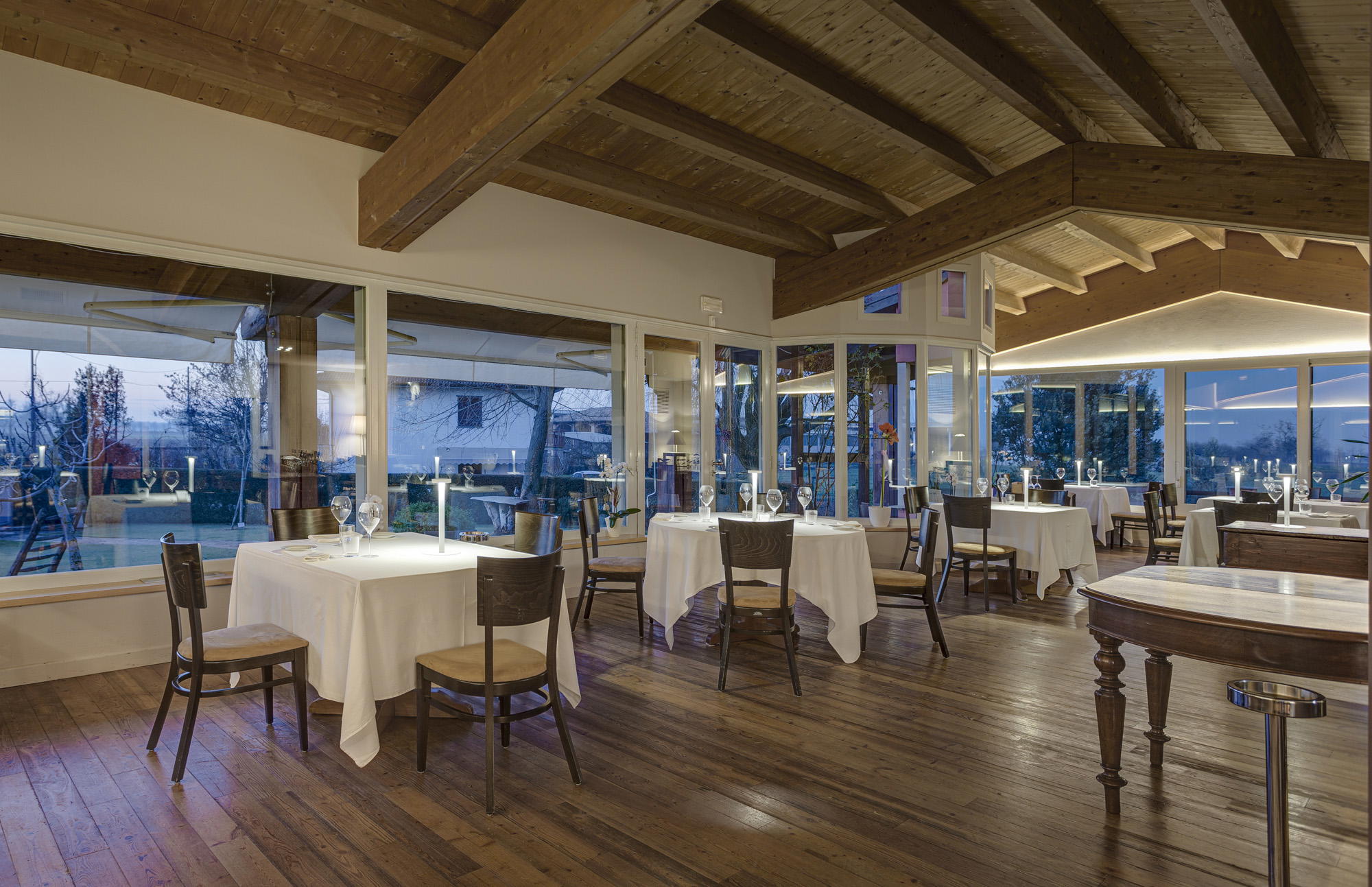
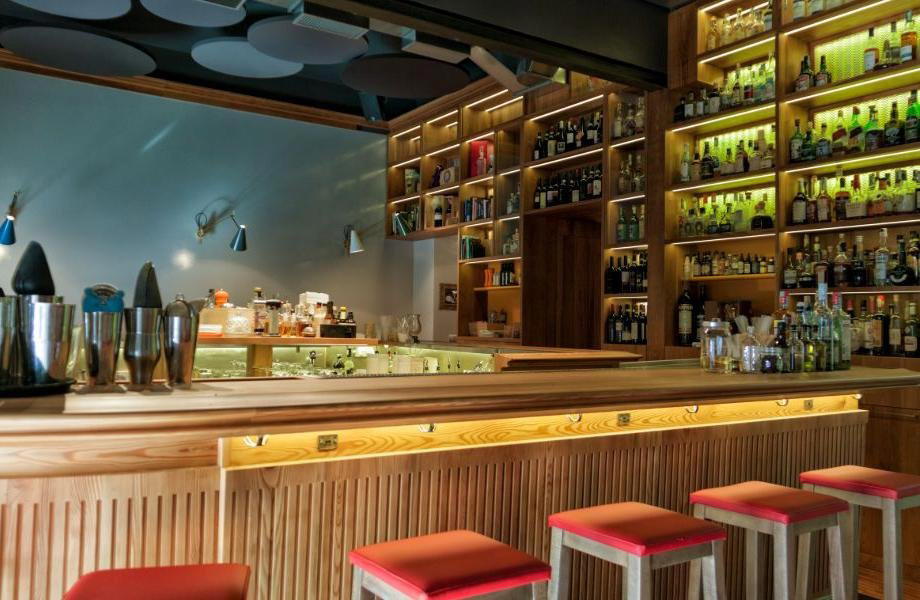
Bars in Santa Maria della Versa
Browse all →
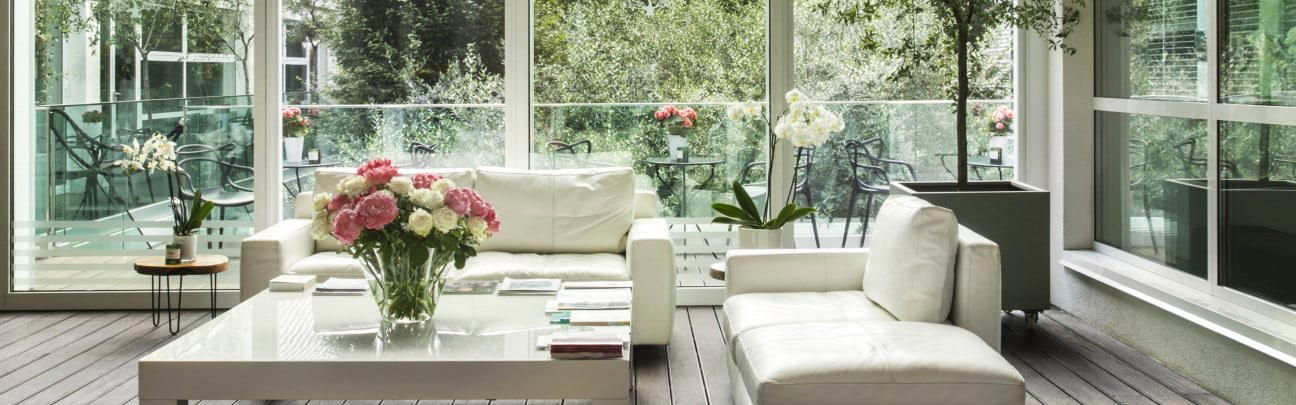
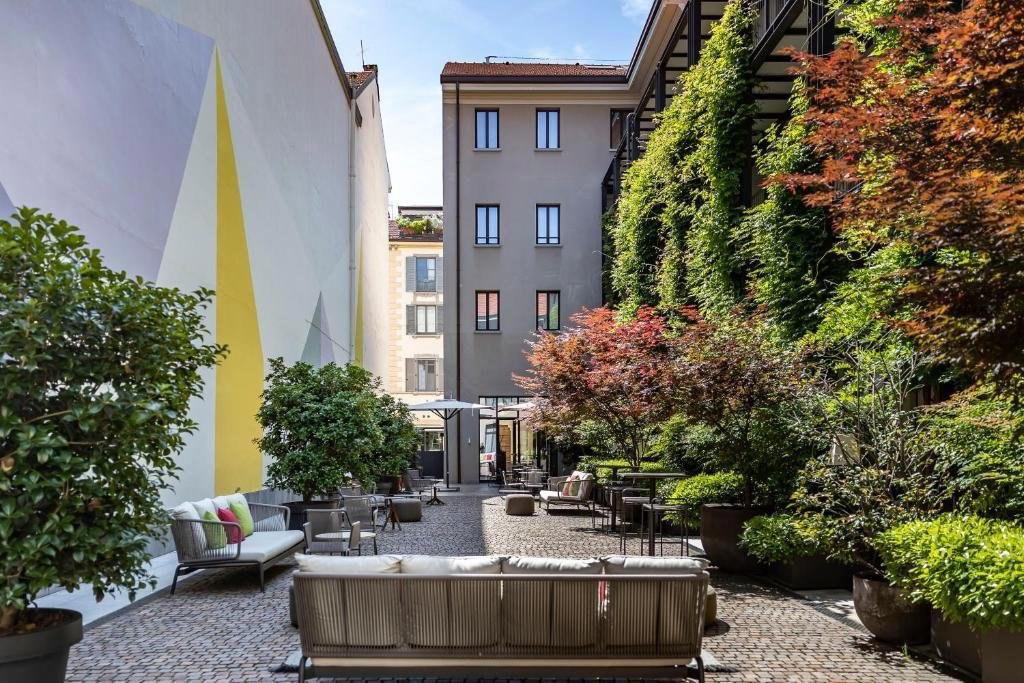
Hotels in Santa Maria della Versa
All hotels in Santa Maria della Versa →

Details
- Elegant
- Intimate
- Sophisticated
- Date Night
- Special Occasion
- Private Dining
- Extensive Wine List
- Local Sourcing
- Tasting Menu
- Vegetarian Friendly
- Vegan Options
Current opening hours
- Monday
- 7:30–10:30 PM
- Tuesday
- Closed
- Wednesday
- Closed
- Thursday
- Closed
- Friday
- 7:30–10:30 PM
- Saturday
- 12:30–3:30 PM, 7:30–10:30 PM
- Sunday
- 12:30–3:30 PM, 7:30–10:30 PM
Hours can change for holidays and private events. Hours as of .
Small, smart, quiet rooms with adequate lighting and a refined, charming atmosphere.