Our verdict
Aanch brings North-West Frontier cooking to Dehradun with a focus on the char, smoke, and layered spice architecture that defines the tradition. In a city where dining tends toward the generically continental or the hastily assembled North Indian, this is a kitchen that takes its regional reference point seriously. The name itself — 'aanch' means flame or heat in Hindi — signals the cooking philosophy before the food arrives.

Pearl is the En Primeur Club membership app — saves, bookings, and concierge access live there. Same editors, same standards.
- Address
- Dehradun, India
- Directions
- Get directions
The menu
What to order
- Uttarakhandi thali
- Tandoori specialties
- Butter chicken
Fire as a Cooking Language
North-West Frontier cuisine is, above most other Indian regional traditions, a cooking style defined by its heat source. The tandoor is not a support act here; it is the kitchen's central argument. The tradition that runs from Peshawar through the old Mughal garrison towns and into the subcontinental imagination is built on the interplay between live fire, marinades heavy with yoghurt and whole spices, and proteins that require high, direct heat to reach their correct register. Aanch, in Dehradun, takes its name directly from this principle: aanch in Hindi denotes the heat of a flame, and the kitchen's orientation around that idea connects it to a long and specific culinary lineage rather than the generic category of 'North Indian' that many restaurant menus use as a catch-all.
Dehradun's dining culture has expanded considerably in the past decade, but the city's restaurant scene still skews toward accommodation-attached properties and multi-cuisine formats designed for broad appeal. Against that backdrop, a kitchen with a defined regional identity and a name that declares its cooking methodology is making a deliberate editorial choice. The comparison set for Aanch sits less among Dehradun's generalist restaurants and more among the serious practitioners of the same tradition elsewhere in India: the slow-fire discipline of Dum Pukht in New Delhi or the commitment to regional specificity that distinguishes places like Naar in Kasauli, which approaches Himalayan ingredients with comparable seriousness.
The Spice Architecture of the North-West Frontier
What separates serious North-West Frontier cooking from its imitators is the structural use of spice at multiple stages and temperatures. Whole spices — black cardamom, long pepper, dried pomegranate seed — carry different aromatic compounds than their ground counterparts, and a kitchen that understands this will layer them differently across a single dish. A marinade might carry ground coriander and red chilli for penetration and colour; the same dish might be finished with a bloom of whole cumin or carom seed in hot fat, which releases volatile oils that ground spice has already lost. This is not complexity for its own sake. It is a precise technical vocabulary developed over centuries in a region where spice trade routes and Mughal court cooking overlapped.
The tempered-versus-bloomed distinction matters because it affects not just flavour but timing and sequence: spices bloomed at the start of cooking function as an aromatic base; spices added at the end of cooking or as a final tarka retain brightness and an almost resinous edge. The leading practitioners of this tradition, from Bukhara's legendary naan-and-dal simplicity to the more elaborate preparations at court-descended venues like Adaa at Falaknuma Palace in Hyderabad, use these distinctions deliberately. In a mid-sized city like Dehradun, finding a kitchen that operates with this kind of structural awareness is rarer than in the metros, which is precisely why a venue like Aanch deserves attention from anyone passing through the Doon Valley.
Where Aanch Sits in Dehradun's Dining Scene
Dehradun occupies an interesting position in Indian food culture. The city draws travellers en route to Mussoorie, Rishikesh, and the wider Garhwal hills, which means its restaurants serve a transient audience alongside a permanent population of students, retired civil servants, and a growing professional class. The better-established properties in the city, including Riviera Café with its mix of global dishes and regional Uttarakhand specialties, and The Pavillion with its Indian, Continental, and Asian range, reflect the multi-cuisine logic that hotel kitchens and family-friendly formats tend to adopt. Aanch's narrower, more specific cuisine focus places it in a different category, one where the kitchen's competence is tested more directly because the menu is not designed to absorb weak points through variety.
For visitors comparing Aanch to the wider Indian restaurant field, the relevant context is how Frontier-style cooking performs outside the cities where it developed. In Delhi, Lucknow, and Lahore, the tradition has deep institutional roots and a large audience that can calibrate quality precisely. In a Himalayan foothills city, the standard of comparison is less immediate, which creates both an opportunity and a risk for any kitchen working seriously in the genre. The leading regional Indian restaurants operating outside their home geography, Farmlore in Bangalore with its Karnataka-rooted sourcing, Bomras in Anjuna with its Burmese reference points, succeed because they maintain discipline to a specific tradition rather than diluting it for a perceived broader audience.
Planning Your Visit
Dehradun sits roughly 300 kilometres north of Delhi in the Doon Valley, and most travellers arrive by road or on the Shatabdi Express from New Delhi, which covers the journey in under five hours. The city functions as a staging point for mountain travel, and dining choices in Dehradun often get treated as secondary to the wider itinerary. That logic undervalues what the local restaurant scene has to offer, and Aanch is an example of why a Dehradun dinner deserves more than an afterthought. For those building a fuller picture of the city's food options, the EP Club Dehradun restaurants guide covers the range; the Dehradun hotels guide, bars guide, wineries guide, and experiences guide complete the picture for a longer stay.
Detailed operational information for Aanch, including current hours, reservation requirements, and pricing, is best confirmed directly before visiting, as these details shift with seasons and ownership decisions. The wider category of North-West Frontier restaurants at this level of regional specificity tends to perform leading with advance notice, particularly during the October-to-March high season when Dehradun sees significant visitor traffic from Delhi and beyond.
The Broader Argument for Serious Regional Cooking
The most instructive comparison for understanding what a kitchen like Aanch represents is not any single Delhi institution but rather a trend visible across Indian cities of the second tier and beyond: a gradual movement toward restaurants that commit to a specific regional identity rather than assembling a menu from across the subcontinent. This mirrors patterns visible internationally, where the most critically respected Indian restaurants outside India, including The Table in Mumbai and adjacent operations working with defined source cuisines, have made specificity rather than comprehensiveness their competitive position. The same logic applies domestically. A kitchen anchored to the flame, smoke, and spice sequence of the Frontier tradition is making a bet that its audience can taste the difference. In Dehradun, increasingly, they can.
For the traveller interested in how Indian regional cooking traditions survive and adapt outside their original geographic centres, Aanch offers a useful case study. The North-West Frontier culinary tradition crossed borders with Partition, arrived in Delhi through a specific set of families and cooks, and spread from there into the repertoire of the broader North Indian restaurant culture. What Aanch does in choosing this tradition as its defining framework is place itself in that longer narrative, one that connects a Dehradun dining room to a cooking lineage with more historical depth than most restaurant menus acknowledge.
Frequently asked questions
How does North-West Frontier cuisine at Aanch differ from standard North Indian restaurant cooking?
North-West Frontier cooking, the tradition Aanch draws from, uses the tandoor as its primary instrument rather than a supplementary one, and structures spice at multiple temperature points across a dish's preparation — not just as a final seasoning. This is a distinct culinary lineage associated with the cooking of the Pashtun borderlands, and it differs materially from the Punjabi-inflected North Indian menus that dominate most Indian restaurant circuits. In Dehradun's current dining scene, that specificity of regional focus is uncommon.
What's the must-try dish at Aanch?
Aanch's kitchen is built around North-West Frontier cooking, which means the tandoor carries the most weight. The dishes to focus on are those where the clay oven is doing the primary work — marinated meats cooked over high, sustained heat rather than anything finished on a flat surface. Specific menu items are best confirmed directly with the restaurant, as the offering can follow seasonal and market availability.
Do I need a reservation for Aanch?
Reservation policy details for Aanch are not currently published online. Given Dehradun's growing profile as a gateway city for Mussoorie and Rishikesh travellers, and the relatively small number of serious regional kitchens in the area, booking ahead is a practical precaution for dinner sittings, particularly on weekends.
What makes Aanch worth seeking out?
Aanch represents something genuinely scarce in Uttarakhand's dining scene: a kitchen that takes North-West Frontier cooking seriously as a tradition rather than shorthand for a butter chicken menu. The cuisine — defined by tandoor technique and layered spice architecture applied at multiple cooking stages — is rarely executed with this level of regional specificity outside Delhi. For travellers passing through Dehradun, it offers a reason to stop rather than move straight on.
How It Stacks Up
Comparable venues nearby, for context on price, style, and recognition.
| Venue | Cuisine | Price | Notes |
|---|---|---|---|
| AanchThis venue — the venue you are viewing | North-West Frontier North Indian | $10–20 | Not listed |
| The Pavillion | Indian, Chinese & Continental | Not listed | Rajpur Road |
| Riviera Café | Multi-Cuisine All-Day Dining | $20–30 | Khabarwala |
| Marudhar Restaurant | Authentic Rajasthani Cuisine | $1–10 | Aau |
| Radhika's Authentic South Indian Food | Authentic South Indian | $1–10 | Drive-in Road, Gurukul |
| Ajay's AV Road, Anand | Indian Fast Food | $1–10 | Vallabh Vidyanagar |
Continue exploring
More in Dehradun
Restaurants in Dehradun
Browse all →
Details
- Cozy
- Elegant
- Classic
- Family
- Group Dining
- Celebration
- Business Dinner
- Special Occasion
- Hotel Restaurant
- Private Dining
- A La Carte
- Family Style
- Vegetarian Friendly
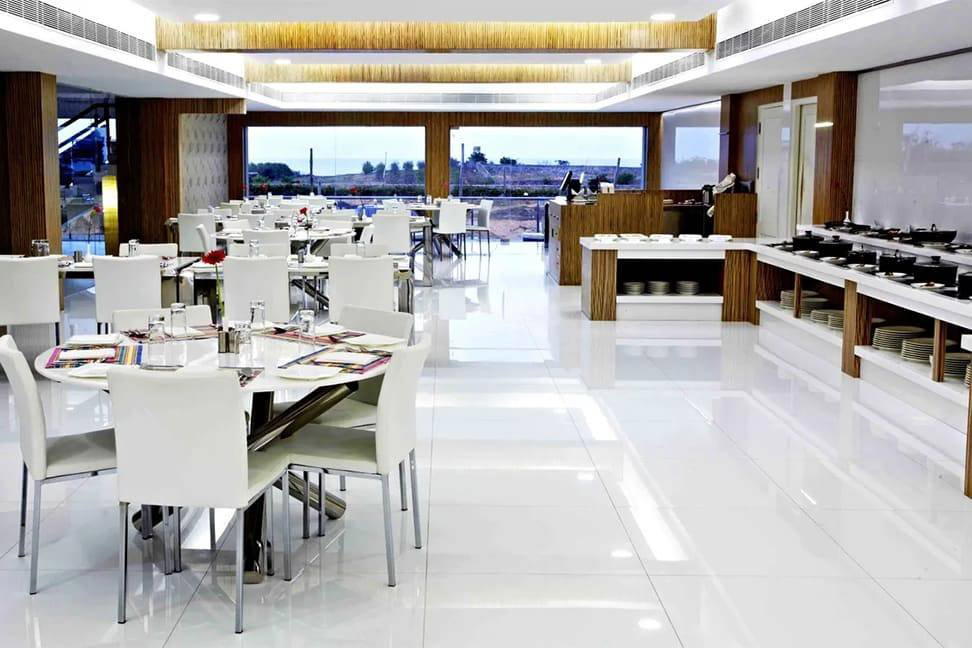
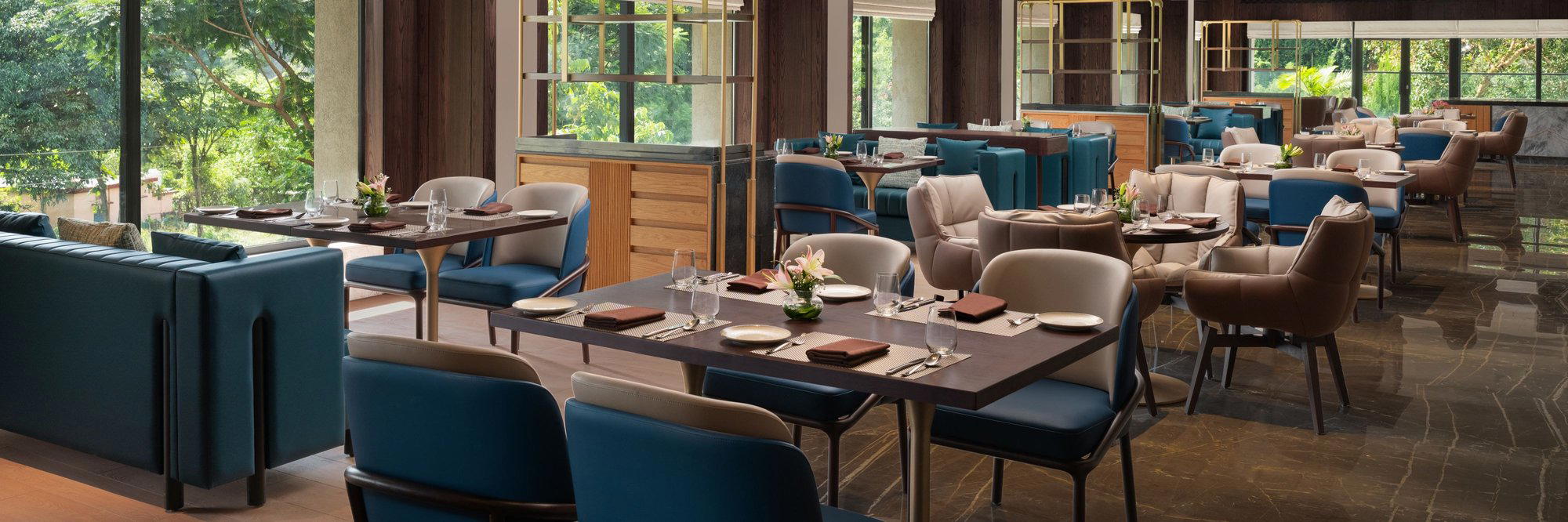
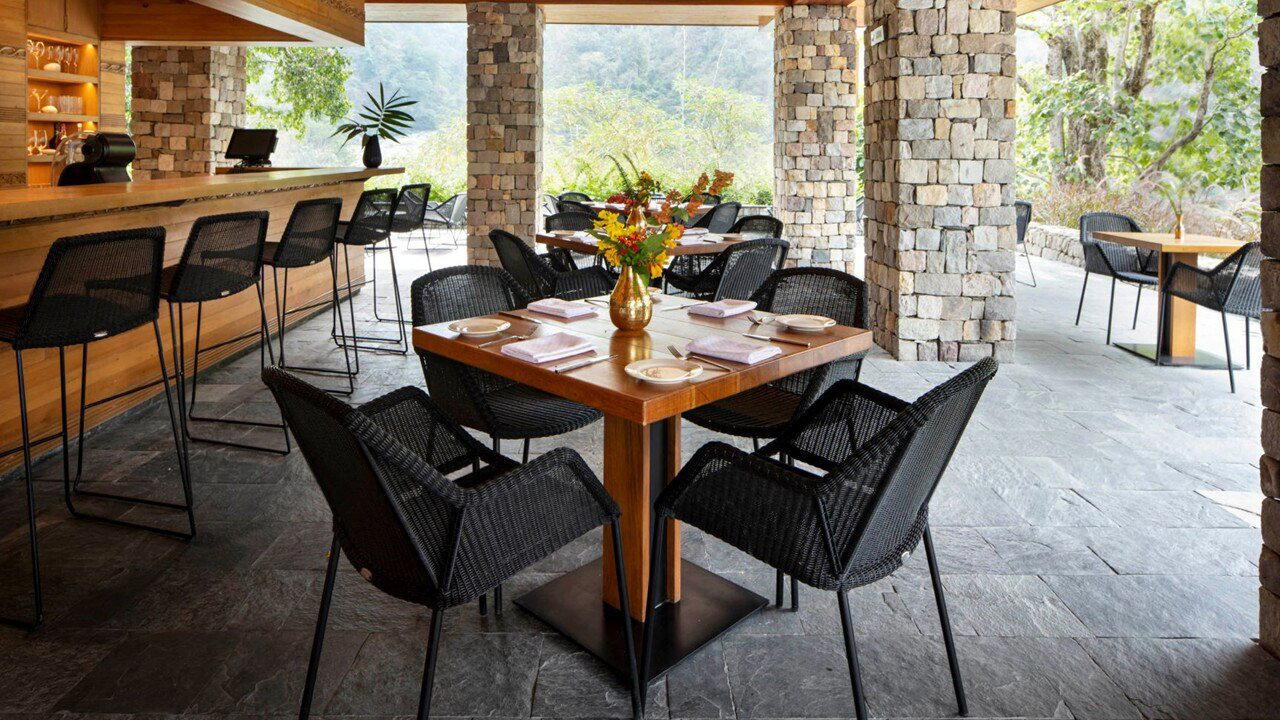
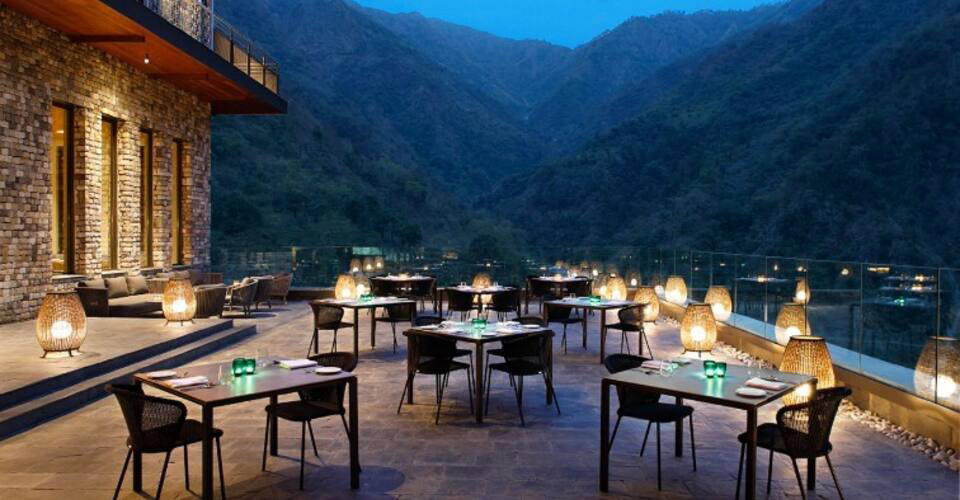
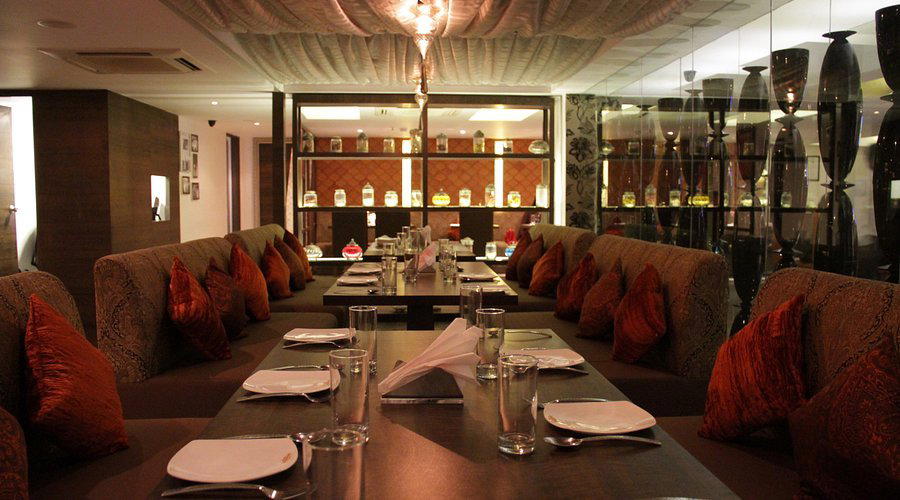
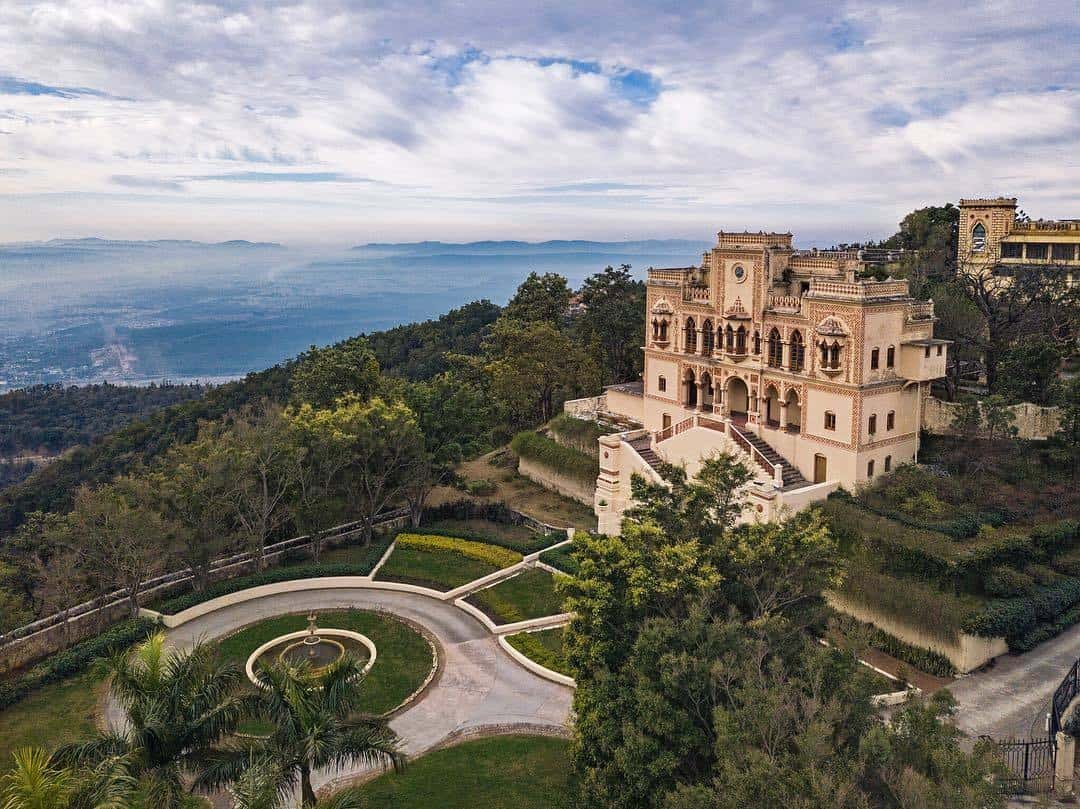
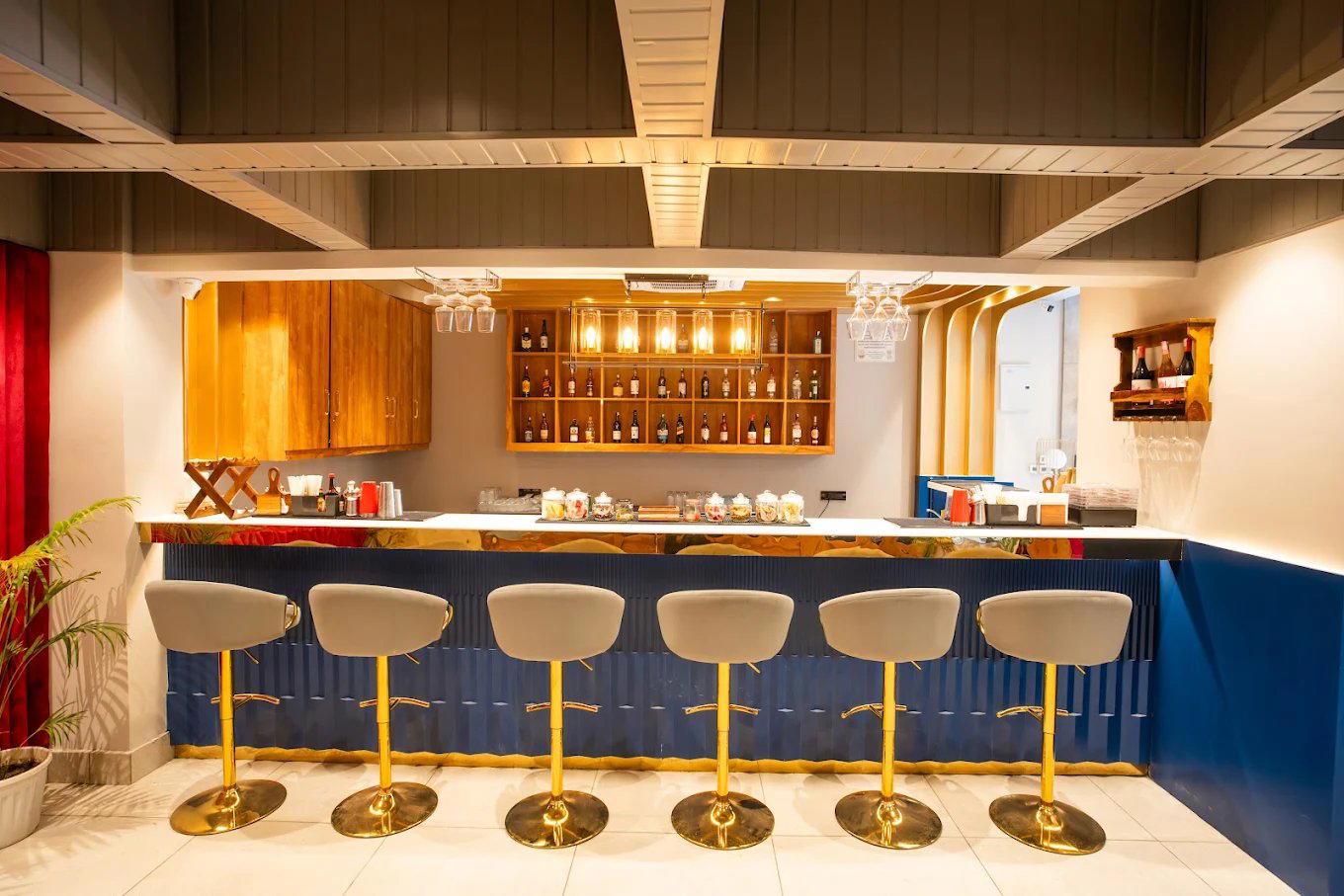
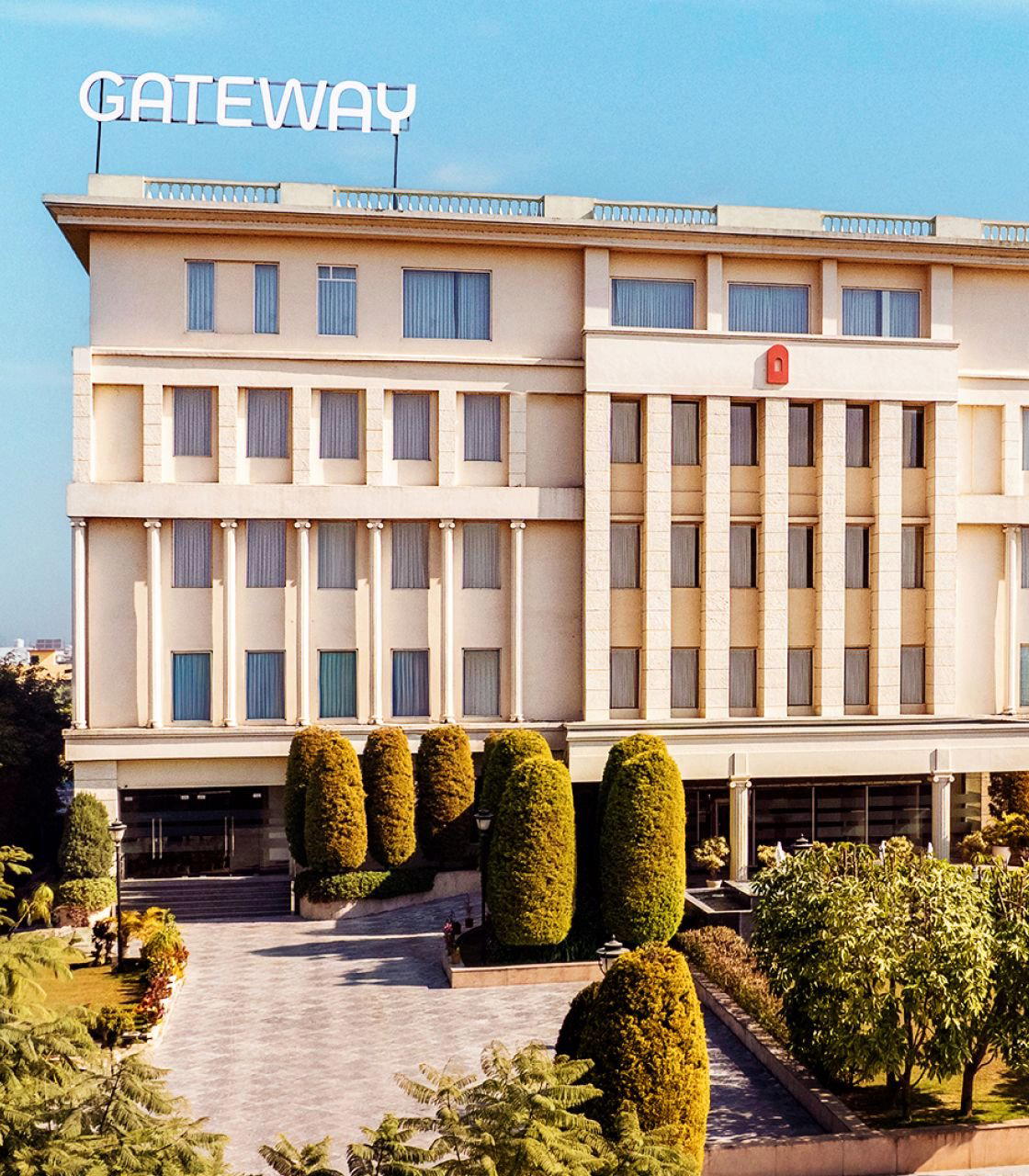
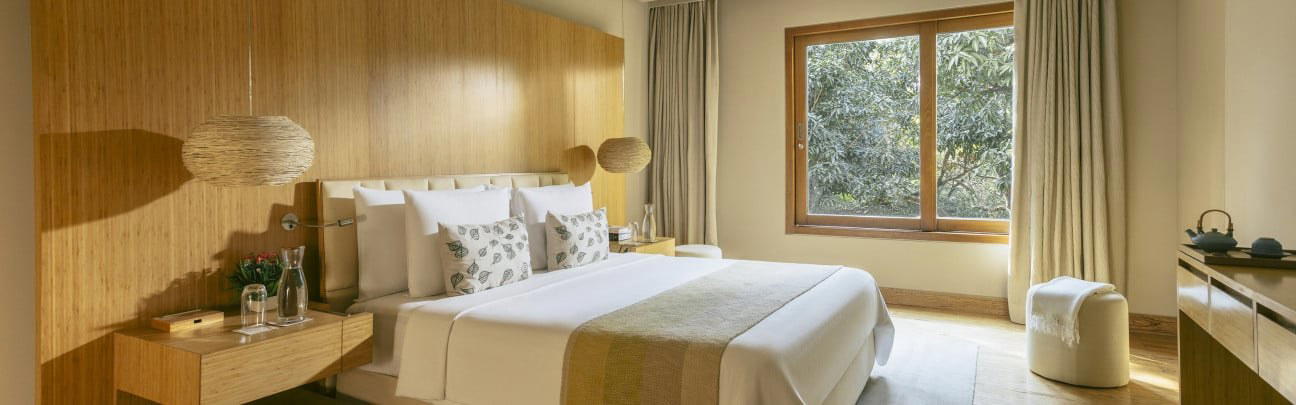
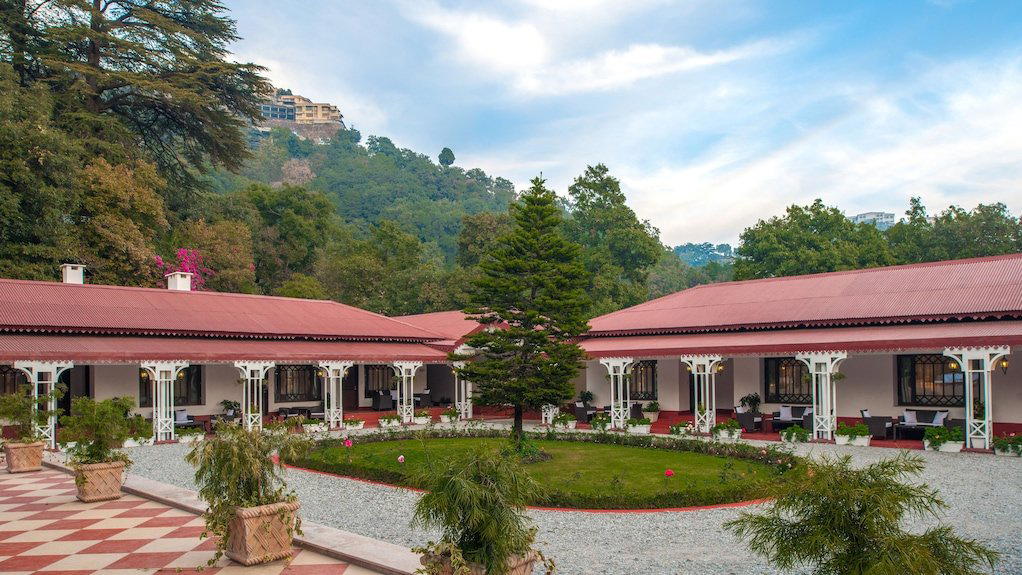
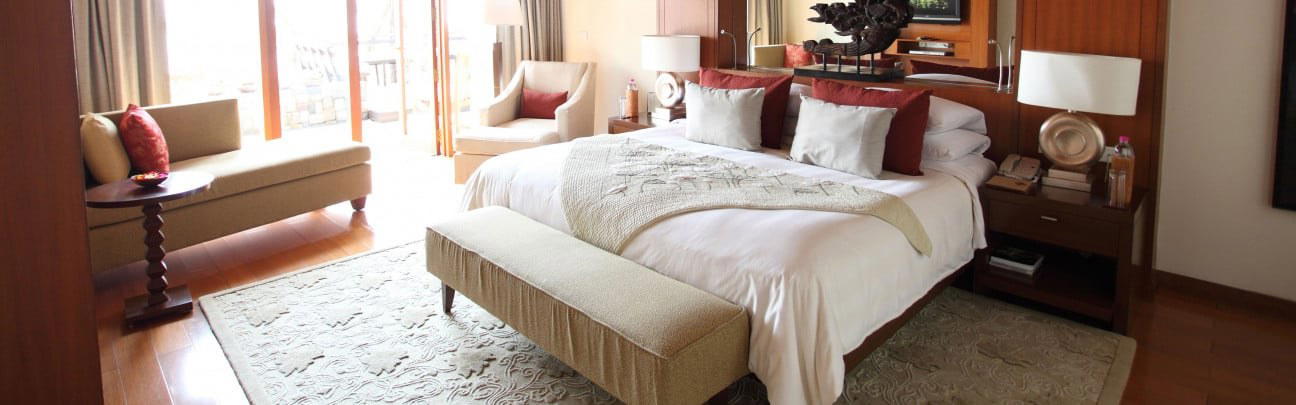
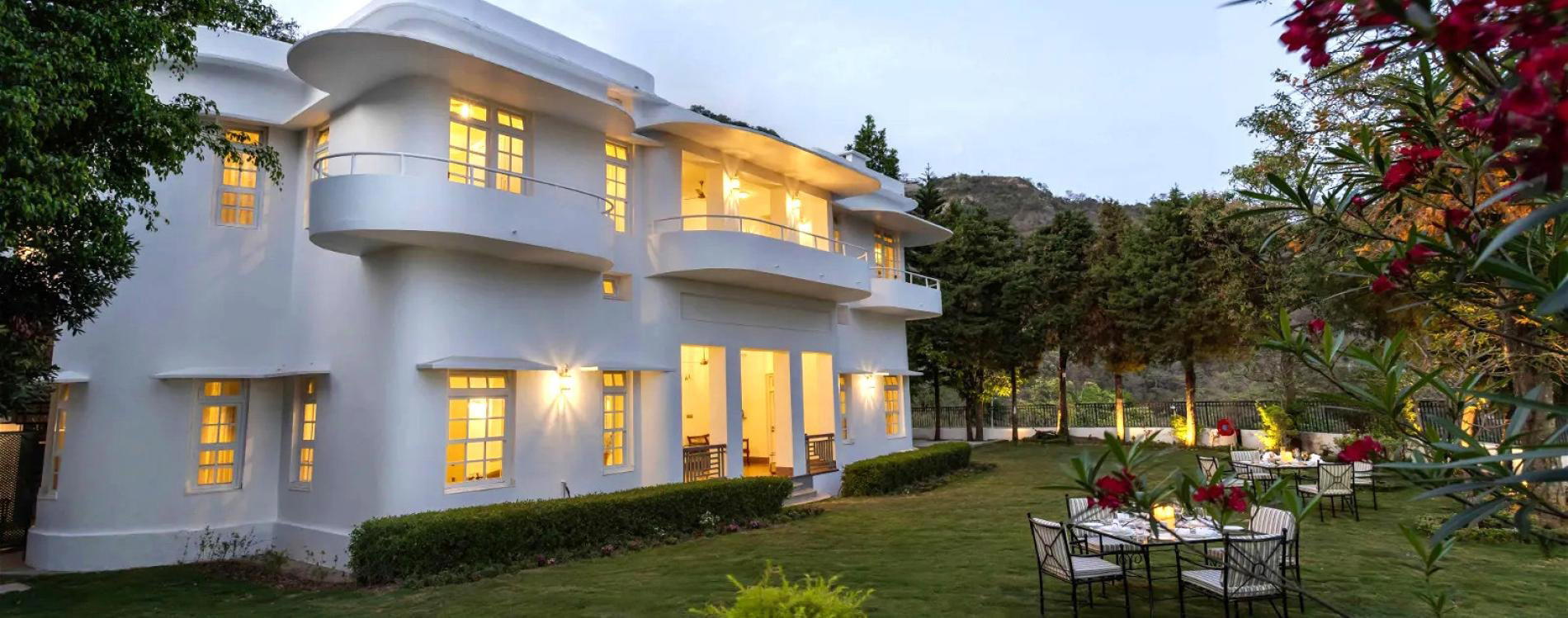
Warm and welcoming atmosphere with excellent hospitality, featuring comfortable dining spaces with traditional Indian decor and attentive service from well-trained staff.