Riviera Café sits at the crossroads of Dehradun's hill-town café culture and the Uttarakhand highlands that supply it, combining global preparations with regional mountain ingredients. For a city where most dining defaults to north Indian standards or generic continental, this dual focus on local sourcing and broader culinary range marks a distinct position in the local scene. It reads as a thoughtful café rather than a tourist pit stop.
Pearl is the En Primeur Club membership app — saves, bookings, and concierge access live there. Same editors, same standards.
- Address
- new D.I.T, &, Purkul road, Bhitar Wali, Dehradun, Uttarakhand 248003, India
- Directions
- Get directions
 Saves & bookings on Pearl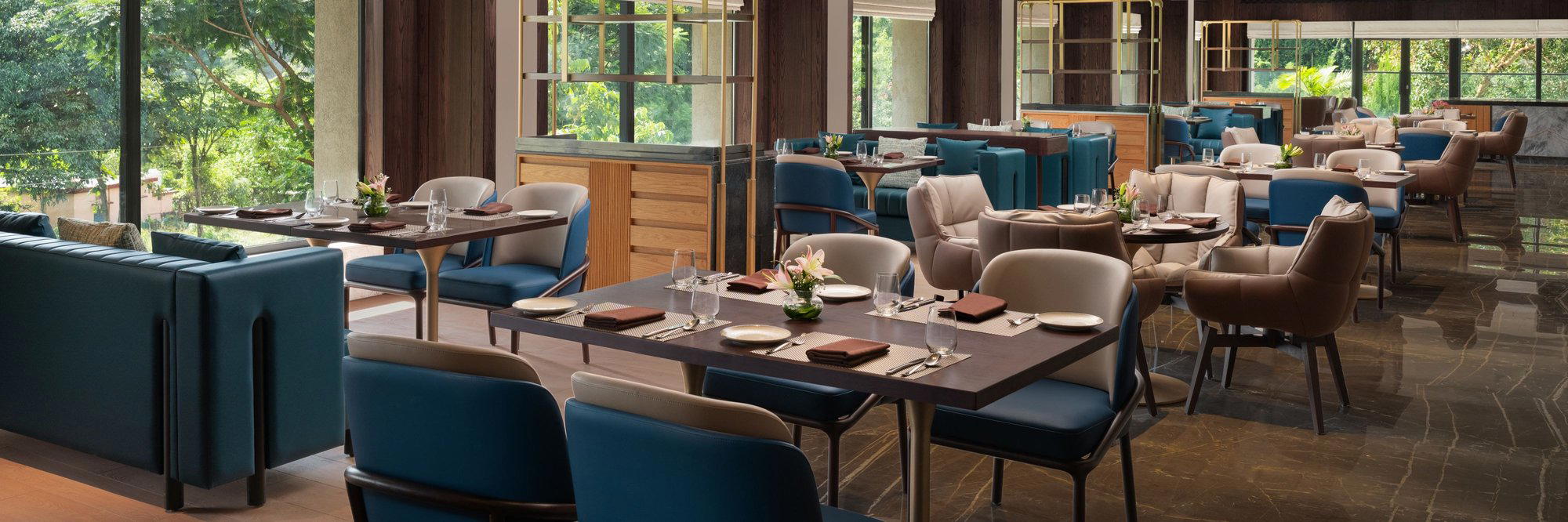
Where the Doon Valley Ends Up on the Plate
Dehradun occupies an unusual position in Indian dining geography. It is close enough to Delhi that urban food expectations travel with visitors, yet surrounded by Uttarakhand's Garhwal highlands, where the agricultural and foraging traditions of the hills have fed communities for centuries. Most cafés in the city collapse under that tension and default to one pole or the other: generic continental menus that could belong anywhere, or hyper-local thalis that make no concession to a traveller's wider palate. Riviera Café, working a menu that spans global preparations and regional Uttarakhand specialties, attempts to hold both in the same frame.
That attempt is more significant than it might first appear. The Uttarakhand hills produce ingredients with genuine distinctiveness: mandua (finger millet), jhangora (barnyard millet), gahat dal (horse gram), rhododendron preparations, and a range of locally foraged greens that rarely leave the region in any processed or export form. When a café in Dehradun draws on this pantry rather than simply sourcing commodity ingredients from the plains, it is participating in something closer to what restaurants like Farmlore in Bangalore have formalised at a higher price point: a disciplined engagement with hyper-regional produce as the primary editorial logic of a menu. For the Doon Valley specifically, that means food that could not plausibly exist anywhere else.
The Setting and What It Signals
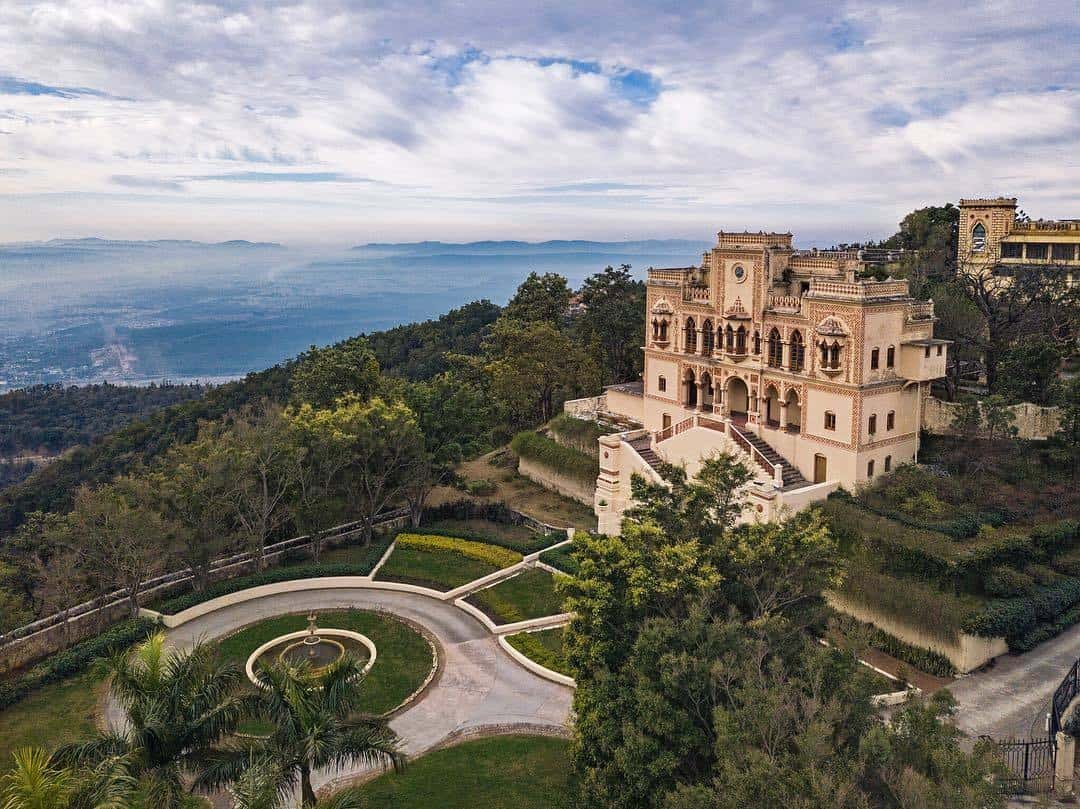
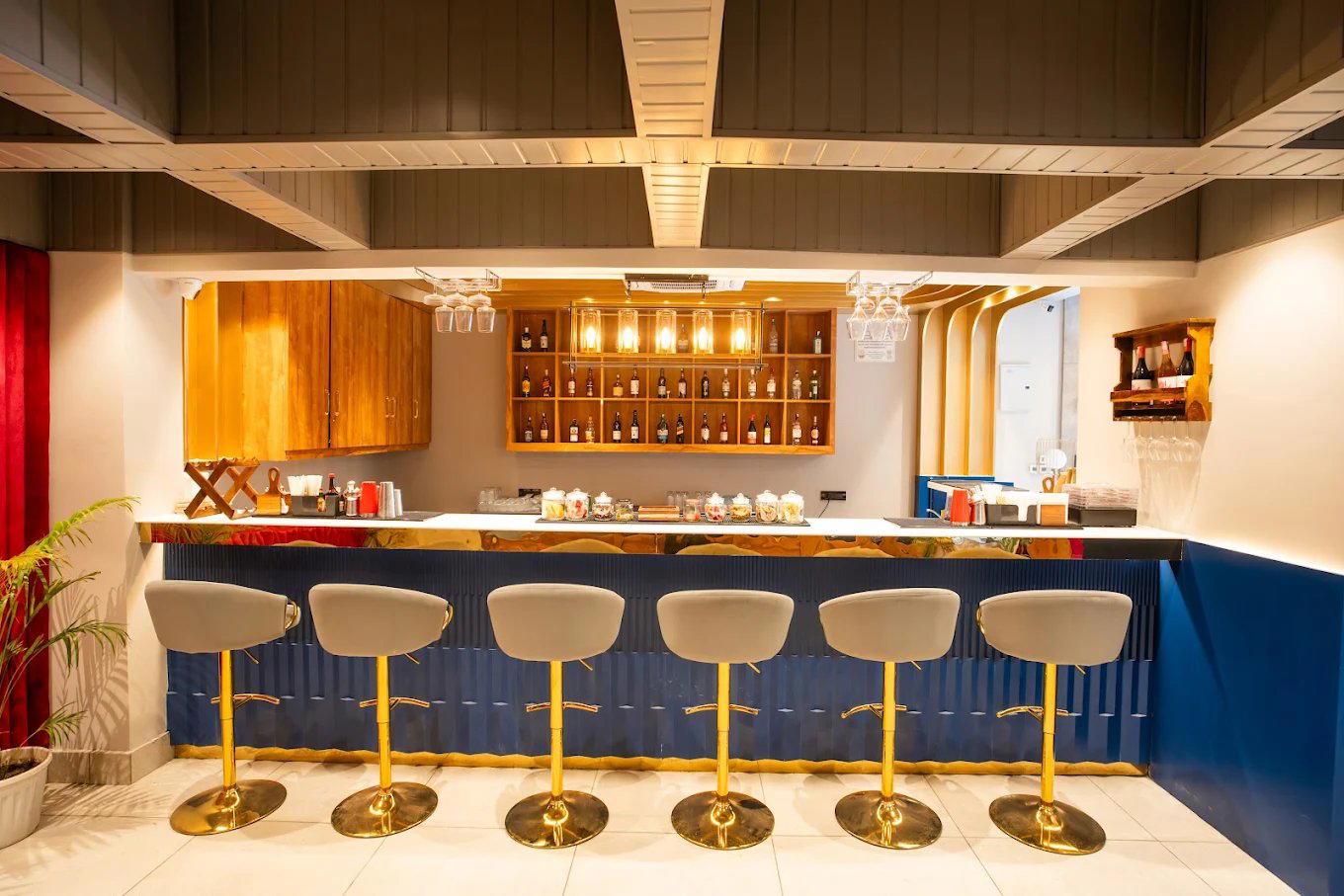
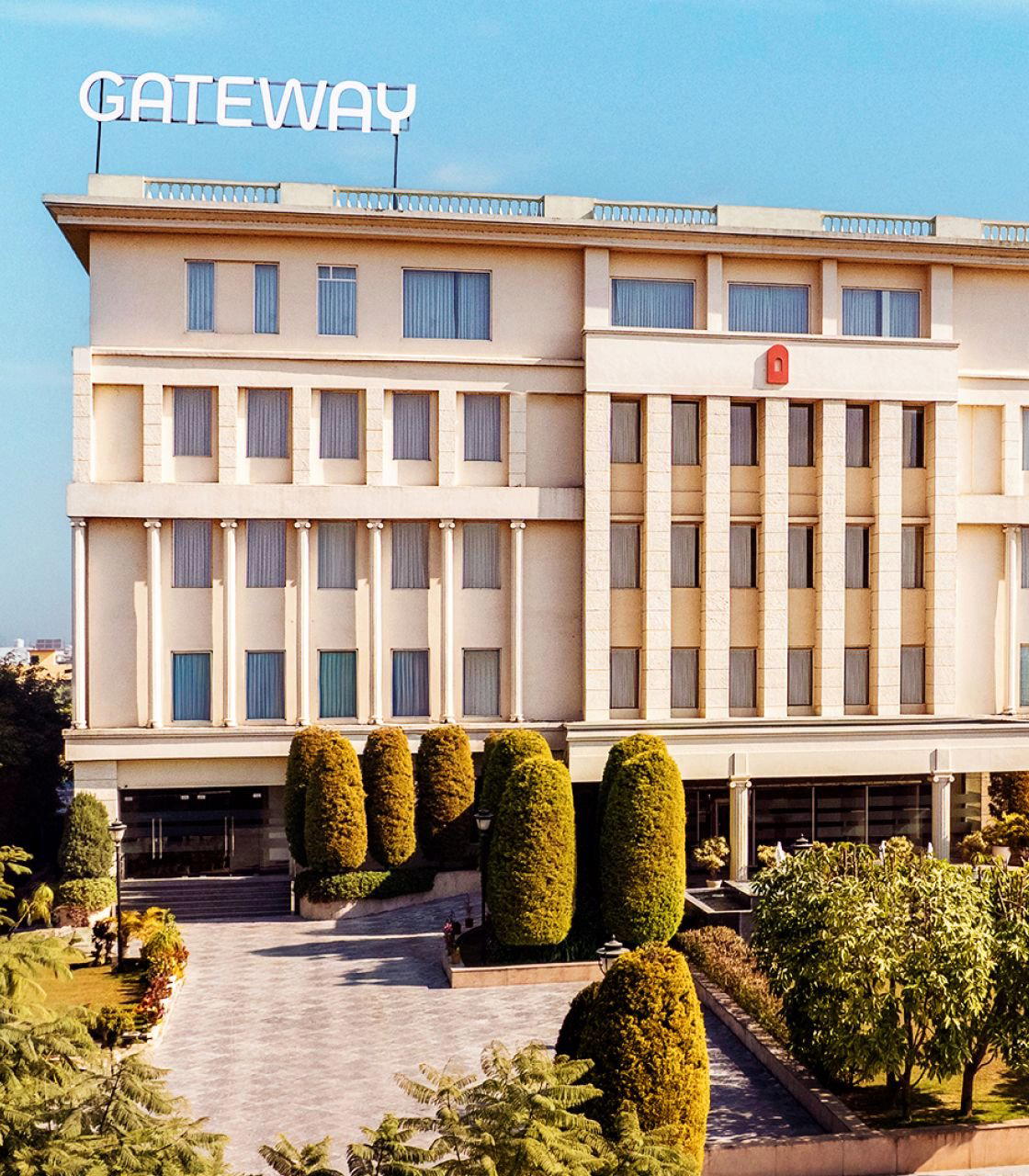
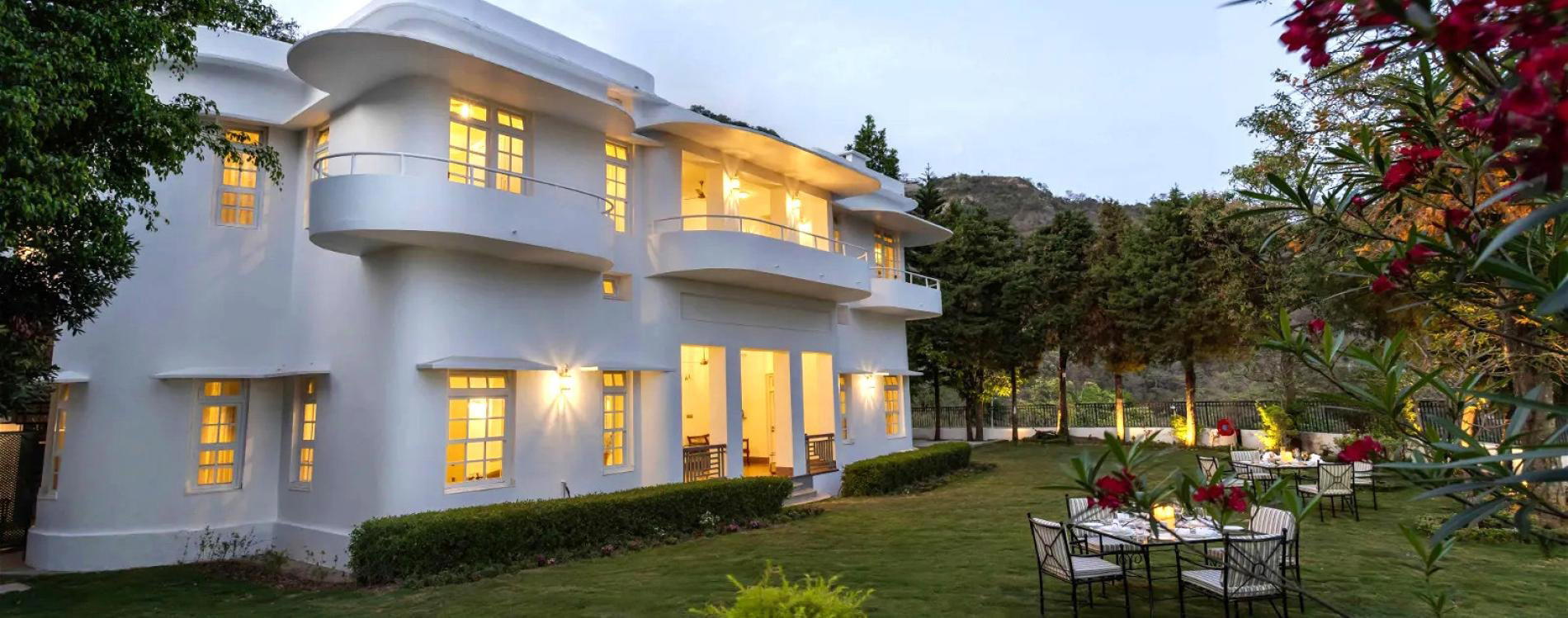
Dehradun's café scene has grown considerably in the past decade, tracking the city's expansion as a residential and educational hub. The tone has shifted from dusty roadside dhabas and old Raj-era bakeries toward spaces with considered interiors and beverage programs. Riviera Café fits into this newer tier: the kind of place where the room itself communicates an ambition to be more than functional. Approaching such a space in Dehradun, you typically find yourself moving from the city's traffic and commercial density into something quieter and more deliberate, where the interior design signals that the food is meant to be noticed.
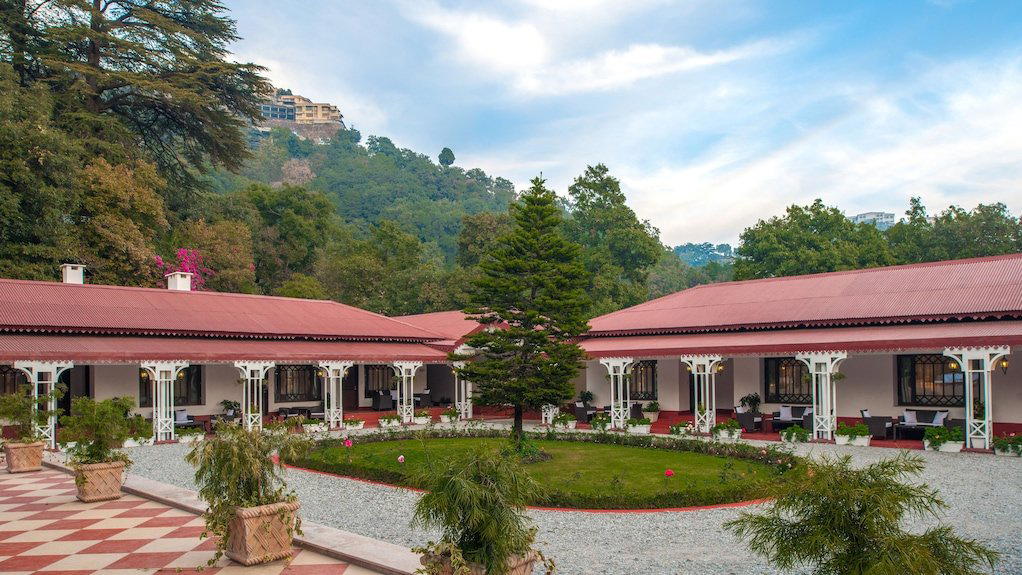
This physical transition matters in a hill town like Dehradun. The city sits at roughly 640 metres, with the Himalayan foothills visible from many points. Cafés that acknowledge their geographical context, whether through locally sourced materials in the décor or through menus that reference the highlands, tend to feel more coherent than those that could have been transplanted from any Indian metro. The atmosphere at Riviera Café reads as an extension of that regional sensibility.
The Ingredient Argument: Uttarakhand's Underused Pantry
The case for Uttarakhand ingredients is direct once you look at them closely. Mandua flour carries a nutritional density that explains its persistence in mountain diets; gahat dal, slightly bitter and earthy, underpins preparations that have no direct equivalent in the plains tradition. The rhododendron flower, abundant in the state's forests during spring, produces a sharp, tart juice that has been used in local beverages for generations and has begun appearing in more considered café menus as a way of marking seasonal and geographical specificity. These are not exotic ingredients performing novelty. They are staples of a functioning regional cuisine that mainstream Indian restaurant culture has largely bypassed.
A café menu that incorporates these materials alongside global dishes is making a practical argument about sourcing proximity. The highlands are immediate. The supply chains that bring continental or pan-Asian ingredients to Dehradun are longer, more expensive, and less interesting in terms of terroir. The smartest menus in comparable hill-town settings, including places like Naar in Kasauli, which operates further west in the Himachal Pradesh hills, have leaned into this logic rather than away from it. When a Dehradun café does the same, it earns a distinct reason to exist.
Global Dishes in a Regional Frame
The presence of global preparations alongside Uttarakhand specialties is a format familiar across India's hill-town café circuit. It reflects the mixed clientele these venues serve: local families, students from the city's numerous educational institutions, travellers transiting to Mussoorie or Rishikesh, and a growing cohort of remote workers and second-home owners from Delhi. That range of diners produces menus with genuine breadth, and the test is whether the two registers, global and regional, feel like a coherent offer or like two separate menus stapled together.
The leading version of this format uses the regional ingredient logic to anchor even the globally inflected dishes: a pasta or a grain bowl prepared with local flour, a beverage program built around regional fruits and botanicals rather than imported syrups. This is a different approach from what you find at more formally ambitious Indian restaurants like Bukhara in New Delhi or Avartana in Chennai, where the entire menu is organised around a single regional tradition rendered at high technical precision. At a café operating in Riviera's format, the discipline is different: not maximalist depth in a single tradition, but coherent threading of local provenance across a broader menu.
Planning a Visit
Dehradun is accessible by rail and road from Delhi, with travel times of roughly five to six hours depending on mode of transport. The city serves as a base for excursions to Mussoorie, Rishikesh, and Haridwar, which means visitor flow is consistent across seasons, though the pre-monsoon and post-monsoon windows, April through June and September through November, bring particularly comfortable conditions.
Fast Comparison
Comparable venues nearby, for context on price, style, and recognition.
| Venue | Cuisine | Price | Notes |
|---|---|---|---|
| Riviera CaféThis venue — the venue you are viewing | Multi-Cuisine All-Day Dining | $$$ | Not listed |
| The Pavillion | Indian, Chinese & Continental | $$ | Rajpur Road |
| Aanch | North-West Frontier North Indian | $$ | Niranjanpur |
| Tadka | Awadhi & North-West Frontier Indian Fine Dining | $$$ | Cantonment |
| Hotel Aganta Green | Indian Multicuisine | $$ | Fardapur |
| Dramz Delhi | Multi-Cuisine Fine Dining with North Indian & European | $$$ | Mehrauli |
Continue exploring
More in Dehradun
Restaurants in Dehradun
Browse all →
At a Glance
- Scenic
- Cozy
- Family
- Brunch
- Waterfront
- Local Sourcing
- Mountain
Current opening hours
- Monday
- 9 AM–7 PM
- Tuesday
- 9 AM–7 PM
- Wednesday
- 9 AM–7 PM
- Thursday
- 9 AM–7 PM
- Friday
- 9 AM–7 PM
- Saturday
- 9 AM–7 PM
- Sunday
- 9 AM–7 PM
Hours can change for holidays and private events. Last verified .
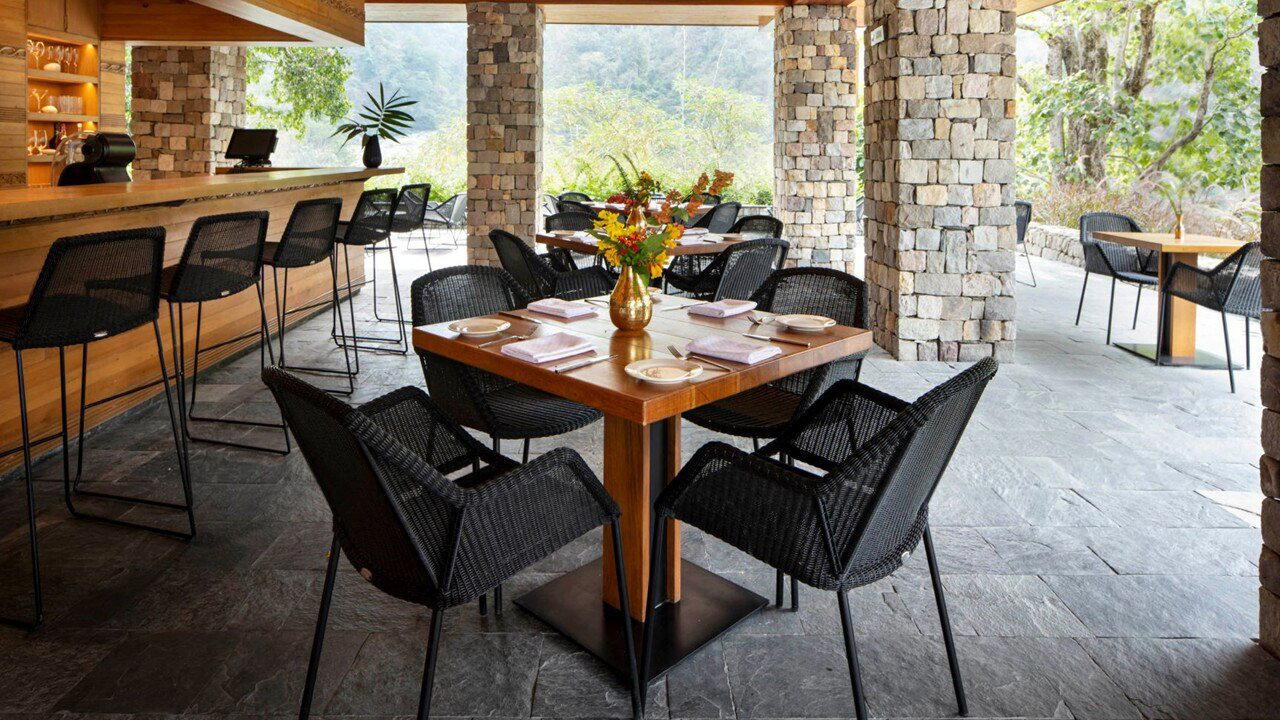
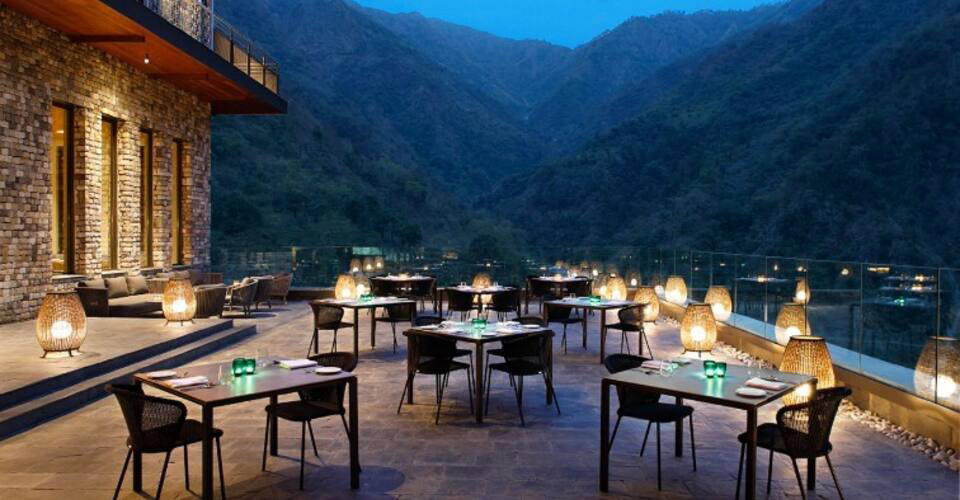
Comfortable atmosphere with far-reaching river and mountain views.