Our verdict
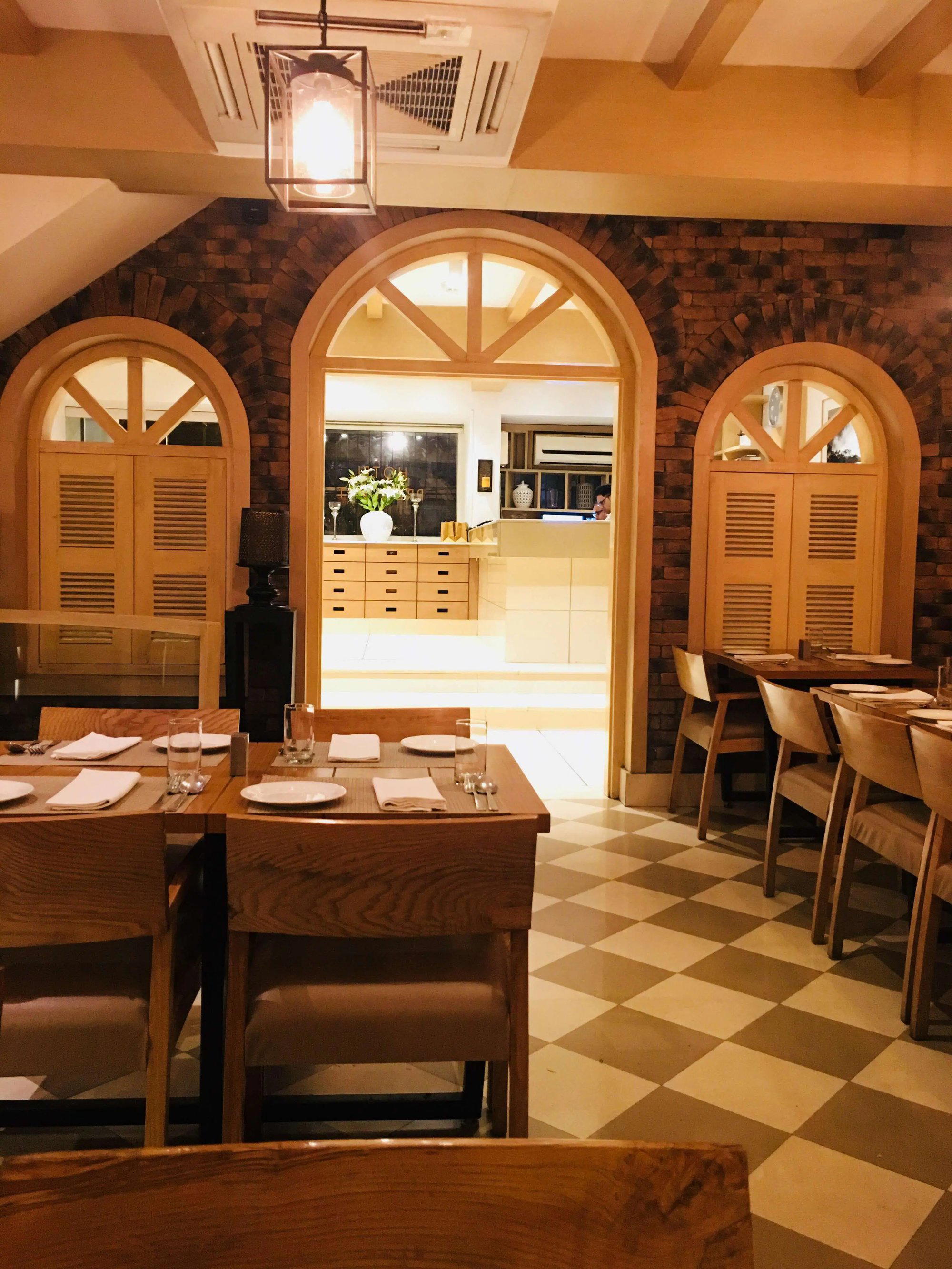
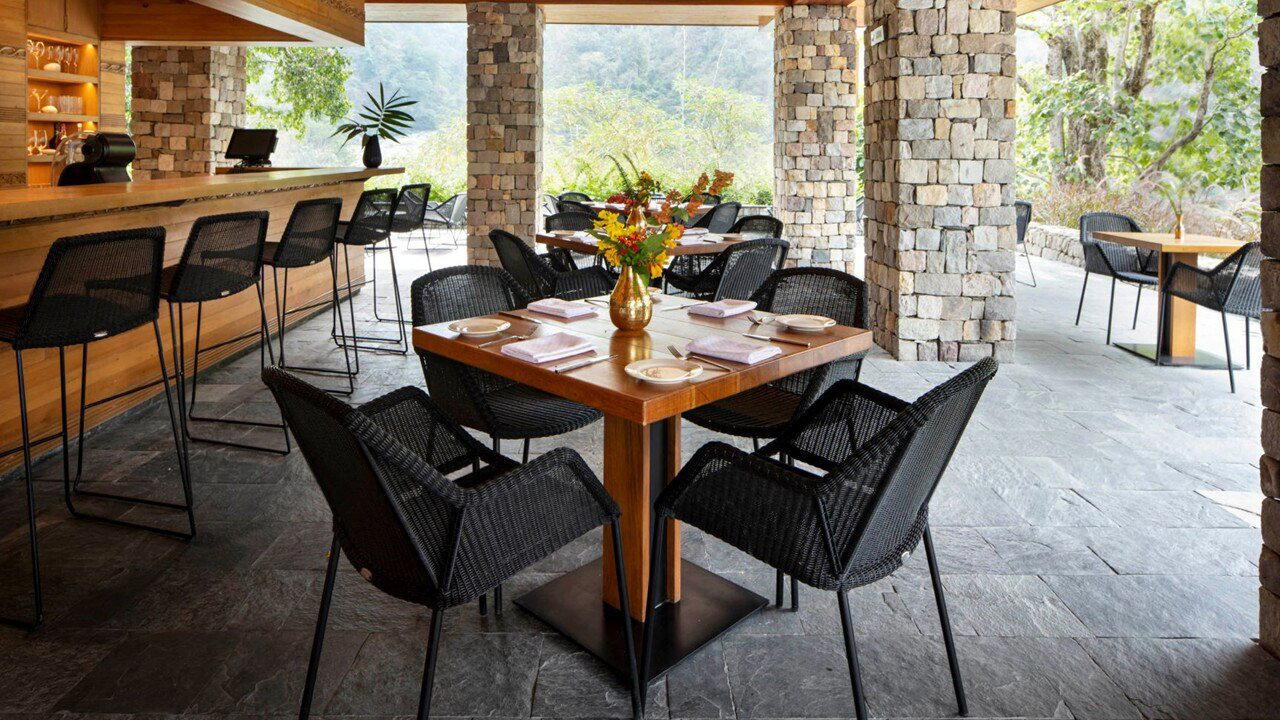
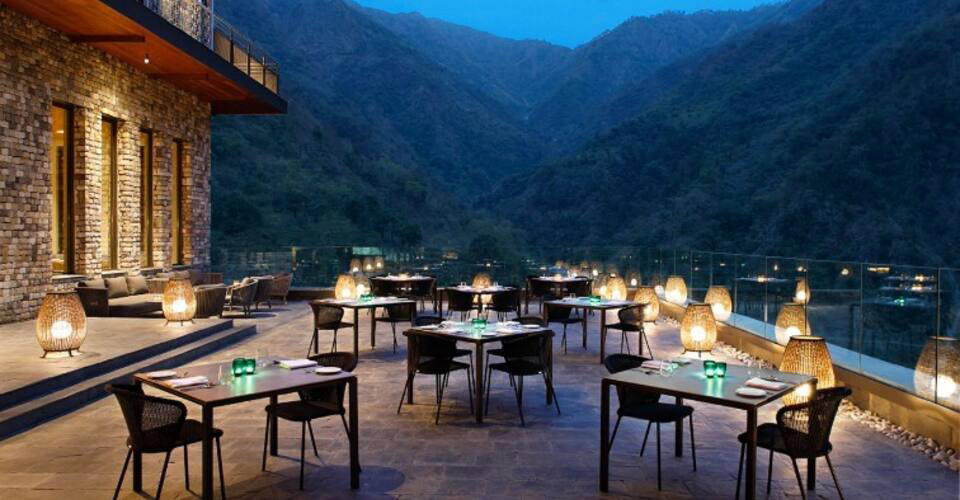
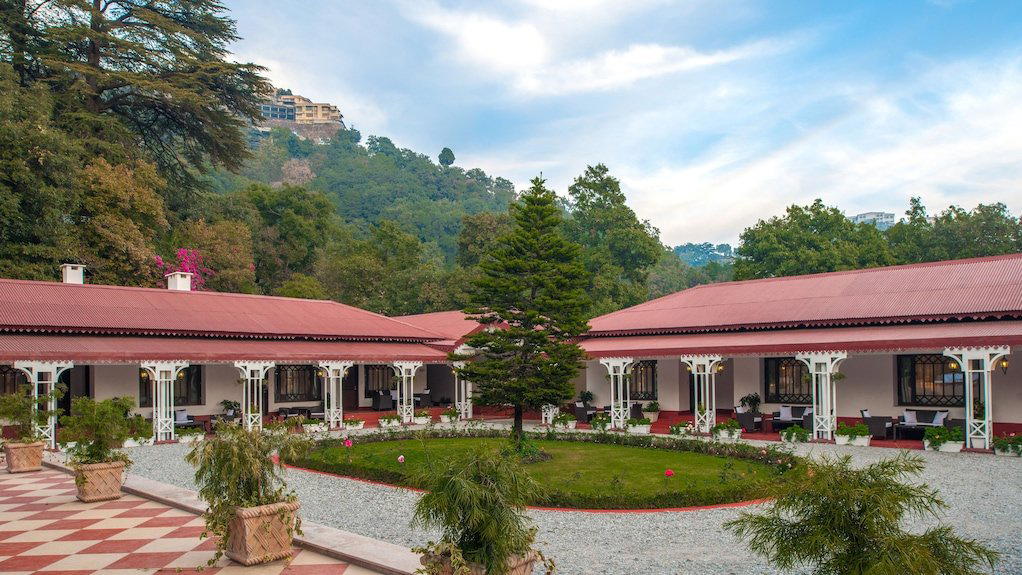
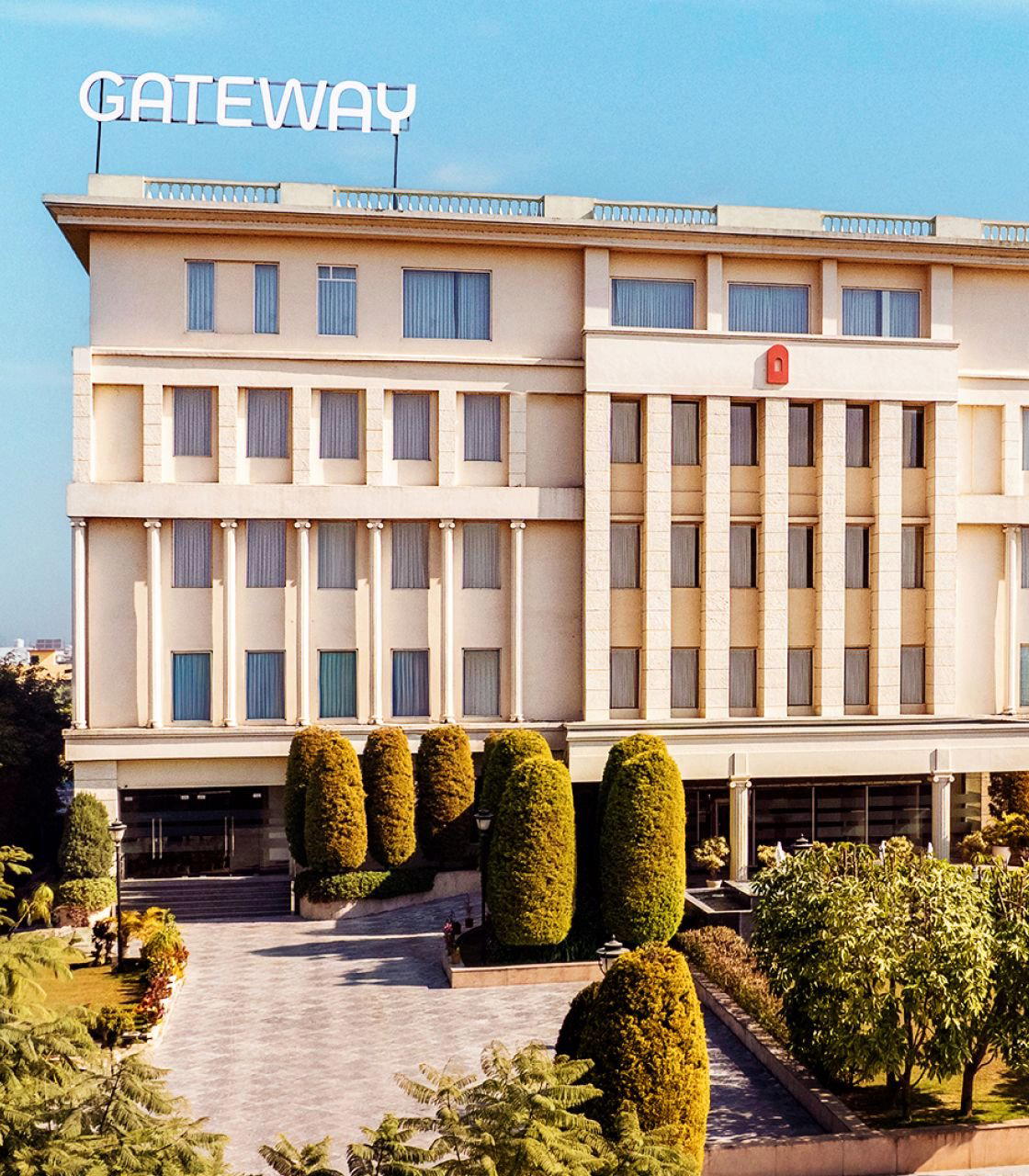
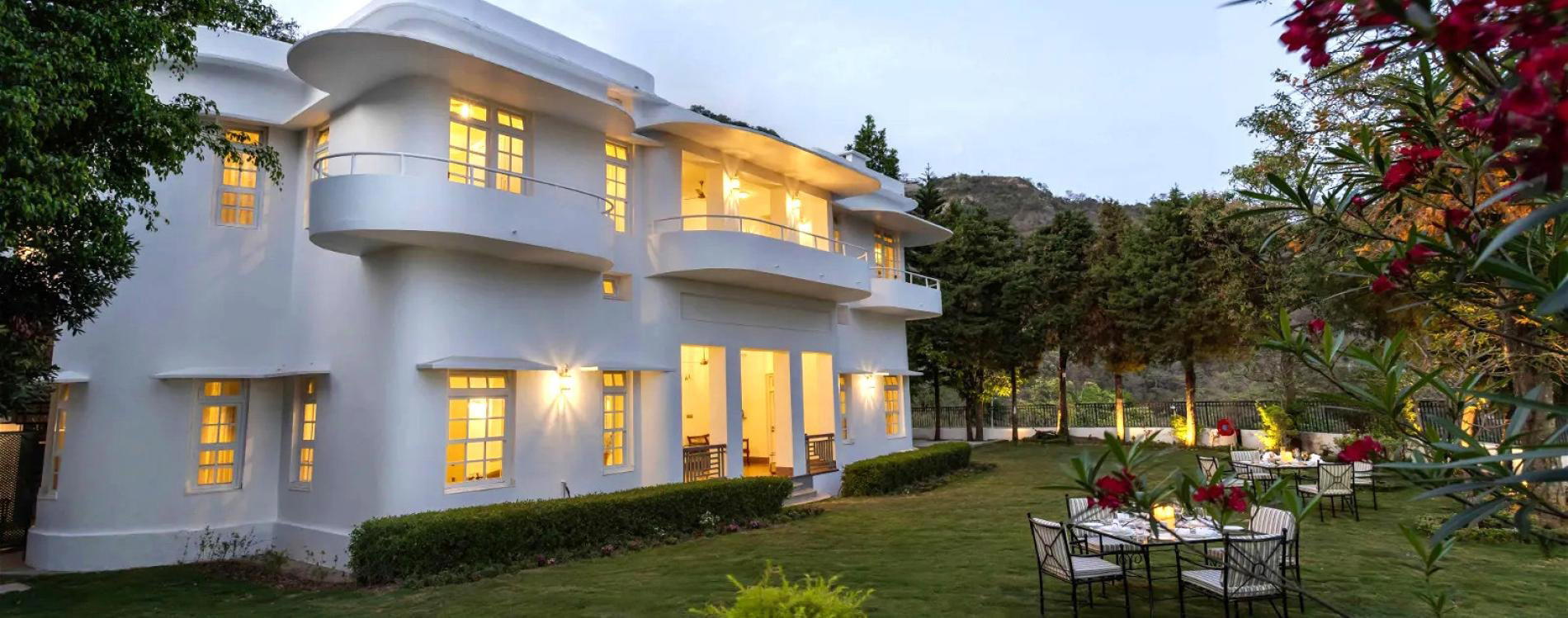
The Pavillion in Dehradun serves Indian, Continental, and Asian cuisine within a setting that reflects the city's position as a gateway to the Garhwal hills. The kitchen draws on clay-oven technique alongside a broader multi-cuisine format, placing it in the tier of Dehradun restaurants where range and execution are offered under one roof. A reference point for visitors seeking grounded, familiar cooking in a hill-station city context.
- Address
- Dehradun, India
- Directions
- Get directions
The menu
What to order
- Chicken tikka
- Paneer tikka
Dehradun's Multi-Cuisine Middle Ground
Dehradun occupies an interesting position in India's dining geography. It is neither a metropolis with a codified restaurant scene nor a remote hill station where options are purely incidental. The city sits at an altitude where weekend visitors from Delhi and Chandigarh arrive with expectations shaped by urban restaurants, while the resident population supports a more rooted, neighbourhood-focused food culture. The restaurants that hold ground across both audiences tend to be those offering range without sacrificing focus on at least one cooking tradition they do well. The Pavillion operates in that space, with a menu spanning Indian, Continental, and Asian categories.
In cities like Dehradun, the Indian section of a multi-cuisine menu often carries the most weight, and the tandoor is typically where that weight is earned or lost. The clay oven is one of the more demanding pieces of kitchen infrastructure in the subcontinent's cooking tradition. Temperatures inside a tandoor reach 480°C or higher, and the physics of radiant heat from the cylindrical clay walls, combined with convective heat from the charcoal or gas base, produce results that no grill or oven can replicate directly. Naan baked against the interior wall picks up char, blistering, and a smoky mineral quality from the clay itself. Tikka marinated in spiced yoghurt chars on the surface while the interior stays moist, a function of rapid, even heat from all sides. Getting this right requires consistent fire management and proper clay maintenance, and the quality of a restaurant's tandoor output is a reliable indicator of how seriously its kitchen takes the Indian portion of its offering. For a venue like The Pavillion, where the Indian section competes alongside Continental and Asian alternatives, the tandoor provides the clearest editorial signal of where kitchen priorities actually sit.
The Broader Dehradun Context
Dehradun's restaurant scene has developed around a handful of distinct demand patterns. The military cantonment history of the city, the presence of Doon School and other institutions, and the steady flow of pilgrims and trekkers heading toward Haridwar, Rishikesh, and the Char Dham circuit have all shaped what gets cooked and for whom. This produces a dining culture that is more cosmopolitan than the city's size might suggest, but one where formal fine-dining infrastructure remains limited compared to Delhi or even Chandigarh.
Restaurants in Dehradun that offer Indian alongside Continental and Asian menus are positioning themselves to capture that cosmopolitan demand without narrowing their audience. The risk in this format is diffusion, where the menu becomes too broad to execute anything with genuine depth. The venues that avoid this problem typically do so by maintaining one strong culinary anchor, most often the Indian section, and treating the other categories as capable secondary offerings rather than equals. Aanch, which focuses on North-West Frontier-inspired cooking, takes the opposite approach, concentrating its identity around a specific regional Indian tradition. Riviera Café blends global dishes with regional Uttarakhand specialties, threading local identity through a wider menu. The Pavillion sits in a third position, one more common in hotel-adjacent or all-day dining formats, where breadth is the offer and execution quality across categories determines the verdict.
Tandoor Technique and What It Signals
The tandoor's role in North Indian restaurant cooking is worth understanding in structural terms. In the culinary lineage that runs from the Mughal courts through the dhaba culture of Punjab and into the restaurant kitchens of Delhi and beyond, the clay oven was the central cooking technology for both bread and protein. Venues in Delhi like Dum Pukht built their reputations around slow-cooked dum technique, a different but related tradition of enclosed, sealed cooking that shares the same Mughal-era DNA. The ITC Maurya's Bukhara is another reference point in this lineage, built almost entirely around the tandoor and the frontier cooking tradition.
What separates competent tandoor cooking from careless execution is primarily fire discipline and timing. Chicken tikka placed in a poorly managed oven emerges either dry and overcooked or insufficiently charred; the window between the two outcomes is narrow. Garlic naan requires the dough to adhere properly to the clay wall and peel cleanly without tearing, a function of dough hydration, wall temperature, and practiced technique. These are repeatable craft skills, not art, and a restaurant's consistency with them over lunch and dinner service is the real test.
For visitors arriving from Delhi or Chandigarh who have reference points at venues like Bukhara or the tandoor sections of better-known hotel restaurants, Dehradun's offerings sit at a different price and scale point. That is not a criticism; it is a category reality. The city's restaurants, including The Pavillion, are not competing with Bukhara. They are serving a local and transient visitor audience in a hill-station context, where the value of solid, familiar Indian cooking is distinct from the value of a destination-dining experience. Comparable multi-cuisine formats in smaller hill-adjacent cities, such as Naar in Kasauli, often earn their standing by connecting their cooking to the specific ingredients and altitude conditions of the region rather than by replicating metropolitan formats.
Planning Your Visit
Dehradun is most comfortably visited between September and March, when the post-monsoon clarity makes the surrounding hills accessible and the temperature supports longer evenings. The summer months bring school-holiday crowds from the plains, which tends to increase waiting times at the city's more popular restaurants. Visitors arriving as part of a wider Uttarakhand itinerary often use Dehradun as an entry or exit point, making it a practical stop rather than a destination in itself. In that context, a restaurant covering Indian, Continental, and Asian options offers the kind of menu flexibility that suits mixed-group travel. For a fuller picture of where The Pavillion sits among Dehradun's options, our full Dehradun restaurants guide maps the city's range across categories and price points. Those building out a broader stay can also consult our Dehradun hotels guide, our bars guide, our wineries guide, and our experiences guide for a complete picture of the city.
For those extending their travel into other parts of India, the multi-cuisine format found at The Pavillion is a common template across the country's mid-tier restaurant market. Properties offering similar range in different registers include The Table in Mumbai, which operates at a higher price point with a more focused kitchen discipline, and Farmlore in Bangalore, which takes a produce-led approach to multi-influence cooking. For those interested in Asian cooking executed with more specialist depth, Baan Thai in Kolkata and Bomras in Anjuna represent what focused single-cuisine execution looks like at a different register. Indian palace-dining traditions with more ceremony are documented at Adaa at Falaknuma Palace in Hyderabad and Chandni in Udaipur. Continental formats at the sharper end of the spectrum can be found at da Susy in Gurugram. For international reference points on technical cooking, Le Bernardin in New York City and Atomix in New York City illustrate how focused cuisine identity builds reputation at the highest tier.
Frequently asked questions
Is The Pavillion child-friendly?
The Pavillion's multi-cuisine format spanning Indian, Continental and Asian dishes gives it a broad menu range that typically works well for families with varied preferences. Dehradun's dining culture skews inclusive rather than formally adult, and restaurants of this type in the city generally accommodate families. Confirm specific seating arrangements or high-chair availability directly with the venue before visiting.
What's the overall feel of The Pavillion?
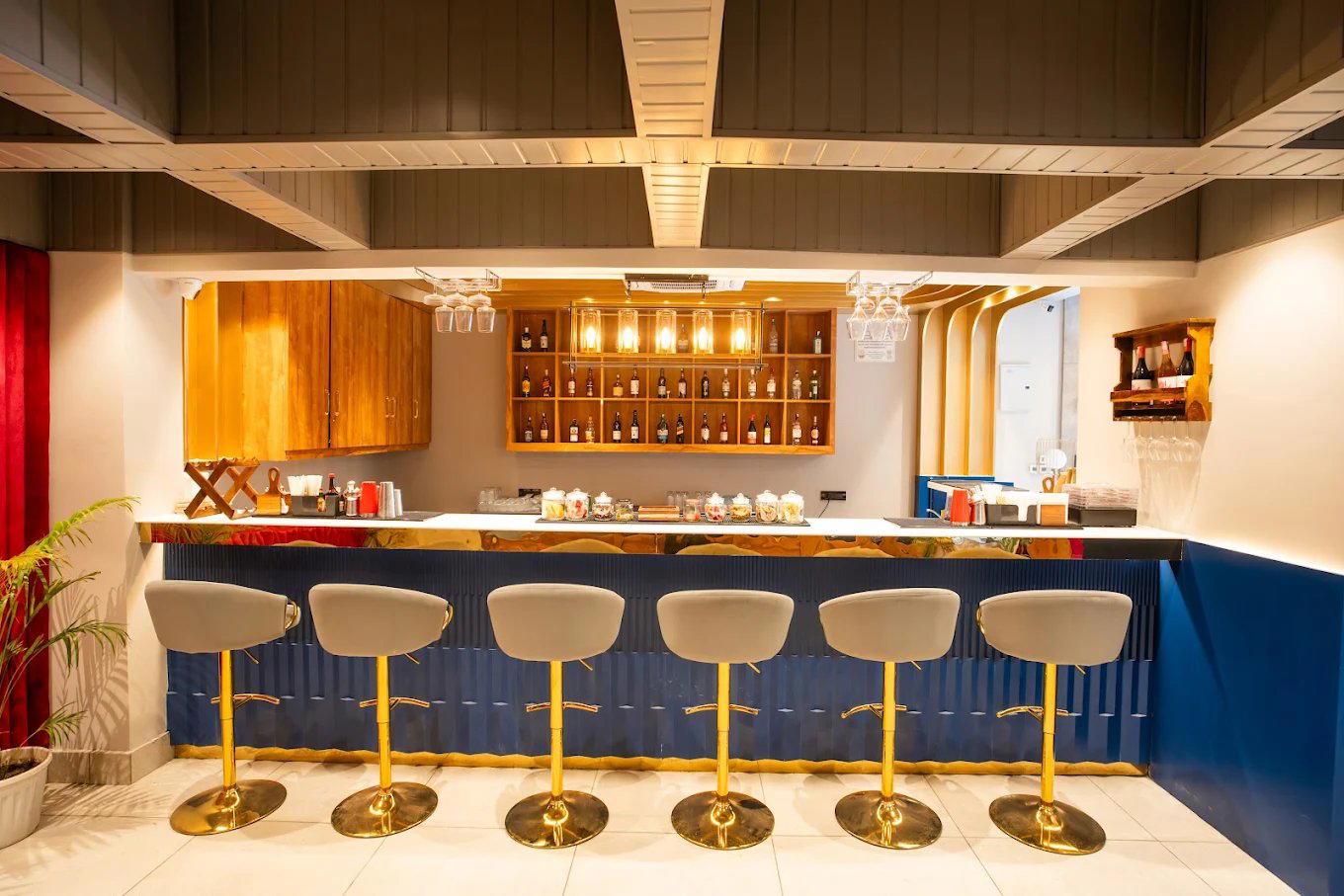
The Pavillion sits in Dehradun's middle tier: accessible enough for a midweek meal, composed enough for an occasion dinner. Its coverage of Indian, Continental and Asian cooking within a single menu signals a crowd-pleasing orientation rather than a specialist or chef-driven ethos. Think of it as a reliable anchor in a city whose restaurant scene is still consolidating around fixed identities.
Does The Pavillion in Dehradun suit visitors looking for variety across one sitting?
The Pavillion's three-cuisine scope — Indian, Continental and Asian — makes it one of the more range-covering options in Dehradun for groups where tastes diverge. That format is common in Uttarakhand's larger towns, where single-concept restaurants are still fewer in number than in metro cities. For travellers passing through Dehradun who want to cover multiple preferences without splitting across venues, this structure is directly relevant.
What should I order at The Pavillion?
With a menu spanning Indian, Continental and Asian categories, the practical approach is to anchor on North Indian cooking, where Dehradun kitchens tend to have the strongest supply lines and institutional knowledge. Tandoor-based dishes and dal preparations are consistent performers across this type of multi-cuisine format in the region. Specific dish recommendations require a current menu, which is best confirmed with the venue directly.
Budget Reality Check
| Venue | Cuisine | Awards |
|---|---|---|
| The PavillionThis venue — the venue you are viewing | Indian, Chinese & Continental | Not listed |
| Dum Pukht | Indian | World's 50 Best |
| Indian Accent | Indian | World's 50 Best |
| Bukhara | Modern Indian | Tabelog 100 #61 |
| Karavalli | Indian | Not listed |
| O Pedro | Goan | Not listed |
Continue exploring
More in Dehradun
Restaurants in Dehradun
Browse all →

Details
- Classic
- Family
- Casual Hangout
- Hotel Restaurant
- A La Carte
Classic dining atmosphere with friendly service.