Our verdict
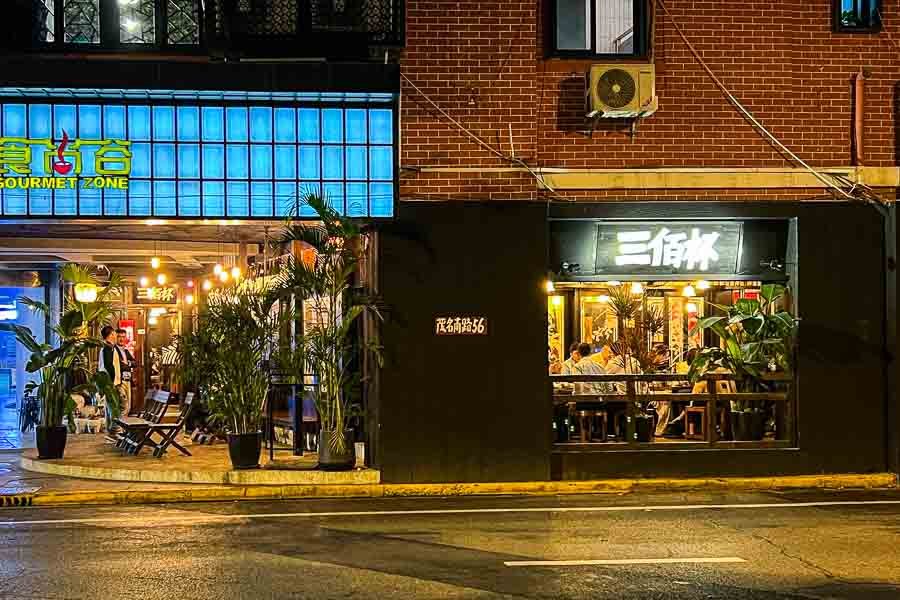
三佰杯 sits within Ningbo's evolving dining scene, where local culinary traditions meet contemporary expectations. The name, literally 'three hundred cups', signals a sensibility rooted in conviviality and duration rather than spectacle. For those tracing the city's food identity through its restaurant culture, it represents one address worth examining in the context of Zhejiang's broader gastronomic tradition.

Pearl is the En Primeur Club membership app, where members save venues, book tables and use the concierge.
The menu
What to order
- 虾油泡饭 (shrimp oil rice)
- 江蟹生 (raw crab)
- 油淋河虾 (oil-drizzled river shrimp)
- 红烧田鸡 (braised frog)
- 生腌虾 (raw marinated shrimp)
- 葱烧溏心膏白蟹 (scallion-roasted soft-shell crab)
Ningbo's Table: Where Zhejiang Tradition Shapes the Room
Ningbo occupies a particular position in China's eastern culinary geography. As the port city that once anchored trade routes between the Yangtze Delta and the wider world, it developed a cuisine that prizes freshness, restraint, and salt, the last a function of its deep history in seafood preservation. Today, the city's dining rooms tend to reflect that inheritance directly: less fiery than Sichuan, less theatrical than Cantonese, and more reliant on product quality than elaborate technique. 三佰杯 (Sān Bǎi Bēi, literally 'three hundred cups') reads immediately within that register. The name invokes the classical Chinese ideal of a long table, many rounds of drink, and food that earns its place across the full arc of a meal.
That framing matters for understanding how to approach the venue. In cities where prestige restaurants increasingly adopt the tasting-menu format, a fixed sequence designed to conclude within two hours, Ningbo's more traditional dining houses push toward something different: a table culture where courses arrive according to conversation, where the meal expands rather than contracts, and where ordering is itself a form of participation. 三佰杯's name positions it within that longer, more generous tradition.
Menu Architecture and What It Reveals
The editorial angle that most illuminates a restaurant in this category is not the chef biography or the ingredient sourcing, but the structure of the menu itself. In traditional Zhejiang dining, menus tend to be organized less by progression (amuse to pre-dessert) and more by product category and cooking method: cold plates first, then braised and steamed dishes, then wok-fired proteins, then soup, then staples. This sequence encodes a specific philosophy about digestion, sociability, and hospitality that predates Western tasting-menu logic by centuries.
Ningbo specifically adds a seafood weighting that distinguishes it from inland Zhejiang cities like Hangzhou. Yellow croaker, mantis shrimp, blood clams, and razor clams appear with the kind of frequency that signals proximity to Zhoushan, one of China's largest fishing archipelagos, less than an hour from the city by water. A menu reading in this format tells you immediately whether a kitchen is working with that supply chain or relying on more generic inland sourcing. The distinction is significant: Zhoushan-sourced seafood during peak season carries a freshness standard that changes what steaming and minimal seasoning can achieve.
What the name and positioning do indicate is an orientation toward communal, multi-course ordering rather than a prix-fixe format, placing it in the same broad category as Ningbo's more traditional seafood houses rather than among the city's newer fine-dining addresses. Visitors accustomed to structured tasting experiences at venues like Chef Tam's Seasons in Macau or Atomix in New York City will find the ordering logic here functions differently, less selected by the kitchen, more negotiated across the table.
Placing 三佰杯 in Ningbo's Dining Scene
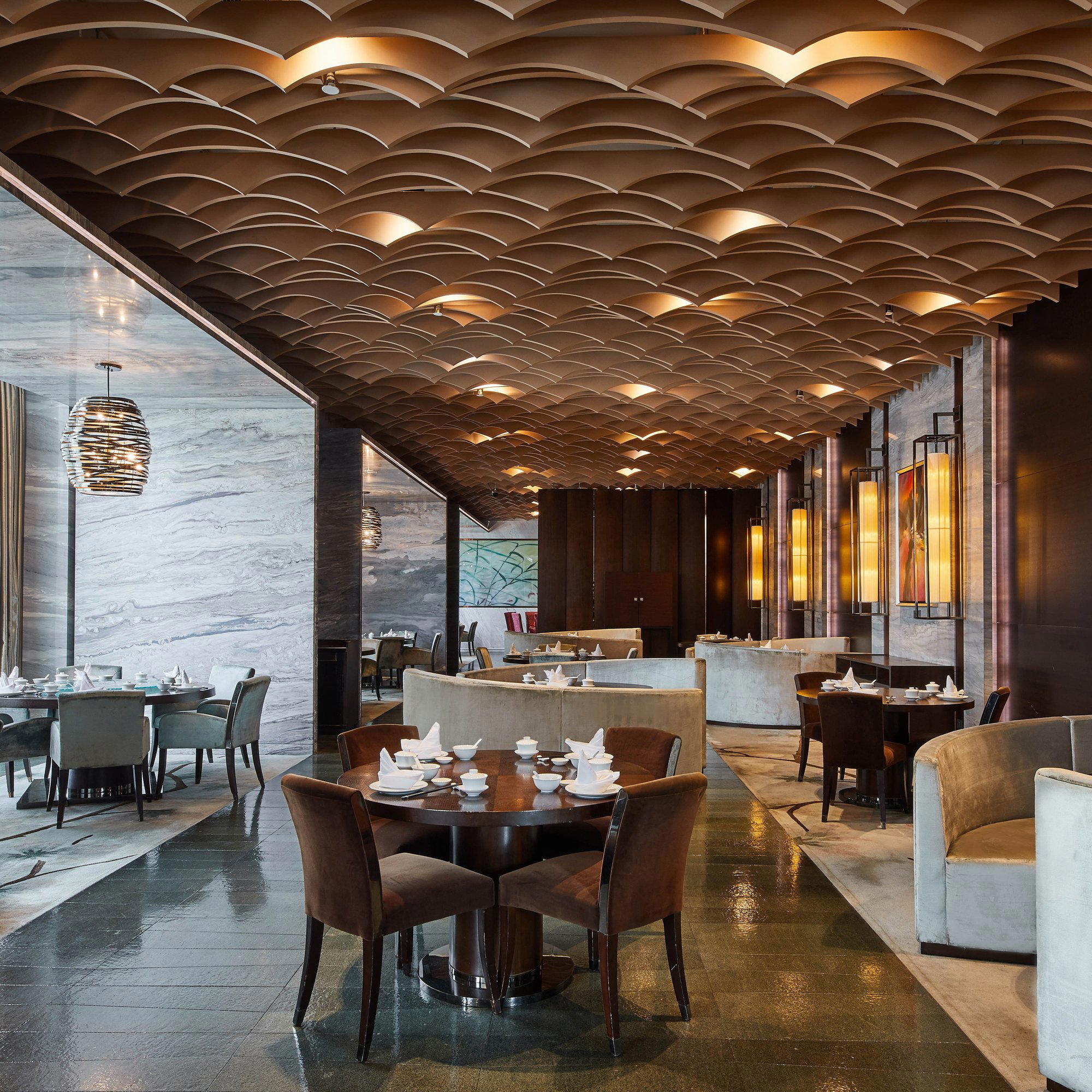
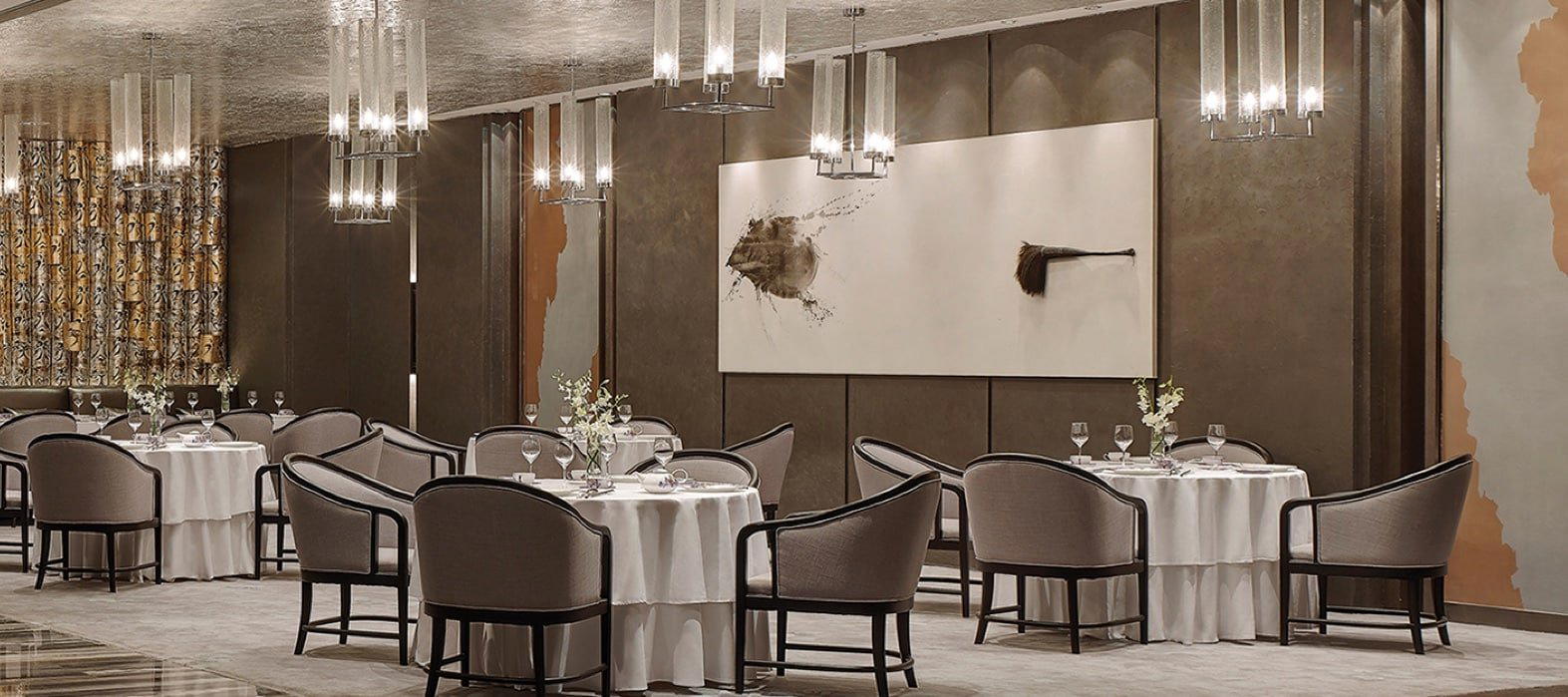
Ningbo's restaurant landscape has diversified considerably over the past decade. At one end, hotel dining rooms and Cantonese-influenced fine dining venues have established a formal tier. MING COURT and Dining Room (悦轩) represent that more structured, service-intensive bracket. At the other end, seafood-focused houses like HAI WEI SHI JIA RESTAURANT anchor the city's identity in its fishing-port heritage. Between those poles sits a range of mid-tier addresses where the cooking is local, the format is relaxed, and the emphasis falls on produce and volume rather than presentation and sequence.
三佰杯 occupies a space in that middle ground, or at least the name and positioning suggest as much. For comparison, consider how Ning bo meiyan approaches Ningbo cuisine through a different lens, and how Chen House·Champion Tower tilts toward a more contemporary presentation. Reading these venues against each other maps the city's dining character more accurately than any single address could on its own. Our full Ningbo restaurants guide covers the range in detail.
For readers triangulating across the Yangtze Delta region, comparable exercises in local Zhejiang cuisine appear at Ru Yuan in Hangzhou and, further afield, at Xin Rong Ji (Xinyuan South Road) in Beijing and Xin Rong Ji in Chengdu, both of which export Zhejiang cooking to other major cities. The contrast between eating Ningbo cuisine in Ningbo and encountering it through a polished transplant format elsewhere sharpens the argument for seeking out local addresses even when they carry fewer formal credentials.
Further context across eastern Chinese fine dining can be drawn from 102 House in Shanghai, Imperial Treasure Fine Chinese Cuisine in Guangzhou, Dai Yuet Heen in Nanjing, Dingshan·Jiangyan (Xiangcheng) in Suzhou, Fleurs Et Festin in Xiamen, and Jiangnan Wok·Rong in Fuzhou. Mapped together, these addresses show how each coastal city in the region has developed a distinct fine-dining identity above its street-food baseline, and how Ningbo's version remains more tightly anchored to its seafood supply chain than most.
Planning a Visit
Visitors planning a meal in Ningbo should verify current operating conditions directly. The address is in Zhejiang province, and the restaurant sits within the broader city; exact navigation will depend on local transport. As a general rule for traditional Chinese dining houses of this type, lunch service tends to be more relaxed than dinner, and peak weekend slots at well-regarded local addresses fill quickly without reservation.
For visitors accustomed to the formal booking infrastructure of venues like Le Bernardin in New York City, the reservation process for traditional Chinese dining houses can differ substantially: phone and walk-in remain common methods at many non-hotel restaurants across Ningbo, even at addresses that attract consistent local patronage.
Frequently asked questions
Is 三佰杯 good for families?
Ningbo's dining culture leans toward communal, shared-table formats rooted in Zhejiang tradition, which tends to suit family groups well. The address places it within Ningbo proper, so accessibility from central areas is not an issue.
How would you describe the vibe at 三佰杯?
The name 三佰杯, roughly 'three hundred cups', signals something about the register: convivial, drink-friendly, oriented toward extended meals rather than quick covers. Ningbo's mid-tier dining scene tends to favour relaxed, neighbourhood-rooted rooms over formal fine dining.
What kind of dining experience does 三佰杯 represent within Ningbo's Zhejiang food tradition?
三佰杯 sits within Ningbo's local restaurant tier rather than the hotel fine-dining or Cantonese-influenced rooms that have expanded in the city over the past decade. The name's reference to drinking and gathering points toward the Zhejiang communal dining model, where rice wine and shared plates define the pacing. Ningbo's port-city history gives its culinary identity a distinct character within the broader Zhejiang canon, emphasising preserved and brined seafood alongside freshwater preparations.
What should I eat at 三佰杯?
Ningbo's table is shaped by its coastal position and Zhejiang tradition: salted seafood, river fish preparations, and fermented or preserved ingredients feature heavily across the city's established restaurants.
Where exactly is 三佰杯?
三佰杯 is located at 宁波, 浙江, Ningbo.
What's the best way to book 三佰杯?
For restaurants in Ningbo without an English-language online presence, the most reliable route is through a local hotel concierge or a Chinese-language platform such as Dianping, where many Zhejiang city venues maintain active listings.
Standing Among Peers
| Venue | Cuisine | Price | Awards |
|---|---|---|---|
| 三佰杯This venue (the venue you are viewing) | Ningbo Seafood Izakaya | $30–50 | Not listed |
| 钱湖渔港 Qianhu Yugang at Park Hyatt | Modern Zhejiang Seafood | Not listed | La Liste Top Restaurants |
| Chen House·Champion Tower | Cantonese and Jiangzhe Fine Dining | Not listed | Black Pearl 1 Diamond |
| HAI WEI SHI JIA RESTAURANT | Traditional Ningbo Seafood | $100–150 | Black Pearl 1 Diamond |
| MING COURT | Innovative Cantonese | $50–100 | Black Pearl 1 Diamond |
| Ning bo meiyan | Contemporary Lakeside Chinese | Not listed | Black Pearl 1 Diamond |
Continue exploring
More in Ningbo
Restaurants in Ningbo
All restaurants in Ningbo →
Hotels in Ningbo
All hotels in Ningbo →
Details
- Lively
- Rustic
- Energetic
- Trendy
- Casual Hangout
- Group Dining
- After Work
- Late Night
- Open Kitchen
- Beer Program
- Local Sourcing
- Sustainable Seafood
- A La Carte
- Small Plates
- Family Style
- Beer
- Baijiu
- Rice Wine
Casual, bustling tavern-like setting with a relaxed, smoky atmosphere reminiscent of a traditional Chinese night market or izakaya. Dimly lit with an emphasis on social energy and informal dining; described as having strong 'street food' and '江湖烟火' (street-level vibrancy) character.