Our verdict
Serene Hill sits within Ningbo's quieter tier of dining addresses, where the city's Zhejiang culinary tradition, built on fresh coastal produce and restrained preparation, takes precedence over spectacle. The setting rewards those arriving with time rather than a schedule. For visitors mapping the broader Ningbo table, it represents one reference point in a city whose food identity remains shaped by proximity to the East China Sea.

Pearl is the En Primeur Club membership app, where members save venues, book tables and use the concierge.

Approach and Setting
Ningbo's dining culture tends toward restraint. Unlike the louder commercial districts of Shanghai or the tourist-facing lanes of Hangzhou, the city's better tables operate with a low profile that requires some orientation to find. The physical approach to Serene Hill, the name itself signals a preference for atmosphere over address, fits that pattern. Arriving here, you enter a city that has spent centuries refining a cuisine shaped by tidal rhythms and mountain proximity rather than by imperial court fashion or international visibility.
That context matters before the food arrives. Zhejiang cuisine, the broader category that defines Ningbo's table, built its identity on ingredients close to their source: salted fish from Shuangyu, freshwater crab from Yong River tributaries, bamboo shoots from the Siming foothills. The leading addresses in this city tend to work within that framework rather than depart from it. Serene Hill's name and positioning suggest a similar alignment with the quieter, ingredient-led tier of Ningbo dining.
Ningbo's Ingredient Logic
To understand what defines a serious Ningbo restaurant, you need to understand the sourcing geography. The city sits between the East China Sea coast and the Zhejiang inland, giving its cuisine access to two distinct supply chains. Coastal kitchens pull from the fishing fleets that have worked the waters off Zhoushan Archipelago for generations, one of China's most productive fishing zones. Inland kitchens, and those that bridge both, integrate dried goods, fermented sauces, and preserved vegetables that are central to the flavour architecture of classical Zhejiang cooking.
This dual sourcing tradition separates Ningbo's cuisine from Shanghainese cooking (which often leans toward sweetness and richness) and from Cantonese cuisine (which privileges freshness and light seasoning above all else). Ningbo's approach tolerates, in fact, celebrates, the umami depth that comes from fermentation and drying. Ningbo salted crab (醉蟹) and stinky tofu (臭豆腐) are not acquired tastes for local diners; they are reference points for kitchen skill. A kitchen that handles these ingredients with confidence signals fluency in the tradition.
For comparison, consider how Zhejiang's coastal ingredient logic plays out across the region's premium dining tier. Addresses like Ru Yuan in Hangzhou and Xin Rong Ji in Chengdu have each drawn on provincial sourcing networks while serving markets with different expectations. The principle, quality of raw material as the primary editorial statement of the menu, remains consistent across the tier.
Positioning Within Ningbo's Restaurant Set
Ningbo's formal dining scene occupies a smaller footprint than its economic weight might suggest. The city's port-linked economy generates significant spending capacity, but much of the serious restaurant culture operates below the visibility threshold of international food media. Addresses like Chen House at Champion Tower, Dining Room (悦轩), HAI WEI SHI JIA RESTAURANT, MING COURT, and Ning bo meiyan together form the visible layer of the city's premium dining, but there is a second tier of quieter addresses that serve local clientele with less marketing surface area.
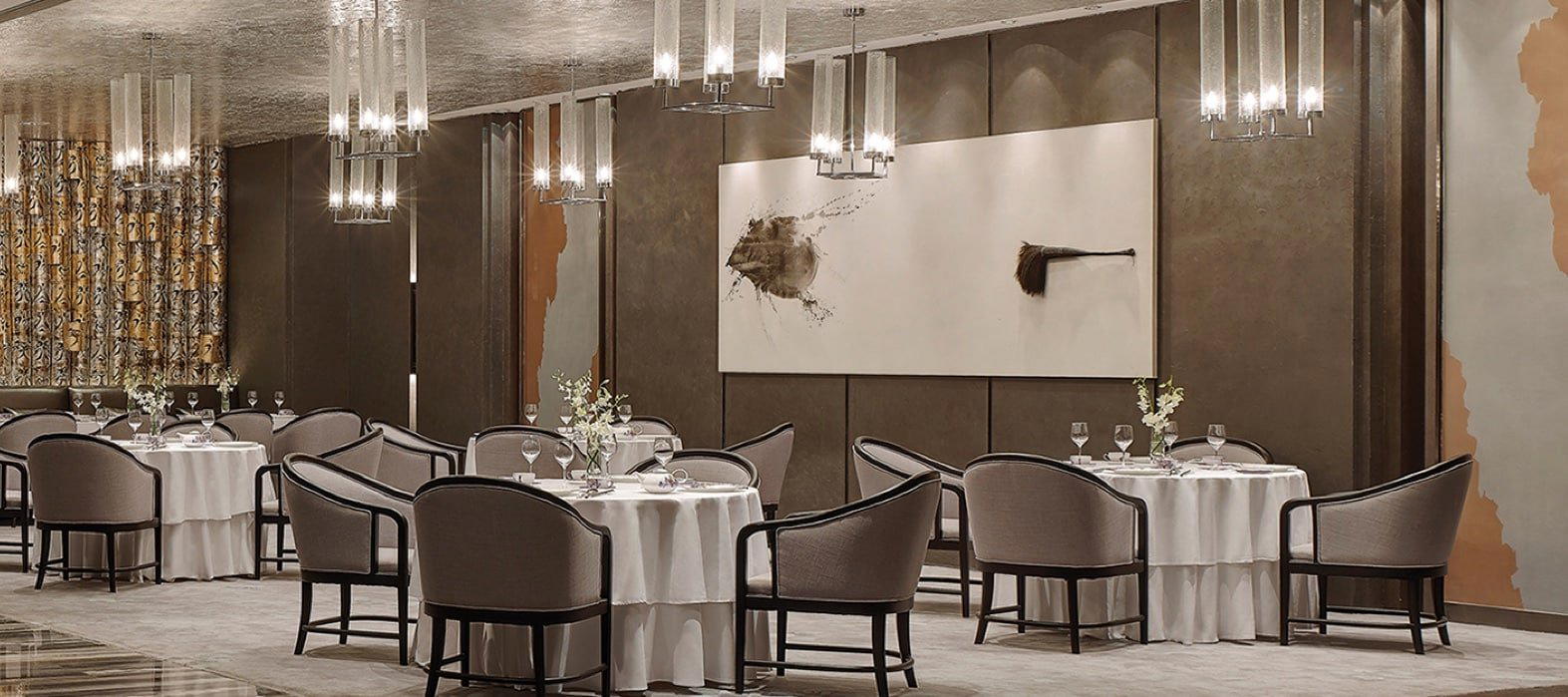
Serene Hill reads as part of that second tier. The name suggests a positioning away from the business-banquet circuit and toward something more considered. In a city where the most important meals are often eaten by people who already know the address, operating without a prominent public profile is not a disadvantage, it is often a signal of a kitchen with enough repeat business to avoid the noise.
Across coastal Chinese dining more broadly, this pattern recurs. Kitchens that prioritise sourcing over presentation tend to build quieter reputations. For reference, Xin Rong Ji on Xinyuan South Road in Beijing built its following on exactly this logic, Zhejiang ingredients and classical technique delivered without theatrical framing. The comparison is instructive: that kitchen's credibility rests on sourcing discipline, not on design investment or media coverage.
Regional Context and Peer Comparisons
For visitors arriving in Ningbo from other major Chinese dining cities, the adjustment is largely one of register. Shanghai's leading tables, including addresses like 102 House in Shanghai, operate with a level of international-facing polish that Ningbo's better kitchens rarely match or pursue. The trade-off is directness: Ningbo cooking at its finest is less concerned with the architecture of the dining experience and more concerned with the quality of what's on the plate.
That comparison extends beyond mainland China. The classical Chinese fine dining circuits that include Chef Tam's Seasons in Macau and Imperial Treasure Fine Chinese Cuisine in Guangzhou represent a different endpoint, kitchens where the formality of service and the coherence of the dining format are themselves part of the offering. Serene Hill, based on its positioning and location, sits closer to the local institution model than to that international-circuit tier. Both approaches are valid; they are answers to different questions.
For broader East China dining context across Zhejiang, Dingshan·Jiangyan in Suzhou and Dai Yuet Heen in Nanjing offer reference points for how the region's premium Chinese dining has evolved. Fleurs Et Festin in Xiamen and Jiangnan Wok·Rong in Fuzhou extend that map further down the coast, each reflecting a local ingredient logic that parallels Ningbo's own approach. For international fine dining comparisons on sourcing discipline, Le Bernardin in New York City and Atomix in New York City represent kitchens where sourcing precision is the stated editorial position, a comparison that holds across culinary traditions even when the food itself diverges entirely. Our full Ningbo restaurants guide covers the wider spread of addresses worth considering.
Planning Your Visit
Ningbo is accessible from Shanghai by high-speed rail in under two hours, which means it sits comfortably within a day-trip radius for visitors based in Shanghai, though an overnight stay allows for the slower pace that the city's dining culture rewards. The address falls within the Zhejiang province administrative boundary, and the surrounding neighbourhood context suggests a setting that favours quieter evenings over midday service.
Frequently asked questions
Is Serene Hill child-friendly?
Ningbo's formal dining culture generally favours a quieter, adult-oriented register, and Serene Hill sits within that tradition. Families with older children who are comfortable at a considered dining pace should have no difficulty, but it is worth contacting the venue directly before arriving with young children. The address is in Ningbo, Zhejiang, and local custom tends toward unhurried, multi-course meals.
Is Serene Hill formal or casual?
Serene Hill operates within Ningbo's restrained dining culture, which leans toward composed, unhurried meals rather than the louder commercial energy found in Shanghai or Hangzhou. The venue's positioning in Zhejiang's formal restaurant set suggests a measured, considered atmosphere. Arriving dressed neatly rather than in resort wear aligns with the local dining register.
How does Serene Hill fit into Ningbo's dining scene compared to restaurants in nearby Shanghai?
Ningbo's formal dining scene operates on a different scale and register than Shanghai's, where multiple Michelin-recognised addresses compete for the same visitors. Serene Hill is part of a smaller, more locally rooted restaurant set in Zhejiang, where the focus tends toward regional ingredient integrity rather than international profile. For visitors arriving by high-speed rail from Shanghai, a journey of under two hours, the shift in tone is the point: Ningbo rewards attention to local specificity over spectacle.
What should I order at Serene Hill?
Ningbo's sourcing geography, bounded by the East China Sea coast and the freshwater networks of the Yong River basin, frames what serious restaurants in the city do well: seafood, river fish, and produce shaped by that coastal-to-inland range. Without a published menu on record, the most reliable approach is to ask staff what is freshest on the day of your visit, as Ningbo kitchens at this level typically follow seasonal availability closely.
Where exactly is Serene Hill?
Serene Hill is located at 宁波, 浙江, Ningbo.
Do I need a reservation for Serene Hill?
Within Ningbo's formal dining set, tables at considered restaurants are not always plentiful, and walk-in availability can be unpredictable, particularly on weekends.
Comparison Snapshot
| Venue | Cuisine | Price | Awards |
|---|---|---|---|
| Serene HillThis venue (the venue you are viewing) | Chinese Fine Dining | Not listed | Not listed |
| 钱湖渔港 Qianhu Yugang at Park Hyatt | Modern Zhejiang Seafood | Not listed | La Liste Top Restaurants |
| Chen House·Champion Tower | Cantonese and Jiangzhe Fine Dining | Not listed | Black Pearl 1 Diamond |
| HAI WEI SHI JIA RESTAURANT | Traditional Ningbo Seafood | $100–150 | Black Pearl 1 Diamond |
| MING COURT | Innovative Cantonese | $50–100 | Black Pearl 1 Diamond |
| Ning bo meiyan | Contemporary Lakeside Chinese | Not listed | Black Pearl 1 Diamond |
Continue exploring
More in Ningbo
Restaurants in Ningbo
All restaurants in Ningbo →
Hotels in Ningbo
All hotels in Ningbo →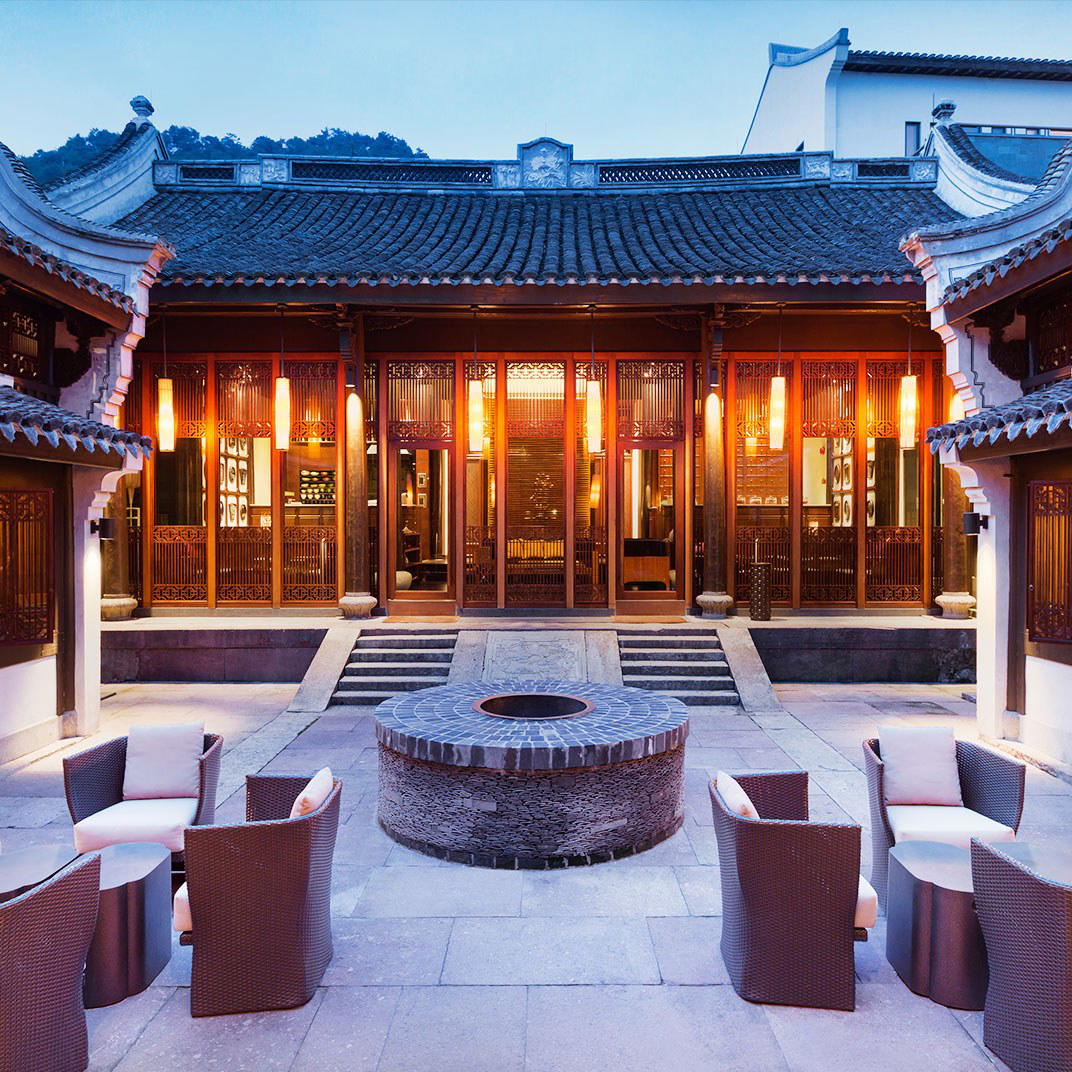
Details
- Quiet
- Standalone
- Local Sourcing
Quiet and unhurried, with a restrained atmosphere that rewards lingering rather than a rushed visit.