A la Turka
Our verdict
A la Turka on the Upper East Side brings Turkish cooking to one of New York's more understated dining corridors, where Second Avenue's residential pace sets a different register than the city's high-profile restaurant rows. The kitchen draws on the intersection of Ottoman culinary tradition and the technical habits of a city that has produced serious interpretations of nearly every global cuisine. For readers exploring New York's broader dining range, it sits in a distinct category from the trophy-counter tier.

Pearl is the En Primeur Club membership app — saves, bookings, and concierge access live there. Same editors, same standards.
Second Avenue's Quieter Register
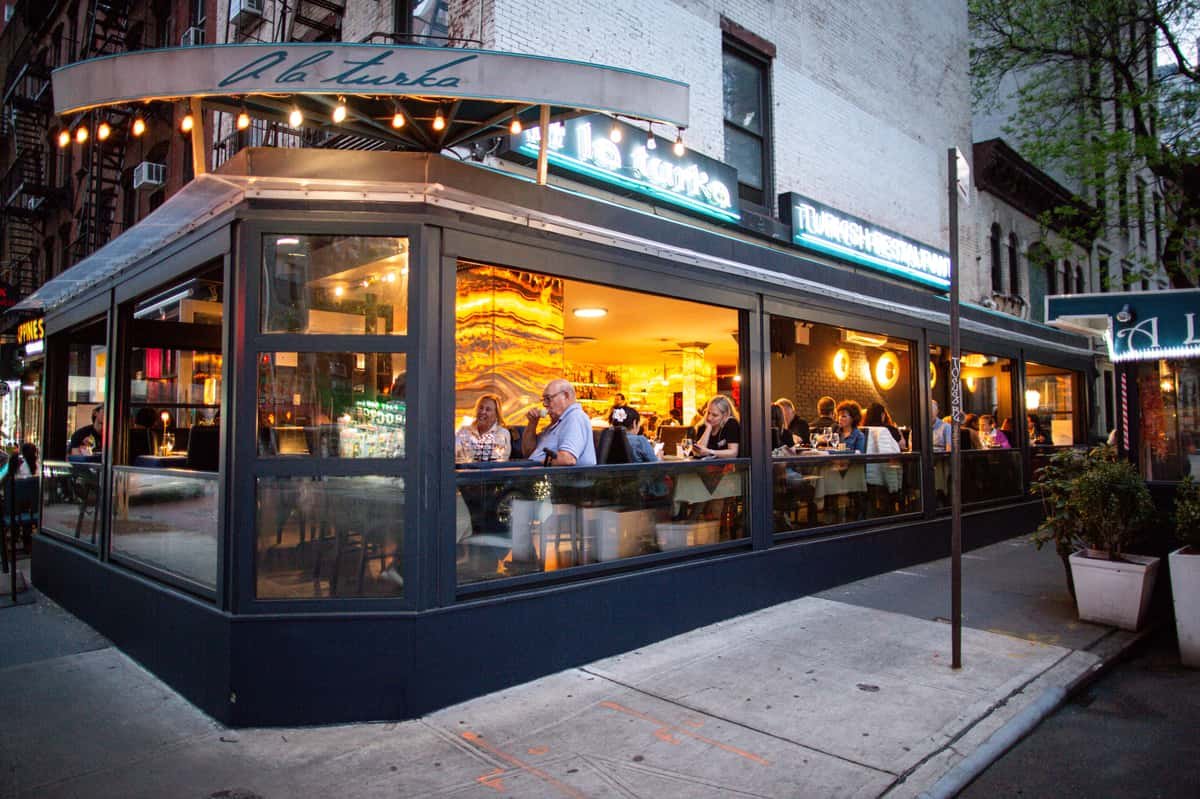
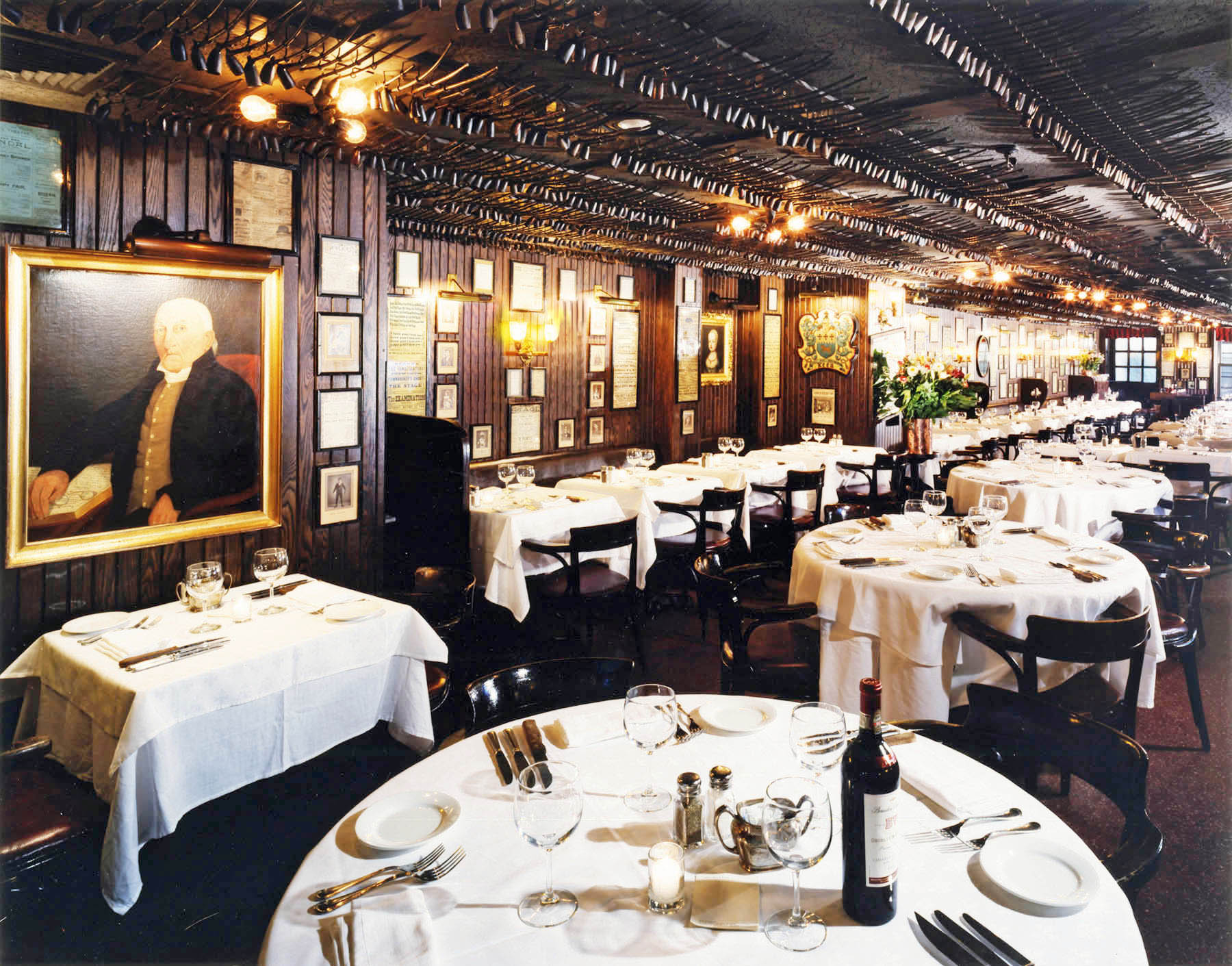
Upper East Side dining runs on a different rhythm than the tasting-menu circuits of Midtown or the chef-driven rooms of the West Village. On Second Avenue near 74th Street, the density of long-running neighborhood restaurants tells you something about what the area rewards: consistency over spectacle, familiarity over surprise. A la Turka operates in that current, occupying the kind of address where regulars arrive without reservations and the room absorbs them without ceremony. The physical environment reads as warmly textured rather than designed for Instagram, with the kind of interior that signals the kitchen, not the decor, is the point.
That neighborhood dynamic matters for understanding what A la Turka is. New York's Upper East Side has a history of sustaining cuisines that the more trend-conscious downtown corridors overlook. Turkish cooking fits that pattern. While the city's restaurant press cycles through Korean tasting menus like Atomix and Jungsik New York, or debates the latest Japanese omakase at Masa, Turkish cuisine holds a quieter but durable position in the city's eating life, sustained by a diaspora community and a dedicated non-Turkish audience that values it for reasons having little to do with hype cycles.
Ottoman Technique in a New York Kitchen
The editorial angle worth pursuing with Turkish cooking in New York is the intersection of methodology and place. Ottoman culinary tradition is technically layered: slow-cooked meats, laminated pastry, the careful management of charcoal heat, spice combinations that run from Anatolian to Levantine to Balkan in their references. These are not simple techniques, and a kitchen applying them seriously in a city with access to northeastern American produce, Hudson Valley farms, and imported pantry goods from Turkish suppliers is working at a productive intersection of imported methods and local material.
This is the frame that applies across serious ethnic restaurants in New York, from the French seafood rigor at Le Bernardin to the California-produce obsession at The French Laundry in Napa, or the farm-sourcing discipline at Blue Hill at Stone Barns in Tarrytown. The leading versions of any cuisine in American cities tend to result from kitchens that bring their home tradition's technique and vocabulary to what American suppliers actually produce well. Turkish cooking has a natural affinity with American lamb, with eggplant from regional growers, with flatbread traditions that translate to locally milled flour.
At A la Turka, the address at 1417 Second Avenue places it inside a residential neighborhood rather than a destination dining corridor, which shapes the version of Turkish cooking on offer. Restaurants in this position typically maintain menus that cover the Ottoman canon broadly rather than specializing narrowly, making them more useful as an introduction to the cuisine's range than as a study in one regional sub-style. Expect the meze tradition to be represented alongside grilled meats, with the kitchen managing the full sweep of savory and sweet that defines Turkish hospitality eating.
Where Turkish Dining Sits in New York's Market
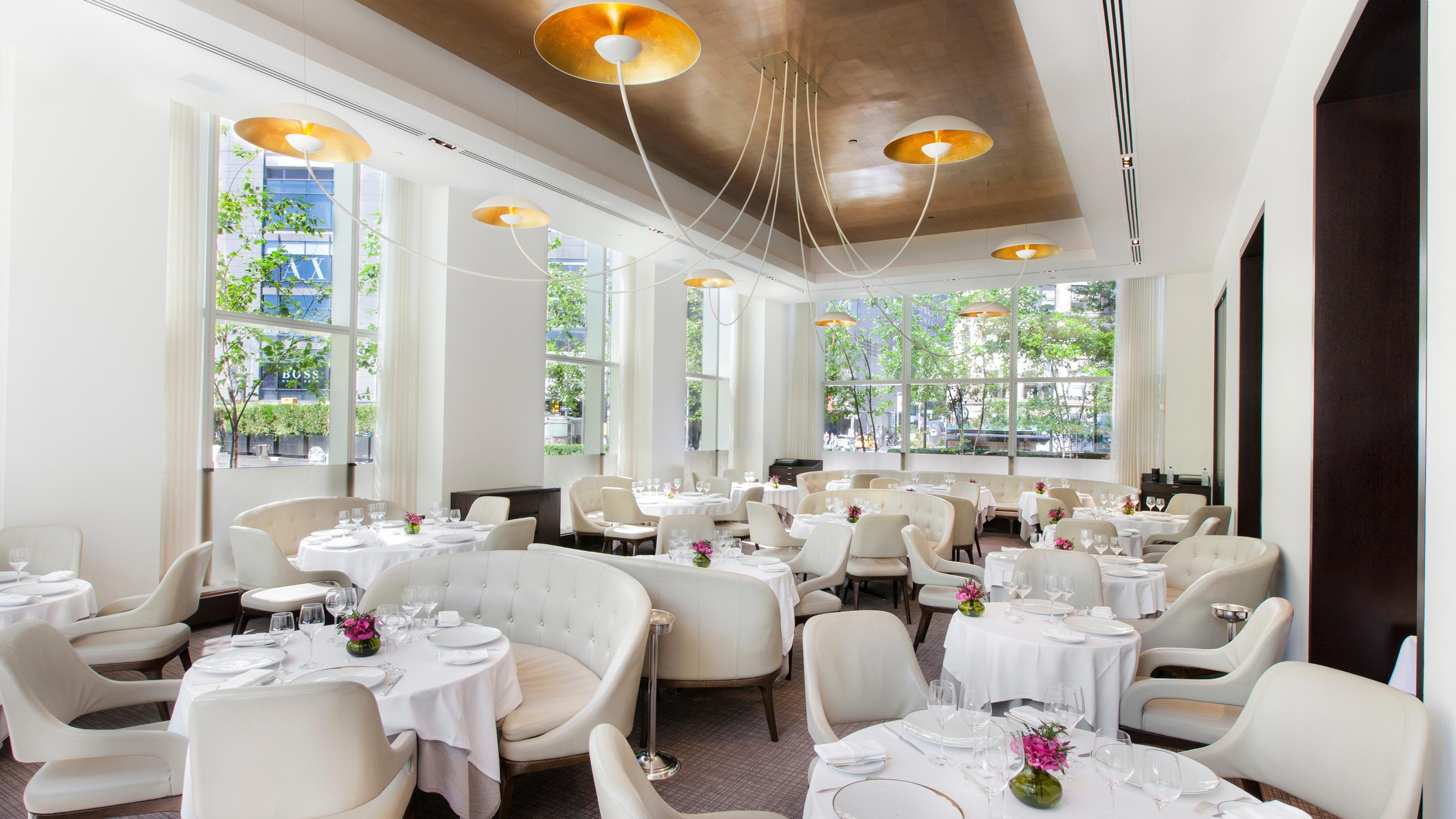
New York's restaurant market has always stratified sharply by cuisine category. The top tier commands prices comparable to any city in the world, with tasting menus at Per Se sitting at a level that aligns them with rooms like Alain Ducasse at Louis XV in Monte Carlo. Turkish cooking in New York operates well below that tier, not because of quality limitations but because the cuisine's format and the audience it attracts have not yet pushed into the prix-fixe tasting-menu bracket that drives headline pricing. That creates a value asymmetry worth noting: the technical labor embedded in properly executed Turkish meze, slow-roasted lamb, and hand-formed pastry is substantial, and the price points in this segment of the market do not fully reflect it.
For comparison, consider how American regional restaurants in other cities have positioned themselves. Emeril's in New Orleans, Bacchanalia in Atlanta, and Lazy Bear in San Francisco all anchor their pricing to local culinary identity and a defined format. Turkish restaurants in New York have not made that same move toward format-driven pricing, which means the category remains accessible in a city where accessible and serious are not always the same thing.
A la Turka fits inside that accessible-serious bracket on the Upper East Side. It is not competing with the technical elaboration of Alinea in Chicago or the produce-sourcing rigor of Single Thread Farm in Healdsburg. Its competitive set is the small cohort of New York Turkish restaurants that have maintained consistent quality over years of operation in neighborhoods where the local audience knows the difference.
The Meze Logic
Turkish dining structure differs from Western European service conventions in ways that matter for how you approach the meal. The meze spread is not an appetizer course in the French sense; it is a parallel event, meant to be eaten slowly with raki or wine while the main kitchen prepares the heavier dishes. Cold meze, warm meze, and salads function as a meal within a meal, and a table that orders well across those categories often discovers the meze were the most technically precise element of the evening. The cold preparations in particular, including dishes built on yogurt, eggplant, legumes, and fresh herbs, tend to reveal a kitchen's command of seasoning and texture with less room to hide than a grilled dish allows.
This structural logic applies across Turkish restaurants from Istanbul to New York. Readers familiar with Lebanese or Greek mezze formats will recognize the rhythm, though the specific vocabulary differs: Turkish cold preparations draw on a distinct spice palette and fat tradition, with olive oil used more assertively in western Turkish cooking and butter and rendered fat appearing in Anatolian preparations. A kitchen serving a broad Ottoman menu in New York is, by definition, navigating multiple regional sub-traditions simultaneously, which makes the cold meze spread a useful early indicator of how seriously the kitchen treats its source material.
Planning Your Visit
Know Before You Go
- Address: 1417 Second Avenue, New York, NY 10021
- Neighborhood: Upper East Side, between 73rd and 74th Streets
- For wider context: See our full New York City restaurants guide for how A la Turka fits into the city's broader dining range
Frequently asked questions
What should I expect atmosphere-wise at A la Turka?
A la Turka sits on Second Avenue in the low-to-mid 70s, a stretch of the Upper East Side that draws residents rather than tourist foot traffic. That address shapes the room: the pace is quieter than Midtown, the crowd more local, and the register closer to a neighborhood dining room than a destination stage. It is the kind of setting where the meal takes precedence over the scene.
How do I find A la Turka?
A la Turka is located at 1417 2nd Ave, New York, NY 10021.
Is A la Turka a practical introduction to Turkish cuisine for New York diners unfamiliar with Ottoman dining conventions?
A neighborhood Turkish restaurant on Second Avenue, built around a meze-forward structure and grilled mains, is one of the more accessible formats for first-time encounters with Ottoman cooking in New York City. The meze logic, where multiple small dishes precede a main rather than arriving as mere starters, is worth understanding before you sit down. Ordering a spread across cold and hot meze, then moving to a grilled preparation, mirrors how the meal is designed to be eaten.
How A la Turka NYC compares with similar nearby venues.
| Venue | Cuisine | Price | Awards |
|---|---|---|---|
| A la TurkaThis venue — the venue you are viewing | Turkish Kebabs & Seafood | $30–50 | Not listed |
| Up Thai | Elevated Thai Street Food | $30–50 | Not listed |
| THEP Thai Restaurant | Northern Thai | $30–50 | Not listed |
| B. Cafe | Belgian Bistro | Not listed | Not listed |
| J.G. Melon | Classic American Burgers | $20–30 | Michelin Plate |
| Persepolis | Persian | $30–50 | Michelin Plate |
Continue exploring
More in New York City
Restaurants in New York City
All restaurants in New York City →
Bars in New York City
All bars in New York City →
Details
- Lively
- Cozy
- Group Dining
- Family
- Casual Hangout
- Live Music
- A La Carte
- Vegetarian Friendly
- Vegan Options
- Gluten Free Options
Current opening hours
- Monday
- 11:15 AM–10:45 PM
- Tuesday
- 11:15 AM–10:45 PM
- Wednesday
- 11:15 AM–10:45 PM
- Thursday
- 11:15 AM–10:45 PM
- Friday
- 11:15 AM–10:45 PM
- Saturday
- 11:15 AM–10:45 PM
- Sunday
- 11:15 AM–10:45 PM
Hours can change for holidays and private events. Last verified .
Lively and cozy with an authentic Bosphorus vibe, featuring family recipes and energetic dining.