Our verdict
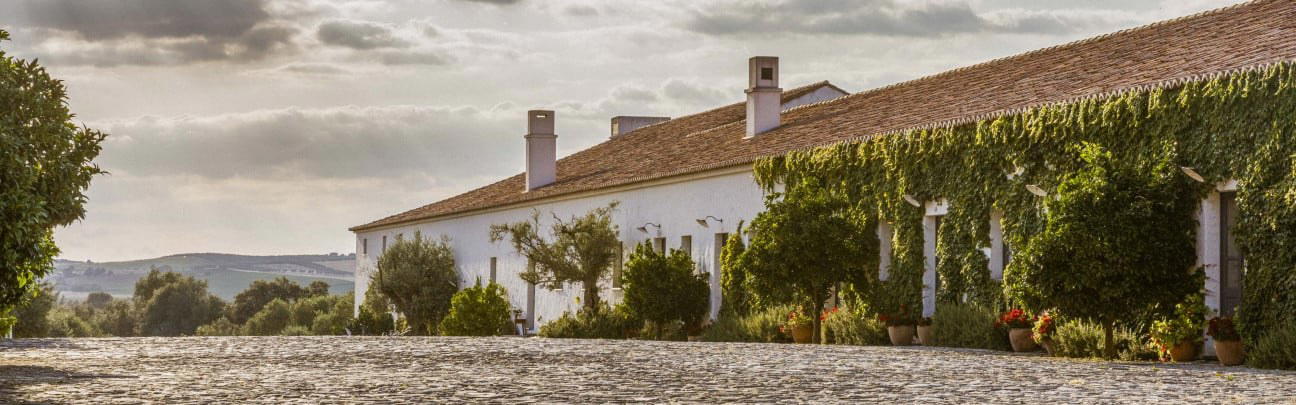
A Bolota sits in Terrugem, a quiet village near Elvas in Portugal's Alentejo interior, where the surrounding dehesa landscape — cork oaks, black pigs, wild herbs — shapes what ends up on the plate. The address alone signals intent: this is ingredient-led cooking rooted in the land immediately around it, positioned well outside the circuits of Lisbon and Porto fine dining.

Pearl is the En Primeur Club membership app — saves, bookings, and concierge access live there. Same editors, same standards.
- Address
- Rua Madre Teresa 25 Terrugem, 7350-491 Elvas, Portugal
- Phone
- +351268656118
- Hours
- Mon–Tue ClosedWed–Sun 12:30–4:30 PM
- Website
- module.thefork.com
- Directions
- Get directions
- Booking
- Book on TheFork
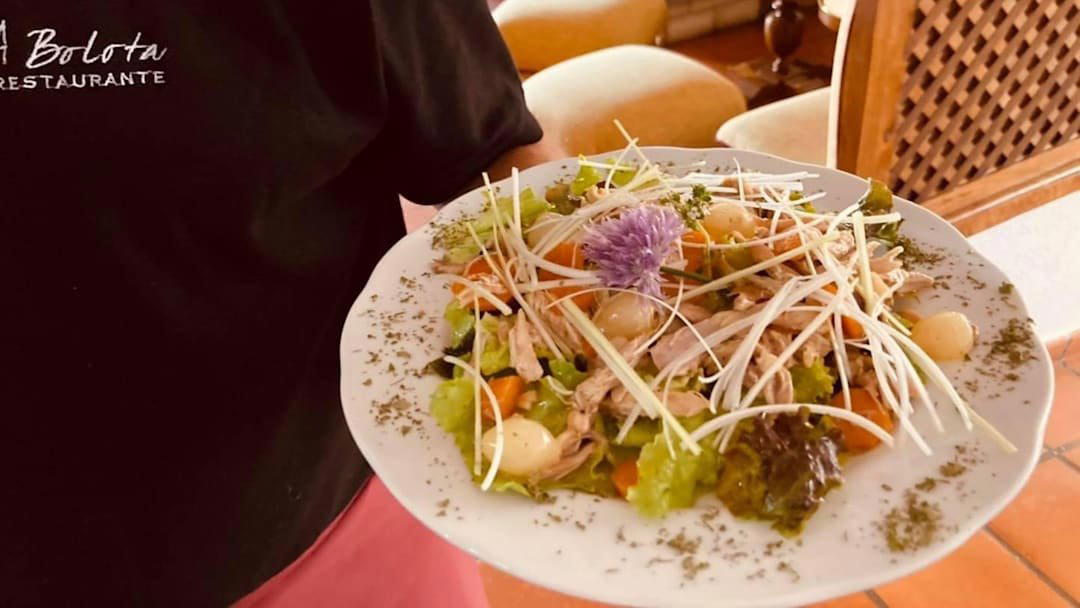
The menu
What to order
- Cozido_de_grao
- Gazpacho
- Codfish_dishes
Alentejo at the Table: What the Land Around Terrugem Dictates
The Alentejo is one of Portugal's most productive agricultural regions and one of its least touristed at the table. Roughly half of Europe's cork comes from this stretch of land, and the same cork oak forests — the montado — shelter the black Iberian pigs whose acorn-finished meat defines the region's flavour register. Terrugem sits inside this geography, a small village in the municipality of Elvas, about 200 kilometres east of Lisbon and close to the Spanish border. The setting is not incidental. In a region where the distance between farm and kitchen can be measured in single-digit kilometres, the sourcing question answers itself before the kitchen even opens. A Bolota, addressed at Rua Madre Teresa 25, occupies this territory directly. The name itself, bolota means acorn in Portuguese, signals where the kitchen's attention is focused.
The Alentejo table has always been defined by economy and land. Bread-thickened soups like açorda and migas, slow-braised pork, salt cod stretched across multiple preparations, game from the cork forests: these are not dishes invented for tourists but techniques developed across generations in response to what the landscape produced and what could be preserved. Restaurants that take this tradition seriously don't impose technique onto ingredients; they let the ingredient calendar set the menu. That orientation places A Bolota in a specific category of Portuguese restaurant, one more interested in regional fidelity than in signalling cosmopolitan ambition.
The Sourcing Logic of the Montado
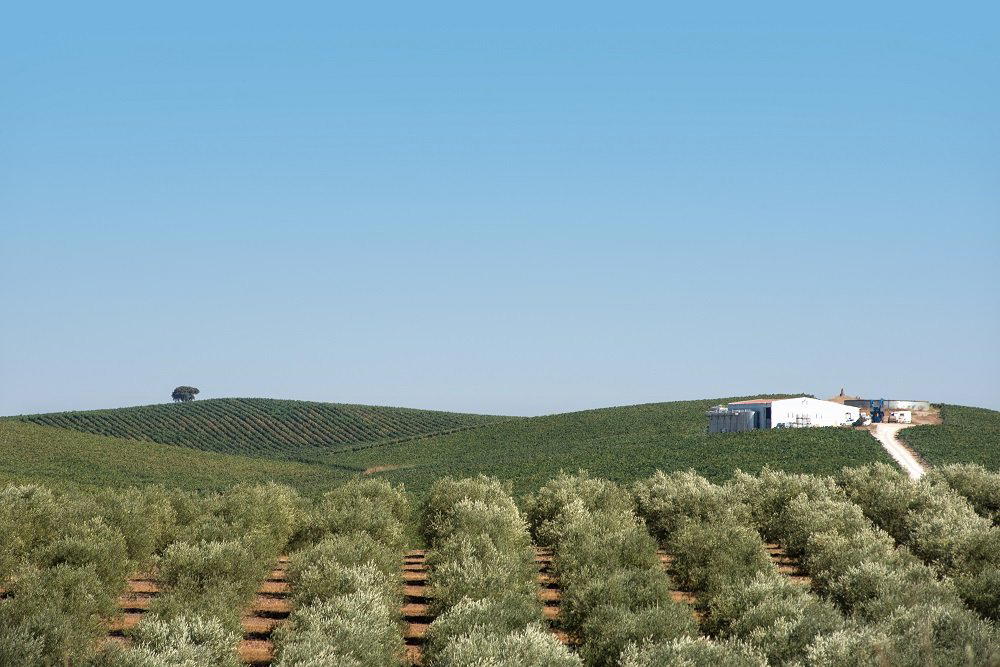
Dehesa-montado system that covers much of Extremadura on the Spanish side and Alentejo on the Portuguese is among the most biologically complex traditional farming landscapes in Europe. Cork oaks provide shade, acorns, and bark; underneath them, Iberian pigs fatten in autumn on fallen acorns; between them, sheep graze, wild asparagus grows, and mushrooms appear after autumn rain. This is not a metaphor for diversity, it is a literal description of what a kitchen in Terrugem has access to within a short radius. The bolota itself, the acorn, is a marker of quality for Iberian pork: the montanheira season, when pigs roam freely on acorns, produces the fat-marbled, nutty-flavoured meat that commands premium prices in Portuguese and Spanish charcuterie. A restaurant named for that acorn is making a declaration about sourcing priorities.
This positions A Bolota within a broader movement visible across regional Portuguese dining: kitchens anchored in specific geographic territories rather than borrowing freely from international technique. Compared to the creative Portuguese cooking at Belcanto in Lisbon or the seafood-focused excellence at Casa de Chá da Boa Nova in Leça da Palmeira, the Alentejo interior operates with a different reference point: the land rather than the coastline, preserved and slow-cooked rather than raw and precise. Neither approach is lesser; they answer different questions about what Portuguese cooking means.
Terrugem and the Elvas Context
Elvas, the nearest significant town, is a UNESCO World Heritage Site: its fortifications represent the largest preserved system of star-shaped military architecture in the world. The municipality draws a specific kind of visitor, one interested in depth rather than volume, in Portuguese history rather than Atlantic beaches. Terrugem itself is a village-scale settlement, which means A Bolota is not competing for the same customer as the dining rooms along the Algarve coast or in central Lisbon. Visitors arriving here are making a deliberate choice about where to direct their attention in Portugal. For context on the wider Portuguese fine dining circuit, our full Terrugem restaurants guide maps where the village sits relative to regional options.
Where A Bolota Sits in the Portuguese Restaurant Picture
Portugal's Michelin-starred dining concentrates heavily in Lisbon, Porto, and the Algarve. Antiqvvm in Porto, Ocean in Porches, and Vila Joya in Albufeira each represent coastal or urban expressions of Portuguese fine dining. Inland Alentejo operates largely outside that recognition circuit, which means restaurants like A Bolota are evaluated by different standards: depth of regional knowledge, sourcing integrity, and the ability to express a specific territory through food. That is not a consolation prize. Some of the most instructive meals in any country happen at the margins of the award economy, where kitchens are not performing for inspectors.
For comparison across other regional expressions of Portuguese cuisine, A Cozinha in Guimarães offers a northern counterpart in the Minho tradition, while Herdade do Esporão in Reguengos de Monsaraz represents another Alentejo address built around agricultural provenance, in that case, wine and olive oil production shaping the food served alongside. G Pousada in Bragança, A Ver Tavira in Tavira, Al Sud in Lagos, Bon Bon in Lagoa, Fortaleza do Guincho in Cascais, Gusto by Heinz Beck in Almancil, Il Gallo d'Oro in Funchal, The Yeatman in Vila Nova de Gaia, and international benchmarks like Le Bernardin in New York City and Atomix in New York City each sit in a different tier or tradition, but collectively they define the range within which any serious restaurant conversation about sourcing and regional identity operates.
Planning Your Visit
A Bolota's address, Rua Madre Teresa 25, Terrugem, 7350-491 Elvas, places it firmly in village Portugal, where the rhythm of service tends to align with local mealtimes rather than metropolitan late dining. Lunch is typically the main meal in Alentejo; arriving mid-afternoon expecting full service may not reflect how the kitchen operates. Visiting the Elvas fortifications or the surrounding countryside before or after a meal here makes geographic sense and gives context to the agricultural setting that the kitchen draws from.
Frequently asked questions
Can I bring kids to A Bolota?
Alentejo village restaurants run on a relaxed rhythm, and Terrugem is no exception to that regional norm. A Bolota's address at Rua Madre Teresa 25 places it squarely in a residential village setting, which tends toward unhurried, family-tolerant service rather than hushed fine-dining formality.
What's the overall feel of A Bolota?
The address in Terrugem, a small village within the municipality of Elvas, signals something specific: this is not a showcase restaurant built for visiting food tourists, but a place oriented around its immediate agricultural region. The Alentejo interior runs on a slower tempo than Lisbon or Porto, and restaurants here tend to reflect that in both pacing and portion logic. Expect a grounded, regionally anchored room rather than a high-production dining spectacle.
Is A Bolota a good base for exploring the Elvas UNESCO fortifications?
Terrugem sits within the Elvas municipality, and Elvas itself is a UNESCO World Heritage Site recognised for the largest preserved system of star-shaped military fortifications in the world. A meal at A Bolota pairs logically with a day centred on the Elvas walls and the Forte de Graça, given the short distance between the village and the town. The combination makes for a coherent Alentejo interior itinerary without requiring a base in Évora or Lisbon.
What do regulars order at A Bolota?
That framing points toward pork-forward cooking, game, and the slow-braised preparations that define the region's table. Seasonal pulses, bread-thickened soups, and local sheep's cheese are consistent markers of Alentejo cooking at this latitude.
Side-by-Side Snapshot
Comparable venues nearby, for context on price, style, and recognition.
| Venue | Cuisine | Price | Awards | Notes |
|---|---|---|---|---|
| A BolotaThis venue — the venue you are viewing | Refined Alentejo Mediterranean | $20–30 | Not listed | Not listed |
| Pinóquio | Portuguese Mediterranean Seafood | $20–30 | Not listed | Baixa |
| EmbaiXada | Contemporary Portuguese with Gin Focus | $30–50 | Not listed | Bairro Alto |
| Califórnia | Portuguese Mediterranean | $20–30 | Not listed | Parede |
| Amorino Chiado | Artisanal Italian Gelato | $1–10 | Not listed | Chiado |
| CHECKin Faro By Leonel Pereira | Modern Contemporary Mediterranean | $50–100 | Michelin Plate · Star Wine List | historic centre |

Details
- Classic
- Cozy
- Family
- Group Dining
- Celebration
- Standalone
- A La Carte
- Buffet
- Vegetarian Friendly
Current opening hours
- Monday
- Closed
- Tuesday
- Closed
- Wednesday
- 12:30–4:30 PM
- Thursday
- 12:30–4:30 PM
- Friday
- 12:30–4:30 PM
- Saturday
- 12:30–4:30 PM
- Sunday
- 12:30–4:30 PM
Hours can change for holidays and private events. Last verified .
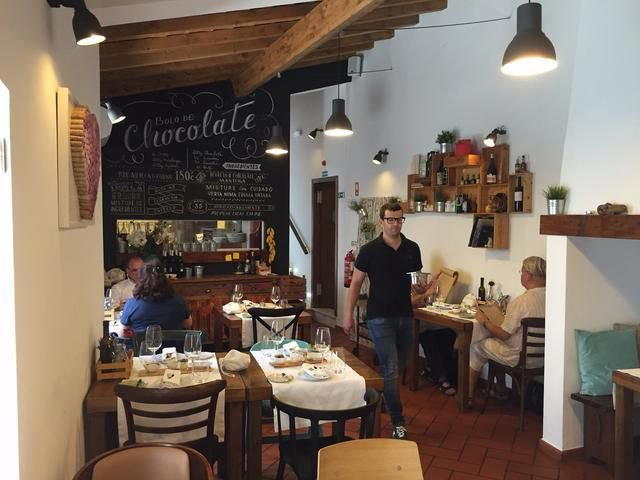
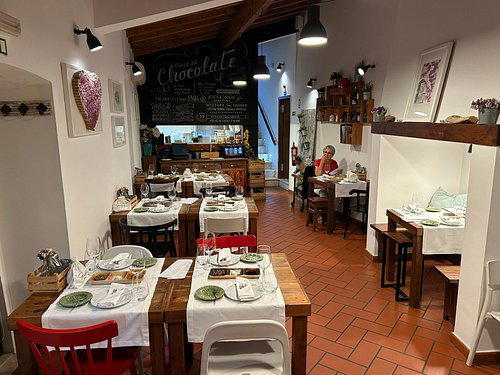
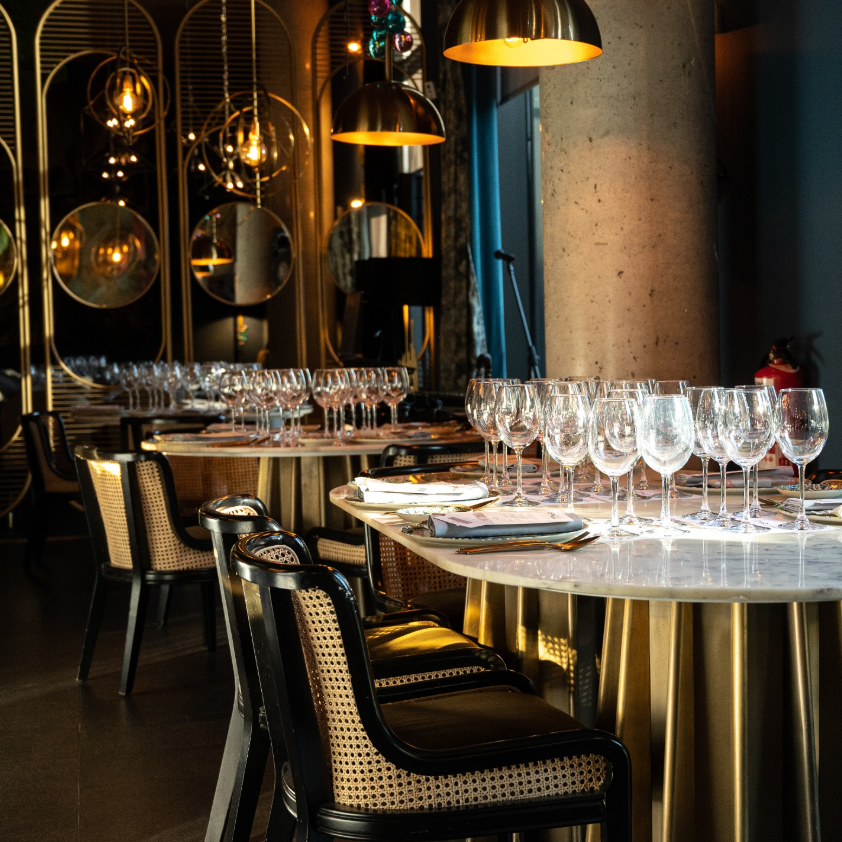
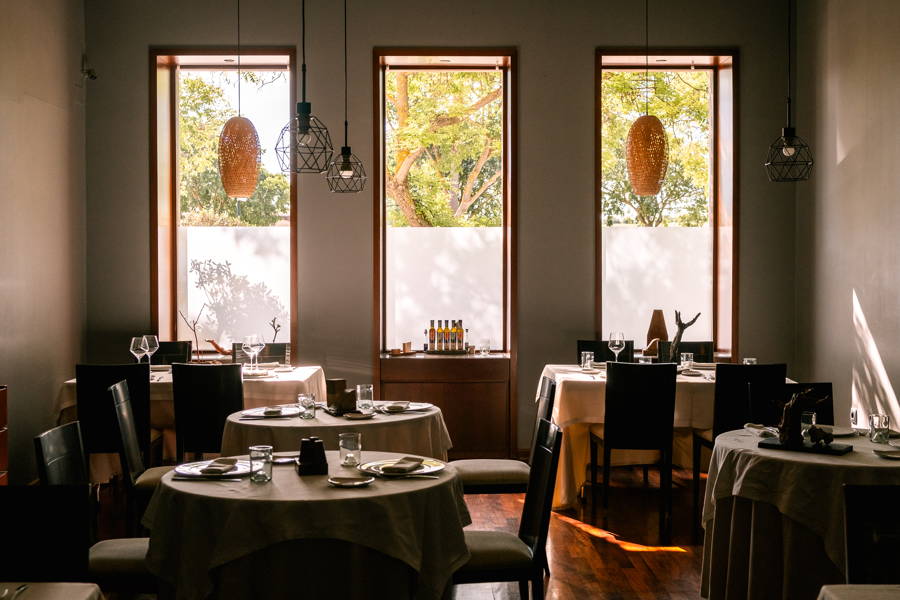
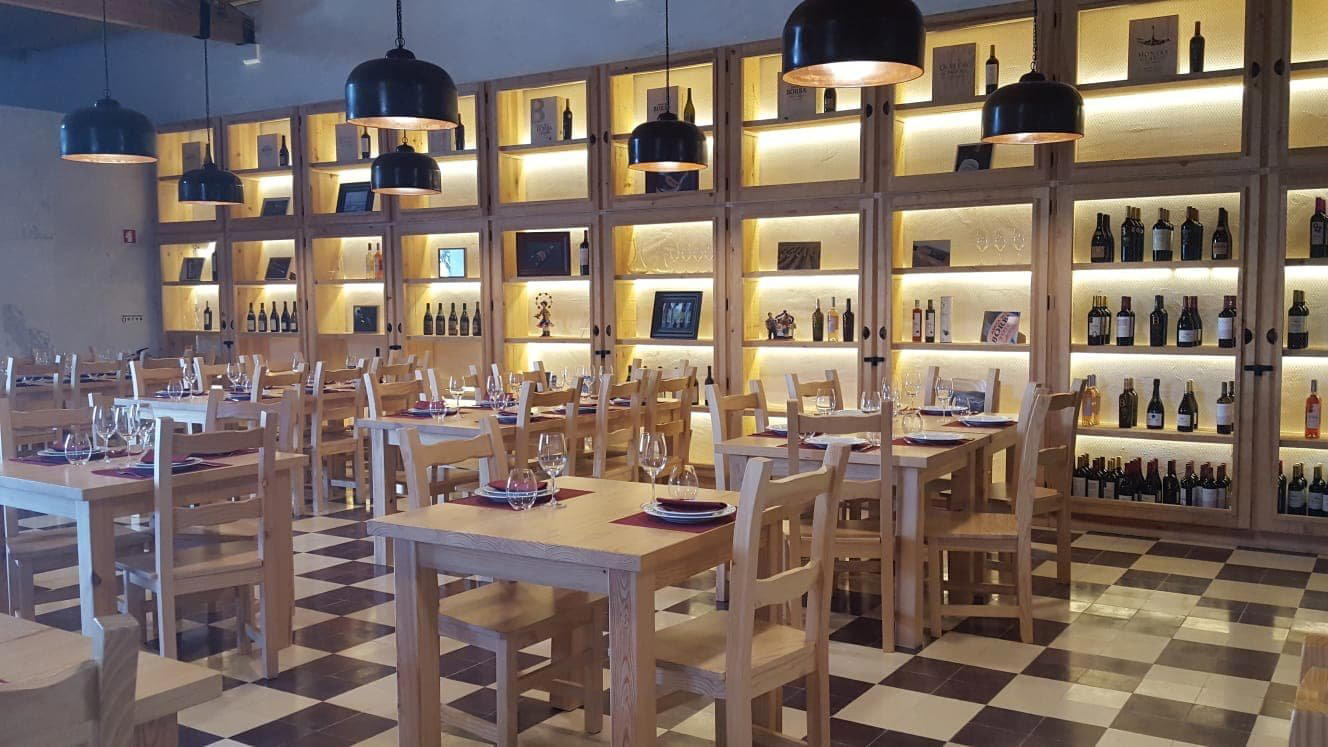
Spacious, pleasant, naturally bright atmosphere praised for its tranquility and welcoming feel.