Scampi
Our verdict
On a quiet stretch of South Third Street in Queen Village, Scampi occupies a corner of Philadelphia's dining scene where the focus lands squarely on seafood and the kind of cooking that rewards attention. The address puts it within the orbit of the neighborhood's most serious tables, and the room's character reflects that same sense of purpose.

Pearl is the En Primeur Club membership app — saves, bookings, and concierge access live there. Same editors, same standards.
- Address
- 617 S 3rd St, Philadelphia, PA 19147
- Hours
- Mon–Tue ClosedWed–Sat 5:30–9 PMSun Closed
- Website
- scampiphilly.com
- Directions
- Get directions
- Booking
- Book on OpenTable
The menu
What to order
- Shrimp scampi
- Pasta
- Smoked trout culurgiones
Queen Village operates at a different register than Rittenhouse or Fishtown. The blocks around South Third Street carry a residential density that keeps the dining rooms here intimate by design rather than trend. Scampi, at 617 S 3rd St, sits inside that neighborhood logic: a small-footprint address in a part of the city where the competition for attention is quieter but the standards among locals are not.
The Room and the Atmosphere
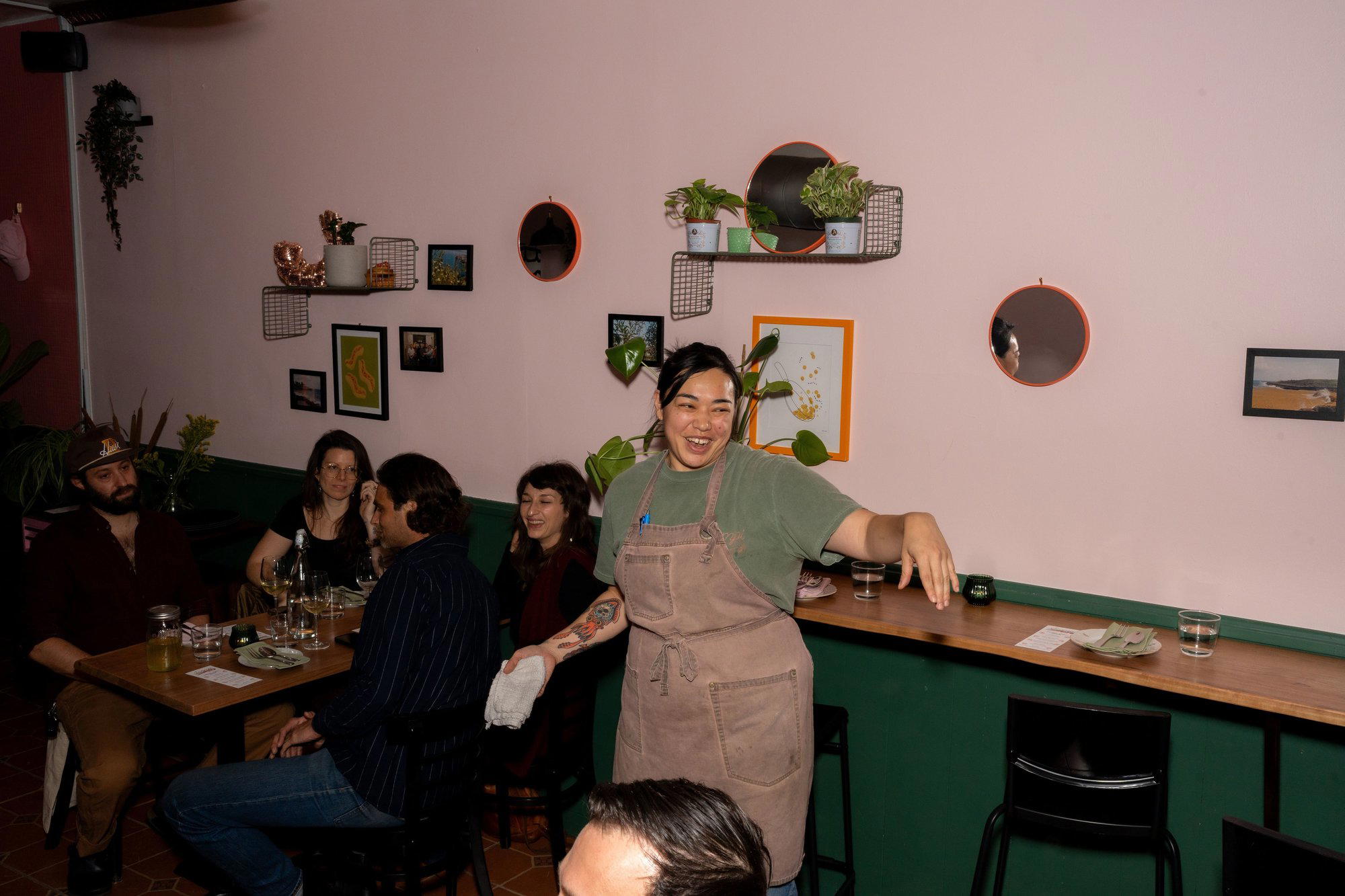
Philadelphia's stronger independent restaurants tend to have a physical directness about them. No atrium lobbies, no theatrical staircases. What you typically encounter is a focused room where the layout itself signals what kind of evening you're in for. Scampi reads in that tradition: the address is residential-scale, the approach from the street is unassuming, and the interior carries the compressed energy of a room that has been edited rather than decorated. Sound levels in restaurants of this footprint tend toward the conversational rather than the ambient-noise-as-atmosphere approach that larger rooms rely on, which suits the mode of eating that seafood-forward cooking demands.
The culinary traditions that reward this kind of environment tend to be ingredient-driven ones, where the sourcing and handling of the product matters more than the spectacle of the service sequence. That's the broader category Scampi belongs to, and it's a category Philadelphia has built genuine depth in over the past decade. Restaurants like Fork (New American) and Friday Saturday Sunday (New American) have helped establish that a serious room in this city doesn't need to announce itself loudly.
Seafood Cooking in Philadelphia's Current Context
American seafood-forward restaurants have fractured into distinct camps over the past several years. On one end sit the white-tablecloth fish houses with French technique at their core, places like Le Bernardin in New York City, where the precision of the cooking is the primary communication. On the other end sits a looser, market-led approach where daily sourcing determines the menu's shape. The more interesting movement in recent years has been a middle tier: restaurants that bring technical rigor to informal formats, using the ingredient itself as the primary argument.
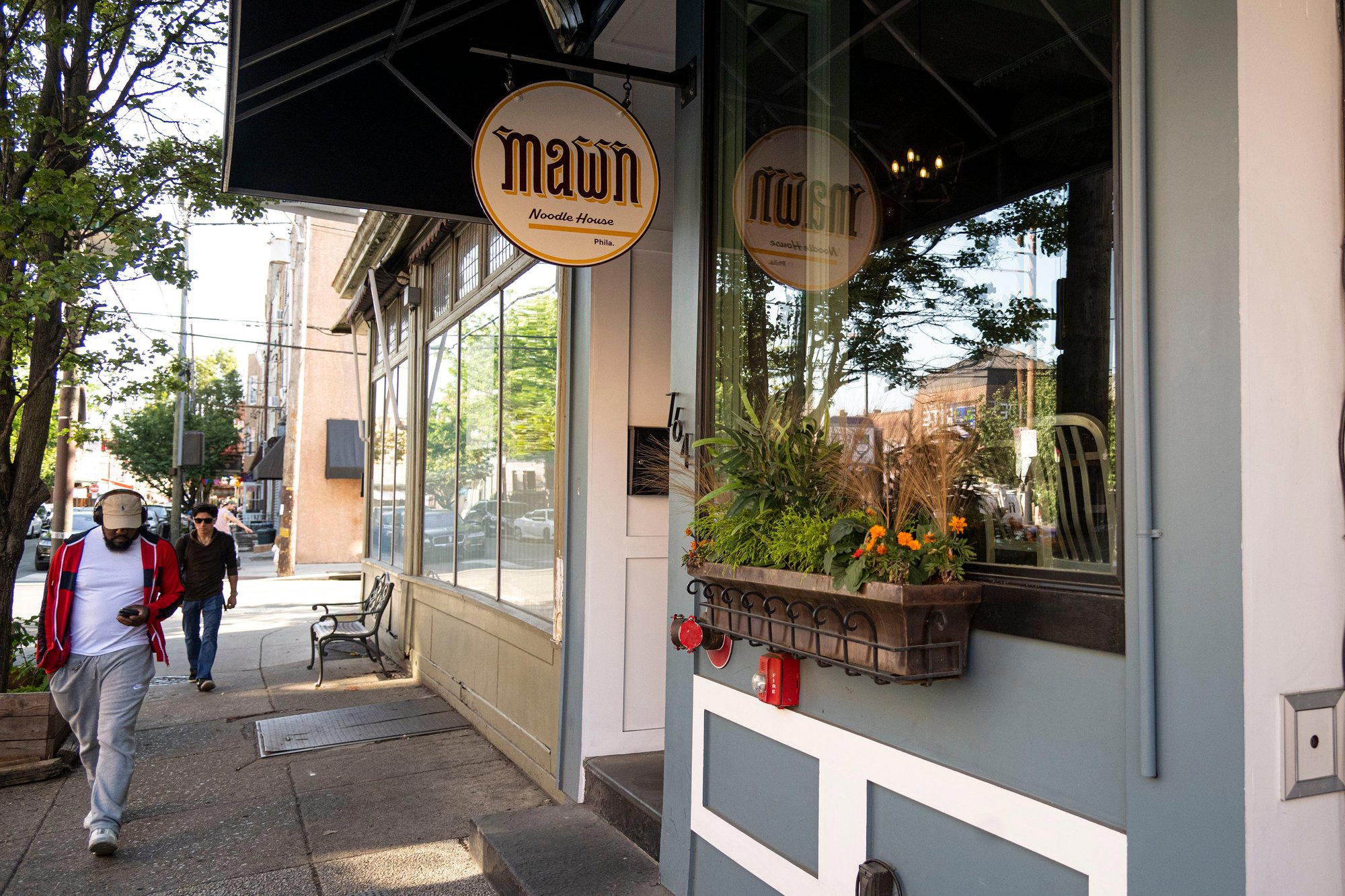
Philadelphia's position in the mid-Atlantic gives it access to Chesapeake Bay shellfish, Atlantic fin fish, and the kind of seasonal rhythms that make market-driven seafood cooking coherent across a full year. The city's independent restaurant scene has leaned into that geography more deliberately than it did in earlier decades. Alongside Scampi, spots like Kalaya and Mawn (Cambodian, Pan-Asian) illustrate how Philadelphia's stronger tables now tend to have a defined point of culinary focus rather than broad-appeal menus designed to avoid polarizing anyone.
The name Scampi itself is a signal. Langoustines, the crustaceans that the term properly describes in European tradition, have a sweetness and texture that require a different approach than shrimp, with which they're frequently conflated in American usage. A restaurant that plants its flag in that kind of specificity is communicating something about its culinary seriousness before a single dish arrives.
Placing Scampi in the Broader American Fine Seafood Tier
The American restaurants that have built the strongest reputations around seafood cooking operate across a range of formats. Providence in Los Angeles and Addison in San Diego anchor the fine-dining end of the West Coast spectrum. On the East Coast, the conversation around serious seafood cooking keeps returning to sourcing relationships and the chef's ability to build menus around what the season actually offers rather than what the menu architects have predetermined. That discipline is harder than it sounds, particularly in a city that doesn't have the volume advantages of a Boston or a New York to smooth out supply inconsistencies.
Restaurants working at this level in smaller fine-dining markets, like The Inn at Little Washington in Washington, demonstrate that mid-Atlantic dining can carry genuine ambition. Philadelphia belongs to that regional conversation, and Scampi's address in Queen Village places it in the city's network of independently operated restaurants that have chosen depth over breadth.
For comparison at the conceptually ambitious end of the American dining spectrum, Alinea in Chicago, Lazy Bear in San Francisco, and Single Thread Farm in Healdsburg operate with fully realized culinary philosophies that shape every element of the experience. Scampi operates at a different scale, but the underlying argument, that a tightly defined culinary focus produces more coherent dining than generalism, connects it to that broader shift in how serious American restaurants are positioning themselves.
Neighborhood Positioning
Queen Village doesn't carry the dining density of Midtown Village or the emerging-neighborhood energy of Fishtown. It's a quieter proposition, which suits a restaurant that relies on word of mouth and repeat custom rather than foot traffic. The neighboring South Philly dining corridor, which has produced strong independent voices in Italian-American cooking and beyond, gives this part of the city a culinary seriousness that the neighborhood's modest street presence doesn't immediately broadcast. My Loup (French-Inspired) operates in the same general orbit, reinforcing the sense that this stretch of South Philadelphia has become a reliable address for focused, independent cooking.
Internationally, the model of a small seafood-specialist room in a residential neighborhood has precedent in ports across Spain, Portugal, and the Basque Country, where the proximity to supply chains and the preference for local custom over tourist volume defines the leading addresses. Philadelphia doesn't share that geography, but the operational logic translates: keep the room tight, source with discipline, and let the cooking carry the argument. Restaurants like 8 1/2 Otto e Mezzo Bombana (Hong Kong) in Hong Kong show how ingredient-led European traditions can operate with conviction in non-European markets. Scampi is working in a different register, but the commitment to a defined culinary identity rather than a broad-appeal format places it in a recognizable category of serious independent restaurants.
For a fuller picture of where Scampi sits within Philadelphia's current dining scene, see our full Philadelphia restaurants guide. The city's independent restaurant sector has matured considerably, and Queen Village is one of the addresses worth tracking.
Know Before You Go
Frequently asked questions
What is the overall feel of Scampi?
Scampi fits into the category of focused, independent Philadelphia restaurants that prioritize a defined culinary argument over broad-appeal formatting. The Queen Village address keeps the room on the smaller, more intimate side, consistent with how serious independent restaurants in this part of the city tend to operate. In terms of the city's dining tier, it sits alongside addresses like Fork and Friday Saturday Sunday as a destination that rewards deliberate visits rather than casual walk-ins.
What do people recommend at Scampi?
What the restaurant's name signals is a culinary focus on shellfish and crustacean cookery in the European tradition, which in practice tends to mean dishes where sourcing quality and technique are the primary variables.
What is the ideal way to book Scampi?
Checking local reservation platforms or visiting the restaurant's social media channels is the most reliable approach. Philadelphia's stronger independent restaurants at this price tier tend to fill their better tables several days in advance, so planning ahead is advisable.
What has Scampi built its reputation on?
Scampi's positioning within Queen Village and the specificity of its name both point toward a seafood-focused culinary identity. Philadelphia's independent restaurant scene has a track record of sustained local reputations built on sourcing discipline and kitchen consistency rather than awards cycles, and Scampi appears to operate in that mode. For current award or recognition data, consult local Philadelphia food media.
Is Scampi good for vegetarians?
Given the restaurant's apparent seafood orientation, a vegetable-forward or fully plant-based diner may find the menu limited. Contacting the restaurant directly before booking is the practical step for any diner with specific dietary requirements.
How does Scampi compare to other seafood-focused restaurants in Philadelphia?
Philadelphia doesn't have the density of dedicated seafood specialists that a coastal city like Boston maintains, which means a focused crustacean and shellfish room like Scampi occupies relatively clear space in the local market. The mid-Atlantic sourcing geography, covering Chesapeake Bay and Atlantic coastal suppliers, gives restaurants in this category access to strong seasonal product. For a sense of the broader Philadelphia dining context and how Scampi fits within it, see our full Philadelphia restaurants guide. Comparable American restaurants working at the serious end of seafood cooking include Emeril's in New Orleans and Blue Hill at Stone Barns in Tarrytown, both of which demonstrate how ingredient-source discipline translates into dining room authority.
How It Stacks Up
Comparable venues nearby, for context on price, style, and recognition.
| Venue | Cuisine | Price | Awards | Notes |
|---|---|---|---|---|
| ScampiThis venue — the venue you are viewing | Modern Italian Tasting Menu | $100–150 | Not listed | Not listed |
| L'Anima | Contemporary Italian | $50–100 | Not listed | Southwest Center City |
| Scarpetta | Modern Italian Fine Dining | Not listed | Not listed | Rittenhouse Square |
| Luna BYOB | Authentic Italian BYOB | $50–100 | Not listed | Rittenhouse Square |
| Le Virtù | Authentic Abruzzese Italian | $50–100 | Resy Best of the Hit List | East Passyunk Crossing |
| Irwin’s | Modern Sicilian | Not listed | Not listed | Greenwich |
Continue exploring
More in Philadelphia
Restaurants in Philadelphia
Browse all →
Bars in Philadelphia
Browse all →
Details
- Cozy
- Intimate
- Trendy
- Whimsical
- Date Night
- Special Occasion
- Group Dining
- Open Kitchen
- Byob
- Tasting Menu
Current opening hours
- Monday
- Closed
- Tuesday
- Closed
- Wednesday
- 5:30–9 PM
- Thursday
- 5:30–9 PM
- Friday
- 5:30–9 PM
- Saturday
- 5:30–9 PM
- Sunday
- Closed
Hours can change for holidays and private events. Last verified .
Warm, charming, and slightly quirky with a buzzy, relaxed vibe.