
50 Top Pizza Europe #44
Our verdict
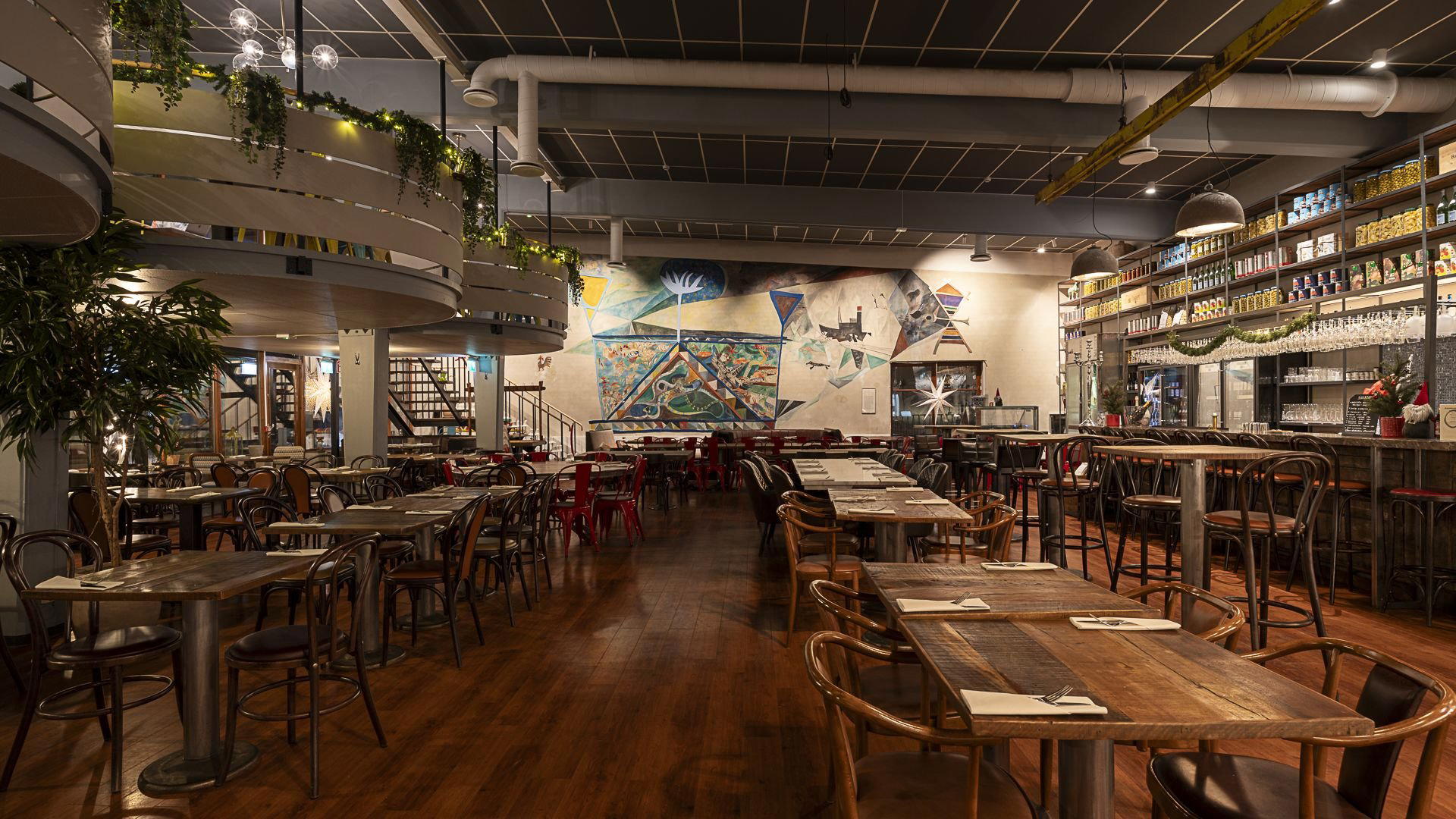
450 Gradi sits on Lidingö, the residential island municipality just east of Stockholm, where Italian wood-fired pizza has carved a loyal following among locals who cross the bridge for it. The name references the temperature at which Neapolitan dough transforms in a proper forno, and that technical commitment to the craft runs through everything on the plate. A neighbourhood anchor that rewards those willing to leave central Stockholm behind.

Pearl is the En Primeur Club membership app, where members save venues, book tables and use the concierge.
The menu
What to order
- Margherita
- Napoletana
- Truffle Pizza
- Homemade Gelato
Across the Bridge: Pizza Craft on Stockholm's Island Fringe
Lidingö operates at a different register from central Stockholm. The island municipality, connected to the capital by a single road bridge, has a settled, residential character that filters out the transient dining crowd. What remains are venues that earn repeat custom from locals who know the area well. 450 Gradi sits within that dynamic, at Brostugevägen 1, as part of a dining scene that functions less on destination tourism and more on neighbourhood trust. For visitors making the short crossing from Stockholm, that context matters: this is a place oriented toward people who return, not people passing through.
The name is a statement of intent. 450 degrees Celsius is the temperature at which Neapolitan pizza achieves its defining characteristics: a cornicione that blisters and chars at the edges while the base remains pliable rather than brittle, the result of a brief, intense bake in a wood-fired or gas forno operating well above the range of any domestic oven. Naming a restaurant after that number is a claim about technical seriousness, the kind of signal that sits closer to a chef's credential than a marketing choice.
Where the Ingredients Come From, and Why That Question Matters
The Neapolitan pizza tradition is, at its core, an ingredient sourcing argument. The canonical Margherita, registered as a Traditional Speciality Guaranteed under EU law, calls for San Marzano tomatoes grown in the volcanic soil of the Sarno river valley and fior di latte or buffalo mozzarella from Campania. These are not interchangeable with supermarket alternatives; the mineral acidity of a San Marzano and the fat-to-moisture ratio of fresh Campanian mozzarella behave differently under 450-degree heat than cheaper substitutes do. Pizzerias serious about the form either import these ingredients directly or use verified Italian suppliers who maintain cold-chain integrity.
In Sweden, that sourcing chain is longer and more expensive than it is in Naples. Import logistics, Swedish customs norms, and cold-chain requirements all add cost and complexity that smaller operations often resolve by substituting local approximations. The question worth asking of any Scandinavian pizzeria carrying Neapolitan ambitions is not whether the oven runs hot enough, but whether the raw materials arriving at that oven are what they claim to be. The name 450 Gradi at minimum signals that the temperature target is understood; whether ingredient sourcing matches that stated precision is something a first visit will answer more reliably than any published description.
Lidingö's broader dining scene includes Ellery Beach House, which operates in a different register entirely, oriented toward waterfront Swedish cooking. The contrast is useful: Lidingö supports a range of formats without being large enough to sustain saturation in any single one. A dedicated pizza counter in that context faces less direct competition than it would in Södermalm or Östermalm, but also draws from a smaller immediate catchment.
Neapolitan Pizza in the Swedish Fine-Dining Context
Sweden's premium dining tier is heavily weighted toward New Nordic technique and local ingredient philosophy. Frantzén in Stockholm operates at the far end of that spectrum, as do ambitious regional restaurants like Vollmers in Malmö, VYN in Simrishamn, ÄNG in Tvååker, and Signum in Mölnlycke. These venues anchor their menus in Swedish seasons and Scandinavian produce logic. A Neapolitan-focused pizzeria does not compete in that category; it represents a different import entirely, a southern Italian craft tradition transplanted into a northern European setting.
That transplantation has a long history in Sweden. Italian immigration to Sweden, particularly from the 1960s onward, established Italian restaurants as a fixture of Swedish town centres well before the current wave of technique-led pizzerias. What has changed more recently is the level of specificity: where earlier Italian restaurants in Sweden often adapted freely to local tastes and available ingredients, a new generation of pizzerias has adopted stricter Neapolitan protocols, including dough fermentation times, flour specifications (typically Caputo or equivalents), and forno temperature discipline. 450 Gradi's name places it in that stricter cohort, whether or not the full sourcing infrastructure supports it.
Elsewhere in Sweden, venues like 28+ in Gothenburg, PM & Vänner in Växjö, Adrian Restaurang in Borås, Brasserie Park in Jonköping, Enoteket in Norrköping, Lilla Bjers in Visby, Camp Ripan in Kiruna, John's Place in Varberg, and Knystaforsen in Rydöbruk each represent distinct regional dining traditions that bear little relationship to what 450 Gradi is doing. The contrast underlines that Swedish dining is not a monolith; format, ingredient philosophy, and price positioning vary enormously across the country. Internationally, the comparison point for serious pizza craft might sit closer to a venue like Le Bernardin in New York City in terms of technical seriousness applied to a single category, though the price tier and format are entirely different. The more apt New York parallel for a craft-focused, neighbourhood-rooted operation is something like Atomix in New York City: defined by discipline within a specific culinary tradition, and dependent on local loyalty as much as destination traffic. You can find the full range of what Lidingö offers as a dining destination in our full Lidingö restaurants guide.
Planning a Visit
Lidingö is reachable from central Stockholm by bus across the Lidingöbron bridge or via the Lidingöbanan tram line, which runs from Ropsten (reachable by metro, line 14) out through the island. The journey from central Stockholm takes roughly 20 to 30 minutes depending on origin point. Brostugevägen 1 is within the island's more accessible residential fabric rather than at a remote waterfront location, which makes it viable without a car.
Frequently asked questions
Is 450 Gradi suitable for children?
Neapolitan pizza restaurants generally work well for families, and the Lidingö setting, a quieter island municipality outside central Stockholm, suggests a more relaxed dining pace than you'd find in the city centre. The address at Brostugevägen 1 places it in a residential part of the island, which tends to attract neighbourhood regulars including families. check the venue's official channels to confirm current seating arrangements and any early-evening options.
What is the atmosphere like at 450 Gradi?
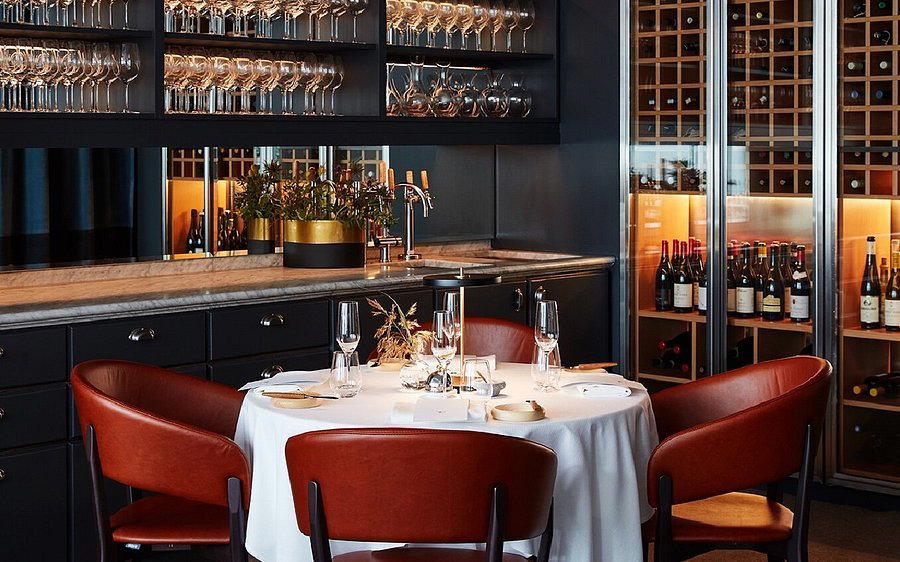
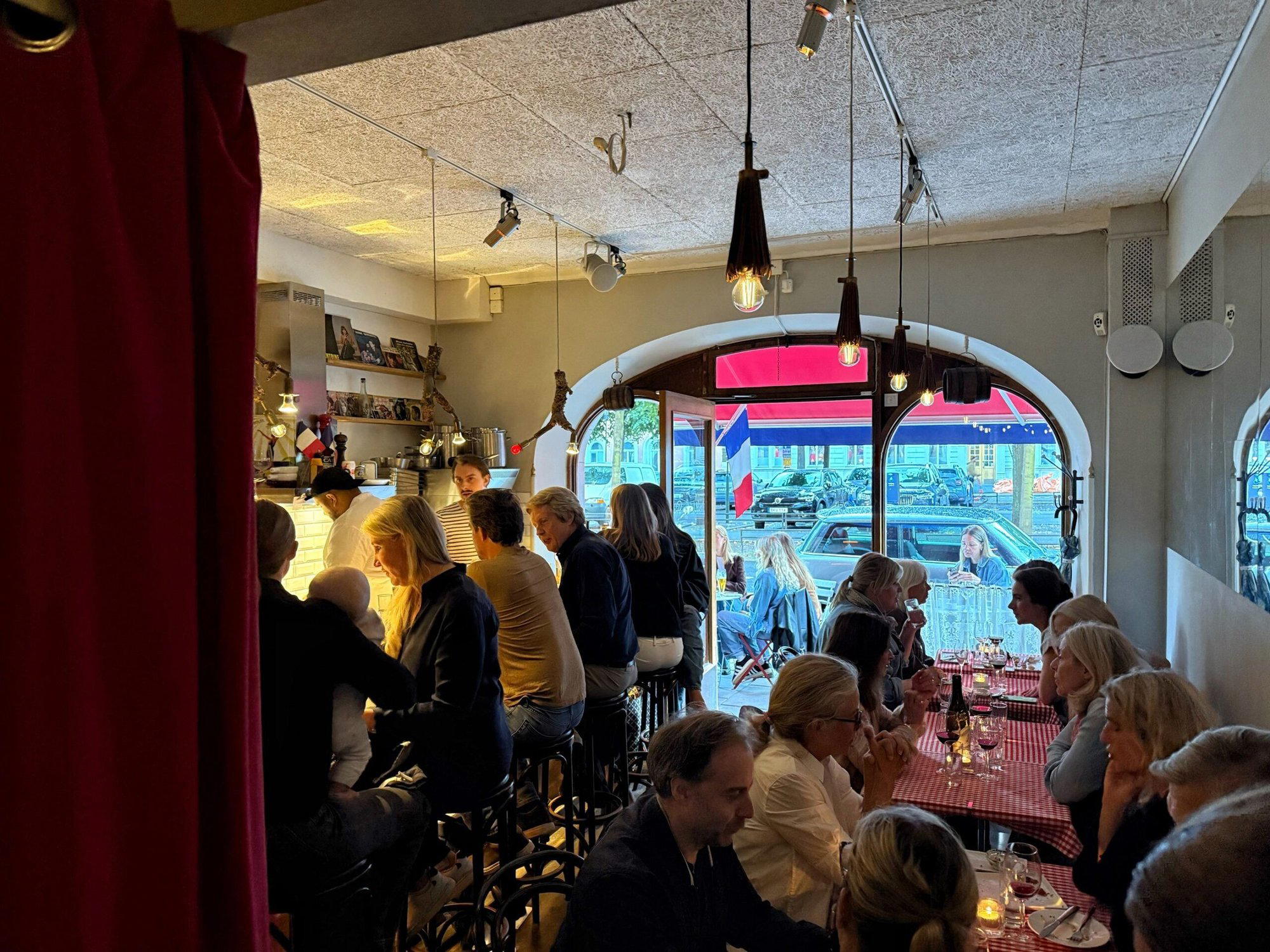
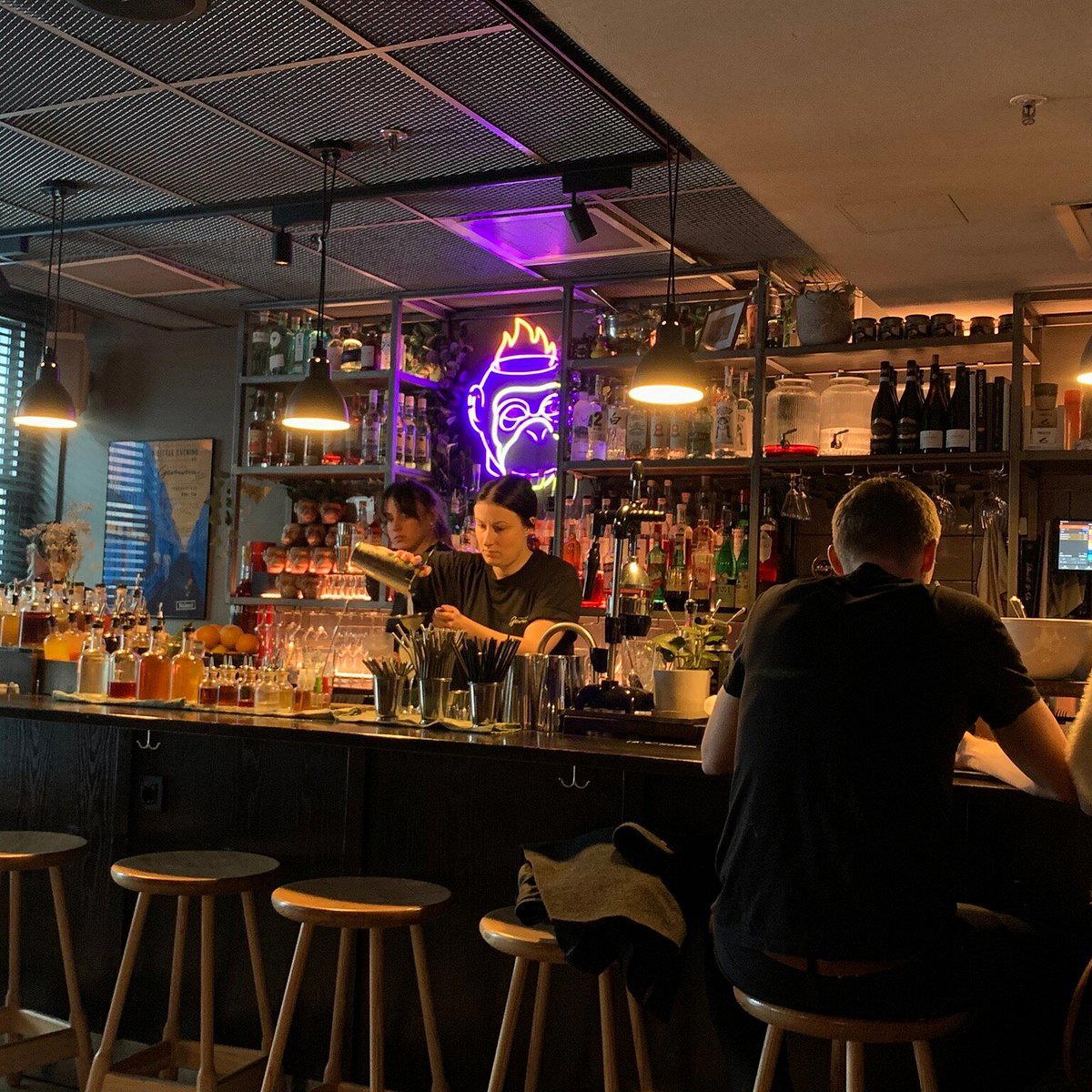
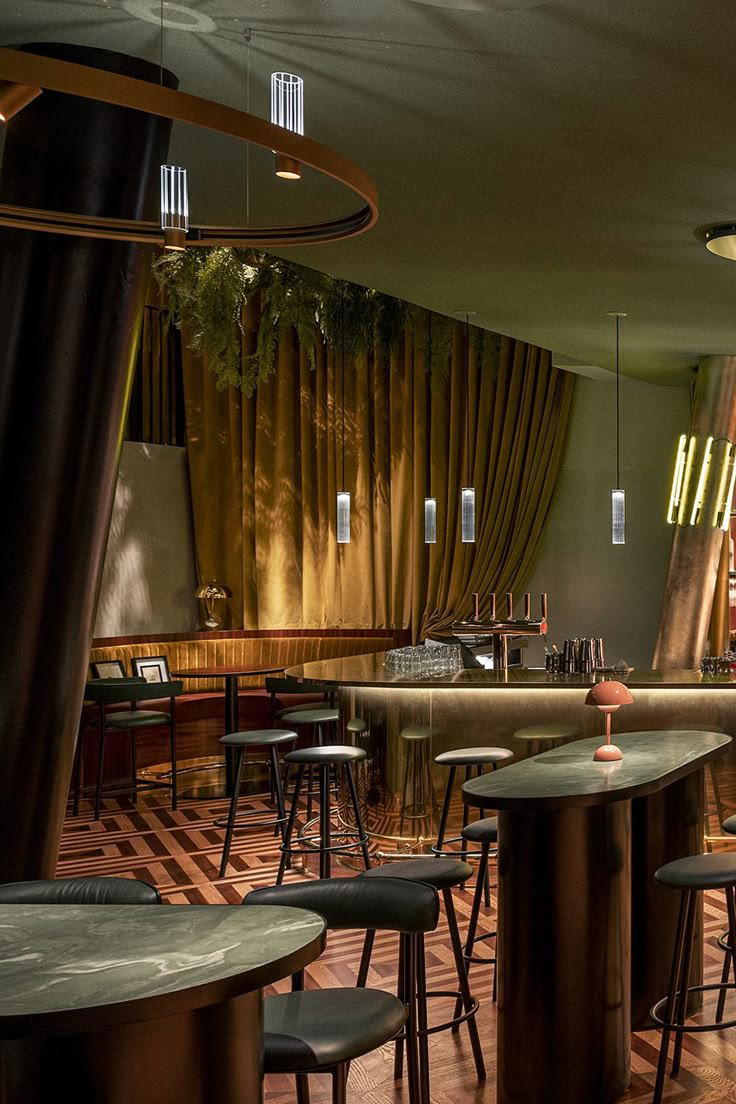
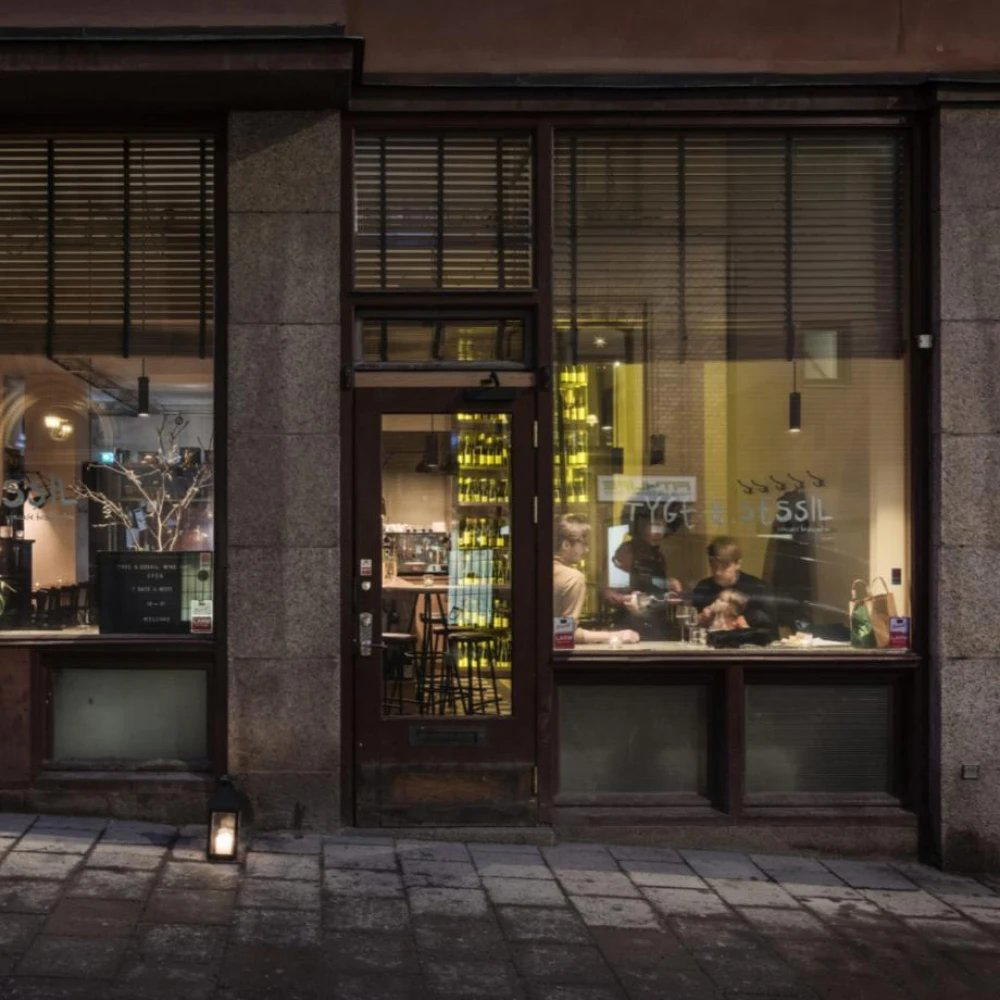
Lidingö itself runs at a lower tempo than Stockholm's central districts, and 450 Gradi at Brostugevägen 1 sits within that residential register. Expect a neighbourhood dining room feel rather than the high-turnover energy of a city-centre pizzeria. The Neapolitan format, built around a shared, informal approach to pizza, reinforces that casual tone.
Is 450 Gradi the only Neapolitan pizza restaurant on Lidingö?
Lidingö is a small island municipality of roughly 47,000 residents, and dedicated Neapolitan pizza venues in Sweden's island suburbs are scarce relative to the capital's centre. 450 Gradi at Brostugevägen 1 occupies that gap for the island's residents and for visitors making the trip across Lidingöbron. Whether it holds sole claim to the format on the island is best verified locally, but the category itself is thinly represented outside Stockholm proper.
What do people recommend at 450 Gradi?
The Neapolitan tradition that gives the restaurant its reference point centres on a small number of canonical pizzas, with the Margherita and Marinara serving as the standard benchmarks for any kitchen working in this style. In that context, the dough and the sourcing of tomato and fior di latte are where quality differentiates.
Where is 450 Gradi in Lidingö?
450 Gradi is located at Brostugevägen 1, 181 55 Lidingö, Sweden, Lidingö.
Can I walk in to 450 Gradi?
Given Lidingö's smaller population relative to central Stockholm, shoulder hours on weekdays are a reasonable bet for walk-in tables, but weekend evenings at any well-regarded pizza address tend to fill. Calling ahead is advisable.
Quick Comparison
| Venue | Cuisine | Price | Awards | Notes |
|---|---|---|---|---|
| 450 GradiThis venue (the venue you are viewing) | Authentic Neapolitan Pizza & Italian | $30–50 | 50 Top Pizza Europe #44 | Not listed |
| Operakällaren | Modern Scandinavian Fine Dining | $150–200 | 1 Michelin Star · World's 50 Best #27 | Swedish, Modern Cuisine |
| AIRA | Modern Nordic Seasonal Tasting Menu | $200–300 | 2 Michelin Stars · La Liste Top Restaurants | Modern European, Modern Cuisine |
| Vollmers | Modern New Nordic with Scanian Terroir | $150–200 | 2 Michelin Stars · La Liste Top Restaurants | New Nordic, Contemporary |
| VYN | Modern Scandinavian Fine Dining | $300–500 | 2 Michelin Stars · World's 50 Best #47 | New Nordic, Creative |
| Adam / Albin | Modern Scandinavian Fine Dining | $100–150 | 1 Michelin Star · La Liste Top Restaurants | New Nordic |
Recognition history
Dated appearances from independent guides and award organizations, with the underlying list record or original source where available.
50 Top Pizza Europe #44
50 Top Pizza
Continue exploring
More in Lidingö
Restaurants in Lidingö
All restaurants in Lidingö →

Details
- Scenic
- Cozy
- Romantic
- Casual Hangout
- Family
- Date Night
- Group Dining
- Waterfront
- Terrace
- Open Kitchen
- Beer Program
- Craft Cocktails
- Local Sourcing
- Waterfront
- A La Carte
- Family Style
- Wine
- Beer
- Vegetarian Friendly
- Vegan Options
- Gluten Free Options
Current opening hours
- Monday
- Closed
- Tuesday
- 5–9 PM
- Wednesday
- 5–9 PM
- Thursday
- 5–9 PM
- Friday
- 5–9 PM
- Saturday
- 12–9 PM
- Sunday
- 12–9 PM
Hours can change for holidays and private events. Last verified .
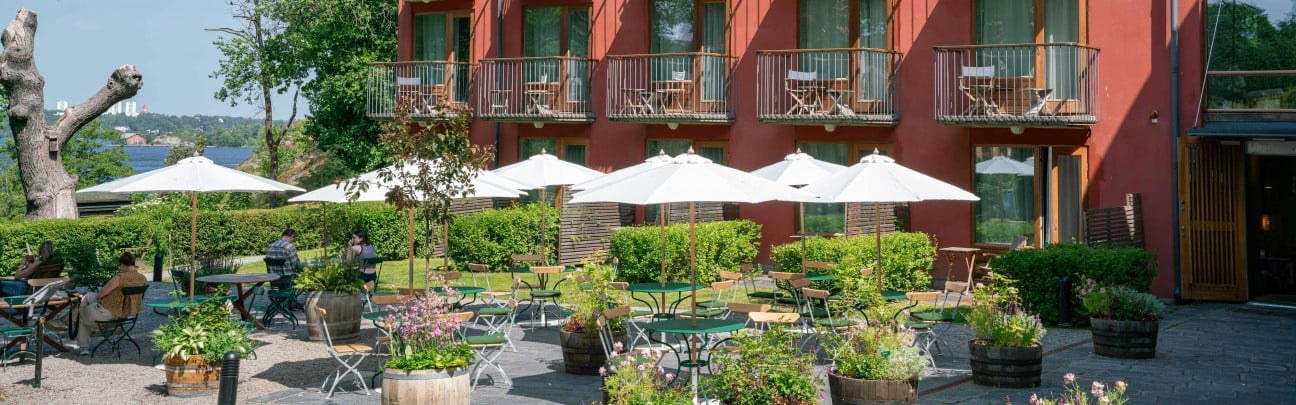
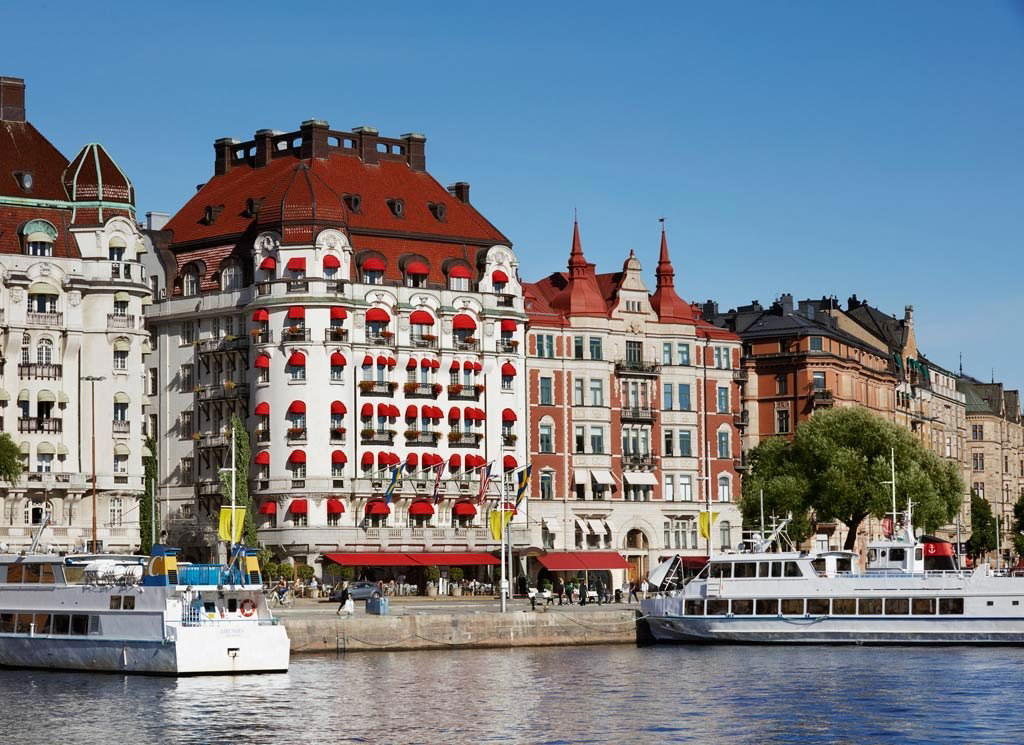
Bright and welcoming with a cozy atmosphere enhanced by waterfront views; the new location in a historic AGA building offers sun-drenched outdoor seating with views of Stockholm's inlet.