409 Roy St
Located on Seattle's Lower Queen Anne corridor, 409 Roy St sits in a neighborhood where the city's Pacific Rim influences meet rigorous culinary technique. The address places it within reach of Seattle Center and a broader dining scene that has long traded on local seafood, foraged produce, and cross-Pacific cooking traditions. For visitors orienting around that intersection, it warrants a place on the planning list.
Pearl is the En Primeur Club membership app — saves, bookings, and concierge access live there. Same editors, same standards.
- Address
- 409 Roy St, Seattle, WA 98109
- Phone
- +1 206 283 0444
- Website
- bahnthaiseattle.com
- Directions
- Get directions
 Saves & bookings on Pearl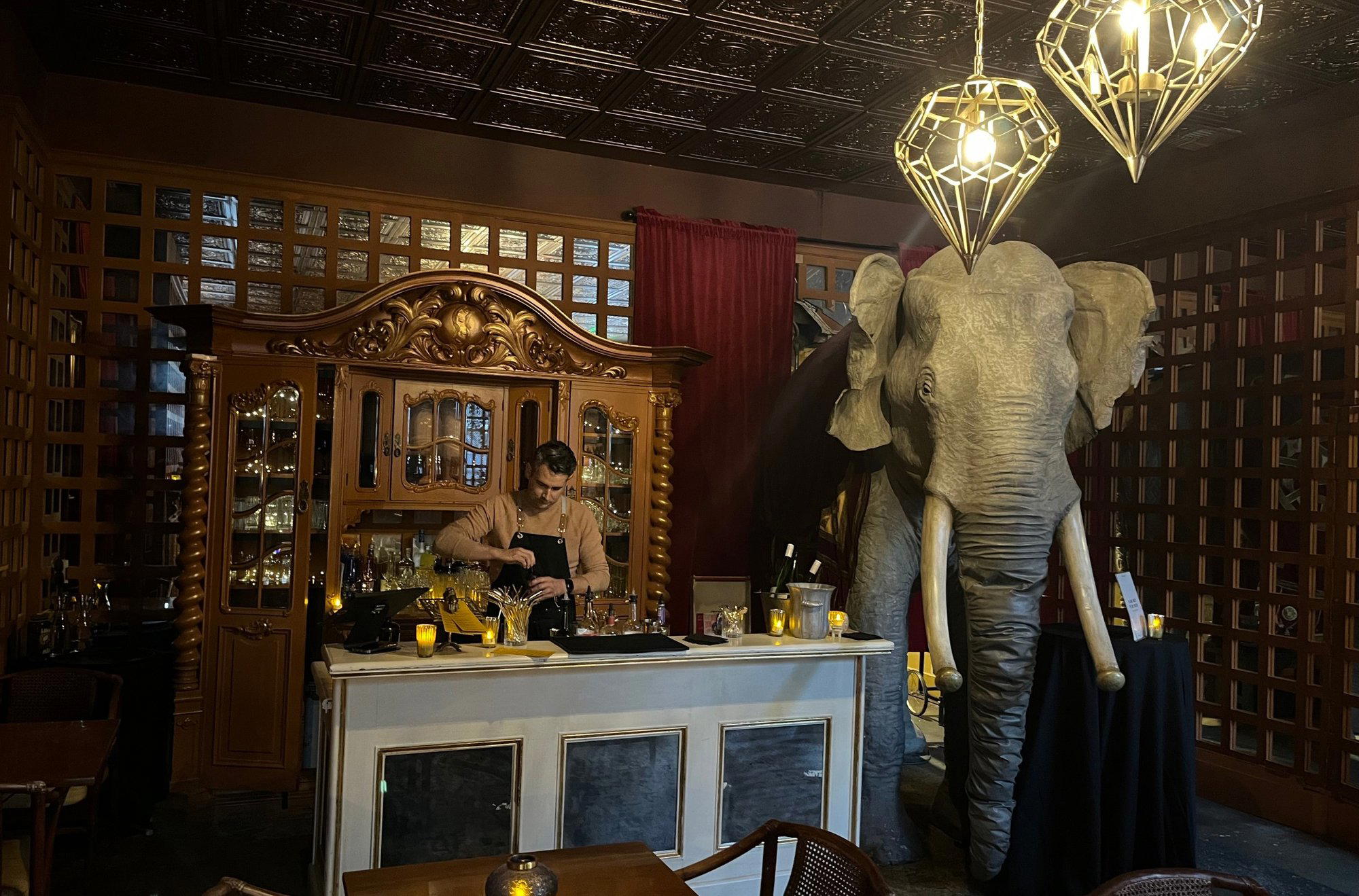
Lower Queen Anne and the Technique-Meets-Terroir Question
Seattle's dining conversation has circled the same productive tension for decades: the Pacific Northwest produces ingredients of notable provenance, from Dungeness crab and geoduck to chanterelles and Walla Walla onions, while the city's culinary workforce has absorbed technique from across the Pacific Rim and from classically trained kitchens in both the US and Europe. The result is a local dining culture that rarely fits neatly into a single tradition. Restaurants in neighborhoods like Capitol Hill, Belltown, and Lower Queen Anne have largely stopped trying to resolve that tension and started treating it as the point. 409 Roy St is a restaurant in Seattle's Lower Queen Anne neighborhood, near Seattle Center.
The broader neighborhood context matters here. Lower Queen Anne occupies a transitional zone in Seattle's dining map: close enough to the tourist corridors of the Center to draw visitors, grounded enough in its residential blocks to sustain regulars. It is a different proposition from the destination-dining clusters around Pike Place Market or the tasting-menu strip that has developed in Capitol Hill, and that positioning shapes what works there. Venues in this zone tend to operate in a register that balances accessibility with culinary seriousness, a combination that Seattle's dining public rewards when executed with consistency.
The Pacific Northwest Pantry as a Global Dialogue
The broader pattern across Seattle's serious dining establishments is the treatment of local ingredients not as a local pride project but as raw material for a wider technical conversation. At Canlis, Pacific Northwest produce has long been filtered through a New American framework with classical underpinnings. At Joule, Korean technique is applied directly to Northwest proteins and produce in a way that reframes both traditions. These are not fusion exercises; they are cases where the local pantry becomes the site of a genuine culinary argument about method, origin, and meaning.
That argument plays out differently depending on what a kitchen emphasizes. Restaurants that lean into the global-technique side of the equation tend to reference training lineages from Europe or from precision-driven American kitchens, the kind of credential chains visible at places like Le Bernardin in New York City or The French Laundry in Napa, where technique is the governing logic and ingredient provenance serves that logic. Restaurants that push harder on the local-ingredients side align more closely with the farm-integration model developed at venues like Blue Hill at Stone Barns in Tarrytown or Single Thread Farm in Healdsburg, where the growing calendar governs the menu calendar. Particularly interesting Seattle kitchens occupy the space between those poles, using the Pacific Northwest's seasonal intensity to make technical decisions feel inevitable rather than imposed.
Other American cities have developed their own versions of this dynamic. Lazy Bear in San Francisco treats Northern California's larder through a lens of social dining and American cooking history. Addison in San Diego applies French classical structure to Southern California's year-round produce abundance. Providence in Los Angeles built its reputation on the intersection of French rigor and Pacific seafood. Seattle's version of this argument is more openly cross-Pacific, shaped by the city's geography, its fishing industry, and decades of immigration from Japan, Korea, Vietnam, and China, each of which has left a technical vocabulary in the city's professional kitchens.
Placing 409 Roy St in Seattle's Dining Structure
For a venue at this address, the Lower Queen Anne location suggests a room calibrated for neighborhood regulars as well as visitors arriving from Seattle Center after an evening at the opera or the theater. The Lower Queen Anne location suggests a room calibrated for neighborhood regulars as well as visitors arriving from Seattle Center after an evening at the opera or the theater, a mixed audience that tends to favor menus with clear entry points and enough technical depth to reward attention. Seattle's dining culture generally supports that format; the city has never been a single-format town, and the strongest venues across price tiers have tended to succeed by being specific about what they do rather than comprehensive in what they offer. Venues like 1415 1st Ave and 1744 NW Market St demonstrate how address and neighborhood context shape audience expectations as much as cuisine type does. 2963 4th Ave S offers a further reference point for how Seattle venues outside the core destination corridors build loyal followings through consistency rather than spectacle.
Internationally, the technique-meets-local-product argument has been developed most rigorously at restaurants where discipline is non-negotiable. Alinea in Chicago and Atomix in New York City represent the end of the spectrum where imported technique becomes the primary event. Emeril's in New Orleans and The Inn at Little Washington in Washington show how regional American identity can anchor technically serious cooking without becoming folkloric. 8 1/2 Otto e Mezzo Bombana in Hong Kong demonstrates how European method transplanted to an Asian ingredient context creates something that neither tradition would have produced independently. Seattle, with its particular combination of Pacific waters, volcanic-soil agriculture, and cross-Pacific culinary fluency, is well-positioned to produce its own version of that synthesis.
Planning Your Visit
409 Roy St is located at the Roy Street address in the Lower Queen Anne neighborhood of Seattle, within walking distance of Seattle Center and its surrounding arts venues. Pricing is about $25 per person.
The Short List
Comparable venues nearby, for context on price, style, and recognition.
| Venue | Cuisine | Price | Notes |
|---|---|---|---|
| 409 Roy StThis venue — the venue you are viewing | Uptown, Authentic Thai | $$ | Not listed |
| Ayutthaya Thai Restaurant | Not listed | $$ | Pike/Pine, Traditional Thai |
| Roy Southern Thai Phinney | Phinney Ridge, Southern Thai Cuisine | $$ | Not listed |
| Ti22 | Denny Triangle, Modern Thai | $$ | Not listed |
| Little Uncle | Minor, Thai Noodle Specialist | $$ | Not listed |
| 8 Ping Yang | Not listed | $$$ | Pike/Pine, Modern Thai Grill |
Continue exploring
More in Seattle
Restaurants in Seattle
Browse all →
Bars in Seattle
Browse all →
Hotels in Seattle
Browse all →
At a Glance
- Elegant
- Cozy
- Date Night
- Casual Hangout
- Standalone
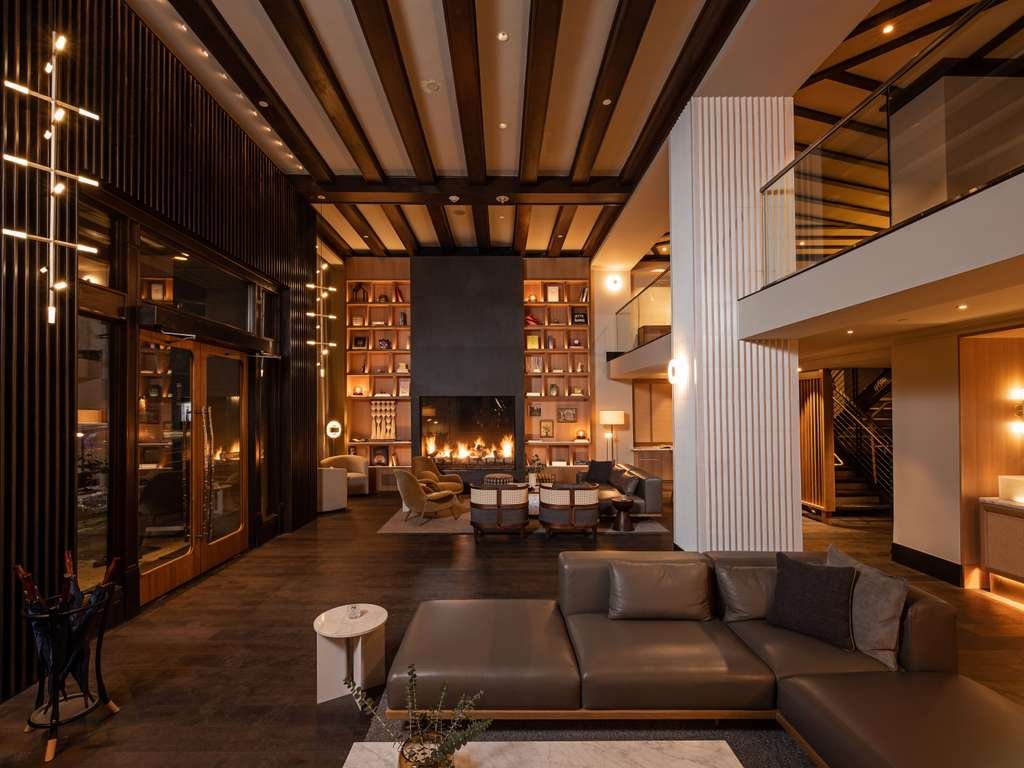
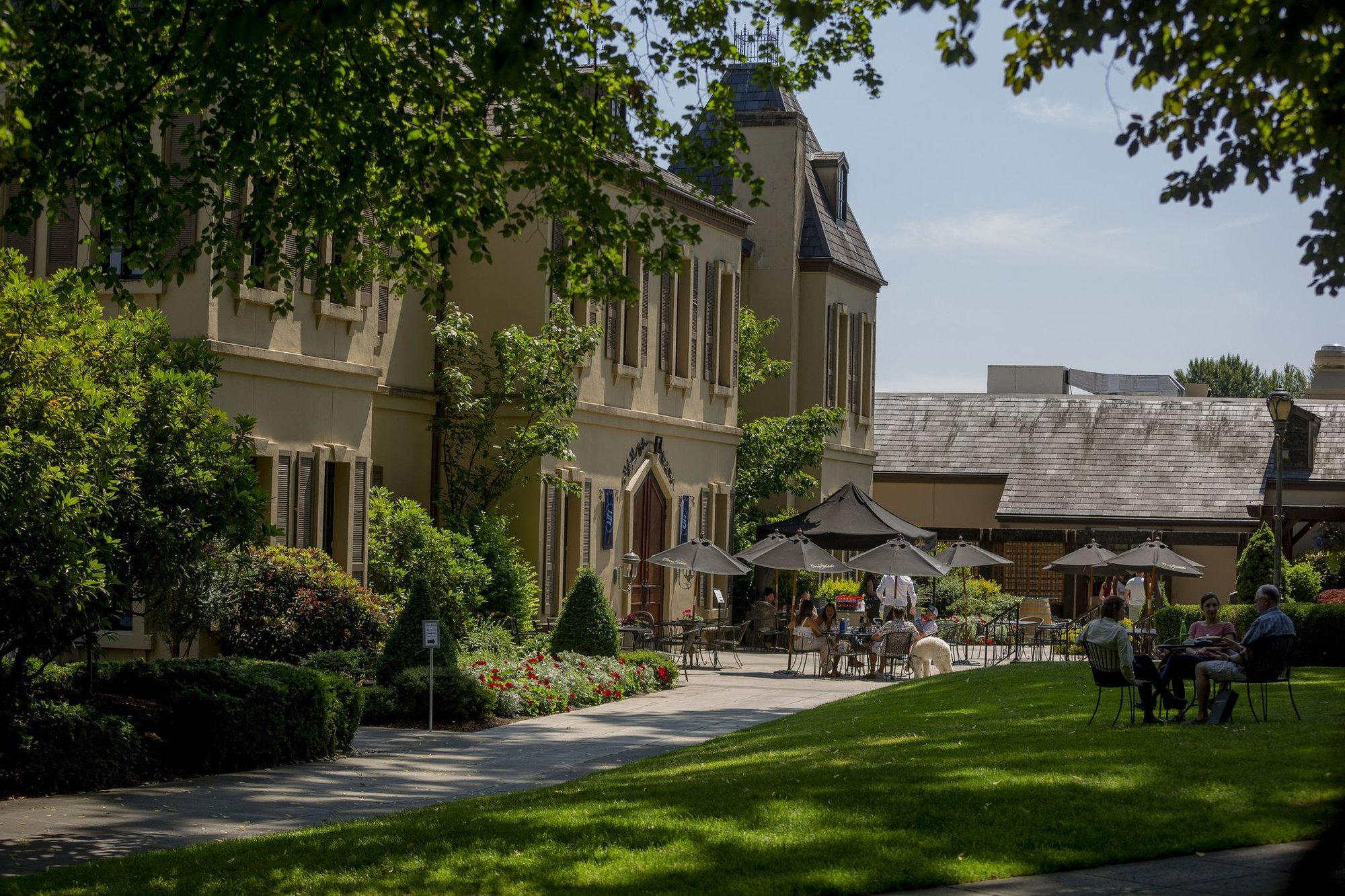
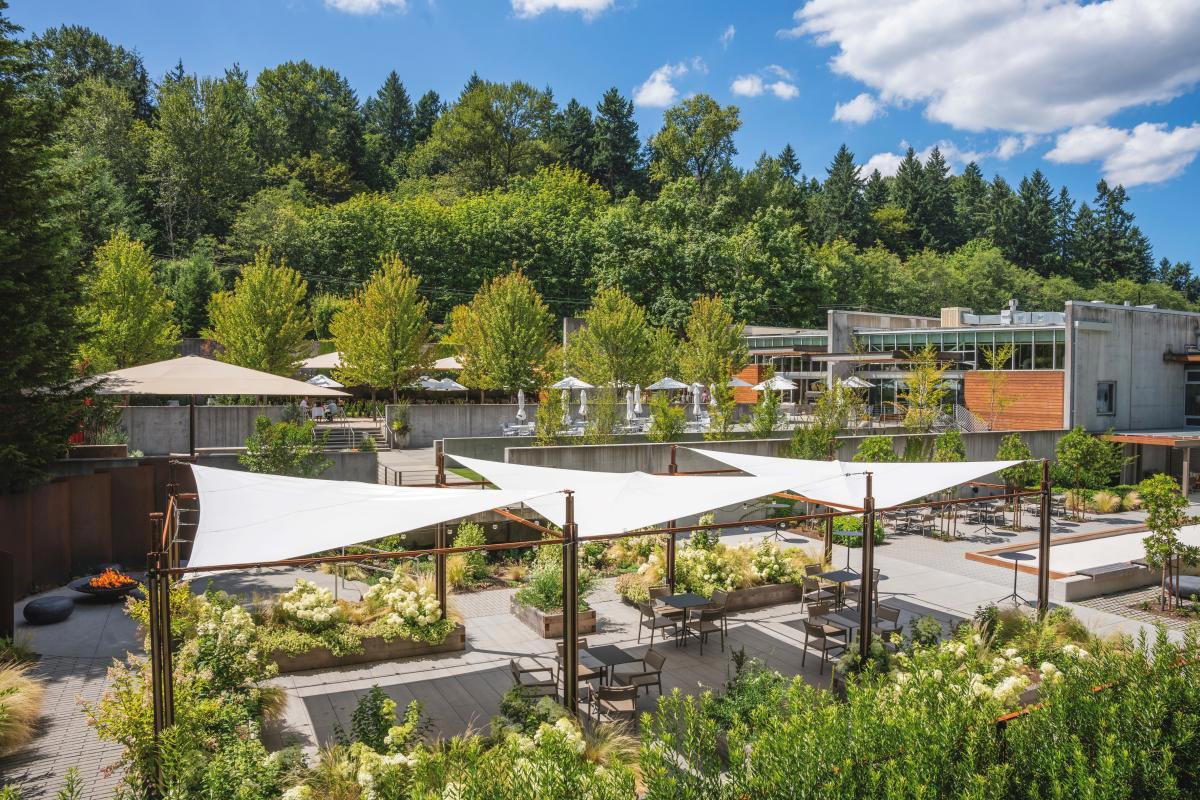
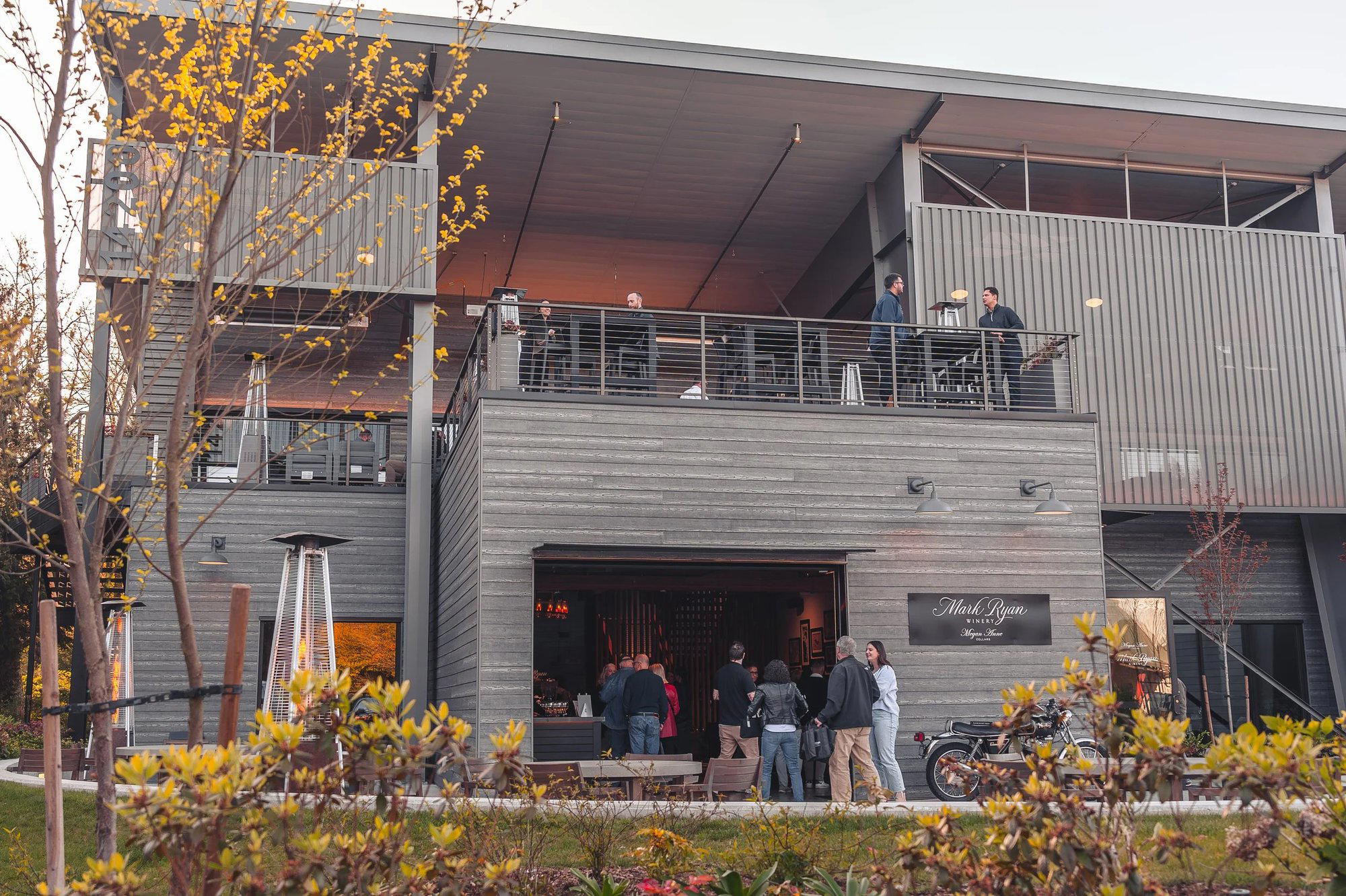
Nice atmosphere with elegant lighting and comfortable setting.