3rd Cousin



Michelin Plate · Wine Spectator Best of Award of Excellence
Our verdict
A Michelin Plate-recognized Californian-Japanese kitchen on Cortland Avenue, 3rd Cousin sits at the serious end of Bernal Heights dining without the formality that price bracket usually implies. Chef-owner Greg Lutes runs a tight program with a 600-bottle wine list weighted toward France and California, and a seasonal menu priced to remain accessible relative to the city's upper tier.

Pearl is the En Primeur Club membership app, where members save venues, book tables and use the concierge.
The menu
What to order
- Uni crème brûlée
- Lobster risotto
- Porcini and truffle ravioli
Bernal Heights and the Question of Neighborhood Ambition
San Francisco's farm-to-table movement has always had two speeds. In SoMa and the Financial District, it tends toward theater: open kitchens, sourcing boards on the wall, prix-fixe formats that underscore the seriousness of the exercise. In neighborhood rooms, the same commitment to seasonal California produce can settle into something quieter and, arguably, more durable. Cortland Avenue in Bernal Heights has long operated closer to the second register, and 3rd Cousin sits squarely within that tradition. The approach on 919 Cortland Ave is dinner-only, Tuesday through Saturday, with no Sunday or Monday service, a schedule that signals a kitchen running at a considered pace rather than a commercial one.
Where Californian Meets Japanese: A Productive Tension
The farm-to-table lineage in California runs through Chez Panisse and outward, but the most interesting evolution in the past decade has been the absorption of Japanese technique into that sourcing-first framework. The logic is complementary: Japanese cooking, at its core, is also seasonally organized and ingredient-driven, with technique deployed in service of the material rather than over it. This is the register in which 3rd Cousin operates, classifying its cuisine as both American and Japanese, a combination that in San Francisco carries specific weight given the city's deep Japanese-American culinary history. The result sits at the $$ price point for cuisine, a typical two-course dinner landing between $40 and $65, which makes it considerably more accessible than the city's $$$$ tasting-menu rooms. For comparison, Lazy Bear, Saison, and Atelier Crenn all occupy that upper bracket and price accordingly. 3rd Cousin reads as a serious kitchen without asking for the full commitment those venues require.
The Wine Program as Editorial Statement
A wine list of 380 selections with 600 bottles in inventory positions 3rd Cousin's cellar well above neighborhood-restaurant scale. The list skews toward France and California, the two regions that anchor serious American wine programs, with a $$$ pricing tier indicating many bottles north of $100. That said, the list spans a range of price points, and the $65 corkage fee provides a meaningful alternative for guests who want to bring something specific. Wine Director Oceano Ordoñez and Sommelier Marian Bamba run the program, and the depth of the list relative to the room's scale reflects a deliberate editorial position: this is a kitchen that takes what's in the glass as seriously as what's on the plate. In the context of our full San Francisco bars guide and our full San Francisco wineries guide, the wine depth here sits in a category of its own for a neighborhood dinner format.
Michelin Recognition and What It Signals at This Level
The Michelin Plate designation, held in both 2024 and 2025, marks a kitchen that the Guide's inspectors consider worth a visit without yet reaching starred status. In San Francisco's densely competitive dining environment, where Benu, Quince, and Atelier Crenn hold three stars each, and where The French Laundry in Napa and Single Thread Farm in Healdsburg define what the region's premier tier looks like, the Plate signals a different kind of seriousness. It's the Guide saying the fundamentals are in place and the cooking is credible, without the full apparatus of starred dining: no amuse-bouche parade, no ten-course arc, no $300 floor. The Opinionated About Dining ranking at #569 in North America in 2024 adds a second independent data point. OAD rankings derive from aggregated votes by frequent diners, which means the placement reflects repeat-visitor confidence rather than a single inspection cycle.
The Californian Context: Farm-to-Table After the First Wave
The farm-to-table movement in California is old enough now to have produced its own clichés, and the more interesting rooms are those that have moved past the origin story. The first wave was about recovering ingredients, sourcing from local farms at a time when most restaurants defaulted to commodity supply chains. The second wave turned sourcing into a menu architecture, with seasonal rotations, named farm relationships, and forager credits. The current moment is less about announcing the sourcing and more about letting it determine form: the Japanese-Californian synthesis that 3rd Cousin represents is part of this maturation, where the philosophy is embedded in technique rather than displayed as a marketing posture. Californian restaurants that have maintained this kind of integrity over time include Boulevard, Foreign Cinema, and Ethel's Fancy in San Francisco, as well as Caruso's in Montecito and Citrin in Los Angeles further down the coast. Each has found a different way to hold the regional sourcing conviction while building a distinct culinary identity. 3rd Cousin's particular resolution, Japanese technique applied to California produce, at neighborhood scale, with a cellar that would embarrass many larger rooms, represents one of the more coherent versions of where that tradition has arrived.
$$$$ price designation for the overall experience places 3rd Cousin in the same bracket as San Francisco's most serious tasting-menu destinations, even though the cuisine pricing itself ($$ for food) tells a different story. The gap between those two signals is worth examining. It likely reflects the wine program's contribution to check averages, since a list priced at the $$$ level with many $100-plus bottles can pull the overall experience spend upward even when the food itself remains in an approachable range. Within the city's wider dining geography, 3rd Cousin occupies a specific position: more ambitious than a casual neighborhood bistro, more accessible than the city's white-tablecloth destination rooms. Sun Moon Studio and Mägo share some of the same orientation toward serious technique at neighborhood scale. Nationally, the farm-to-table Californian tradition that 3rd Cousin represents has produced flagship institutions, Le Bernardin in New York City, Providence in Los Angeles, Alinea in Chicago, and Emeril's in New Orleans all represent regional cooking ambition at maximum expression, but the neighborhood-scale serious room is a different and arguably more replicable model.
Planning a Visit
Service runs Tuesday through Thursday from 5 to 9 pm, and Friday and Saturday from 5 to 10 pm, with the kitchen closed Sunday and Monday. Reservations are advisable given the combination of recognition, limited seating hours, and the evening-only format. The address is 919 Cortland Avenue in Bernal Heights, a neighborhood that sits southeast of the Mission and is most easily reached by car or rideshare. For broader planning across the city, our full San Francisco restaurants guide, hotels guide, and experiences guide cover the full picture.
What Guests Recommend at 3rd Cousin
Based on recognition signals and the kitchen's positioning, guests and reviewers point consistently to the wine program as a differentiator at this neighborhood scale, the 380-selection list with France and California depth is unusual for a room operating at Cortland Avenue's register. The Californian-Japanese cuisine synthesis, recognized by the Michelin Plate in consecutive years and by OAD's 2024 ranking, draws guests who want technique-driven cooking without a tasting-menu commitment. Chef and general manager Greg Lutes runs both the kitchen and the floor, a configuration that tends to produce tightly integrated experiences where the food and the room's pace align.
Frequently asked questions
What do people recommend at 3rd Cousin?
Reviewers and guests consistently point to the wine program as the defining reason to visit. The list runs 380 selections with 600 bottles in inventory, with particular strength in France and California and a $65 corkage fee for those bringing their own. On the food side, the Californian-Japanese kitchen under chef and owner Greg Lutes earns consistent attention, reflected in consecutive Michelin Plate recognition in 2024 and 2025 and a #569 ranking on the Opinionated About Dining North America list.
Is 3rd Cousin more mid-range or high-end?
Pricing at 3rd Cousin is listed as $$$$.
At-a-Glance Comparison
A quick peer list to put this venue’s basics in context.
| Venue | Cuisine | Price | Awards | Notes |
|---|---|---|---|---|
| 3rd CousinThis venue (the venue you are viewing) | Seasonal California Cuisine | $100–150 | Michelin Plate · Wine Spectator Best of Award of Excellence | Not listed |
| Lazy Bear | Modern American Tasting Menu | Not listed | 2 Michelin Stars · World's 50 Best #25 | Progressive American, Contemporary |
| Benu | Modern Asian Fusion Fine Dining | $150–200 | 3 Michelin Stars · World's 50 Best #33 | French - Chinese, Asian |
| Atelier Crenn | Contemporary French Fine Dining | $300–500 | 3 Michelin Stars · World's 50 Best #44 | Modern French, Contemporary |
| Quince | Modern French Fine Dining | $300–500 | 3 Michelin Stars · World's 50 Best #48 | Italian, Contemporary |
| Saison | Modern French-Italian | Not listed | Michelin Plate | Progressive American, Californian |
Recognition history
Dated appearances from independent guides and award organizations, with the underlying list record or original source where available.
Michelin Plate
Michelin · 2026 Michelin Plate
Wine Spectator Best of Award of Excellence
Wine Spectator
Opinionated About Dining Top Restaurants in North America Ranked #569
Opinionated About Dining
Full recognition history (6 entries)
Michelin Plate
Michelin
Wine Spectator Award of Excellence
Wine Spectator
Michelin Plate
Michelin
Continue exploring
More in San Francisco
Restaurants in San Francisco
All restaurants in San Francisco →
Bars in San Francisco
All bars in San Francisco →



3rd Cousin
The wine
3rd Cousin holds the Wine Spectator Best of Award of Excellence, which Wine Spectator gives to lists of usually 350 or more selections.
- Wine Spectator
- Wine Spectator Best of Award of Excellence
- Selections
- 380
- Bottles in cellar
- 600
- List strengths
- France, California
- Wine director
- Oceano Ordoñez
- Extensive wine list
Details
- Cozy
- Intimate
- Modern
- Minimalist
- Date Night
- Special Occasion
- Celebration
- Open Kitchen
- Extensive Wine List
- Farm To Table
- Organic
- Local Sourcing
Current opening hours
- Monday
- Closed
- Tuesday
- 5–8:30 PM
- Wednesday
- 5–8:30 PM
- Thursday
- 5–8:30 PM
- Friday
- 5–10 PM
- Saturday
- 5–10 PM
- Sunday
- Closed
Hours can change for holidays and private events. Hours as of .
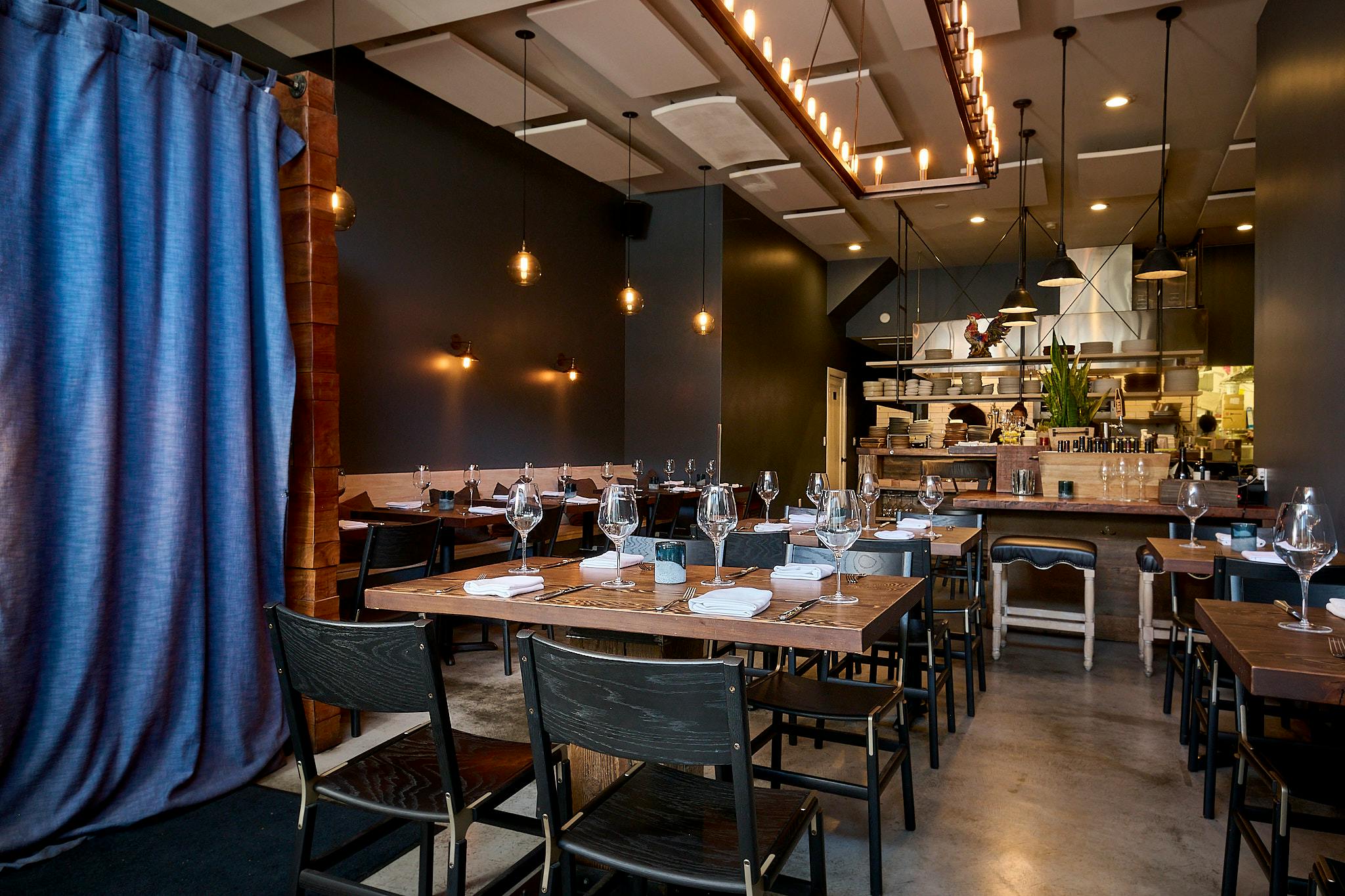
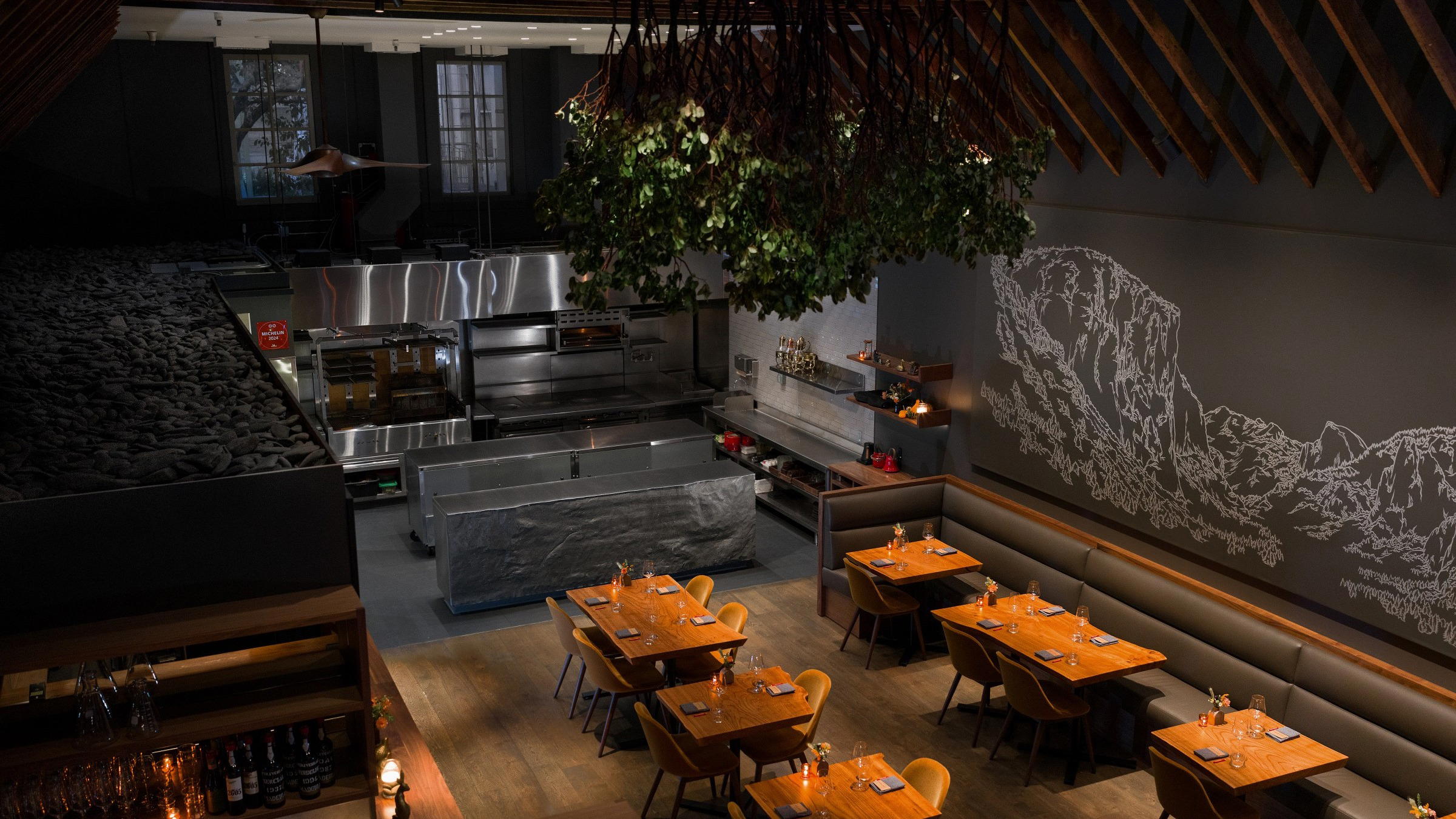
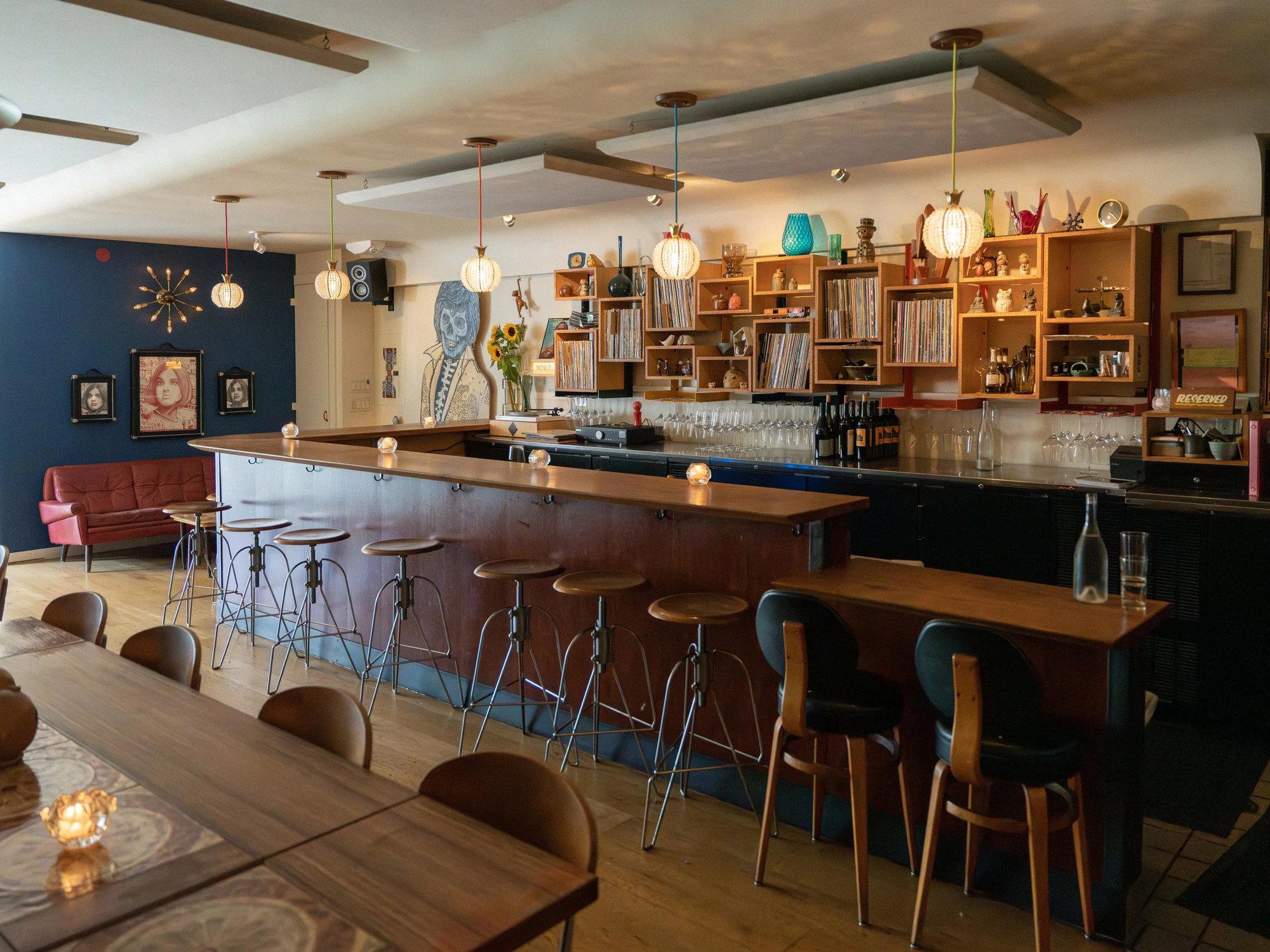
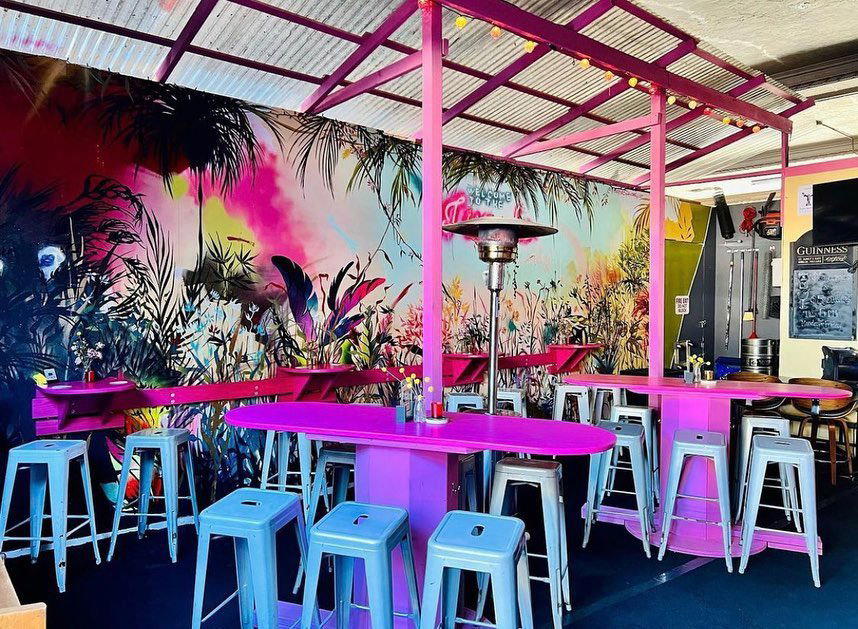
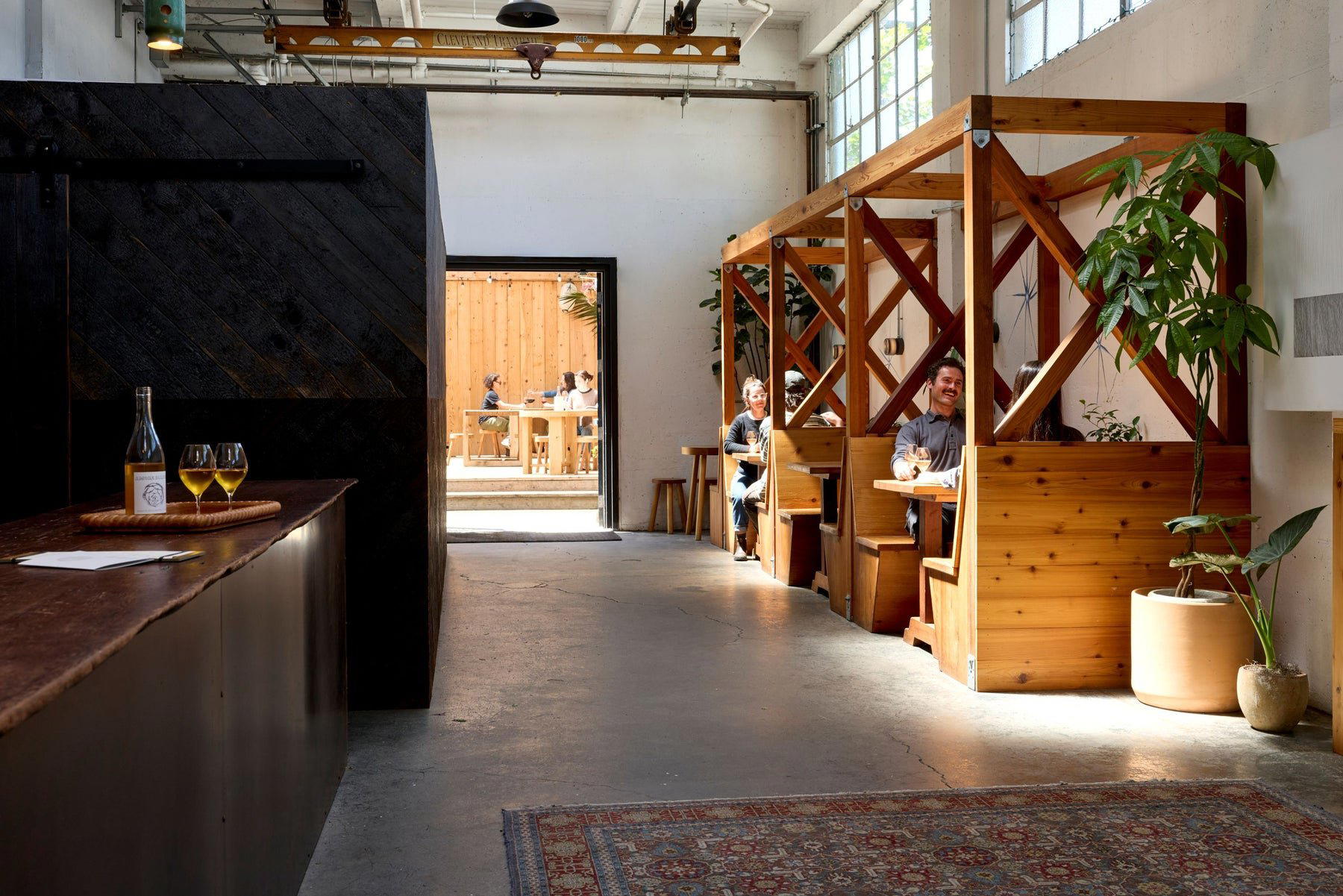
Industrial chic interior with minimalist decor, subway tile, open display kitchen, and subdued lighting; described as cozy and intimate with a relaxed, come-as-you-are vibe despite fine dining execution.