Suryamahal sits within The Oberoi Udaivilas on the banks of Lake Pichola, positioning it inside one of Rajasthan's most architecturally considered hotel properties. The dining room draws on the region's deep Mewari culinary heritage, where palace kitchens once dictated the cooking of an entire subcontinent's aristocratic table. For visitors to Udaipur who want context alongside a meal, this address delivers both.
Pearl is the En Primeur Club membership app — saves, bookings, and concierge access live there. Same editors, same standards.
- Address
- The Oberoi Udaivilas, Haridas Ji Ki Magri, Mulla Talai, Udaipur, Rajasthan 313004, India
- Phone
- +91 294 268 2301
- Website
- oberoihotels.com
- Directions
- Get directions
 Saves & bookings on Pearl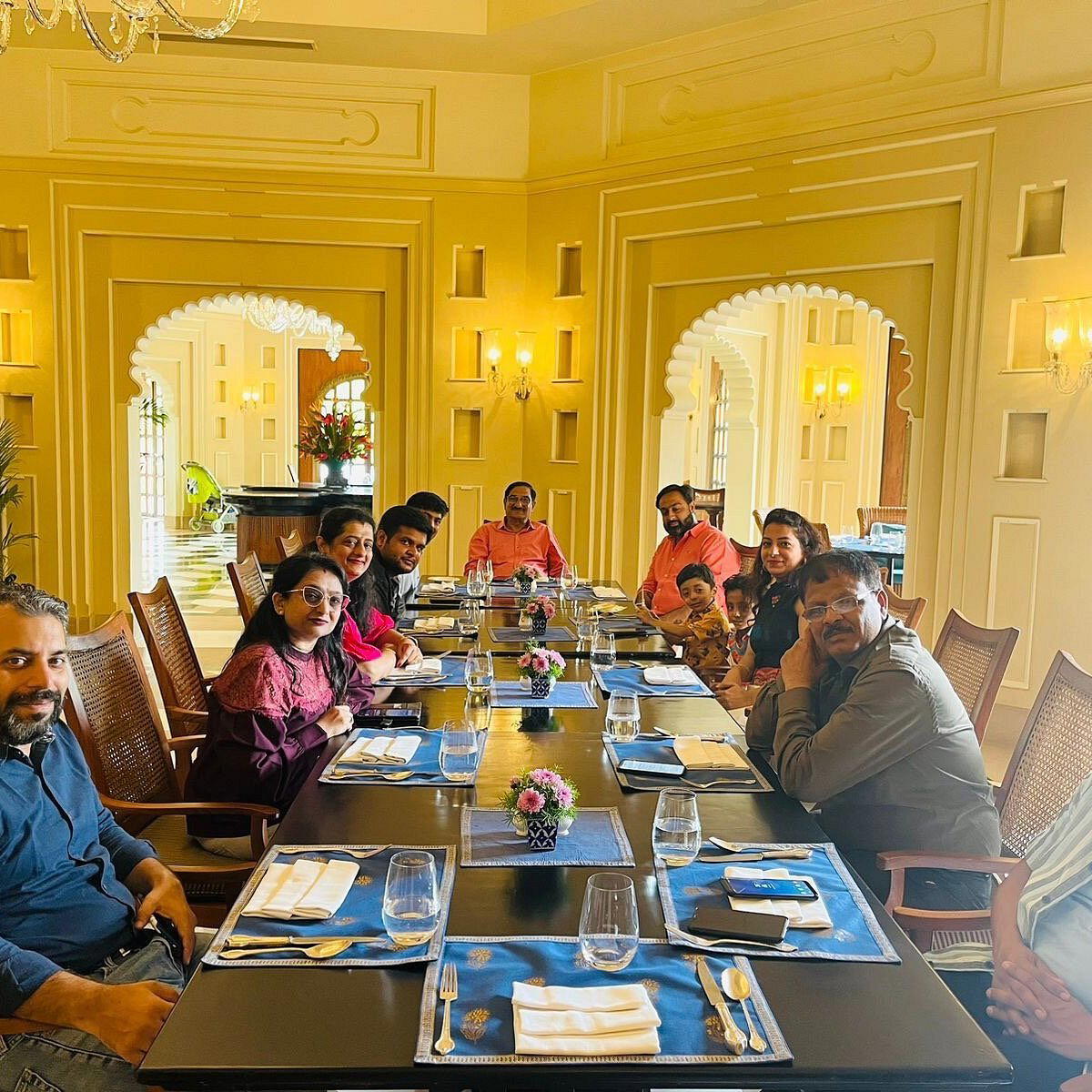
The Oberoi Setting and What It Signals
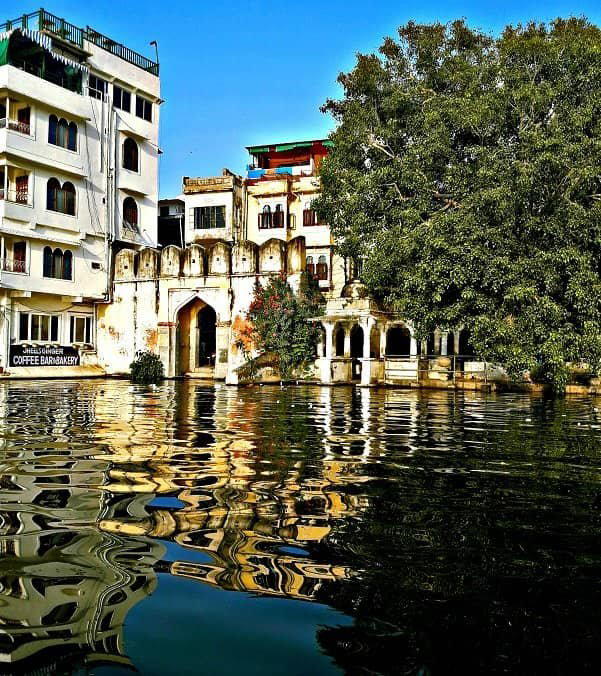
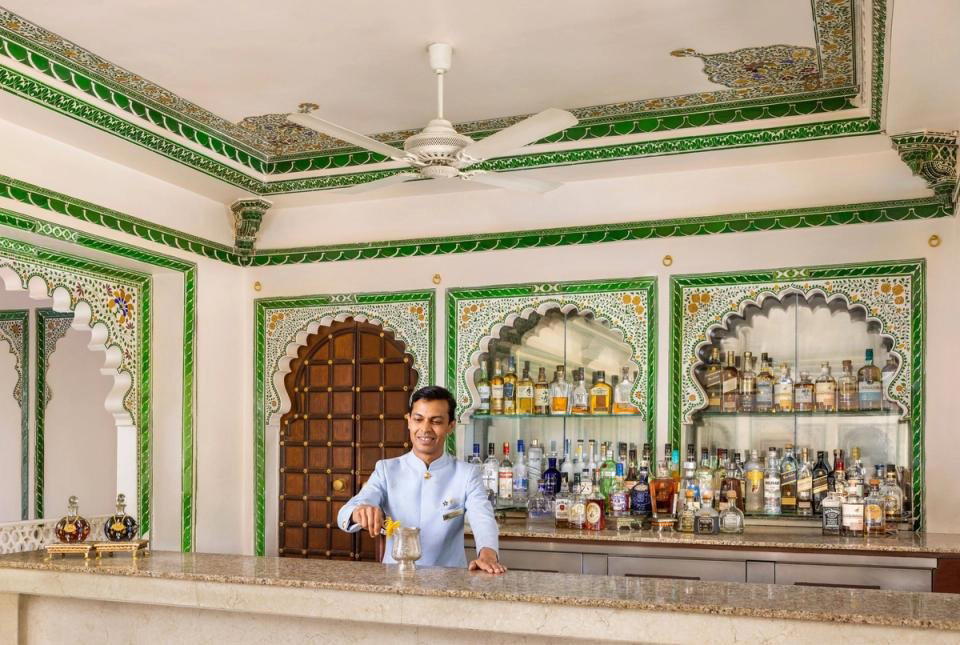
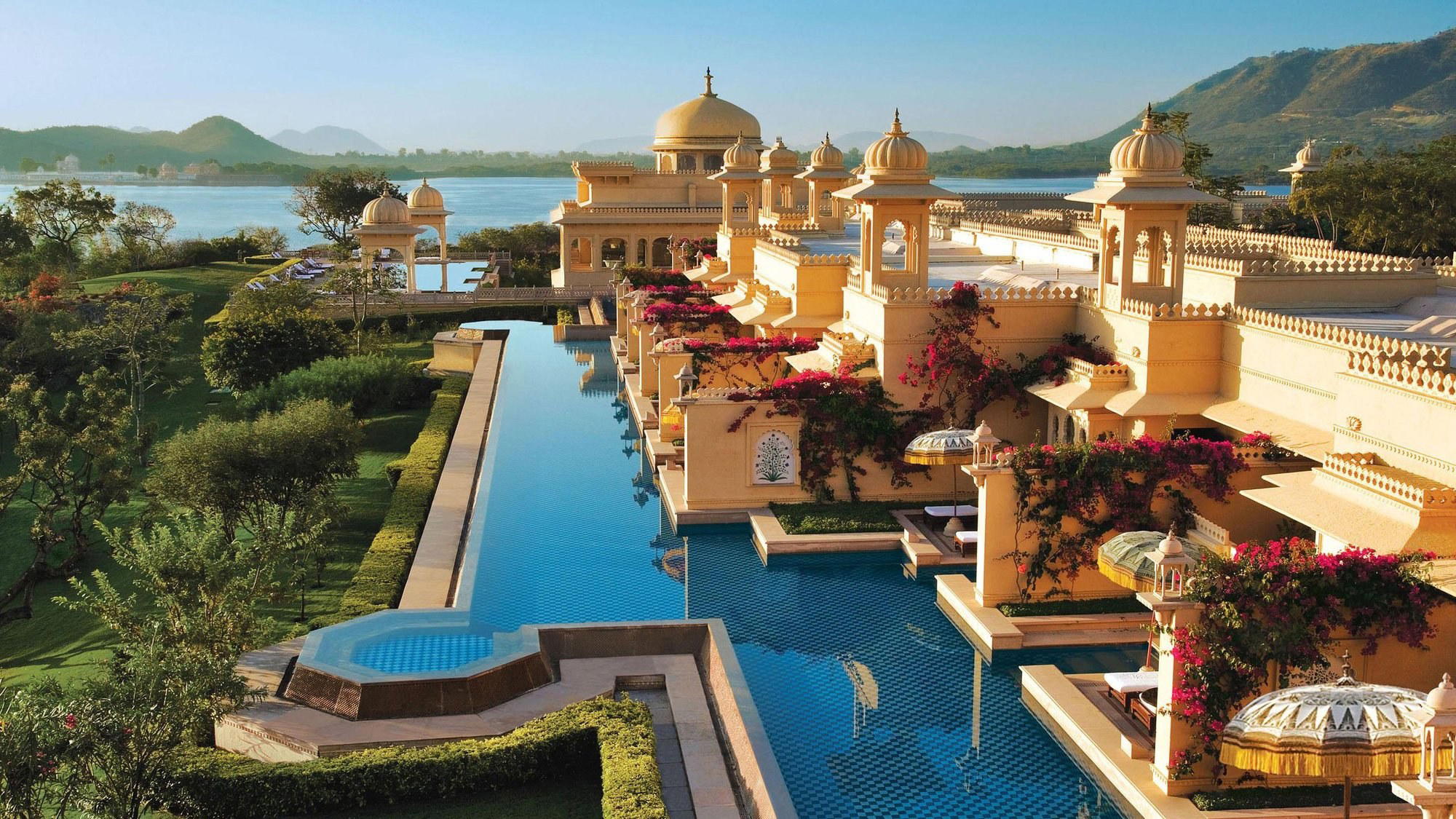
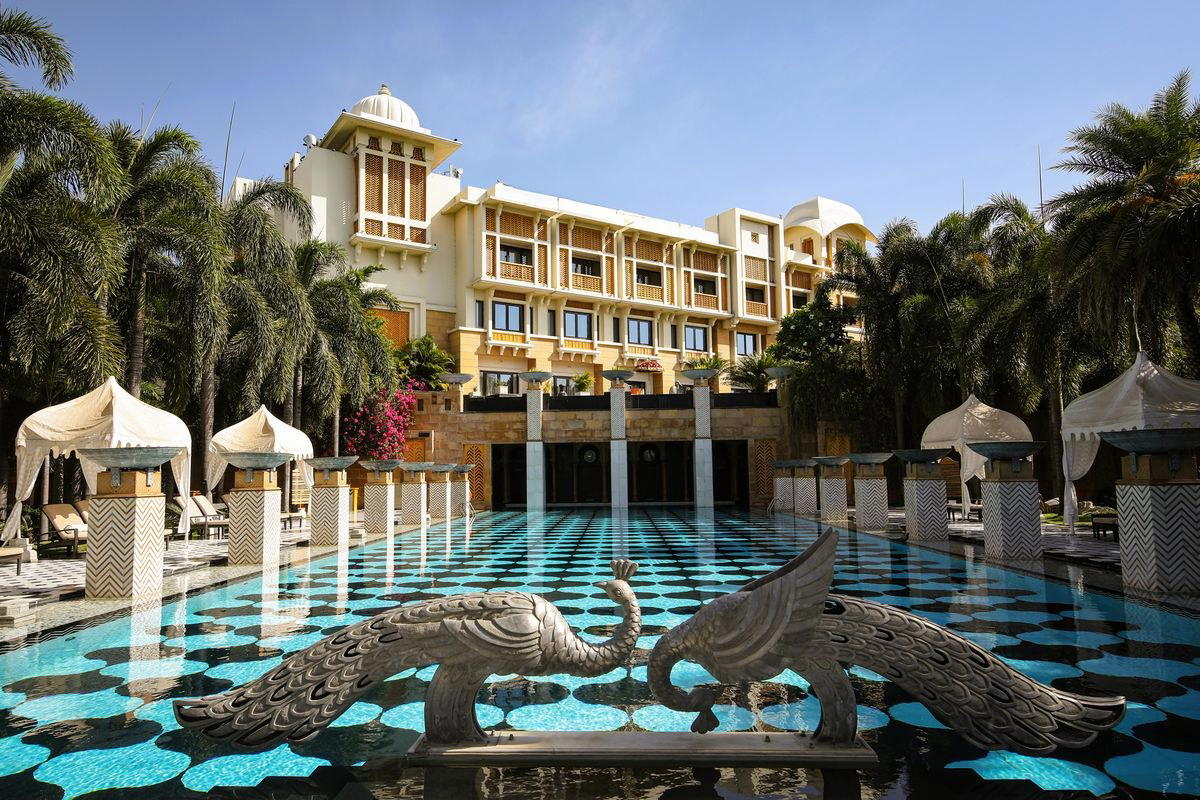
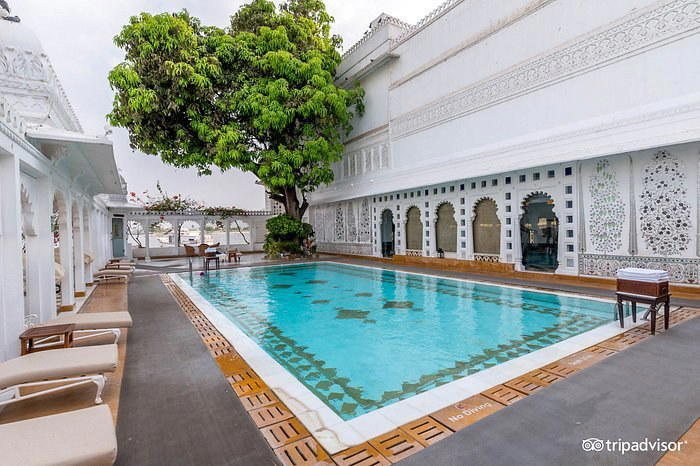
Arriving at The Oberoi Udaivilas along the Mulla Talai waterfront is an exercise in calibration. The property was designed to echo the architectural grammar of Rajput palace complexes: low domes, colonnaded walkways, and reflecting pools that blur the boundary between built structure and lakeside geography. Suryamahal occupies a defined place within that compound, and the physical approach prepares the diner for a specific register of hospitality — one where the setting is not incidental but constitutive of the meal itself.
Within Udaipur's dining scene, the Oberoi properties occupy the upper tier of hotel restaurants, a bracket that includes Lake Palace Hotel across the water and Sheesh Mahal further along the lakefront. Each of these addresses trades on Rajasthan's palace-hotel legacy, but they do so with different emphases. Suryamahal's position within the Udaivilas compound gives it a particular density of architectural detail that other properties in the city approximate but rarely match at the same scale.
Mewari Cooking and the Question of Provenance
Rajasthan's cuisine evolved under conditions of scarcity and royal abundance simultaneously. The desert geography of the region limited fresh produce availability for most of its history, which pushed palace kitchens to develop techniques around dried lentils, preserved vegetables, and game proteins. The result is a cooking tradition that is simultaneously austere in its ingredient logic and complex in its spice architecture — a combination that places Mewari food in a different register from the butter-heavy Mughal-influenced cooking that dominates north Indian restaurant menus elsewhere in the country.
That sourcing history matters when considering what Suryamahal's menu represents. The Mewar region's reliance on locally available ingredients, ker and sangri (desert beans and berries), bajra (pearl millet), and game from the Aravalli hills, created a canon of dishes that is geographically specific in a way that much hotel dining in India is not. Where Bukhara in New Delhi built its identity around the tandoor as a universal north Indian reference point, Udaipur's palace-adjacent restaurants work with a narrower, more regionally grounded pantry.
The editorial case for Suryamahal, within the broader Udaipur dining map, rests substantially on this question of ingredient provenance. Hotel restaurants at this price tier in Rajasthan's tourist circuit face consistent pressure to broaden their menus toward a pan-Indian or continental format that plays to international visitor expectations. The degree to which any given kitchen resists that pressure and maintains fidelity to regional sourcing is the primary axis on which the serious diner should evaluate their options in this city. For comparison on the regional sourcing question, Farmlore in Bangalore has made ingredient traceability the explicit frame of its entire programme, a model that some Rajasthani hotel kitchens are beginning to reference, if not yet fully adopt.
Udaipur's upper-tier restaurant scene is relatively compact. The primary alternatives to Suryamahal within the hotel-dining bracket are Chandni and Royal Repast, both of which serve Rajasthani and north Indian repertoires in heritage-adjacent settings. The distinction between these addresses is partly architectural, partly about menu depth, and partly about the degree to which the kitchen privileges regional specificity over crowd-pleasing breadth.
India's hotel restaurant tier has been undergoing a quiet reappraisal. Properties affiliated with the Oberoi, Taj, and Leela groups have historically functioned as the default fine-dining option in cities with thin independent restaurant scenes. In Udaipur, where independent fine dining remains underdeveloped relative to the city's tourism volume, that hotel restaurant default is still largely operative. The comparison with Leela Kerala Terrace in Trivandrum is instructive: both operate within the logic of a heritage group hotel restaurant in a city where the regional cuisine itself is the primary draw, and both succeed or fall short based on how faithfully the kitchen translates that regional identity rather than diluting it.
Outside Rajasthan, the conversation around serious Indian regional cooking has shifted toward independent operators. Naar in Kasauli and Esphahan in Agra represent different approaches to the problem of rendering regional Indian food legible to a sophisticated audience without flattening its specificity. Suryamahal operates within a different structural context, it is embedded in a property that will always attract international leisure visitors, but the underlying question of how to honour ingredient sourcing and cooking technique in that context is the same.
The Dining Room as Object
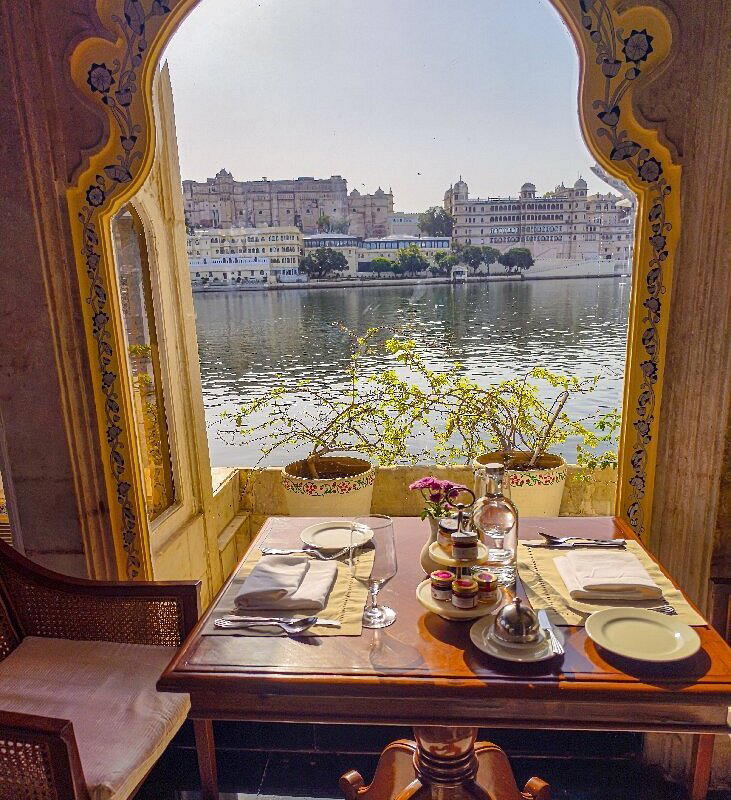
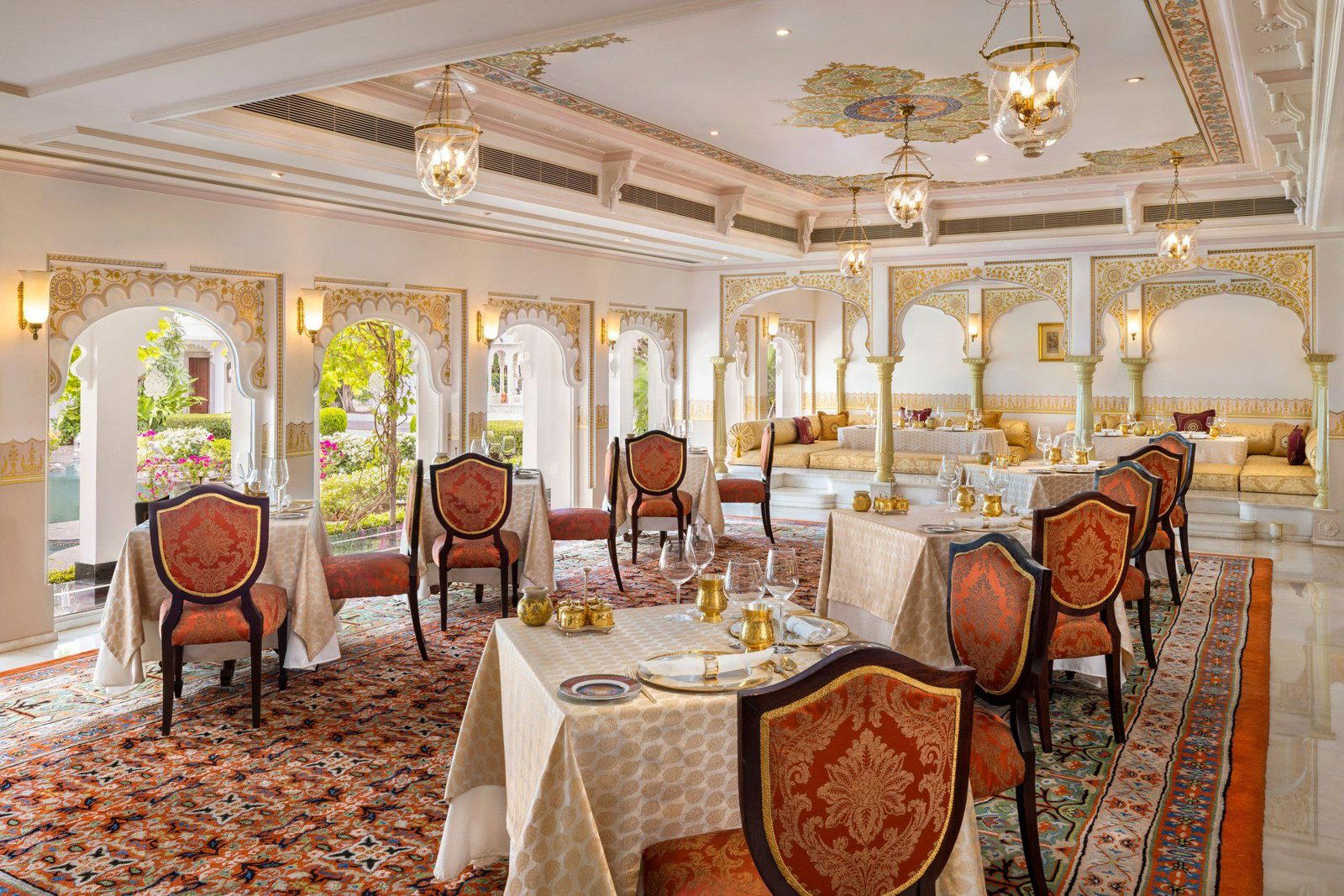
Hotel dining rooms in Rajasthan tend to perform their heritage through one of two modes: the recreation of a durbar hall, with its ceremonial furniture and attendant formality, or a lighter interpretation that prioritises lake views and architectural apertures over interior drama. Suryamahal, situated within the Udaivilas compound, operates within the grander of these two modes. The physical experience of the room, its scale, the quality of light across the water, the spatial distance between tables, is itself part of what the diner is paying for.
This is worth stating plainly, because it changes the calculus of value. At restaurants where the physical environment contributes this substantially to the overall experience, the meal and the setting should be evaluated as a compound proposition rather than separately. The same is true at Americano in Mumbai or at Atomix in New York City, where the designed environment is inseparable from the editorial identity of the kitchen. At Suryamahal, the Udaivilas setting does comparable work.
Planning Your Visit
Suryamahal is accessible to non-resident guests at The Oberoi Udaivilas, though securing a table at the property's restaurants during the peak Rajasthan travel season (October through February) benefits from advance planning; the hotel operates at high occupancy across these months, and dining demand from in-house guests compresses availability. The monsoon months (July through September) represent a quieter window, with lower visitor volumes and occasionally more favourable conditions for securing preferred seating times.
For context on Udaipur's broader dining options across price tiers and neighbourhoods, see our full Udaipur restaurants guide. Diners with an interest in how other Indian cities approach regional sourcing at similar price points will find useful reference at 5868 Restaurant in Gandhinagar and Harvest Kitchen Somnath in Veraval, both of which frame Gujarat's agricultural identity in a formal restaurant context. Those interested in the more casual end of India's regional cooking spectrum, where sourcing transparency takes a different form, might compare notes with Beera Chicken House in Amritsar, where a single-protein focus over decades has produced its own kind of provenance argument.
Continue exploring
More in Udaipur
Restaurants in Udaipur
Browse all →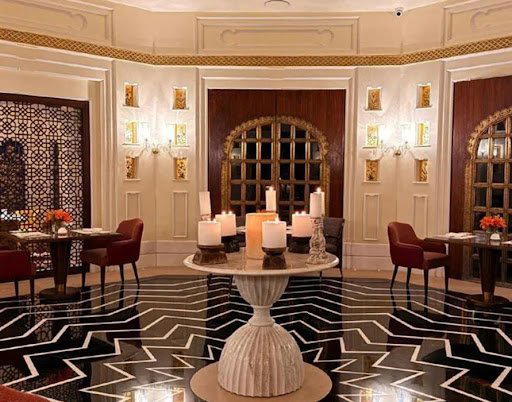

At a Glance
- Elegant
- Scenic
- Sophisticated
- Special Occasion
- Date Night
- Terrace
- Panoramic View
- Live Music
- Hotel Restaurant
- Waterfront
Current opening hours
- Monday
- 7 AM–10:30 PM
- Tuesday
- 7 AM–10:30 PM
- Wednesday
- 7 AM–10:30 PM
- Thursday
- 7 AM–10:30 PM
- Friday
- 7 AM–10:30 PM
- Saturday
- 7 AM–10:30 PM
- Sunday
- 7 AM–10:30 PM
Hours can change for holidays and private events. Last verified .
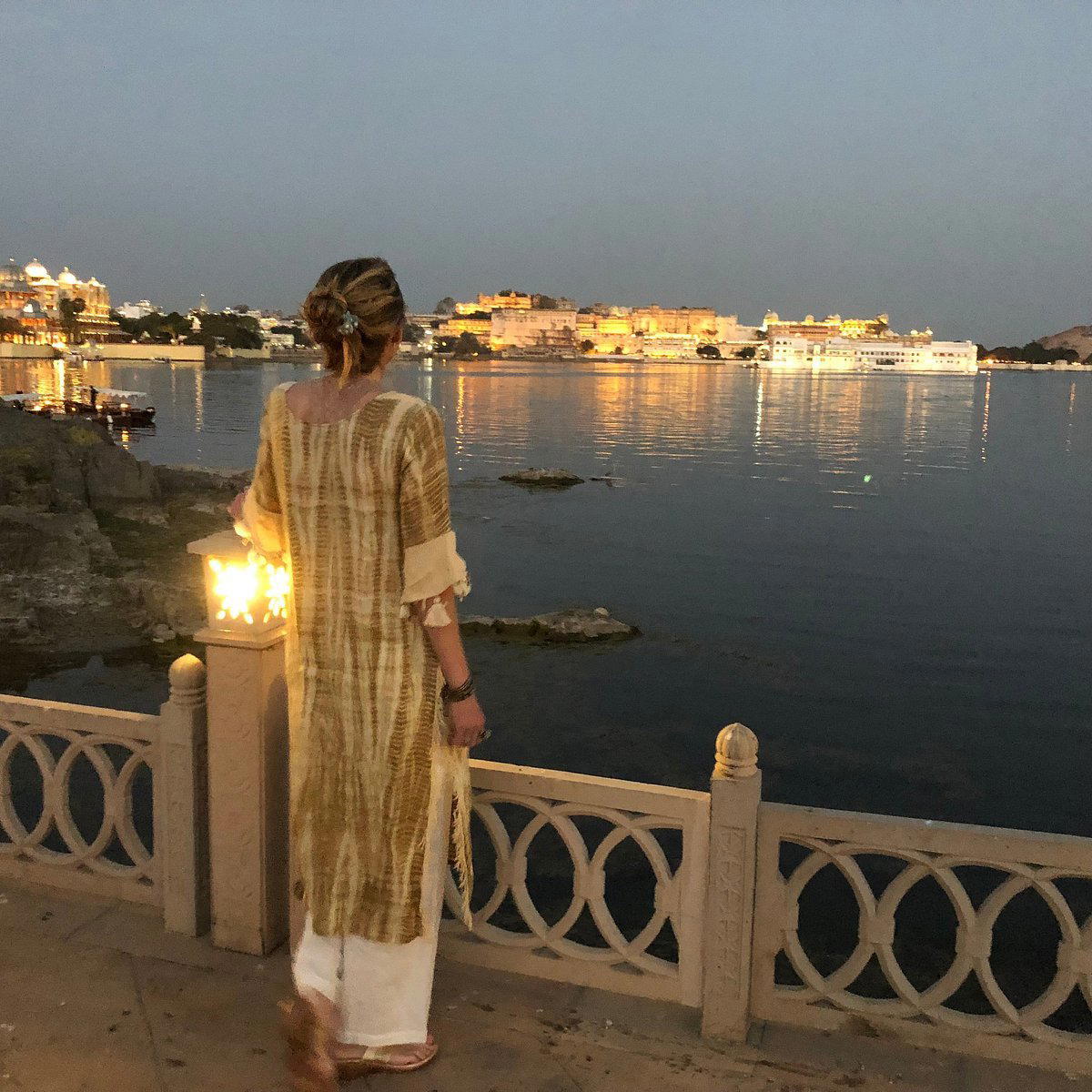
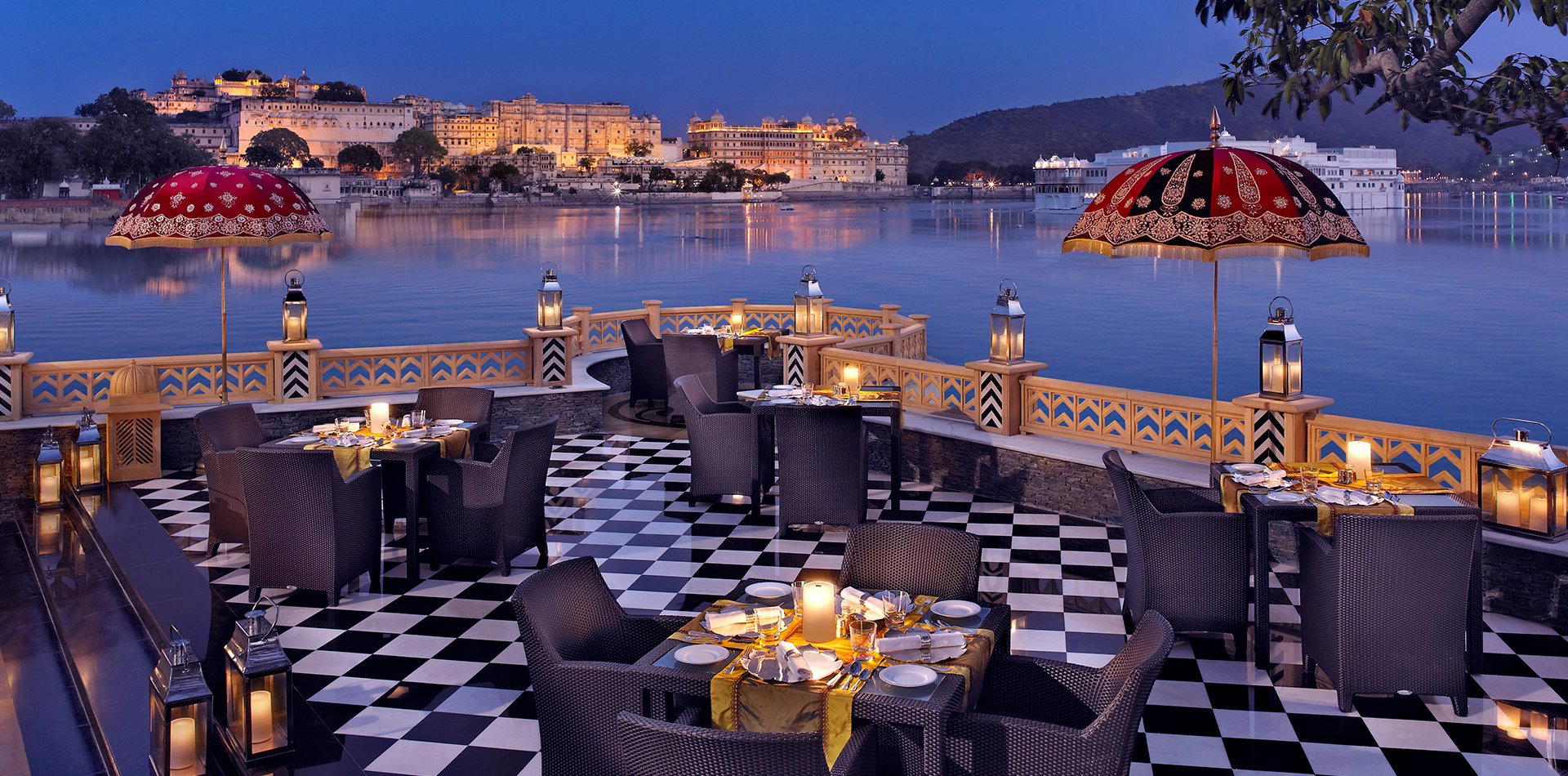
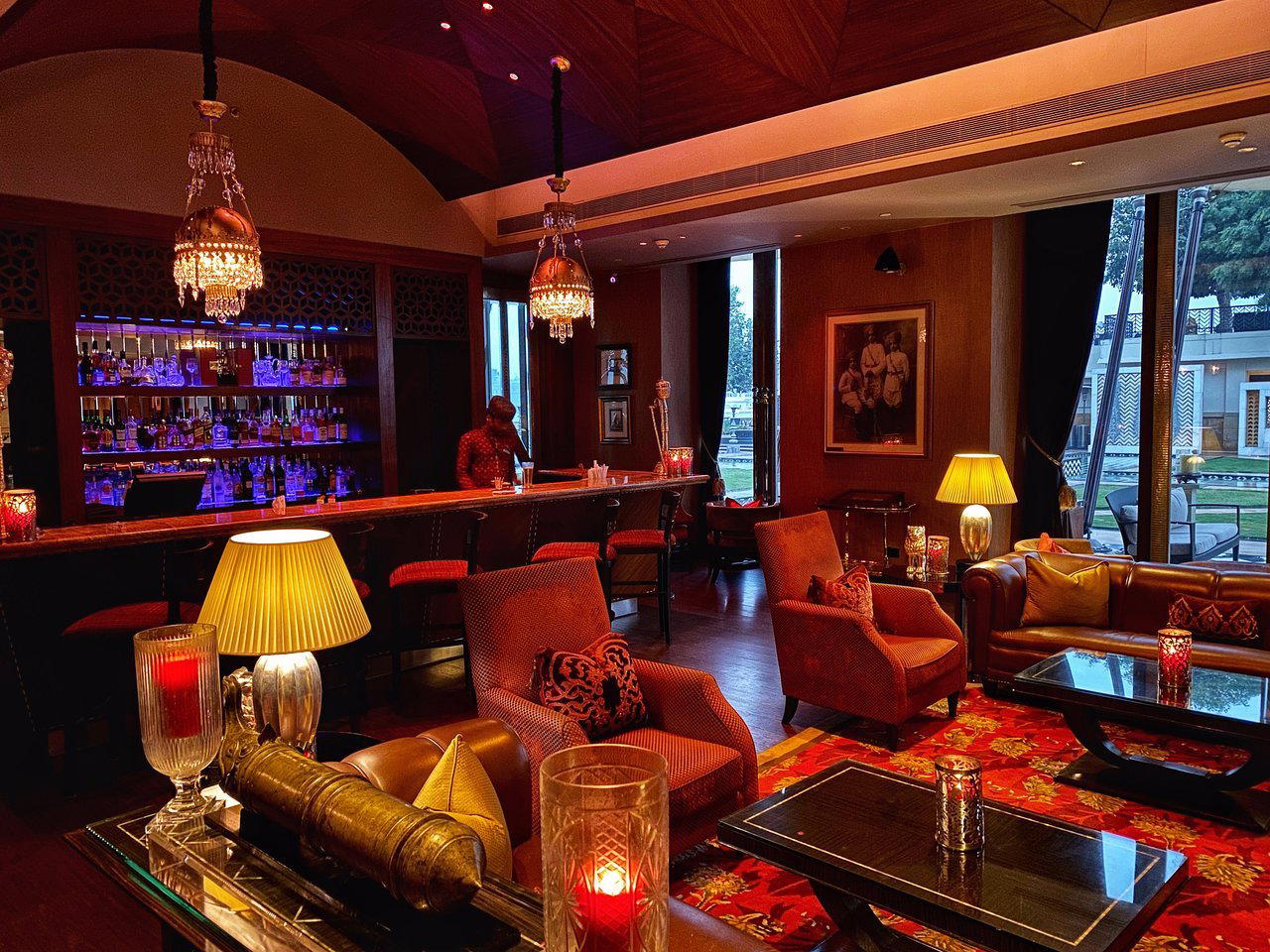
Elegant and refined with warm lighting, tasteful decor, and a serene atmosphere enhanced by dramatic lake views and candle-lit canopied tables.
Know Before You Go
- Getting there
- The Oberoi Udaivilas, Haridas Ji Ki Magri, Mulla Talai, Udaipur, Rajasthan 313004, India