Cliffhouse
Our verdict
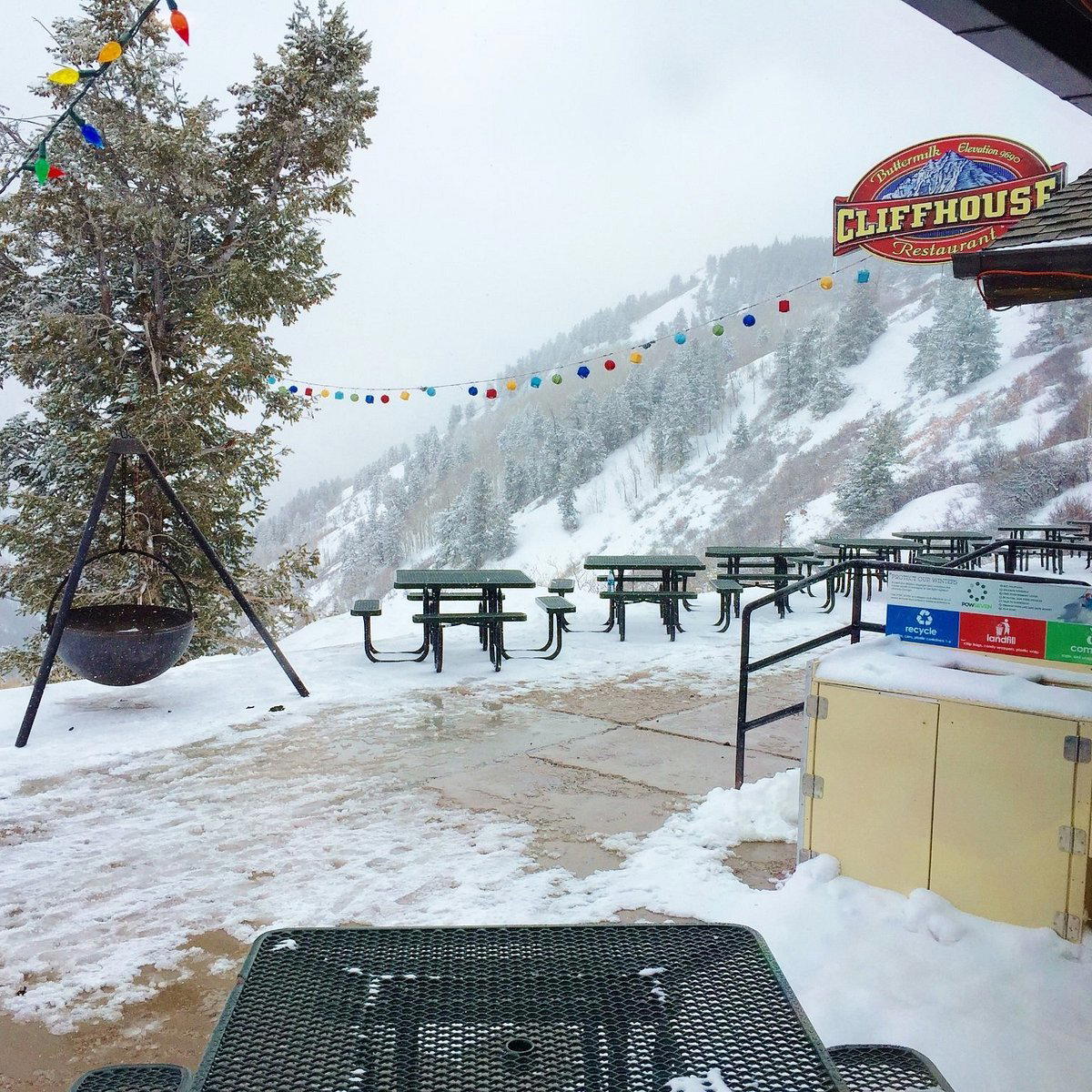
Positioned along Highway 82 at the outer edge of Aspen, Cliffhouse occupies a category that few mountain venues attempt: destination dining shaped as much by its physical setting as by what arrives at the table.

Pearl is the En Primeur Club membership app — saves, bookings, and concierge access live there. Same editors, same standards.
- Address
- 38700 Highway 82, Aspen, CO 81611
- Directions
- Get directions
The menu
What to order
- Mongolian BBQ
- Loaded baked potatoes
A Setting That Does the Editorial Work
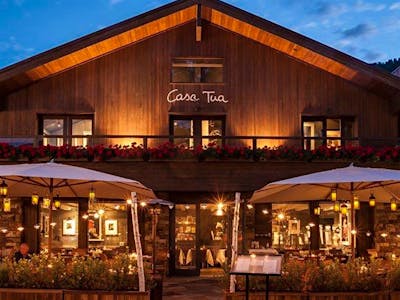
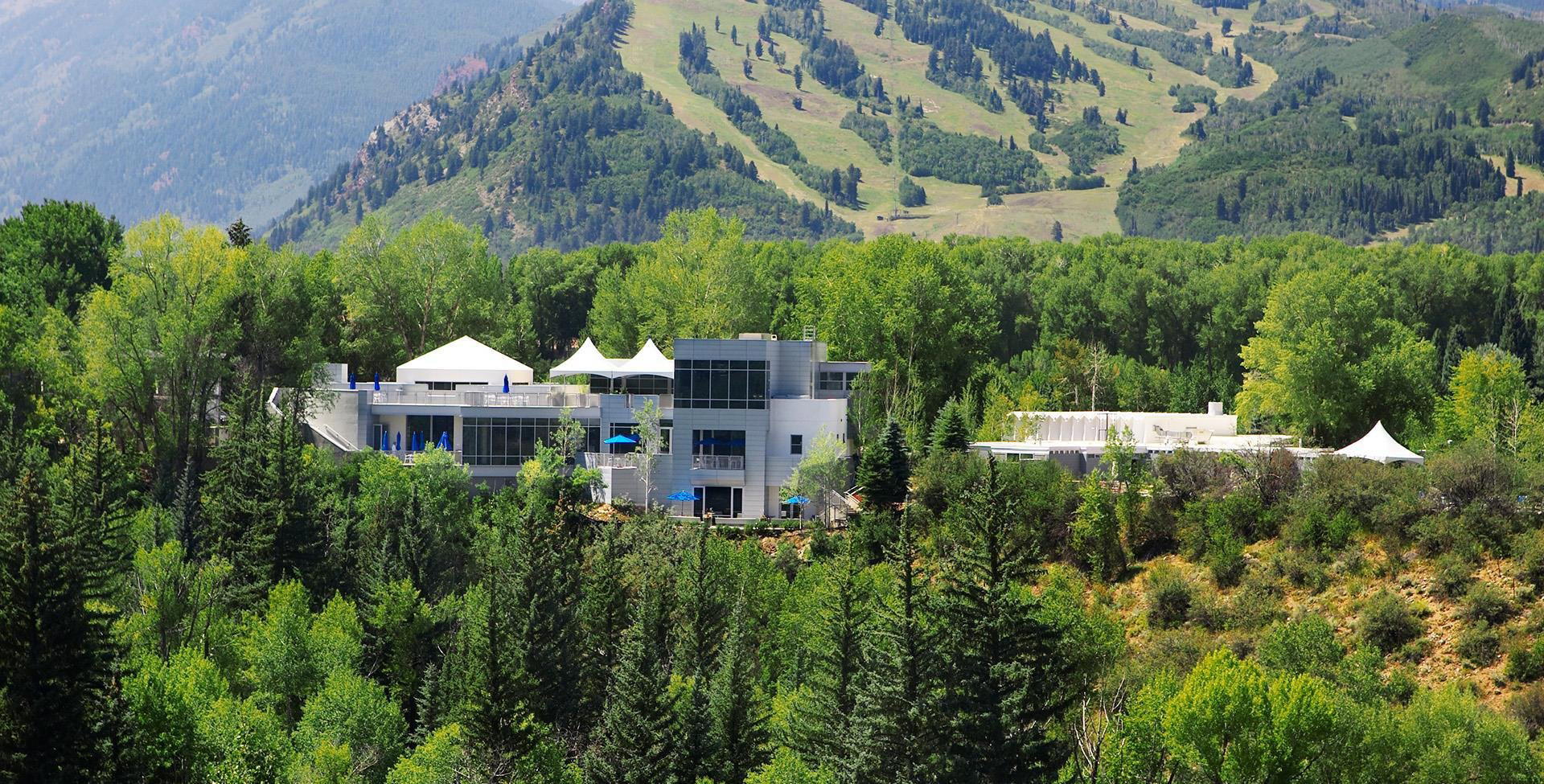
The further you drive along Highway 82 out of downtown Aspen, the more the mountains take over. By the time Cliffhouse comes into view at 38700 Highway 82, the built environment has thinned considerably, and the physical container of the place — its position against the rock face, its relationship to the valley below — becomes the first thing you process, before any menu or service consideration enters the picture. In a town where dining rooms routinely compete on interior finish and cellar depth, a venue that leads with its geological address is making a distinct editorial argument about what a meal in the mountains should feel like.
That argument matters in Aspen's current dining context. The town's premium restaurant tier has grown considerably more competitive over the past decade, with properties like Bosq (Contemporary) pushing tasting-menu ambition into serious critical territory, and 7908 Aspen anchoring a more hotel-integrated luxury format.
Architecture as the Menu
Mountain dining has a long tradition of using the view as the room's central feature, a tradition visible across alpine Europe in places like Atelier Moessmer Norbert Niederkofler in Brunico, where the Dolomite setting is as deliberately composed as the food. The American Rockies have been slower to develop that same discipline, with many mountain venues defaulting to heavy timber and mounted antler as visual shorthand for place. What distinguishes the better end of that range is a spatial logic, the way seating is arranged relative to glass, the way the building meets the terrain, the way light moves through the room across a full meal.
Cliffhouse's position on Highway 82, at the outer boundary of the Aspen orbit, means it draws guests willing to commit to the drive rather than those filling a gap between a ski run and a hotel bar. That self-selection shapes what kind of room it can afford to be. Venues that sit outside a walkable downtown core tend to succeed by making the journey feel earned, the physical remoteness becomes part of the value proposition, provided the space itself justifies the approach.
In the broader American fine dining conversation, the relationship between architecture and kitchen program has become increasingly central. Blue Hill at Stone Barns in Tarrytown built its identity around a working farm compound; Single Thread Farm in Healdsburg integrated inn, farm, and restaurant into a single spatial argument. The logic in both cases is similar: the physical environment is not background, it is the first course. Cliffhouse's highway address, with the Elk Mountains pressing in from the west, positions it within that tradition of place-forward dining, even if its format and scale differ from those coastal counterparts.
How Cliffhouse Fits the Aspen Dining Map
Aspen's restaurant geography divides roughly into three zones: downtown core (the highest concentration of chef-driven and hotel-anchored dining), Snowmass Village (resort-integrated, family-oriented), and the Highway 82 corridor extending toward the Roaring Fork Valley. The corridor has historically been underserved relative to the quality of lodging and visitor volume it handles, which is part of why a destination-format venue at that address reads differently than it would on Galena Street.
The comparison venues in Aspen's upper tier each occupy a distinct lane. French Alpine Bistro leans into a specific European register, fondue, raclette, the warm insulation of alpine cooking, that gives it a clear genre identity. Hotel Jerome's Century Room operates within the heritage-hotel format, where the room's history is as much the product as the food. Aosta Aspen runs a more overtly Italian program. Prospect sits in the contemporary four-dollar bracket. Matsuhisa trades on its Japanese-Peruvian lineage and the recognizability of the Matsuhisa name internationally.
A venue that leads with physical setting rather than cuisine category or chef pedigree sits somewhat outside all of those lanes, which is both the challenge and the opportunity. The reader who books Cliffhouse is not necessarily benchmarking it against Le Bernardin in New York City or The French Laundry in Napa, the decision logic is different, closer to how someone books a scenic drive than how they book a tasting-menu counter. That is not a diminishment; it is a different kind of value, and Aspen's visitor profile includes a significant cohort who want exactly that.
The Wider Mountain Dining Moment
Premium mountain dining in the American West has been on an upward trajectory, driven partly by the expansion of year-round resort economies and partly by the increasing mobility of serious kitchen talent. Cities like see our full Aspen restaurants guide for the full picture, but the general pattern holds: chefs who once defaulted to coastal markets are increasingly drawn to resort towns that can support high-check dining across multiple seasons. That has raised the floor for what Aspen guests expect and, correspondingly, raised the stakes for venues whose primary argument is setting rather than kitchen program.
The standard now set by places like Addison in San Diego, Providence in Los Angeles, or Smyth in Chicago means that even a venue selling landscape as its lead product needs a credible kitchen behind it. The era when a panoramic view could carry an average meal is largely over in markets with a sophisticated visitor base. What Aspen's upper tier demands now is a conjunction, the view and the food, the architecture and the execution, rather than a trade-off between them.
For visitors building an Aspen itinerary with multiple dining stops, 300 Puppy Smith St #202 and Belly Up Aspen represent very different poles of the town's hospitality offering, and routing Cliffhouse into a multi-day plan as the out-of-town, landscape-forward option makes structural sense. It is a different kind of evening than anything available within walking distance of the core, and that difference is the point.
Planning Your Visit
Cliffhouse sits at 38700 Highway 82, which places it outside the pedestrian radius of downtown Aspen, a car or car service is the practical approach. The highway address also means that arrival time relative to daylight matters more than at a downtown venue: the approach and the views that define the experience read very differently after dark, and guests planning around that should factor sunset timing into their reservation strategy. For visitors coming from ski resorts further along the valley, the routing is more direct than it appears from a downtown starting point. As with most Aspen venues in the premium tier, demand peaks in ski season (December through March) and in the summer festival calendar (July and August), and planning around those windows, or deliberately targeting the shoulder months of November, April, and early June, typically changes both availability and pace considerably.
Frequently asked questions
What part of town is Cliffhouse in?
Cliffhouse is located at 38700 Highway 82, Aspen, CO 81611, Aspen.
How far is Cliffhouse from downtown Aspen, and how do you get there?
Cliffhouse is located at 38700 Highway 82, which puts it outside the pedestrian radius of downtown Aspen's core. A car or pre-arranged car service is the practical approach — this is not a venue you reach on foot from the gondola base or the main restaurant strip. Factor in road conditions during winter months, when Highway 82 can be affected by snow and traffic delays into the valley.
What dish is Cliffhouse famous for?
For current menu details, contacting the venue directly before your visit is advisable.
Is Cliffhouse reservation-only?
Given its position at 38700 Highway 82 — outside the walkable core of Aspen and dependent on a car or car service — arriving without confirming availability in advance carries real risk, particularly during ski season and summer peak periods.
What's the signature at Cliffhouse?
The defining characteristic at Cliffhouse is positional: the Highway 82 address places it in open mountain terrain well beyond Aspen's downtown restaurant cluster, making the alpine setting the room's primary feature.
The Essentials
Comparable venues nearby, for context on price, style, and recognition.
| Venue | Cuisine | Price | Awards | Notes |
|---|---|---|---|---|
| CliffhouseThis venue — the venue you are viewing | American with Mongolian Grill | $20–30 | Not listed | Not listed |
| Belly Up Aspen | American Bar Food | $20–30 | Not listed | Aspen Flyover 1/4 Section Grid, American Bar Food |
| 300 Puppy Smith St #202 | Authentic Thai Bistro | $20–30 | Not listed | Aspen Flyover 1/4 Section Grid, Authentic Thai Bistro |
| CP Burger | Gourmet Burgers & Fast Food | $20–30 | Not listed | Aspen Flyover 1/4 Section Grid, Gourmet Burgers & Fast Food |
| Hickory House | Aspen Barbecue | $20–30 | Diners, Drive-Ins and Dives Featured Restaurant | Aspen Flyover 1/4 Section Grid, Aspen Barbecue |
| Pyramid Bistro | Nutritarian Healthy Contemporary | Not listed | Not listed | Aspen Flyover 1/4 Section Grid, Nutritarian Healthy Contemporary |
Details
- Scenic
- Cozy
- Lively
- Family
- Panoramic View
- Terrace
- Mountain
- A La Carte
- Vegetarian Friendly
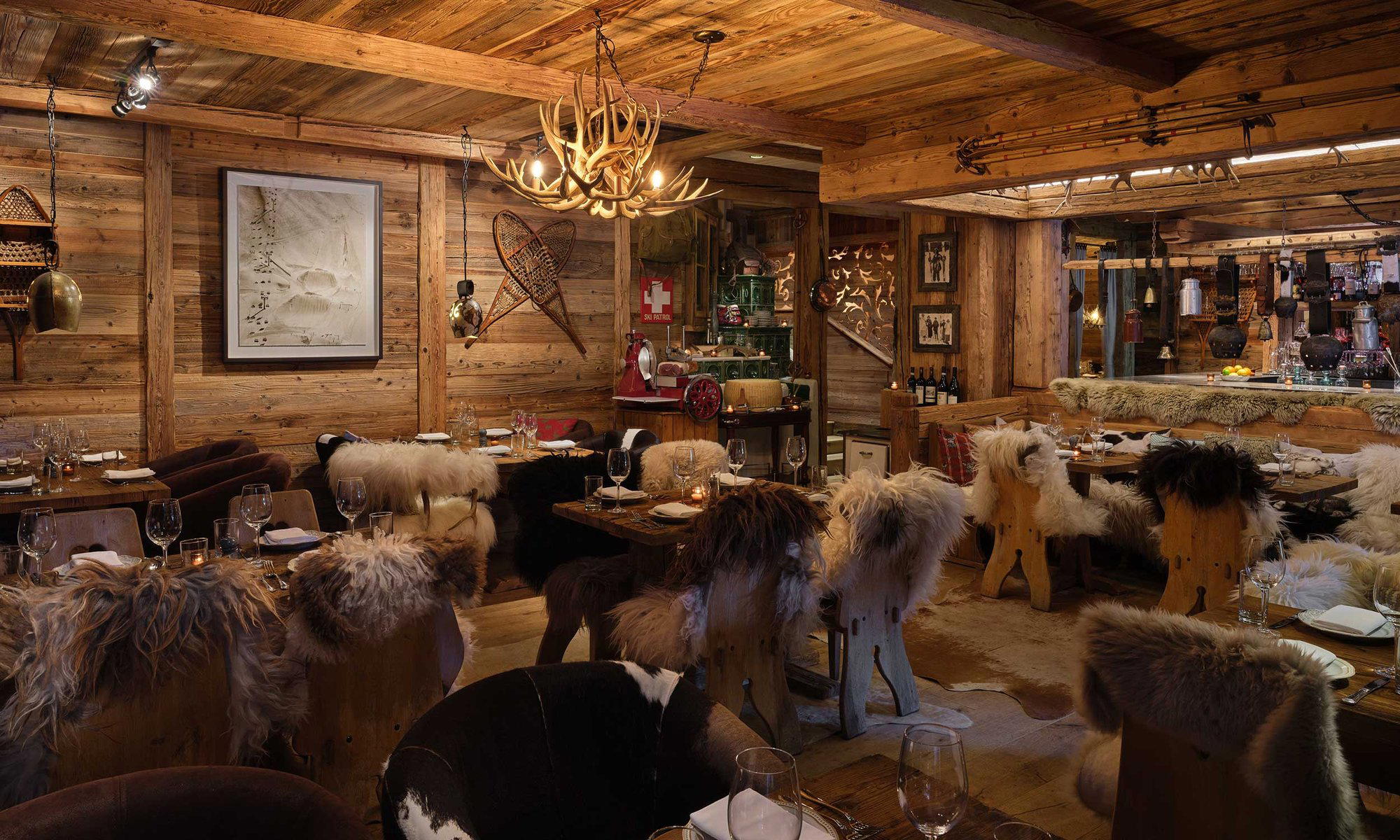
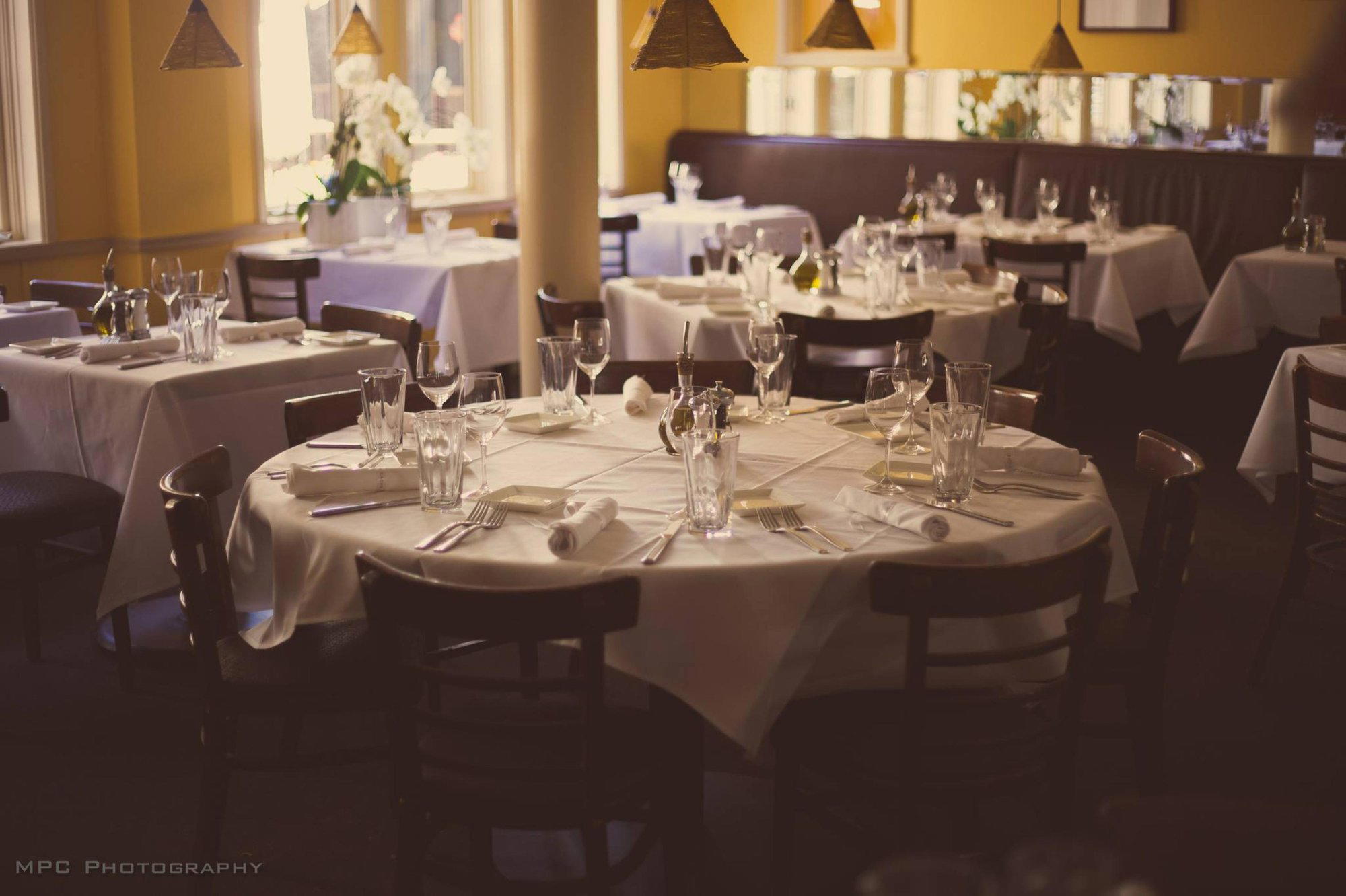
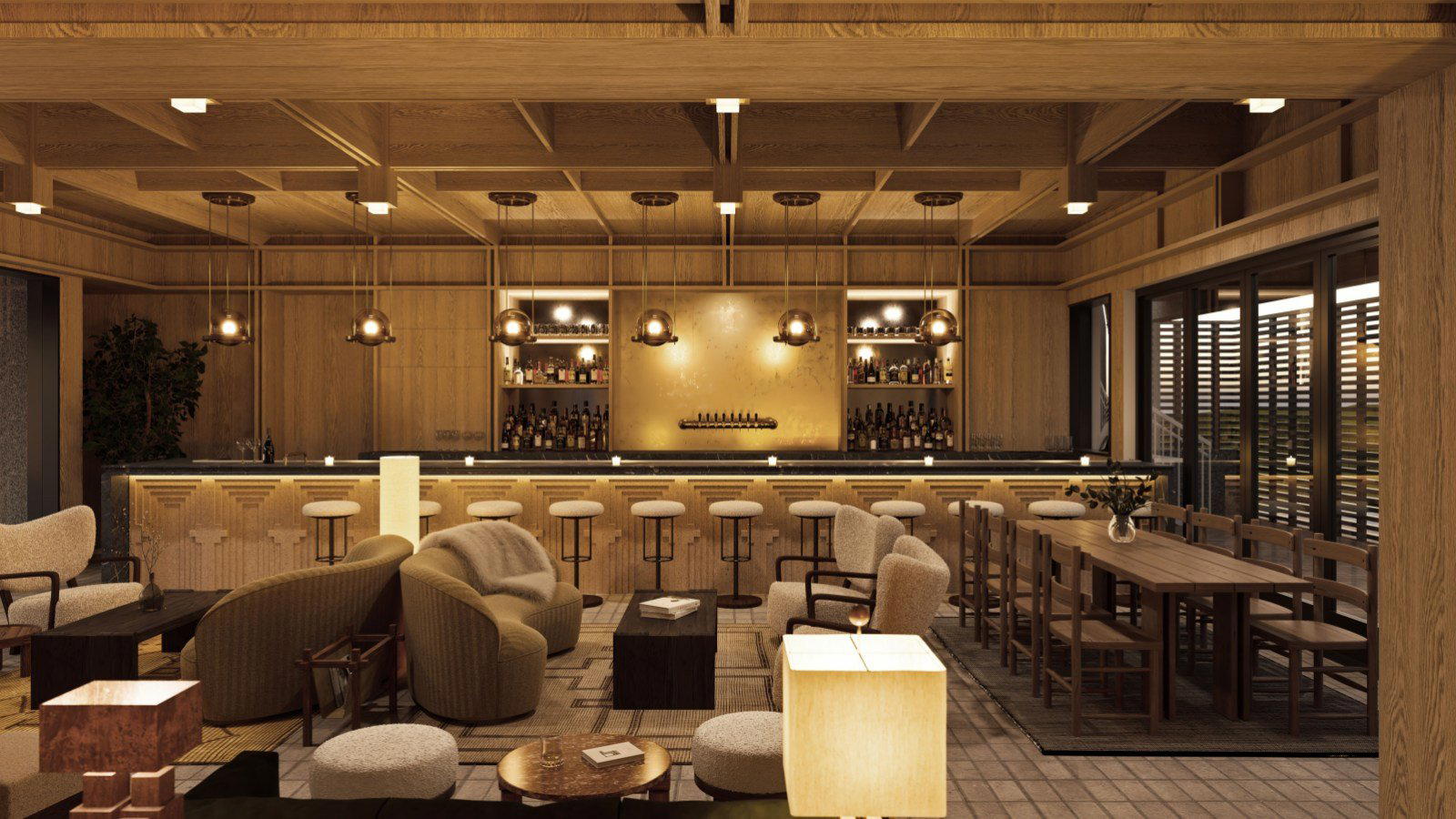
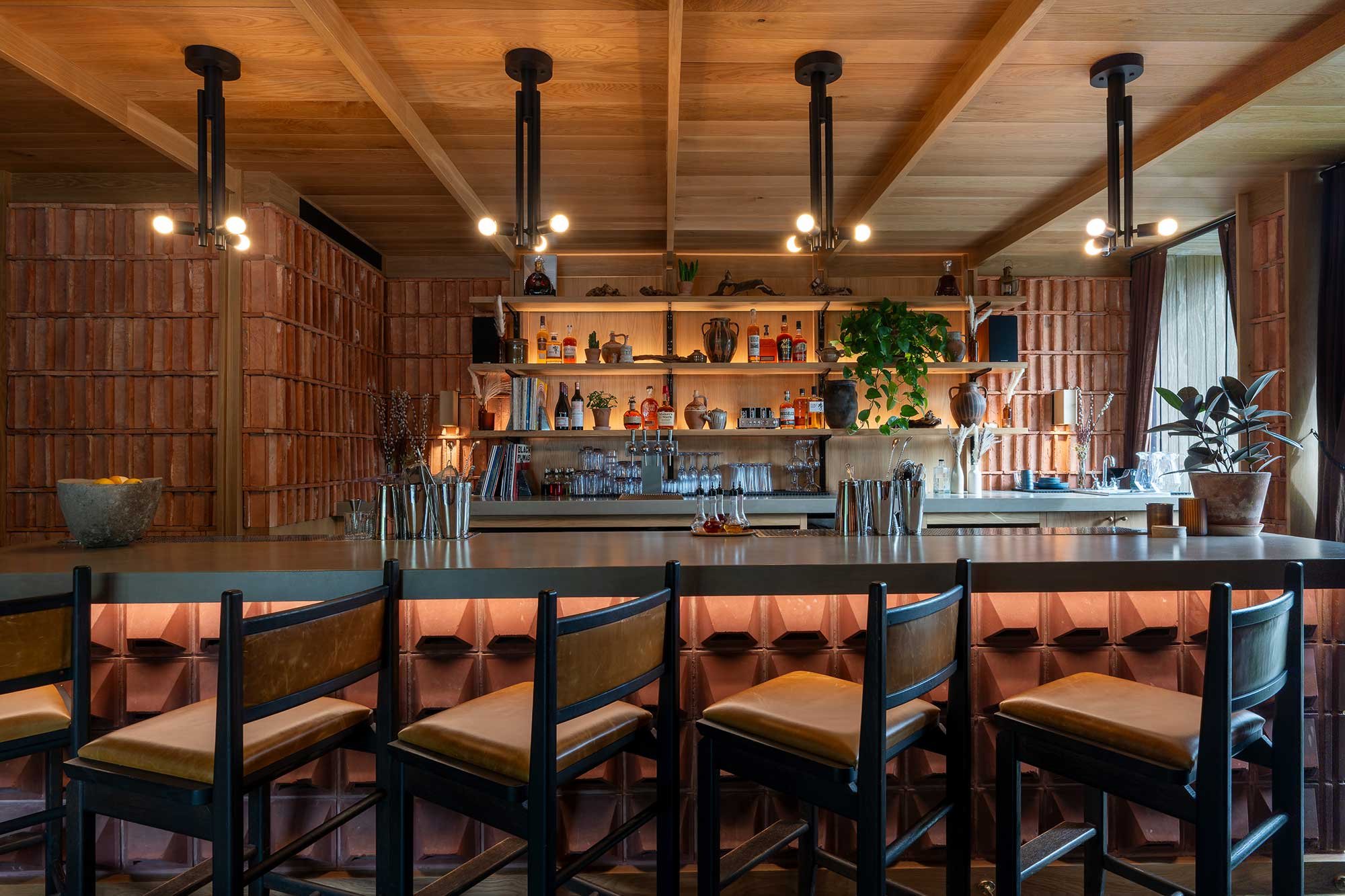
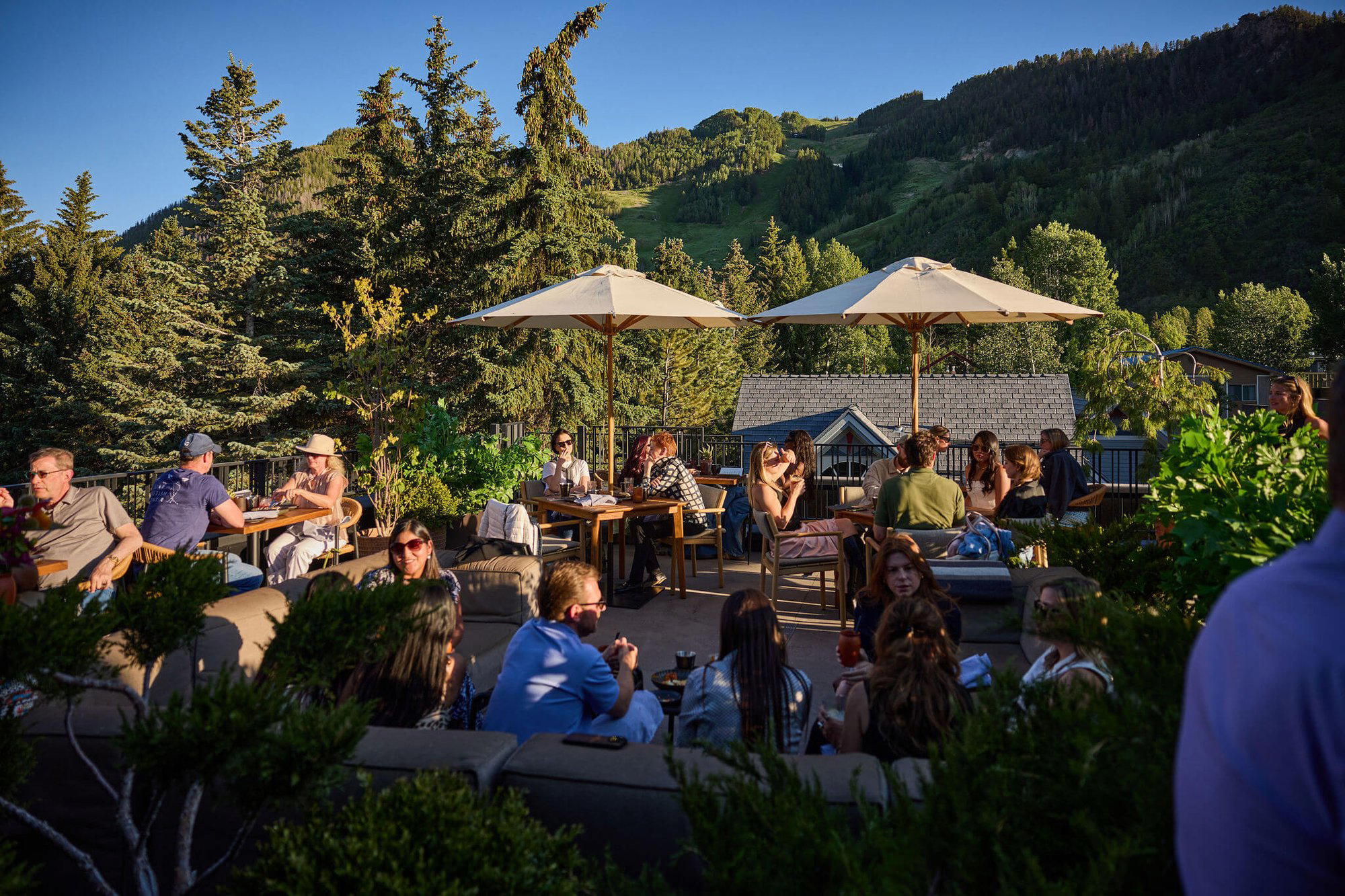
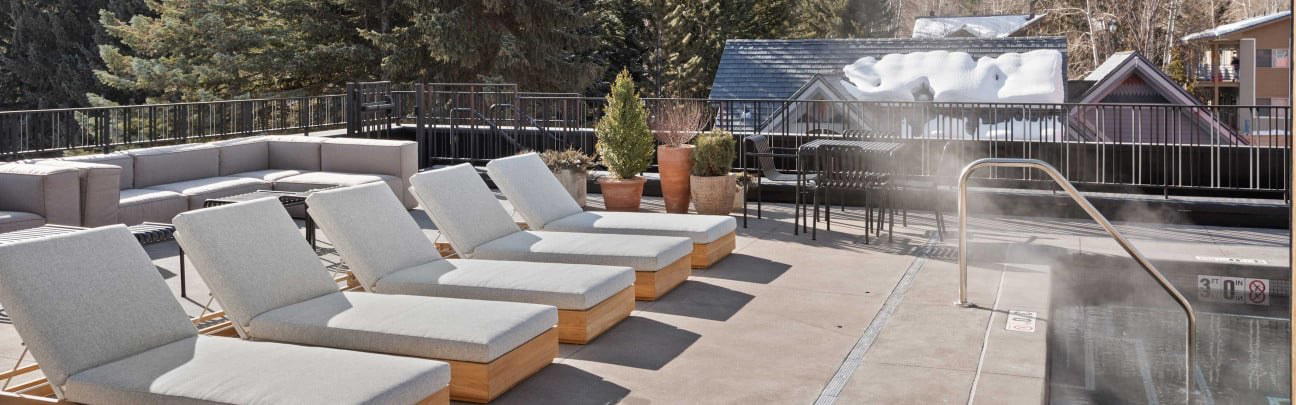
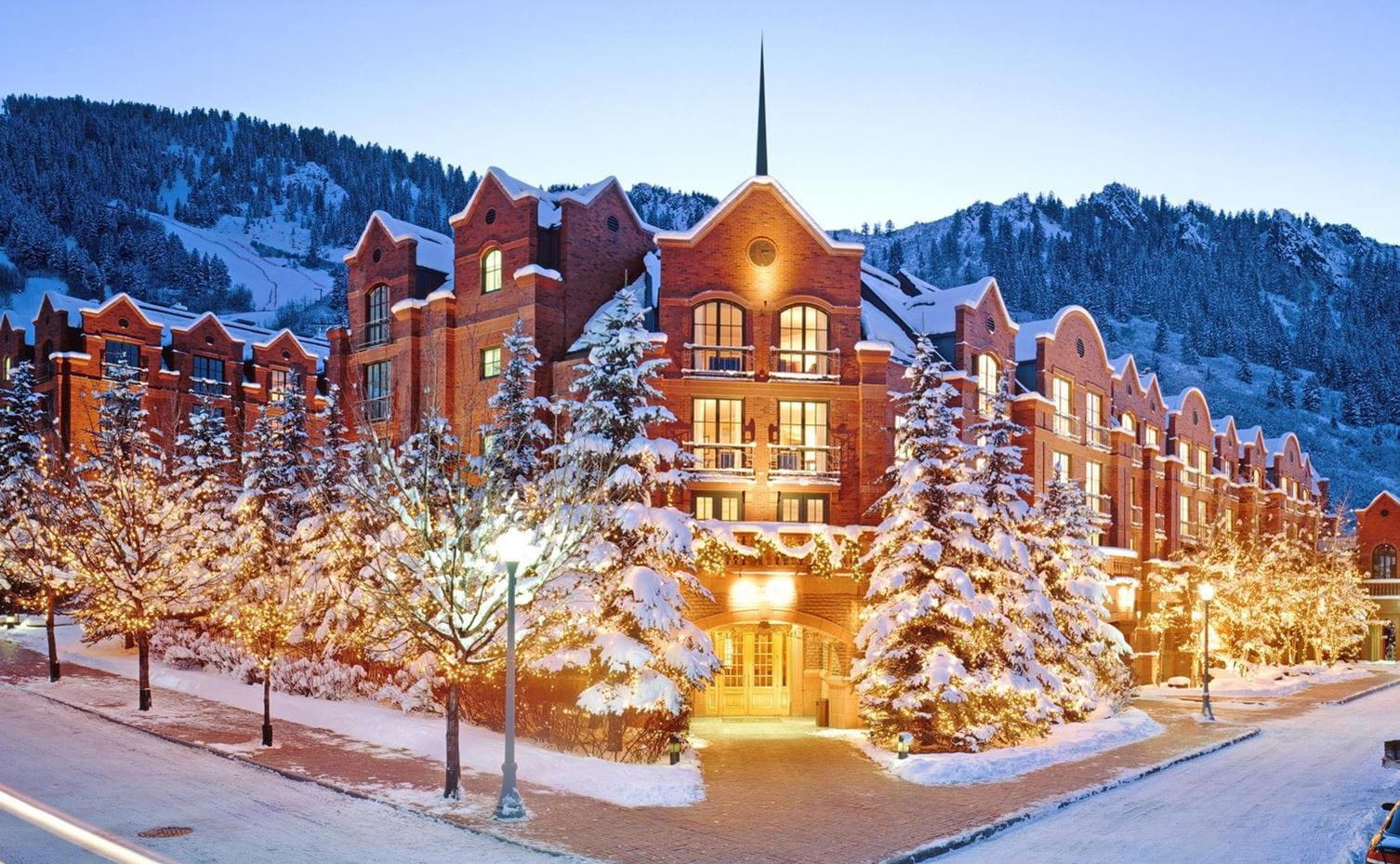
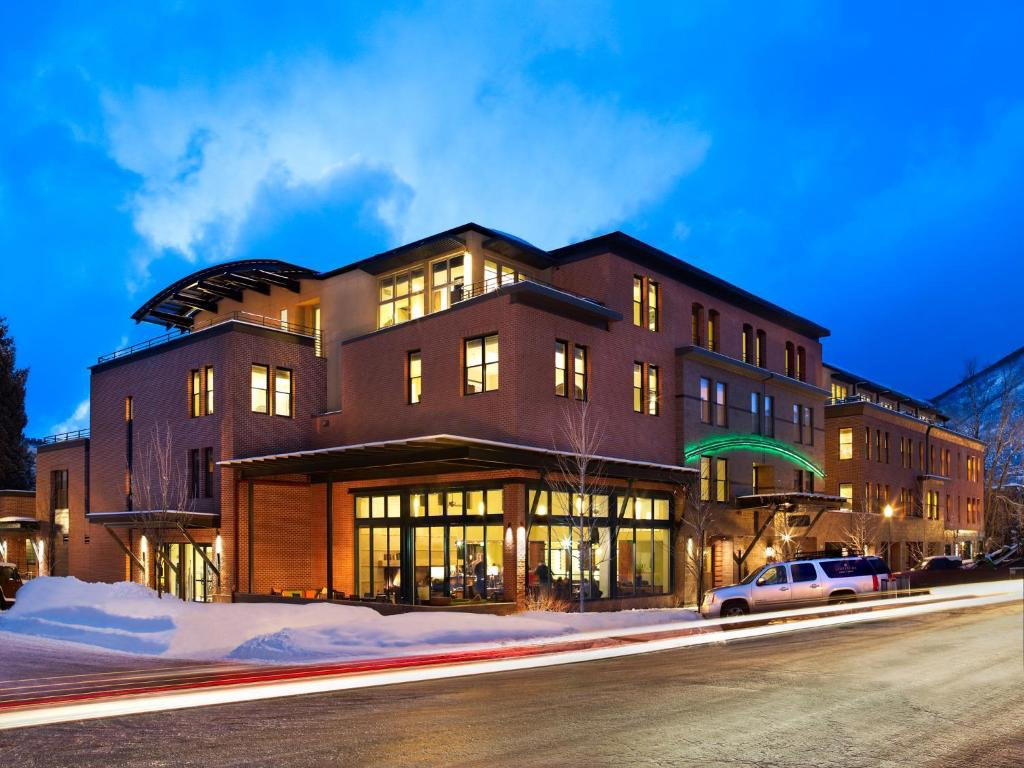
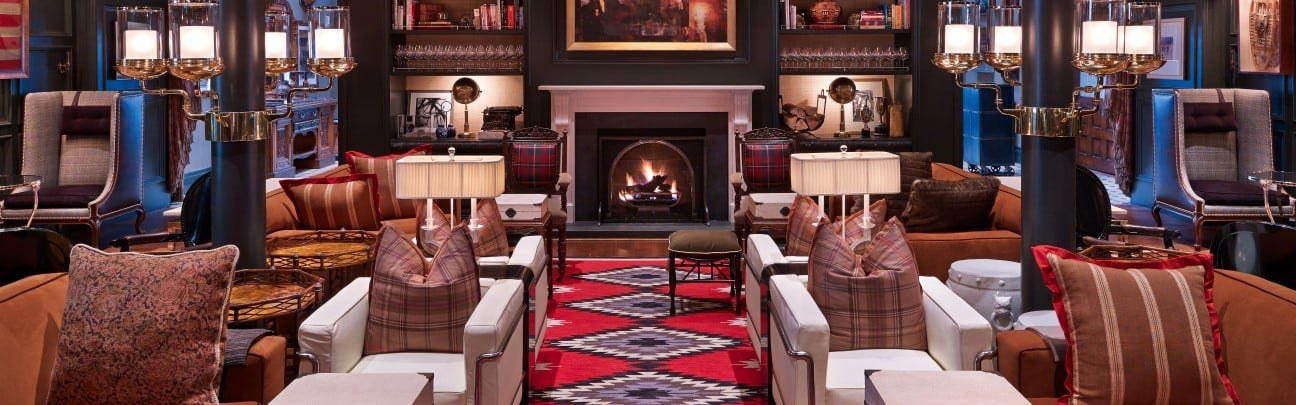
Laid-back ski lodge atmosphere with large windows for dramatic mountain vistas, indoor/outdoor seating including heated patios, and a festive, fun vibe.