马木海兰州牛肉拉面馆
Our verdict
In Da Hinggan Ling, China's northernmost prefecture, 马木海兰州牛肉拉面馆 serves the hand-pulled noodle tradition rooted in Lanzhou's beef broth craft. The format is direct: clear broth, hand-stretched dough, and a meal that follows the pacing of the lamian counter. A grounding stop for anyone passing through Xilinjie.

Pearl is the En Primeur Club membership app, where members save venues, book tables and use the concierge.
The menu
What to order
- Lanzhou beef noodles
The Lamian Counter in China's Far North
Da Hinggan Ling sits at the northernmost reach of Heilongjiang province, a region defined more by boreal forest and severe winters than by restaurant culture. Dining here follows a different logic than in the country's southern or eastern food cities. Practicality shapes the meal: portions are generous, warmth is a priority, and the formats that survive this far north tend to be those with deep roots elsewhere in China. The Lanzhou hand-pulled noodle tradition is among the most durable of those transplanted formats, present in nearly every Chinese city and town precisely because its requirements are simple and its appeal is direct.
Lamian, the hand-pulled noodle form that Lanzhou codified into a recognizable style, operates on a consistent ritual across its many iterations: the dough is stretched to order, the broth is built from beef bones over long hours, and the bowl arrives quickly. What distinguishes one lamian counter from another is rarely the format itself but the consistency of execution within it. Noodle thickness, broth clarity, the balance of chili oil and white radish, and the ratio of beef to broth are the variables that regulars learn to read. At 马木海兰州牛肉拉面馆, located at Xilinjizhen 38 Unit Building 5 Room 0112, this is the tradition being served.
How the Meal Works Here
The Lanzhou beef noodle format has a pacing that most diners understand within the first visit. You approach the counter, specify your noodle width (capillary-thin mao xi to broad, flat kuan), and the cook stretches the dough while the broth ladle is already moving. The bowl lands in front of you fast. This is not a meal for slow deliberation; it is designed for efficiency, and efficiency is part of its appeal. The ritual is communal rather than private: tables fill quickly, conversation carries across the room, and the broth steam is as much a part of the atmosphere as any decor.
In a prefecture like Da Hinggan Ling, where winter temperatures drop well below freezing and the infrastructure of larger food cities is absent, this kind of format carries particular weight. The lamian counter functions as both restaurant and gathering point, a place where the speed of service and the heat of the bowl address immediate needs without ceremony. For travellers moving through Xilinjie, or locals working the surrounding area, the counter format means a meal that fits into the rhythm of the day without friction.
Lanzhou Noodles as a Travelling Tradition
The Lanzhou beef noodle has spread further than almost any other regional Chinese format, appearing from Xinjiang to Heilongjiang, from small county towns to major international cities. What makes this spread notable is the degree to which the format has remained recognizable: the one clear broth, one kind of meat, one white radish, one type of green garnish, one chili oil structure. This consistency is partly ideological, enforced informally by the communities of Lanzhou-origin cooks who carry the technique outward, and partly practical, since the format's simplicity makes it replicable without requiring supply chains that only major cities can support.
That replicability is exactly what makes it viable in Da Hinggan Ling. A prefecture of this geographic scale and population density cannot support the full range of regional Chinese cuisines that a city like Chengdu or Hangzhou sustains. What it can support are formats that require skilled hands rather than complex sourcing: hand-pulled noodles, braised meats, iron pot braises like those at 村姑铁锅炖, or the grilled meat formats represented by 漠河北极村七掌柜齐市烤肉. The lamian counter fits neatly into that practical ecosystem.
For context on what the broader Da Hinggan Ling dining scene looks like, the Our full Da Hinggan Ling restaurants guide maps the options across the prefecture. The picture it draws is one of functional, regionally grounded eating rather than the kind of refined tasting-format dining found at venues like Xin Rong Ji (Xinyuan South Road) in Beijing, Chef Tam's Seasons in Macau, or Ru Yuan in Hangzhou. The comparison is not a criticism; it is simply a different register of eating, shaped by a different geography.
Where This Fits Among China's Dining Range
China's dining spectrum runs from multi-course Cantonese tasting formats at venues like Imperial Treasure Fine Chinese Cuisine in Guangzhou and Dai Yuet Heen in Nanjing, through mid-register regional specialists like Xin Rong Ji in Chengdu and Dingshan·Jiangyan (Xiangcheng) in Suzhou, down to the counter-service formats where lamian lives. Even within the counter-service tier, there are distinctions: the lamian counter operates on a different logic than, say, the wood-fired pizza format at 57号窑烤披萨咖啡馆 in 温州市 or the European fine-dining register of Fleurs Et Festin in Xiamen.
The Lanzhou noodle counter's register is intentionally non-hierarchical. There is no dress expectation, no reservation system, no tasting progression. The meal begins and ends within twenty minutes if you move at the pace the format suggests. That directness is a feature, not a limitation. Venues at the opposite end of the complexity scale, from Ensue in Shenzhen to Le Bernardin in New York City to Atomix in New York City, are optimizing for an entirely different set of outcomes. The lamian counter optimizes for nourishment, speed, and consistency, and at its finest it delivers all three with a precision that more elaborate formats sometimes fail to match.
Planning a Visit
马木海兰州牛肉拉面馆 is located at Xilinjizhen 38 Unit Building 5 Room 0112 in Da Hinggan Ling, Heilongjiang. No website, phone number, or advance booking information is publicly listed, which is consistent with the walk-in, counter-service format the lamian tradition follows. Visitors travelling through Xilinjie can expect the kind of operation that runs on foot traffic rather than reservations. Dress is entirely casual, and the format is suitable for all ages, including children, given the accessibility of the bowl format and the lack of ceremony around the meal. For broader context on eating in Da Hinggan Ling, venues like Jiangnan Wok·Rong in Fuzhou and Shang Palace in Yangzhou illustrate how different the regional Chinese dining experience can look when resources and infrastructure shift. 102 House in Shanghai similarly represents a contrast in urban scale and format ambition. In Da Hinggan Ling, the lamian counter is the format that makes sense, and 马木海兰州牛肉拉面馆 occupies that role in the Xilinjie area.
Frequently asked questions
Would 马木海兰州牛肉拉面馆 be comfortable with kids?
Counter-service lamian formats are among the most family-accessible dining situations in China. You order at the counter, receive your bowl quickly, and there is no formal seating protocol to manage. Da Hinggan Ling's dining culture is direct and unpretentious, and this venue at Xilinjizhen 38 fits that pattern.
Is 马木海兰州牛肉拉面馆 formal or casual?
The lamian counter format is entirely casual by design. Diners approach the counter, specify their noodle width, and receive their bowl without ceremony. In Da Hinggan Ling, a region where directness defines daily life, there is no dress code expectation and no table service to navigate.
Is the Lanzhou beef noodle in Da Hinggan Ling's far north different from what you'd find in Gansu?
The core specification remains consistent across regions: clear broth, hand-pulled noodles, and customer-selected width are the defining markers of the Lanzhou tradition wherever it appears. At this counter in Xilinjizhen, Da Hinggan Ling, the format follows that same discipline rather than adapting to northeastern Chinese flavour profiles. What changes in the far north is context, boreal winters and a regional dining culture that prizes practicality make a bowl of hot lamian a functional staple as much as a culinary tradition.
What's the signature dish at 马木海兰州牛肉拉面馆?
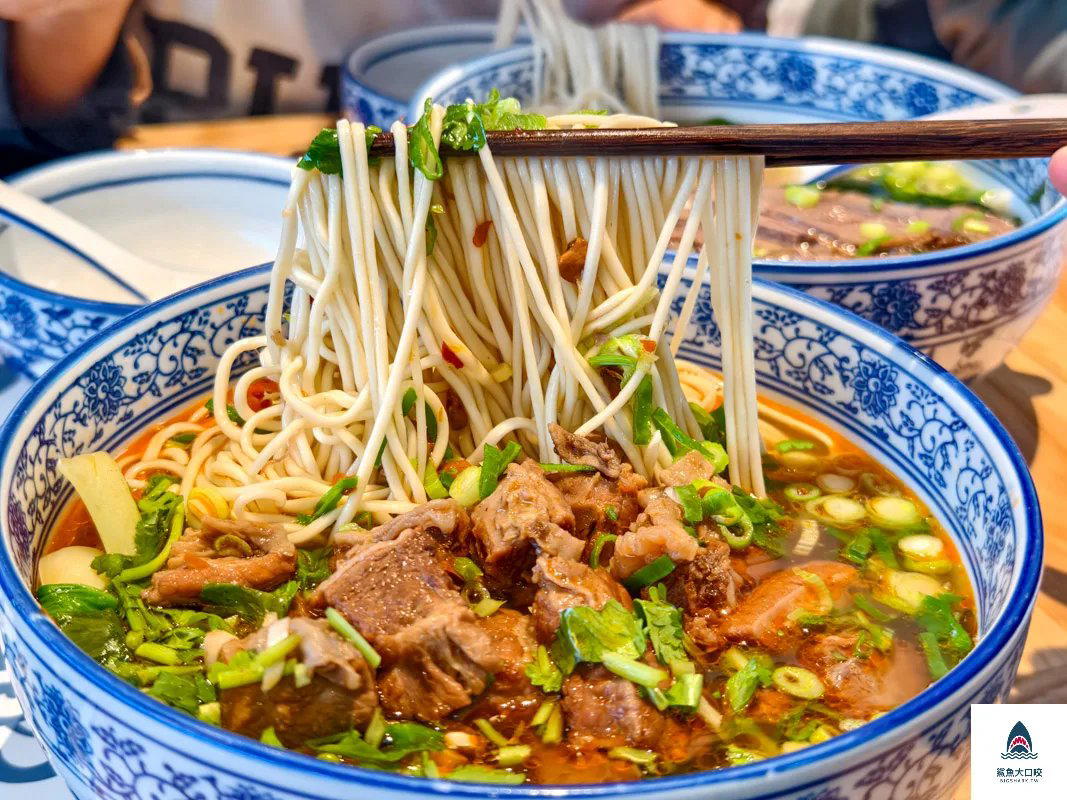
The defining order here is the Lanzhou-style hand-pulled beef noodle bowl: clear beef and bone broth, freshly stretched lamian noodles in your chosen thickness, sliced beef, white radish, and chilli oil. The noodles are pulled to order, which is the technical centre of the Lanzhou tradition and the reason the format has spread across China from Xinjiang to Heilongjiang.
Style and Standing
Comparable venues nearby, for context on price, style, and recognition.
| Venue | Cuisine | Price | Notes |
|---|---|---|---|
| 马木海兰州牛肉拉面馆This venue (the venue you are viewing) | Lanzhou Beef Noodles | $1–10 | Not listed |
| 村姑铁锅炖 | Northeast Chinese Iron Pot Stew | $10–20 | Da Hinggan Ling / Harbin area |
| 漠河北极村七掌柜齐市烤肉 | Chinese Barbecue (烤肉) | Not listed | 北极村 |
| Feng Cheng Ba Lu | Traditional Shaanxi Street Food | $1–10 | Weiyang District |
| 老劉家BiangBiang麵 | Traditional Shaanxi Biangbiang Noodles | Not listed | 回民街 |
| 珍珍海蛎煎 | Authentic Minnan Street Food | Not listed | 思明区 (Siming District) |
Details
- Casual Hangout
- A La Carte
Casual and simple with basic seating typical of a local noodle shop.