2018 OAD Israel Dinner
The 2018 OAD Israel Dinner brought Israeli cuisine into London's most demanding fine-dining conversation, positioning a culinary tradition long associated with street markets and mezze culture within a format reserved for the city's highest critical tier. The event reflected a broader shift in how Western dining establishments engage with Middle Eastern food beyond hummus and flatbread, framing Israel's ingredient-led cooking as a serious fine-dining subject.
 Discover on Pearl
Pearl is the En Primeur Club membership app — saves, bookings, and concierge access live there. Same editors, same standards.
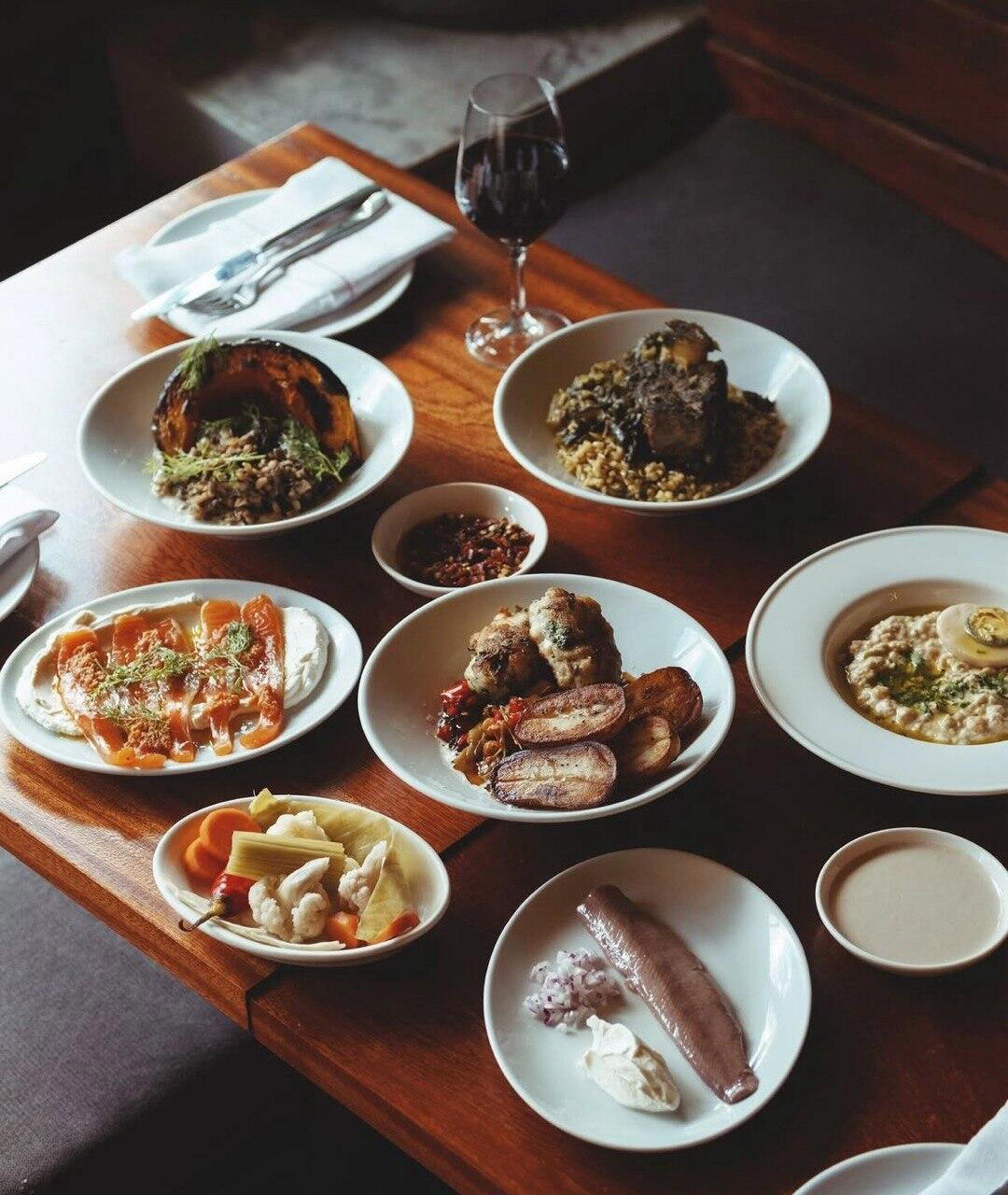
When Israeli Cuisine Entered London's Fine-Dining Conversation
London's high-end dining circuit has, over the past decade, become one of the more interesting testing grounds for non-European culinary traditions making a case for fine-dining recognition. The city that houses CORE by Clare Smyth, Restaurant Gordon Ramsay, and Sketch, The Lecture Room and Library has also become a place where cuisines that once sat outside the Michelin-starred conversation have started pressing at the door. The 2018 OAD Israel Dinner belongs to that moment. It was not a restaurant event in the conventional sense but a critical dining occasion tied to the Opinionated About Dining (OAD) survey ecosystem, a platform that has consistently surfaced serious dining experiences outside the Michelin mainstream.
OAD dinners function as curated showcases, typically bringing together a chef or culinary identity and placing it before an audience of food-focused critics, surveyors, and serious diners. The Israel edition in 2018 did something specific: it asked London's dining-aware public to engage with Israeli food not as a casual proposition but as a subject worthy of the same analytical attention given to the French and Japanese traditions that dominate most fine-dining critical frameworks. That framing is, in itself, a statement about where Israeli cuisine had arrived by the late 2010s.
Israeli Cuisine and the Fine-Dining Question
To understand why an event like the 2018 OAD Israel Dinner carries weight, it helps to understand where Israeli cooking sits in the broader hierarchy of globally recognised culinary traditions. For most of the twentieth century, the international perception of Israeli food defaulted to the mezze table: hummus, falafel, shakshuka, the vegetable-forward abundance of the Levantine agricultural tradition. That framing was not wrong, but it was incomplete. Israeli cuisine is a layered product of Jewish diaspora cooking, Levantine Arab food traditions, Ottoman influence, and more recent waves of immigration from Ethiopia, Yemen, the former Soviet Union, and Western Europe. The result is a food culture with genuine complexity, but one that Western fine-dining frameworks had been slow to acknowledge on its own terms.
By 2018, that had started to shift. Chefs with Israeli roots or strong connections to the cuisine had become significant figures in New York, London, and Tel Aviv itself. Restaurants engaging seriously with Israeli and broader Levantine ingredients were drawing critical attention at the level that institutions like The Ledbury and Dinner by Heston Blumenthal occupy in Modern European terms. Events like the OAD Israel Dinner were part of that transition: formal occasions designed to place the cuisine in a setting that demanded the same critical rigour applied to any other serious dining tradition.
The OAD Framework and What It Signals
Opinionated About Dining operates differently from Michelin or the World's 50 Best in one important respect: its rankings are crowd-sourced from a specific community of frequent, knowledgeable diners rather than anonymous inspectors or popularity-weighted polls. That makes an OAD-affiliated dinner a particular kind of signal. The audience in the room at an OAD event tends to be composed of people who eat at Le Bernardin in New York City and Atomix in New York City, who travel specifically for meals, and who bring comparative reference points that most general restaurant audiences do not. Placing Israeli cuisine before that audience in 2018 was a deliberate act of positioning.
London was a reasonable city for this conversation. The capital's Jewish community, particularly in areas like Golders Green and Stamford Hill, has long sustained a serious ecosystem of Israeli and broader Middle Eastern food. But the OAD dinner was not about that community's domestic food culture. It was about asking whether Israeli cooking could hold its own in the tier occupied by the city's most critically engaged fine-dining events, a tier that includes the calibre of experiences you find at Waterside Inn in Bray or Le Manoir aux Quat'Saisons in Oxford.
Cultural Roots as Culinary Argument
What makes Israeli cuisine a genuinely interesting subject for this kind of critical attention is the specificity of its ingredient culture. The produce traditions of the Galilee and the Negev, the preserved lemon and sumac of Mizrahi cooking, the fermented dairy of Ashkenazi inheritance: these are not generic Middle Eastern flavours but a set of specific, historically rooted ingredients with real technical depth. In that sense, Israeli food shares something with the Nordic food movement's insistence on hyper-local ingredient narratives, even if the critical establishment took much longer to apply the same framework to Levantine traditions.
Across the UK, the serious dining circuit has been gradually broadening its frame of reference. Restaurants like L'Enclume in Cartmel and Moor Hall in Aughton have made the case that ingredient provenance and regional specificity can sustain a fine-dining argument as compellingly as classical French technique. The 2018 OAD Israel Dinner was making a parallel argument: that Israeli food's ingredient depth and cultural layering deserve a seat at the same table.
Other UK destinations have shown that non-metropolitan venues can anchor serious critical conversations too, from Gidleigh Park in Chagford to Midsummer House in Cambridge and Restaurant Andrew Fairlie in Auchterarder. The geography of serious British dining has expanded; so, the 2018 OAD event implied, should the geography of cuisines considered worthy of that seriousness. For those tracking how the UK fine-dining conversation is evolving across formats and cuisines, our full London restaurants guide maps the broader picture.
Planning and Practical Notes
As a one-off event from 2018, the OAD Israel Dinner does not carry booking details, recurring dates, or a fixed address. It belongs to a format that surfaces periodically rather than operating on a fixed calendar. Readers interested in similar curated dining events in London should monitor the OAD platform directly, where survey dinners and special events are announced within its community.
How It Stacks Up
Comparable venues nearby, for context on price, style, and recognition.
| Venue | Cuisine | Price | Awards | Notes |
|---|---|---|---|---|
| 2018 OAD Israel DinnerThis venue — the venue you are viewing | Modern Israeli | $$$$ | , | |
| Kapara | Modern Middle Eastern | $$$ | , | Soho |
| Al Hamra | Traditional Lebanese | $$$ | , | Mayfair |
| Grosvenor Casino The Victoria | International with Middle Eastern Flair | $$$ | , | Marylebone |
| The Terrace by Pommery | Champagne Terrace with Small Plates | $$$$ | , | Leicester Square |
| Em Sherif | Refined Lebanese Fine Dining | $$$$ | , | Knightsbridge |
Continue exploring
More in London
Restaurants in London
Browse all →
Bars in London
Browse all →

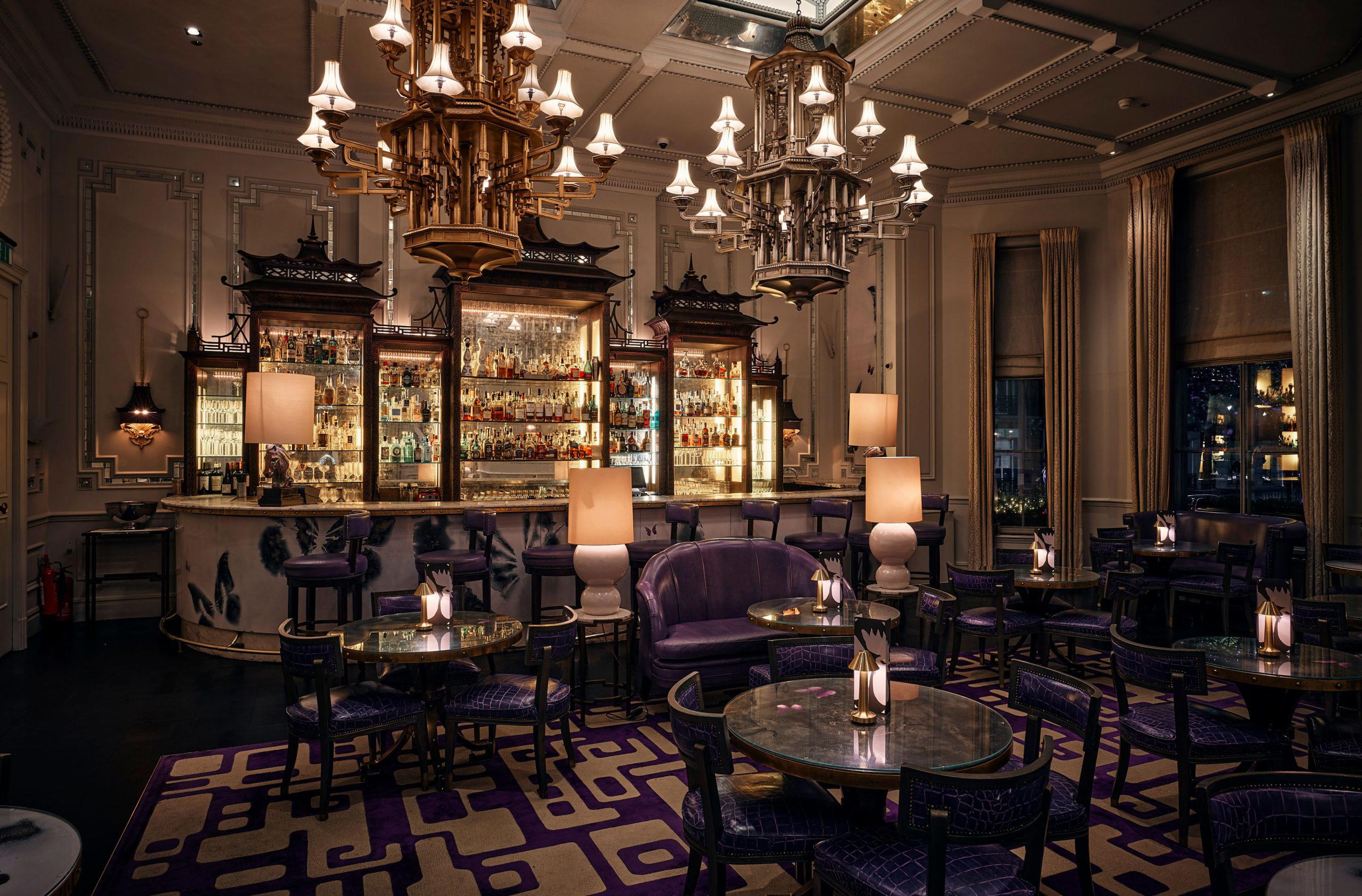
Hotels in London
Browse all →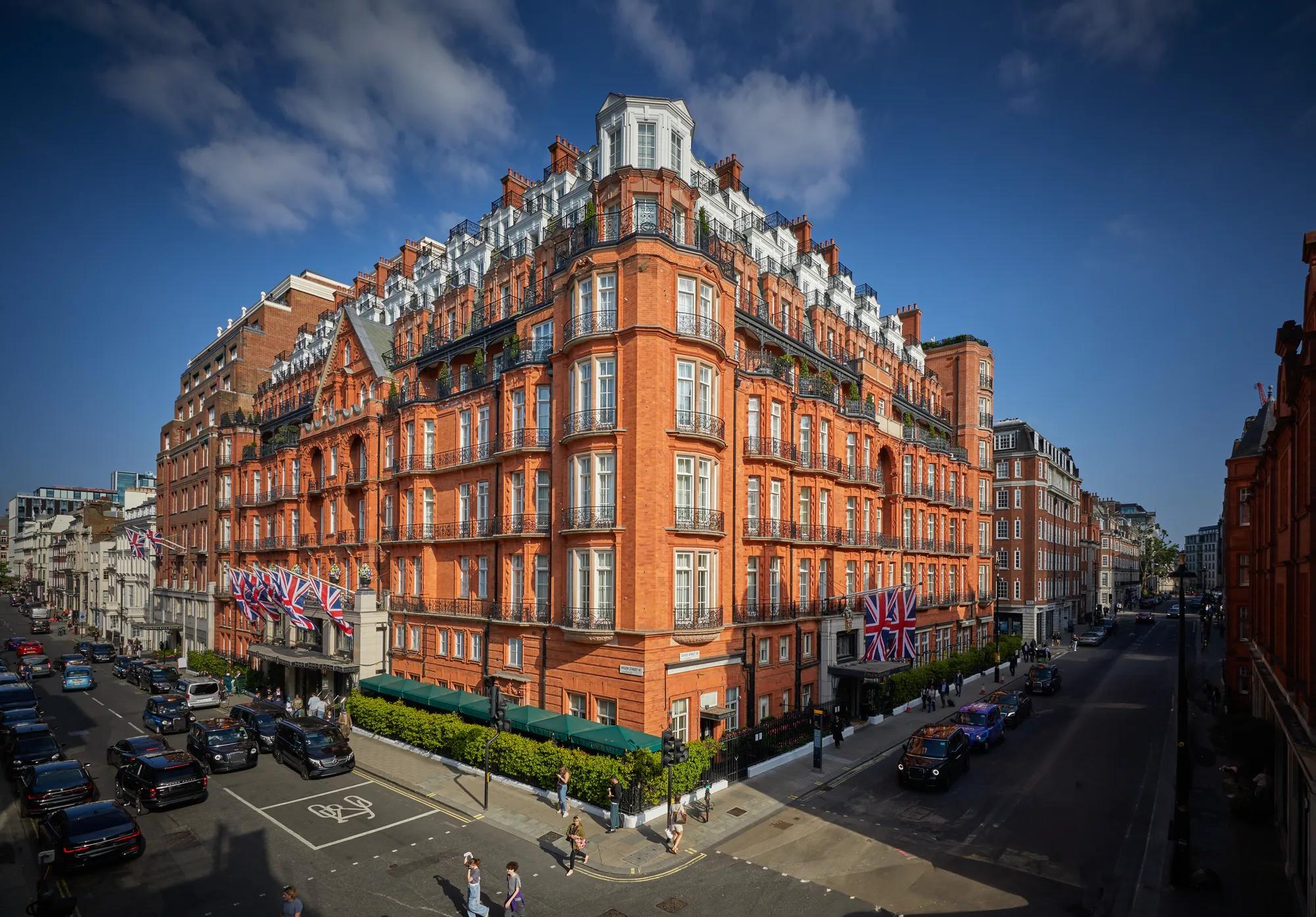
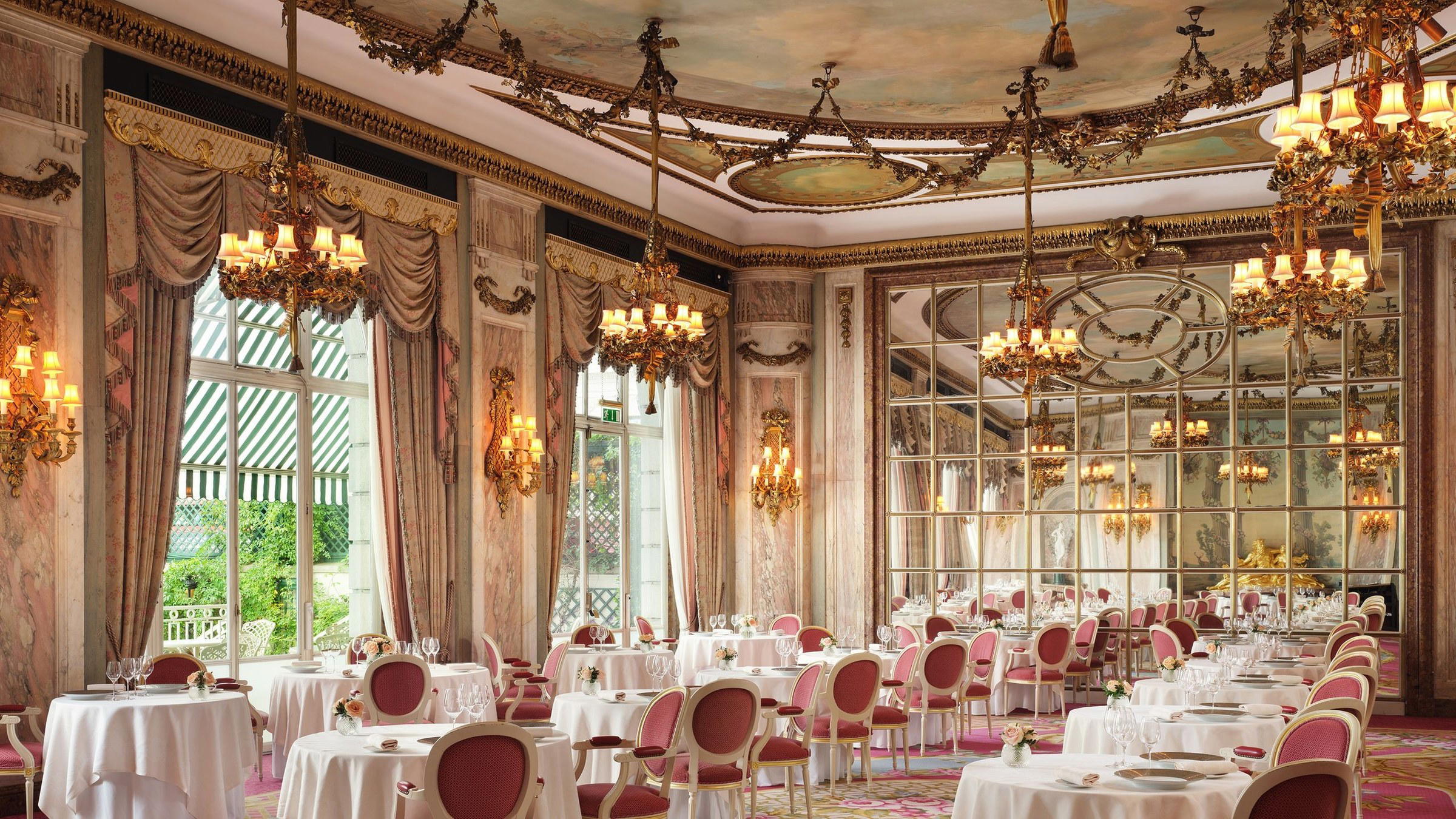
Wineries in London
Browse all →
At a Glance
- Elegant
- Sophisticated
- Iconic
- Special Occasion
- Private Event
- Celebration
- Private Dining
- Historic Building
- Design Destination
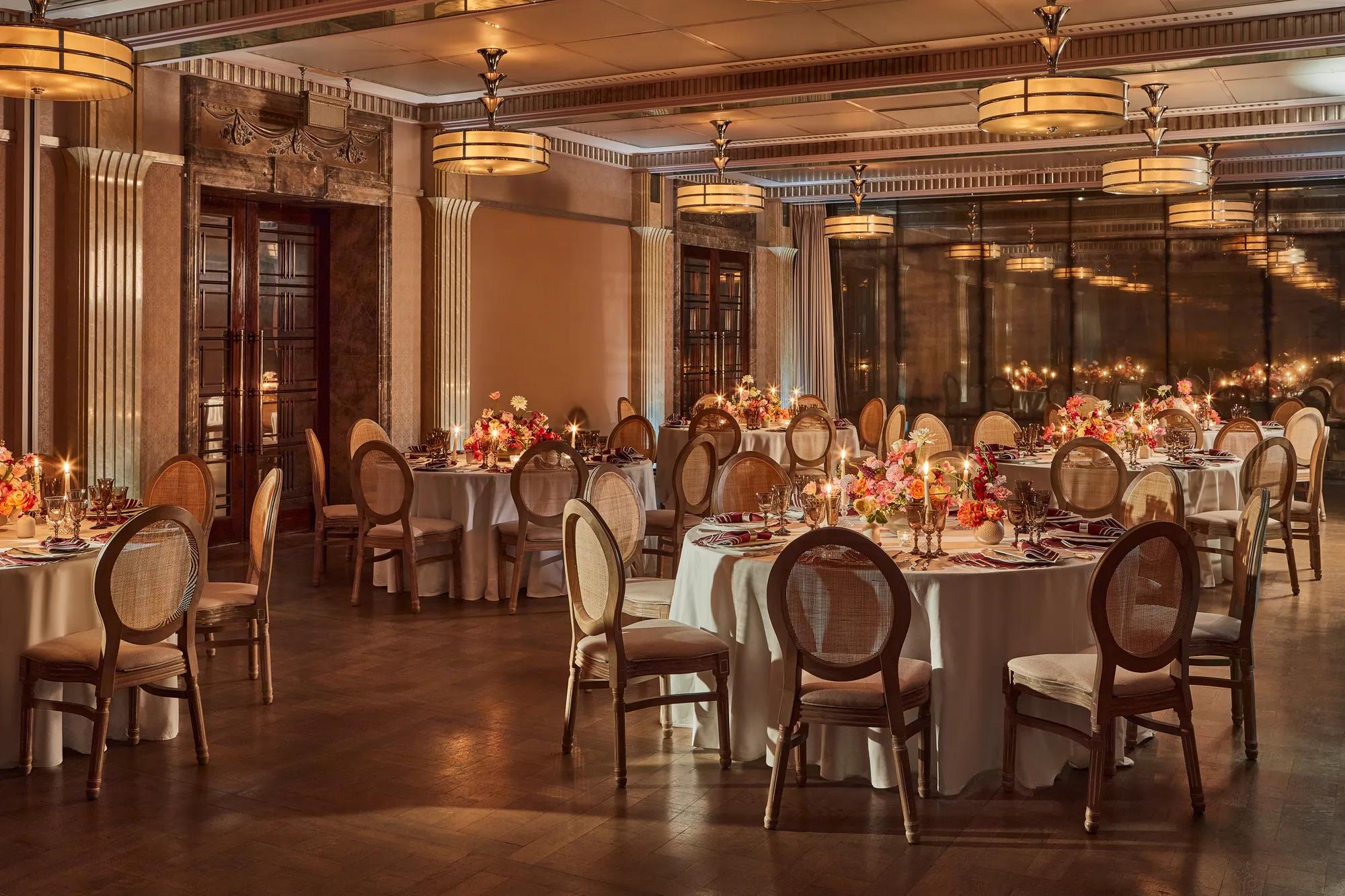
Formal and prestigious atmosphere in the Great Hall of Sir Christopher Wren's iconic Royal Hospital Chelsea, designed as an announcement dinner for Europe's top restaurants.