閩越食堂餐廳 sits on a quiet lane in Fenglin Township, Hualien County, representing the kind of neighbourhood dining room that rural eastern Taiwan still sustains: cooking rooted in Min-Yue (Fujian-Guangdong) traditions adapted over generations to local ingredients. For travellers passing through the Hualien corridor, it offers a grounded alternative to the coastal tourist circuit.
Pearl is the En Primeur Club membership app — saves, bookings, and concierge access live there. Same editors, same standards.
- Address
- 97545, Taiwan, Hualien County, Fenglin Township, 中正路2段472巷29號
- Phone
- +886 3 876 2528
- Directions
- Get directions
 Saves & bookings on Pearl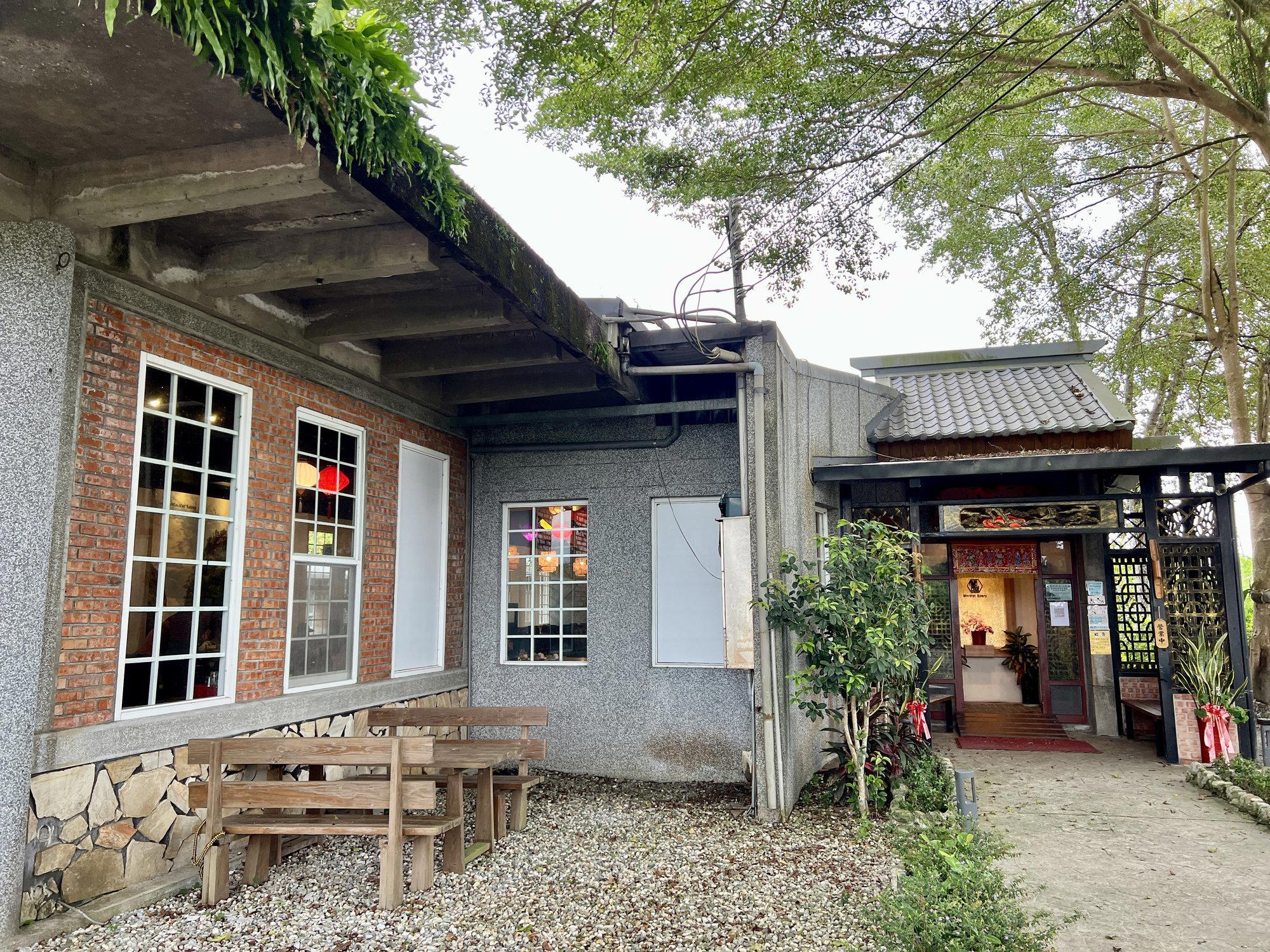
Fenglin and the Food That Stayed Behind
Eastern Taiwan's Hualien County has two culinary registers. One follows the tourist trail: Aboriginal-influenced rice dishes, packaged pineapple cakes, and seafood aimed at visitors rolling off the Taroko Gorge coaches. The other register is quieter and considerably more interesting, the everyday cooking of townships like Fenglin, where Min-Yue (Fujian and Guangdong) immigrant food traditions have been adapting to local produce for over a century. 閩越食堂餐廳, addressed on a lane off 中正路二段 in Fenglin Township, belongs to that second register. Its name announces its lineage directly: 閩越 references the ancient southern Chinese region that gave rise to Min-style and Yue-style cooking, the foundational grammars behind much of what Taiwan eats at the everyday level.
Fenglin itself is a small agricultural township, the kind of place that draws food-curious travellers rather than package tourists. The surrounding Hualien plains produce rice, taro, and seasonal vegetables under conditions, cooler mountain air, clean irrigation from the Central Mountain Range, that differ markedly from the western plains. Ingredient sourcing in this part of Taiwan is less a marketing talking point than a structural reality: proximity to producers is built into the geography, and kitchens that cook in this register tend to reflect what the land is doing seasonally rather than maintaining a static menu year-round.
The Min-Yue Tradition in an Eastern Taiwan Setting
Understanding what a name like 閩越食堂 implies requires some culinary context. Min cooking (from Fujian province) tends toward lighter broths, careful seasoning, and an emphasis on ingredient integrity over heavy spicing. Yue cooking (broadly Cantonese) shares that restraint but adds technique: cleaner wok work, precise timing on proteins, and a strong tradition of letting quality raw material carry the dish. Together, these two traditions constitute the backbone of a large portion of Taiwanese home and everyday restaurant cooking, particularly in the communities that trace ancestry to the successive waves of Hokkien and Hakka migration across the Taiwan Strait.
What happens to that tradition when it lands in Hualien County is the interesting part. Western Taiwan's version of Min-Yue cooking has been urban-refined over decades, shaped by access to imported ingredients and competition from Japanese, Western, and contemporary Taiwanese influences. The eastern version, sustained in places like Fenglin, has evolved under different pressure: ingredient availability shaped by local agriculture and mountain foraging rather than wholesale markets, and a clientele whose relationship with food is primarily practical rather than aspirational. The result is cooking that tends to be more directly seasonal and less mediated by trend. Contrast this with the $$$$ Cantonese precision of logy in Taipei or the modern cross-cultural ambition of JL Studio in Taichung, and the distinction becomes clear: Fenglin's food tradition operates on entirely different terms, where locality and continuity matter more than innovation or global reference points.
Sourcing as the Point, Not the Story
In much of Taiwan's fine dining circuit, ingredient provenance has become a narrative device, something chefs mention to justify price or signal seriousness. At the township level, the relationship with sourcing is more direct and less rhetorical. Hualien County's agricultural output includes Chishang-adjacent rice varieties, mountain vegetables pulled from the Central Range foothills, freshwater fish from rivers fed by snowmelt, and seasonal citrus that appears in cooking only when it appears in the field. Kitchens in Fenglin work within those rhythms not because it is fashionable but because that is what is available and affordable.
This places 閩越食堂餐廳 in a category that the Taiwanese food media rarely covers with the same enthusiasm it applies to Taipei tasting menus. The cooking here is not designed to be photographed or reviewed in the same frame as A Xia in Tainan or GEN in Kaohsiung. It operates under different logic entirely: feeding a local community with food that reflects what the surrounding county produces, within the flavour grammar of a centuries-old regional tradition. That is a harder thing to sustain than a chef's tasting menu, and more culturally significant. For context on how other parts of Taiwan approach their own regional specificity, see Golden Formosa Taiwanese Cuisine in 士林 or Chenggong Douhua in Chenggong, both of which occupy analogous positions in their respective local food cultures.
Getting There and What to Expect
Fenglin Township sits in the Hualien Valley, accessible by the Hualien-Taitung rail line, a journey of roughly 40 minutes south from Hualien City. The township's pace is agricultural and unhurried, and arriving by train rather than car reflects how most of the local population moves. 閩越食堂餐廳's address on a lane off 中正路二段 places it within the residential fabric of the township rather than on any main commercial strip, which means visitors should map the address in advance rather than expecting to stumble across it.
The format is generally ordering by dish from a set daily selection, with prices around $10 per person. Travellers comparing this experience to Good Good Hainan Chicken Rice in 信義 or Ah Zhen Rou Bao in Lukang will recognise the same ethos: a specific dish or tradition executed with consistency for a local audience, priced for daily use rather than occasion dining.
How It Stacks Up
Comparable venues nearby, for context on price, style, and recognition.
| Venue | Cuisine | Price | Notes |
|---|---|---|---|
| 閩越食堂餐廳This venue — the venue you are viewing | Minnan-Vietnamese Fusion | $$ | Not listed |
| 藍玲四川牛肉麵 | Sichuan-Style Beef Noodles | $$ | Daan District |
| 毛房 | 蔥柚 Hotpot with Chilled Meat | $$ | 東區 |
| 香港波記茶餐廳 | Hong Kong-Style Cha Chaan Teng | $$ | 東區 |
| 甕窯雞 Ong Yau Ji(蘭陽礁溪總店) | Traditional Taiwanese Kiln-Roasted Chicken | $$ | 礁溪鄉 |
| Smart Fish | Traditional Chinese Fish Head Stew | $$ | East District |
Continue exploring
More in Fenglin
Restaurants in Fenglin
Browse all →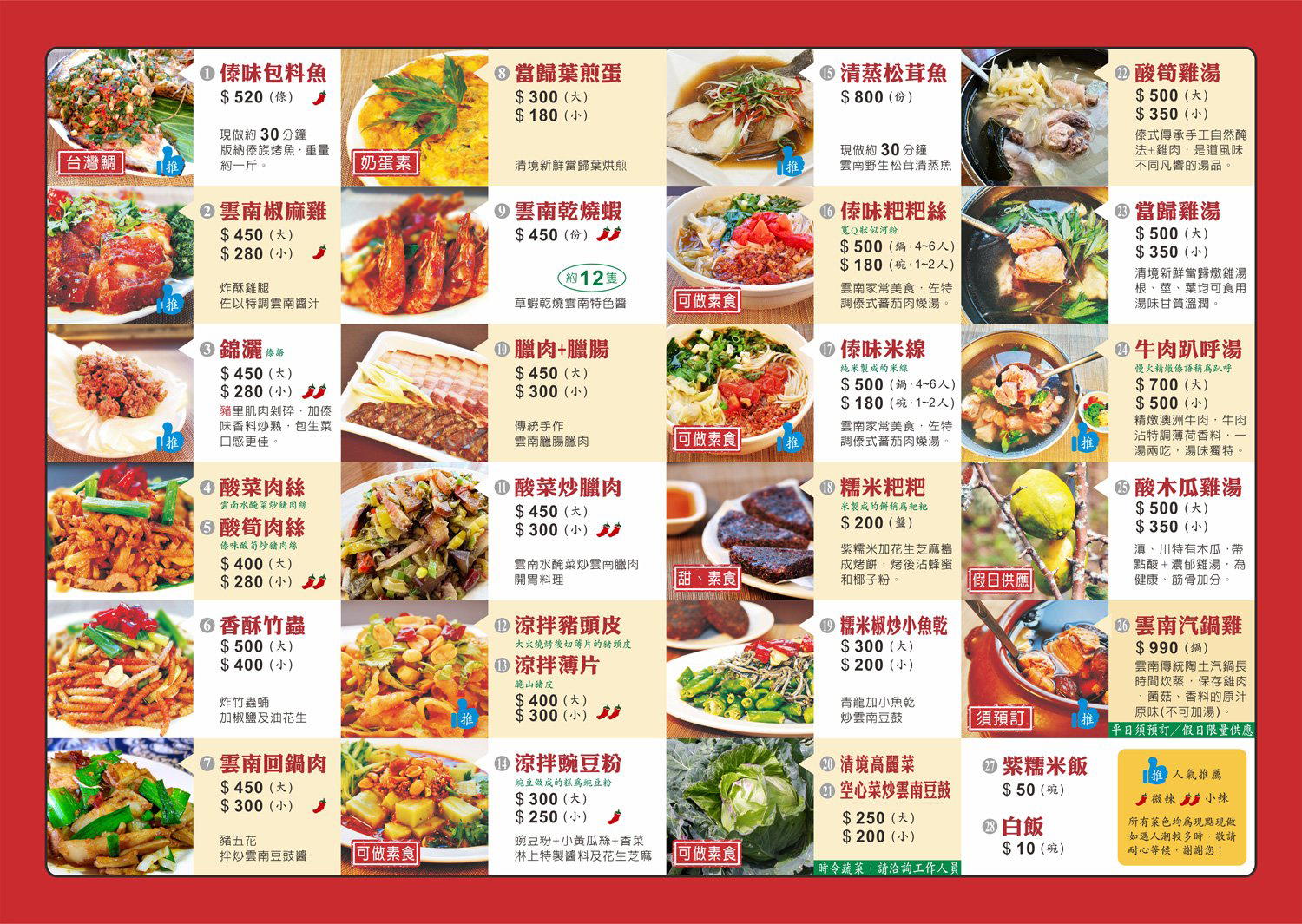



At a Glance
- Rustic
- Cozy
- Group Dining
- Family
- Casual Hangout
- Standalone
- Local Sourcing
Current opening hours
- Monday
- 11 AM–2 PM, 5–8 PM
- Tuesday
- Closed
- Wednesday
- Closed
- Thursday
- 11 AM–2 PM, 5–8 PM
- Friday
- 11 AM–2 PM, 5–8 PM
- Saturday
- 11 AM–2 PM, 5–8 PM
- Sunday
- 11 AM–2 PM, 5–8 PM
Hours can change for holidays and private events. Last verified .
Rejuvenate retro dining hall with spacious, comfortable atmosphere evoking countryside nostalgia.