
Grand Cosmos Resort Ruisui sits in the hot spring corridor of Hualien County's Ruisui Township, holding dual World of Wellness recognition as both a Regional Winner for Luxury Spa Resort and a Global Winner for Luxury All-Inclusive Resort. The property positions itself at the upper end of Taiwan's eastern corridor resort tier, where thermal bathing culture and indigenous Amis territorial heritage define the guest experience more than urban amenity density.
Pearl is the En Primeur Club membership app — saves, bookings, and concierge access live there. Same editors, same standards.
- Address
- No. 368號, Section 2, Wenquan Rd, Ruisui Township, Hualien County, Taiwan 978
- Phone
- +886 3 887 6000
- Website
- grandcosmos.com.tw
- Directions
- Get directions
 Saves & bookings on Pearl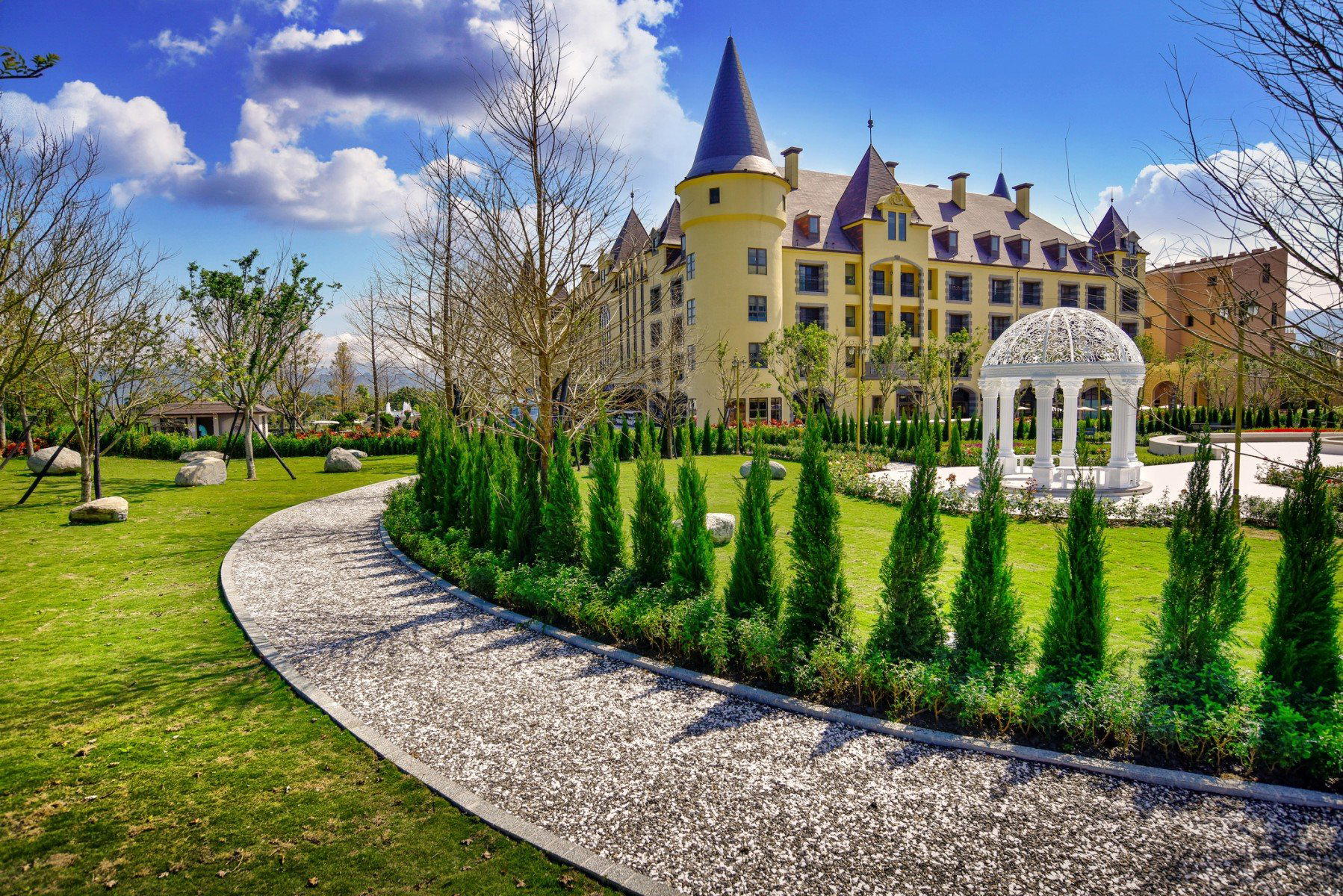
Where the Rift Valley Frames the Architecture
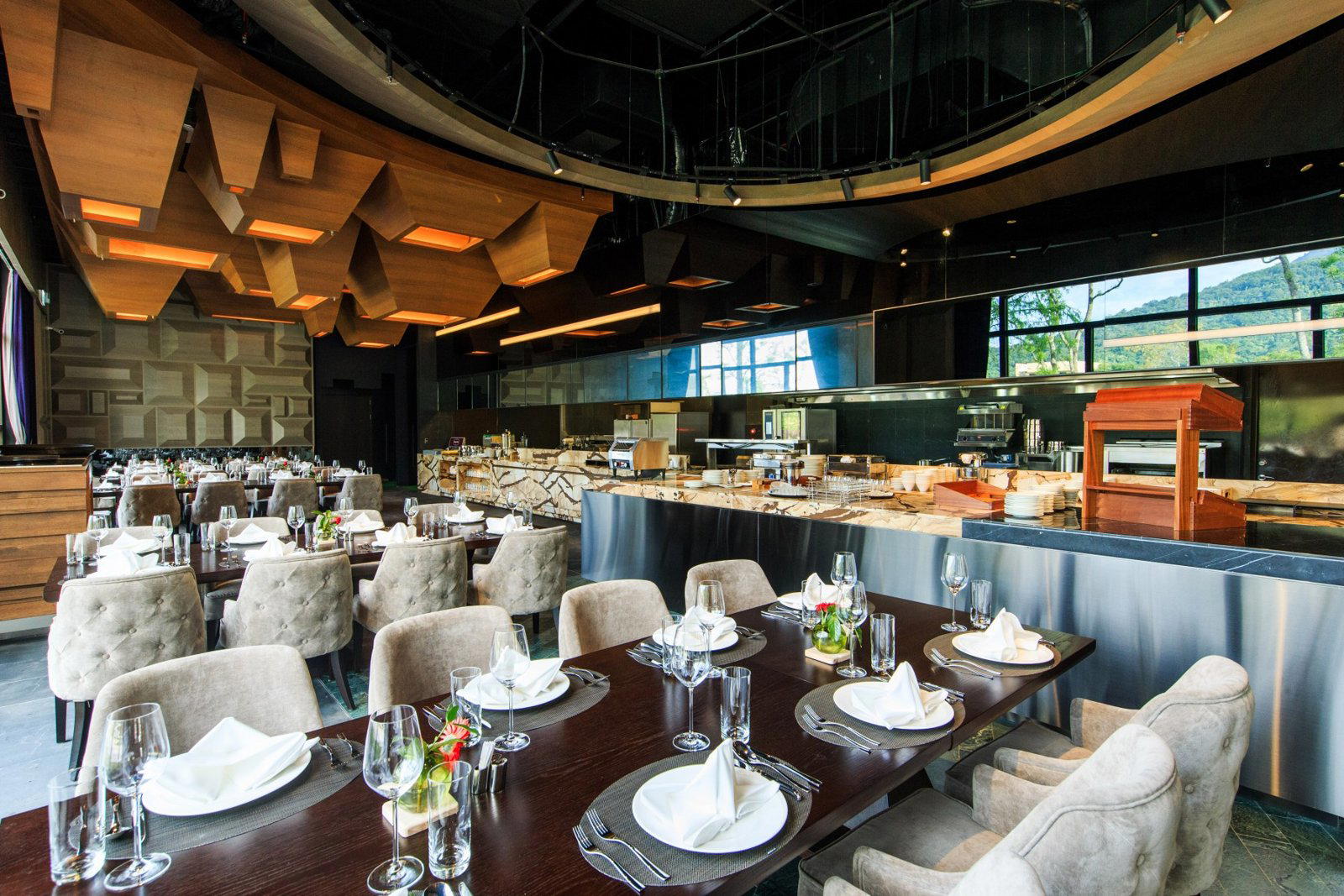
The eastern rift valley corridor that runs through Ruisui Township operates by different spatial logic than Taiwan's western hotel belt. Here, the mountain ranges that form the Central and Coastal ranges press close enough that resort properties are shaped by topography as much as design intent. Grand Cosmos Resort Ruisui occupies that geographic condition deliberately: the built environment is oriented to read against the ridgelines, and the thermal spring infrastructure, the defining amenity of the Ruisui hot spring zone, is integrated into the property's physical fabric rather than treated as a supplementary wellness add-on. This is not a city hotel that happens to have a spa wing. The thermal water access is structural to what the property is. For context on how Taiwan's resort corridor compares across its major spa destinations, Volando Urai Spring Spa and Resort in Wulai District represents the northern mountain hot spring tier, while Evergreen Resort Hotel in Jiaosi anchors the Yilan sodium bicarbonate spring tradition closer to Taipei's reach.
The Competitive Architecture of Taiwanese All-Inclusive Resorts
Taiwan's resort hotel market has fractured into recognisable sub-categories over the past decade. One tier clusters around the metropolitan periphery, offering hot spring access and buffet dining within day-trip range of Taipei or Kaohsiung. A second tier, smaller and more deliberate, positions itself as a destination in its own right, properties where the distance from urban centres is the point, not the inconvenience. Grand Cosmos Resort Ruisui sits in the second tier, and its dual recognition from the World of Wellness awards programme as both Regional Winner for Luxury Spa Resort and Global Winner for Luxury All-Inclusive Resort places it in a competitive set that is defined less by geographic location than by format: properties where accommodation, dining, and wellness are delivered as a unified package rather than a menu of optional charges.
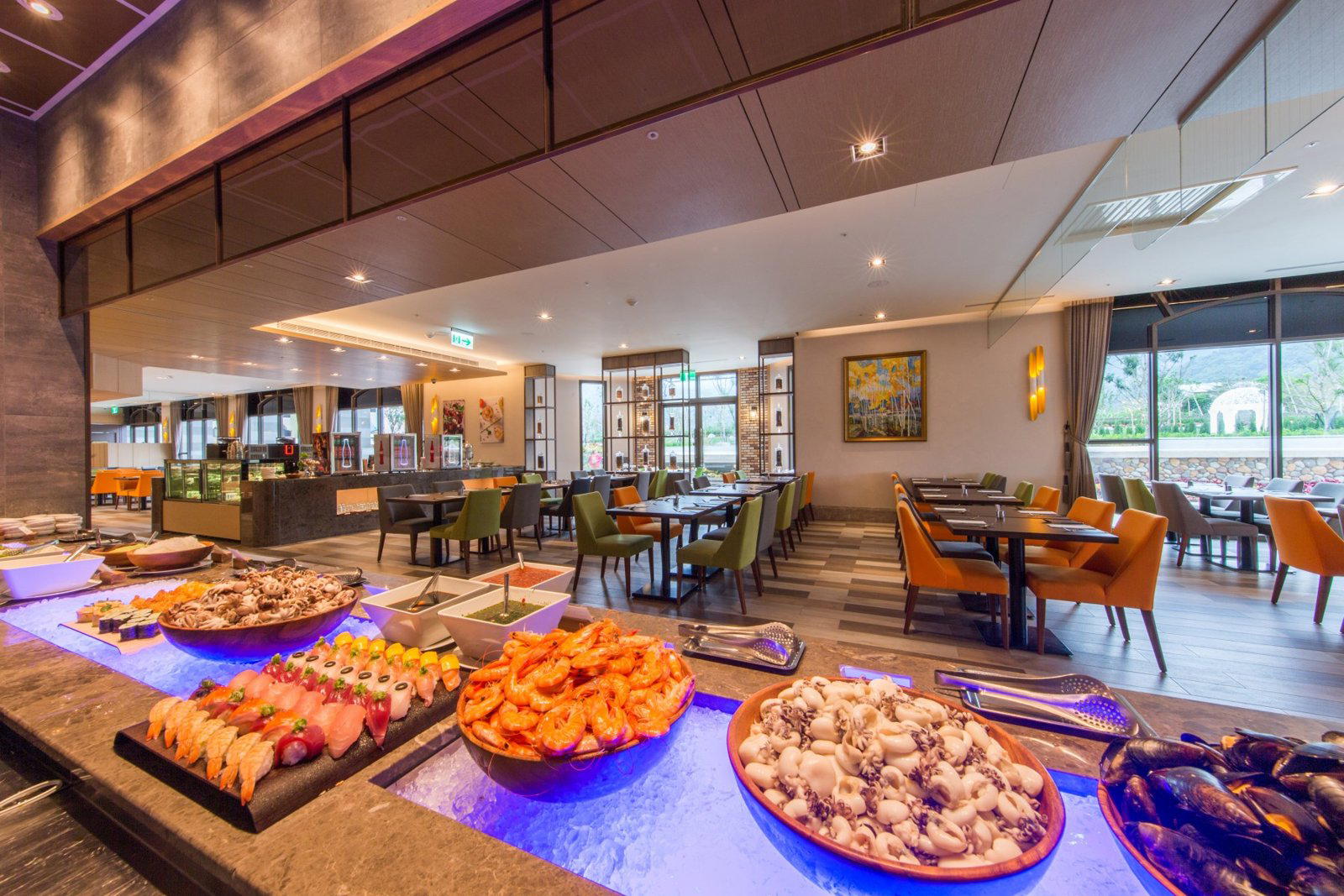
That all-inclusive format is still relatively uncommon in Taiwan's premium hotel market, where room-only rates with discretionary F&B; spending remain the default model for upscale city properties. The amba Taipei Zhongshan or the leading Taipei city hotels operate on the standard rate-plus-incidentals structure that urban guests expect. In a resort context, particularly in a remote eastern corridor location where dining alternatives are limited, the bundled model changes the guest calculation considerably. For properties in comparable positions, see how Hotel Beore Sun Moon Lake handles the bundled-amenity question in a similarly destination-dependent setting.
Ruisui's Hot Spring Tradition and What It Demands of Architecture
The hot springs at Ruisui are sodium bicarbonate in composition, which places them in a different category from the sulphurous springs common at higher elevations. The water is colourless and lightly alkaline, properties that have made the area a reference point for skin-care-oriented thermal bathing rather than the mineral-intensity experiences associated with Taiwan's mountain spring zones. Architecturally, sodium bicarbonate springs place fewer material constraints on pool and bath design than sulphurous water, which corrodes certain metals and finishes, and this has historically allowed Ruisui's resort properties to pursue more ambitious spatial treatments of the bathing environment.
The broader pattern across Taiwan's premium hot spring resorts is that the quality of the thermal bathing architecture, the relationship between pool configuration, enclosure, view corridors, and material specification, does more to differentiate properties in this category than room size or restaurant quality. Hoshinoya Guguan in Taichung demonstrates what Japanese ryokan sensibility brings to this calculus, where spatial sequence and material restraint define the experience as much as the water itself.
Positioning Within Taiwan's Eastern Corridor
Hualien County's resort supply is thinner and more geographically dispersed than what concentrations like Sun Moon Lake or the northern hot spring belt can offer. That scarcity works in favour of established properties with award recognition: the World of Wellness Global Winner designation for Luxury All-Inclusive Resort is a signal that travels across booking platforms and operates as a sorting mechanism for international travellers evaluating Taiwan's eastern coast as a destination. For readers already planning an eastern Taiwan circuit, Grand Cosmos Resort Ruisui functions as the spa resort anchor in Hualien County in the way that Gloria Manor anchors the southern Kenting peninsula or Grasse Grace Manor addresses the mid-island Miaoli corridor. Each of these properties operates on the same principle: destination isolation converted into a reason to stay longer rather than a reason to hesitate.
For those approaching Taiwan's resort circuit from an international luxury benchmark, properties like Amangiri in Canyon Point, which similarly converts extreme landscape into the primary design argument, or Castello di Reschio, where the surrounding terrain shapes every architectural decision, the Ruisui model is legible: landscape-dependent, format-specific, and credentialled against a global award tier rather than a purely regional one. See our full Hualien County guide for the broader property picture in the region.
Planning Your Stay
Ruisui Township sits roughly 50 kilometres south of Hualien City, accessible by the Hualien–Taitung rail line at Ruisui Station, which makes the property reachable without a private vehicle for travellers arriving by train from Taipei or Taichung. The eastern rail corridor is one of Taiwan's more considered slow-travel routes, and the train arrival into Ruisui frames the transition from urban pace to rift valley calm in a way that driving the highway does not. The all-inclusive format means that once on property, the practical logistics of daily dining and spa access resolve themselves within the resort perimeter, a relevant consideration given that Ruisui Township's off-property dining options are limited compared to what a city-hotel stay would surround you with. Advance booking is advisable for weekends and public holidays, when eastern Taiwan resort demand from Taipei-based domestic travellers compresses available inventory sharply. For regional hotel comparisons across Taiwan's resort tiers, see properties including YOHO Beach Resort in Pingtung, Hotel Indigo Alishan, and The Lalu Hotel at Sun Moon Lake.
At-a-Glance Comparison
Comparable venues nearby, for context on price, style, and recognition.
| Venue | Cuisine | Price | Awards | Notes |
|---|---|---|---|---|
| Grand Cosmos Resort Ruisui, HualienThis venue — the venue you are viewing | Southern European cottage style luxury resort | $$$$ | 5-Star | Not listed |
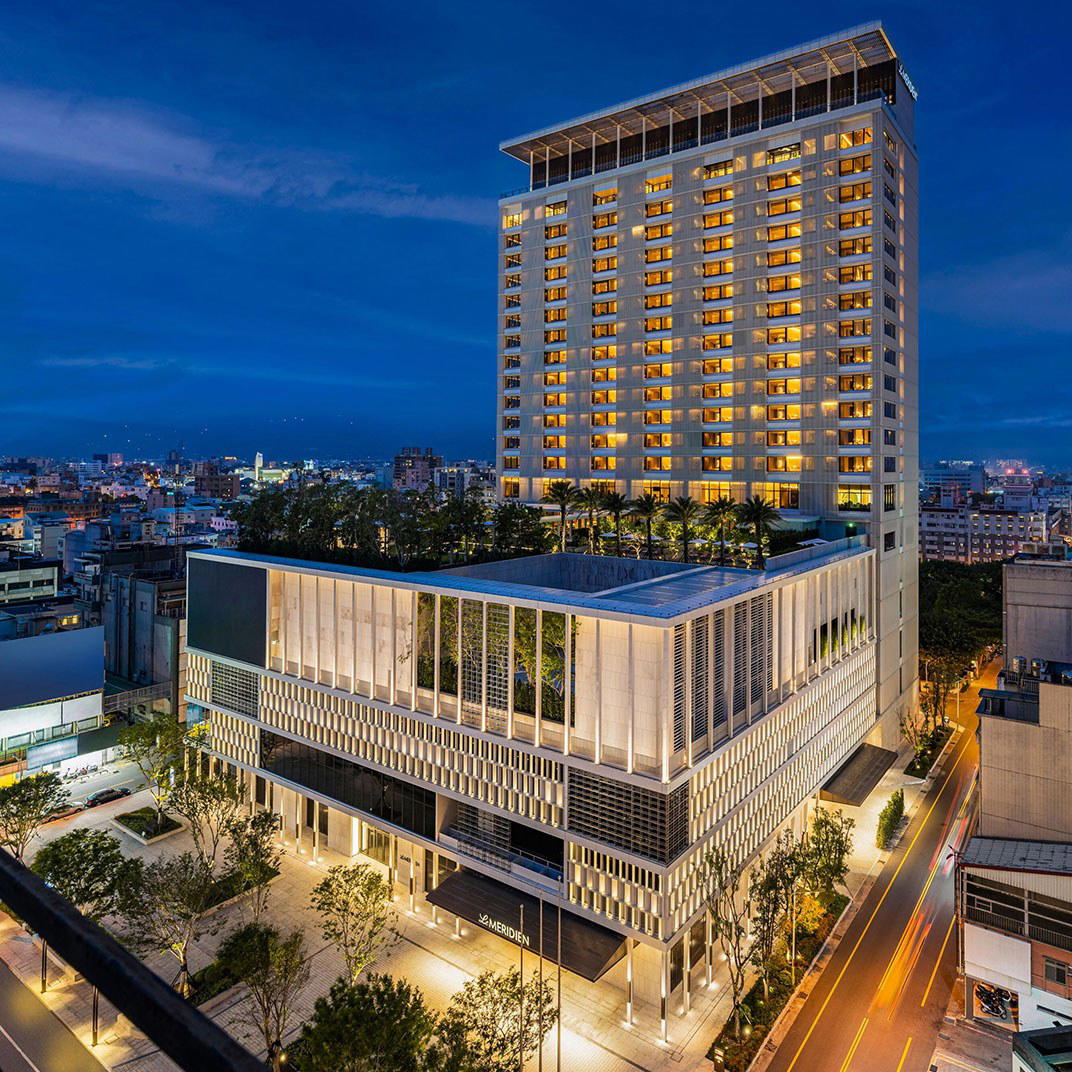
| Le Meridien Hualien Resort | Luxury urban hot spring resort blending European design with contemporary Asian hospitality, integrated with shopping and cultural spaces. | $$$$ | 5-Star | Hualien City Center |
| Grand Victoria Hotel | Victorian-inspired luxury boutique | $$$$ | 5-Star | Xikang |
| InterContinental Taichung | Contemporary luxury with Taiwan cultural heritage integration; high-end international brand positioning. | $$$$ | 5-Star | Zhongxing |
| Palais de Chine | Classic luxury with French palace-inspired opulence and museum-like elegance. | $$$$ | 5-Star | Jianming |
| THE AMNIS, a Luxury Collection Hotel | Art-inspired luxury with residential privacy and water essence theme | $$$$ | 5-Star | Qianzhen District |
Recognition history
Dated appearances from independent guides and award organizations, with the underlying list record or original source where available.
World Luxury Hotel Awards WLHA Global Winner
World Luxury Hotel Awards
World Luxury Hotel Awards WLHA Regional Winner
World Luxury Hotel Awards
At a Glance
- Scenic
- Elegant
- Family Vacation
- Weekend Escape
- Panoramic View
- Wi Fi
- Indoor Pool
- Spa
- Fitness Center
- Room Service
- Concierge
- Business Center
- Valet Parking
- EV Charging
- Kids Club
- Sauna
- Mountain
- Garden
- Wi Fi
- Indoor Pool
- Spa
- Fitness Center
- Room Service
- Concierge
- Business Center
- Valet Parking
- EV Charging
- Kids Club
- Sauna
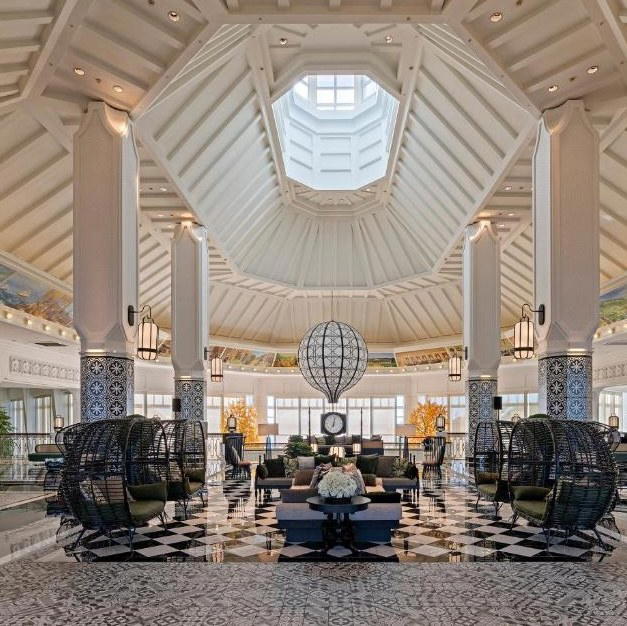
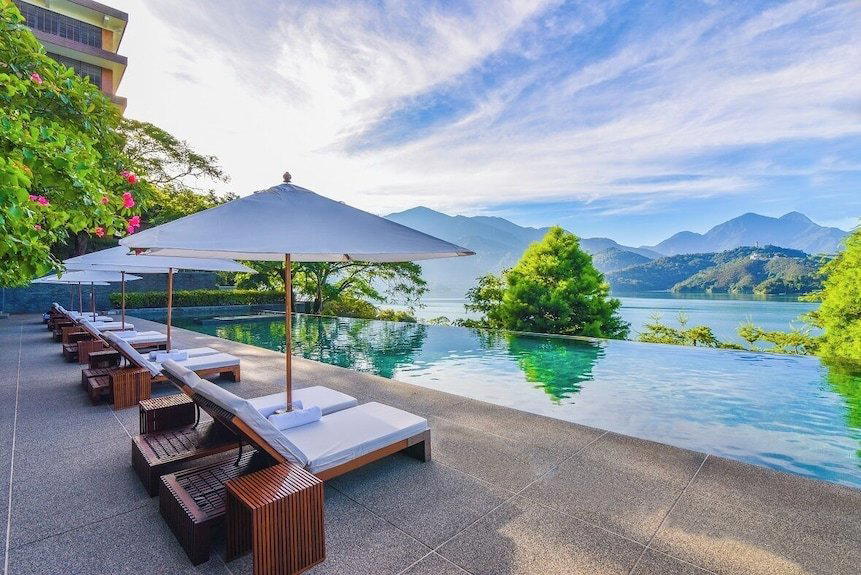
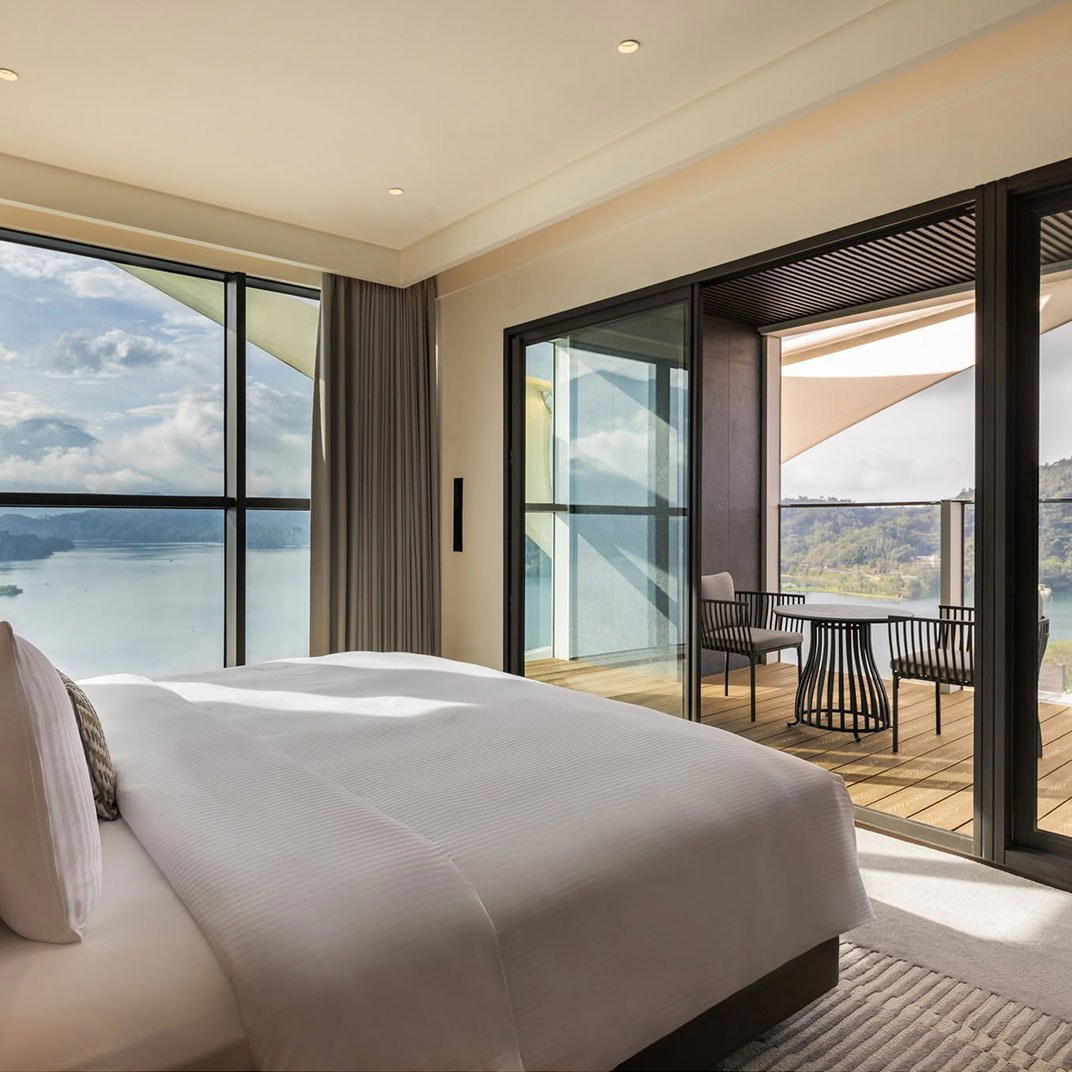
Spacious and elegant southern European cottage style with magnificent reception hall resembling a castle, surrounded by colorful mountains and beautiful landscaping.