Galle Road and the Weight of an Address Colombo's dining geography is not evenly distributed. The stretch of Galle Road running through Colombo 2 has long concentrated the city's more considered hospitality offerings, from colonial-era clubs to the generation of restaurants that emerged after the end of Sri Lanka's civil conflict reshaped the capital's ambitions. The address at 2 Galle Rd places 1864 Limited Edition inside that corridor, a part of the city where the building itself often carries narrative weight before a single dish arrives. In a capital where many premium openings have gravitated toward Colombo 3 and 7, a Colombo 2 address still carries a particular register: established, slightly formal, oriented toward a clientele that treats dinner as occasion rather than convenience. The name signals a specific historical anchor. 1864 as a reference point points toward Sri Lanka's late colonial period, when the island's plantation economy and its attendant social structures were at their height. Whether the name connects to the building's own history or to a broader period in the country's agricultural and culinary story, it frames the experience in terms of provenance and time — a useful lens for any restaurant serious about ingredient sourcing and the depth of local food culture. Sri Lanka's Sourcing Story, and Why It Matters Here The ingredient culture surrounding Colombo's better restaurants has grown considerably more deliberate over the past decade. The shift mirrors what happened in other Asian capitals — Bangkok, Kuala Lumpur, Manila, where a generation of chefs and restaurateurs began treating local producers not as a cost variable but as the editorial spine of a menu. In Sri Lanka, that conversation connects to specific geographies: the cinnamon grown in Negombo and Matara districts that differs meaningfully from the Vietnamese cassia sold globally under the same name; the small-boat seafood coming through Negombo fish market that supplies Colombo kitchens with a daily catch profile shaped by the Indian Ocean's seasonal rhythms; the highland vegetables from Nuwara Eliya that carry altitude and temperature difference in their density and flavour profile. A restaurant that foregrounds its historical name is implicitly making a claim about rootedness, about drawing on a place's particular agricultural and culinary inheritance rather than assembling a generic pan-Asian or continental menu. Colombo has a peer group of restaurants now making that claim with varying degrees of credibility. Ministry of Crab (Sri Lankan) built its identity almost entirely around a single local ingredient at scale. Nihonbashi takes a different route, using Japanese discipline as a frame through which Sri Lankan seafood becomes something else entirely. The Bayleaf has maintained a consistent position in the city's mid-to-upper tier. Where 1864 Limited Edition positions itself within that conversation is the question its name most insistently raises. The Setting as Context Colombo 2 is a neighbourhood shaped by proximity to the Fort district's commercial core, the Galle Face seafront, and a cluster of legacy hotels that have defined the city's hospitality register since independence. Restaurants on or near Galle Road in this postcode tend to carry a degree of architectural character that newer openings in more commercially developed districts often lack. The built environment here, older buildings, wider lots, some surviving colonial-era structures, creates a different ambient register than the glass-fronted restaurant floors of Colombo 3's newer mixed-use towers. For a restaurant named after a year deep in the Victorian era, that setting is not incidental. The physical environment anchors the name's historical claim and gives the dining room a context that a purpose-built space in a newer development would struggle to provide. The Gallery Café has demonstrated in Colombo that heritage architecture and considered food programming can operate as a coherent proposition. 1864 Limited Edition works from a similar premise. Where This Fits in the Colombo Premium Tier The premium dining tier in Colombo is small by regional capital standards. It does not have the depth of Bangkok or Kuala Lumpur, nor the concentration of formal fine dining that Singapore sustains. What it has is a set of destination restaurants, ten to fifteen operating at any given time with genuine ambition, surrounded by a much larger mid-market field. Within that small top tier, differentiation matters acutely. 1864 Limited Edition, by address and name alone, signals alignment with the more formal, heritage-conscious end of that tier. That places it in a different conversation than the casual-luxe seafood operations that have proliferated along the city's southern coast, or the destination-resort dining that has developed around properties in Yala and Weligama. For context on how Sri Lanka's dining ambition expresses itself outside Colombo, COAST in Yala, KAIYŌ in Weligama, and AQUA Forte in Galle each represent a distinct regional interpretation of the same broader movement toward considered, locally anchored hospitality. Back in the capital, Menya Hanabi and Kim's Family Korean in Colombo District occupy quite different positions in the city's dining spread, illustrating how wide the field actually runs beneath the premium layer. For anyone mapping Colombo's restaurant scene with some seriousness, our full Colombo restaurants guide provides the broader context this venue sits within. Planning a Visit The restaurant is located at 2 Galle Rd, Colombo 00200, a Colombo 2 address that sits within easy reach of the Galle Face Hotel end of the seafront and the Fort district. The Colombo 2 postcode is well-served by the city's ride-hailing options, and the proximity to the Galle Face Green means parking and drop-off logistics are generally more direct than in the denser Colombo 3 and 4 corridors. For those staying in the Fort or Galle Face area, the location is walkable by Colombo standards. Given the premium positioning implied by the address and name, advance reservation is the sensible approach, particularly for evening sittings when demand across the city's top tier tends to concentrate. Frequently Asked Questions Is the restaurant good for families?Colombo's premium-tier restaurants at this address and price register tend to skew toward adult dining occasions rather than family outings, the formal setting and considered pace of service are designed for a different kind of evening than a children-friendly casual.What kind of setting is the restaurant?If you are after a historically grounded, formal dining environment in Colombo 2, this address fits that specification. If the occasion calls for something more casual or the meal is informal, the city's mid-market tier, including options like Bastille or Mandiya in Kandy for a different register, may suit better. For those specifically seeking Colombo's premium tier, the Galle Road address and the name's historical framing indicate a considered, occasion-oriented setting.What's the leading thing to order at the restaurant?Without verified menu data, specific dish recommendations would be speculative. What the restaurant's positioning suggests is a menu informed by Sri Lanka's ingredient heritage, the kind of sourcing-led approach that, at peer addresses in the city, tends to express itself most clearly in seafood and locally grown produce. For verified current menu details, contacting the venue directly is the reliable route.Does the name 1864 connect to a specific historical event or building in Colombo?The year 1864 falls within Sri Lanka's British colonial period, when the island's plantation economy, particularly tea, rubber, and cinnamon, was being formalised under Crown governance. Restaurants that draw on a specific historical year as their name typically do so to anchor their identity in a particular era of local food culture or architectural heritage. Whether the restaurant references the building's own provenance, a founding year in the city's hospitality record, or a moment in Sri Lanka's agricultural history is best confirmed with the venue directly, but the framing places it in conversation with Colombo's broader interest in reclaiming and reinterpreting its pre-modern food and hospitality inheritance. For comparable approaches to heritage dining in the region, Le Bernardin in New York and Lazy Bear in San Francisco illustrate how historical and biographical framing operates in other premium dining contexts.
Pearl is the En Primeur Club membership app — saves, bookings, and concierge access live there. Same editors, same standards.
- Address
- 2 Galle Rd, Colombo 00200, Sri Lanka
- Phone
- +94 74 260 1641
- Directions
- Get directions
 Saves & bookings on Pearl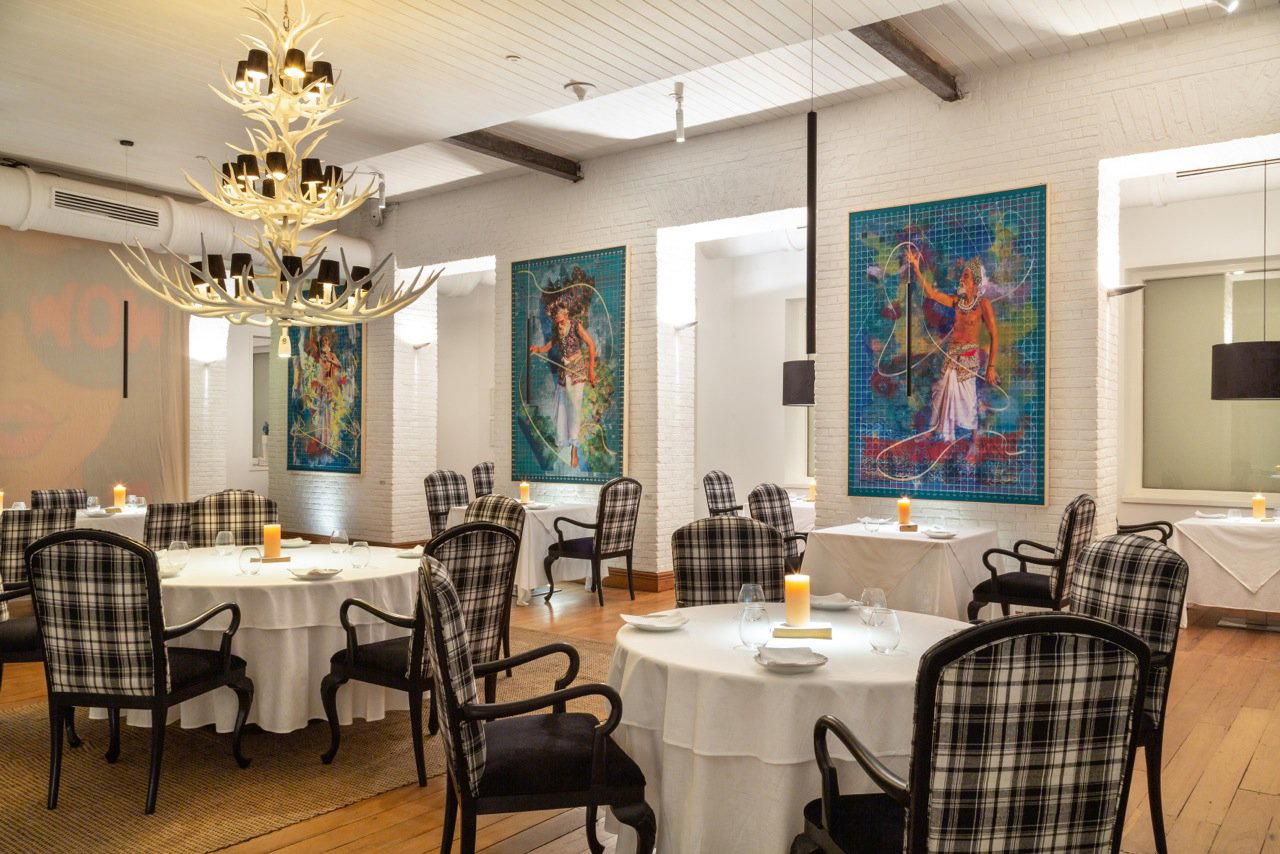
Galle Road and the Weight of an Address
Colombo's dining geography is not evenly distributed. The stretch of Galle Road running through Colombo 2 has long concentrated the city's more considered hospitality offerings, from colonial-era clubs to the generation of restaurants that emerged after the end of Sri Lanka's civil conflict reshaped the capital's ambitions. The address at 2 Galle Rd places 1864 Limited Edition inside that corridor, a part of the city where the building itself often carries narrative weight before a single dish arrives. In a capital where many premium openings have gravitated toward Colombo 3 and 7, a Colombo 2 address still carries a particular register: established, slightly formal, oriented toward a clientele that treats dinner as occasion rather than convenience.
The name signals a specific historical anchor. 1864 as a reference point points toward Sri Lanka's late colonial period, when the island's plantation economy and its attendant social structures were at their height. Whether the name connects to the building's own history or to a broader period in the country's agricultural and culinary story, it frames the experience in terms of provenance and time — a useful lens for any restaurant serious about ingredient sourcing and the depth of local food culture.
Sri Lanka's Sourcing Story, and Why It Matters Here
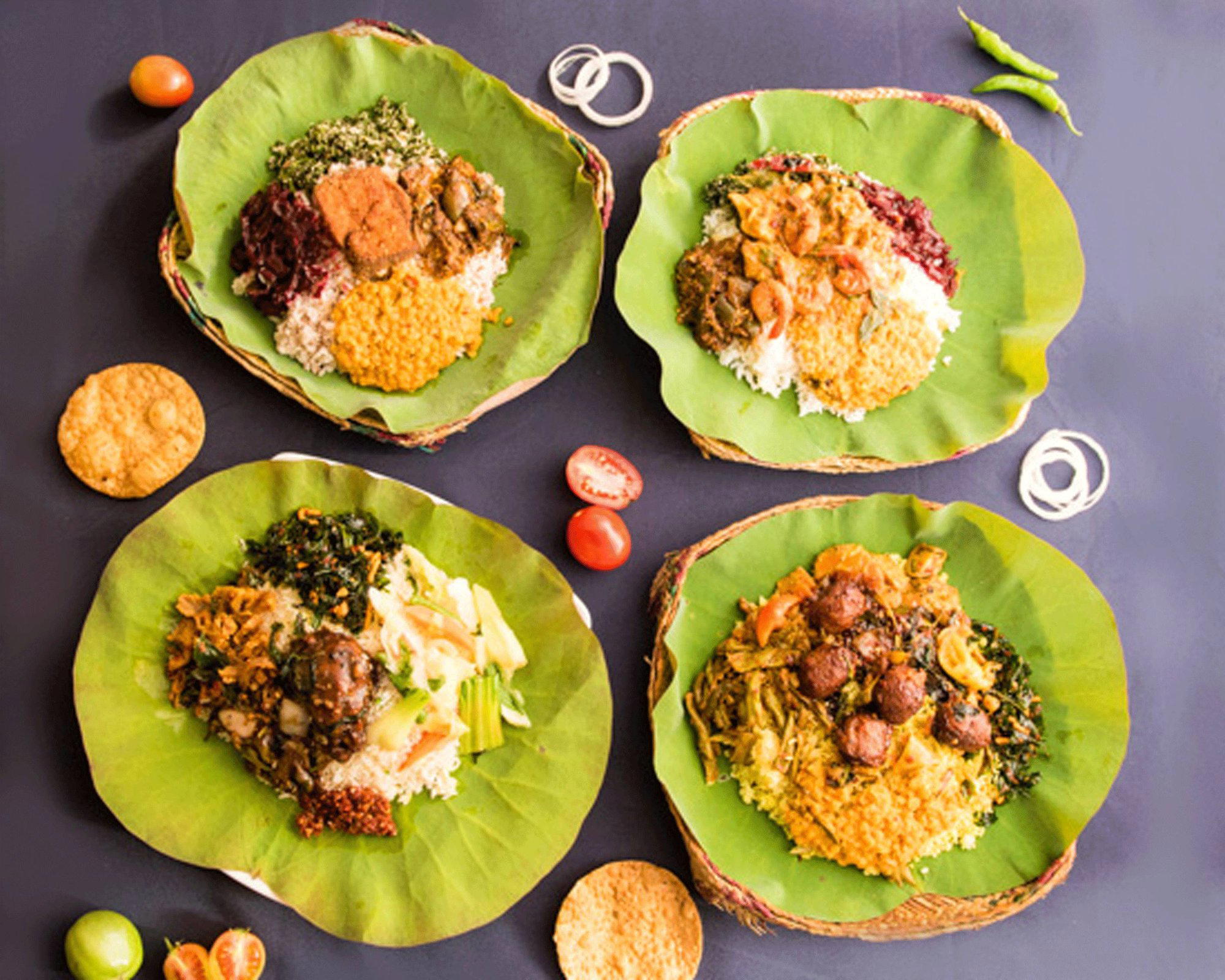
The ingredient culture surrounding Colombo's better restaurants has grown considerably more deliberate over the past decade. The shift mirrors what happened in other Asian capitals — Bangkok, Kuala Lumpur, Manila, where a generation of chefs and restaurateurs began treating local producers not as a cost variable but as the editorial spine of a menu. In Sri Lanka, that conversation connects to specific geographies: the cinnamon grown in Negombo and Matara districts that differs meaningfully from the Vietnamese cassia sold globally under the same name; the small-boat seafood coming through Negombo fish market that supplies Colombo kitchens with a daily catch profile shaped by the Indian Ocean's seasonal rhythms; the highland vegetables from Nuwara Eliya that carry altitude and temperature difference in their density and flavour profile.
A restaurant that foregrounds its historical name is implicitly making a claim about rootedness, about drawing on a place's particular agricultural and culinary inheritance rather than assembling a generic pan-Asian or continental menu. Colombo has a peer group of restaurants now making that claim with varying degrees of credibility. Ministry of Crab (Sri Lankan) built its identity almost entirely around a single local ingredient at scale. Nihonbashi takes a different route, using Japanese discipline as a frame through which Sri Lankan seafood becomes something else entirely. The Bayleaf has maintained a consistent position in the city's mid-to-upper tier. Where 1864 Limited Edition positions itself within that conversation is the question its name most insistently raises.
The Setting as Context
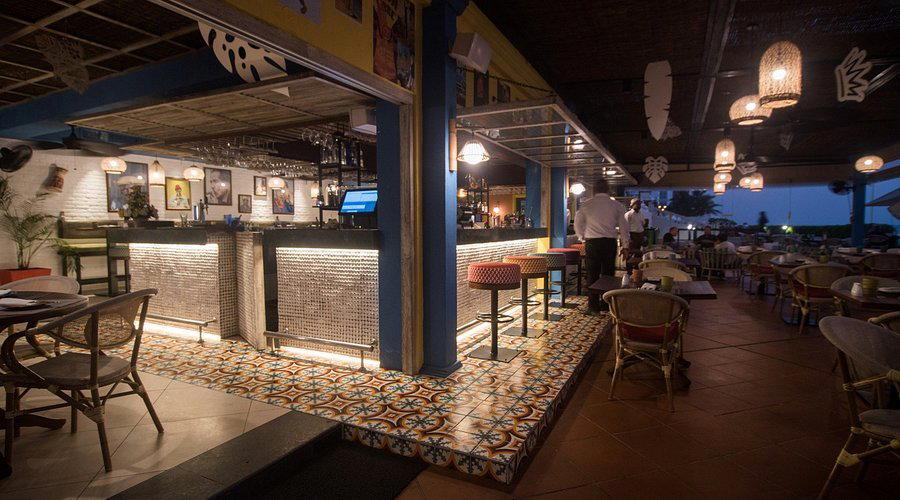
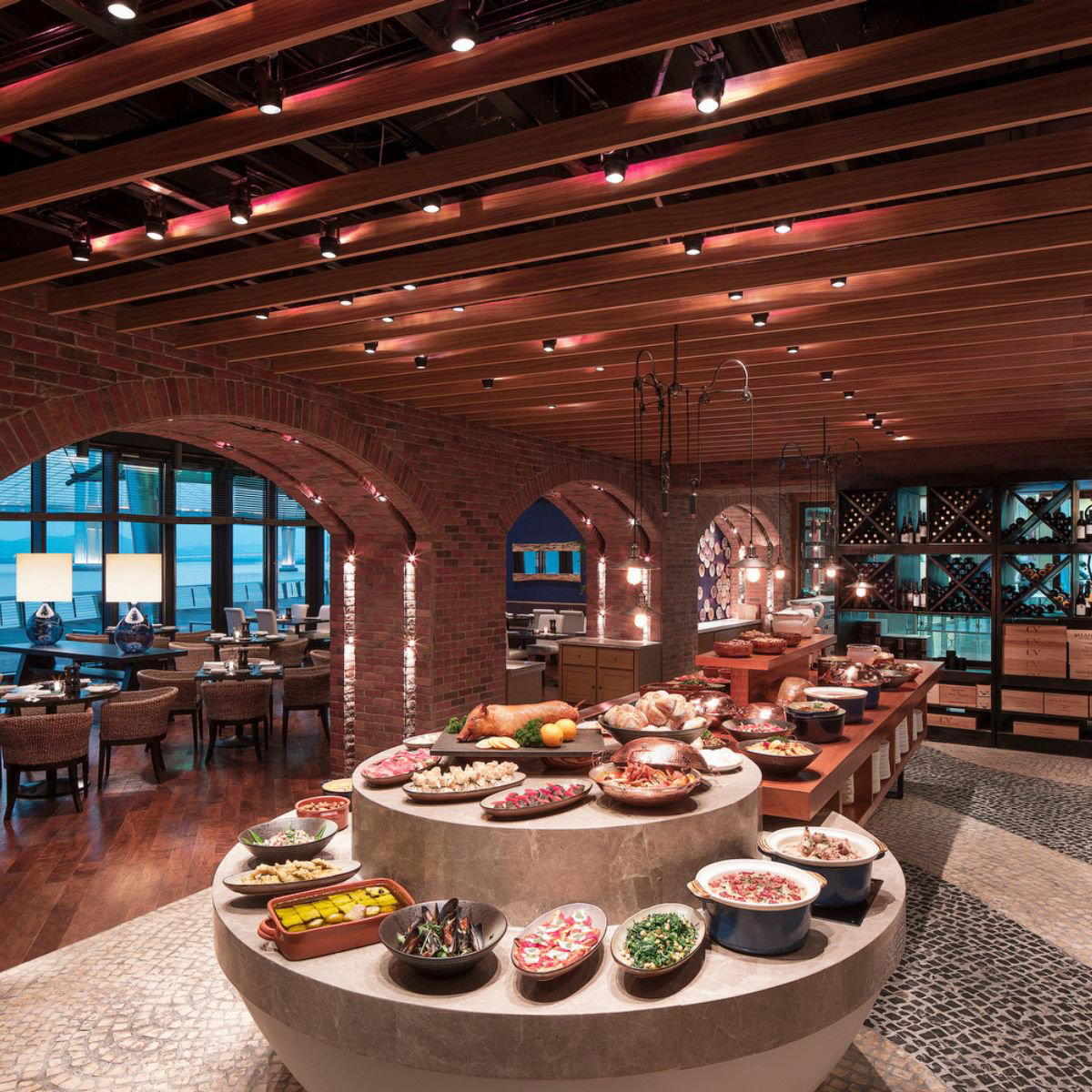
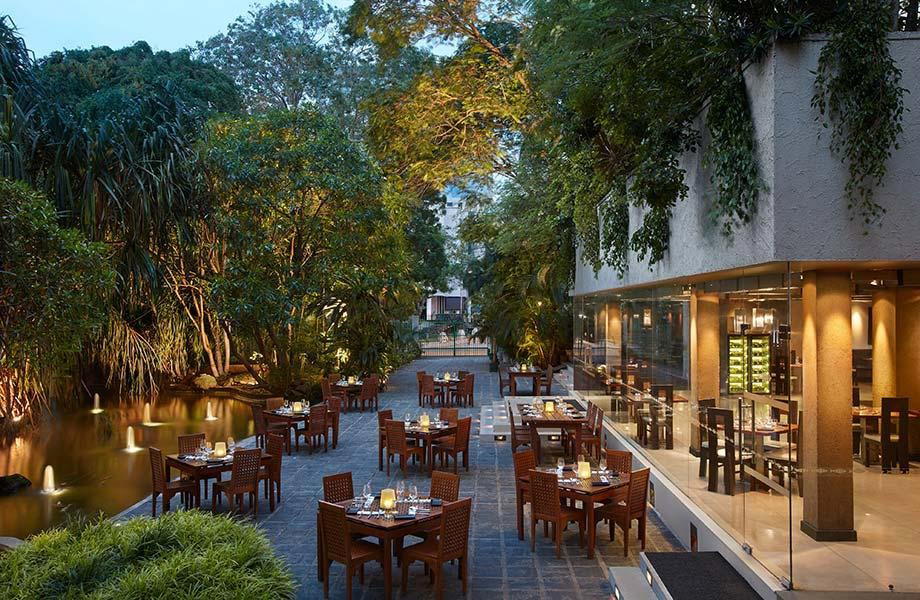
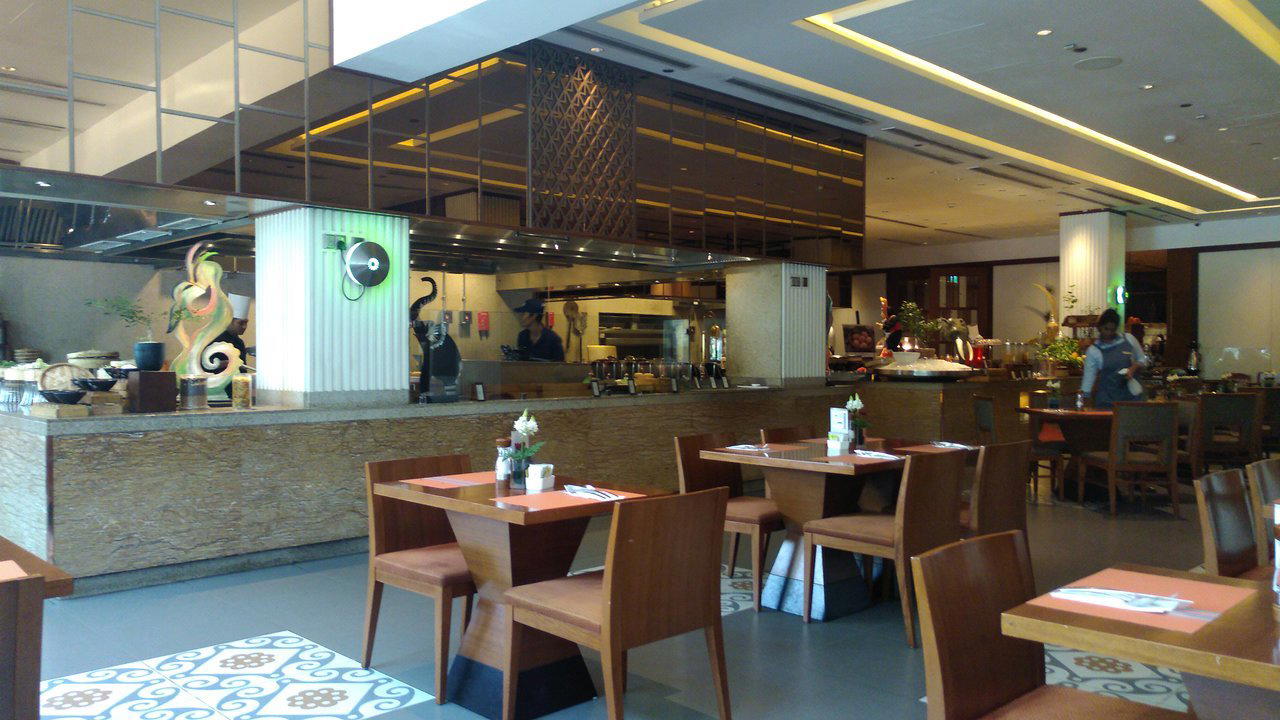
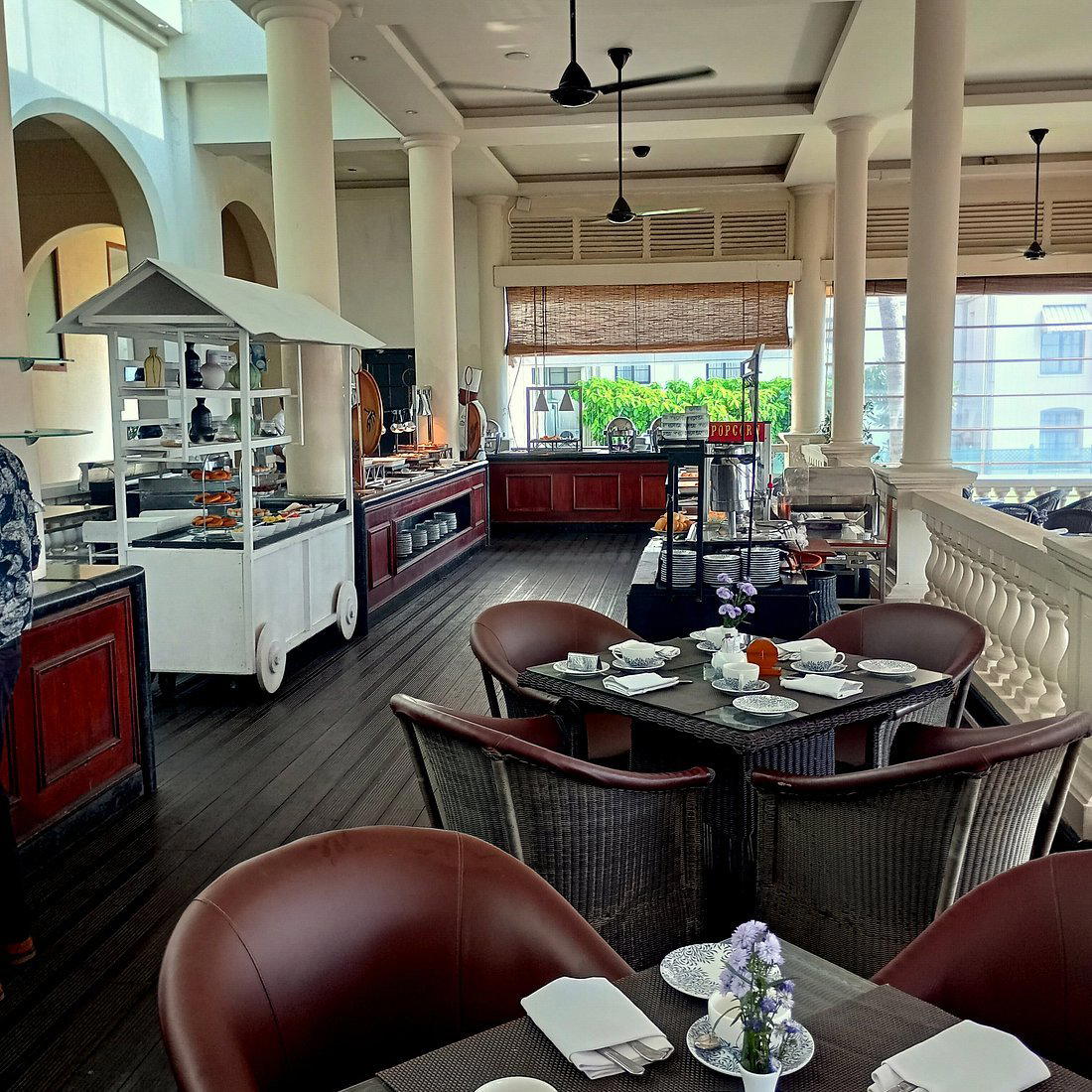
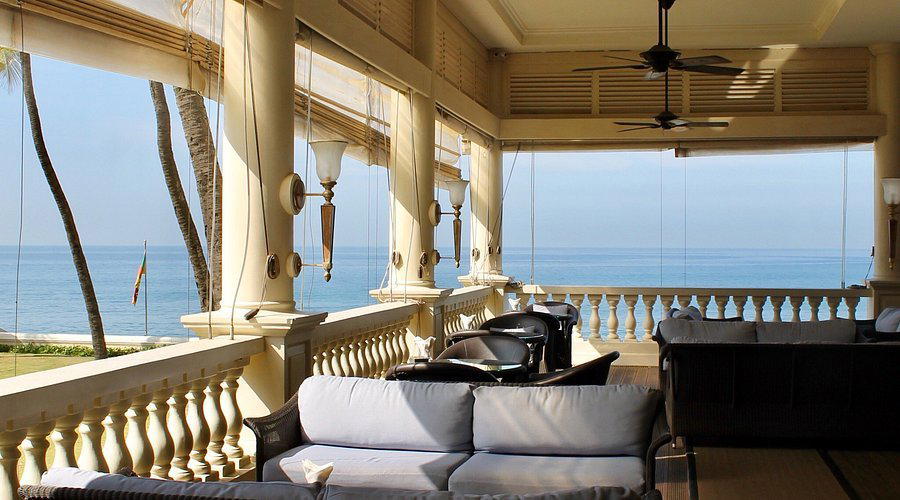
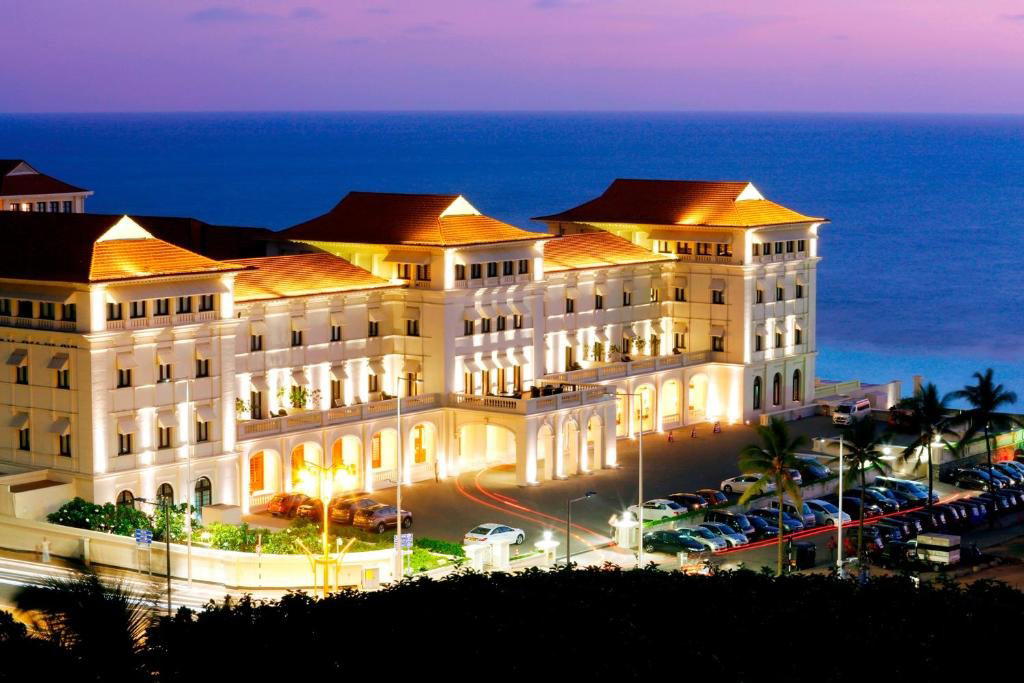
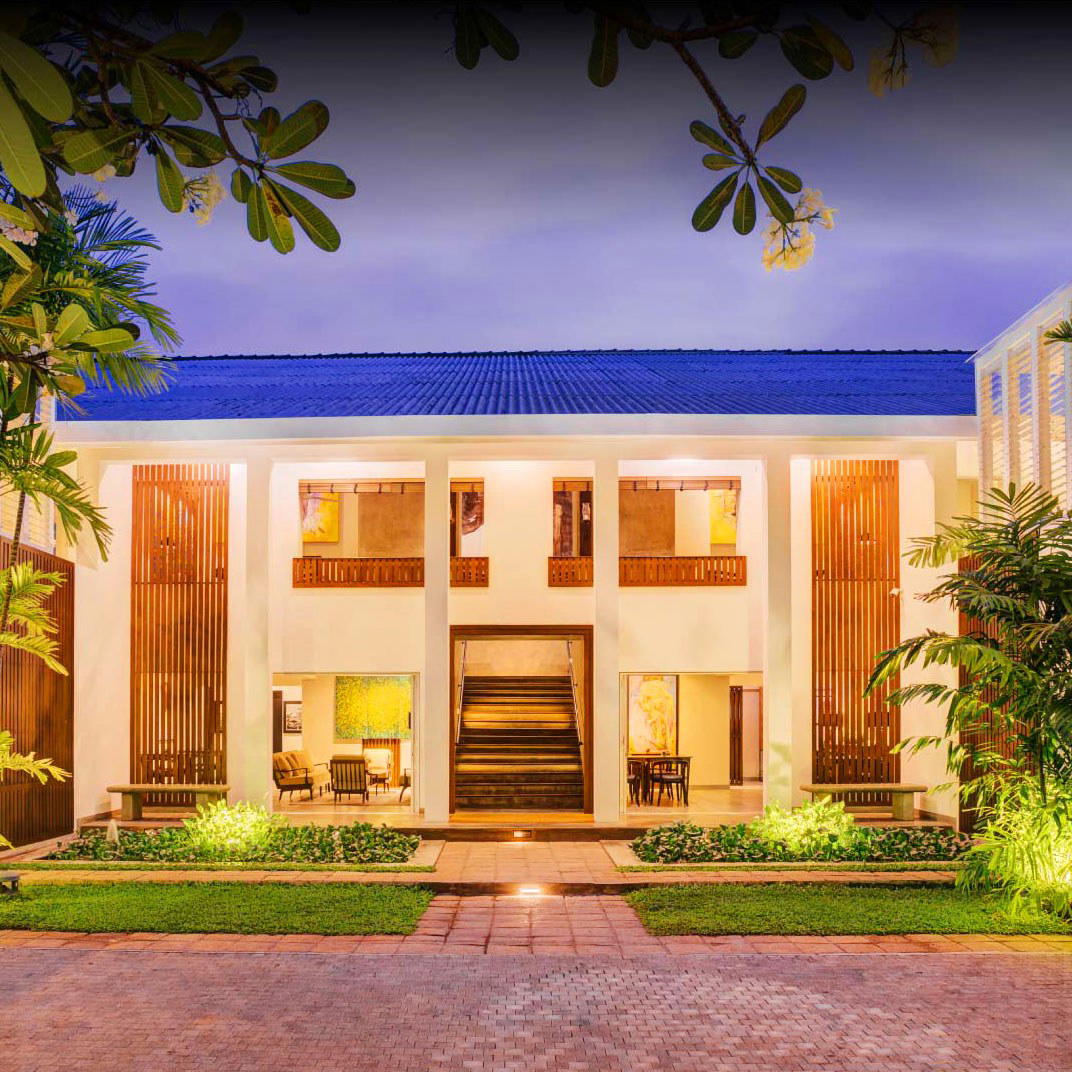
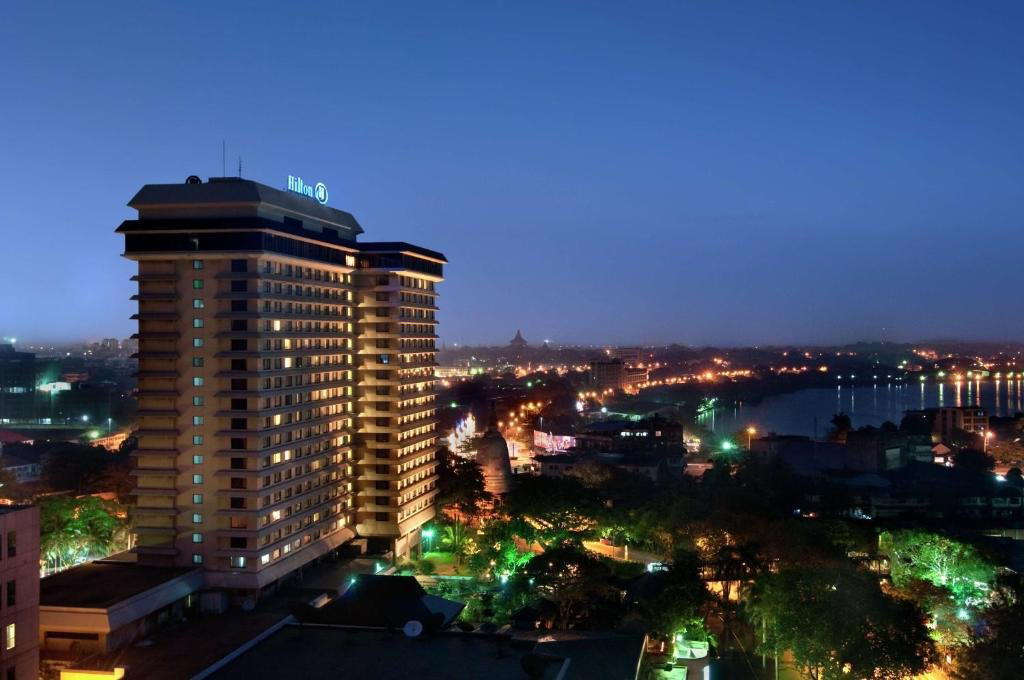
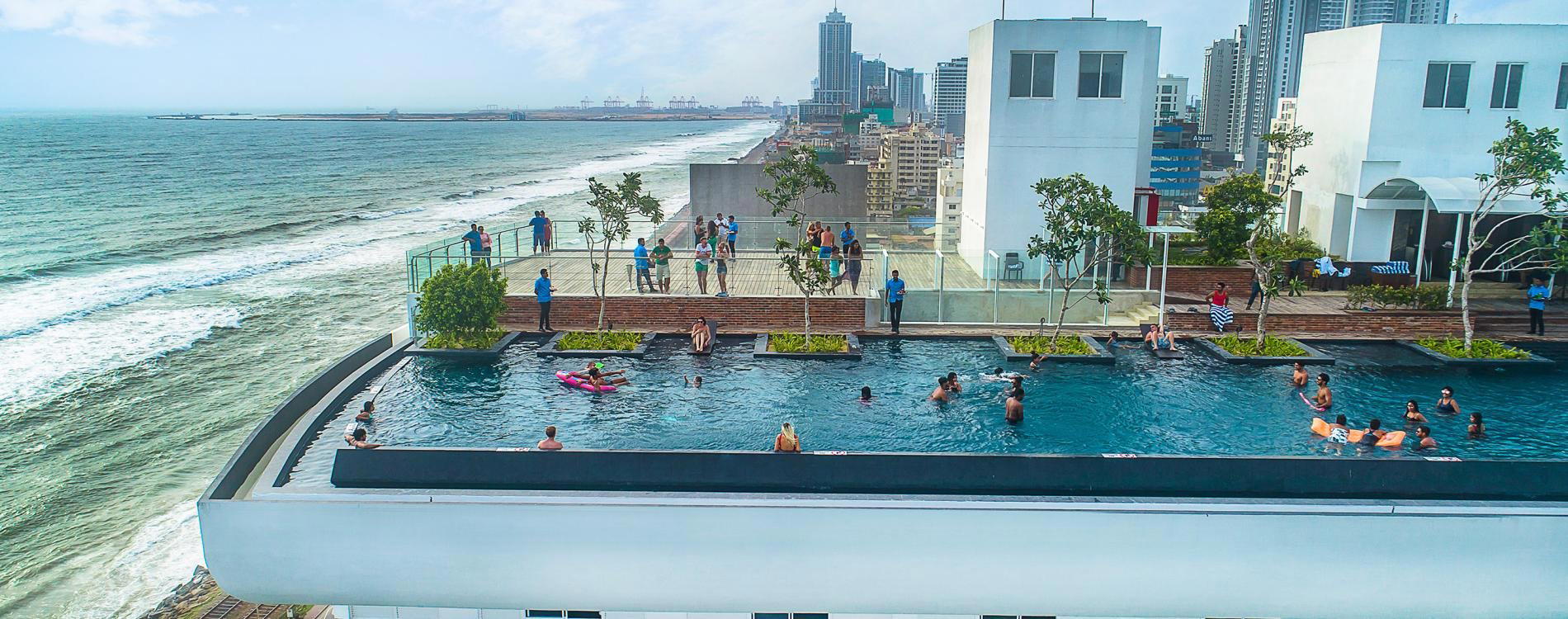
Colombo 2 is a neighbourhood shaped by proximity to the Fort district's commercial core, the Galle Face seafront, and a cluster of legacy hotels that have defined the city's hospitality register since independence. Restaurants on or near Galle Road in this postcode tend to carry a degree of architectural character that newer openings in more commercially developed districts often lack. The built environment here, older buildings, wider lots, some surviving colonial-era structures, creates a different ambient register than the glass-fronted restaurant floors of Colombo 3's newer mixed-use towers.
For a restaurant named after a year deep in the Victorian era, that setting is not incidental. The physical environment anchors the name's historical claim and gives the dining room a context that a purpose-built space in a newer development would struggle to provide. The Gallery Café has demonstrated in Colombo that heritage architecture and considered food programming can operate as a coherent proposition. 1864 Limited Edition works from a similar premise.
Where This Fits in the Colombo Premium Tier
The premium dining tier in Colombo is small by regional capital standards. It does not have the depth of Bangkok or Kuala Lumpur, nor the concentration of formal fine dining that Singapore sustains. What it has is a set of destination restaurants, ten to fifteen operating at any given time with genuine ambition, surrounded by a much larger mid-market field. Within that small top tier, differentiation matters acutely.
1864 Limited Edition, by address and name alone, signals alignment with the more formal, heritage-conscious end of that tier. That places it in a different conversation than the casual-luxe seafood operations that have proliferated along the city's southern coast, or the destination-resort dining that has developed around properties in Yala and Weligama. For context on how Sri Lanka's dining ambition expresses itself outside Colombo, COAST in Yala, KAIYŌ in Weligama, and AQUA Forte in Galle each represent a distinct regional interpretation of the same broader movement toward considered, locally anchored hospitality. Back in the capital, Menya Hanabi and Kim's Family Korean in Colombo District occupy quite different positions in the city's dining spread, illustrating how wide the field actually runs beneath the premium layer.
For anyone mapping Colombo's restaurant scene with some seriousness, our full Colombo restaurants guide provides the broader context this venue sits within.
Planning a Visit
The restaurant is located at 2 Galle Rd, Colombo 00200, a Colombo 2 address that sits within easy reach of the Galle Face Hotel end of the seafront and the Fort district. The Colombo 2 postcode is well-served by the city's ride-hailing options, and the proximity to the Galle Face Green means parking and drop-off logistics are generally more direct than in the denser Colombo 3 and 4 corridors. For those staying in the Fort or Galle Face area, the location is walkable by Colombo standards. Given the premium positioning implied by the address and name, advance reservation is the sensible approach, particularly for evening sittings when demand across the city's top tier tends to concentrate.
At a Glance
- Elegant
- Sophisticated
- Intimate
- Modern
- Well Known
- Date Night
- Business Dinner
- Celebration
- Special Occasion
- Private Event
- Wine Cellar
- Private Dining
- Hotel Restaurant
- Historic Building
- Extensive Wine List
- Local Sourcing
Current opening hours
- Monday
- 12–11:30 PM
- Tuesday
- 12–11:30 PM
- Wednesday
- 12–11:30 PM
- Thursday
- 12–11:30 PM
- Friday
- 12–11:30 PM
- Saturday
- 6 PM–2 AM
- Sunday
- Closed
Hours can change for holidays and private events. Last verified .
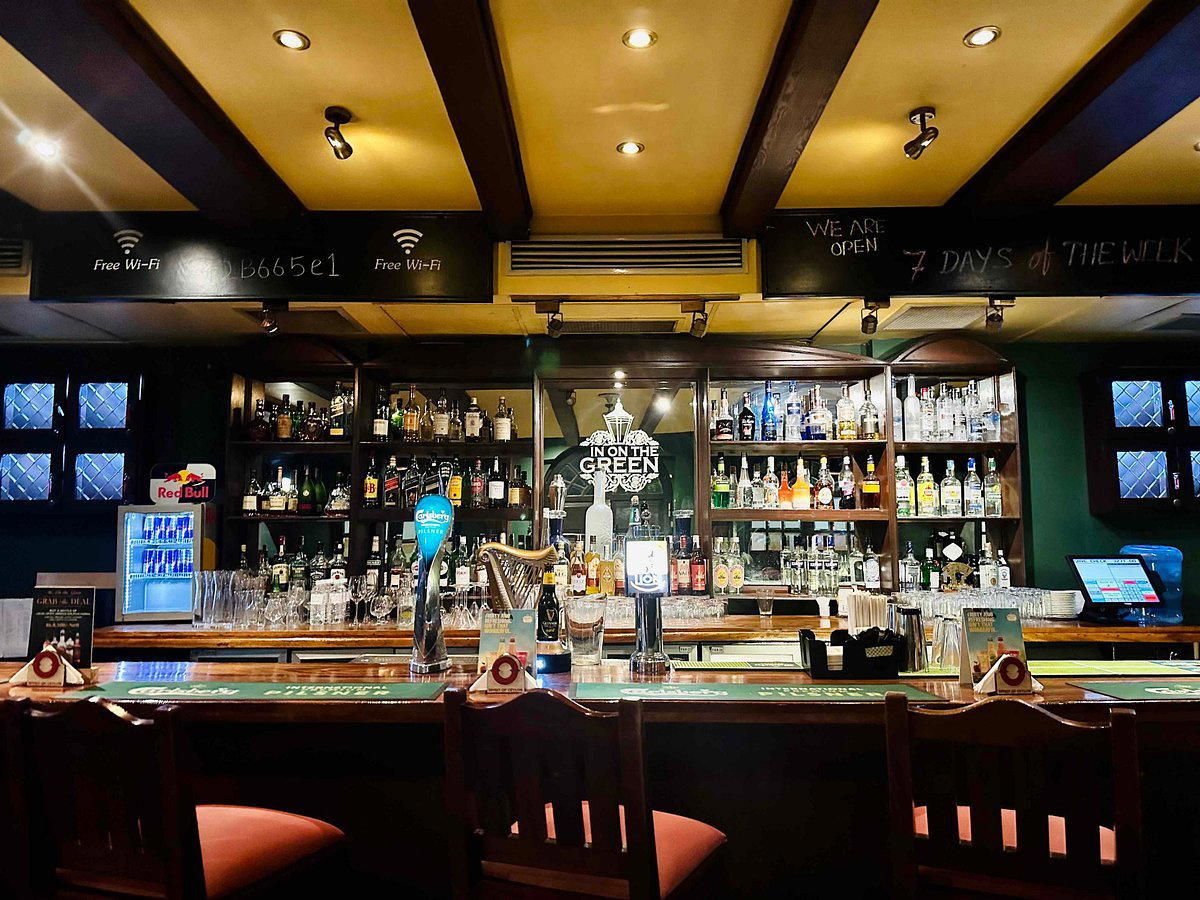
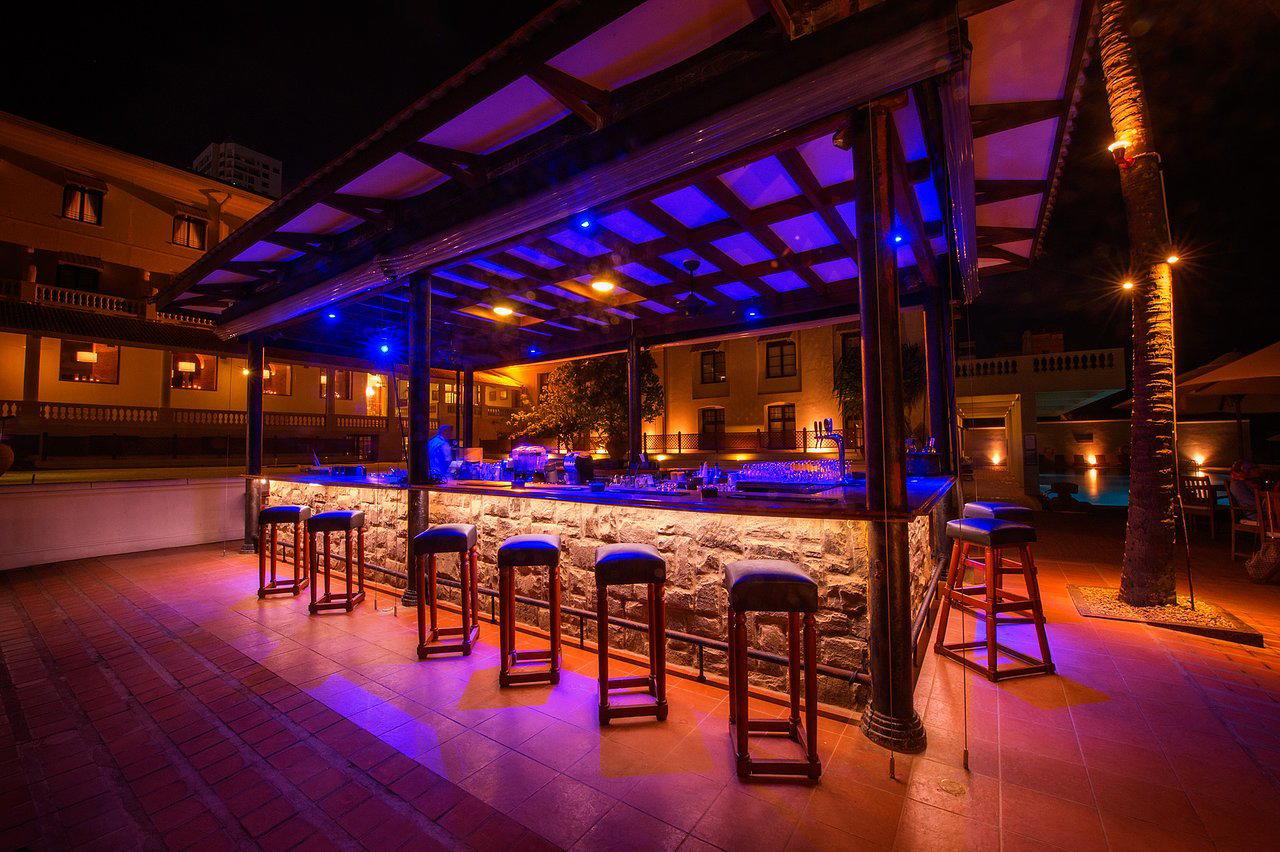
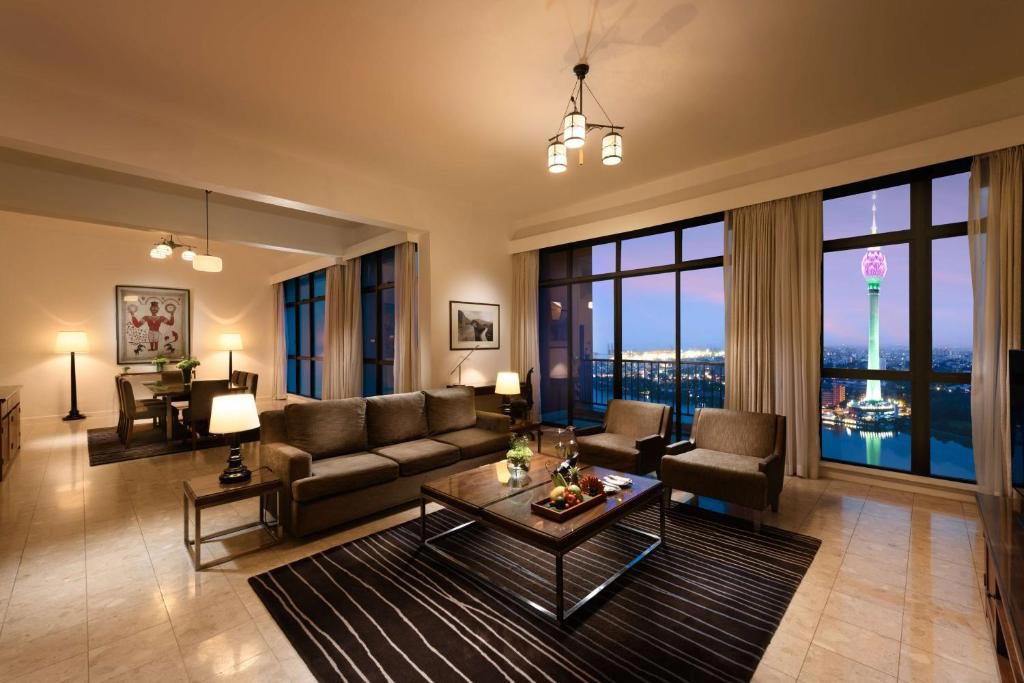
Elegant cultural atmosphere with local artist-inspired décor, sophisticated lighting in a gastro-chic setting featuring art gallery and wine cellar elements.