1618 Asian Fusion
1618 Asian Fusion in Austin serves Asian fusion at 1618 E Riverside Dr, with craft cocktails, a smart casual dress code, and signature dishes including Duck 4 Season and Saigon Lamb Rack.
Pearl is the En Primeur Club membership app — saves, bookings, and concierge access live there. Same editors, same standards.
- Address
- 1618 E Riverside Dr, Austin, TX 78741
- Phone
- +15124629999
- Website
- 1618asianfusion.com
- Directions
- Get directions
 Saves & bookings on Pearl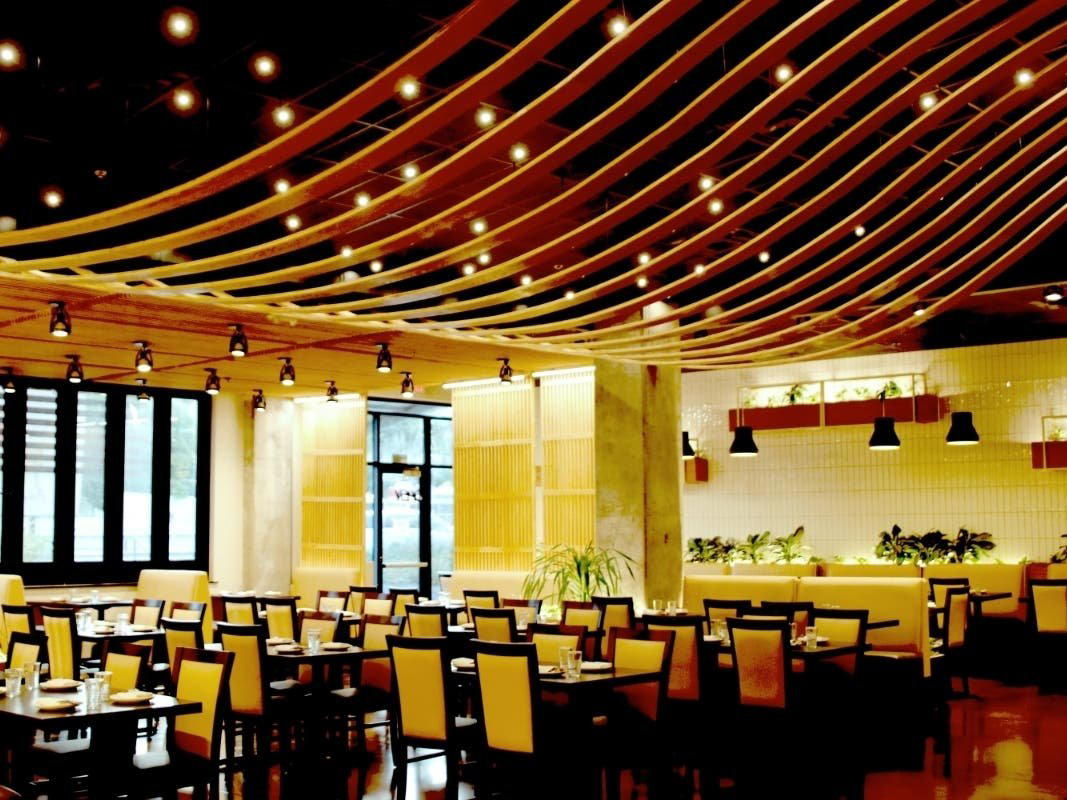
Asian Fusion on Austin's South Side
East Riverside Drive sits outside the circuits most Austin dining coverage traces. The stretch runs south of the Colorado River, past apartment complexes and strip malls that have absorbed successive waves of new residents without attracting the same critical attention as East Sixth or South Congress. It is precisely this kind of address that tends to support the mid-register Asian fusion format: lower overhead, a neighborhood customer base, and less pressure to perform for out-of-town critics. 1618 Asian Fusion occupies that position at 1618 E Riverside Dr, operating in a category where the Austin dining conversation is increasingly active even if the press attention remains uneven.
Austin's Asian fusion tier has expanded considerably over the past decade, driven partly by the city's demographic growth and partly by a broader national appetite for menus that cross Japanese, Korean, Southeast Asian, and Chinese reference points without anchoring to a single culinary tradition. That format sits at a different price and formality register than, say, Craft Omakase, which works within strict Japanese tradition, or Hestia, which draws on live-fire American cooking. The fusion category occupies its own competitive space, where value, flexibility, and cross-cultural fluency matter more than adherence to a single culinary lineage.
Where Fusion Fits in Austin's Broader Dining Picture
Austin's dining identity is still largely defined by barbecue and New American cooking. la Barbecue and InterStellar BBQ anchor the city's most-recognized culinary export, while Barley Swine represents the serious end of the contemporary New American tier. Asian cuisine occupies a growing but still underrepresented slice of that conversation, and the fusion format specifically tends to serve a gap between casual pan-Asian fast dining and the more formal, technique-forward Japanese or Korean restaurants that have earned national attention elsewhere.
For context on what that national conversation looks like at the top of the category, it's worth noting how restaurants like Atomix in New York City have reframed Korean fine dining, or how 8 1/2 Otto e Mezzo Bombana in Hong Kong demonstrates the premium ceiling of Asian-adjacent fine dining internationally. The Austin fusion tier operates well below those reference points in both price and formality, which is not a criticism. It reflects a different purpose: approachable, multi-reference cooking for a neighborhood audience rather than destination dining for traveling critics.
Sustainability and Sourcing in the Fusion Format
The Asian fusion category has historically attracted less scrutiny on sourcing and environmental practice than farm-to-table New American or live-fire concepts, where the supply chain is often central to the restaurant's identity. That is beginning to shift. Across American cities, mid-register fusion restaurants face growing expectation from diners to articulate where protein, produce, and seafood come from, and how waste is managed in a kitchen that typically runs a wide variety of ingredients across multiple culinary traditions.
The challenge in the fusion format is real: menus that span Japanese, Korean, Thai, Vietnamese, and Chinese reference points often require ingredients sourced across many supply chains simultaneously, making a coherent sustainability story harder to construct than it is for a single-cuisine specialist. Some operators in this space have responded by tightening their menus seasonally, reducing the number of active SKUs at any one time, and building relationships with Texas-based producers where possible. Others have focused on waste reduction at the kitchen level, particularly around high-cost proteins like seafood and specialty cuts. For a restaurant at an address like East Riverside, where rent economics are more favorable than central Austin, there is at least structural room to absorb the cost premium that responsible sourcing can entail.
Broader movement toward ethical sourcing in American restaurants has been documented at the highest tiers: Blue Hill at Stone Barns in Tarrytown and Single Thread Farm in Healdsburg have built their entire identities around farm integration and seasonal discipline. Lazy Bear in San Francisco and Providence in Los Angeles represent how fine dining can embed sourcing ethics without making sustainability the only topic of conversation. These are not direct peers to a neighborhood Asian fusion restaurant, but they establish the directional pressure that is filtering down through the category.
The East Riverside Address
Location carries real information in Austin dining. East Riverside is not a destination dining corridor in the way that East Sixth Street or South Lamar has become, and restaurants here typically rely more heavily on repeat neighborhood traffic than on the tourist and special-occasion business that funds higher price-point operations closer to downtown. That dynamic shapes what a restaurant can charge, what it needs to serve, and how it earns loyalty. It also means the food-to-value equation is often sharper here than in more conspicuous ZIP codes.
For the Austin dining scene overall, this kind of address performs a function that the higher-profile corridors do not: it provides accessible, everyday Asian dining for a part of the city that has grown rapidly but remains underserved by serious restaurant coverage. A fuller picture of where 1618 Asian Fusion sits within Austin's restaurant ecosystem is available in our full Austin restaurants guide, which covers the city's major corridors and cuisine categories.
Planning Your Visit
Before visiting, check directly with the restaurant for current hours and reservation availability. East Riverside is accessible by car with parking typically available in the surrounding commercial area; the address is also reachable via Austin's Route 7 bus corridor. Given the neighborhood character of the location, walk-in dining is likely a viable option outside peak evening service, but calling ahead is advisable for larger groups. Visitors coming from central Austin will find the drive from Downtown or South Congress takes under fifteen minutes in normal traffic.
For travelers who want to build a broader Austin itinerary around serious dining, the city's recognized restaurants span a range of price points and styles. Barbecue anchors the accessible end; the contemporary American and international tiers extend upward toward the standards set by destination restaurants nationally, including Le Bernardin in New York City, Alinea in Chicago, The French Laundry in Napa, Emeril's in New Orleans, Addison in San Diego, and The Inn at Little Washington in Washington. Austin's own dining scene continues to develop in the gap between its accessible barbecue tradition and that fine dining tier.
The Minimal Set
A quick peer check to anchor this venue’s price and recognition.
| Venue | Cuisine | Price |
|---|---|---|
| 1618 Asian FusionThis venue — the venue you are viewing | Not listed | Not listed |
| Barley Swine | New American, Contemporary | $$$$ |
| la Barbecue | Barbecue | $$ |
| Olamaie | Southern | $$$ |
| Kemuri Tatsu-ya | Izakaya | $$ |
| Odd Duck | New American, American | $$$ |
Continue exploring
More in Austin
Restaurants in Austin
Browse all →
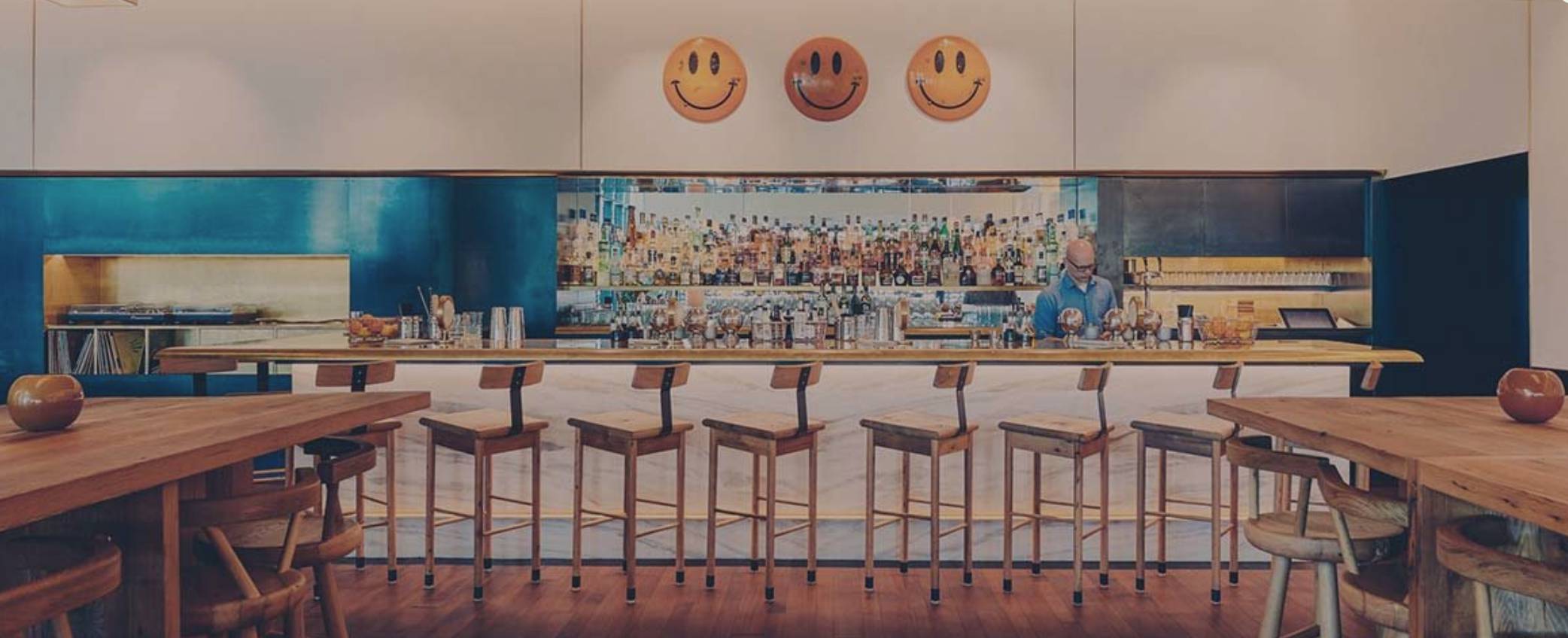
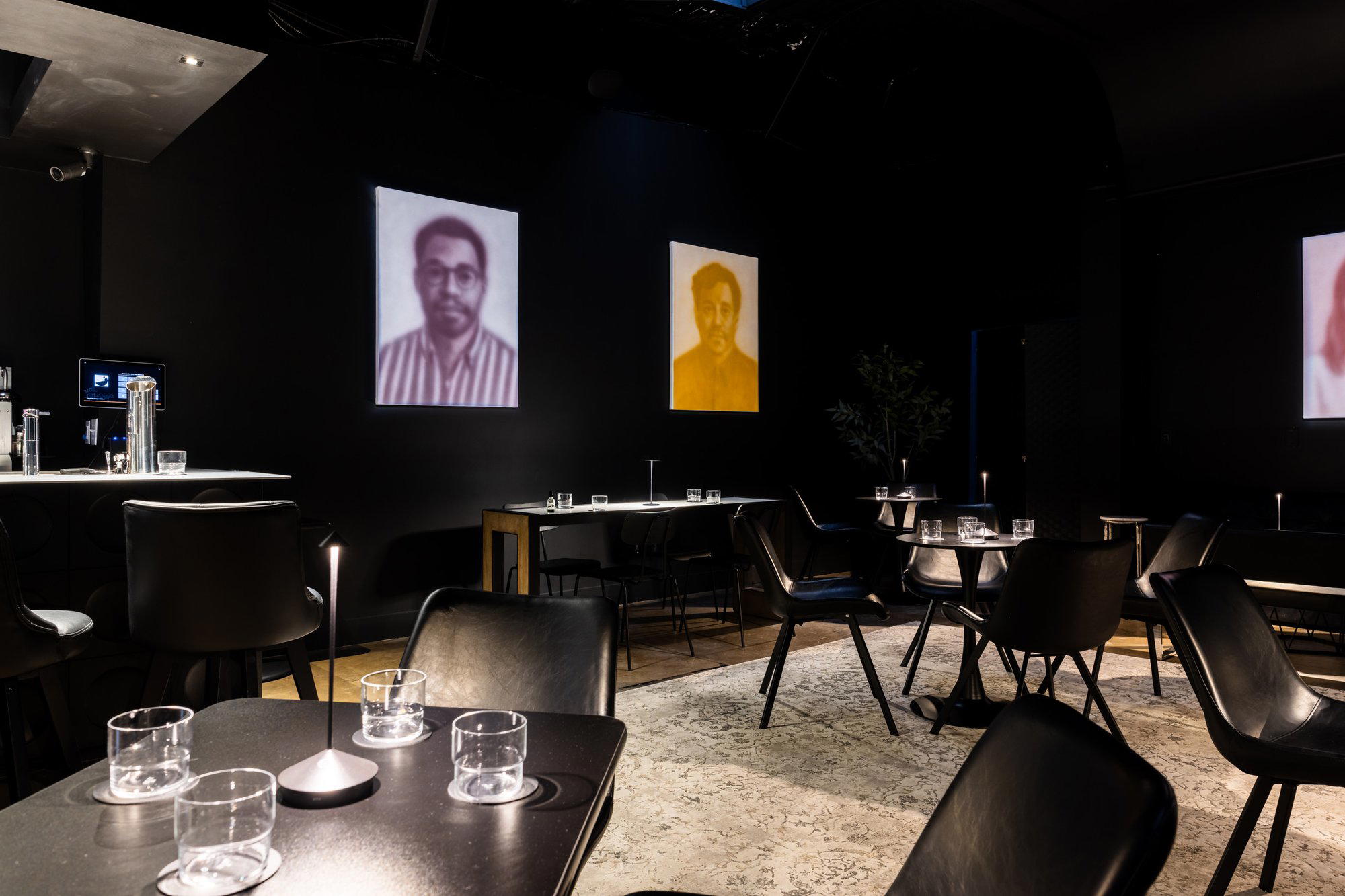
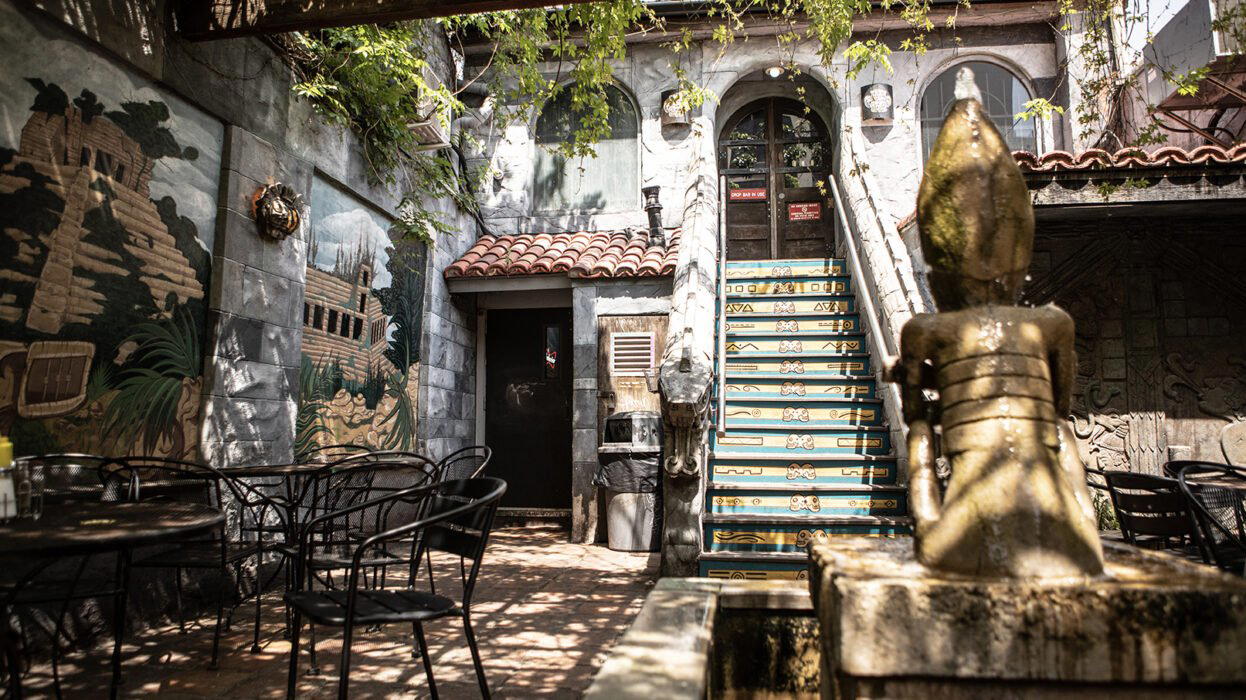
Bars in Austin
Browse all →
Hotels in Austin
Browse all →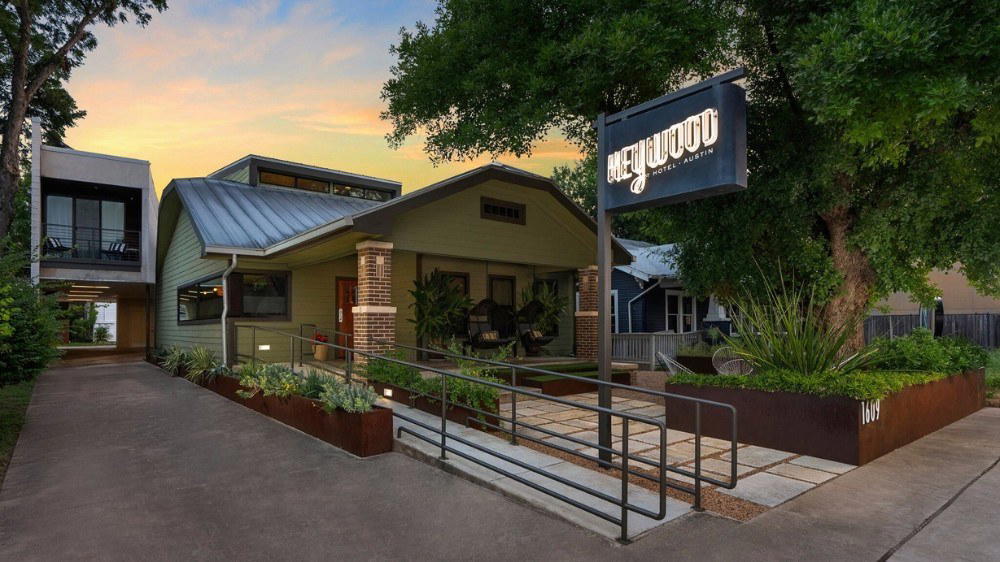
At a Glance
- Modern
- Elegant
- Trendy
- Date Night
- Casual Hangout
- Brunch
- Live Music
- Open Kitchen
- Craft Cocktails
Current opening hours
- Monday
- 10 AM–9:30 PM
- Tuesday
- 10 AM–9:30 PM
- Wednesday
- 10 AM–9:30 PM
- Thursday
- 10 AM–9:30 PM
- Friday
- 10 AM–10:30 PM
- Saturday
- 10 AM–10:30 PM
- Sunday
- 10 AM–9:30 PM
Hours can change for holidays and private events. Last verified .
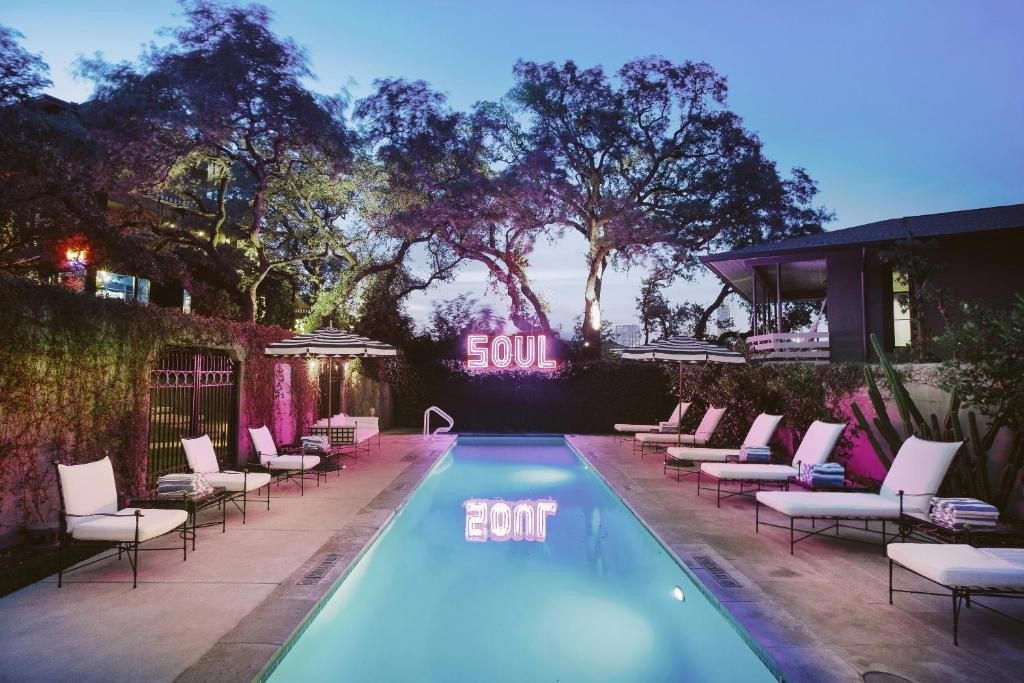
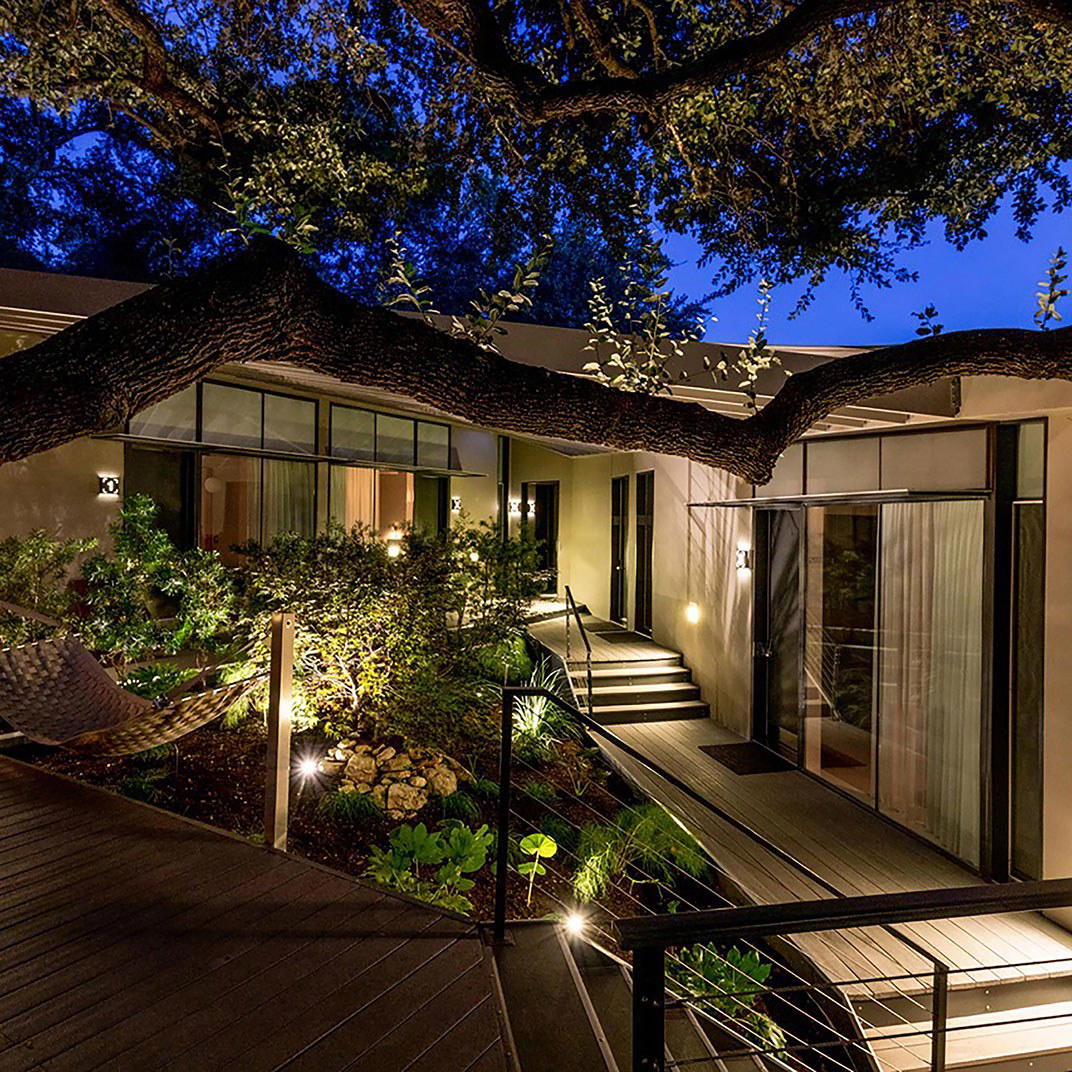
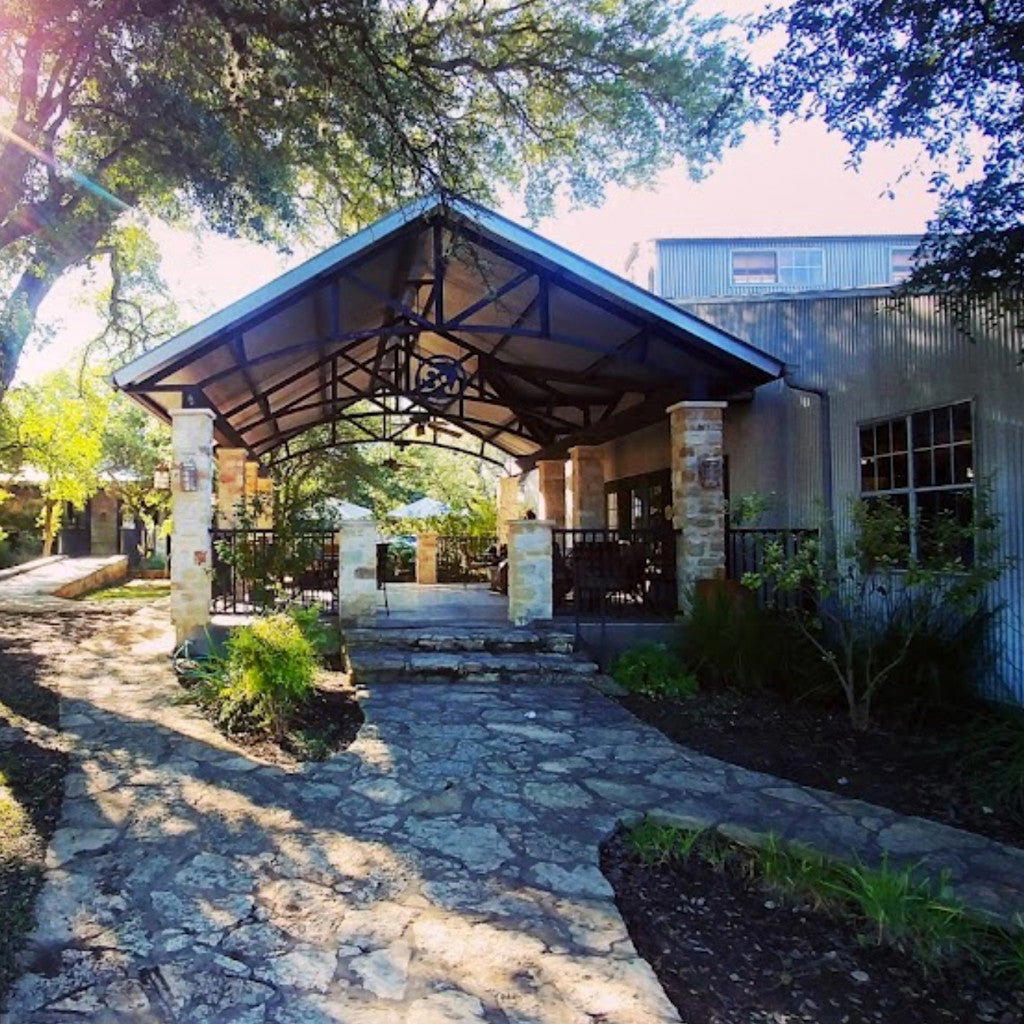
Gorgeous zen space with elegant, thoughtfully designed atmosphere featuring live jazz on weekends.
Know Before You Go
- Getting there
- 1618 E Riverside Dr, Austin, TX 78741