Kromatiko


Guía Repsol 1 Sol · Macarfi 8.5 Food Rating
Our verdict
Kromatiko sits in Vitoria-Gasteiz’s compact but serious dining circuit, where Basque produce, controlled technique, and regional recognition matter more than theatrical scale. Its 2026 Guía Repsol 1 Sol places it in the city’s more scrutinised tier, useful for travellers comparing contemporary cooking against traditional Basque rooms and lower-key neighbourhood addresses.

Pearl is the En Primeur Club membership app, where members save venues, book tables and use the concierge.
The menu
What to order
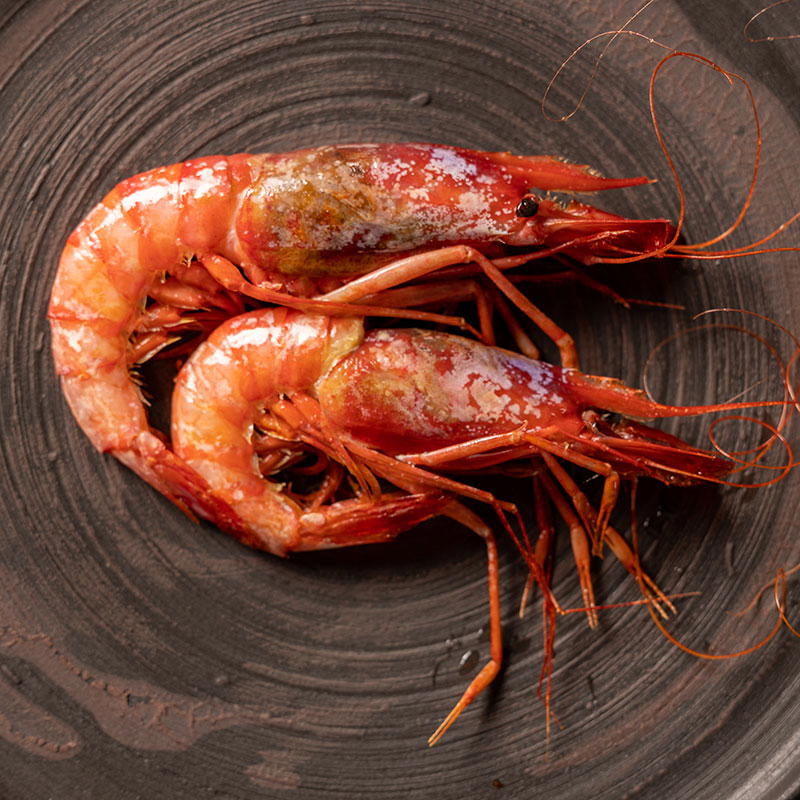
- Mejillones a la Brasa
- Goxua Tropical
- Alcachofas Fritas
- Tartar de Atún Rojo Salvaje de Almadraba
- Croquetas de Trufa Negra
Approaching a serious restaurant in Vitoria-Gasteiz rarely has the stagecraft associated with Spain’s larger destination dining circuits. The city works at a lower volume: civic order, green space, and a dining culture that tends to reward precision over performance. Kromatiko belongs to that quieter register. The name suggests colour, but the more important editorial point is how a restaurant in Vitoria-Gasteiz has to make its case through consistency, hospitality, and a clear sense of place rather than through the ready-made glamour that frames many better-publicised restaurant cities.
That matters because Vitoria-Gasteiz occupies a different position from Spain’s more familiar culinary capitals. The local conversation is shaped by a measured city culture that does not need to perform for visitors at every turn. A restaurant working here cannot rely on postcard shorthand. It has to translate its surroundings through a more local lens, which is why restraint and context are useful ways to read Kromatiko rather than treating it as just another contemporary dining room with polished service.
Vitoria-Gasteiz gives the room its real argument
The strongest contemporary restaurants in Spain often split into two broad modes. One pushes technical ambition toward destination dining; the other uses modern discipline to sharpen products and habits that already carry local identity. Kromatiko sits closer to that second idea in editorial terms. Its 2026 Guía Repsol 1 Sol recognition is a meaningful signal in Spain because Repsol tends to reward restaurants that connect craft, locality, and hospitality rather than chasing only international luxury cues. In Vitoria-Gasteiz, that distinction counts.
Ingredient-led cooking in this part of Spain is less about announcing provenance at every turn than about understanding what the surrounding territory gives a kitchen. The city has a restaurant culture built around seasonality, measured hospitality, and a close relationship between everyday dining and more composed meals. When a restaurant in Vitoria-Gasteiz earns national guide attention, the question is not whether it can import prestige, but whether it can make its own setting feel current without stripping away its local character.
That is where Kromatiko becomes a useful marker for the city. It indicates a dining scene mature enough to hold several registers at once: traditional houses, casual local addresses, international menus, and more composed contemporary kitchens. Travellers looking across the city can compare it with Andere for a more classic local frame, Kea Basque Fine Food for another direct local reference point, and 144. for a broader cooking vocabulary. Casa Milagro and other Vitoria-Gasteiz dining rooms round out the local comparison for readers mapping where contemporary technique, tradition, and expectation meet.
Vitoria-Gasteiz rewards controlled ambition
The city’s dining rhythm is also part of the story. Vitoria-Gasteiz is not built around a single restaurant district that absorbs visitors into a high-spend corridor. Its appeal is more distributed: civic life, everyday streets, casual bars, formal dining rooms, and broader regional travel all sit within a compact urban frame. That creates a different kind of premium meal, one where a restaurant has to serve locals as well as travellers and where repeatability matters as much as spectacle.
Kromatiko’s recognition places it above the merely competent local bracket, but the editorial value lies in the type of recognition rather than the badge alone. A 1 Sol in this city suggests a kitchen with enough identity and consistency to be useful for travellers who want a measured meal in Vitoria-Gasteiz without defaulting to Spain’s better-publicised dining addresses. It also places the restaurant in conversation with Vitoria-Gasteiz’s more established formal dining culture, including Zaldiarán, while giving a different entry point for visitors who care about current Spanish guide attention.
The smart way to plan around the restaurant is to treat it as part of a wider Vitoria-Gasteiz itinerary rather than a standalone trophy booking. Vitoria-Gasteiz works well for travellers who want local context, historic streets, and access to the surrounding region without the density of more famous restaurant cities. For broader planning, Our full Vitoria-Gasteiz restaurants guide gives the clearest food map, while Our full Vitoria-Gasteiz hotels guide, Our full Vitoria-Gasteiz bars guide, Our full Vitoria-Gasteiz wineries guide, and Our full Vitoria-Gasteiz experiences guide help connect the meal to the rest of the city.
How to read it against Spain's wider dining map
Spain’s regional restaurant culture is strongest when it resists becoming interchangeable. A contemporary room in Vitoria-Gasteiz should not feel like a dining room transplanted from another city, or a restaurant borrowing atmosphere from elsewhere. Kromatiko’s relevance comes from that tension: modern enough to register nationally, local enough to make sense in Vitoria-Gasteiz. For travellers building a Spain itinerary, it belongs in the same mental category as restaurants that express place through scale, service, and sourcing rather than through maximal luxury.
That wider comparison can stretch across the country without flattening the differences. Other Spanish dining rooms may speak to denser urban circuits, small-plate cultures, island hospitality, wine-country itineraries, or regional habits shaped by setting as much as by technique. The useful point is not to force Kromatiko into a national ranking, but to understand how a recognised restaurant in Vitoria-Gasteiz can offer a quieter, more grounded version of contemporary Spanish dining.
Internationally, the comparison becomes less about cuisine and more about format. Restaurants in very different food cultures can still answer the same reader question: does the address express its place clearly, or could it be anywhere? Kromatiko’s answer is tied to Vitoria-Gasteiz itself, a city where local context, urban rhythms, and national guide recognition converge without needing a louder costume.
Frequently asked questions
Does Kromatiko work for a family meal?
Yes, if the group wants a planned sit-down meal in Vitoria-Gasteiz. Kromatiko is best treated as a restaurant booking rather than a casual drop-in, especially for families who prefer a focused meal.
What's the vibe at Kromatiko?
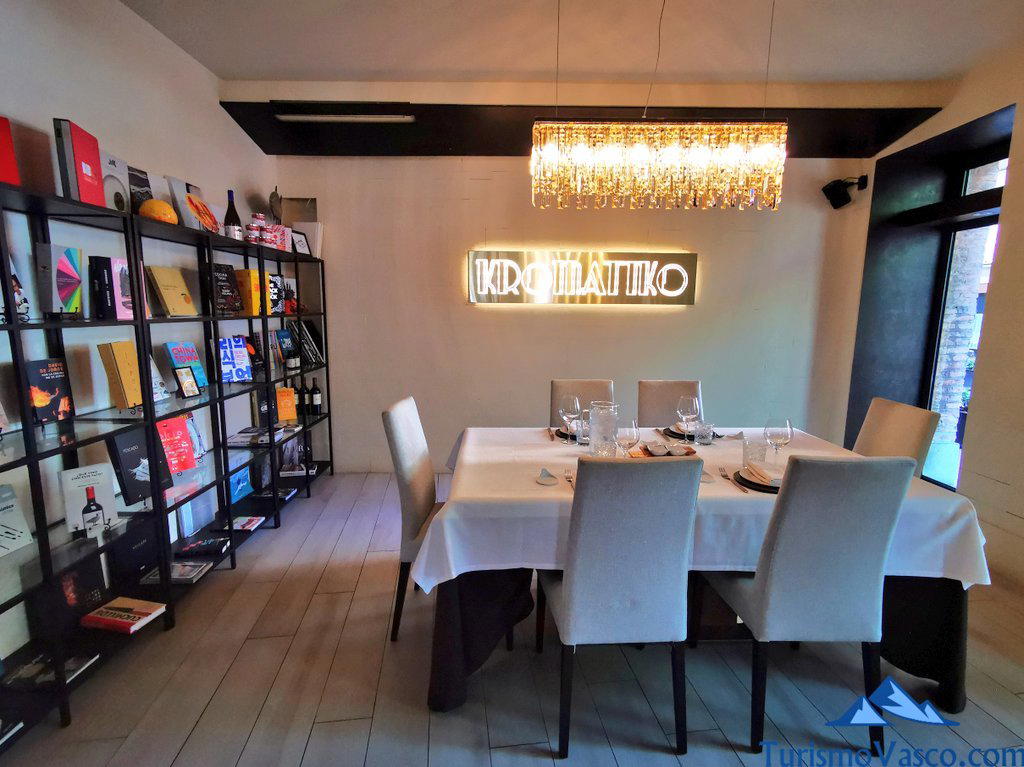
The room reads as a focused restaurant in Vitoria-Gasteiz rather than a broad all-day address. Its 1 Sol from Guía Repsol 2026 points to a meal built around control, consistency, and a clear sense of place.
When can I go to Kromatiko?
Check Kromatiko’s current opening times directly before booking, as service schedules can change.
Where exactly is Kromatiko?
Vitoria-Gasteiz.
Comparable Spots, Quickly
Comparable venues by cuisine and price in the same metro.
| Venue | Cuisine | Price | Awards | Notes |
|---|---|---|---|---|
| KromatikoThis venue (the venue you are viewing) | Basque-Asian Fusion Fine Dining | $50–100 | Guía Repsol 1 Sol · Macarfi 8.5 Food Rating | Not listed |
| Andere | Modern Basque | Not listed | Michelin Plate · Macarfi 6.3 Food Rating | Traditional Cuisine |
| Kea Basque Fine Food | Traditional Basque Fine Food | $50–100 | Michelin Plate · Guía Repsol 1 Sol | Basque |
| 144. | Modern Traveler Fusion | $50–100 | Michelin Plate · Macarfi 7.9 Food Rating | International |
| Zaldiarán | Modern Basque Fine Dining | $50–100 | Michelin Plate · Macarfi 9 Food Rating | Contemporary |
| Casa Milagro | Gastronomic Taquería with Basque-Mexican Fusion | Not listed | Not listed | Not listed |
Recognition history
Dated appearances from independent guides and award organizations, with the underlying list record or original source where available.
Guía Repsol 1 Sol
Guía Repsol
Macarfi 8.5 Food Rating
Macarfi
Continue exploring
More in Vitoria-Gasteiz
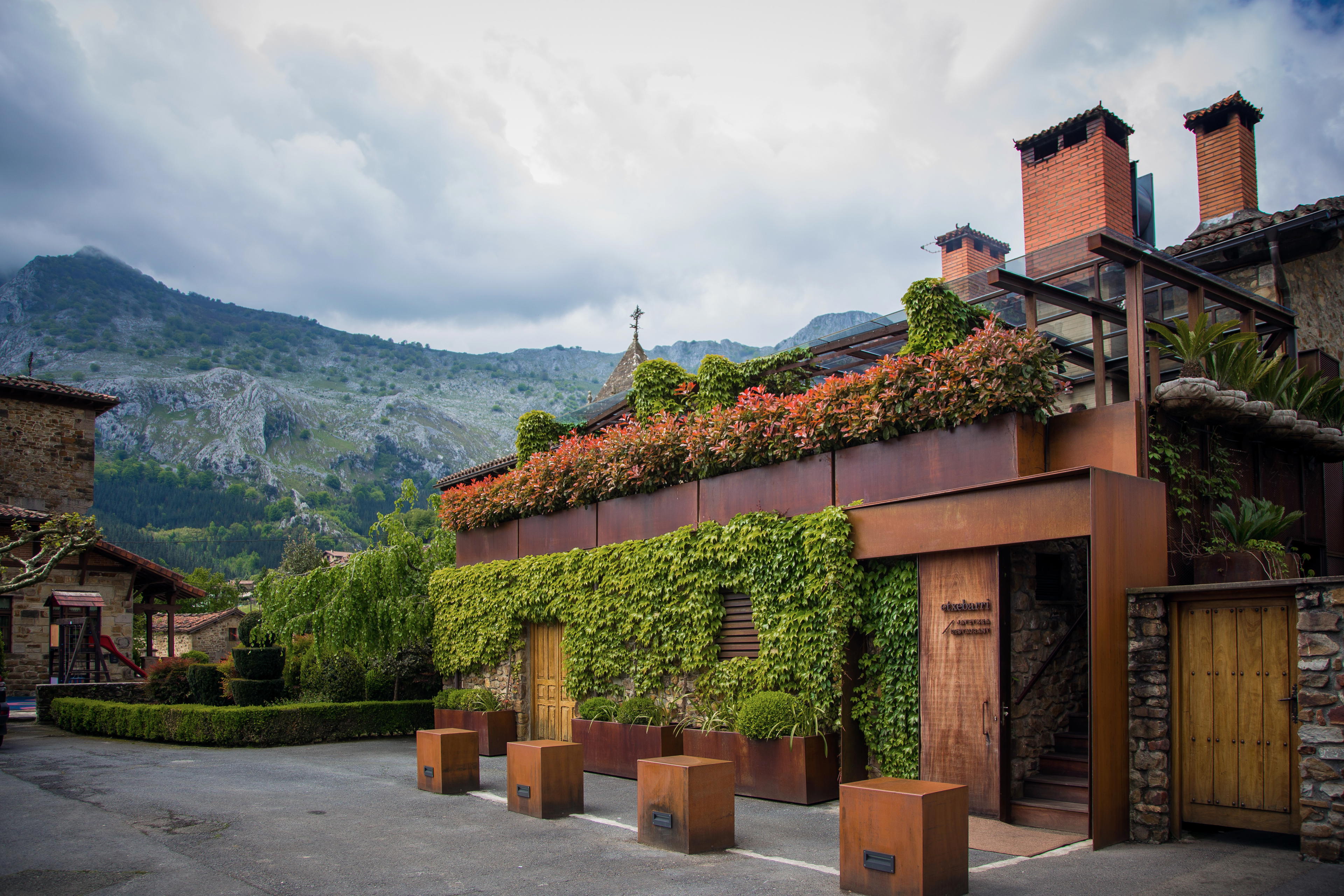
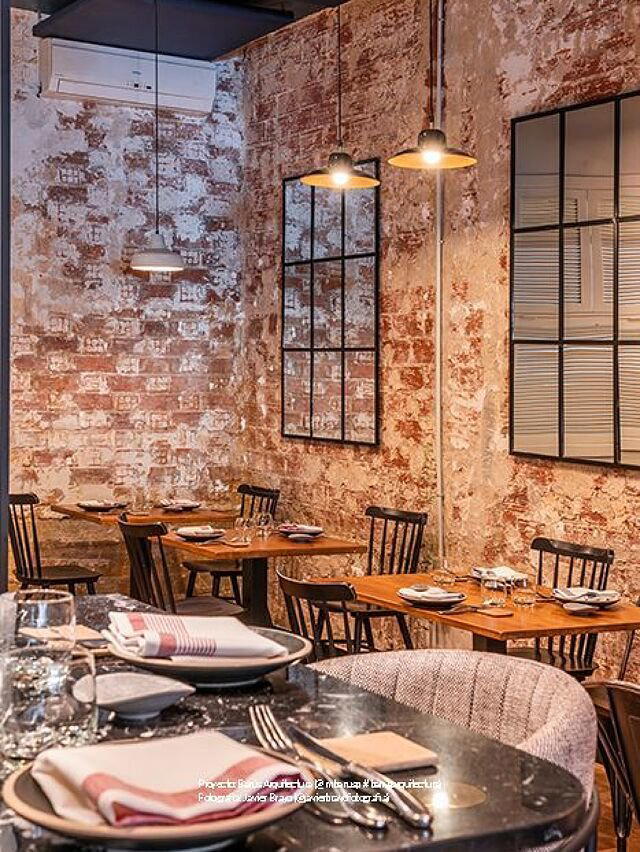
Restaurants in Vitoria-Gasteiz
All restaurants in Vitoria-Gasteiz →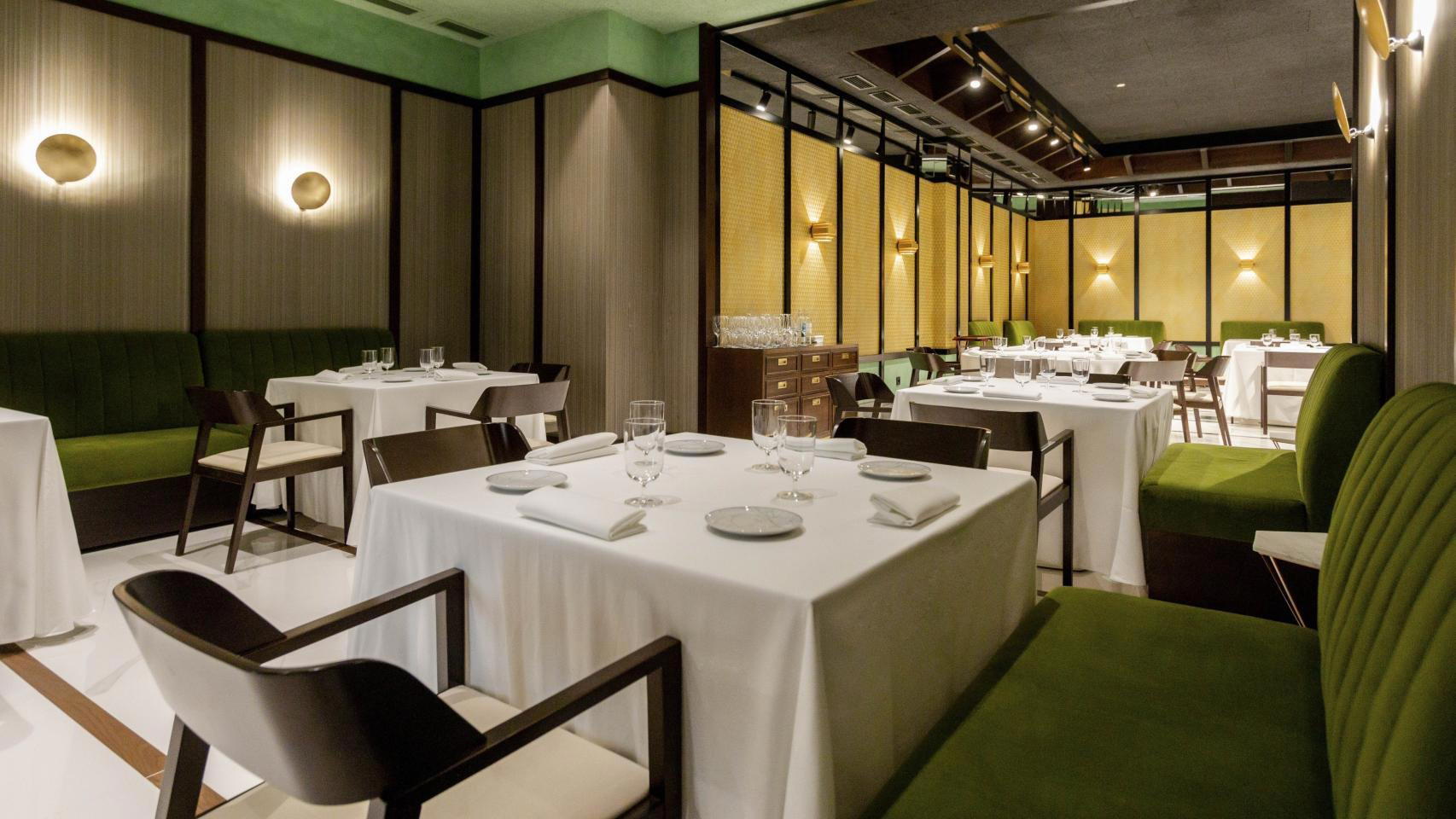
Bars in Vitoria-Gasteiz
Browse all →
Hotels in Vitoria-Gasteiz
Browse all →

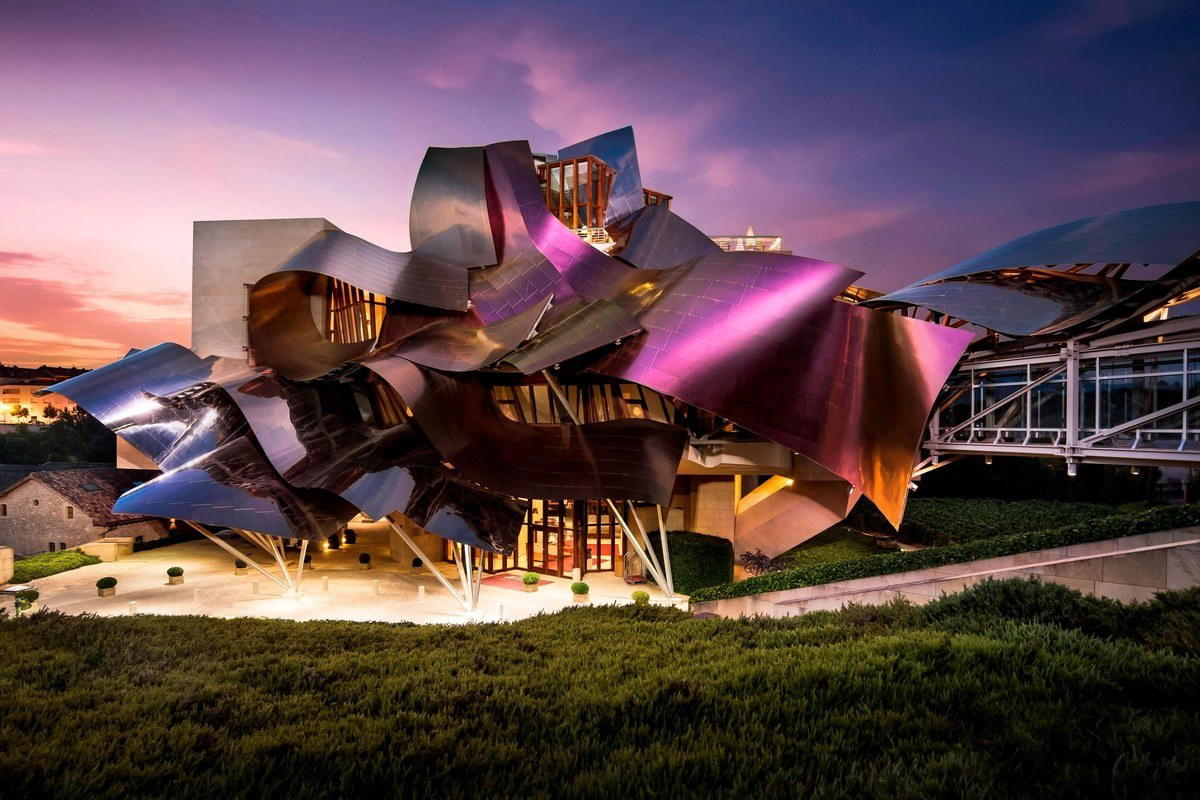
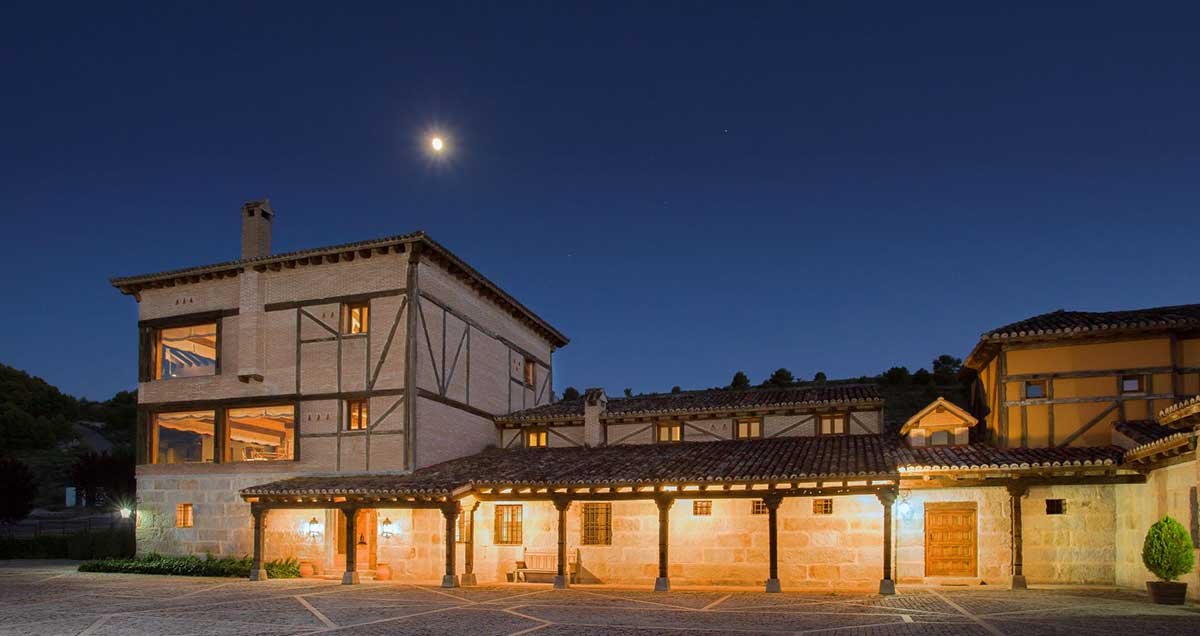
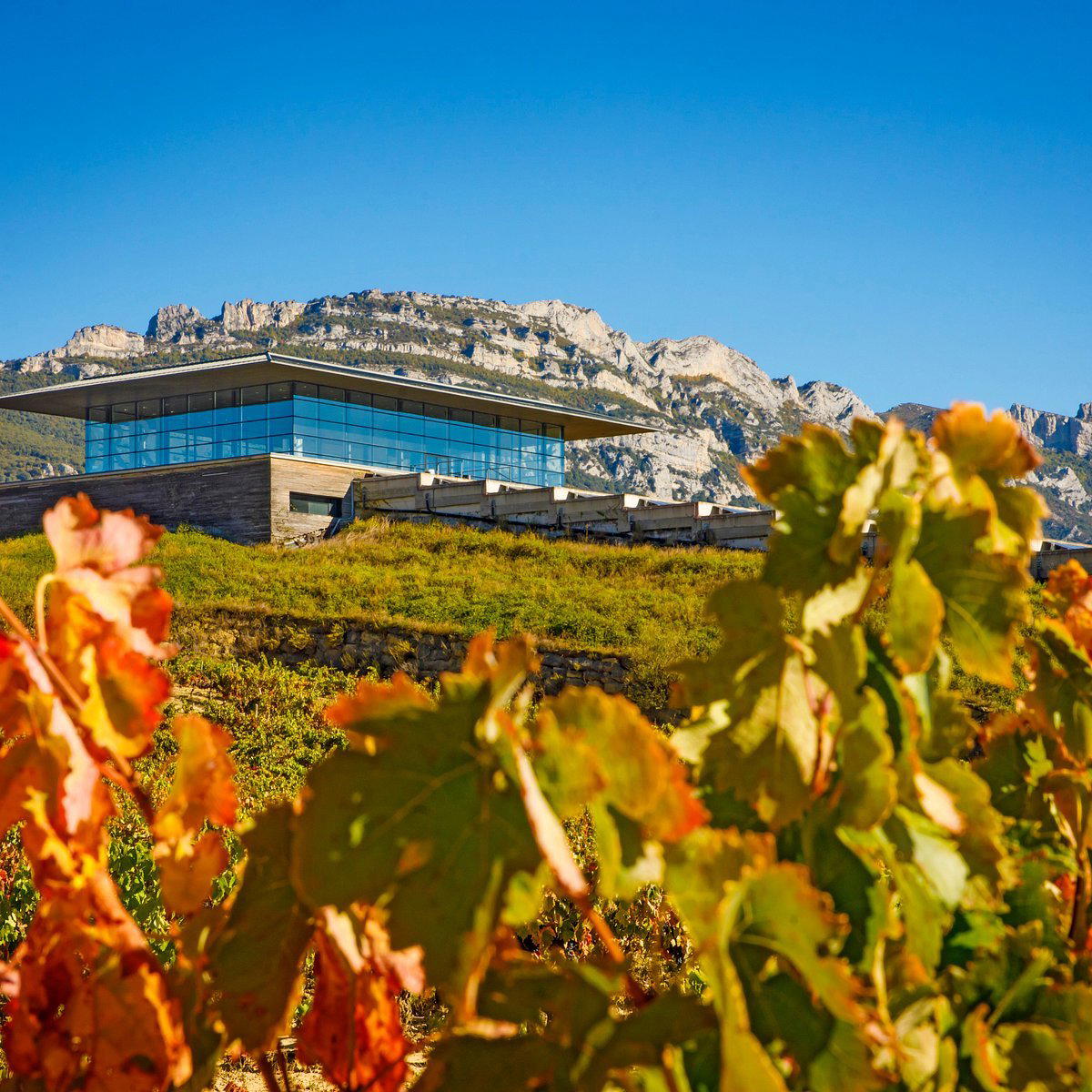
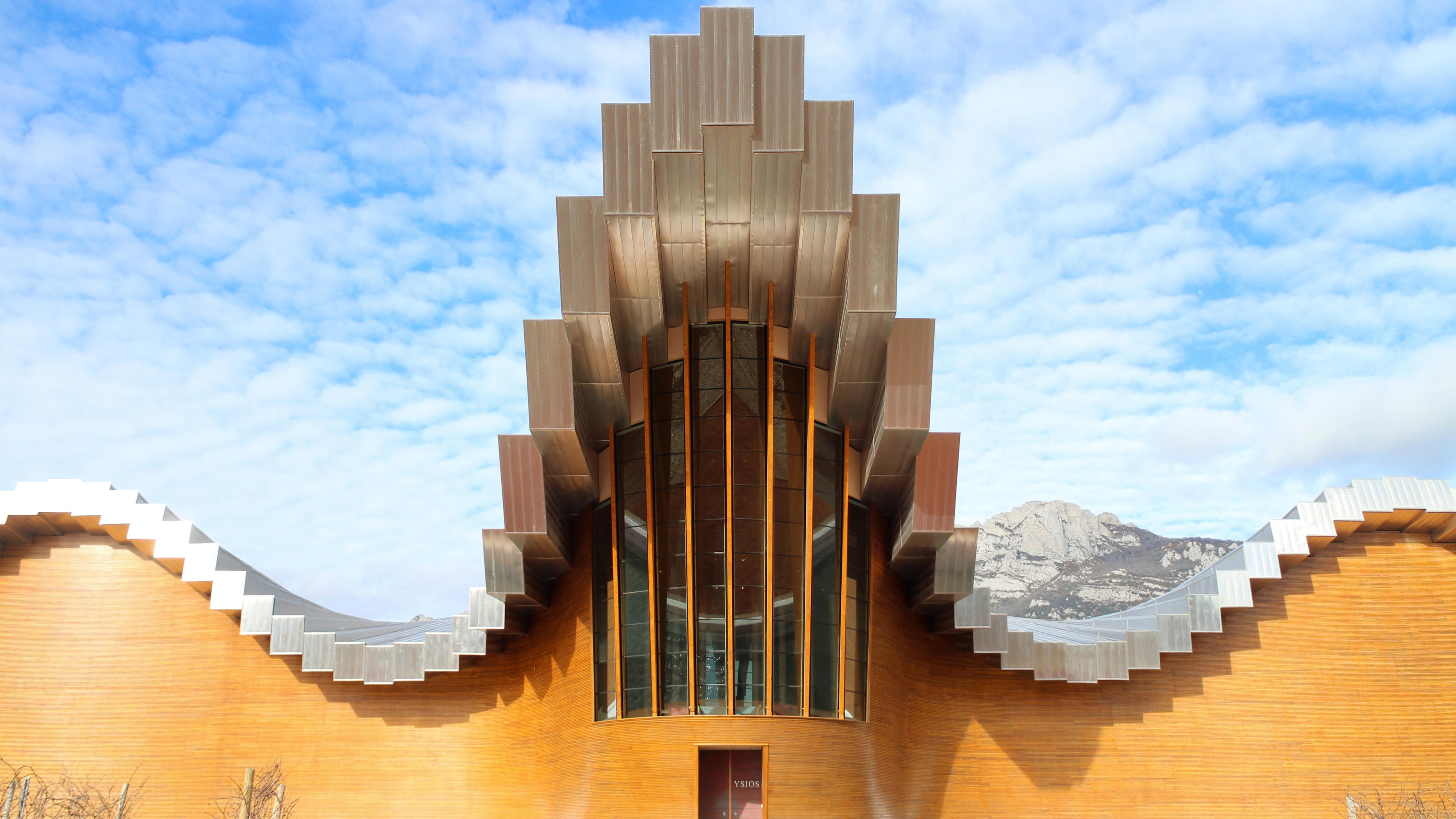
Kromatiko
The wine
- Extensive wine list
- Sake program
- Craft cocktails
- Beer program
Details
- Elegant
- Sophisticated
- Modern
- Cozy
- Romantic
- Trendy
- Date Night
- Business Dinner
- Group Dining
- Celebration
- Special Occasion
- Solo
- Standalone
- Design Destination
- Extensive Wine List
- Craft Cocktails
- Beer Program
- Sake Program
- Local Sourcing
- Set Menu
- A La Carte
- Wine
- Cocktails
- Beer
- Coffee
- Vegetarian Friendly
- Pescatarian Friendly
Current opening hours
- Monday
- Closed
- Tuesday
- 1:30–3:30 PM
- Wednesday
- 1:30–3:30 PM
- Thursday
- 1:30–3:30 PM
- Friday
- 1:30–3:30 PM
- Saturday
- 1:30–3:30 PM, 8:30–10:30 PM
- Sunday
- 1:30–3:30 PM
Hours can change for holidays and private events. Hours as of .
Elegant and refined with a mix of traditional Basque bar warmth and fine-dining polish; guests describe it as cozy, quiet, romantic, and trendy.