Google: 4.5 · 219 reviews
陽気な狩人 sits in Yasakacho Takauchi, a rural corner of Hamada in Shimane Prefecture where the San'in Coast's fishing heritage and mountain foraging traditions meet. The restaurant's name — roughly 'the cheerful hunter' — signals an orientation toward locally sourced ingredients drawn from the surrounding land and sea. For travellers moving through western Honshu, it represents the kind of place that earns its reputation through proximity to source rather than proximity to city acclaim.

The San'in Coast and the Logic of Sourcing at Distance
Shimane Prefecture sits at the quieter end of western Honshu's dining conversation. While Osaka's French-Japanese laboratories like HAJIME in Osaka and Tokyo's precision-driven sushi counters such as Harutaka in Tokyo absorb most of the critical attention in Japan's fine dining circuit, the San'in Coast — the stretch of Sea of Japan shoreline that runs through Tottori and Shimane — operates on a different register entirely. Here, the question of ingredient sourcing is not a marketing angle. It is a structural fact. The fishing grounds off Hamada yield species that rarely appear on urban menus: nodoguro (blackthroat seaperch), matsuba crab during winter season, and a range of coastal fish that chefs in Tokyo and Kyoto source at considerable cost and with logistical effort. In Hamada, that supply chain is short by definition.
陽気な狩人 , which translates loosely as 'the cheerful hunter' , takes its name from an ethos that is common in rural Japanese dining but rarely signposted so directly: the cook as forager and procurer, someone whose relationship with the surrounding landscape shapes the plate. The address, in Yasakacho Takauchi on the inland edge of Hamada, places the restaurant between the coast and the forested hills of the Chugoku Mountains, a position that implies access to both maritime and terrestrial ingredients depending on the season.
What Rural Shimane Produces and Why It Matters
Japan's most celebrated dining institutions tend to cluster in cities where critical infrastructure , Michelin inspectors, food media, wealthy regulars , operates with density. But the ingredient logic often runs in the opposite direction. Kaiseki kitchens in Kyoto, including places of the calibre of Gion Sasaki in Kyoto, build their seasonal menus around produce sourced from rural prefectures; Nara's terroir underpins restaurants like akordu in Nara. Shimane sits in that supplier tier for much of western Honshu's premium dining, yet its own restaurant scene remains largely off the itinerary for visitors who do not arrive with specific purpose.
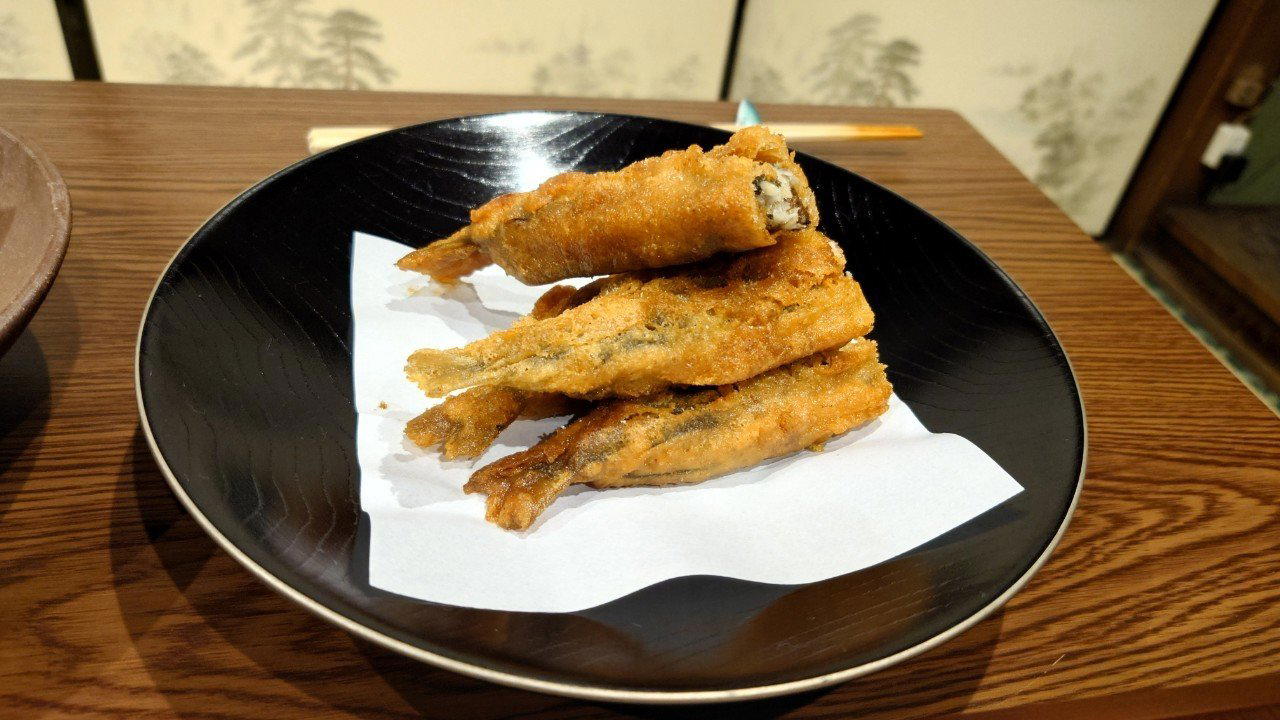
The Hamada area produces Shimane Wagyu, a beef designation that has grown in regional recognition over the past decade. The Sea of Japan fisheries that operate out of Hamada Port rank among the more productive along the San'in Coast, with seasonal catches that shift significantly between the summer months and the colder period running from November through March, when crab and cold-water fish command local attention. Restaurants positioned between these two supply streams , as a place named 'the cheerful hunter' in Yasakacho would logically be , draw from both, with the menu's shape determined more by what is available than by what a fixed format requires.
This sourcing-first structure aligns 陽気な狩人 with a pattern visible in other off-circuit Japanese restaurants: the absence of a fixed national profile is often an indicator of deep local integration rather than underdevelopment. Compare this with how Goh in Fukuoka has used proximity to Kyushu's coastal and agricultural producers to build a menu logic that would be harder to replicate in Tokyo. Regional specificity, when it is real, tends to produce something that travel cannot substitute for.
Hamada's Position in the Western Honshu Dining Pattern
Travellers moving along the San'in Coast often treat Hamada as a transit point rather than a destination, partly because the city's dining options are rarely documented in English-language food media and partly because the broader Shimane Prefecture gets overshadowed by the cultural draw of Matsue and Izumo Taisha to the east. That gap between actual quality and documented reputation is where places like 陽気な狩人 tend to exist , operating for a local and regional audience with no particular need for external validation.
For context on how this pattern plays out across Japan's secondary cities, the restaurant landscape in places like Nanao (一本木 石川製), Takashima (湖隣庵), and Nishikawa Machi (羽根屋) follows a similar logic: high-quality local sourcing, no Michelin coverage, and a loyal clientele that does not require the venue to explain itself to outsiders. The same is visible further afield in Sapporo's local dining scene, where places like 夕佳亭山乃 serve a primarily Hokkaido-based audience. 陽気な狩人 sits inside that broader national pattern of competent regional dining that operates independently of the urban critical apparatus.
For travellers who want to cross-reference Hamada against the wider San'in and western Honshu dining field before committing to a detour, our full Hamada restaurants guide maps the city's options in more detail. Additional regional reference points include Denko Sekka in Hiroshima and Birdland in Sakai, both of which illustrate how western Japan's mid-tier cities have developed coherent dining identities outside the major urban centres.
Planning a Visit
Hamada is accessible by the JR San'in Main Line from both Matsue to the east and Masuda to the west, with the Yasakacho area requiring onward local transport. The address in Yasakacho Takauchi places 陽気な狩人 outside the central Hamada urban core, so a car or taxi is the practical option for reaching it. No phone number or website is currently available in the public record for this venue, which means the most reliable approach is to enquire through your accommodation in Hamada or check local-language dining platforms before visiting. Given the rural setting and likely limited seating, arriving without confirming availability in advance carries real risk of a wasted journey. The seasonal logic of the San'in Coast means winter visits (November to March) align with the crab and cold-water fish season, while summer months shift toward different coastal and mountain-harvest produce.
For readers building a broader itinerary around Japan's regional dining, reference points at different price and format levels include Bistro Ange in Toyohashi, bodai in 那智勝浦町, Blue Ocean Steak in Nakagami District, and Cafe Naoshima Konichiwa in Naoshima , each illustrating how regional Japan's dining operates outside the Michelin circuit. For those interested in how the global fine dining conversation intersects with Japan's sourcing traditions, Le Bernardin in New York City and Atomix in New York City offer useful international reference points on ingredient-led cooking at the highest documented levels.
Comparison Snapshot
These are the closest comparables we have in our database for quick context.
| Venue | Cuisine | Price | Awards | Notes |
|---|---|---|---|---|
| 陽気な狩人 | This venue | |||
| HAJIME | French, Innovative | ¥¥¥¥ | Michelin 3 Star | French, Innovative, ¥¥¥¥ |
| Harutaka | Sushi | ¥¥¥¥ | Michelin 3 Star | Sushi, ¥¥¥¥ |
| L'Effervescence | French | ¥¥¥¥ | Michelin 3 Star | French, ¥¥¥¥ |
| RyuGin | Kaiseki, Japanese | ¥¥¥¥ | Michelin 3 Star | Kaiseki, Japanese, ¥¥¥¥ |
| Crony | Innovative, French | ¥¥¥¥ | Michelin 2 Star | Innovative, French, ¥¥¥¥ |
At a Glance
- Rustic
- Hidden Gem
- Cozy
- Casual Hangout
- Group Dining
- Terrace
- Open Kitchen
- Local Sourcing
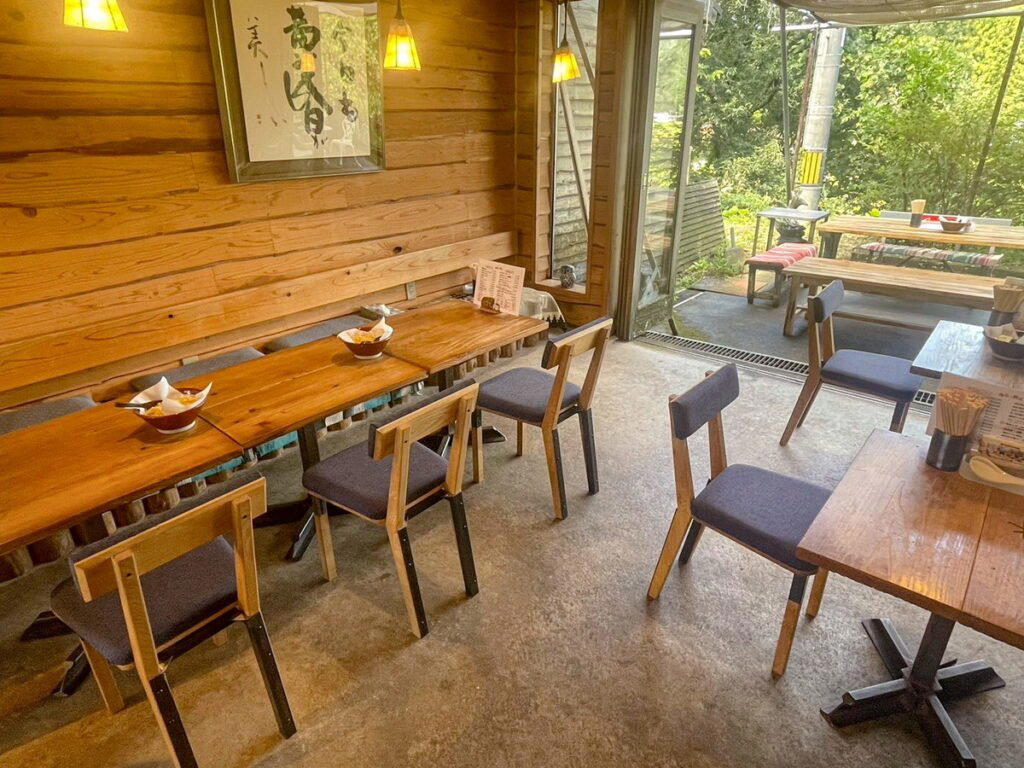
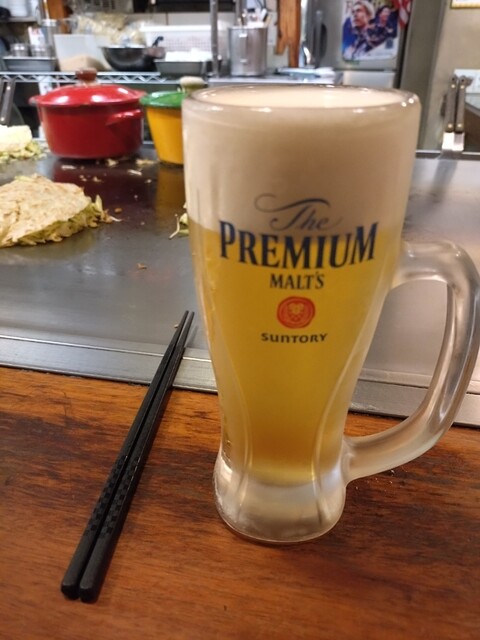
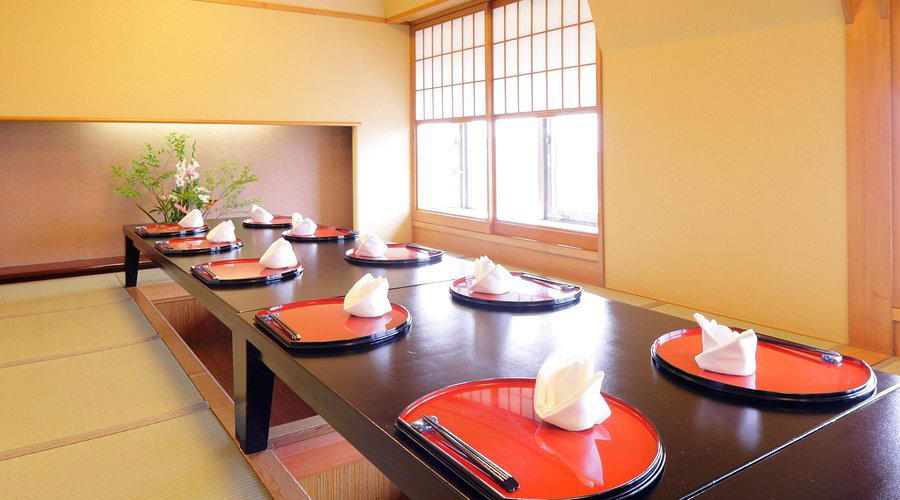
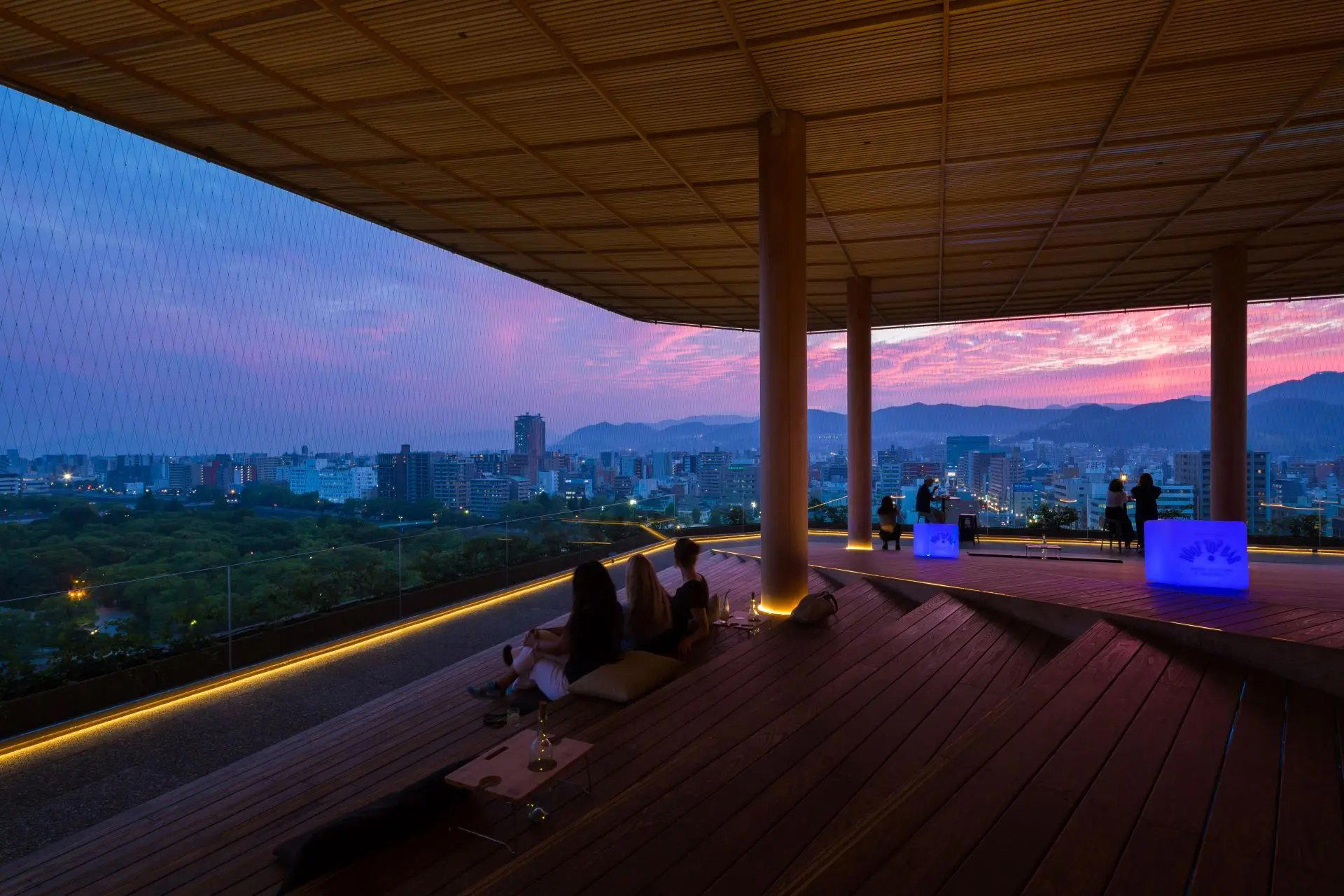
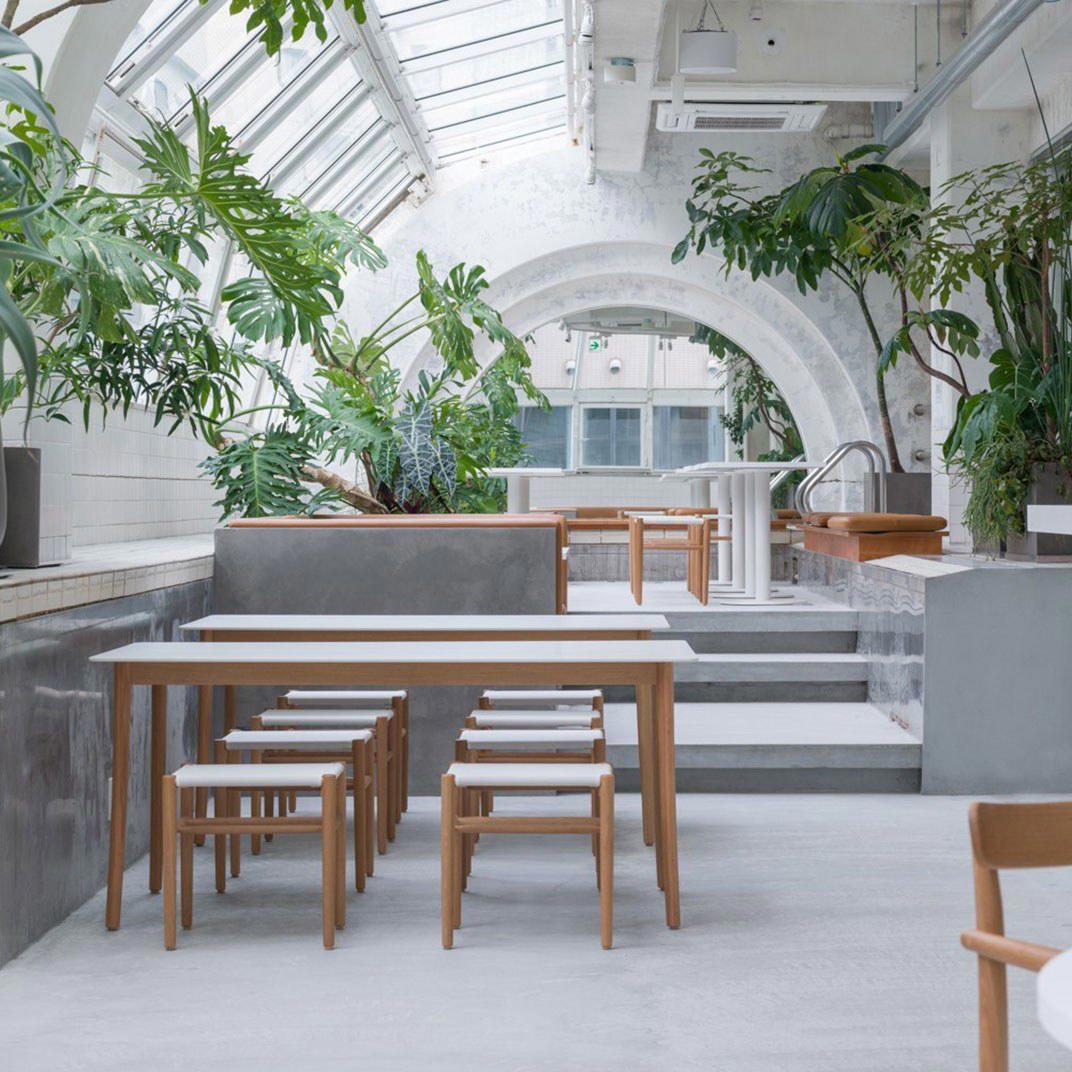
Rustic mountain setting in a remote location with a welcoming atmosphere; casual and unpretentious with natural lighting from outdoor terrace area.