



2 Michelin Keys · La Liste Top Hotels · Conde Nast Gold List
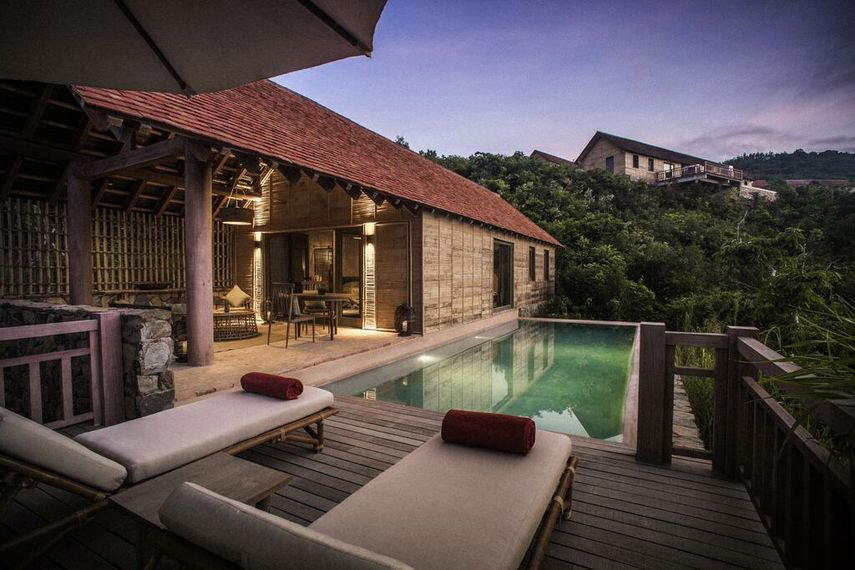
On a secluded peninsula in Phú Yên province, Zannier Hotels Bãi San Hô places villas built with traditional Vietnamese construction methods across terrain that shifts between paddy fields, hilltops, and white-sand beach. Named Tatler Asia-Pacific Hotel of the Year 2025 and scoring 92 points on La Liste's Top Hotels ranking, it represents the design-led, low-capacity end of Vietnam's resort market — a deliberate contrast to the large-footprint international properties that dominate the country's more trafficked coastlines.

Pearl is the En Primeur Club membership app — saves, bookings, and concierge access live there. Same editors, same standards.
- Address
- Hòa Thạnh, Sông Cầu, Phú Yên
- Phone
- +84 257 3830 000
- Website
- zannierhotels.com
- Directions
- Get directions
A Peninsula Where the Terrain Does the Work
Vietnam's central coast has developed a split personality over the past decade. Da Nang and the areas immediately north and south of it absorbed the country's first wave of international resort investment, producing large-footprint properties oriented around pools, spas, and branded dining. A quieter counter-trend developed further down the coast, in Phú Yên province, where the geography itself resists that kind of scaling. The peninsula at Bãi San Hô is not flat beach-front land; it is a varied terrain of paddy fields, hilltops, and coastal inlets that makes high-density development impractical and rewards a different approach entirely.
Zannier Hotels Bãi San Hô occupies this peninsula with a design philosophy rooted in that topographic reality. Rather than imposing a uniform architectural language across the site, the property uses traditional Vietnamese building techniques and locally sourced materials to place villas within the landscape at different elevations and orientations. The result is less a resort in the conventional sense and more a distributed settlement, where the walk between spaces is part of the experience rather than dead time between amenities. For travellers comparing Vietnam's design-led boutique resort tier — a set that also includes properties like Amanoi in Vinh Hy and Anantara Quy Nhon Villas in Quy Nhon — Bãi San Hô sits at the end of the spectrum most committed to vernacular construction and terrain integration.
Traditional Technique as a Design Argument
The villas at Bãi San Hô are built using traditional Vietnamese techniques and materials, a specification that carries real architectural implications. Vietnamese vernacular construction favours natural ventilation over sealed conditioned spaces, refined or stilted structures that respond to terrain variation, and material palettes drawn from timber, bamboo, thatch, and local stone. Applied at resort scale, these choices produce buildings that read as rooted rather than transplanted, a meaningful distinction in a market where many properties deploy a generic tropical aesthetic regardless of local context.
This approach places Bãi San Hô in a specific competitive niche within Southeast Asian luxury accommodation. The regional market has separated clearly between international-brand properties that deliver consistent global standards (see Four Seasons Resort The Nam Hai, Hoi An in Dien Duong or Banyan Tree Lăng Cô in Lăng Cô) and smaller design-led independents or boutique groups whose identity is inseparable from a specific site. Zannier Hotels, as a group, operates firmly in the latter category, and Bãi San Hô is the strongest expression of that positioning in its Vietnam portfolio. The Tatler Asia-Pacific editorial team made this explicit when naming it Hotel of the Year for Vietnam in 2025, a designation that rewards design coherence and site specificity over scale or brand recognition.
Award Context and What It Signals
Two external signals are worth reading carefully here. The first is La Liste's 92-point score in its 2026 Leading Hotels ranking, a French-based list that draws on aggregated critical and editorial sources rather than a single jury. A score in the low nineties places Bãi San Hô in La Liste's upper tier but not at its ceiling, which is an honest position for a property whose offer is defined by seclusion and craft rather than culinary programming or urban access. The second signal is the Tatler Leading Hotels Asia-Pacific 2025 listing, where the property carries both the regional list membership and the specific "Hotel of the Year" badge for Vietnam. Tatler's editorial methodology weights design, service character, and cultural authenticity alongside physical amenity, which makes their recognition particularly relevant for a property whose claim rests on those exact qualities.
For comparison, properties like Almanity Hoi An Wellness Resort in Hoi An and Azerai La Residence, Hue in Hue occupy adjacent niches in Vietnam's design-conscious hospitality market, though each anchors its identity to a different regional tradition and setting.
Phú Yên as a Destination Argument
Sông Cầu sits in Phú Yên, a province that has not experienced the same development pressure as Đà Nẵng, Hội An, or Nha Trang. That relative quietude is not accidental, the province lacks a major international airport within immediate reach, which has kept speculative resort investment lower and the coastline less altered. For travellers oriented toward those conditions, this is a feature rather than a limitation. The nearest significant air hub is Tuy Hòa's Dong Tac Airport, and overland travel from other central Vietnamese destinations remains part of the logistics for most international visitors.
This access reality means Bãi San Hô functions as a destination rather than a base for day-trip exploration. Guests arriving here are committing to the peninsula, not using it as accommodation while they circulate around a wider region. That orientation concentrates attention on the property's terrain, its water access, and the quality of its immediate environment, which is precisely what the design and siting are built to reward. Anyone comparing access points across the central Vietnamese coast would do well to look at how Amiana Resort Nha Trang in Nha Trang positions itself as a contrast: easier air access, different terrain, different resort logic.
Planning Your Stay
Phú Yên's dry season runs broadly from late January through August, with the clearest beach conditions concentrated between February and July. This window also aligns with peak booking pressure for the property; the combination of limited inventory, growing editorial recognition, and a location that does not offer easy walk-in or last-minute access makes advance planning important. Given the 2025 award cycle has significantly raised Bãi San Hô's profile, booking well ahead of the dry-season peak is the practical approach. The property is reachable via Tuy Hòa airport or by road from Quy Nhon, roughly 90 kilometres to the south. Full logistics, current rates, and reservation details are available through the Zannier Hotels website. For a broader orientation to the area before committing, our full Sông Cầu restaurants guide covers the wider destination context.
Travellers building longer Vietnam itineraries often pair this kind of destination property with urban stays at either end: InterContinental Hanoi Westlake by IHG in Hanoi in the north or Amanaki Saigon Boutique Hotel in Ho Chi Minh City in the south provide contrasting urban reference points that help place the Bãi San Hô experience within a longer journey through Vietnam's range of hospitality registers.
Side-by-Side Snapshot
Comparable venues nearby, for context on price, style, and recognition.
| Venue | Cuisine | Price | Awards | Notes |
|---|---|---|---|---|
| Zannier Hotels Bãi San HôThis venue — the venue you are viewing | Luxury eco-certified resort with modern vernacular design rooted in local Vietnamese traditions and cultural influences, emphasizing simplicity and personal service. | $750–1,000 | 2 Michelin Keys · La Liste Top Hotels | Not listed |
| DALAT PALACE HERITAGE HOTEL | French colonial heritage property with Art Deco architecture | $100–200 | World Luxury Hotel Awards WLHA Regional Winner | Dalat City Center |
| Pullman Danang Beach Resort | Large contemporary beachfront resort blending leisure, family, and business facilities on Bac My An Beach. | $100–200 | Star Wine List · Forbes Recommended | Ngu Hanh Son |
| Nha Trang Marriott Resort & Spa, Hon Tre Island | Luxurious beachfront resort with private villas and expansive island grounds | Not listed | World Luxury Hotel Awards WLHA Continent Winner | Hon Tre Island |
| Grand Tourane Hotel Da Nang | Five-star beachfront city resort facing My Khe Beach, appealing to both leisure and business travelers. | $1–100 | Not listed | Son Tra |
| Villa Le Corail, a Gran Meliá Hotel | Luxury beach resort with private villas | $300–500 | Michelin Selected | Hon Tre Island |
Recognition history
Dated appearances from independent guides and award organizations, with the underlying list record or original source where available.
Michelin 2 Keys
Michelin
La Liste Top Hotels
La Liste
Conde Nast Gold List
Conde Nast
Tatler Hotel of The Year
Tatler
Full recognition history (7 entries)
Michelin 2 Keys
Michelin
Tatler Listed in Best Hotels Asia-Pacific
Tatler
Tatler Best Vietnam: Hotel of the Year
Tatler
Continue exploring
More in Sông Cầu
Hotels in Sông Cầu
Browse all →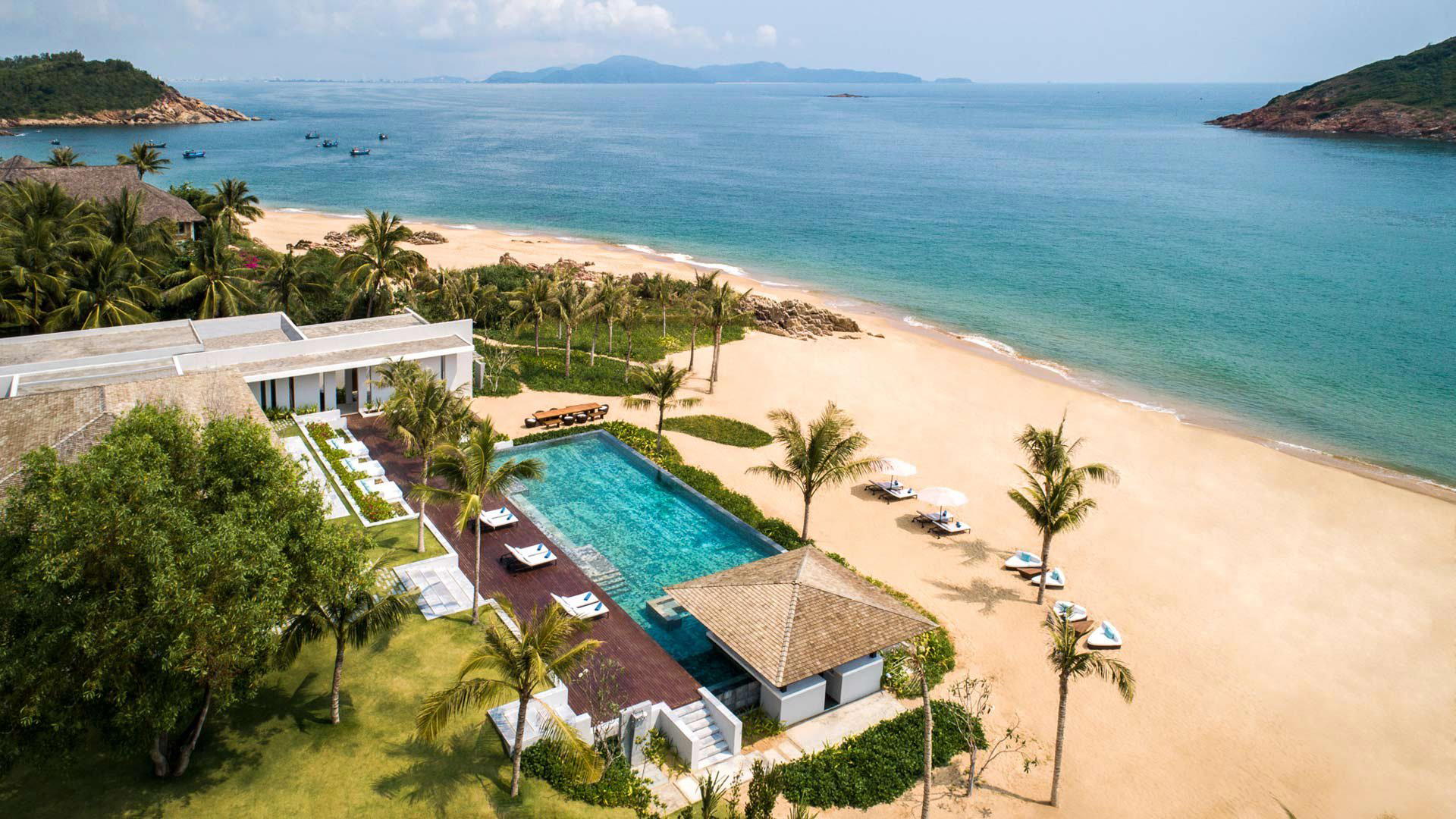



Details
- Romantic
- Quiet
- Scenic
- Elegant
- Sophisticated
- Honeymoon
- Romantic Getaway
- Wellness Retreat
- Anniversary
- Destination Wedding
- Beachfront
- Private Villa
- Infinity Pool
- Destination Spa
- Panoramic View
- Private Dining
- Garden
- Terrace
- Wi Fi
- Pool
- Spa
- Fitness Center
- Room Service
- Concierge
- Kids Club
- Beach Access
- Tennis Court
- Sauna
- Restaurant
- Bar
- Waterfront
- Garden
- Mountain
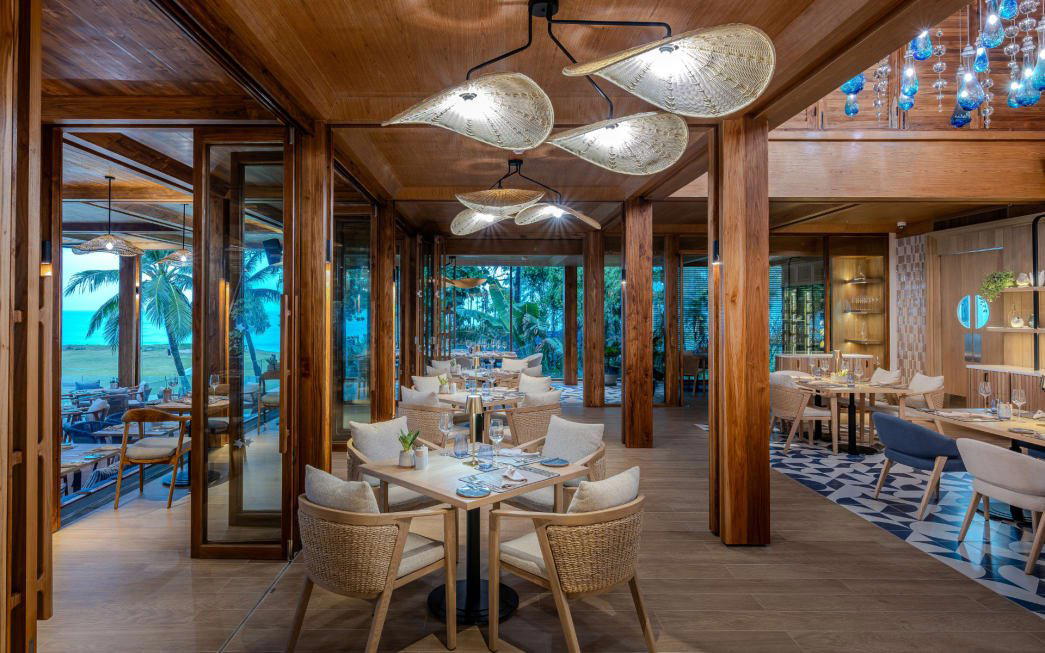
Serene and peaceful with elegant natural lighting, sophisticated design inspired by local Rhade people traditions, and far-reaching ocean and landscape views throughout the property.