Our verdict
GoGi House on An Dương Vương sits within Quy Nhon's growing roster of Korean barbecue venues, where tabletop grilling formats have taken hold alongside the city's seafood-dominant dining culture. The address places it in the Nguyễn Văn Cừ residential district, drawing a local crowd that favours the format's communal pace and meat-forward sourcing over the coastal catch that defines most of the city's menus.

Pearl is the En Primeur Club membership app — saves, bookings, and concierge access live there. Same editors, same standards.
- Address
- Lô 27 Nguyễn Thị Định, Nguyễn Văn Cừ, Thành phố, Bình Định 55000, Vietnam
- Phone
- +842567300602
- Hours
- Daily 11 AM–10 PM
- Website
- gogi.com.vn
- Directions
- Get directions
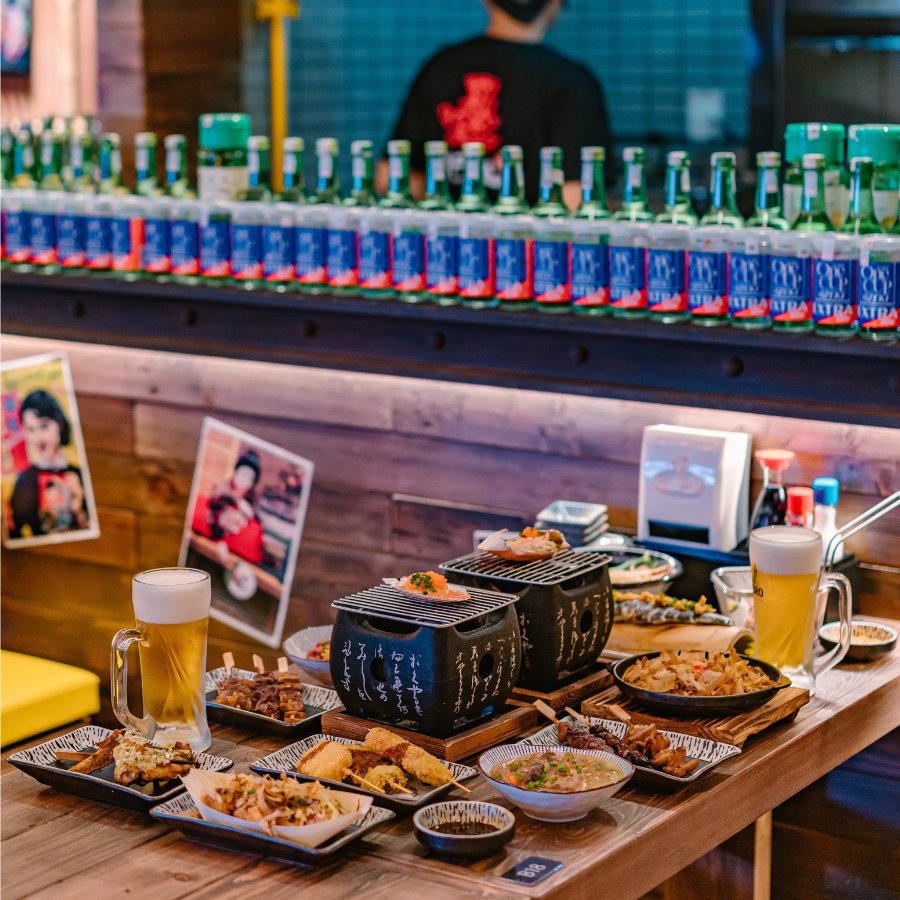
Korean Barbecue in a Coastal Vietnamese City
Quy Nhon has spent most of its modern dining life defined by the South China Sea. The city's restaurant culture defaults to seafood: grilled scallops with spring onion oil, steamed mantis shrimp, whole fish pulled from boats that dock within kilometres of the table. Against that backdrop, the Korean barbecue format — raw meat, tabletop grills, banchan spreads, soju — occupies a distinct and deliberate counterposition. GoGi House An Dương Vương, addressed at Lô 27 Nguyễn Thị Định in the Nguyễn Văn Cừ quarter, is one of the venues through which that format has established a real foothold in the city. For context on how Quy Nhon's wider restaurant scene is organised, our full Quy Nhon restaurants guide maps the city's options across cuisines and price tiers.
The GoGi House group operates across Vietnam, and the model at each location follows a consistent logic: diners receive raw or lightly marinated proteins alongside a set of side dishes, then cook at the table on built-in grills. What varies between cities is where the meat comes from and how it sits against the local dining context. In Quy Nhon, that context matters more than it might in Hanoi or Ho Chi Minh City, because the city's supply chains are genuinely shaped by geography.
What the Format Means in This Setting
Korean barbecue's popularity in Vietnamese cities has accelerated sharply over the past decade, moving from a format associated with Korean expat communities to a mainstream dining mode for Vietnamese diners in their twenties and thirties. The communal cooking ritual maps onto existing Vietnamese habits around shared tables, and the meat-focused menu offers a deliberate contrast to the lighter, herb-driven flavours that dominate Vietnamese cooking at similar price points. At venues in the GoGi House network, the format is standardised enough that a diner familiar with the chain elsewhere in Vietnam will find the structural logic familiar: protein selections, accompanying banchan, dipping sauces, and the social choreography of managing a live grill in a group.
That standardisation is part of what separates branded Korean barbecue chains from the independent Vietnamese restaurants that surround them in a city like Quy Nhon. Where a local seafood spot might source fish directly from a fisherman known to the owner, a chain format tends to centralise sourcing through distribution networks. The ingredient question, where the food comes from, and what that signals, is worth holding in mind when placing GoGi House in the broader Quy Nhon dining picture. This is a city where proximity to source is often the strongest argument a restaurant can make. The seafood venues near the harbour make that argument implicitly. A Korean barbecue house operates on a different logic: consistency, format reliability, and a specific kind of social dining experience that the local market now expects at this category of venue.
The Nguyễn Văn Cừ District Setting
The address on Nguyễn Thị Định puts the venue in a residential and commercial zone that sits away from Quy Nhon's beachfront strip. This part of the city draws a local rather than tourist crowd, which shapes the atmosphere in ways that matter to how the venue functions. A dining room that serves predominantly local families and younger groups has a different energy from one positioned on the tourist seafront, and the Korean barbecue format suits that dynamic: it is inherently group-oriented, moderately loud, and built around an extended meal that encourages the table to stay rather than turn quickly.
The approach from Nguyễn Thị Định is direct enough for those arriving by motorbike, which remains the dominant mode of transport for dining trips in Quy Nhon's residential districts. Given the absence of published booking details, arriving on the earlier side of dinner service is a reasonable strategy, particularly for groups.
Where GoGi House Sits in Vietnam's Korean Barbecue Scene
Vietnam's Korean barbecue segment has bifurcated. At the leading end, independent Korean-run restaurants in Hanoi and Ho Chi Minh City compete on imported ingredients, premium cuts, and the credentialing power of a Korean-speaking kitchen. The GoGi House network operates in a different tier: accessible, format-consistent, and designed to serve the broad Vietnamese appetite for the grilling ritual without the premium pricing of the import-focused alternatives. For comparison, the kind of ingredient sourcing and technical ambition that defines the top tier of Vietnamese dining can be seen at venues like Gia in Hanoi or Akuna in Ho Chi Minh City, both of which operate at a price point and sourcing philosophy quite removed from the chain Korean barbecue format.
Within Quy Nhon itself, OM Bistro represents a different pole: a locally-rooted dining approach that leans into central Vietnamese ingredients and technique. The contrast is instructive. GoGi House delivers a format that Quy Nhon's dining market has adopted from a Korean template; OM Bistro draws on what the region already has. Both have legitimate places in the city's current dining picture, serving different motivations for going out.
Elsewhere in Vietnam's central and coastal dining corridors, the region has produced a range of venues that show how varied the country's restaurant culture has become. Saffron in Hue City, Cargo Club Cafe and Restaurant in Hoi An, and further afield, La Maison 1888 in Da Nang, each represent a distinct answer to the question of what a restaurant in this part of the world should be doing. GoGi House answers a different question entirely: it is about format adoption and social dining consistency rather than culinary originality.
For those tracking how Vietnamese cities are absorbing and adapting international dining formats, the Korean barbecue wave is a useful case study. Cities further north, like Hai Phong, are seeing similar movements, as venues such as Le Pont Club in Hai Phong show how diverse the hospitality offer has become in second-tier Vietnamese cities. The appetite for international dining formats in cities outside Hanoi and Ho Chi Minh City is real and growing, and GoGi House's presence in Quy Nhon is one data point in that pattern.
Planning Your Visit
GoGi House An Dương Vương sits at Lô 27 Nguyễn Thị Định in the Nguyễn Văn Cừ district of Quy Nhon, Bình Định province. Groups planning to visit in the evening should account for the format's typical pace: a Korean barbecue meal is not a quick one, and tables tend to stay for the duration.
Frequently asked questions
Is GoGi House An Dương Vương Quy Nhơn suitable for children?
Korean barbecue's format — tabletop grills, shared plates, a steady parade of side dishes — works well for families with children. The Nguyễn Văn Cừ district location draws a local residential crowd rather than a tourist-facing one, which gives the room a relaxed, neighbourhood feel. Staff at Vietnamese GoGi House branches are generally accustomed to mixed-age tables.
Is GoGi House An Dương Vương Quy Nhơn formal or casual?
This is a casual, come-as-you-are operation. GoGi House as a format across Vietnam is built around communal grilling at the table, which sets an informal tone by design. The address on Nguyễn Thị Định in a residential-commercial zone reinforces that — this is a neighbourhood restaurant, not a destination dining room.
How does GoGi House An Dương Vương compare to other Korean BBQ options in Quy Nhon?
Quy Nhon's Korean barbecue segment is small relative to Hanoi or Ho Chi Minh City, making GoGi House's presence at Lô 27 Nguyễn Thị Định notable as a branded chain entry in a city whose dining identity is built around coastal seafood. GoGi House operates as a mid-market, accessible format across Vietnam rather than positioning itself against premium Korean-run independents. For diners in Bình Định province, it offers a consistent, recognisable Korean grill experience outside the country's two major urban centres.
What's the signature dish at GoGi House An Dương Vương Quy Nhơn?
No specific dish data is held for this location. Across the GoGi House format in Vietnam, grilled pork belly and marinated beef short ribs are the consistent anchors of the menu, accompanied by banchan and lettuce wraps. Quy Nhon's local seafood culture does not appear to have a documented crossover into this venue's recorded offering.
Comparable Venues
Comparable venues nearby, for context on price, style, and recognition.
| Venue | Cuisine | Price | Notes |
|---|---|---|---|
| GoGi House An Dương Vương Quy NhơnThis venue — the venue you are viewing | Korean BBQ | $10–20 | Not listed |
| OM Bistro | Vegan Vietnamese Bistro | $10–20 | Lý Thường Kiệt |
| White Rose (Bông Hồng Trắng) | Hoi An White Rose Dumplings | Not listed | Old Town |
| Luong Son Cang Restaurant | Fresh Vietnamese Seafood | $10–20 | Loc Tho Ward |
| Victoria Sapa Resort & Spa | Vietnamese and International | $20–30 | Sa Pa |
| Citron | Upscale Vietnamese with Champagne Brunch & Afternoon Tea | $50–100 | Son Tra |
Continue exploring
More in Quy Nhon
Restaurants in Quy Nhon
Browse all →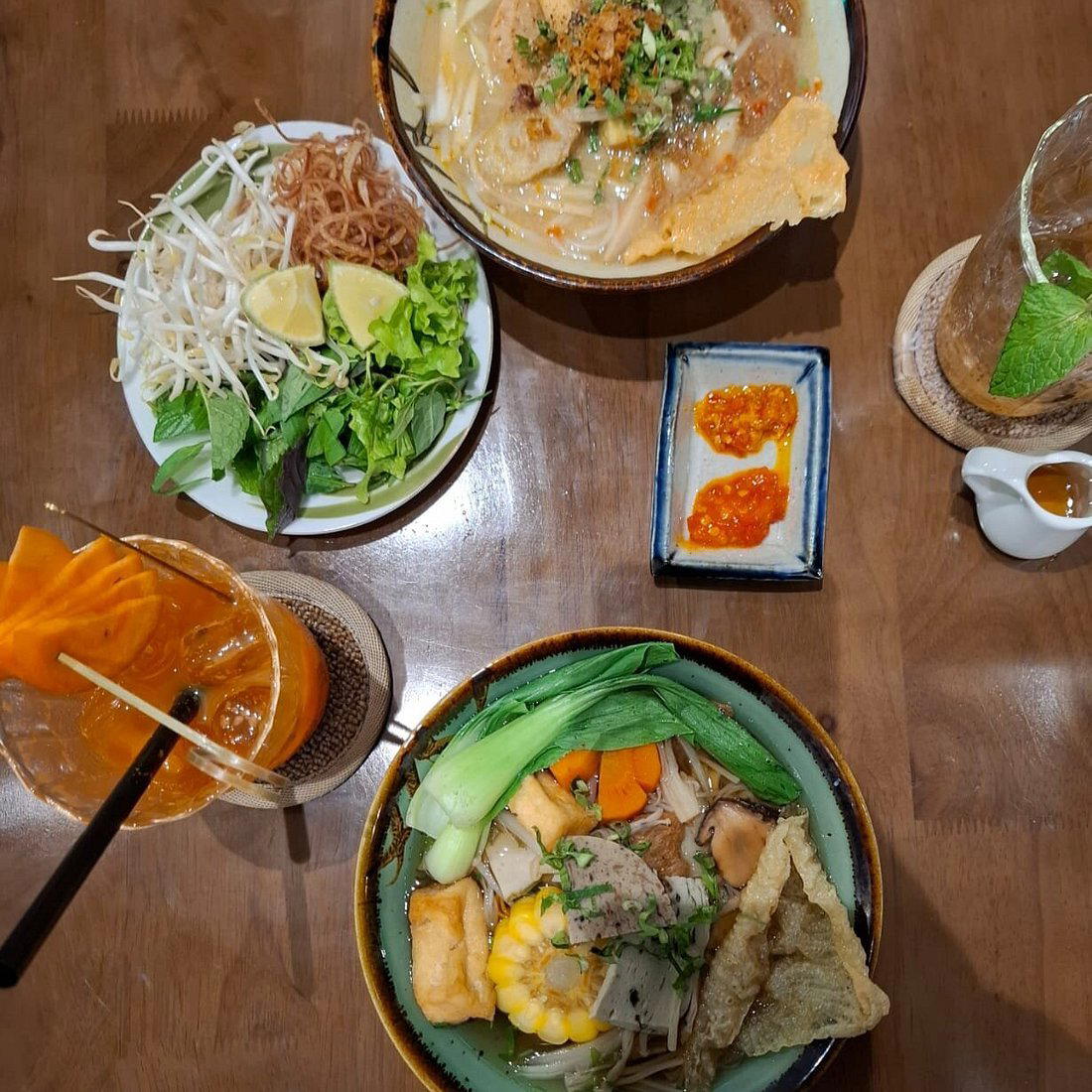
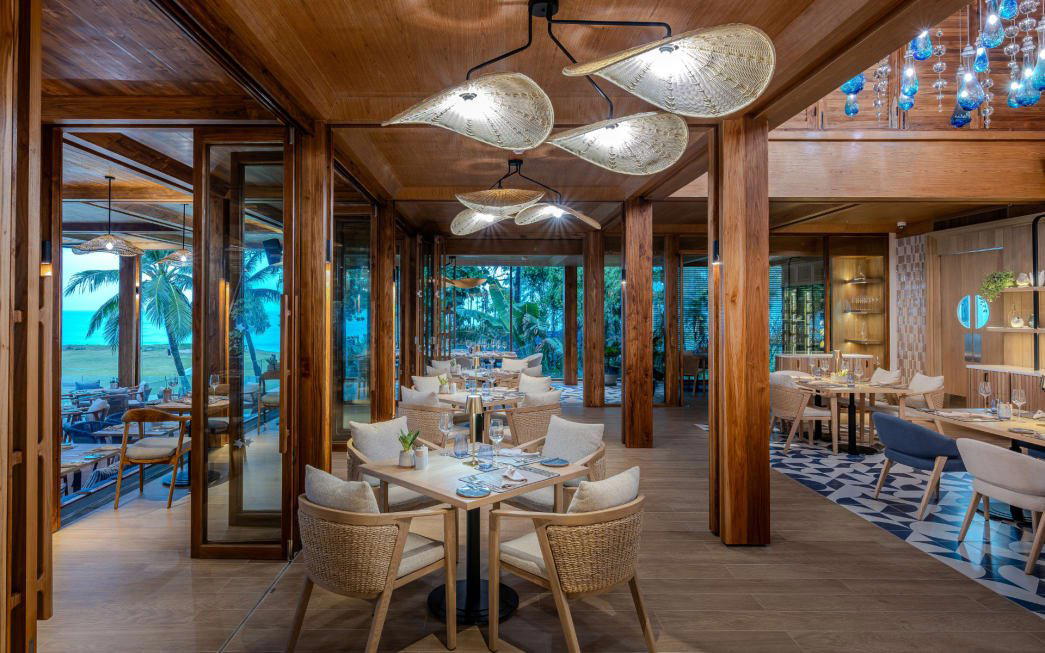
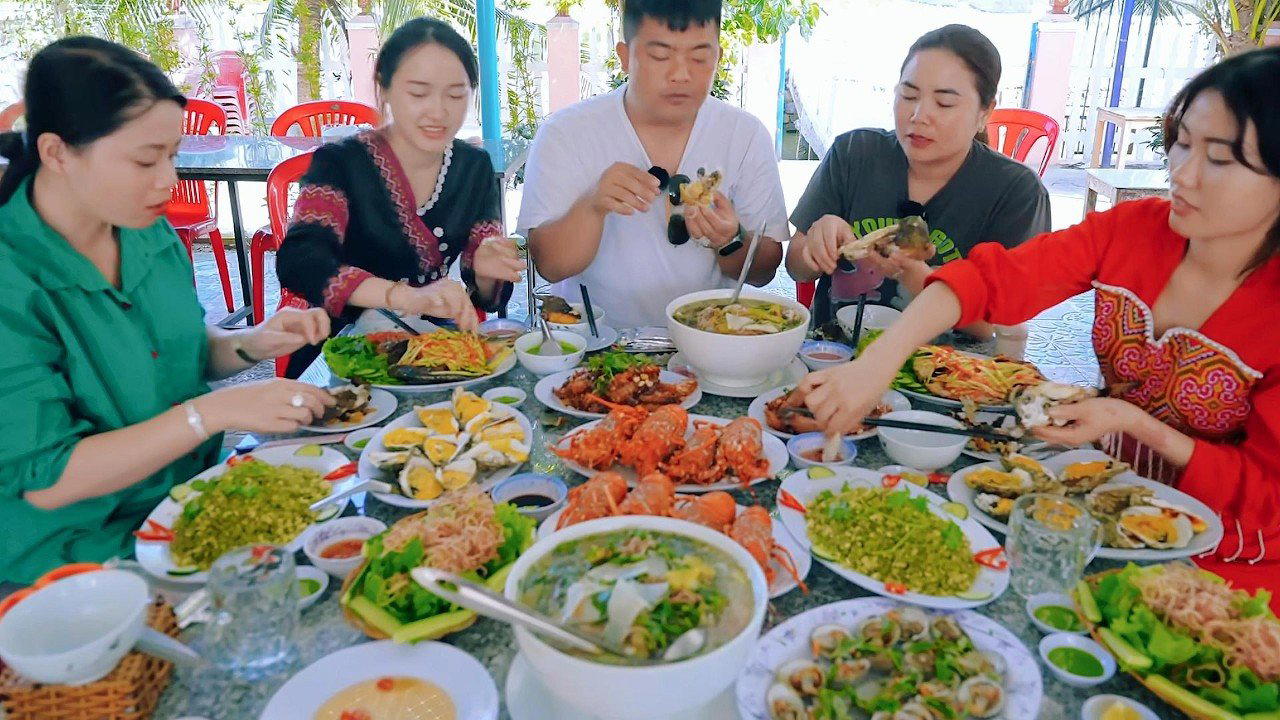

Details
- Lively
- Cozy
- Group Dining
- Family
- Casual Hangout
- A La Carte
- Buffet
Current opening hours
- Monday
- 11 AM–10 PM
- Tuesday
- 11 AM–10 PM
- Wednesday
- 11 AM–10 PM
- Thursday
- 11 AM–10 PM
- Friday
- 11 AM–10 PM
- Saturday
- 11 AM–10 PM
- Sunday
- 11 AM–10 PM
Hours can change for holidays and private events. Last verified .
Cozy family atmosphere with friendly service and clean facilities.