OM Bistro sits on Trần Nguyên Đán in Quy Nhon, a city where the Central Vietnamese coast shapes what lands on the plate as directly as any kitchen decision. The bistro format places it in a local dining category that bridges neighbourhood casual and considered cooking, making it a practical reference point for visitors building a picture of the city's food scene. See our full Quy Nhon restaurants guide for broader context.
Pearl is the En Primeur Club membership app — saves, bookings, and concierge access live there. Same editors, same standards.
- Address
- 2a Trần Nguyên Đán, Trần Phú, Quy Nhơn, Bình Định, Vietnam
- Phone
- +84334446768
- Website
- omveganbistro.vn
- Directions
- Get directions
 Saves & bookings on Pearl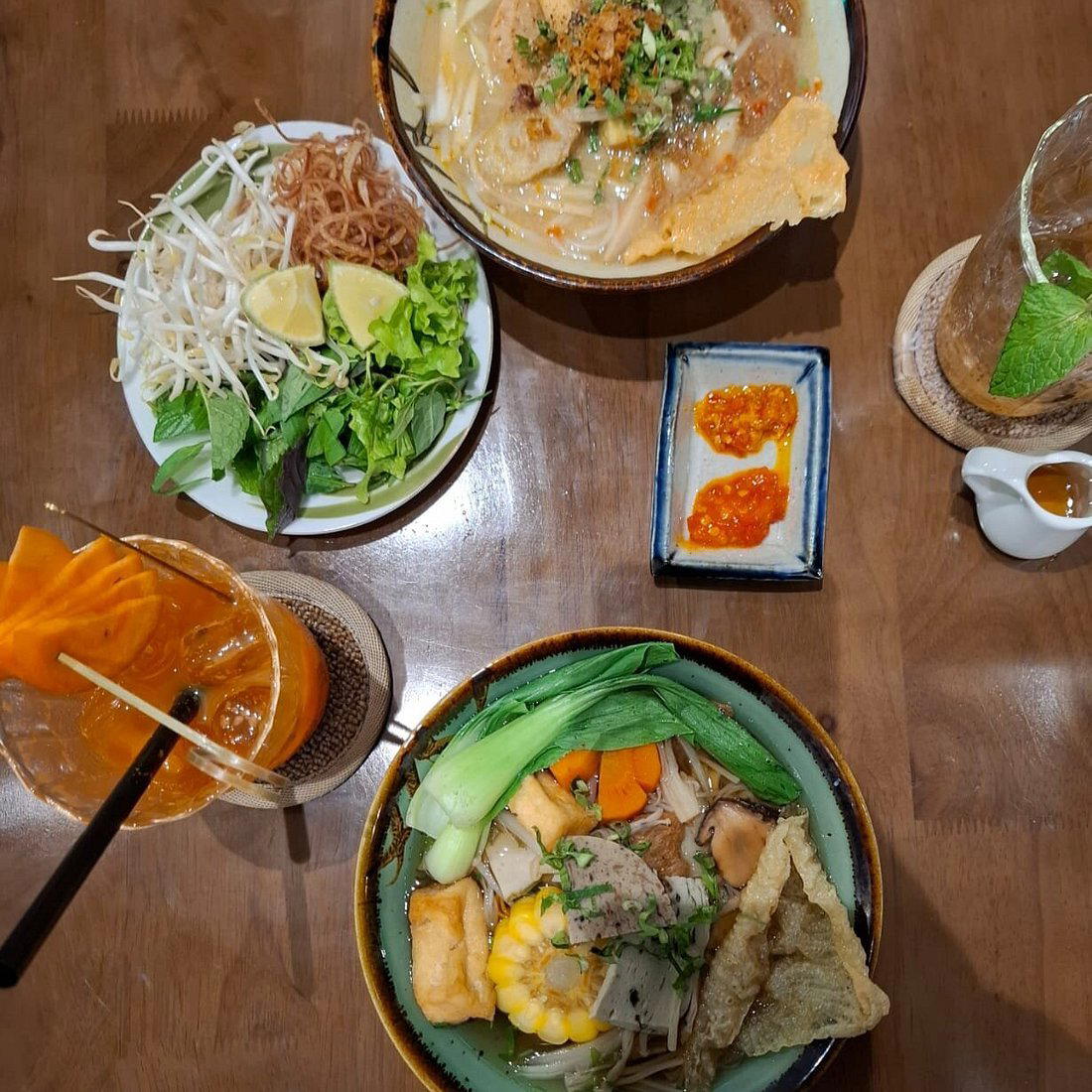
Quy Nhon's Coastal Pantry and the Bistro That Works With It
Approaching the Trần Phú district on a warm evening, the street-level energy of Quy Nhon reads differently from the resort corridors further up the coast. This is a working city with a fishing economy that predates the tourism infrastructure now growing around it, and that sequence matters when reading the food. The ingredients that arrive at local kitchens here, shellfish, finfish, morning-caught squid, field herbs from the Bình Định interior, move through short supply chains that most coastal cities of this size have long since disrupted. OM Bistro is a Vegan Vietnamese Bistro in Quy Nhon, Vietnam, and it occupies a position within that local provisioning logic rather than outside it.
The bistro category in Vietnam's secondary cities tends to occupy a specific gap: above the street-stall tier in terms of setting and composition, below the formal restaurant tier in terms of ceremony and price distance. That positioning means the kitchen's relationship to its ingredient sources is more directly legible in the food. There is less buffering through elaborate technique or imported product, and the quality argument rests more nakedly on what the region produces. For a city like Quy Nhon, where the South China Sea and the Annamese foothills converge within a short radius, that is not a disadvantage.
What the Central Coast Puts on the Plate
Central Vietnam has one of the country's most clearly defined regional food identities. The cooking that developed in and around the former imperial capital at Huế established a tradition of precision and layered flavour that spread southward through Đà Nẵng and into Bình Định province. By the time that tradition meets the Quy Nhon waterfront, it has absorbed the practicality of a port kitchen: less ceremony, more directness, the same underlying commitment to ingredient quality. Venues working within this tradition, at any price point, are effectively arguing that the Central Vietnamese pantry is strong enough to carry the plate without heavy intervention.
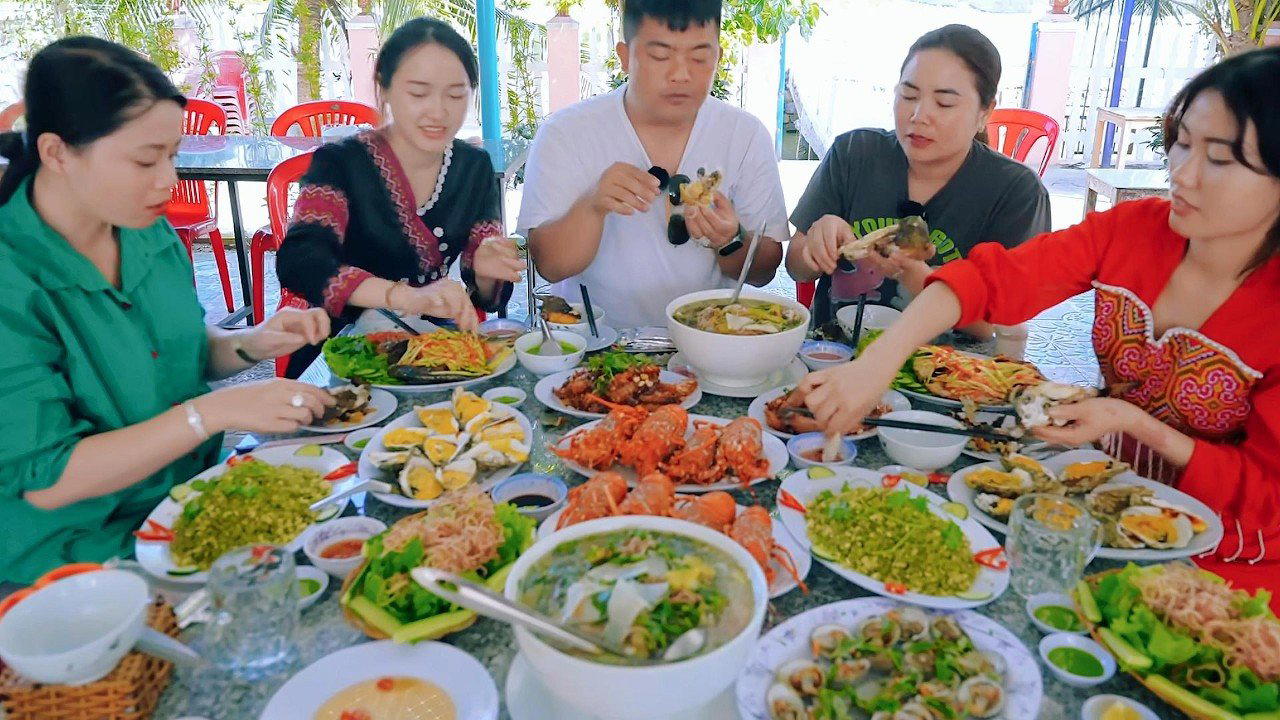
The seafood supply chain in Bình Định is worth understanding as context. The fishing fleet operating out of Quy Nhon is among the larger ones on the South-Central coast, and local catches move to market with a speed that shapes what a kitchen can credibly offer. Crab, grouper, mantis shrimp, and cuttlefish are available at a freshness level that makes the source visible in the eating. For restaurants and bistros working at the accessible price tier, this is the primary competitive resource. It places Quy Nhon's better kitchens in a different conversation from comparable-price venues in cities where the seafood supply chain is longer or more industrialised. For broader comparison of how Vietnamese coastal dining translates across price tiers, Akuna in Ho Chi Minh City and Gia in Hanoi show how the country's leading kitchens handle the same regional ingredients at a considerably higher price point.
Within Quy Nhon itself, the dining options span a range that includes casual seafood houses along the beach road, local lunch spots serving bún bò and bánh xèo, and a growing number of bistro-format venues that aim at visitors and a local professional demographic simultaneously. GoGi House An Dương Vương represents the Korean BBQ chain format that has taken significant market share in Vietnamese cities of this tier. OM Bistro works in a different register, one more connected to local sourcing conventions.
Setting and Atmosphere
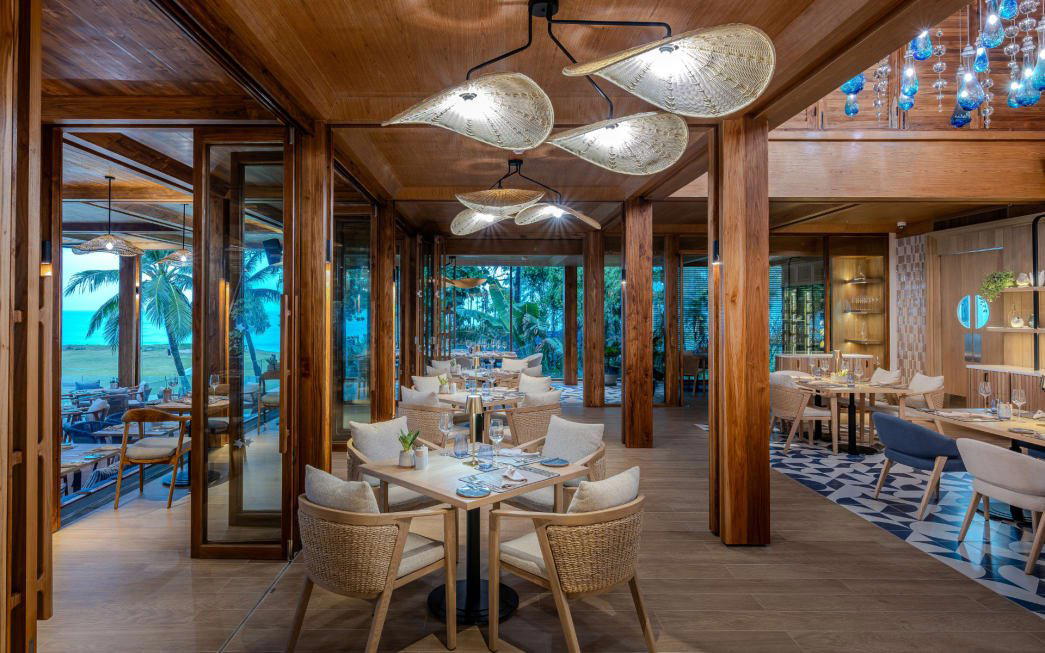
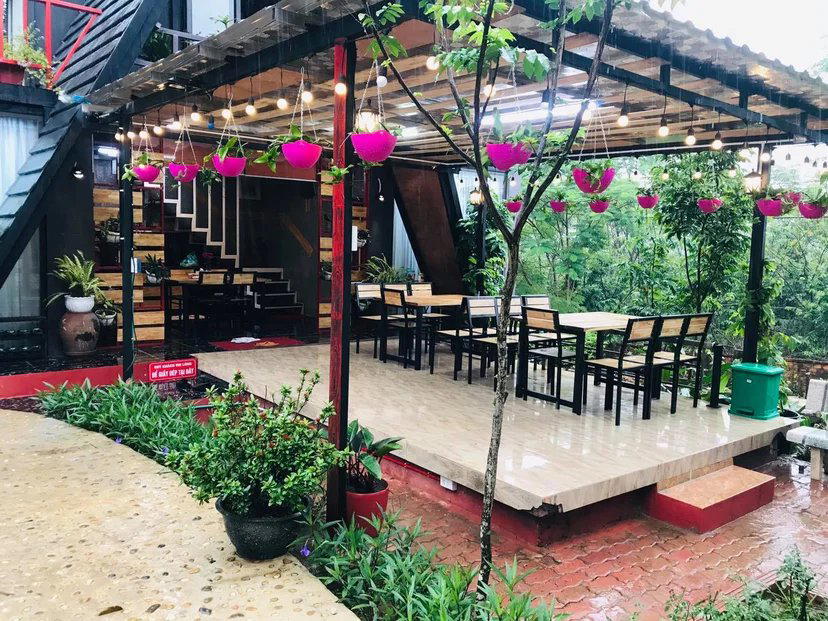
The Trần Phú area where OM Bistro is located sits within reach of Quy Nhon's main beach promenade without being absorbed into its tourist-facing strip. That placement tends to produce a mixed clientele in Vietnamese coastal cities: travellers who have moved slightly off the main drag looking for something with a local feel, alongside residents who treat the neighbourhood as their own rather than as a destination. The atmosphere this produces is neither performatively local nor tourist-oriented, which is the functional middle ground that bistro formats in secondary Vietnamese cities tend to occupy most successfully.
Quy Nhon has been building its reputation as a lower-key alternative to Đà Nẵng and Hội An for several years, and that positioning attracts a specific kind of visitor: one who has already done the more established Central Vietnamese stops and is looking for less curated engagement with the coast. That reader profile tends to respond well to venues that offer a considered setting without the formality signals of a destination restaurant. For a point of comparison on how fine dining formality operates in the region, La Maison 1888 in Da Nang represents the opposite end of the spectrum. The restaurant's bistro designation places it well to the informal side of that range.
Planning a Visit
The restaurant's address at 2a Trần Nguyên Đán puts it in a walkable position relative to the central beach area. Quy Nhon is compact enough that most of the city's main points of interest are reachable by a short motorbike taxi or a ten-to-fifteen-minute walk from the waterfront hotels. The city does not have the booking culture of Vietnam's larger dining destinations; walk-in is the standard approach for this venue tier, though arriving earlier in the evening is sensible during the October-to-March high season when visitor numbers are at their annual peak. The leading months on this stretch of coast align with the dry season, which runs roughly from January through August, with the Bình Định province rain pattern meaning September and October can bring heavier weather. Visitors planning wider Central Vietnamese itineraries might also consult guides on White Rose in Hoi An and Duyên Anh Restaurant in Phu Vang for regional context at different price points.
How It Stacks Up
Comparable venues nearby, for context on price, style, and recognition.
| Venue | Cuisine | Price | Notes |
|---|---|---|---|
| OM BistroThis venue — the venue you are viewing | Vegan Vietnamese Bistro | $$ | Not listed |
| GoGi House An Dương Vương Quy Nhơn | Korean BBQ | $$ | Nguyễn Văn Cừ |
| The Hill Station Signature Restaurant | Authentic Sapa Ethnic Cuisine | $$$ | Sa Pa |
| Pho Gia Truyen 49 Bat Dan | Traditional Hanoi Beef Pho | $ | Old Quarter |
| cơm gà an hiền | Hoi An Chicken Rice (Com Ga) | $ | Minh An |
| Citron | Authentic Vietnamese Regional Cuisine | $$$ | Son Tra |
Continue exploring
More in Quy Nhon
Restaurants in Quy Nhon
Browse all →

At a Glance
- Cozy
- Modern
- Casual Hangout
- Family
- Open Kitchen
Current opening hours
- Monday
- 9 AM–9 PM
- Tuesday
- 9 AM–9 PM
- Wednesday
- 9 AM–9 PM
- Thursday
- 9 AM–9 PM
- Friday
- 9 AM–9 PM
- Saturday
- 9 AM–9 PM
- Sunday
- 9 AM–9 PM
Hours can change for holidays and private events. Last verified .
Peaceful and beautiful with cute decor, gentle music, and a welcoming atmosphere across three floors.