Café 17
Our verdict
Set within the Taj Chandigarh in Sector 17, Café 17 occupies a position at the crossroads of the city's most organized commercial district and its hotel dining tradition. The address alone places it among the more formal all-day dining options in a city where the line between café culture and restaurant dining remains usefully blurred.

Pearl is the En Primeur Club membership app, where members save venues, book tables and use the concierge.
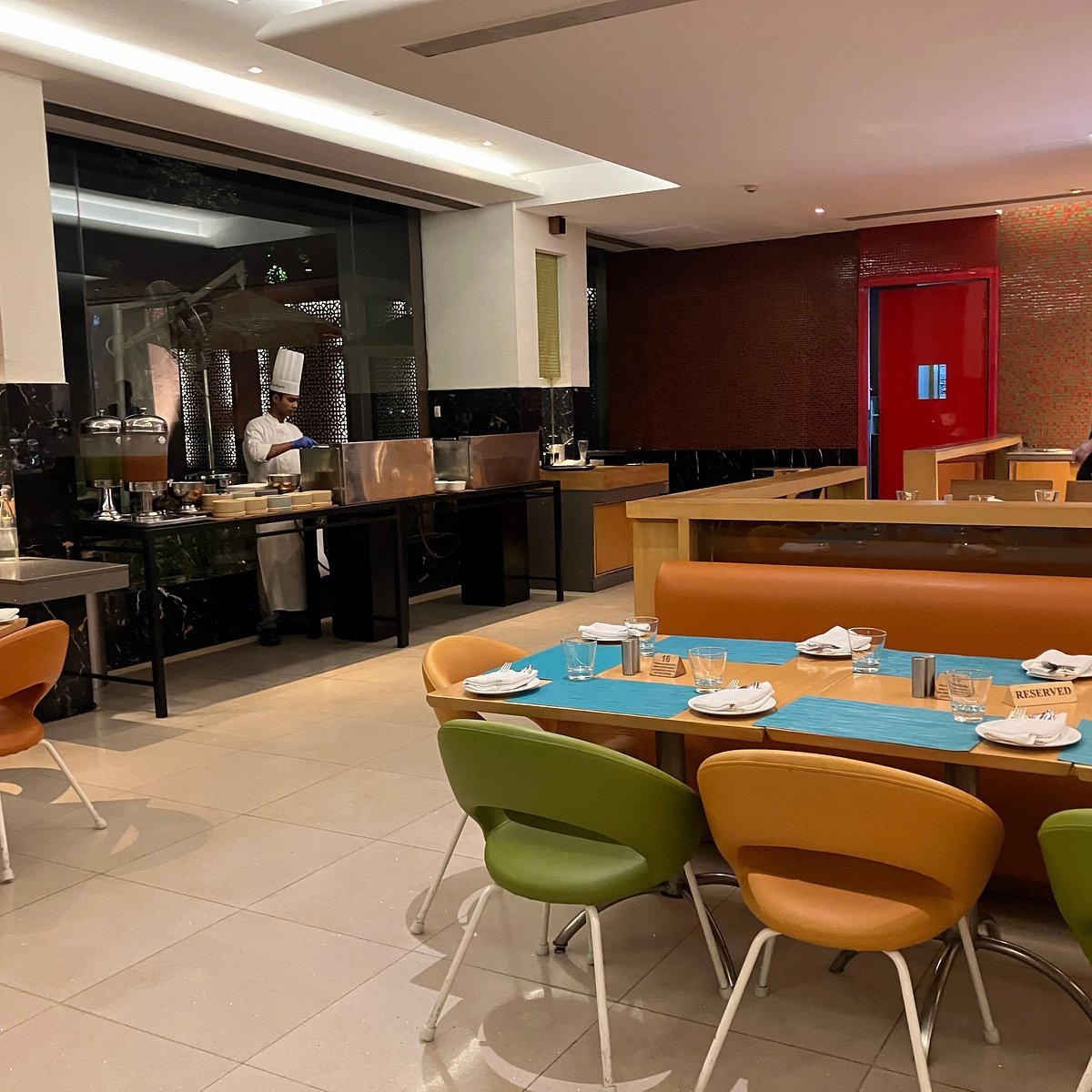
Where Sector 17 Meets the Table
Chandigarh's Sector 17 is not a neighbourhood that developed organically. Le Corbusier's grid assigned it a civic and commercial role from the outset, and the area has spent decades fulfilling that brief with unusual discipline. The result is a city centre where hotel dining carries more weight than it might in a place where independent restaurants had decades to cluster and compete. Café 17, positioned within the Taj Chandigarh on 17A, sits at the point where that institutional character and the demand for reliable, ingredient-aware cooking intersect.
Hotel all-day dining in India's tier-two cities operates differently from its metro counterparts. In Delhi or Mumbai, standalone restaurants have long since displaced hotel dining as the address of choice for a serious meal. In Chandigarh, the calculus is less settled. The Taj address brings with it supply chain access, kitchen discipline, and sourcing standards that independent operators at this price tier rarely match. For a city whose food identity is shaped by Punjab's agricultural depth, that sourcing infrastructure matters more than the format itself.
Punjab's Larder and What It Means at the Table
The editorial angle that makes Chandigarh dining worth attention is not the restaurants themselves but the ingredient base they draw from. Punjab is among the most productive agricultural states in India, and Chandigarh sits at its geographic and administrative centre. The wheat, dairy, mustard greens, and seasonal produce that define Punjabi cooking are not trucked in from distant wholesale markets here; they arrive from the surrounding region with a proximity that Delhi chefs spend significant effort trying to replicate through sourcing programmes.
Hotel kitchens operating in this environment have a structural advantage they do not always use well. When they do engage with it, the results tend to show in the bread programme, in the dairy quality, and in the depth of dal and slow-cooked preparations rather than in showpiece dishes. A well-run all-day kitchen in this location should, in theory, be turning out sarson ka saag from mustard that has not sat in cold storage for a week, lassi from milk sourced within the region, and tandoor breads that reflect the quality of local wheat. Whether that potential is consistently realised depends on kitchen priorities that vary by season and by management focus.
This is a broader pattern worth tracking across India's hotel dining circuit. Venues like Farmlore in Bangalore have made ingredient provenance the central organising principle of their offer, while properties like Adaa at Falaknuma Palace in Hyderabad and Leela Kerala Terrace in Trivandrum use regional specificity as a differentiator within the luxury hotel format. Café 17's position in Punjab gives it a comparable opportunity, even if the all-day café format does not foreground sourcing in the way a tasting-menu kitchen might.
All-Day Dining in the North Indian Hotel Circuit
The all-day café format within Indian luxury hotels occupies a specific competitive niche. It sits below the signature restaurant tier, which in Delhi's properties includes addresses like Inja, Bukhara, and Dum Pukht, and above the lobby lounge. The expectation is range rather than depth: a menu that can credibly handle breakfast, a business lunch, an afternoon tea, and a casual dinner without the kitchen losing its bearings on any of them.
That range requirement creates a particular discipline challenge. The kitchens that handle it well tend to be those with clear sourcing standards applied consistently across dayparts rather than those attempting elaborate cooking at every meal. In the North Indian context, this often means the difference between a kitchen that takes its dal makhani seriously as a slow process and one that produces it as a function of kitchen volume. The slow-cooked and tandoor traditions of Punjab are, structurally, well-suited to this format: they reward patience and good raw material over technique complexity.
For comparison across the region's slower-tempo dining traditions, the approach at Naar in Kasauli and Neel in Patiala offers a useful reference point for how northern Indian kitchens are thinking about local identity and ingredient sourcing within different formats and price tiers.
Chandigarh's Dining Scene in Context
Chandigarh's restaurant market is smaller and less competitive than its per-capita income levels might suggest. The city's dining culture has historically leaned toward family-format restaurants and dhaba-adjacent eating, with the upper end of the market concentrated in hotel properties and a small cluster of independent operators that have grown in visibility over the past decade. Krafty Kitchen represents the newer independent wave, a format more attuned to a younger, experience-oriented customer. The Taj properties occupy a different register, drawing the business traveller, the visiting family marking an occasion, and the local diner for whom the hotel address carries its own signal value.
The city's food identity outside hotel dining is worth understanding as context. Chandigarh is not a street food city in the way Amritsar or Ludhiana are. Its planning heritage produced wide roads and separated sectors rather than the compressed commercial lanes where informal food culture tends to concentrate. That has shaped the formal dining sector by default: when informal eating infrastructure is limited, formal restaurants absorb demand that in other cities would be spread across a much wider ecosystem. For a full picture of where Café 17 sits within the wider Chandigarh eating map, our full Chandigarh restaurants guide provides the broader context.
Across India's hotel dining circuit more broadly, the all-day format in a property like the Taj Chandigarh competes less with other hotel dining rooms and more with the expanding independent sector. Venues like Americano in Mumbai and Bomras in Anjuna show how independent operators with clear identity are reframing what all-day and casual dining can look like at the premium end. Regional dining addresses such as Kappa Chakka Kandhari in Chennai, The Malabar House in Fort Cochin, and Dining Tent in Jaisalmer each demonstrate how a strong regional ingredient story can carry a venue beyond its category tier. The standard is moving, and hotel all-day dining rooms that do not engage seriously with the sourcing question are increasingly exposed by the comparison.
Planning Your Visit
Café 17 is located within the Taj Chandigarh at 17A, Sector 17, placing it within walking distance of the central commercial and administrative areas of the city. The Sector 17 bus terminus and the broader connectivity of the planned grid make it accessible without a car, which is relevant for visitors arriving by Chandigarh's rail or air connections. For context on how similarly positioned heritage and hotel dining rooms across India handle the balance between accessibility and occasion, addresses like Ran Baas The Palace in Qila Mubarak, View in Madurai, and Palaash in Yavatmal provide a useful cross-section of how hotel and heritage dining operates across different Indian cities. For those benchmarking against international hotel dining standards, the discipline on display at venues like Le Bernardin in New York City or the ingredient-driven focus of Lazy Bear in San Francisco illustrates what sourcing-led kitchen programmes look like when they operate at full commitment.
Frequently asked questions
Is Café 17 good for families?
The all-day café format at Taj Chandigarh suits family visits reasonably well. Its position in Sector 17, the city's main commercial and administrative hub, makes it a practical stop during a day out across the district. The hotel setting provides a structured environment without the formality of a dedicated fine-dining room.
What's the vibe at Café 17?
Café 17 operates within the all-day dining tier of Taj Chandigarh, which places it in a middle register, less ceremonial than a hotel signature restaurant, more composed than a standalone café. Sector 17's grid-planned commercial setting gives the surrounding area a civic, unhurried character that carries into the dining room's pace.
Where exactly is Café 17 located within Chandigarh, and is it easy to reach without a car?
Café 17 is inside the Taj Chandigarh at 17A, Sector 17, the city's central commercial sector, laid out by Le Corbusier's original urban plan. The location is walkable from the Sector 17 bus terminus and within a short auto-rickshaw ride from most residential and administrative sectors. For visitors staying elsewhere in the city, Sector 17 serves as a natural convergence point.
What do people recommend at Café 17?
What is known is that the café draws from Punjab's agriculturally dense ingredient base, which gives the kitchen access to produce, dairy, and grain at a quality level that distinguishes North Indian hotel dining from comparable formats elsewhere in India.
Where is Café 17 located?
Café 17 is located at Taj Chandigarh, 17A, Sector 17, Chandigarh, 160017, India, Chandigarh.
Fast Comparison
Comparable venues nearby, for context on price, style, and recognition.
| Venue | Cuisine | Price | Notes |
|---|---|---|---|
| Café 17This venue (the venue you are viewing) | Multi-Cuisine Mediterranean & Asian | $30–50 | Not listed |
| Krafty Kitchen | Multi-Cuisine Indian & Chinese | $1–10 | Sector 9C |
| The Fig Tree Place | Continental and Multi-Cuisine | $10–20 | Sengadu |
| Hotel Aganta Green | Indian Multicuisine | $1–10 | Fardapur |
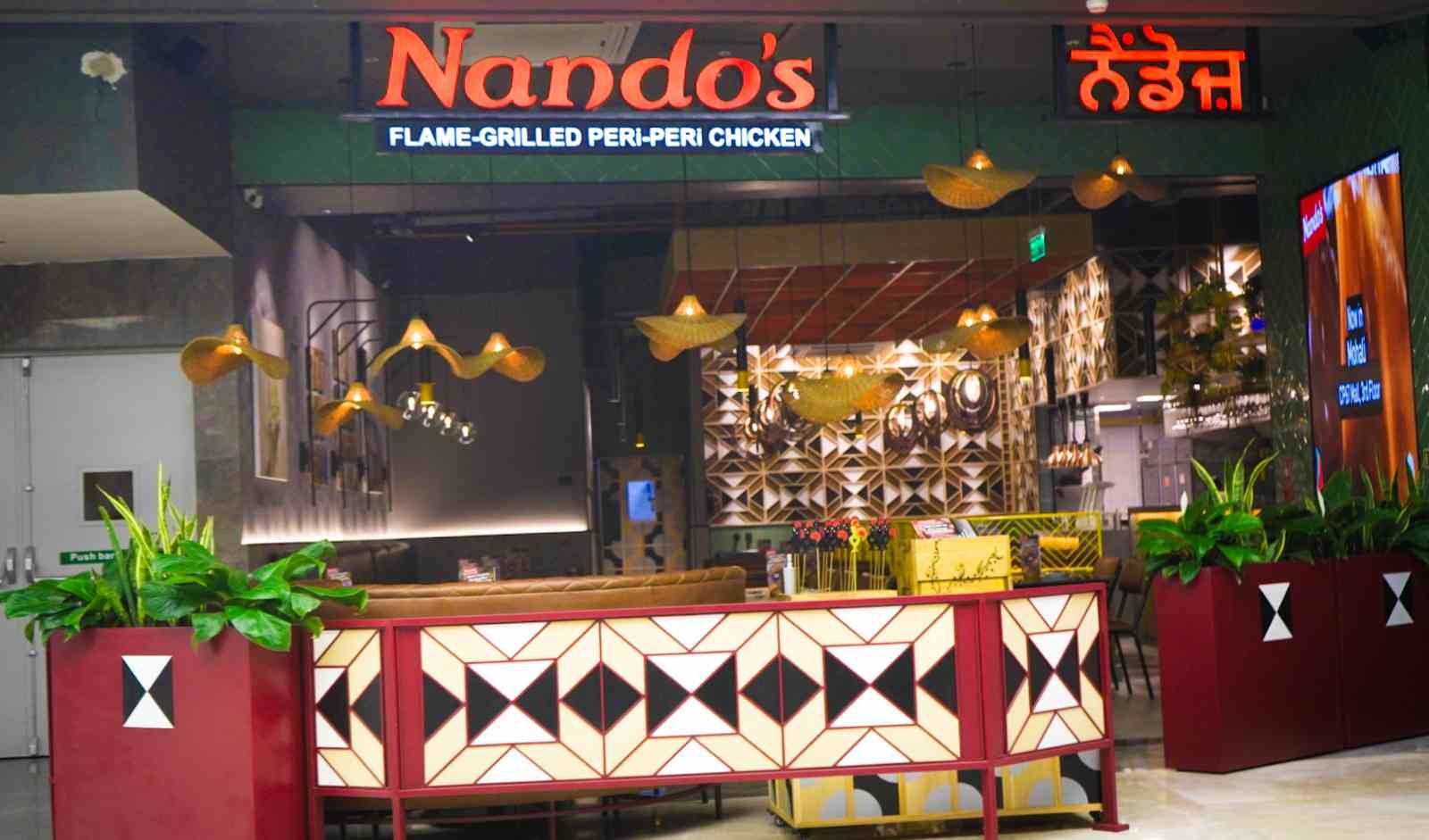
| Nando's Flame-Grilled PERi-PERi Chicken, Mohali | Flame-Grilled PERi-PERi Chicken | $1–10 | Sector 67 |
| Zing | World of Flavors Buffet - Asian, Italian, Indian & Maharashtrian | Not listed | Chikalthana MIDC |
Continue exploring
More in Chandigarh
Details
- Modern
- Elegant
- Sophisticated
- Business Dinner
- Group Dining
- Family
- Casual Hangout
- Brunch
- Late Night
- Hotel Restaurant
- Open Kitchen
- Craft Cocktails
- A La Carte
- Buffet
- Wines
- Spirits
- Vegetarian Friendly
- Vegan Options
Current opening hours
- Monday
- 7 AM–11:30 PM
- Tuesday
- 7 AM–11:30 PM
- Wednesday
- 7 AM–11:30 PM
- Thursday
- 7 AM–11:30 PM
- Friday
- 7 AM–11:30 PM
- Saturday
- 7 AM–11:30 PM
- Sunday
- 7 AM–11:30 PM
Hours can change for holidays and private events. Hours as of .
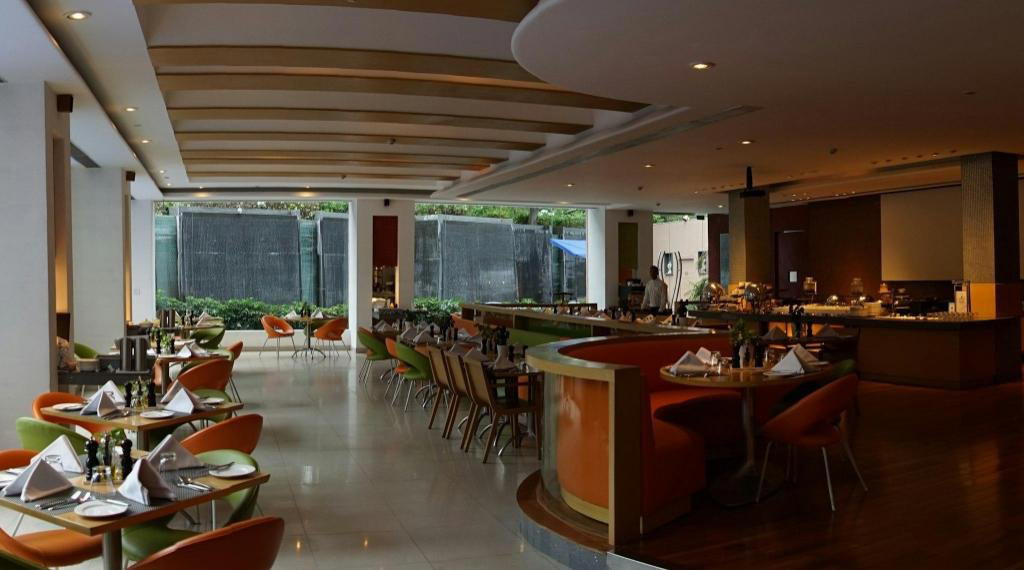
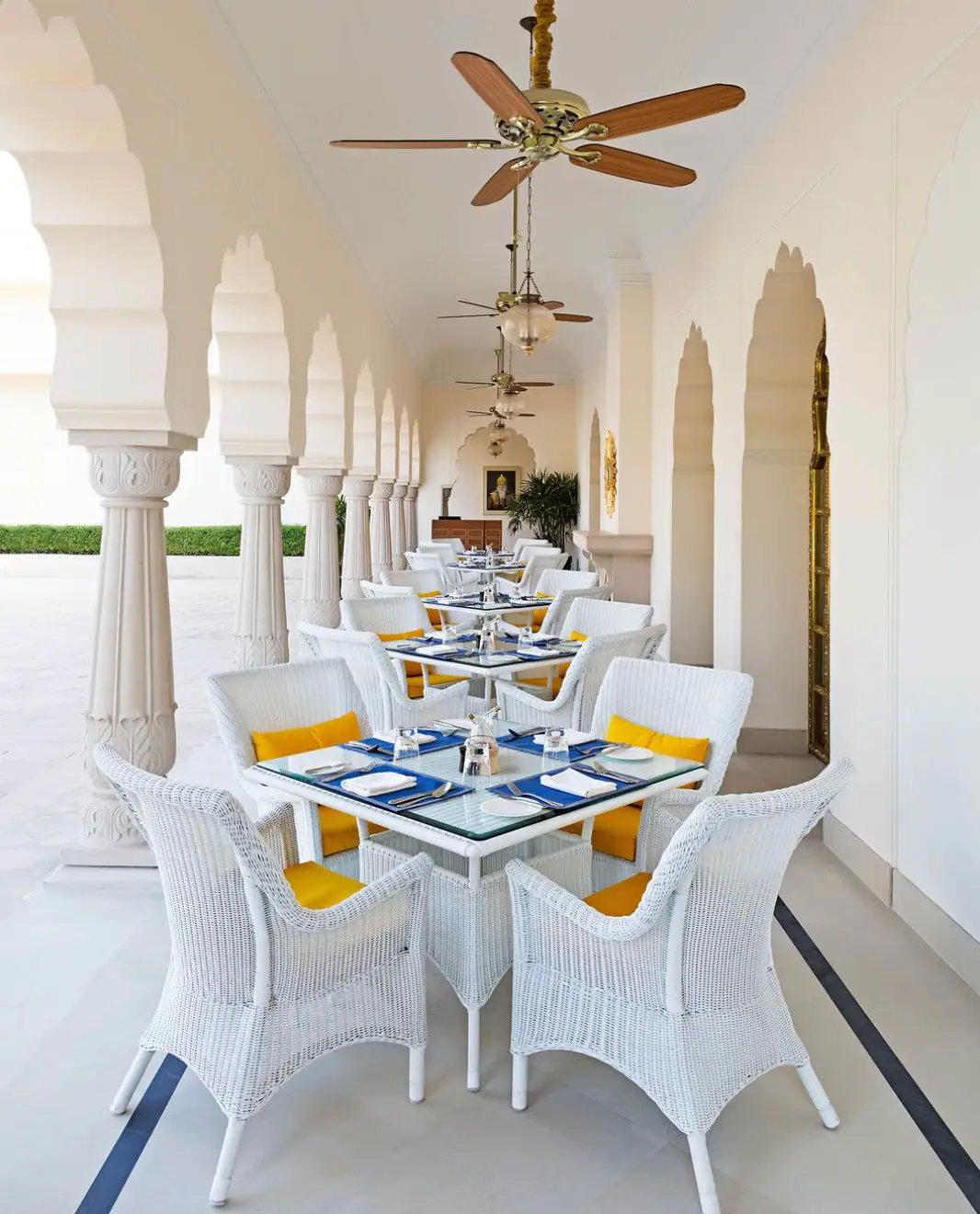
Contemporary and stylish with smart, futuristic design; semi-open lounge-styled seating with live food preparation counters creating an engaging dining atmosphere.