
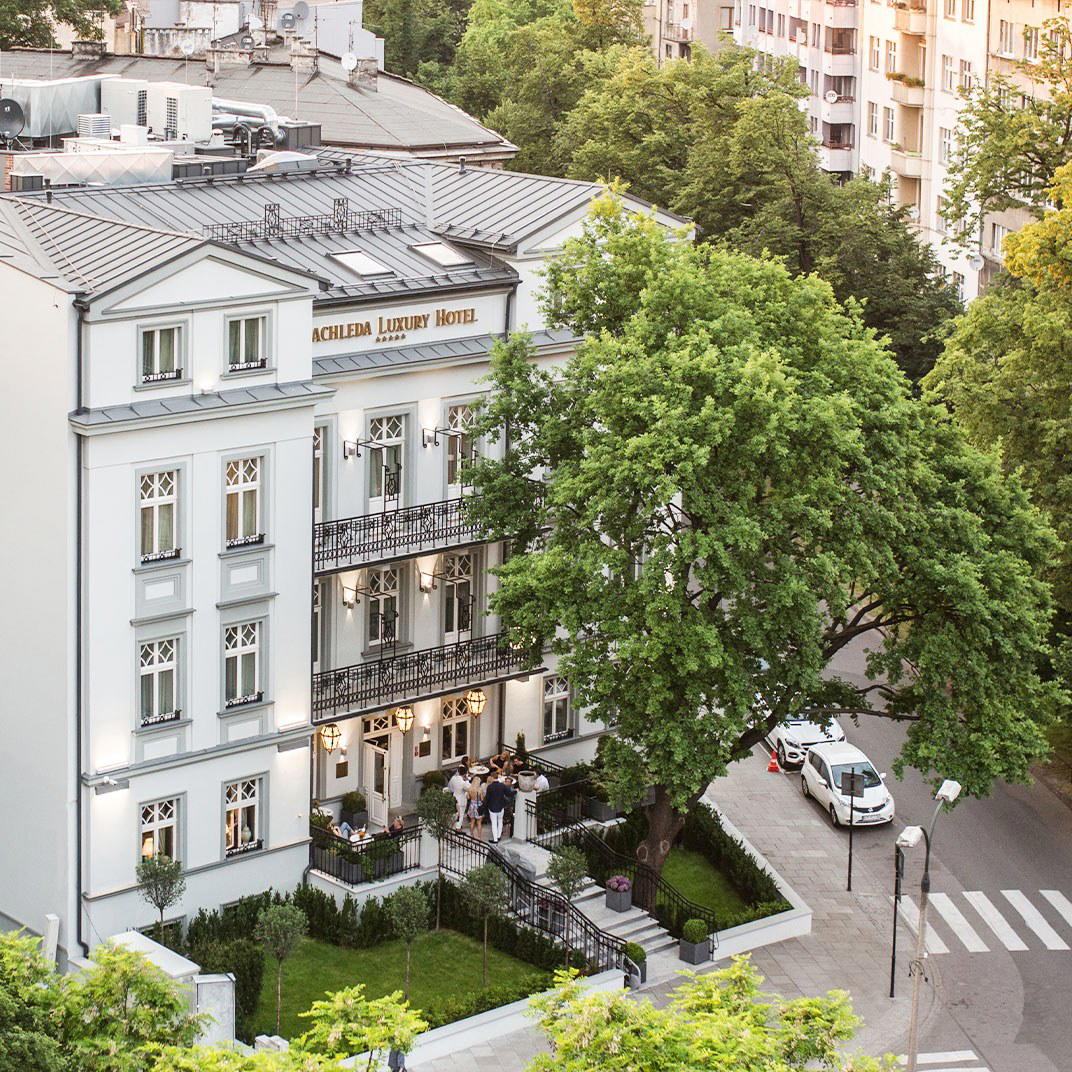
Warszauer Hotel occupies a address in Kraków's historic centre and holds a MICHELIN Selected designation in the 2025 guide, placing it in a small peer group of properties the guide's editors consider worth a specific recommendation. The hotel sits at 10 Warszauera, within reach of the city's medieval core, and represents the independent, character-led end of Kraków's accommodation market.
Pearl is the En Primeur Club membership app — saves, bookings, and concierge access live there. Same editors, same standards.
- Address
- 10 Warszauera, Krakow, Poland
- Phone
- +48 797 930 460
 Saves & bookings on Pearl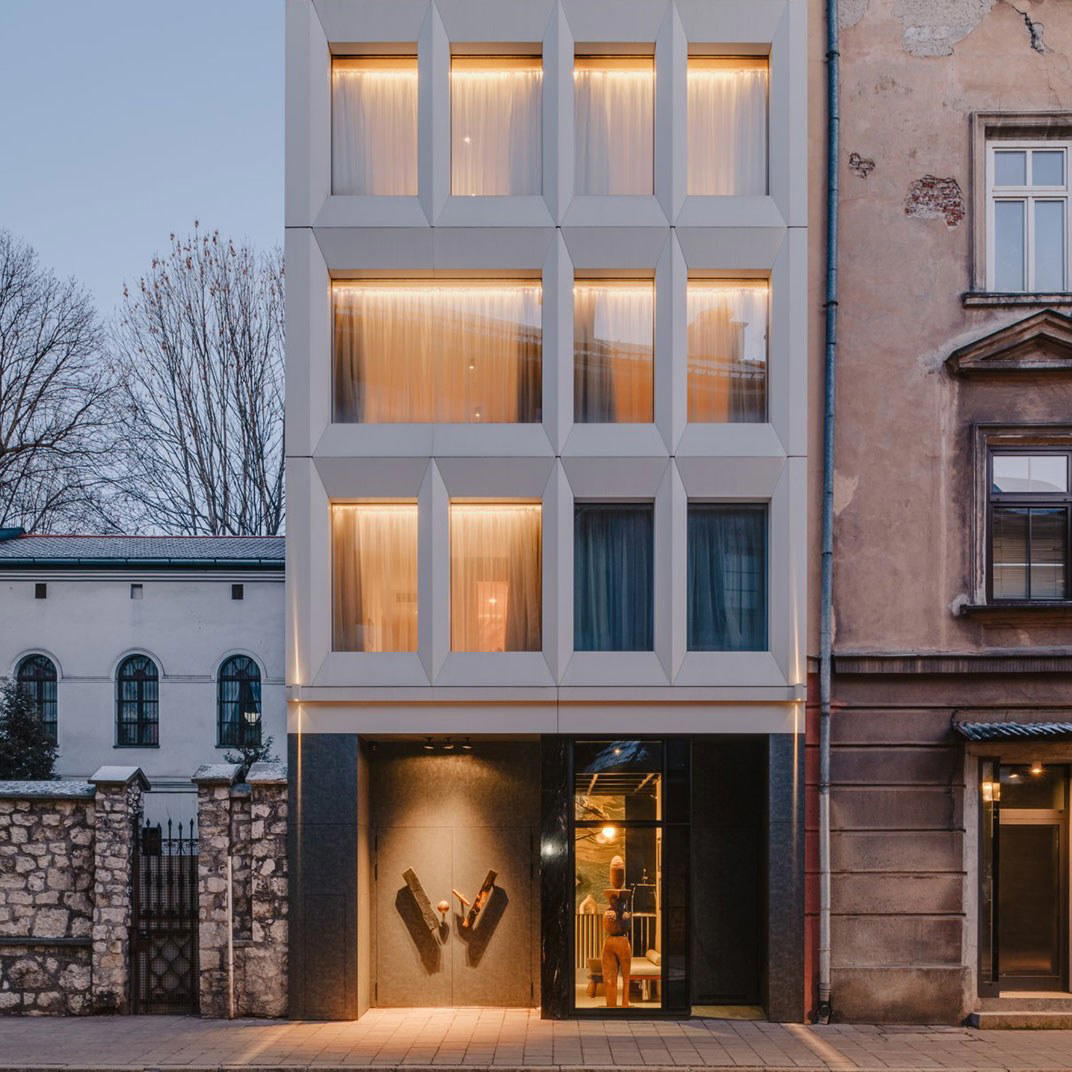
Kraków's Hotel Market and Where Warszauer Sits Within It
Kraków's accommodation offer has separated into distinct tiers over the past decade. At one end, international chains have staked positions around the Old Town and Kazimierz with standardised programmes and loyalty infrastructure. At the other, a smaller cohort of independent properties has leaned into the city's architectural density, converting medieval townhouses, bourgeois apartment buildings, and early-twentieth-century commercial structures into hotels where the building itself carries much of the narrative weight. The Warszauer Hotel is a 4-star hotel at 10 Warszauera in Kraków. Its 2025 MICHELIN Selected designation signals that Michelin's hotel editors placed it among the properties in the city they consider worthy of a specific recommendation.
That selection matters as a contextual signal. The MICHELIN Selected category does not award stars or keys, but it does represent a curation exercise: properties are included because inspectors found something editorially defensible to say about them, whether that is design coherence, service quality, or a sense of place that larger, more generic competitors don't replicate. In Kraków, where the historic centre generates an enormous volume of hotel inventory across all price bands, appearing on that list places Warszauer in a relatively small comparable set. For comparison, nearby properties that also appear in Kraków's recognised accommodation tier include Hotel Copernicus, Hotel Stary, and Bachleda Kraków - MGallery, each occupying a distinct position in terms of scale, brand affiliation, and price point.
The City It Operates In
Kraków functions differently from Warsaw as a destination. Warsaw rebuilt from near-total destruction after the Second World War and carries a self-conscious modernity alongside reconstructed historic districts. Kraków survived largely intact, which means its centre is not a recreation but the actual accumulated fabric of a city that was Poland's royal capital until 1596. The Main Market Square, Rynek Główny, remains one of the largest medieval squares in Europe, and the density of Gothic, Renaissance, and Baroque architecture within a walkable radius shapes the expectations visitors arrive with. Hotels in this environment are always competing partly against their settings: the building and its location do work that no amount of interior design can replicate in a modern construction.
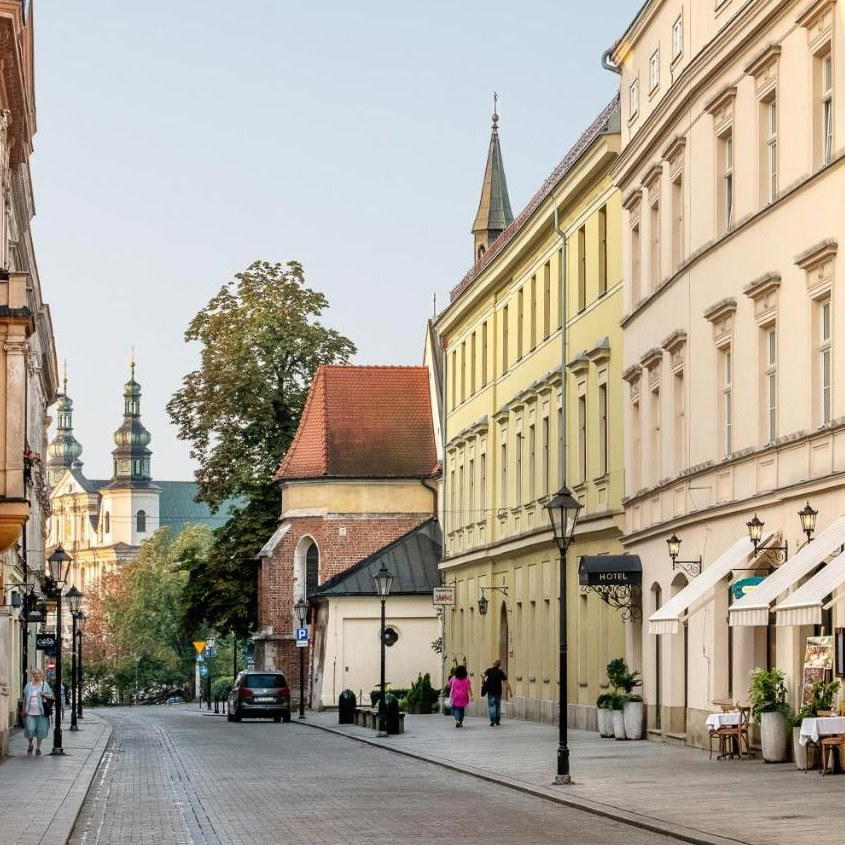
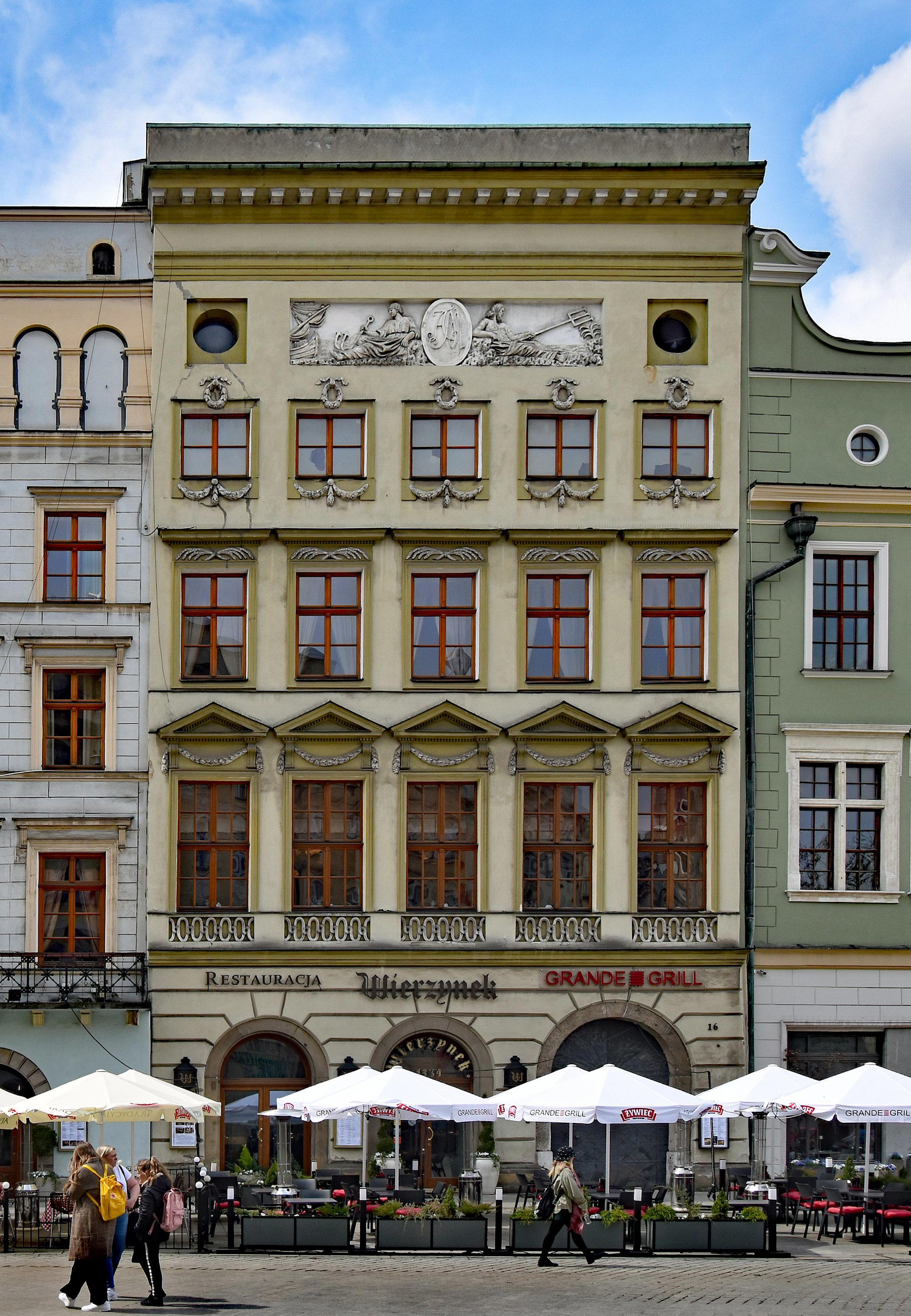
The address at Warszauera places the hotel within that historically saturated zone. Kraków's hotel geography rewards proximity to the Rynek and to Kazimierz, the former Jewish quarter that now anchors the city's independent restaurant and bar culture. Properties positioned between these two areas, or within easy walking distance of both, hold a structural advantage for visitors who want to move between the medieval core and the neighbourhood's more informal eating and drinking scene.
Design-Led Independents in Polish Hospitality
The category of independent, design-conscious hotels has grown across Polish cities in the past fifteen years, tracking broader European patterns in which travellers have moved away from chain uniformity toward properties with a legible point of view. Warsaw has its own version of this shift, visible in properties like the H15 Boutique Hotel. In Kraków, the pattern has taken a particular form: the city's stock of pre-war buildings provides raw material that developers and hoteliers have approached with varying degrees of architectural seriousness. The better results tend to treat the original fabric as a constraint worth working with rather than a problem to be covered over.
Properties like Balthazar Design Hotel, Hotel Indigo Kraków, and H15 Palace, a Luxury Collection Hotel each represent a different answer to the question of how much international brand infrastructure to layer onto a local building. Some lean heavily on chain identity; others subordinate it. Warszauer, as an independent without a named group affiliation in its public record, sits at the end of that spectrum where the property stands on its own terms. That positioning carries its own logic: guests who choose it are selecting the specific address and whatever character the building projects, rather than the guarantee of a standardised loyalty programme or globally consistent service model.
Kraków in the Wider Polish Context
Poland's hotel market is broader and more varied than it is sometimes given credit for outside the country. Beyond Kraków and Warsaw, there are properties worth attention in Wrocław, where Hotel Altus Palace occupies a different historic typology, and across the country's more varied geography, from the Baltic coast properties like Hilton Gdansk and Zamek Łeba to the mountain-adjacent supply around Zakopane, represented by properties such as Villa Nova. Urban design hotels with a recognisable editorial identity, like PURO Poznań and PURO Łódź Centrum, have built a recognisable brand across multiple cities. Warszauer competes in none of those formats directly, its identity is specific to its Kraków address.
For travellers whose reference points for European hotel quality run to properties like Badrutt's Palace Hotel in St. Moritz or Hôtel de Paris Monte-Carlo, Kraków's independent tier operates at a different price register, which is part of the city's structural appeal. The value-to-location ratio in Kraków's historic centre remains one of the stronger cases in Central Europe, and the MICHELIN Selected properties in the city represent an entry point to that market with a degree of editorial vetting behind the recommendation.
Planning a Stay: What to Know
The hotel's address at 10 Warszauera in Kraków makes it accessible on foot to the Rynek Główny and the main cultural and restaurant clusters of the Old Town. Kraków's John Paul II International Airport sits roughly 15 kilometres west of the city centre, with taxi and transfer services as one direct option for arrivals with luggage; the city also operates a rail connection between the airport and the central station at Kraków Główny, which is walkable or a short ride from the historic centre.
Cuisine Lens
Comparable venues nearby, for context on price, style, and recognition.
| Venue | Cuisine | Price | Awards | Notes |
|---|---|---|---|---|
| Warszauer HotelThis venue — the venue you are viewing | Contemporary boutique blending modern design with historic context | $$$$ | 4-Star | Not listed |
| Hotel Pod Różą, Likus Hotels | Historic 19th-century hotel renovated in 2020, combining tradition and modernity in the heart of Krakow's Old Town. | $$$$ | 5-Star | Old Town |
| Balthazar Design Hotel | Restored 19th-century tenement house in art deco style with eclectic luxury interiors. | $$$$ | 5-Star | Kraków Old Town |
| Hotel Unicus Palace Old Town | Historic luxury townhouse hotel | $$$$ | 5-Star | Old Town |
| Bachleda Kraków - MGallery | Historic Art Deco luxury boutique | $$$$ | 5-Star | Old Town |
| Mercure Krakow Fabryczna City | Contemporary urban hotel with heritage conversion aesthetic, blending historic industrial architecture with modern luxury design. | $$$ | 4-Star | Grzegórzki |
Recognition history
Dated appearances from independent guides and award organizations, with the underlying list record or original source where available.
Michelin Selected
Michelin
Continue exploring
More in Kraków
Hotels in Kraków
Browse all →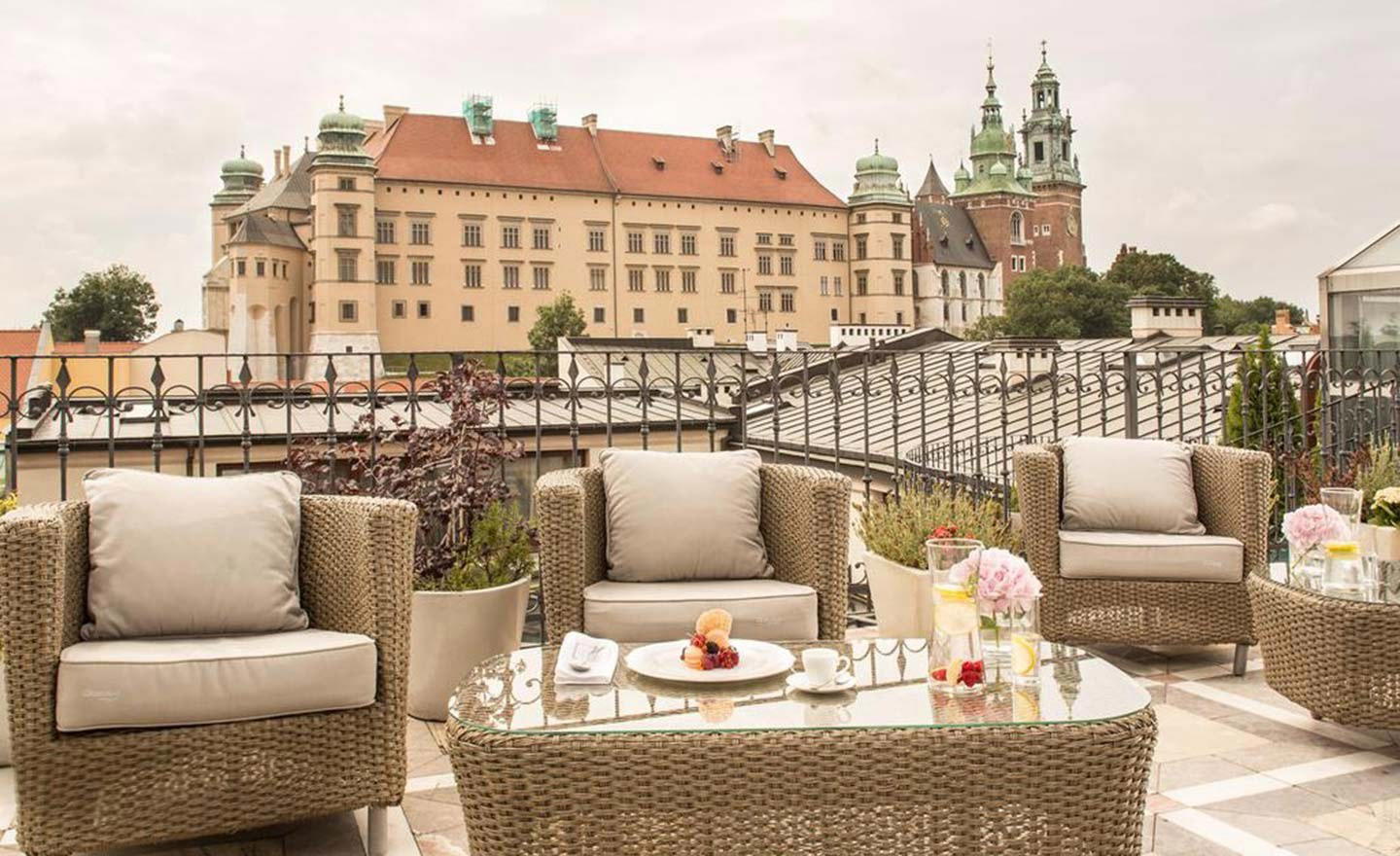
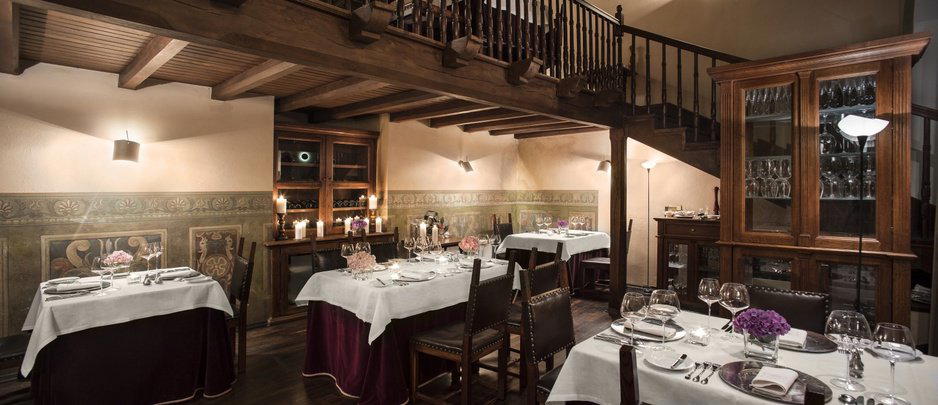
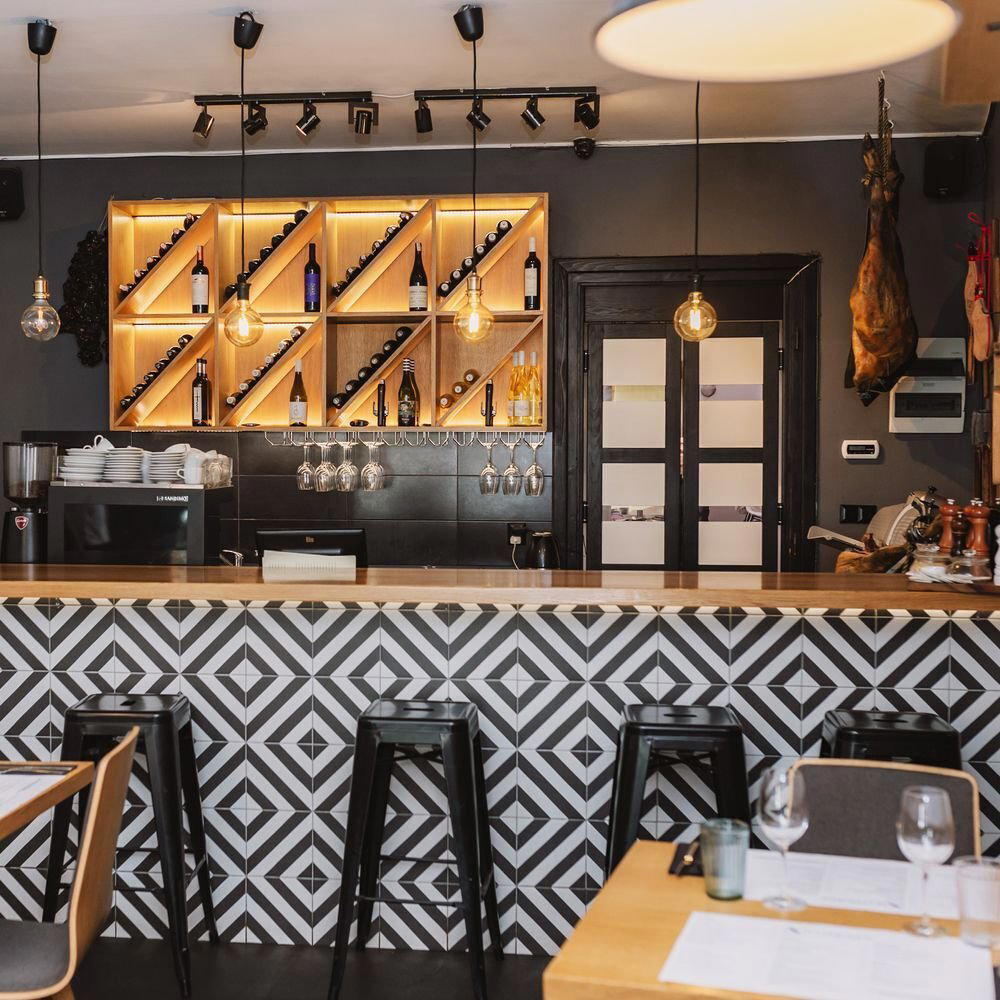
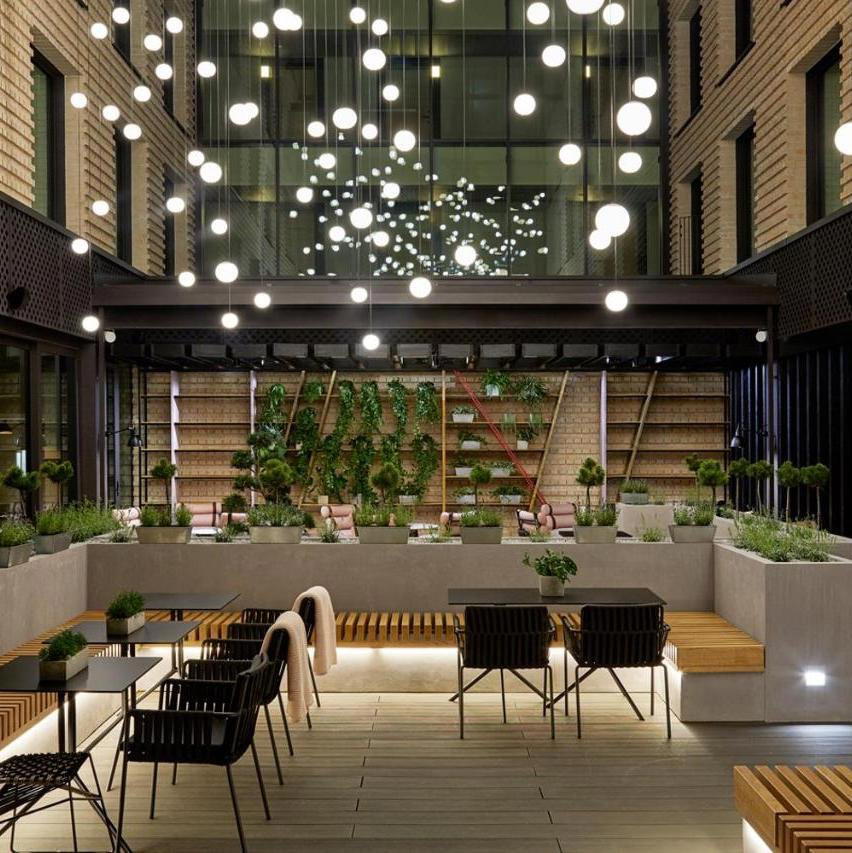
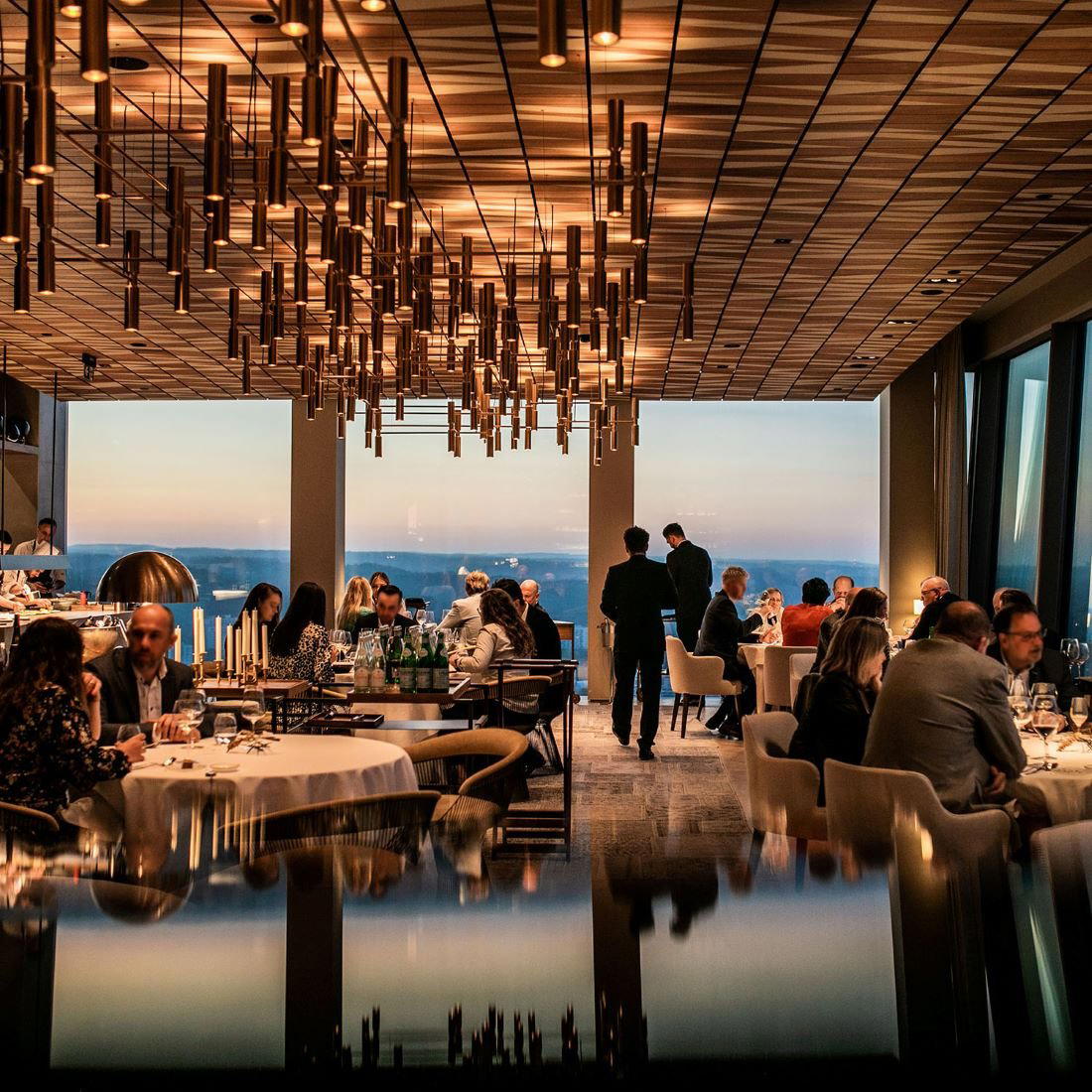
At a Glance
- Modern
- Minimalist
- Elegant
- Sophisticated
- Romantic Getaway
- Weekend Escape
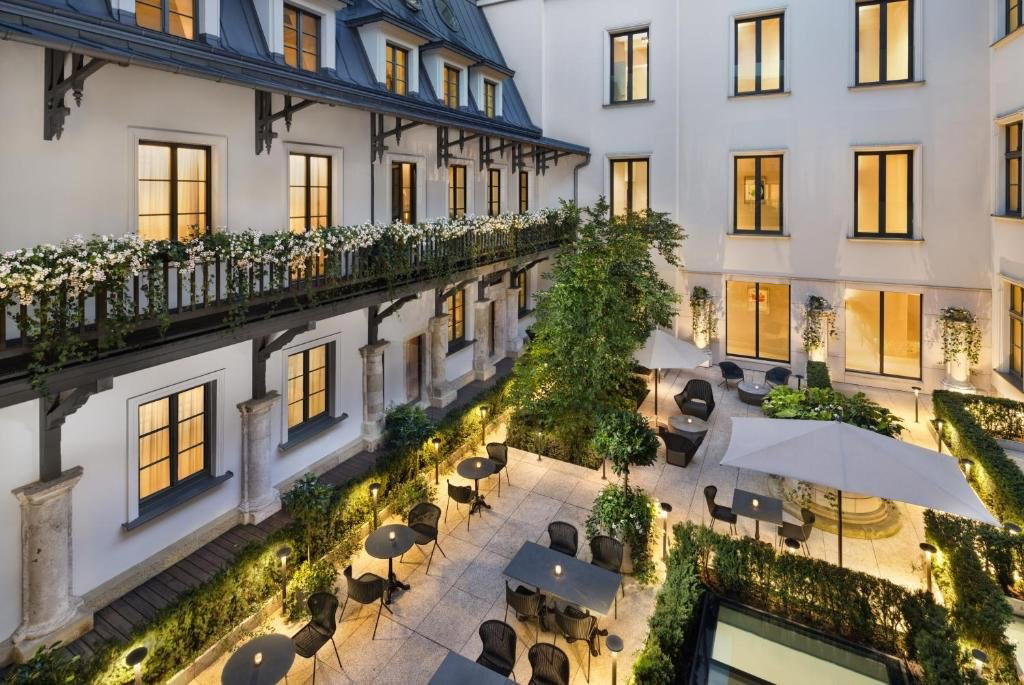
- Terrace
- Design Destination
- Historic Building
- Wi Fi
- Air Conditioning
- Room Service
- Street Scene
- Wi Fi
- Air Conditioning
- Room Service
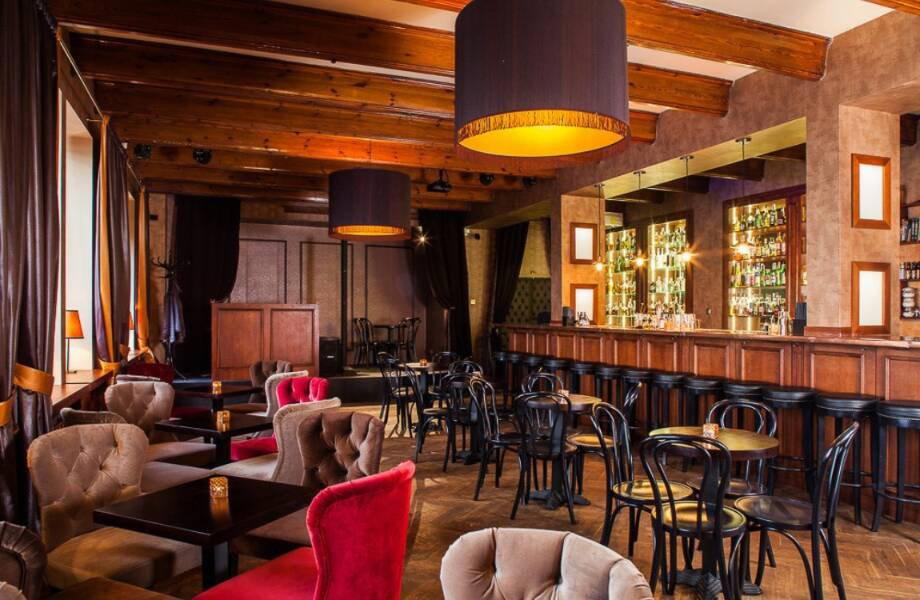
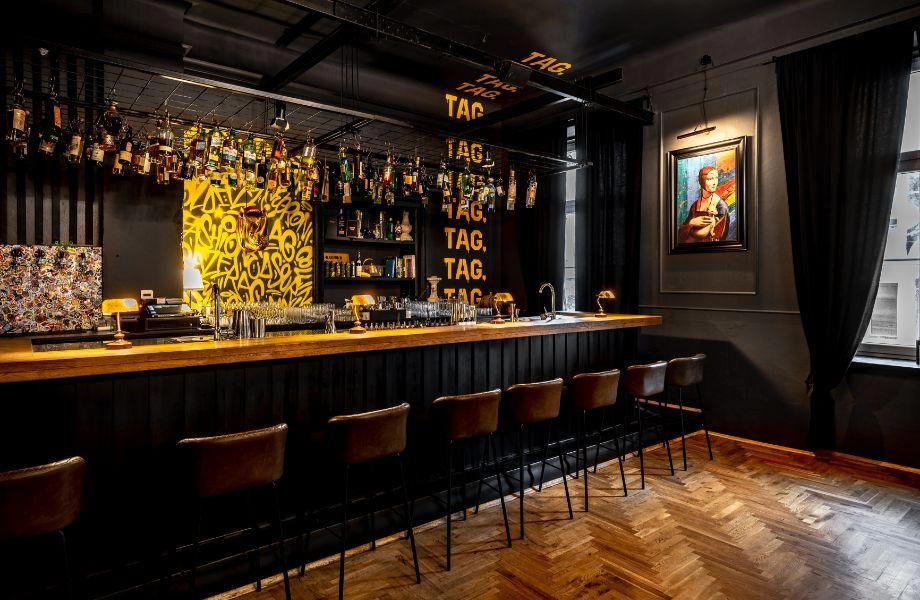
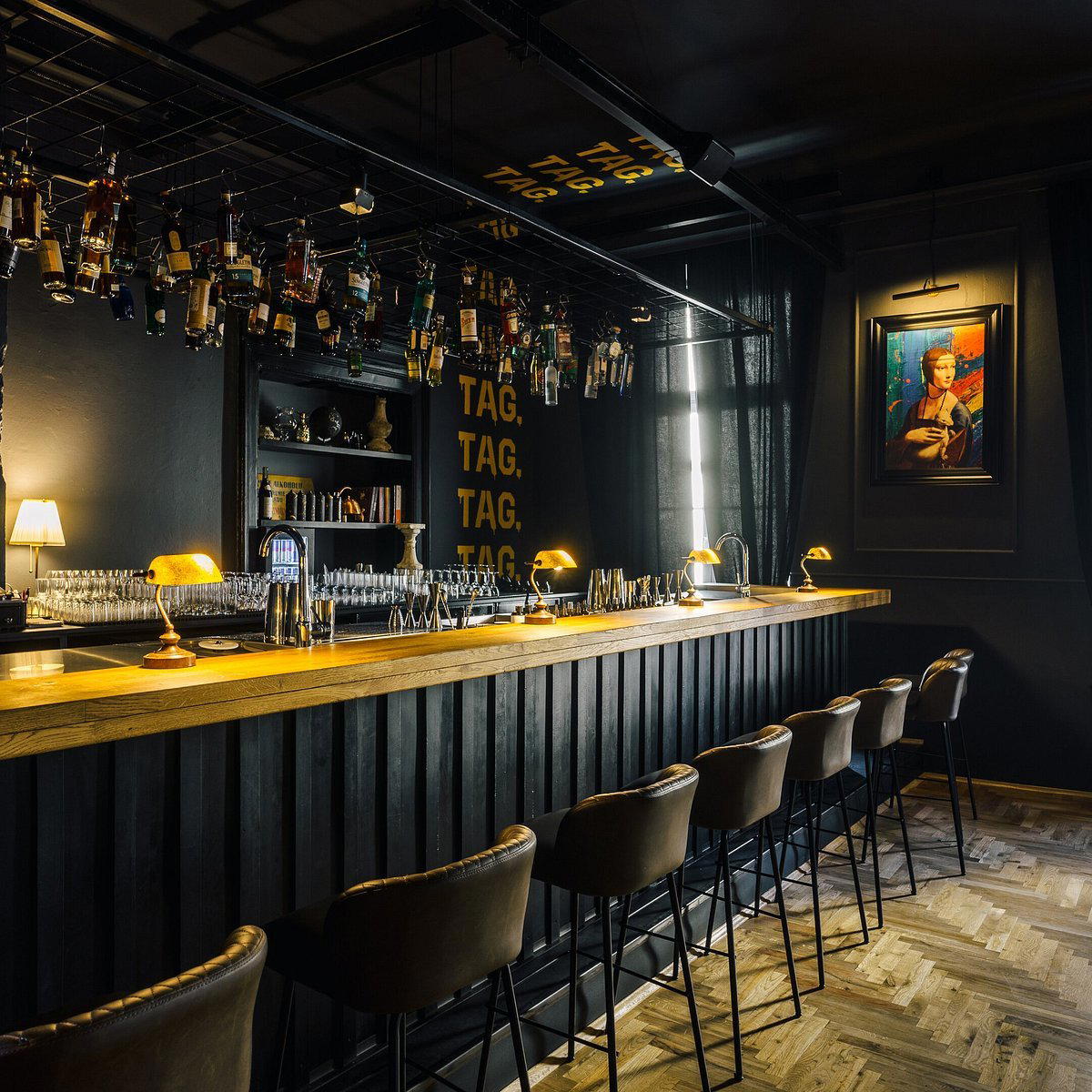
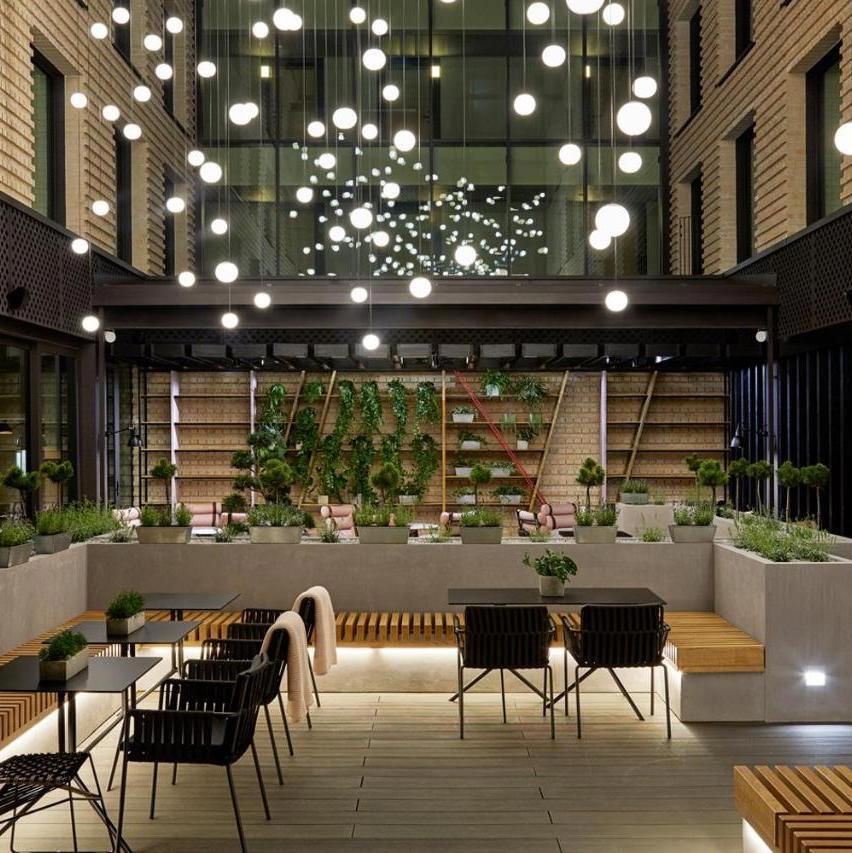
Minimalist and charming with mineral style, wooden panelling using shou sugi ban technique, and artwork by Polish artist Tomasz Opaliński, creating a modern yet elegant atmosphere.