
Falstaff Winery - Listed
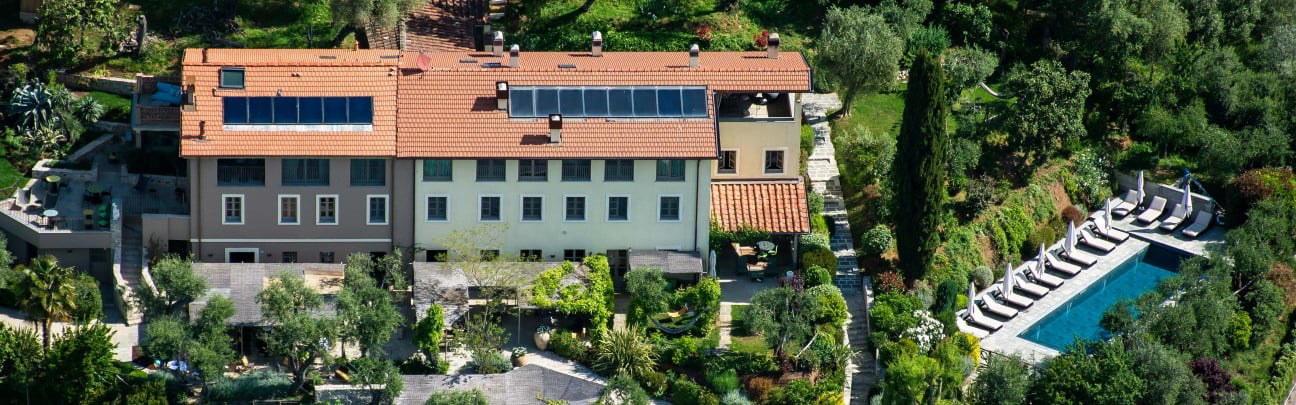
Fattoria Colleverde gives Capannori a wine-resort reading of the Lucca hills: biodynamic vineyards, organic red and white wines, estate olive oil and a small hospitality format built around four apartments. The point is not polish for its own sake, but the Tuscan agrarian model, where cellar, olive press, terraces and historic farm buildings belong to the same conversation.

Pearl is the En Primeur Club membership app — saves, bookings, and concierge access live there. Same editors, same standards.
- Address
- Capannori, Tuscany, Italien
- Directions
- Get directions

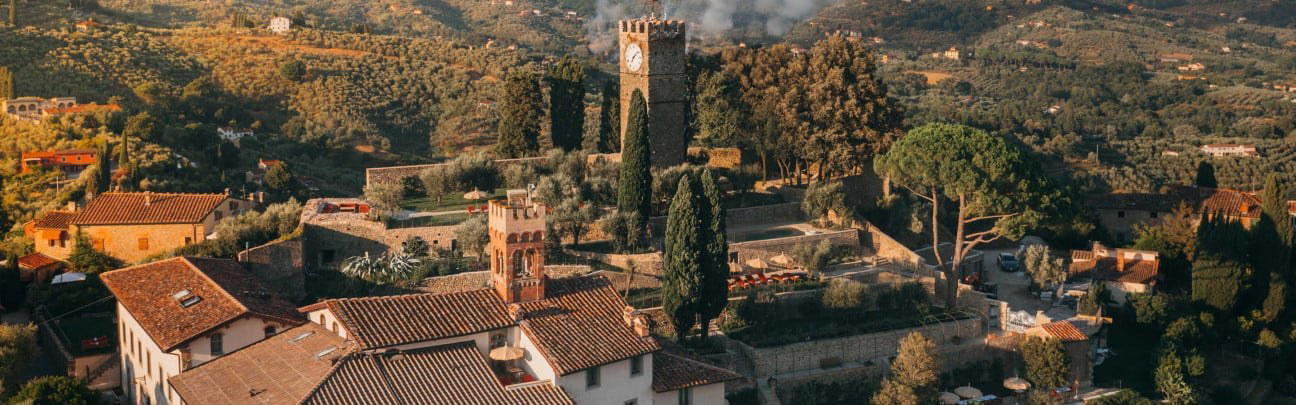
Approaching the Lucca hills, the visual language shifts from city stone to agricultural rhythm: vines, olive groves, old farm walls and terraces facing the countryside. Fattoria Colleverde belongs to that slower register of Tuscan hospitality, where the wine visit stays tied to the land that produced it. In Capannori, this matters. The area sits outside Tuscany’s heavier wine traffic, and its appeal is less trophy tasting rooms than seeing how a working estate folds wine, olive oil and lodging into one rural system.
For broader trip planning, EP Club’s city coverage is useful context: Our full Capannori wineries guide maps the local wine scene, while Our full Capannori restaurants guide, Our full Capannori hotels guide, Our full Capannori bars guide and Our full Capannori experiences guide place the estate within a wider stay rather than an isolated stop.
Lucca hill terroir, read through biodynamic farming
The defining argument here is terroir expression through a mixed Tuscan farm, not wine as detached luxury. Colline Lucchesi has a different mood from grander Tuscan appellations: smaller scale, proximity to Lucca, and a landscape where olive trees and vines often share the frame. Fattoria Colleverde’s biodynamic and organic sourcing places it within sustainability-led contemporary Italian wine, but the more interesting point is how old and new agricultural ideas overlap. Biodynamics treats the vineyard as a living system; Tuscan mezzadria-era farm culture also understood the estate as an interdependent unit of fields, animals, trees, cellar and table.
The estate works with still red and still white wines and keeps olive oil in the same hospitality vocabulary. That dual focus is not decorative. In this part of Tuscany, olive oil is not a souvenir; it is a parallel expression of soil, exposure and farming discipline. A tasting that includes the cellar, vineyards and olive-oil production gives a fuller reading of place than a flight alone. For travelers used to winery visits built around branding and bottle hierarchy, this is a quieter but more instructive model.
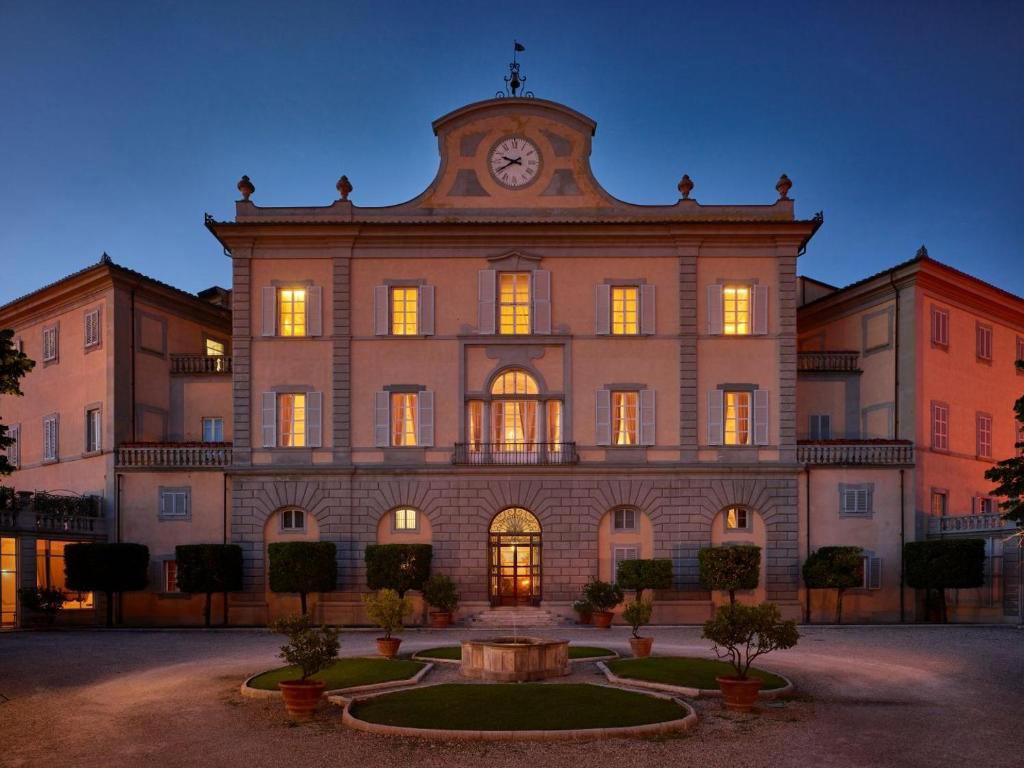
History sharpens the point. The farm traces its origins to the 17th century and is linked to the Guinigi family, once Lucca’s ruling dynasty. That lineage can become brochure ornament, but here it helps explain the built environment: converted farm buildings, antique furnishings and agricultural infrastructure that predate modern wine tourism. The current family-run structure keeps the format small, with four self-catering apartments rather than a large resort footprint.
The tasting format favors context over spectacle
Premium wine tourism now divides between staged cellar theatre and lower-capacity estate formats where value lies in proximity to production. Fattoria Colleverde sits in the second camp. Tasting types include standard tastings, tour-and-tasting visits, food-paired tastings and private group experiences, with a typical tour duration of 60 to 90 minutes. That is enough time to connect vineyard, cellar and olive press without turning the visit into a half-day performance.
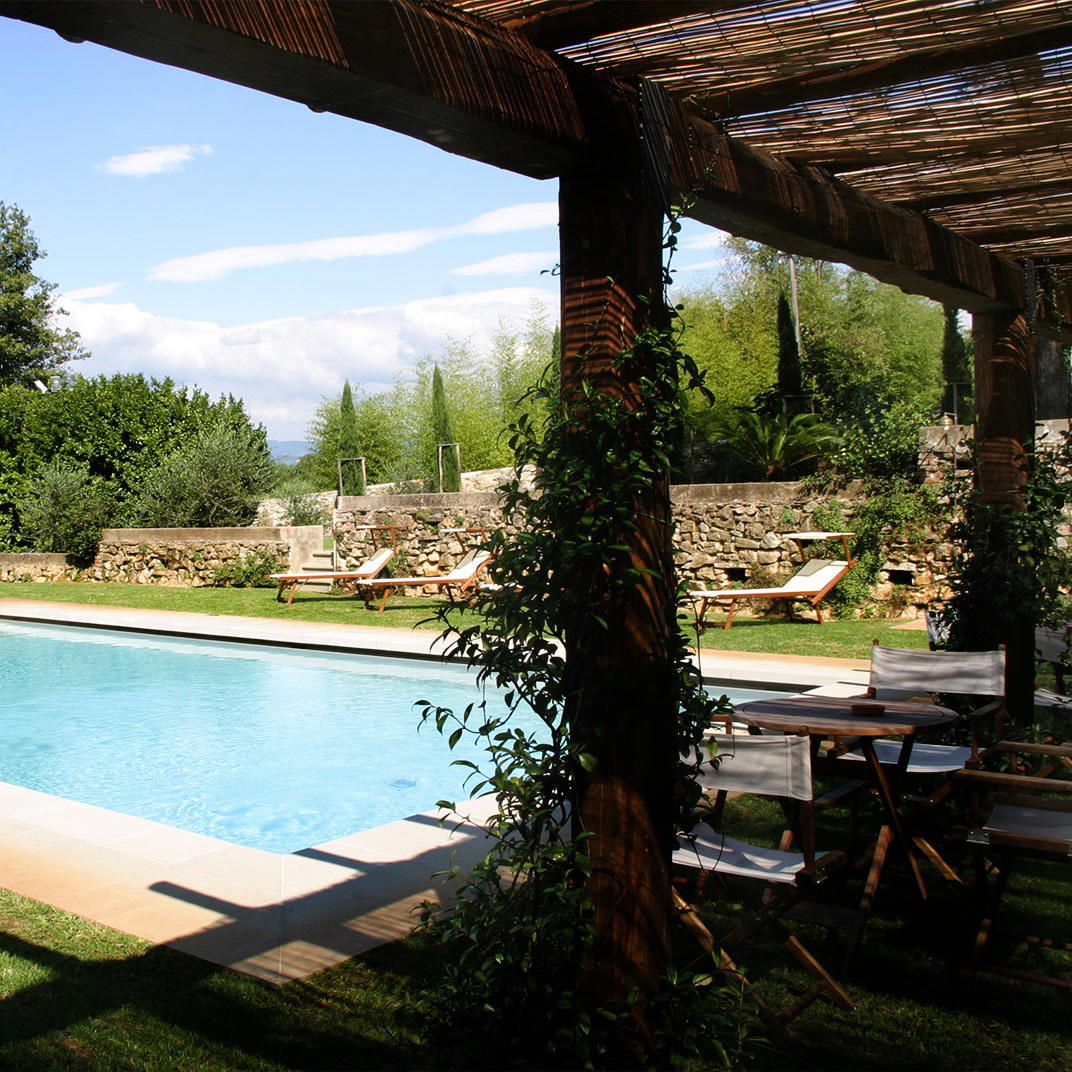
The food component reads correctly for the region. Wine paired with cured meats, cheeses, a light lunch or a cooking-class format reflects how Tuscan drinking traditionally works: wine as part of the table, not a standalone object for technical analysis. The setting is quiet, rustic and terrace-oriented, with vineyard, garden and mountain views among the visual anchors. Outdoor seating and small capacity suit travelers seeking conversation and agricultural context more than a high-energy tasting room.
There is a hospitality decision to make. A day visit gives the production story: organic and biodynamic farming, estate olive oil, cellar work and the rural setting above Lucca. Staying in one of the four apartments changes the register. The estate becomes a base for reading the area through morning light, cooking, swimming-pool downtime and the cadence of a working farm. That differs from a conventional hotel and suits travelers who want the wine estate to shape the stay, not sit as one scheduled activity.
How to place it within an Italian wine itinerary
Capannori is not where travelers go for Tuscany’s loudest labels; that is why the area rewards a slower itinerary. Fattoria Colleverde is strongest for visitors interested in land use, organic farming and the connection between wine and olive oil. It is less compelling for anyone measuring a visit by famous vintages, critic scores or a formal luxury-service script. The estate’s price level is moderate, and the dress code casual, supporting the agricultural rather than ceremonial tone.
The booking posture is sensible rather than theatrical: visits are by reservation, and advance planning matters because the format is small and group-friendly rather than built for high turnover. On-site parking, accessible parking and wheelchair-accessibility tags make logistics easier than at many rural Tuscan addresses, while the quiet setting and child-friendly policy widen the audience beyond couples. Dogs are not listed, so this is not the stop to improvise with a pet in tow.
For readers comparing Italian wine routes beyond Tuscany, the useful contrast is not named rivals in Capannori, but regional formats. Veneto producers such as 3GP SRL in Treviso and 47 Anno Domini in Trebaseleghe sit in a different northern Italian context, while southern and island addresses such as A Mano Wine in Noci, a6mani in Fragagnano and Abbazia Santa Anastasia in Castelbuono show how varied Italian estate hospitality becomes once climate, grape culture and food traditions shift.
Within Tuscany and nearby Italian wine travel, monastic and historic-estate models add another layer: Abbadia Ardenga in Torrenieri, Abbazia di Crapolla in Neapel and Abbazia Monte Oliveto in Asciano all show how Italian wine culture often carries architecture and religious or aristocratic history alongside agriculture. Further afield, »der Steiner« Hans Steiner in Podersdorf am See and & Handwein in Mannheim underline the broader European split between cellar-door culture and destination hospitality. Fattoria Colleverde’s lane is clear: biodynamic Tuscan farm resort, small in scale, strongest when read through soil, olives, vines and time spent on the estate.
Recognition history
Dated appearances from independent guides and award organizations, with the underlying list record or original source where available.
Falstaff Winery - Listed
Falstaff
Continue exploring
More in Capannori
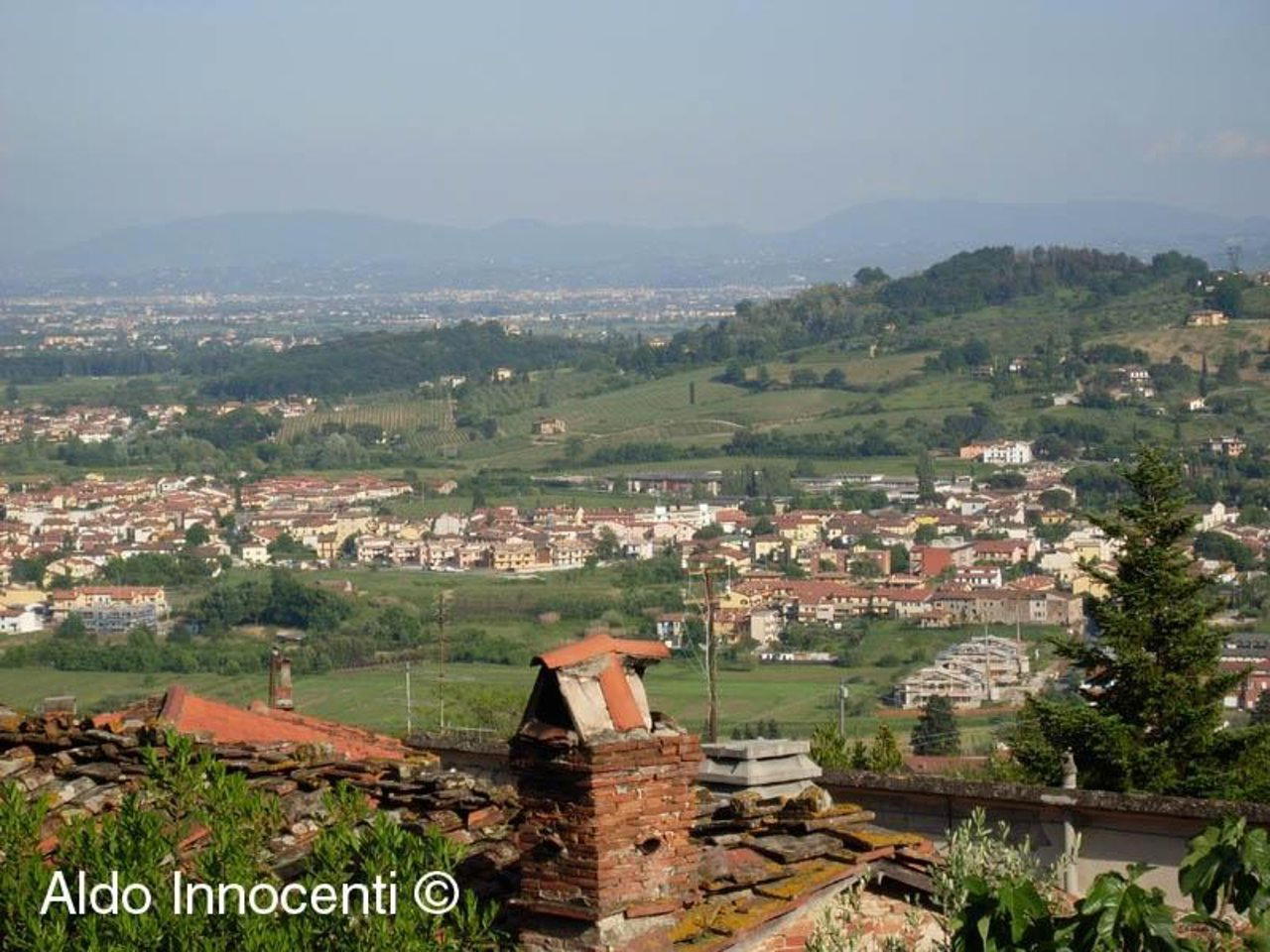
Wineries in Capannori
Browse all →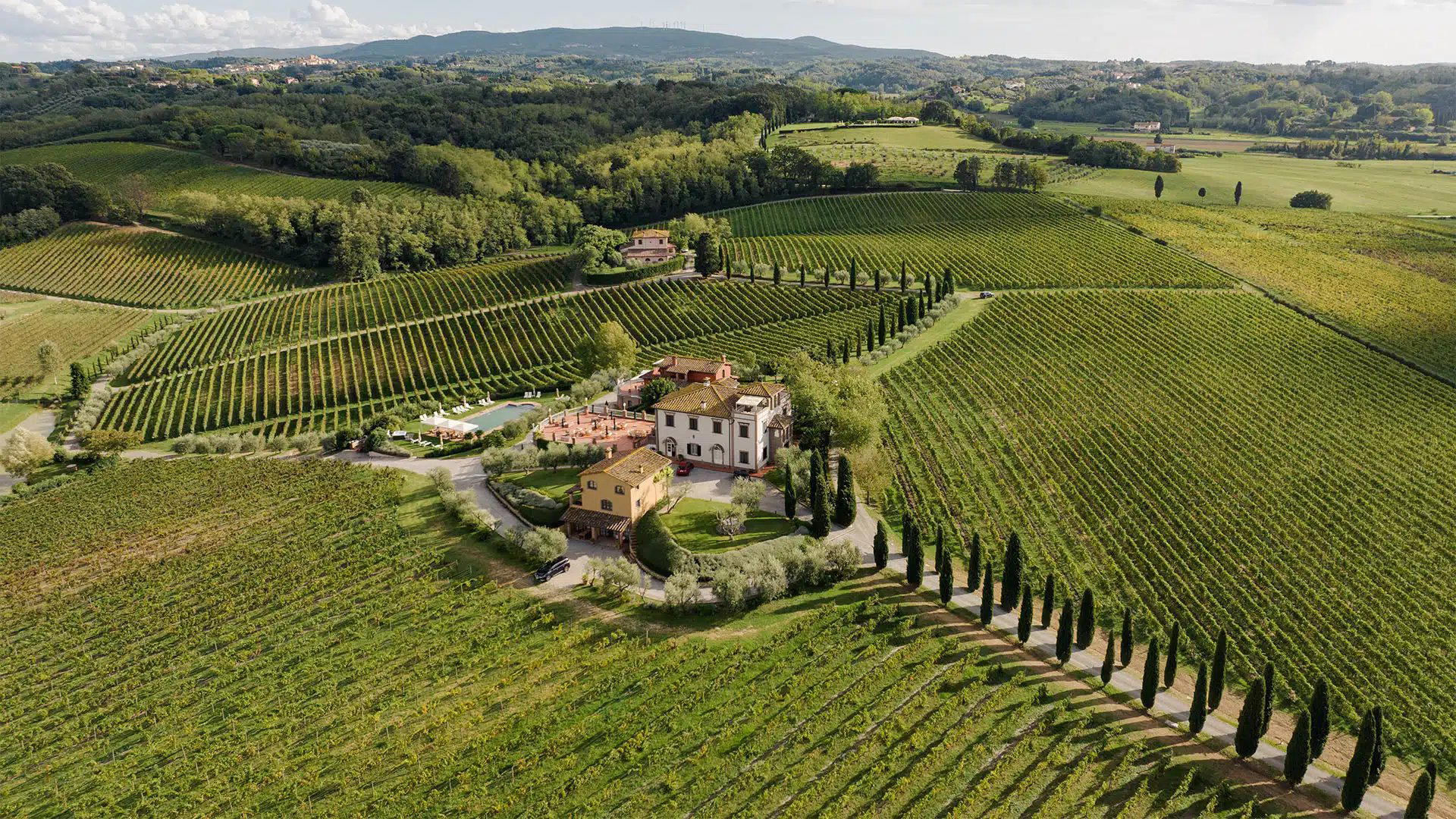
Bars in Capannori
Browse all →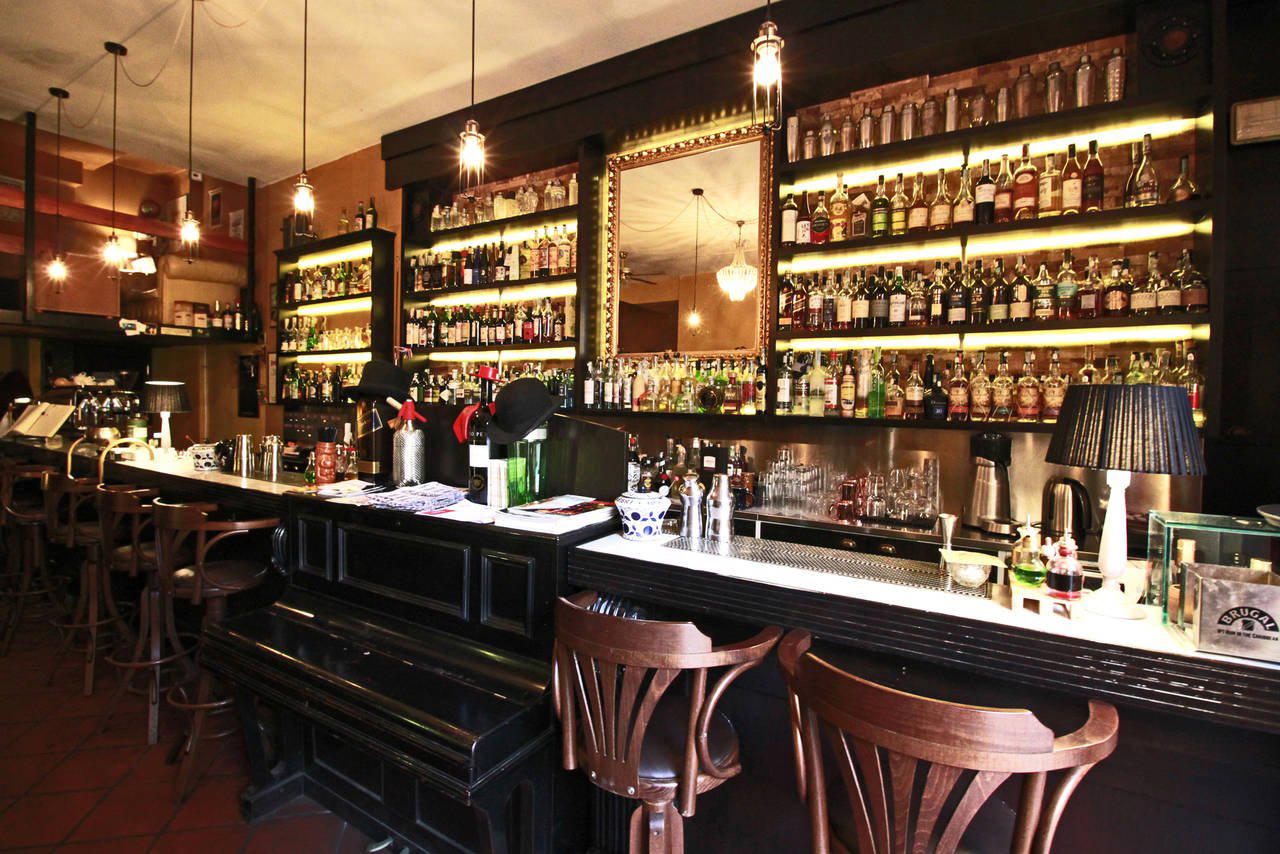
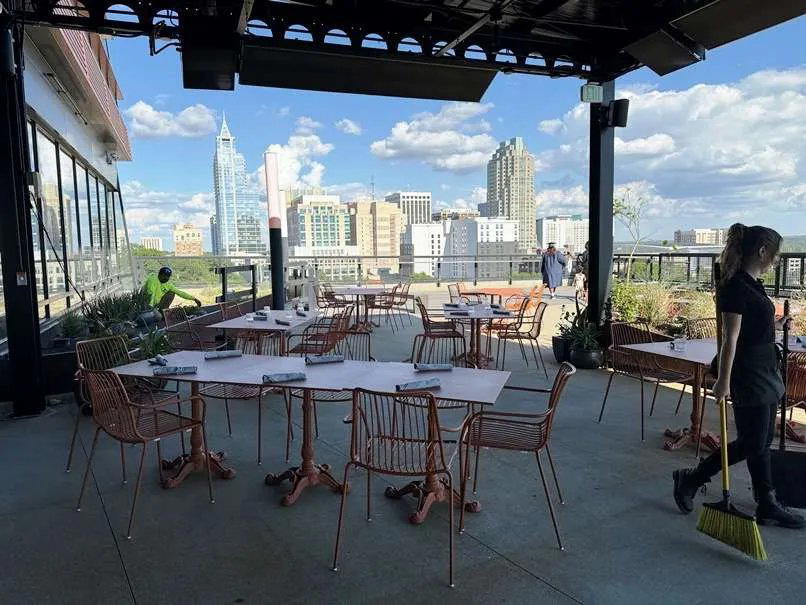
Restaurants in Capannori
Browse all →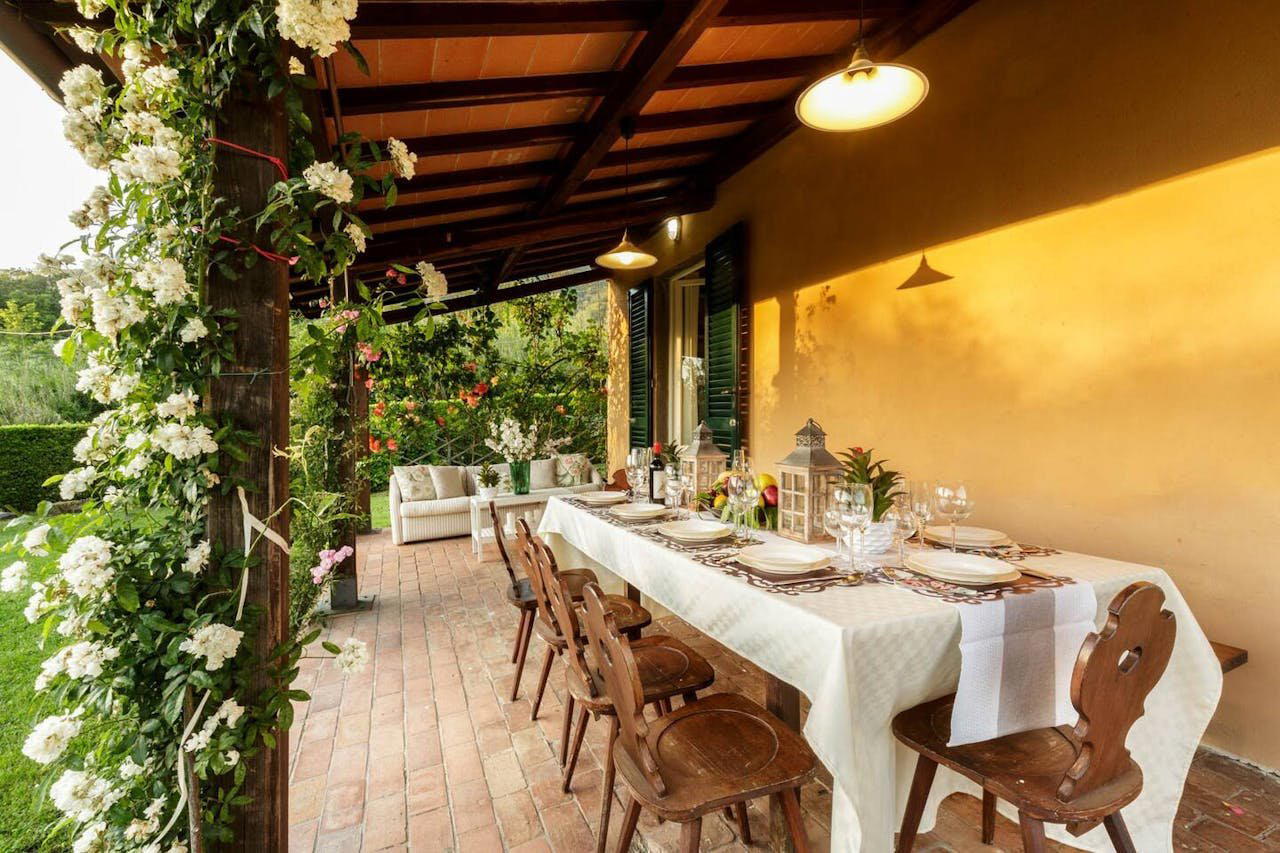
Details
- Scenic
- Rustic
- Romantic
- Cozy
- Classic
- Romantic Getaway
- Group Outing
- Family
- Wine Education
- Special Occasion
- Vineyard Tour
- Estate Grounds
- Terrace
- Panoramic View
- Historic Building
- Private Tasting
- Organic
- Biodynamic
- Vineyard
- Garden
- Mountain
- Still Red
- Still White
- Standard Tasting
- Tour + Tasting
- Food Paired Tasting
- Private Group Experience
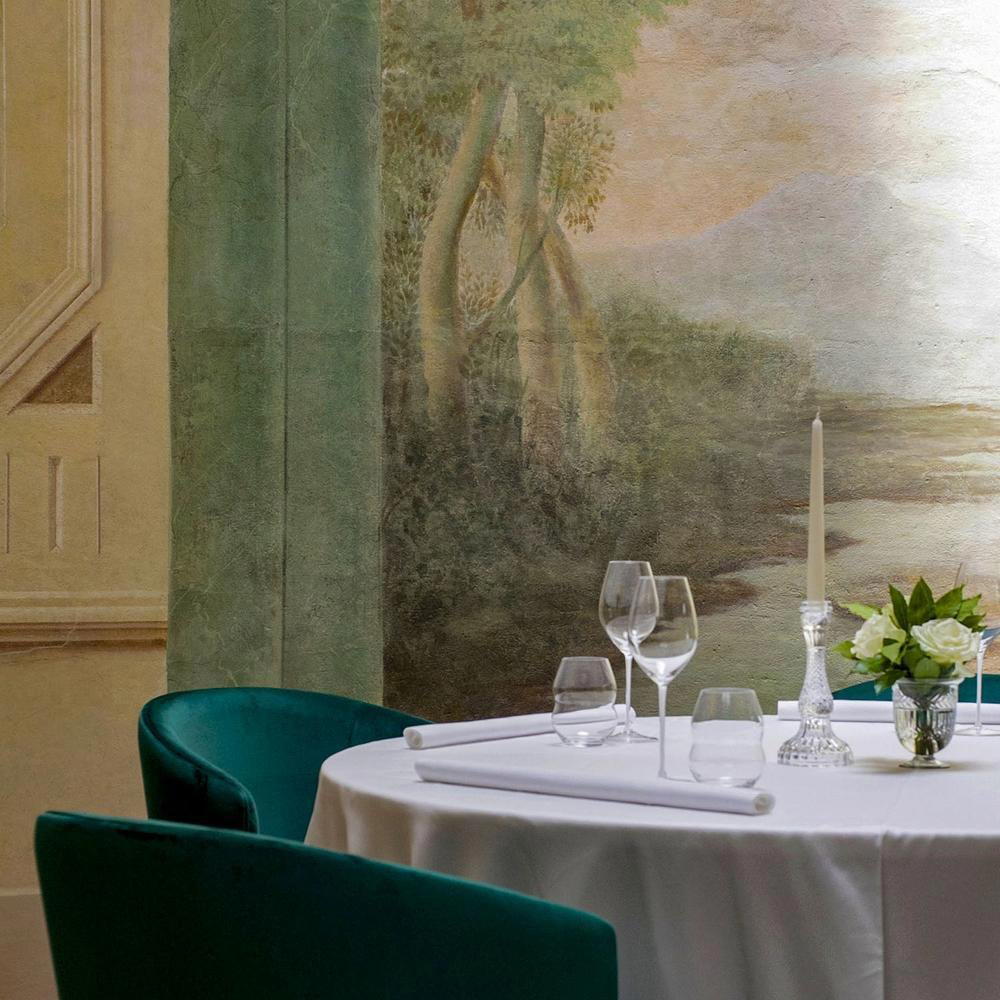
Family-run biodynamic wine resort in historic farm buildings with antique furnishings, offering a warm, relaxed and rustic Tuscan atmosphere with panoramic countryside views.