Fattoria Kappa

Falstaff Winery - 3 Stars
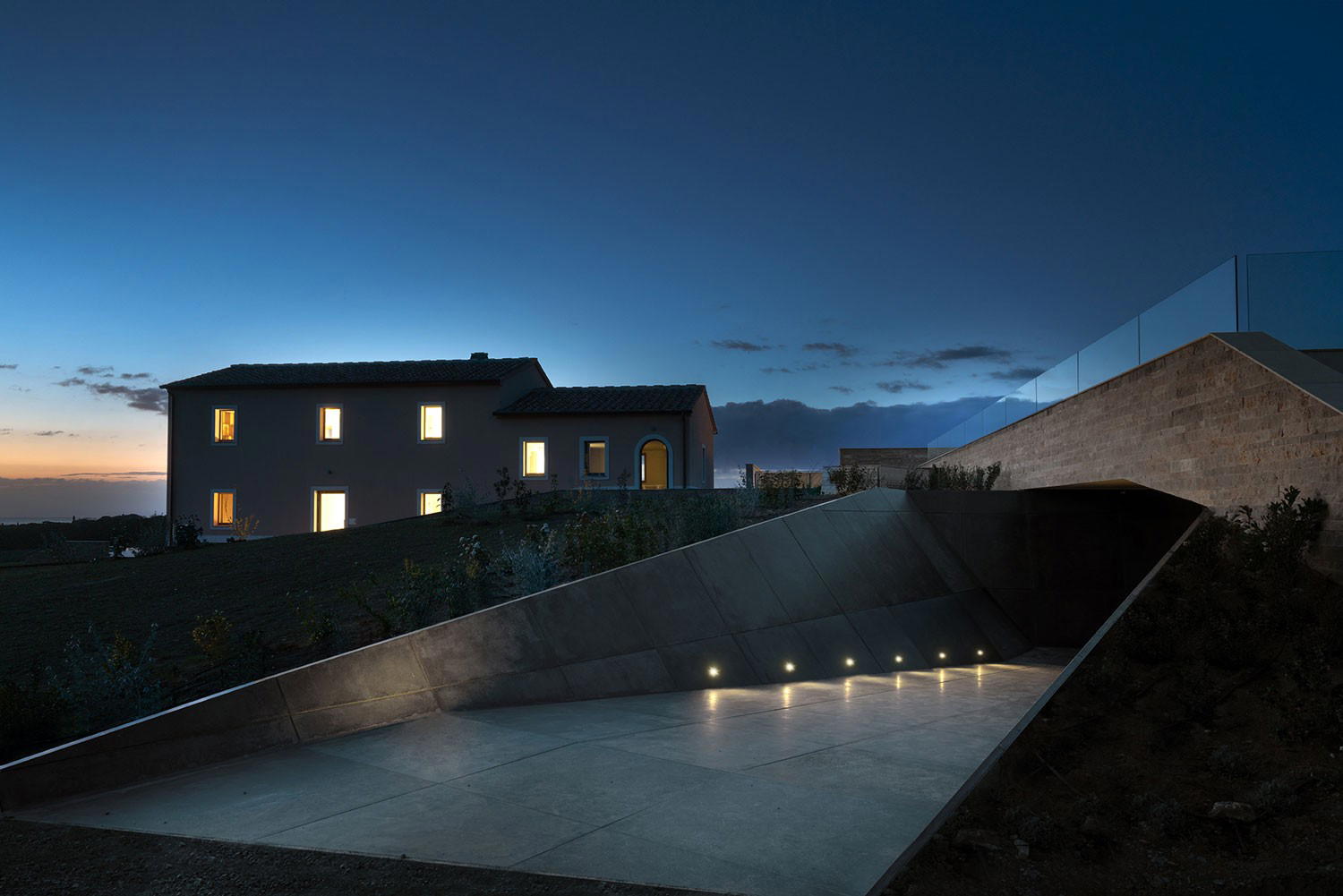
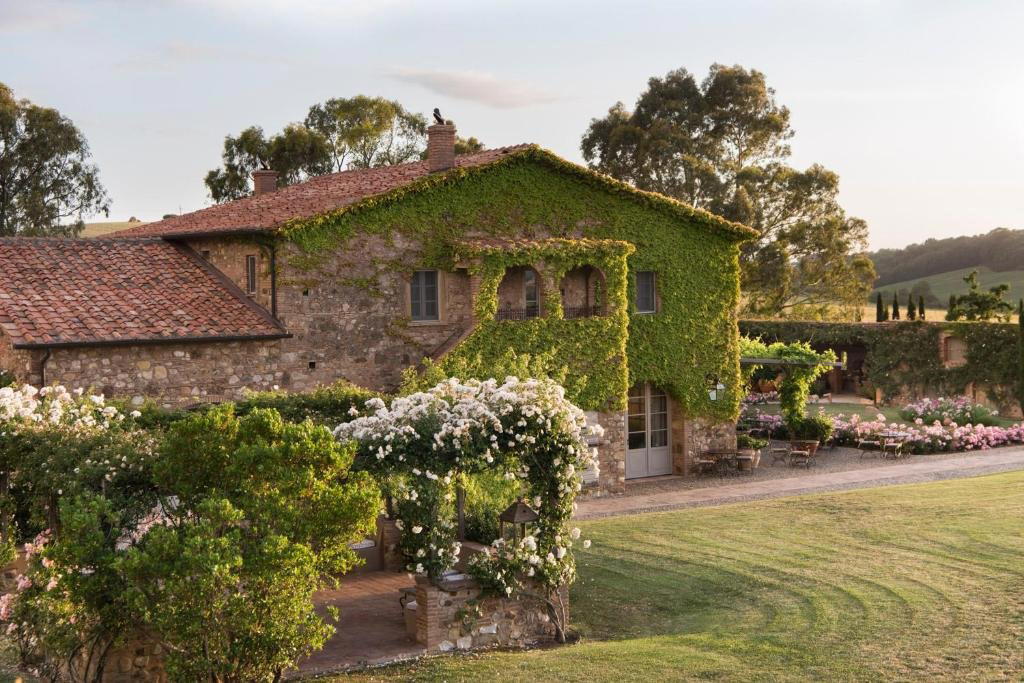
Fattoria Kappa is a small biodynamic estate in Castellina Marittima, positioned between Bolgheri’s Cabernet-led gravity and the wilder Maremma coast. Its interest lies in sea-facing vineyards, fossil-rich soils, and a Toscana IGT portfolio built around Bordeaux varieties, Syrah, and a limited Cabernet Franc cru that has drawn strong Falstaff and Wine Advocate scores.

Pearl is the En Primeur Club membership app, where members save venues, book tables and use the concierge.

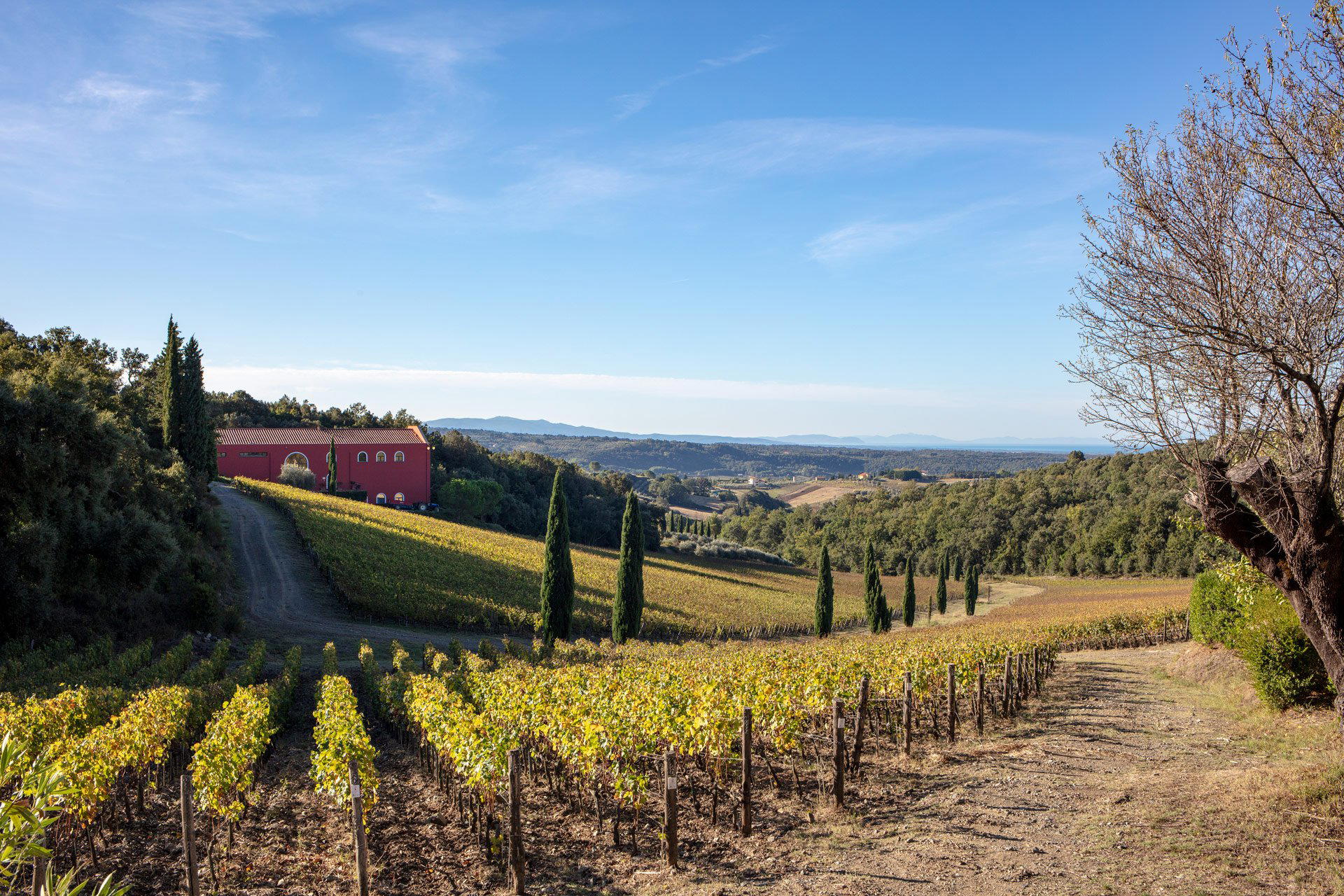
Approaching the wine country around Castellina Marittima, the tone changes from postcard Tuscany to something more maritime and exposed. The vineyards here look toward the Tyrrhenian Sea rather than inward to cypress-lined hill towns, and that shift matters in the glass. Salt air, large day-night temperature swings, and fossil-bearing soils give this strip between Bolgheri and Maremma a different register from inland Tuscany: darker-fruited, structured, but with a coastal tension that keeps the better wines from feeling heavy.
Fattoria Kappa belongs to that borderland category. It works 14 hectares of sea-facing vineyards on soils described as rich in minerals, iron ore, shell limestone, and alluvial sand, a geological profile that explains why Cabernet varieties have become so persuasive along this coast. The estate sits outside the Bolgheri DOC boundary, so the wines carry Toscana IGT rather than a more famous appellation name. For serious drinkers, that bureaucratic line is less interesting than the material beneath the vines.
Coastal Toscana IGT, read through soil rather than status
Bolgheri trained the luxury market to understand Tuscan Cabernet, but the surrounding zones tell a more varied story. In the Bolgheri-Maremma borderlands, producers can work with similar maritime influence while avoiding some of the stylistic pressure that comes with a famous DOC label. Fattoria Kappa’s position in Castellina Marittima makes sense inside that broader pattern: Bordeaux grapes, Syrah, biodynamic farming, and a small-estate scale rather than a volume-led model.
The estate’s main red, Kappa Rosso Toscana IGT 2021, is built from Cabernet Sauvignon, Cabernet Franc, Syrah, Petit Verdot, and Merlot, with 14 months of barrel ageing and annual production around 18,000 bottles. Lambda Rosso Toscana IGT 2023 works in a related register, using Cabernet Sauvignon, Cabernet Franc, Merlot, and Petit Verdot, with 12 months in 500-liter tonneaux and steel, bottled without fining or filtration. Those details point to a house style concerned less with rustic Tuscan nostalgia than with coastal structure and measured cellar work.
The more pointed signal is Kappa Essenza, a 100% Cabernet Franc made only in selected years. Cabernet Franc can become leafy or angular when pushed into the wrong site; here, the estate’s argument is that maritime temperature shifts and mineral soils allow the grape to ripen without losing definition. The 2016 vintage received 93 points from Wine Advocate and 95 points from Falstaff, while the 2018 vintage received 95 points from Falstaff. Those scores matter because they place a small Castellina Marittima estate into a conversation usually dominated by better-known coastal labels.
Biodynamics here is practical vineyard management, not decoration
Estate’s biodynamic approach is not a soft-focus add-on. Horse work is used in the vineyards to reduce soil compaction, a meaningful choice on alluvial ground where structure and drainage affect vine balance. Chemical soil improvers and genetically modified products are excluded, and the farming language is close to nature rather than technocratic. In this part of Tuscany, where summer heat can build quickly, vineyard management is not an aesthetic preference; it shapes whether Cabernet retains lift or becomes merely dense.
Harvesting is by hand in small crates, followed by selection on a vibrating table. Lambda includes a portion of whole-cluster fermentation, while different ageing vessels separate the estate’s cuvées by intent rather than hierarchy alone. Used tonneaux and steel keep Lambda from being buried in oak, while the flagship Kappa and Essenza spend longer in wood. The through-line is restraint within a region often associated with polished power.
Stephan Klasmann founded the estate in 1999, and Andrea di Maio’s oenological background includes work at Antinori’s Guado al Tasso and Isola e Olena’s Cepparello. Those credentials are useful context, but the more important point is how that experience translates here: international varieties are treated through a Tuscan coastal lens, not as imported prestige markers. The portfolio’s seriousness comes from site, farming, and selection, especially in the decision not to force Essenza into every vintage.
How to place Fattoria Kappa in a Castellina Marittima wine itinerary
Castellina Marittima’s wine appeal is quieter than the name recognition of Bolgheri, which is exactly why it rewards drinkers who care about boundaries, soil, and naming conventions. Fattoria Kappa is strongest as an educational stop for readers tracking how Tuscany’s coast handles Cabernet Franc, Cabernet Sauvignon, Petit Verdot, Merlot, and Syrah outside the headline appellations. It is not the place to look for broad hospitality infrastructure or a casual drop-in tasting circuit; it is better understood as a small producer with a narrow, serious red-wine focus.
For nearby context, Azienda Agricola Poggio agli Scalzi and Castello del Terriccio help frame Castellina Marittima as more than a spillover from better-known Tuscan wine addresses. Readers planning around the town can use our full Castellina Marittima wineries guide, then balance cellar time with our full Castellina Marittima restaurants guide, our full Castellina Marittima hotels guide, our full Castellina Marittima bars guide, and our full Castellina Marittima experiences guide.
For a broader Italian wine map, compare the coastal Tuscan logic here with producers in different regions and climates: 3GP SRL in Treviso, 47 Anno Domini in Trebaseleghe, A Mano Wine in Noci, a6mani in Fragagnano, Abbadia Ardenga in Torrenieri, and Abbazia di Crapolla in Neapel. Cross-border reference points such as »der Steiner« Hans Steiner in Podersdorf am See and & Handwein in Mannheim underline the same lesson: small producers are easiest to understand when their farming choices, climate, and formats are read together, not reduced to a label category.
Recognition history
Dated appearances from independent guides and award organizations, with the underlying list record or original source where available.
Falstaff Winery - 3 Stars
Falstaff
Continue exploring
More in Castellina Marittima
Wineries in Castellina Marittima
All wineries in Castellina Marittima →
Bars in Castellina Marittima
Browse all →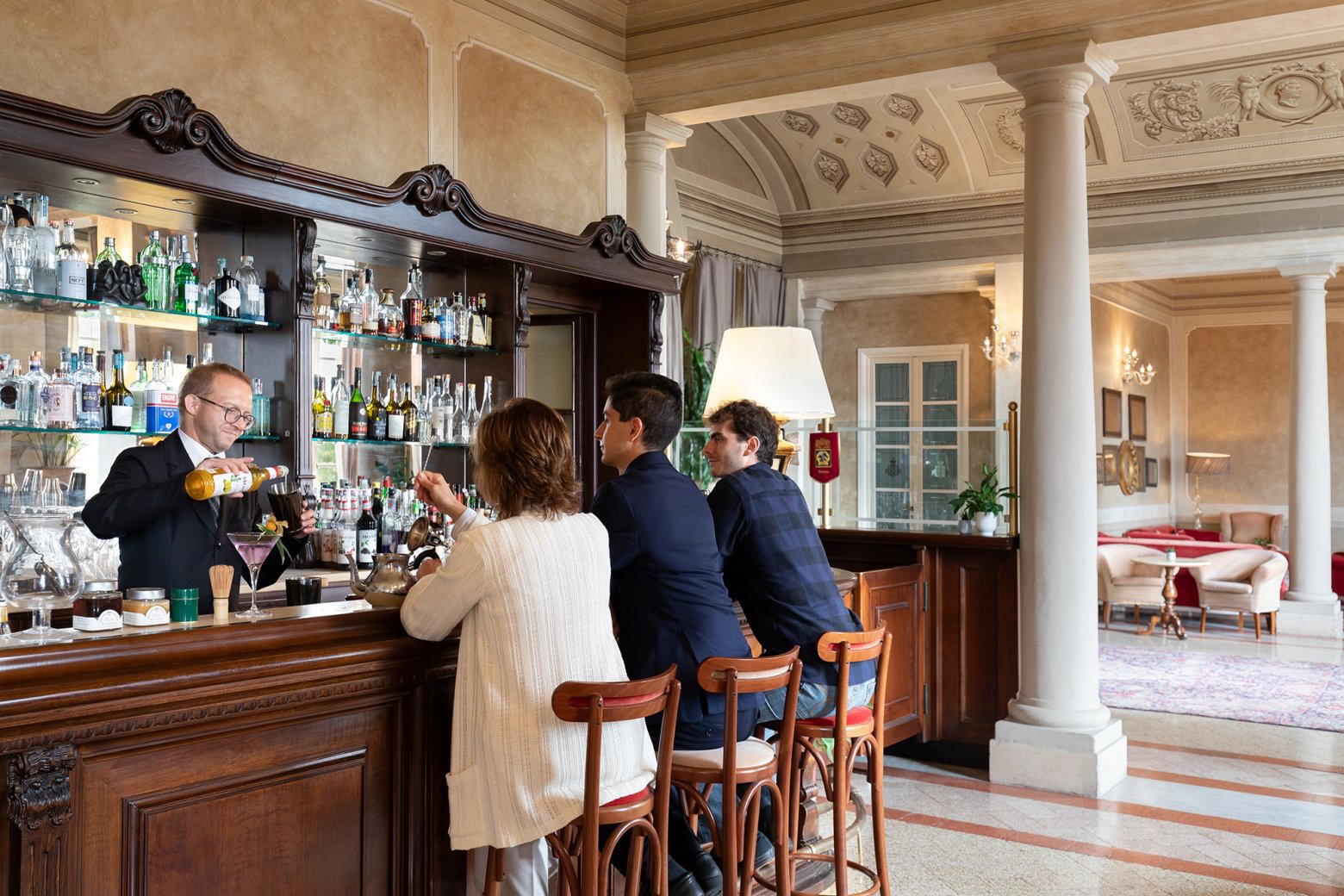
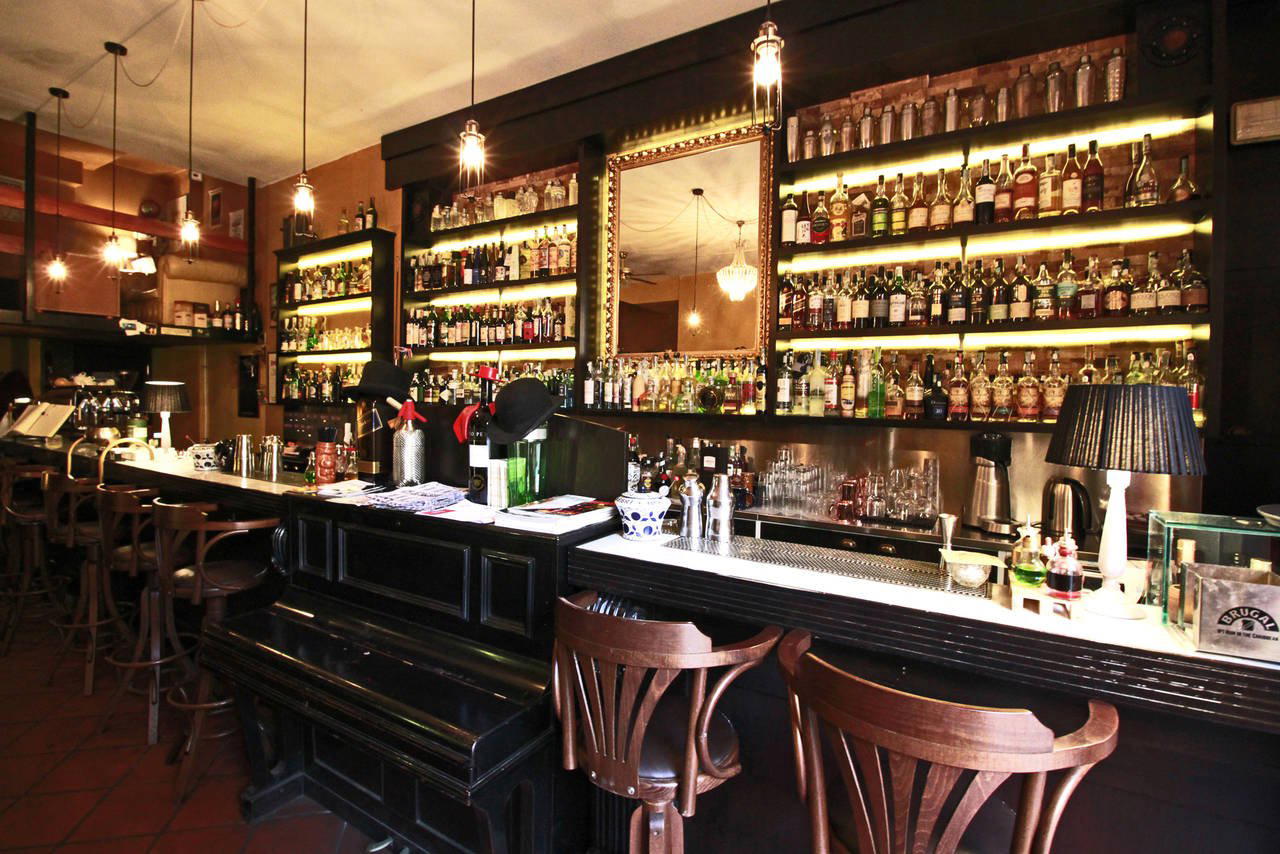
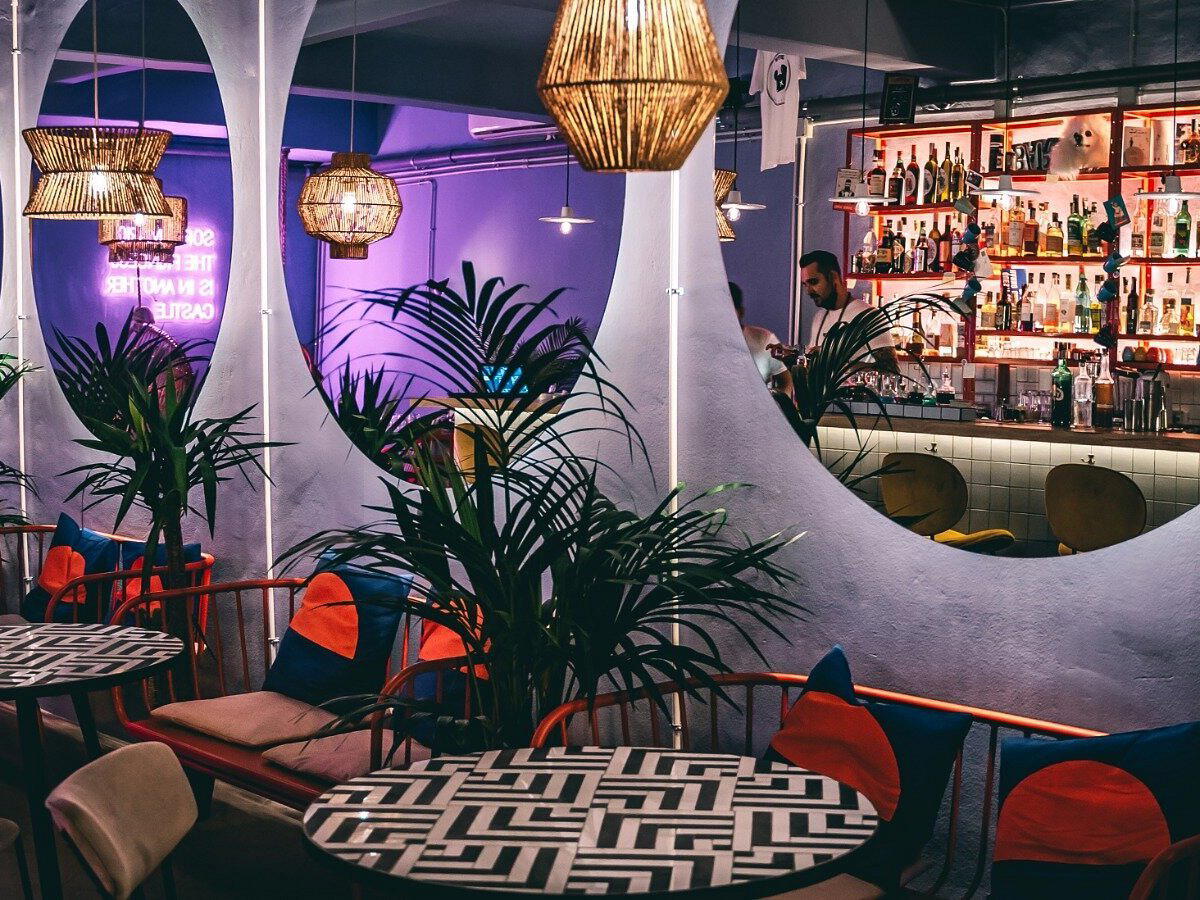
Restaurants in Castellina Marittima
All restaurants in Castellina Marittima →

Details
- Scenic
- Sophisticated
- Intimate
- Wine Education
- Special Occasion
- Solo Exploration
- Vineyard Tour
- Estate Grounds
- Design Destination
- Private Tasting
- Biodynamic
- Vineyard
- Cabernet Sauvignon
- Cabernet Franc
- Merlot
- Petit Verdot
- Syrah
- Still Red
- Private Tasting
- Winery Tasting
Current opening hours
- Monday
- 8 AM–5 PM
- Tuesday
- 8 AM–5 PM
- Wednesday
- 8 AM–5 PM
- Thursday
- 8 AM–5 PM
- Friday
- 8 AM–5 PM
- Saturday
- Closed
- Sunday
- Closed
Hours can change for holidays and private events. Hours as of .
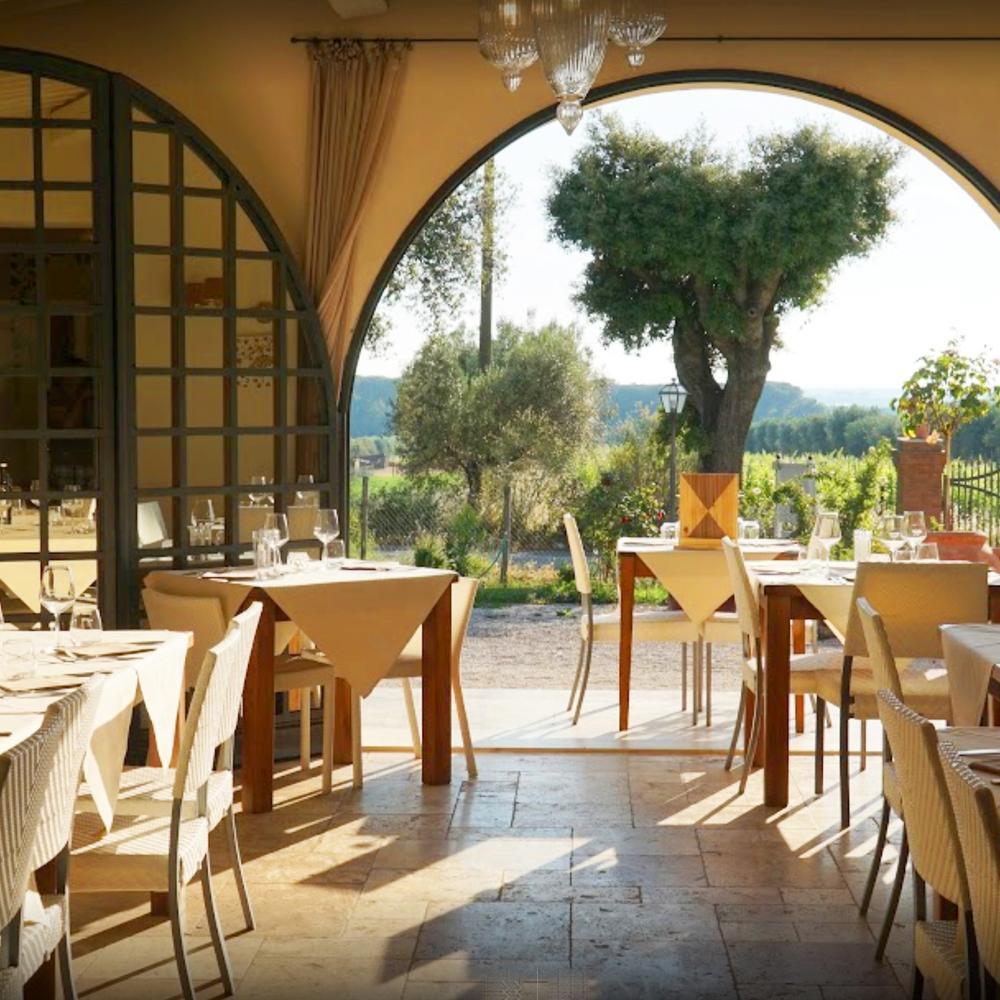
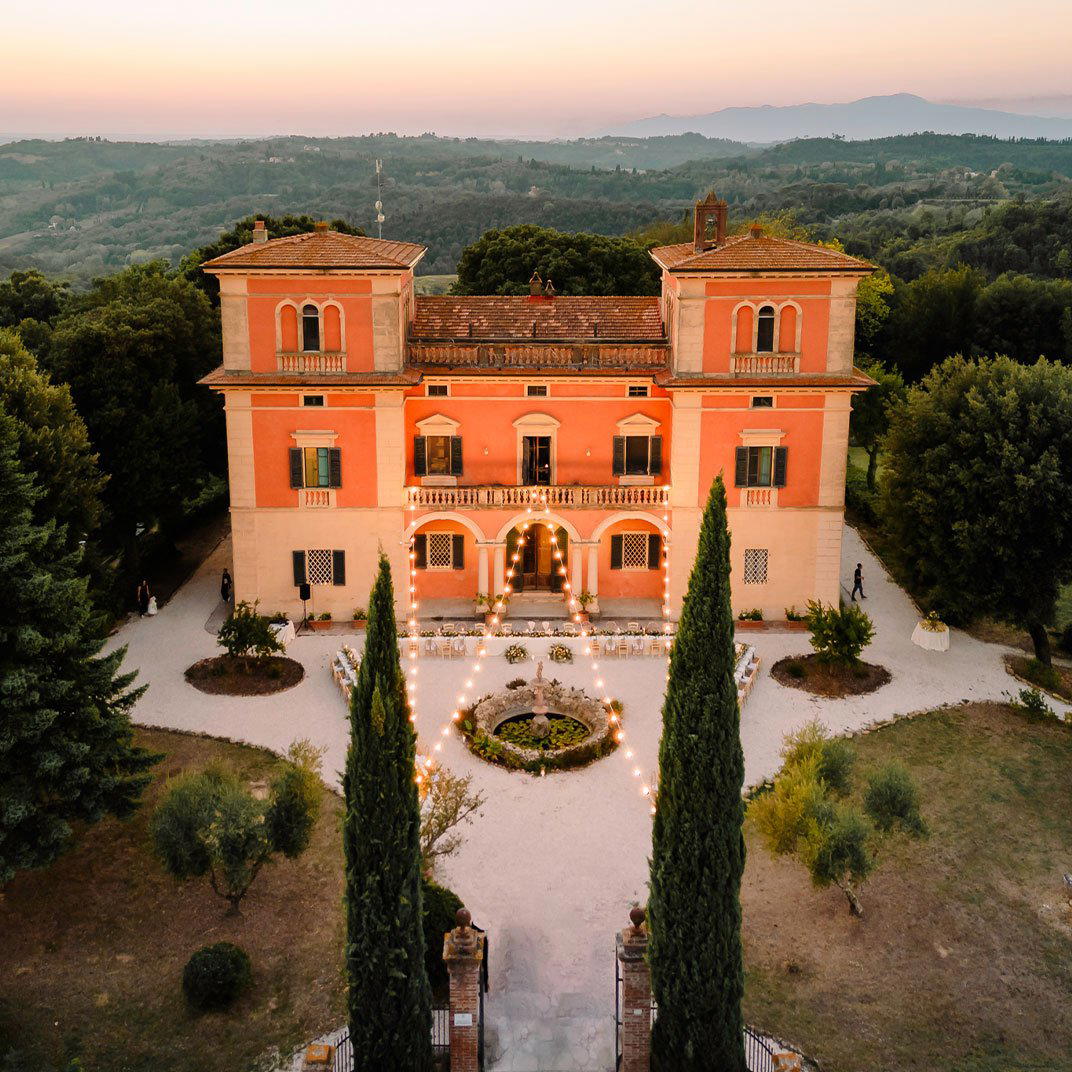
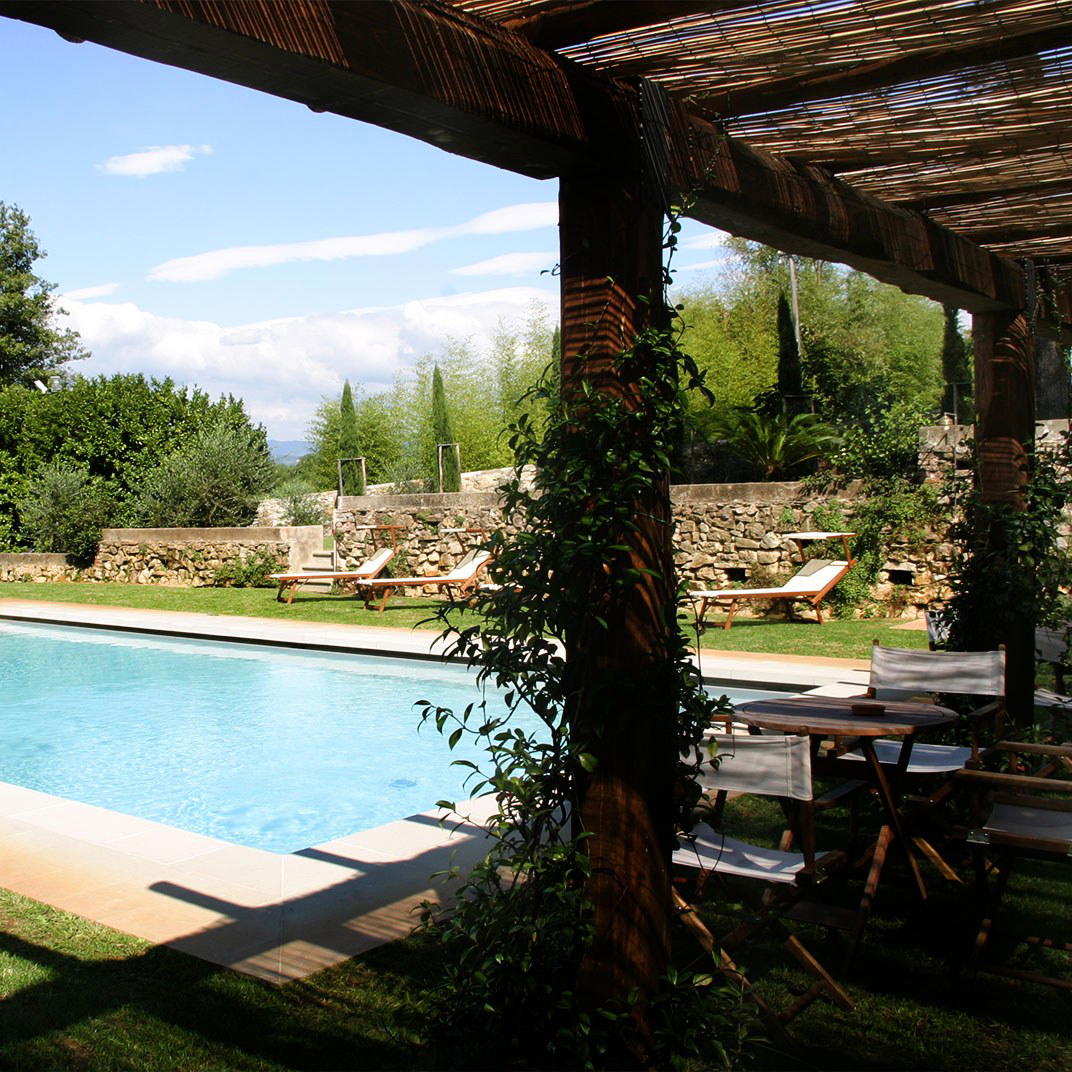
A biodynamic estate in the Bolgheri-Maremma borderlands with sea-facing vineyards, mineral-rich fossil soils, and a small, artisan producer identity.