
Michelin Selected
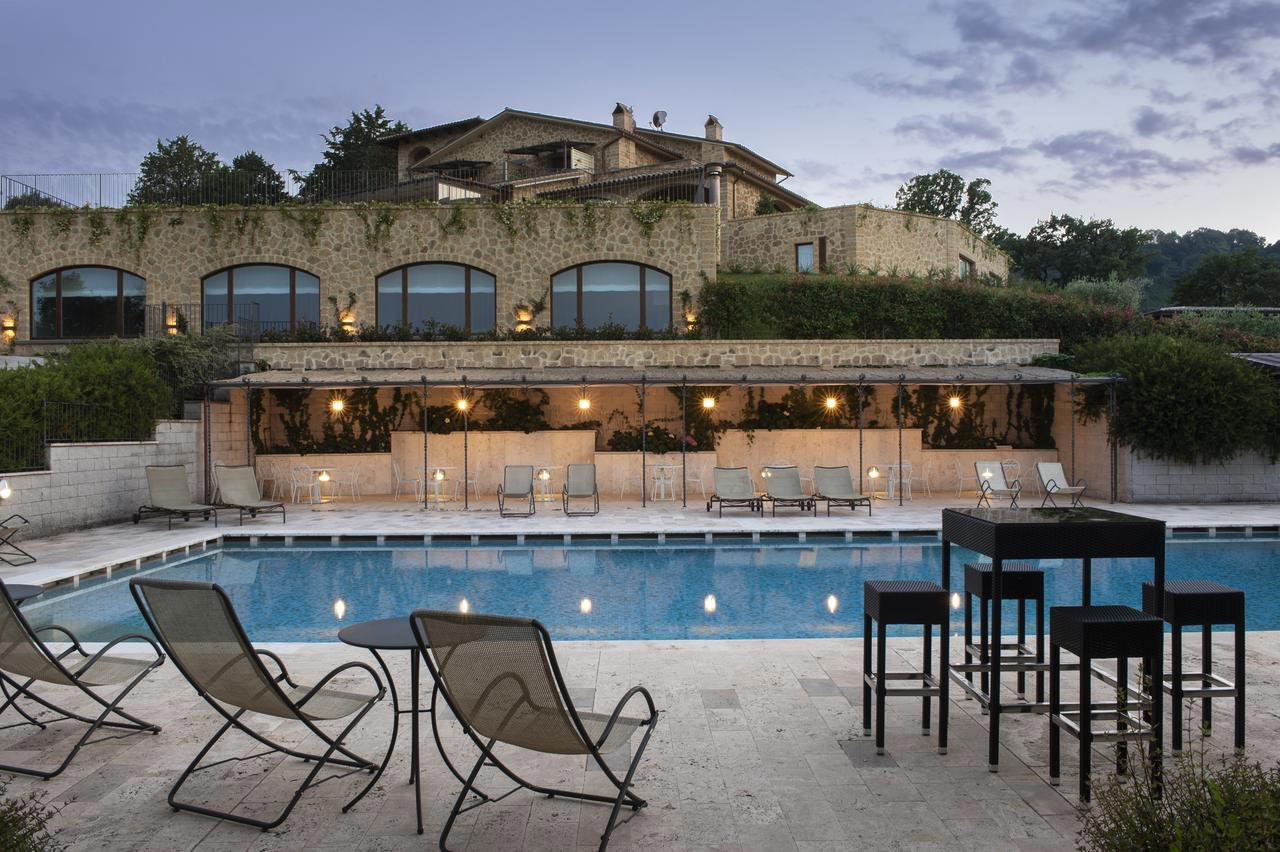
A Michelin Selected estate property in the Umbrian hills above Todi, Tenuta di Canonica occupies a medieval stone complex that reads more as a working agricultural holding than a conventional hotel. The surrounding landscape of olive groves and cypress-lined ridgelines places it squarely in the quieter, rurally anchored tier of central Italian hospitality — a category that prioritises physical setting and architectural integrity over branded amenity stacks.

Pearl is the En Primeur Club membership app — saves, bookings, and concierge access live there. Same editors, same standards.
- Address
- Voc Casalzetta 75, Loc. Canonica, Todi, Italy
- Phone
- +39 075 8947545
- Directions
- Get directions
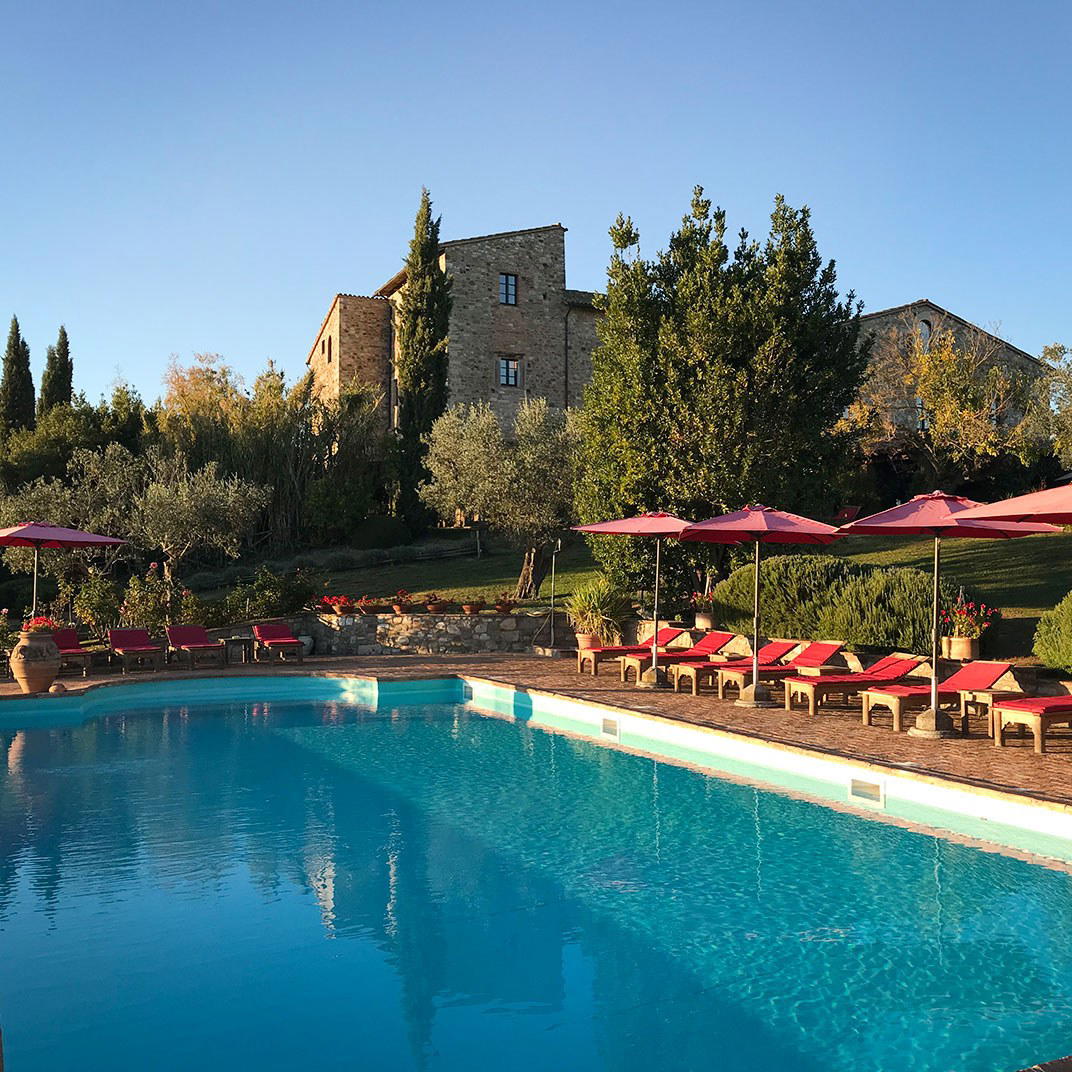
Stone, Silence, and the Umbrian Hill Country
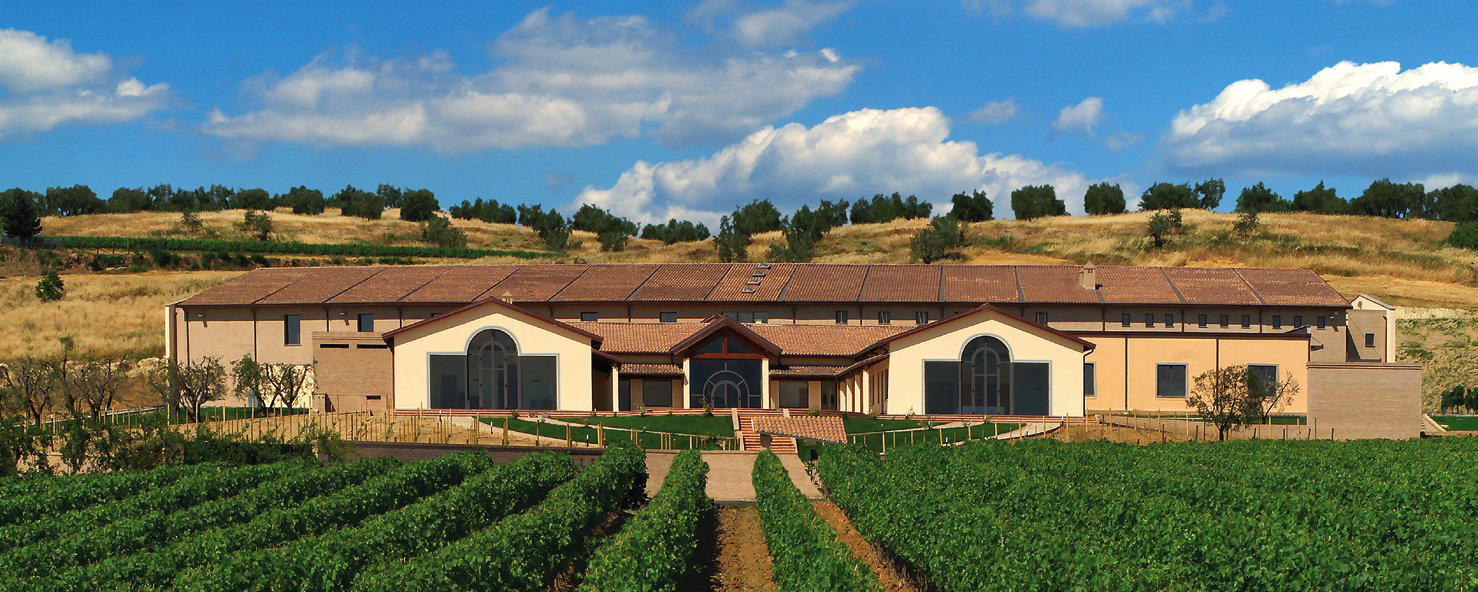
The road to Tenuta di Canonica rises through the kind of countryside that makes central Italy's rural hospitality sector so difficult to replicate elsewhere. Todi itself sits on a dramatic promontory above the Tiber valley, and the estate sits in the folds below the town at Vocabolo Casalzetta, close enough to see the medieval skyline but far enough removed to feel genuinely agricultural rather than periurban. Approaching through olive groves and terraced land, the property reads as a working estate before it reads as a place to stay — which is precisely the register that defines this particular tier of Umbrian accommodation.
This matters as a category distinction. Across central Italy, premium rural stays have diverged into two broad models: the converted borgo with contemporary interiors grafted onto historic shells, and the tenuta format, where the agricultural identity of the property remains structurally legible. Tenuta di Canonica belongs firmly to the latter. The stone buildings carry the proportions and material logic of structures built for function — thick walls, modest apertures, unadorned facades, and that architectural honesty sets the atmosphere before you have unpacked. For comparison, Rosewood Castiglion Del Bosco in Montalcino offers a more curated, high-finish interpretation of the Tuscan wine estate; Tenuta di Canonica operates with less intervention and, arguably, more authenticity as a result.
Architecture as the Primary Experience
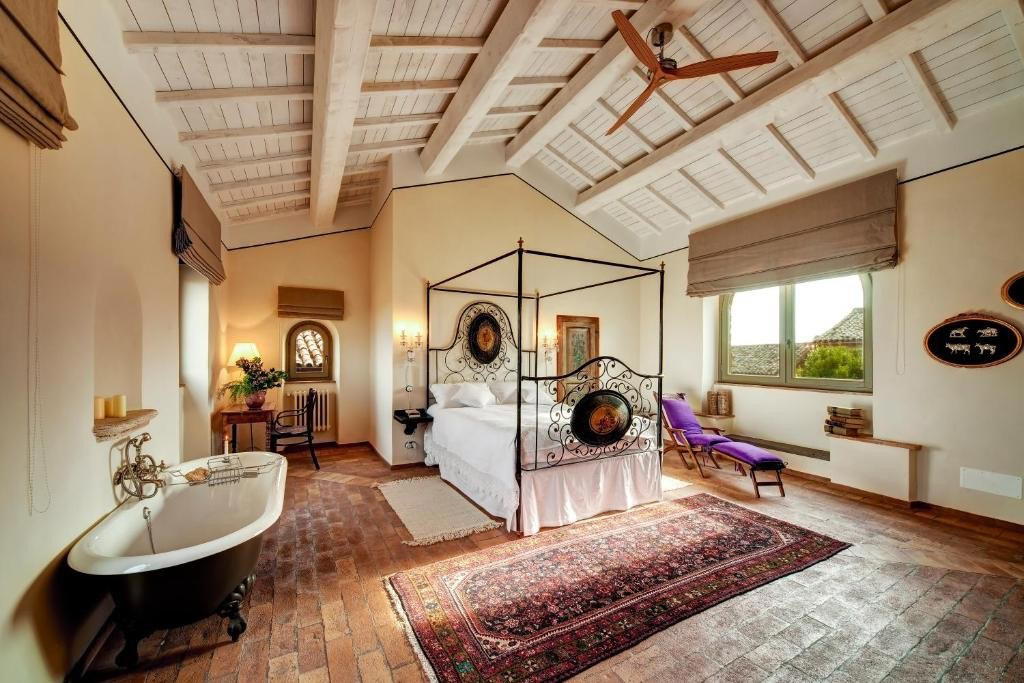
The physical fabric of the estate is the dominant editorial fact here. Medieval stone construction in Umbria follows a logic of mass and permanence: walls built to regulate temperature across seasons, interior volumes proportioned for practical use rather than visual drama. At Tenuta di Canonica, that logic has been preserved rather than overridden, which places it in a distinct peer group from properties where historic shells have been gutted and refitted with air-conditioned neutrality.
The category of Michelin Selected hotel in Italy covers a wide range, from large city addresses like Bulgari Hotel Roma in Rome and Four Seasons Hotel Firenze in Florence to intimate rural estates. Within that selection, the rural tenuta format earns its position on the strength of setting and spatial atmosphere rather than facility density, and Michelin's 2025 acknowledgement of Tenuta di Canonica confirms it competes on those terms. The trust signal here is architectural and environmental: the property earns its place in the guide through what exists, not what has been added.
That same principle shapes how guests experience the space day to day. The outdoor areas, terraces, gardens, and the agricultural land surrounding the buildings, carry as much weight as the interiors. In the warmer months, the interplay between shaded stone structures and open Umbrian light creates a sensory environment that no amount of interior design expenditure could fully replicate. Castello di Reschio in Lisciano Niccone operates in a similar architectural register across the Umbria-Tuscany border, though with a more design-forward renovation approach; the contrast clarifies what Tenuta di Canonica is choosing not to do.
Todi as Context
Understanding Todi helps calibrate expectations for any property in its orbit. The town belongs to a cluster of Umbrian hilltowns, alongside Orvieto, Spoleto, and Gubbio, that draw a particular kind of traveller: one more interested in Romanesque churches, local markets, and the rhythm of provincial Italian life than in organised excursion programming. Todi's Piazza del Popolo, framed by medieval civic buildings, is one of the more coherent medieval squares in a region full of them. See our full Todi restaurants guide for coverage of where to eat in town.
For rural estates in this area, proximity to Todi functions as a practical anchor rather than a marketing proposition. Guests typically treat the estate as a base for self-directed movement through the Tiber valley, with day trips to Orvieto (roughly 40 kilometres southwest) and Spoleto (roughly 40 kilometres southeast) framing the wider itinerary. The address at Vocabolo Casalzetta, Loc. Canonica, sits outside the town's historic centre, which means driving or arranging transfers for evening meals in Todi, a logistical consideration worth factoring into the planning process.
Central Italy's rural accommodation market occupies an interesting position relative to better-known Tuscan addresses. Properties like Il Pellicano in Porto Ercole or Borgo Egnazia in Savelletri di Fasano attract guests partly on destination glamour; Umbrian estates like this one attract guests who have already moved past that register and are looking for something quieter and less socially performative. The Michelin Selected status signals a baseline quality standard without implying resort-scale programming, which is an accurate description of what this category delivers.
Planning Your Stay
Tenuta di Canonica is an estate property in the countryside outside Todi, Umbria, carrying Michelin Selected status in the 2025 guide. The property address, Vocabolo Casalzetta 75, Loc. Canonica, is reached by car, and self-driving from Rome (approximately 130 kilometres north via the E45) or from Florence (approximately 150 kilometres south) is the practical approach for most international guests. Contact and booking details are best confirmed directly through the Michelin guide listing or through specialist Italy accommodation agents, as no public website or phone number is currently listed in EP Club's database. The high season for Umbria runs from May through September, with June and July offering long days and full agricultural colour; the shoulder months of April and October bring fewer visitors and more manageable temperatures for exploring the hill towns on foot.
Guests considering comparable rural properties in different Italian regions might also look at Borgo San Felice Resort in Castelnuovo Berardenga in Chianti, Casa Maria Luigia in Modena in Emilia-Romagna, or Castel Fragsburg in Merano in Alto Adige, each operates within a different agricultural and architectural tradition, which usefully frames what is specific to the Umbrian tenuta model. For those whose Italy itinerary extends to the coast, Borgo Santandrea in Amalfi Coast and Il San Pietro di Positano in Positano occupy entirely different terrain. For lake country, Il Sereno in Torno, Grand Hotel Tremezzo in Tremezzo, and Passalacqua in Moltrasio represent Como's premium tier. In the Veneto, Aman Venice in Venice anchors the design-hotel end of the spectrum. The Umbrian tenuta, by contrast, is a quieter proposition, rooted in place rather than in category ambition, which is exactly what its guests are typically looking for.
At-a-Glance Comparison
Comparable venues nearby, for context on price, style, and recognition.
| Venue | Cuisine | Price | Awards | Notes |
|---|---|---|---|---|
| Tenuta di CanonicaThis venue — the venue you are viewing | Historic country estate with medieval tower and Roman foundations | $200–300 | Michelin Selected | Not listed |
| Ca' Pisani Hotel | Refurbished 14th-century Venetian palace with modern comforts. | Not listed | Michelin Selected | Dorsoduro |
| Elle Dimora di Sicilia | Restored historic palazzo turned stylish boutique B&B | Not listed | Michelin Selected · Mr & Mrs Smith Seal of Approval | Catania City Centre |
| Stazzo Lu Ciaccaru | Traditional Gallura farmhouse restored into a luxury wine resort | $200–300 | Michelin Selected | Arzachena |
| The Street Milano Duomo | Renovated Milanese palazzo a ringhiera with contemporary luxury. | $200–300 | Michelin Selected | Duomo |
| Relais Chiaramonte | Modern boutique agriturismo blending contemporary design with rustic Sicilian farmhouse charm | Not listed | Michelin Selected | Ragusa Ibla |
Recognition history
Dated appearances from independent guides and award organizations, with the underlying list record or original source where available.
Michelin Selected
Michelin
Continue exploring
More in Todi
Hotels in Todi
Browse all →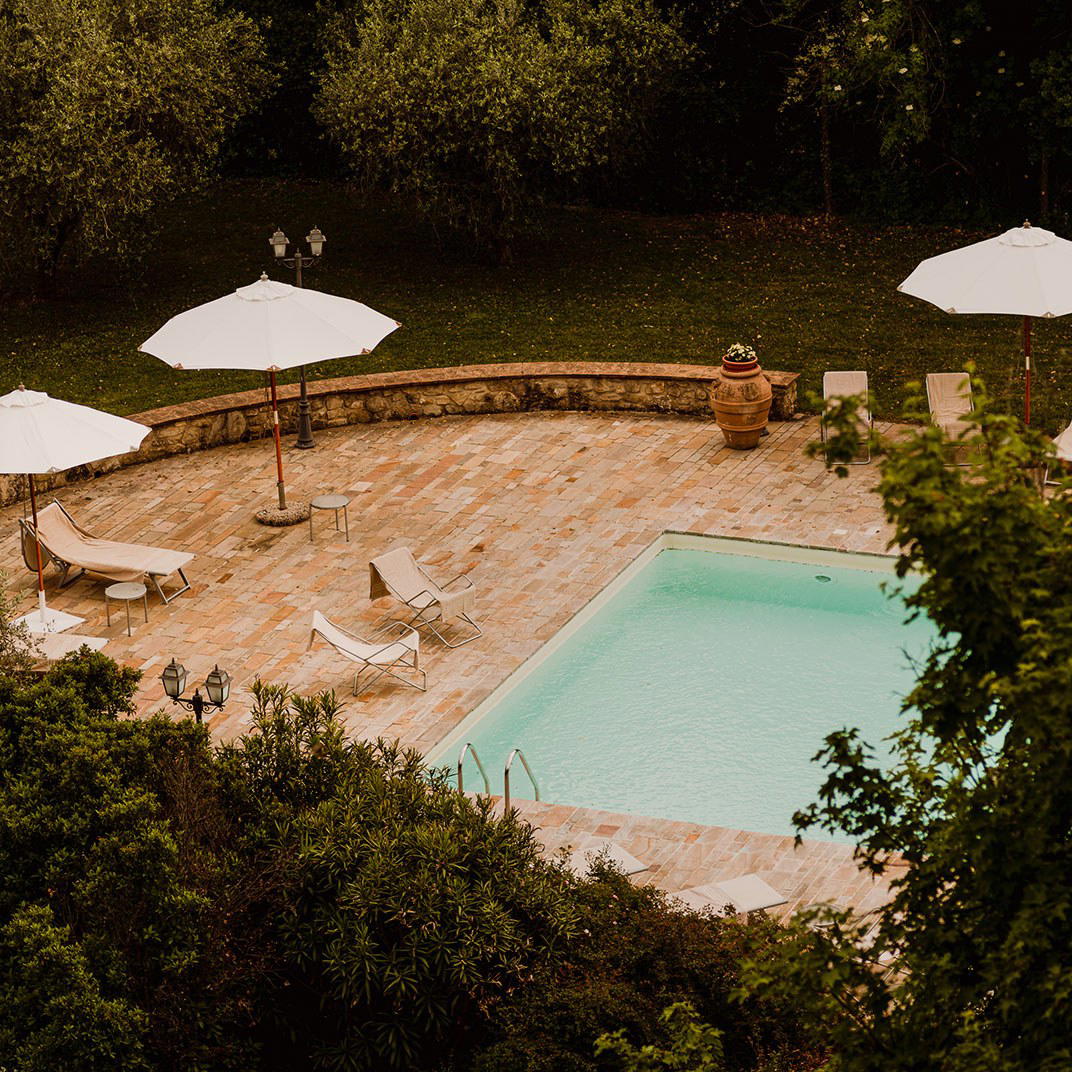
Bars in Todi
Browse all →
Restaurants in Todi
Browse all →

Details
- Romantic
- Elegant
- Rustic
- Scenic
- Intimate
- Romantic Getaway
- Honeymoon
- Anniversary
- Weekend Escape
- Historic Building
- Panoramic View
- Garden
- Terrace
- Pool
- Wi Fi
- Spa
- Massage
- Restaurant
- Concierge
- Garden
- Mountain
- Vineyard
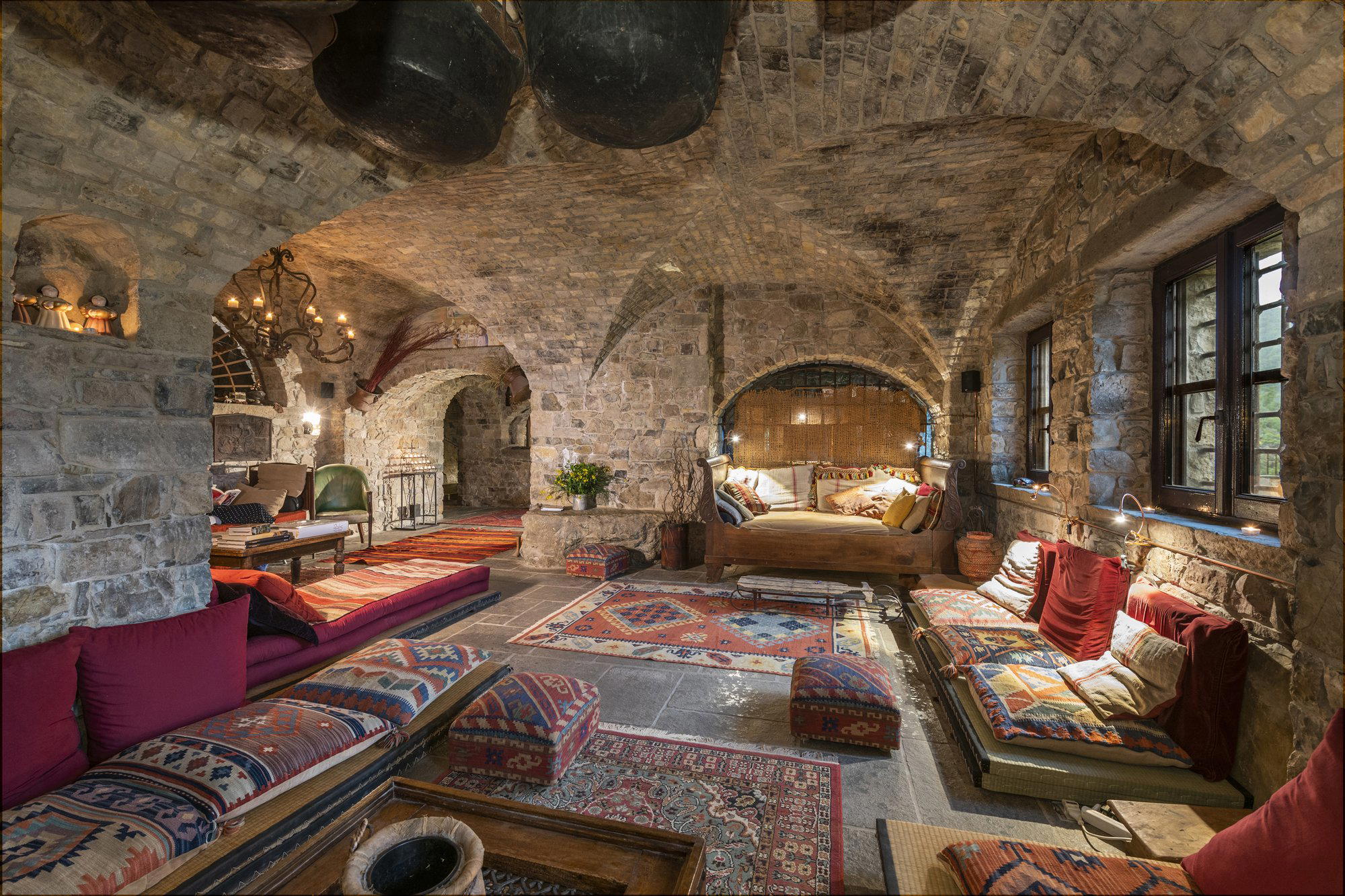
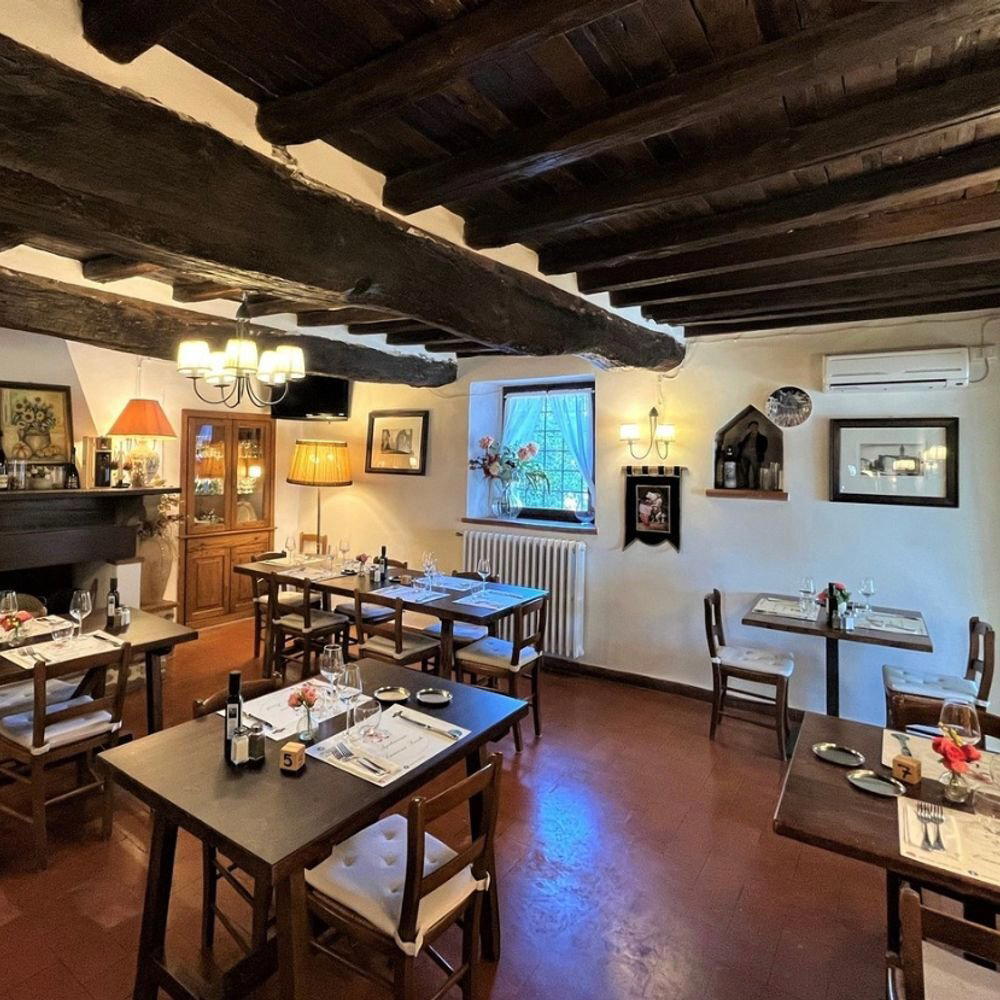
Refined and informal atmosphere in historic stone buildings with natural light from large windows highlighting antique furniture and tapestries amid peaceful hilltop surroundings.