Ullrhaus - St. Anton

A Michelin Selected hotel on Alte Arlbergstraße in the heart of St. Anton am Arlberg, Ullrhaus sits where alpine architectural character and ski-village practicality converge. The property earns its place in the Michelin Hotels guide for 2025, aligning it with a comparable set defined by physical authenticity and location quality rather than resort-scale amenity. For skiers and mountain travellers who want proximity to the Arlberg without the anonymous feel of a large chalet-hotel, it is a considered choice.
Pearl is the En Primeur Club membership app — saves, bookings, and concierge access live there. Same editors, same standards.
- Address
- Alte Arlbergstraße 2, 6580 St. Anton am Arlberg, Austria
- Phone
- +43 5446 35200
- Website
- ullrhaus.at
- Directions
- Get directions
 Saves & bookings on Pearl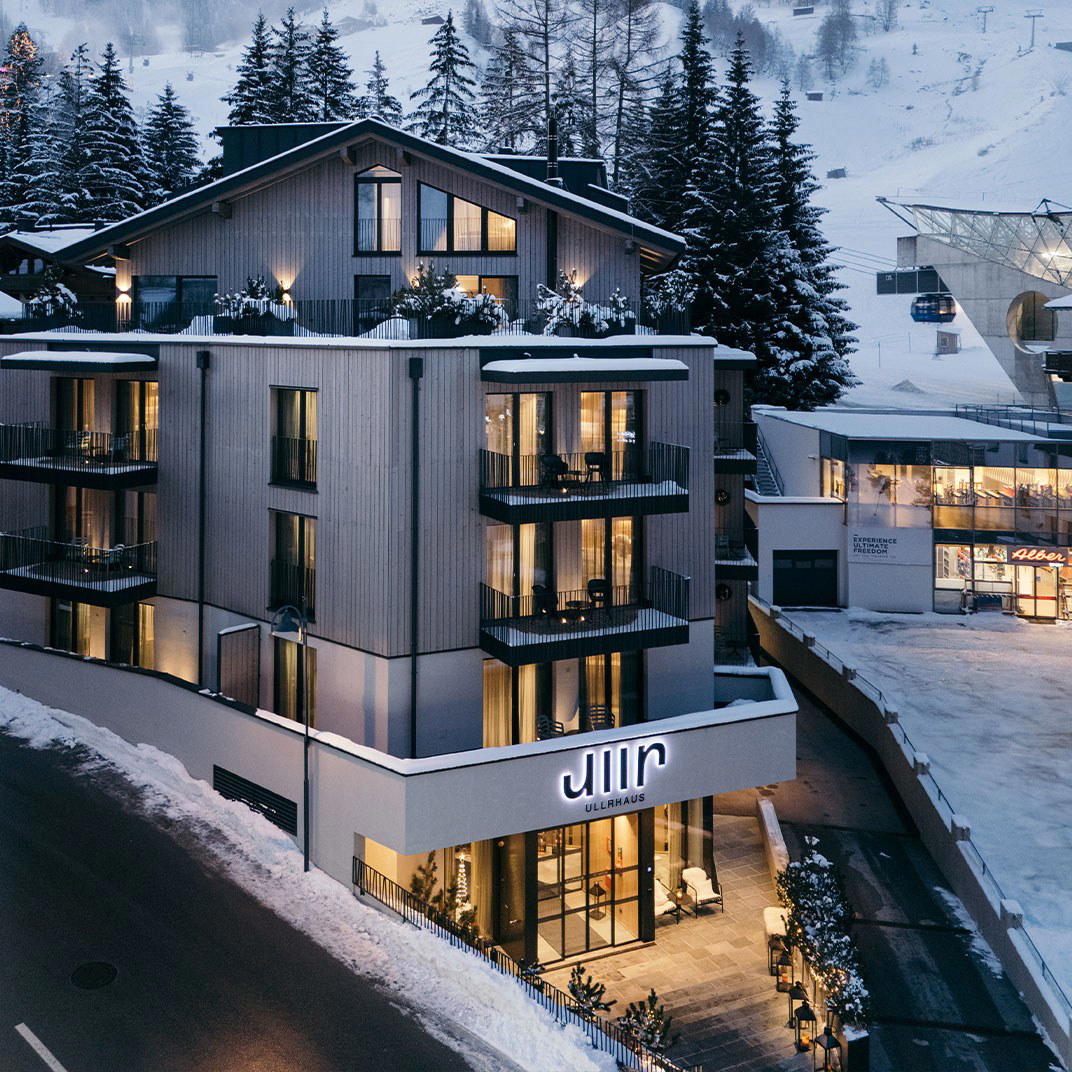
Where St. Anton's Architecture Meets Its Original Street
Alte Arlbergstraße, the old road through St. Anton, carries a different character from the resort's newer pedestrian zones. The buildings that line it tend toward the structural vernacular of the pre-ski-boom Arlberg: narrower facades, timber detailing, and the kind of proportions that predate the mass-chalet construction that arrived with the ski industry's second wave. Ullrhaus sits on this street at number 2, at Alte Arlbergstraße 2, 6580 St. Anton am Arlberg, Austria. In a village where alpine style can range from hand-hewn genuineness to theatrical imitation, location on the old road signals something about physical pedigree.
St. Anton's premium accommodation tier has fragmented considerably over the past decade. On one side sit large, amenity-heavy chalet-hotels and spa resorts aimed at the week-long ski holiday market. On the other, a smaller cohort of design-conscious, lower-key properties where the building itself is the primary argument. Ullrhaus belongs to the latter group. It signals that the property meets a standard of character and positioning that warrants the attention of a well-travelled visitor.
The Physical Logic of an Arlberg Village Property
Alpine hospitality in the Arlberg region operates within a strict physical grammar. Timber, stone, and stucco are the materials; pitched roofs and wooden shutters are the syntax; and the relationship between interior warmth and exterior severity is the essential tension the architecture must resolve. Properties that work in this grammar tend to feel like they belong to the mountain rather than having been placed beside it. The village of St. Anton has produced enough examples of both approaches that the distinction is immediately legible to anyone who has spent time here.
What differentiates the smaller, street-facing properties on Alte Arlbergstraße from the resort periphery is their integration with the village's pedestrian and social life. The old road connects to St. Anton's centre without requiring the visitor to pass through the resort's commercial core, which matters in a village where high season brings considerable foot traffic to the main drag. For guests at Ullrhaus, the geometry of daily life in St. Anton, ski school meeting points, the train station, the access routes to the Galzig and Gampen lifts, is navigable on foot. That practical compression is itself a design advantage, built into the property's address rather than engineered through shuttle logistics.
For comparison within St. Anton's accommodation range, consider that Arpuria - hidden luxury mountain home operates at the boutique-luxury end of the local market, while Hotel Tannenhof and Hotel Gletscherblick represent other points on the village's character spectrum.
The Arlberg Context: Why the Mountain Setting Shapes the Property
St. Anton am Arlberg occupies a particular position in European ski culture that is worth stating directly: it is not a purpose-built resort, and it is not trying to be one. The village predates the ski industry, and its built environment reflects that history in ways that distinguish it from purpose-built ski stations elsewhere in the Alps. The Arlberg ski area, covering St. Anton, Lech, Zürs, Stuben, and Warth-Schröcken, is among the more extensive interconnected ski areas in Austria, with terrain that draws both racing heritage (the Hahnenkamm circuit's cousin events, the classic downhill training grounds) and technically serious free-skiers. Staying within the village rather than at its periphery changes the texture of access to all of that.
The Arlberg corridor also connects to a broader Austrian alpine accommodation tradition that includes properties at different price points and formats, from the design-led mountain houses in Lech (see Grand Resort Zürserhof in Zürs and Hotel Almhof Schneider in Lech) to the larger spa-and-ski resorts further into Tirol such as LEADING Hotel Hochgurgl and Alpen-Wellness Resort Hochfirst in Obergurgl. Understanding where Ullrhaus fits within that range matters: it is a village-scale property on a historic street, recognised by Michelin for its character rather than for resort-grade infrastructure.
Planning Your Stay
St. Anton's high season runs from mid-December through late March, with Christmas-New Year and the February school holiday weeks commanding both peak prices and the tightest availability across the village's accommodation stock. Booking several months ahead for those windows is standard practice across all tiers of the local market. The shoulder weeks of early December and late March offer the same terrain access (conditions permitting) with considerably less competition for rooms. Summer in St. Anton, July and August, draws a hiking and cycling market that is smaller but growing, and village properties can be more accessible in those months than they are mid-ski-season.
Ullrhaus is located at Alte Arlbergstraße 2, reachable directly by the ÖBB Arlberg railway line that connects St. Anton to Innsbruck (roughly 90 minutes) and onward to Vienna. The train station sits within the village, making car-free arrival a genuine option, an advantage the old road's position amplifies.
Travellers building a wider Austrian alpine itinerary might also consider Naturhotel Waldklause in Längenfeld, Aktiv & Wellnesshotel Bergfried in Tux, or Nidum Hotel in Seefeld in Tirol for Tirolean options, or extend to non-alpine Austrian properties including Hotel Sacher Wien in Vienna, Rosewood Schloss Fuschl near Salzburg, Schloss Mönchstein in Salzburg, Hotel Das Weitzer in Graz, or Hotel Schloss Seefels in Techelsberg. For alpine properties beyond Austria, Badrutt's Palace Hotel in St. Moritz and Grand Tirolia Kitzbühel sit at opposite ends of the scale and format spectrum. Further afield, Hôtel de Paris Monte-Carlo, The Fifth Avenue Hotel in New York, and Falkensteiner Schlosshotel Velden illustrate the broader range of Michelin-recognised properties across Europe and beyond. Other regional comparisons worth considering include Bergblick in Grän, Sportresidenz Zillertal in Uderns, Hotel Kontor in Hall in Tirol, and Family Nature Resort Moar Gut in Grossarl.
Quick Comparison
Comparable venues nearby, for context on price, style, and recognition.
| Venue | Cuisine | Price | Awards | Notes |
|---|---|---|---|---|
| Ullrhaus - St. AntonThis venue — the venue you are viewing | Modern alpine design hotel with Nordic influences. | $$$$ | 4-Star | Not listed |
| Hotel Gletscherblick | upscale country-house style with traditional Alpine architecture and modern touches | $$$$ | 4-Star | St. Jakob |
| Arpuria - hidden luxury mountain home | Hidden luxury mountain home | $$$$ | Not listed | St. Anton Am Arlberg |
| Hotel Tannenhof | Contemporary luxury alpine boutique with heritage roots; meticulously reconstructed century-old building combining traditional Tyrolean design elements with modern sophistication. | $$$$ | Michelin 2 Key | Sankt Anton am Arlberg |
| Hotel Post Bezau | Contemporary classic mountain chalet with modern minimalist wellness extension | $$$$ | 4-Star | Bezau |
| Vila Vita Pannonia | Traditional Pannonian village resort with modern renovations | $$$$ | 4-Star | Pamhagen |
Recognition history
Dated appearances from independent guides and award organizations, with the underlying list record or original source where available.
Michelin Selected
Michelin
Continue exploring
More in St. Anton Am Arlberg
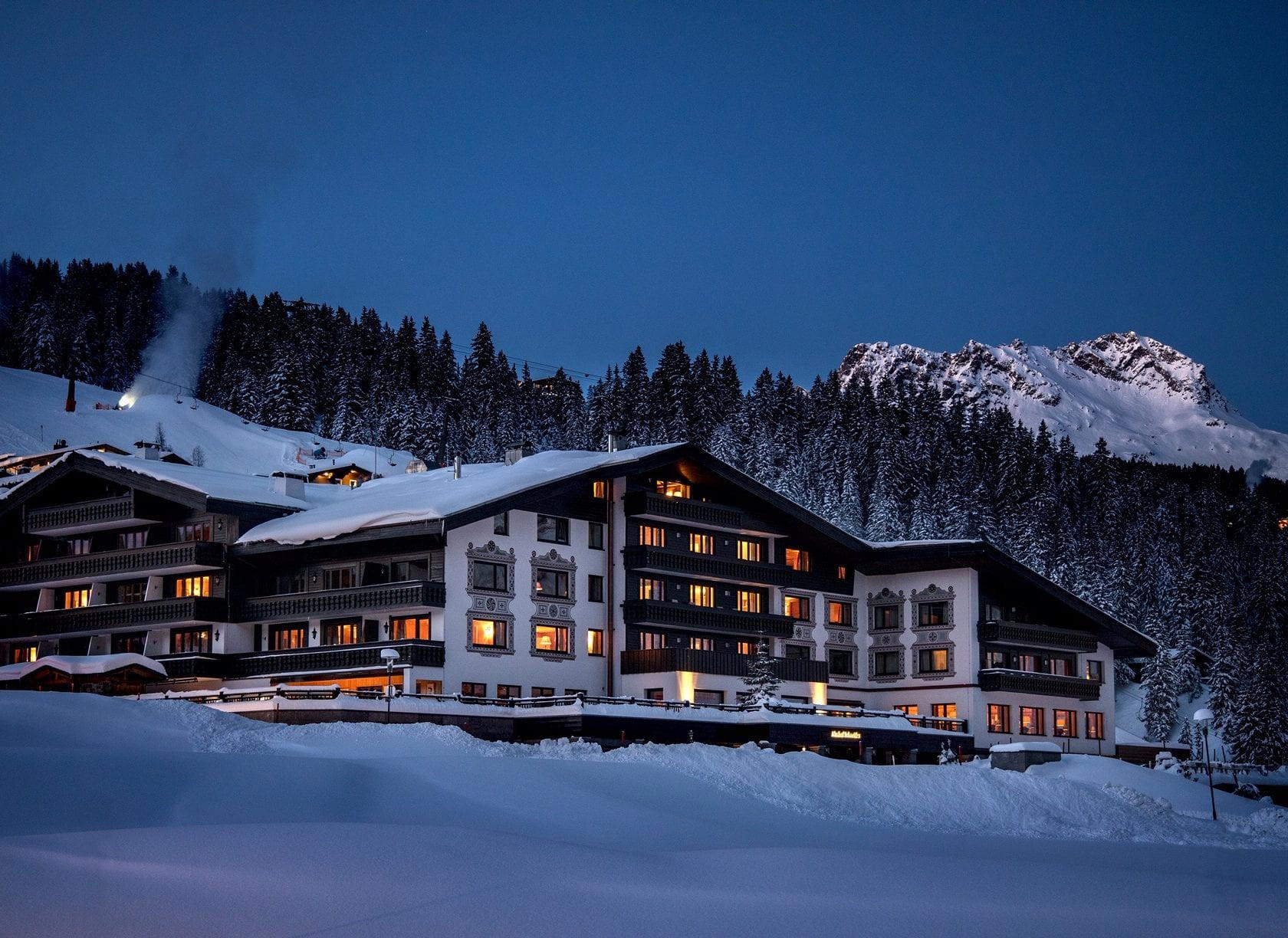
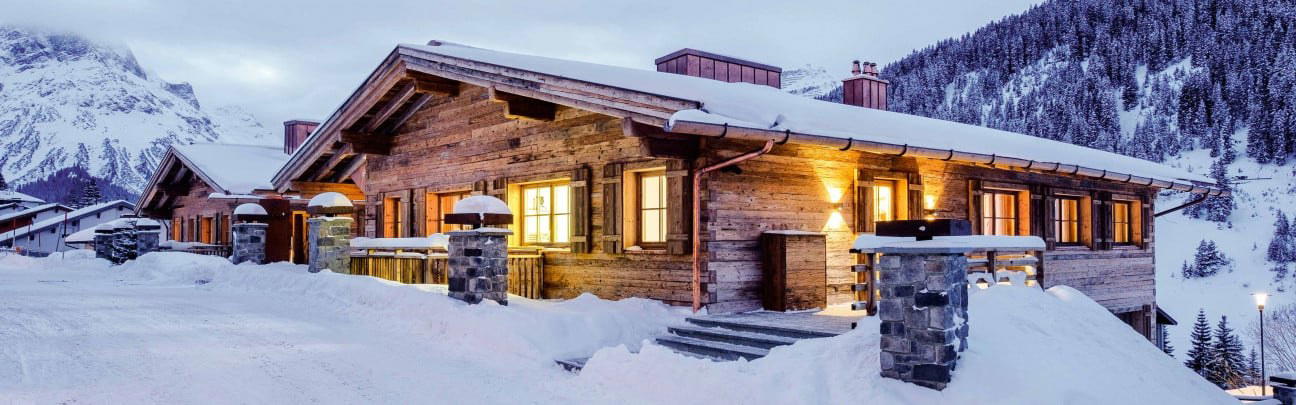
Hotels in St. Anton Am Arlberg
Browse all →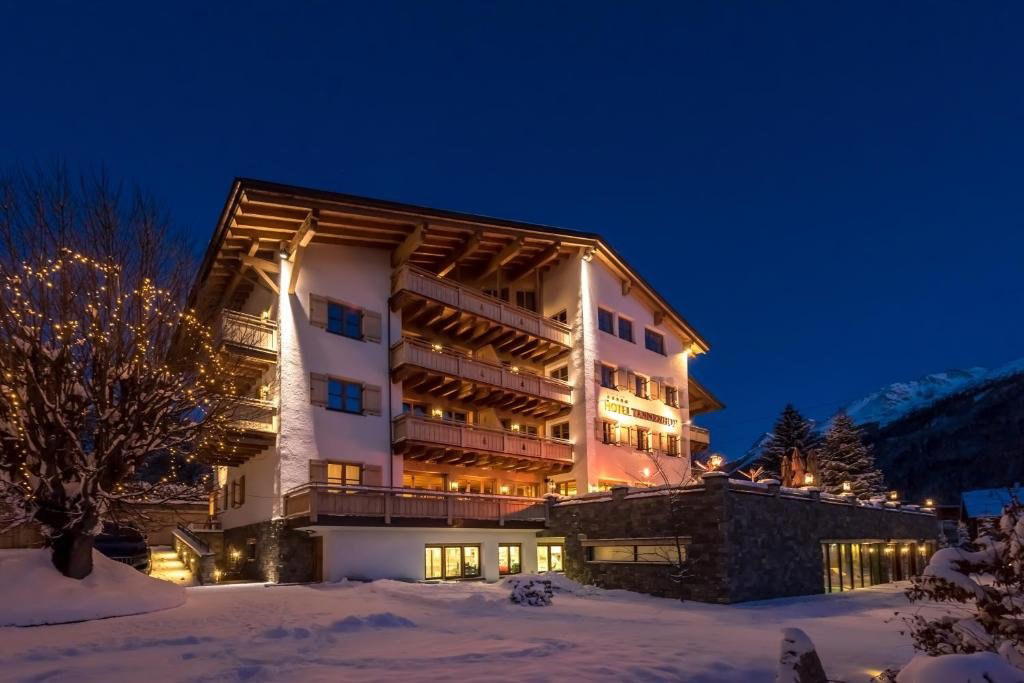
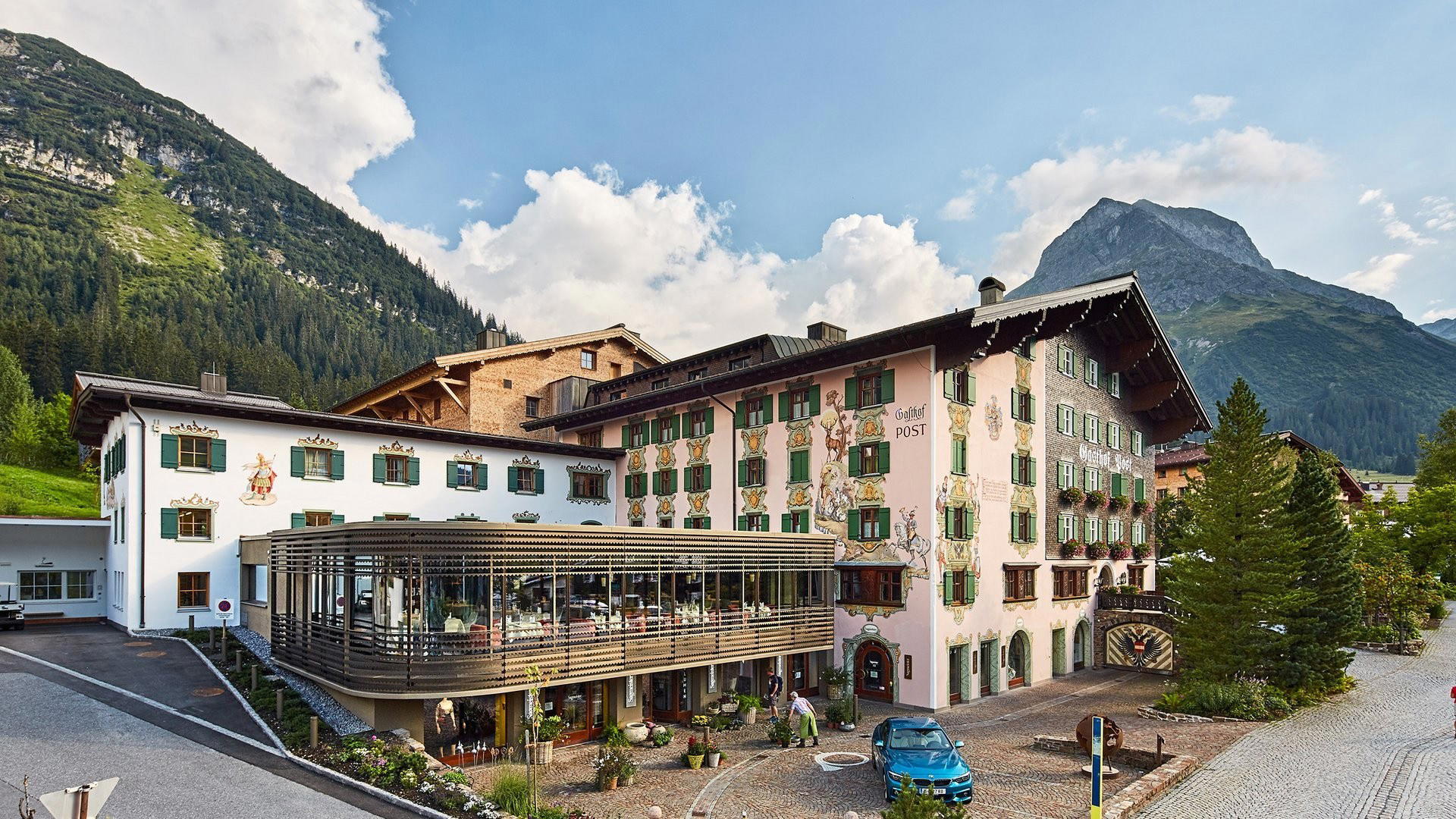
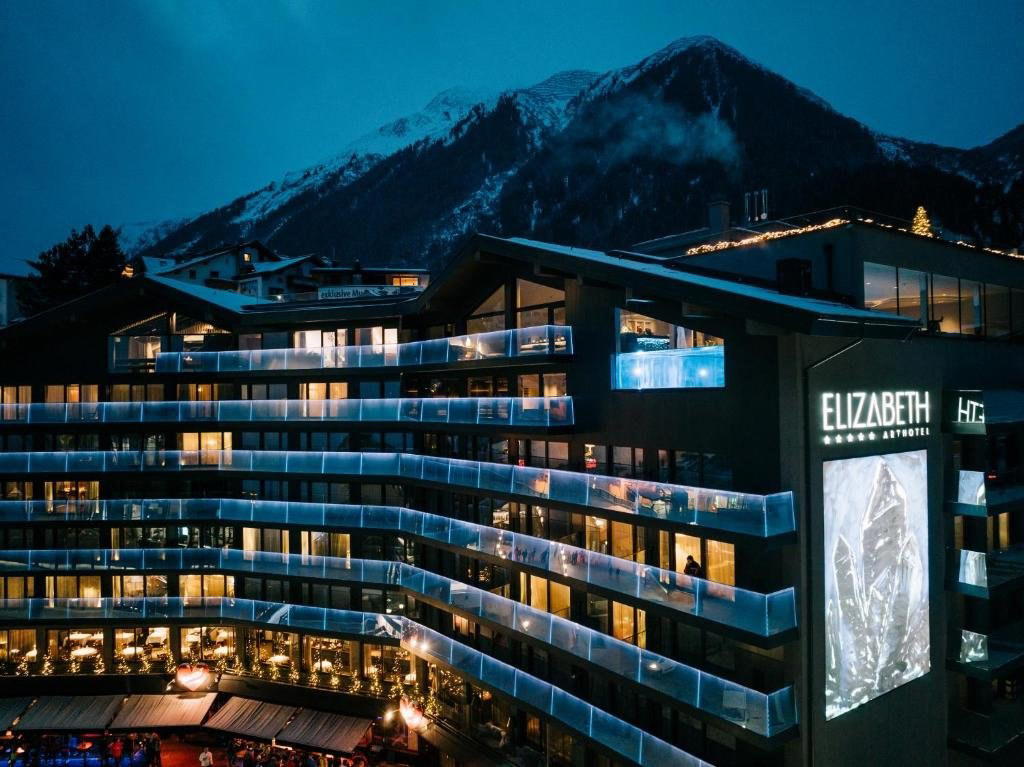
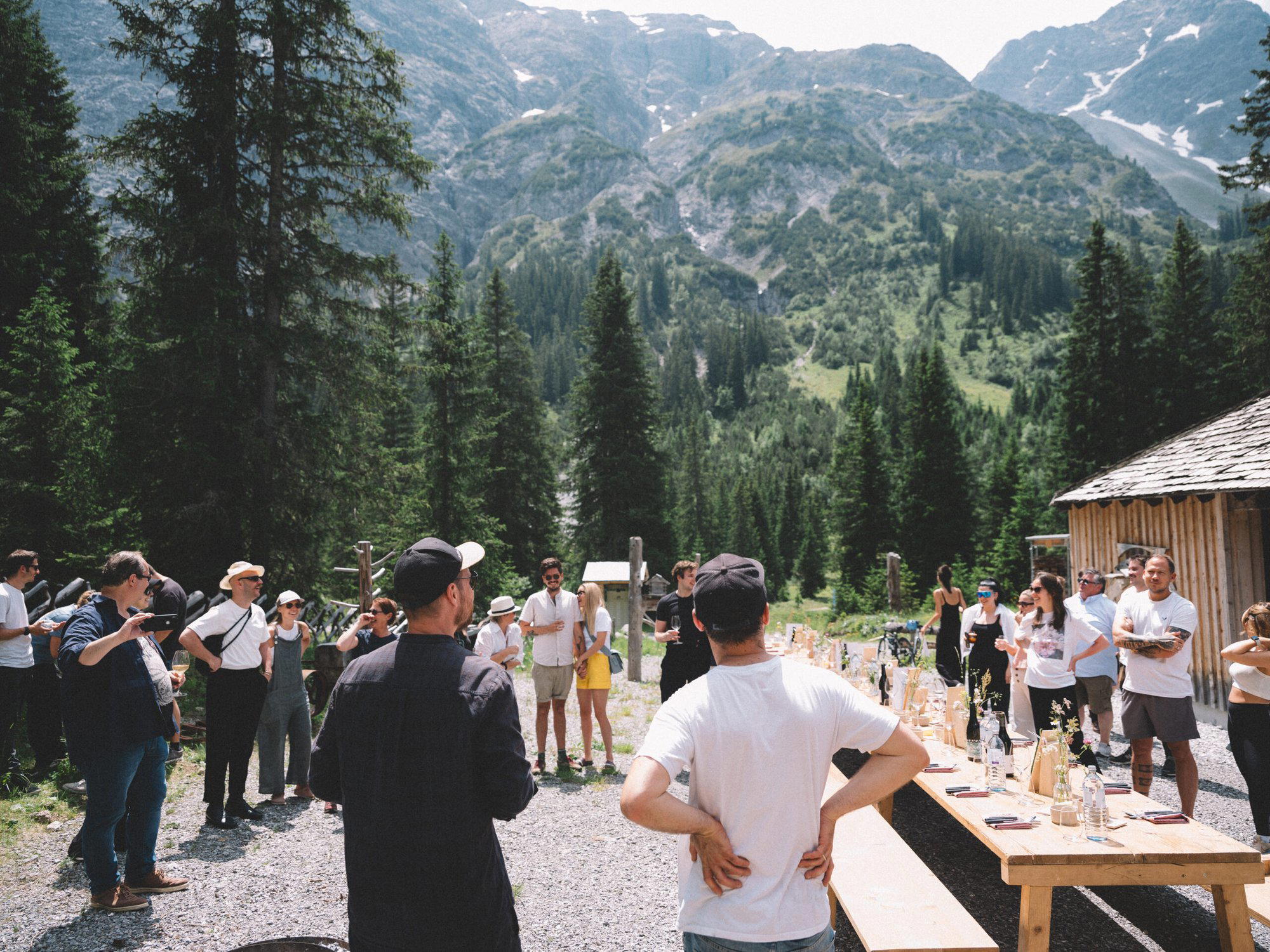
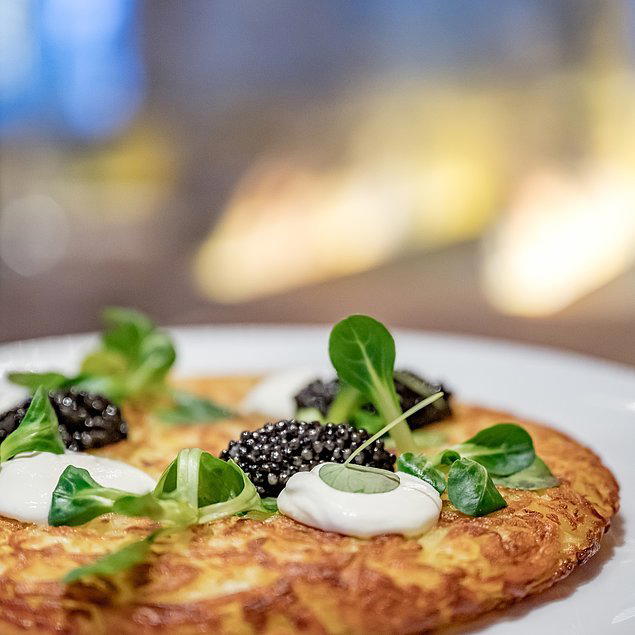
Bars in St. Anton Am Arlberg
Browse all →
At a Glance
- Modern
- Minimalist
- Cozy
- Scenic
- Romantic Getaway
- Weekend Escape
- Ski In Ski Out
- Panoramic View
- Wi Fi
- Pool
- Spa
- Fitness Center
- Sauna
- Restaurant
- Mountain
- Wi Fi
- Pool
- Spa
- Fitness Center
- Sauna
- Restaurant
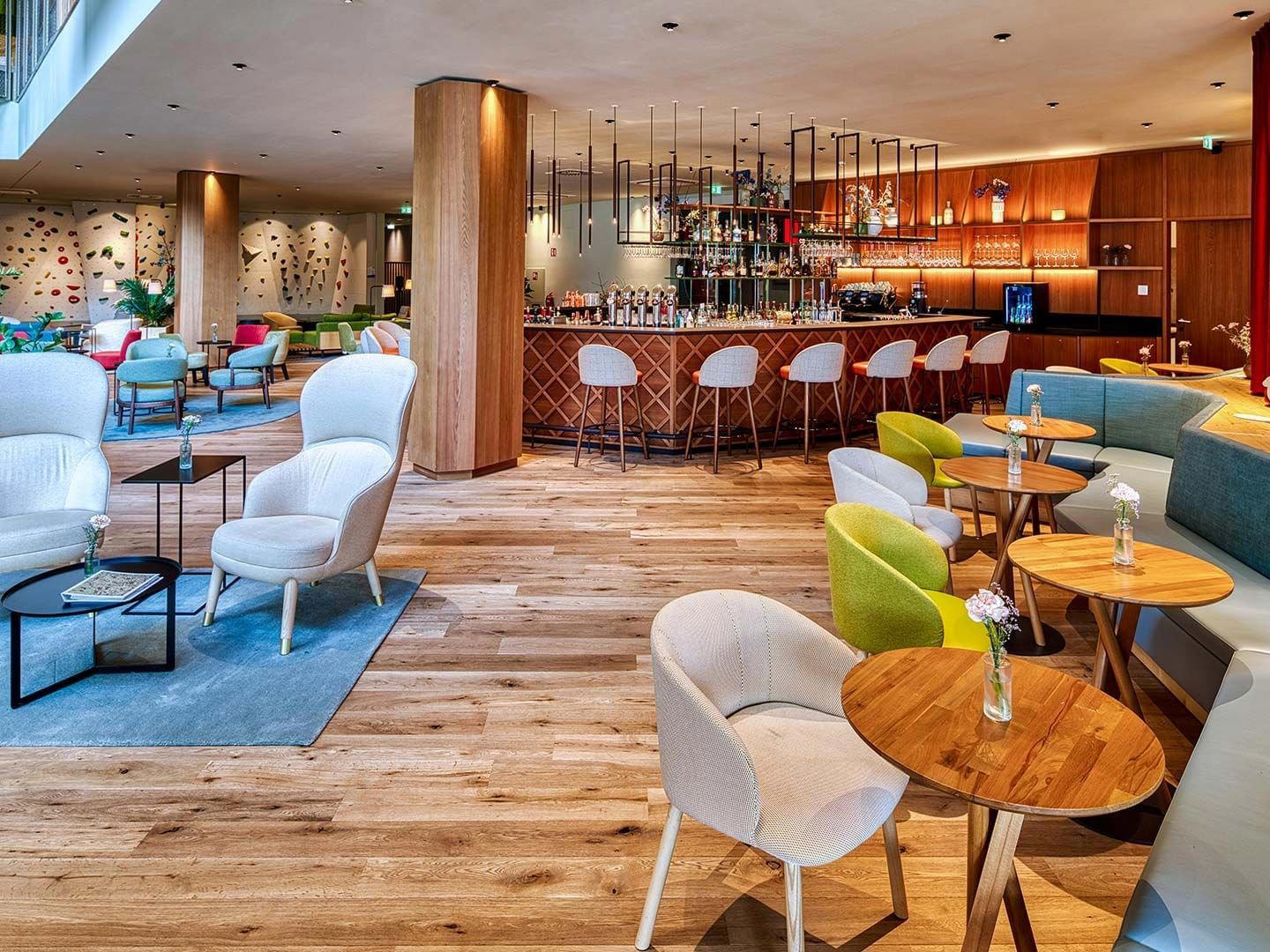
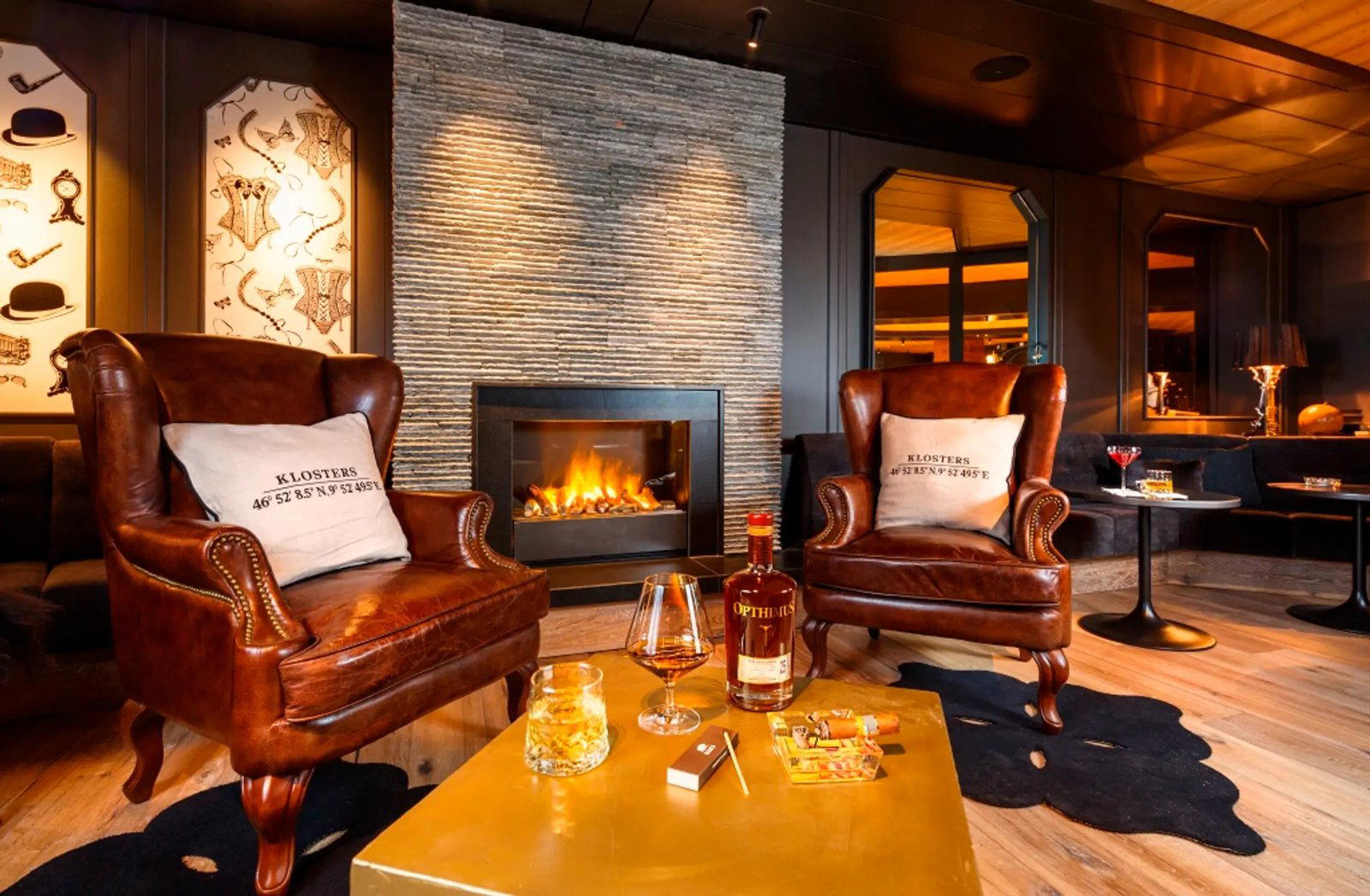
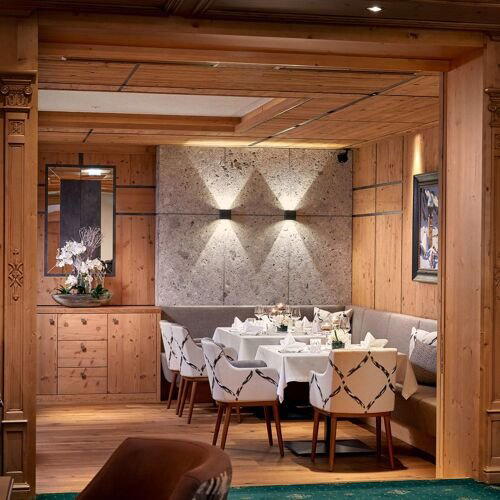
Light sage tones, forest green, lime gray with reduced forms and warm woolen fabrics creating a cozy, modern atmosphere.