Treetops Lodge & Estate


Set within 2,500 acres of 800-year-old native forest outside Rotorua, Treetops Lodge & Estate earned 92.5 points in the La Liste Top Hotels 2026 ranking. The lodge's 'Estate to Plate' dining programme draws almost entirely from on-site and near-pesticide-free produce, including estate game, trout, and native forest herbs. Hobbiton is a 45-minute drive; Rotorua Airport is 25 kilometres away.
Pearl is the En Primeur Club membership app — saves, bookings, and concierge access live there. Same editors, same standards.
- Address
- 351 Kearoa Road, Rotorua 3077
- Phone
- +64 7 333 2066
- Website
- treetops.co.nz
- Directions
- Get directions
 Saves & bookings on Pearl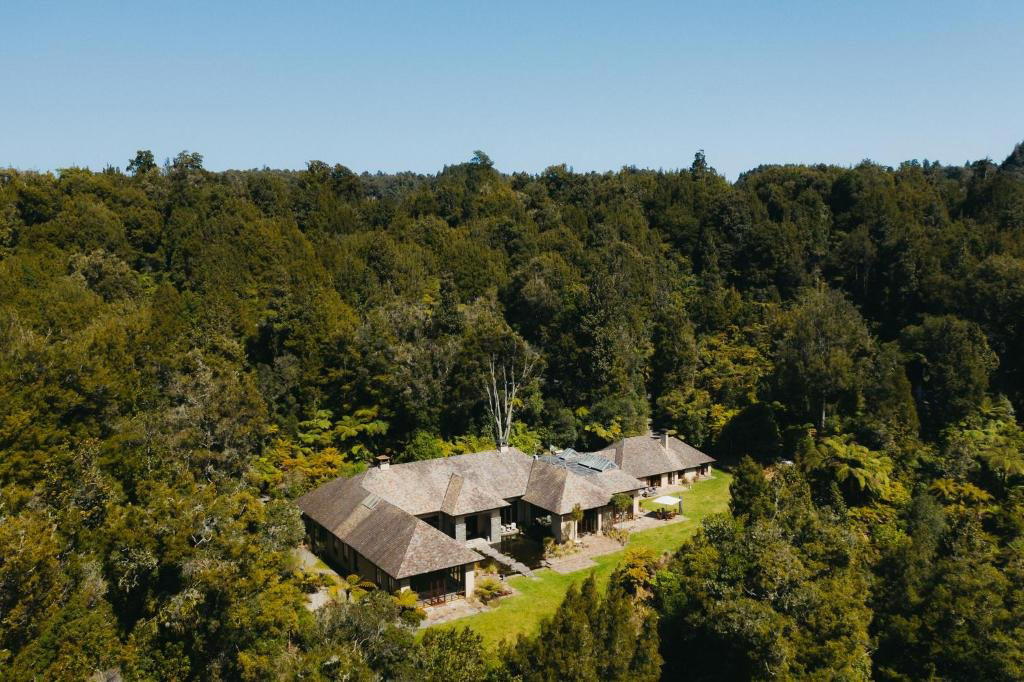
Forest, Foraging, and the Estate Kitchen
New Zealand's luxury lodge circuit has always traded on scale and setting, but the more interesting question is what a property does with its land once guests arrive. At the upper end of the market, the answer increasingly involves food: not simply imported fine dining transplanted into a remote location, but a genuine relationship between the estate and the plate. Treetops Lodge & Estate is a 5-star hotel in Rotorua, New Zealand, with 12 rooms and a nightly rate from US$830. Treetops Lodge, positioned on 2,500 acres of native forest outside Rotorua, operates within that philosophy more literally than most. The property's 'Estate to Plate' programme sources game, trout, fruit, vegetables, and native herbs almost entirely from within the estate's own boundaries, with production described as near-100% pesticide-free. That kind of closed-loop supply is rare in New Zealand's lodge sector and positions Treetops in a narrower comparable set than its forest surroundings might initially suggest.
La Liste placed Treetops among its Leading Hotels for 2026, awarding 92.5 points, a result that places it alongside some of the country's most recognised properties. For context, the La Liste methodology weights guest experience and culinary quality heavily, which makes a 92.5-point score for a lodge leading with an estate-produce dining philosophy a meaningful credential. Properties like Huka Lodge, Blanket Bay, and Otahuna Lodge occupy similar territory in New Zealand's premium lodge tier, each with distinct regional identities. Treetops stakes its culinary identity on Rotorua's volcanic plateau, where geothermal soil, freshwater systems, and dense native bush create a forager's larder that few comparable lodges can replicate.
The Dining Programme: Estate to Plate in Practice
One structurally interesting aspect of the Treetops kitchen is the sourcing architecture. The estate's seven streams and four lakes supply trout fishing at lodge level, with fly-fishing guides available for guests who want to be more directly involved in the chain from water to table. Game sourced from the estate's own land features alongside produce from estate-managed orchards and kitchen gardens. Native herbs foraged from the surrounding 800-year-old forest add an element that no amount of urban fine dining investment can manufacture: ingredients with a genuine provenance specific to this place.
Three signature experiences formalise this relationship between land and kitchen. The 'Estate to Plate' Safari takes the concept furthest into the production side, while the Wild Food Cooking School translates estate ingredients into technique-led sessions for guests. The Maori Food Trail adds a cultural and historical dimension to the culinary programme, grounding the food in the indigenous traditions of the Rotorua region, the Maori heartland, rather than treating local culture as aesthetic backdrop. This is a more considered approach than the standard lodge formula of hiring a notable chef and importing a metropolitan tasting menu. In New Zealand's lodge tier, where properties like Poronui Lodge in Taharua and Rosewood Cape Kidnappers also lead with land and produce, the differentiation lies in how deeply the programme is embedded into the guest experience rather than simply presented as a selling point.
The wine cellar holds New Zealand and international bottles, with staff offering pairing advice. New Zealand's own vineyards, from Marlborough to Hawke's Bay, give a domestic programme considerable depth, and a property positioned near Rotorua has reasonable access to both North Island appellations. For guests interested in the wine side more specifically, Carnmore Chateau Marlborough in Blenheim operates in a more vineyard-centric model, but Treetops treats wine as a complement to the food programme rather than a separate identity.
The Setting: 800-Year-Old Forest as Infrastructure
Native forest of this age is not decorative. Eight centuries of uninterrupted canopy growth produces an ecosystem with its own internal logic: moisture levels, light filtration, wildlife patterns, and soil chemistry that shape everything grown within it. The lodge's architectural vocabulary, timber and stone, references to New Zealand's pioneering-era building traditions, positions the built environment as a response to the land rather than an imposition on it. This ecology-led design approach is increasingly common across the country's premium lodge sector, from Hapuku Lodge's tree house suites in Kaikoura to Minaret Station's alpine positioning above Wānaka, but Treetops applies it to a forest context with a density and age that gives it particular force.
Over 35 miles of trails cross the estate, covering terrain suitable for hiking and mountain biking. Kayaking is available on the estate's water systems, and helicopter excursions extend the range to lakes and wineries beyond the property boundary. For families, a Kids Club operates at five-star level with junior cooking classes and nature-based programming, an extension of the estate's food education philosophy applied to younger guests. The spa offers treatments drawing on Maori health traditions, connecting the wellness programme to the same indigenous cultural thread that runs through the Maori Food Trail dining experience.
Location and Regional Context
Rotorua sits at the geographic and cultural centre of New Zealand's North Island volcanic plateau. The city is the primary entry point into Maori culture for international visitors, with the Te Puia geothermal reserve and the Ohinemutu lakeside village among the more visited sites in the country. For guests whose itinerary includes Hobbiton, the film set at Matamata, Treetops is a logical base, with the site approximately 45 minutes by road.
The lodge sits 13 kilometres from Rotorua city and 25 kilometres from Rotorua Airport, making transfers direct. From Auckland, the drive is approximately 3.5 hours, passing through the central North Island's rolling farmland and volcanic terrain. Guests arriving by air from Auckland or Wellington will find Rotorua Airport a smaller regional hub; connections from Auckland International are frequent. Properties further south like Fiordland Lodge in Te Anau, Lakestone Lodge in Twizel, and Mt Cook Lakeside Retreat serve a South Island circuit that pairs logically with a Rotorua stay rather than competing with it.
For those building a broader New Zealand itinerary anchored in the lodge tier, Solitaire Lodge on Lake Tarawera provides a Rotorua-region alternative with a lakeside rather than forest identity. Further north, Eagles Nest in Russell and Helena Bay Lodge cover the Bay of Islands circuit. Coastal alternatives include Omana on Waiheke Island and Annandale Villas in Pigeon Bay. Wharekauhau Country Estate in Featherston and Rosewood Kauri Cliffs in Matauri Bay complete the range of estate-scale properties worth considering across both islands. For city stops at either end of a New Zealand trip, Hotel DeBrett in Auckland Central and Hotel St Moritz in Queenstown are worth noting alongside Pompolona Lodge for those adding a Milford Track section. See our full Rotorua restaurants and hotels guide for broader context on the region.
Planning Your Stay
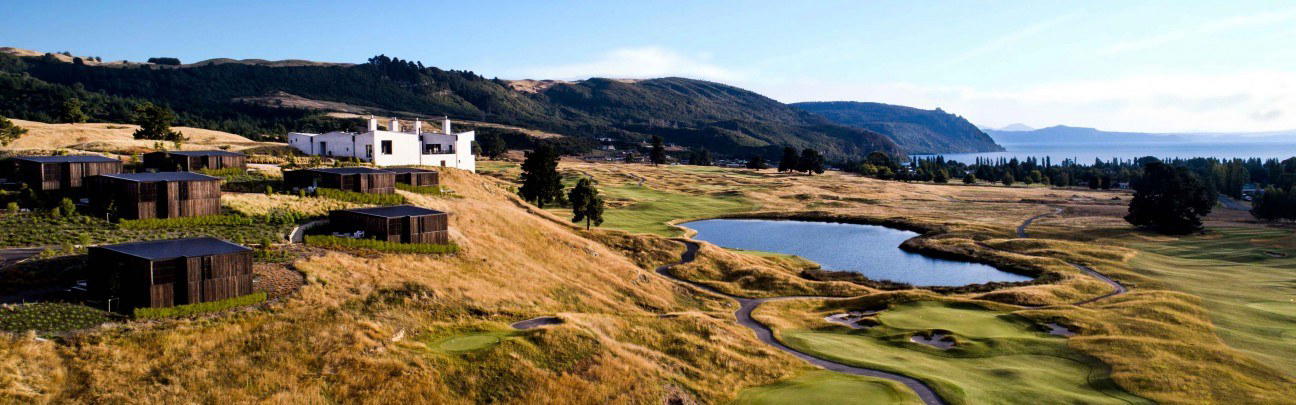
The property address is 351 Kearoa Road, Rotorua 3077. For international reference, guests arriving from properties like Aman New York, The Fifth Avenue Hotel, or Aman Venice will find the lodge's format a significant shift in register: the emphasis here is on immersion in landscape and food production, not urban luxury services. Helicopter transfers to nearby wineries and lakes are available as part of the adventure programme, and the sister property, The Kinloch Club, with its Jack Nicklaus-designed 18-hole course, extends the offering for golfers. Booking and pricing information should be confirmed directly with the property.
Budget and Context
Comparable venues nearby, for context on price, style, and recognition.
| Venue | Price | Awards | Notes |
|---|---|---|---|
| Treetops Lodge & Estate -This venue — the venue you are viewing | $$$$ | 5-Star | Not listed |
| Regent of Rotorua Boutique Hotel | $$$$ | 4-Star | city centre, Contemporary boutique with personalized service in the city heart |
| Solitaire Lodge | $$$$ | Michelin 1 Key | Lake Tarawera, Secluded luxury lodge blending with native bush on private lakeside peninsula |
| Cordis, Auckland | $$$$ | 5-Star | Grafton, Modern landmark of elegance with skyline views |
| SO/ Auckland | $$$$ | 5-Star | Auckland Central, Luxurious urban hotel blending local energy with avant-garde design |
| The Central Hotel Queenstown, A Naumi Chapter | $$$$ | 5-Star | Central Queenstown, Contemporary luxury boutique with artistic flair and design-led positioning targeting sophisticated adult travelers. |
Recognition history
Dated appearances from independent guides and award organizations, with the underlying list record or original source where available.
La Liste Top Hotels
La Liste
Virtuoso Luxury Hotel Partner
Virtuoso
Continue exploring
More in Rotorua
Hotels in Rotorua
Browse all →
At a Glance
- Romantic
- Scenic
- Quiet
- Elegant
- Romantic Getaway
- Family Vacation
- Wellness Retreat
- Anniversary
- Celebration
- Private Villa
- Butler Service
- Destination Spa
- Garden
- Terrace
- Panoramic View
- Private Dining
- Wi Fi
- Spa
- Fitness Center
- Room Service
- Concierge
- Kids Club
- Restaurant
- Bar
- Garden
- Mountain
- Wi Fi
- Spa
- Fitness Center
- Room Service
- Concierge
- Kids Club
- Restaurant
- Bar
Warm and inviting with open fireplaces, timber and stone finishes, cozy underfloor heating, and intimate dining experiences that foster genuine connections among guests.