



2 Michelin Keys · La Liste Top Hotels · Star Wine List
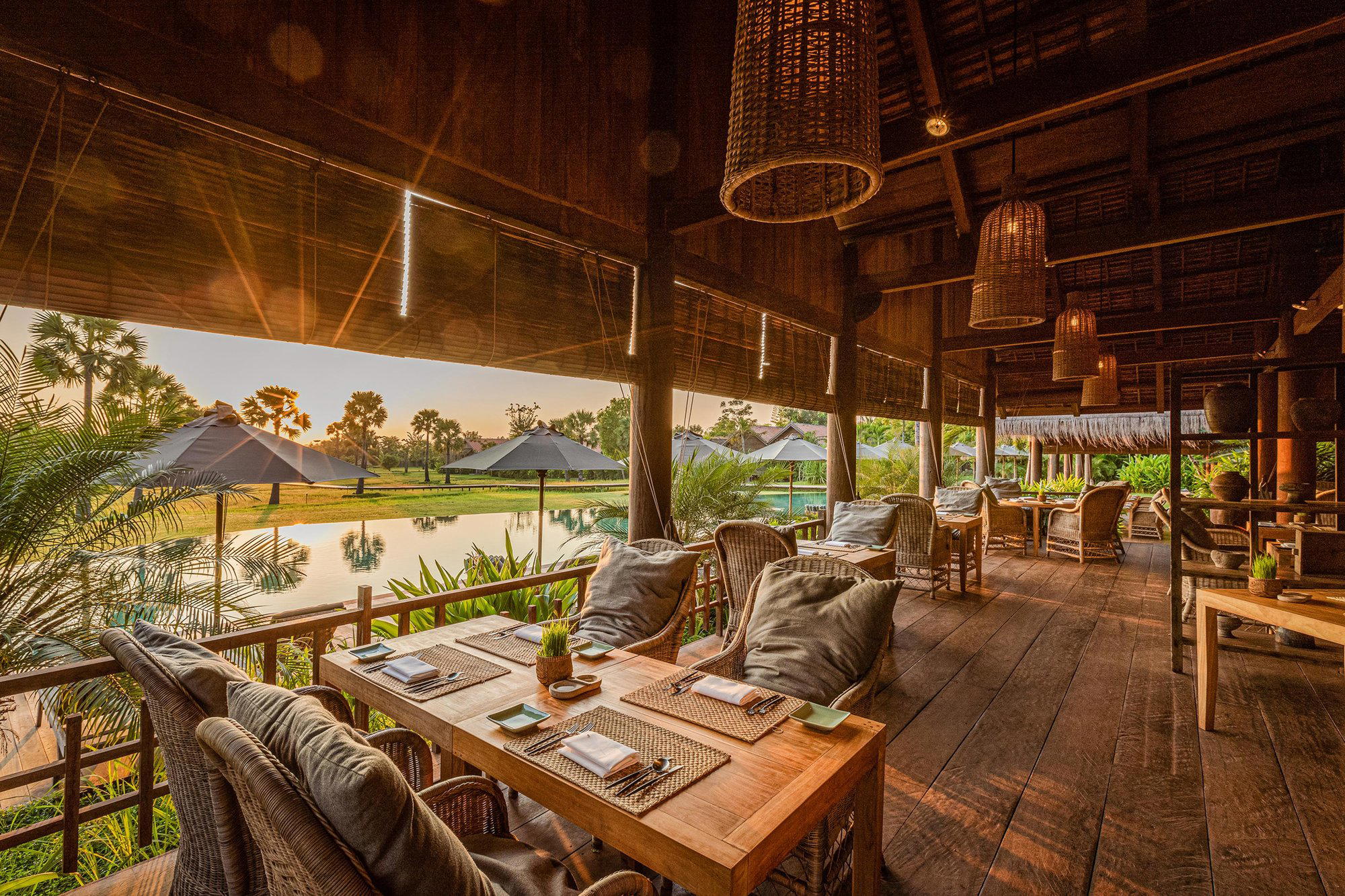
Forty-five thatched-roof villas on stilts amid paddy fields and landscaped gardens, Zannier Phum Baitang translates to "green village" and earns the name. Rated 93 points on La Liste's Top Hotels 2026 and awarded Forbes 4-Star status in 2025, this French-designed property sits just outside central Siem Reap, placing it closer to the temple circuit than the espresso bars and fusion restaurants that now crowd the town centre.

Pearl is the En Primeur Club membership app — saves, bookings, and concierge access live there. Same editors, same standards.
- Address
- Neelka Way, Krong Siem Reap 171202
- Phone
- +855 63 961 111
- Website
- zannierhotels.com
- Directions
- Get directions
A Village Apart from the Resort Strip
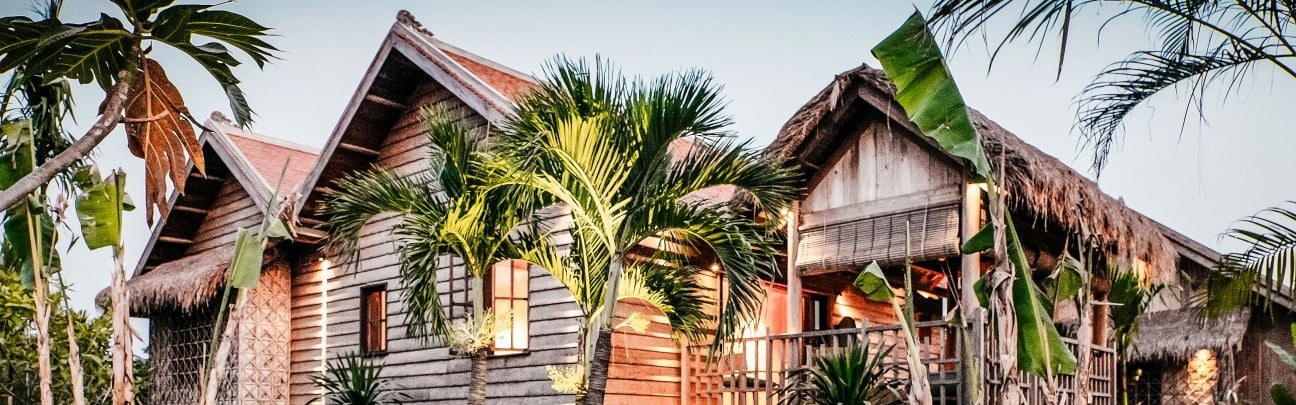
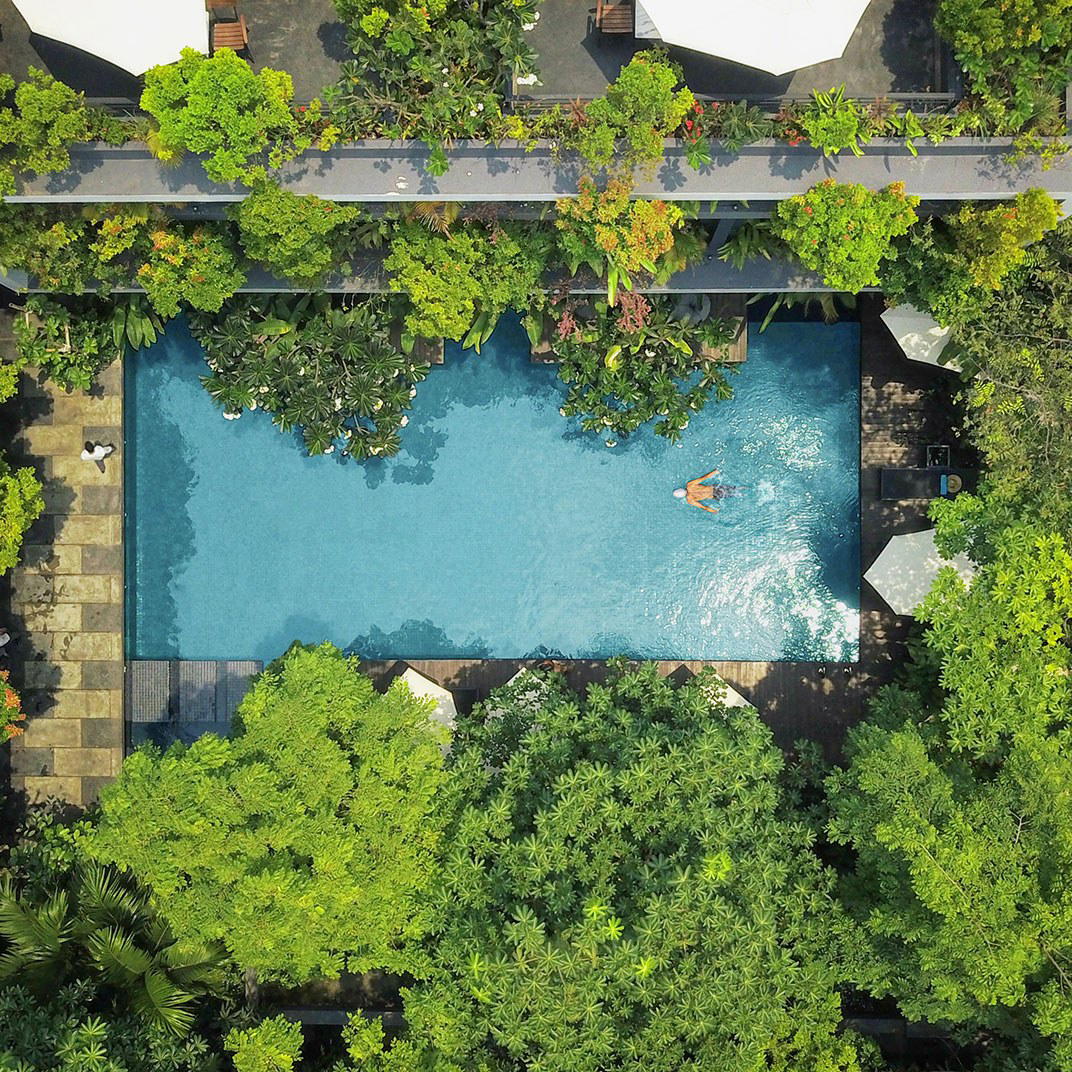
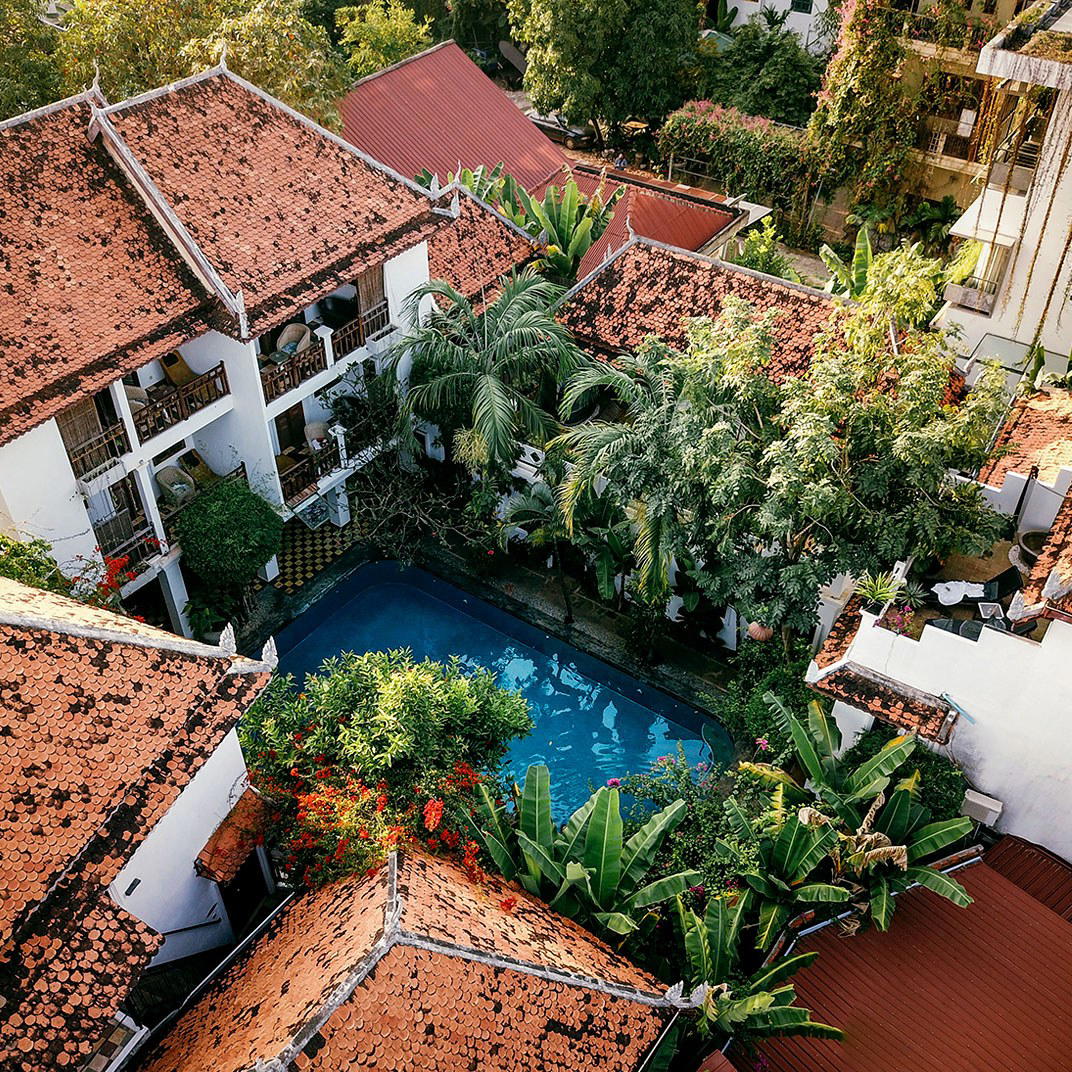
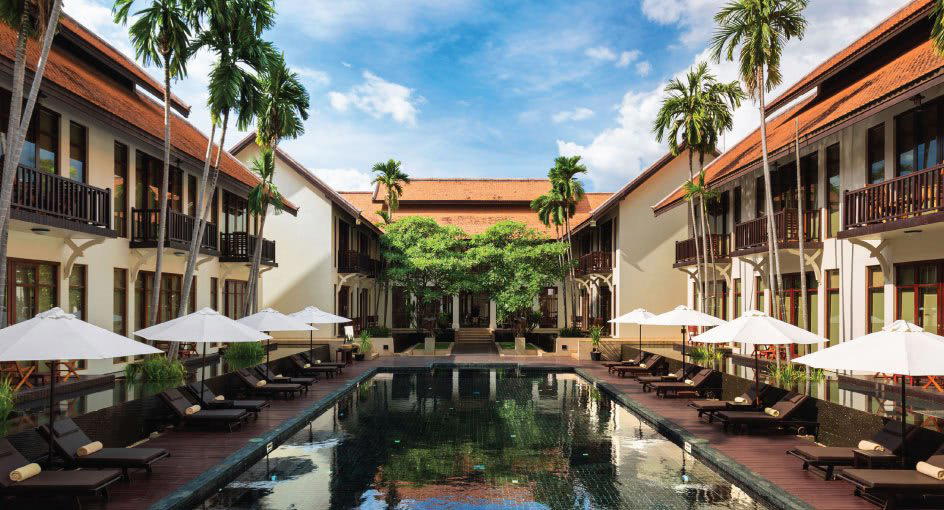
Siem Reap's transformation from a small Cambodian market town into a full-service international destination has been rapid enough to disorient first-time visitors. The stretch leading toward Angkor Wat is now a corridor of international brands, rooftop pools, and restaurants serving food that could have come from any city in Southeast Asia. The countermovement, which prizes local material, vernacular architecture, and deliberate distance from that strip, has its own established tier in Siem Reap, anchored by properties that understand what draws most visitors here in the first place: the temples, the markets, and the particular quality of light over rice fields at dusk. Zannier Phum Baitang sits firmly in that countermovement camp, physically as much as philosophically. Set just outside town, slightly removed from the hotel density of the centre, the property positions itself as the antithesis of the chain experience. This is not the Pub Street corridor. Arriving here, you are met with paddy fields and towering palms rather than tuk-tuk queues and coffee franchises. The 45 villas, each on stilts with thatched roofing, are arranged across landscaped grounds that read more like a working rural compound than a resort layout. The large central pool reflects the canopy above it. The design brief from French hotelier Arnaud Zannier and Parisian architecture firm AW² was clearly calibrated to evoke traditional Cambodian village architecture while deploying first-class materials throughout: aged wood, smooth stone, open-plan volumes that move air without sacrificing privacy.
The Architecture of Place
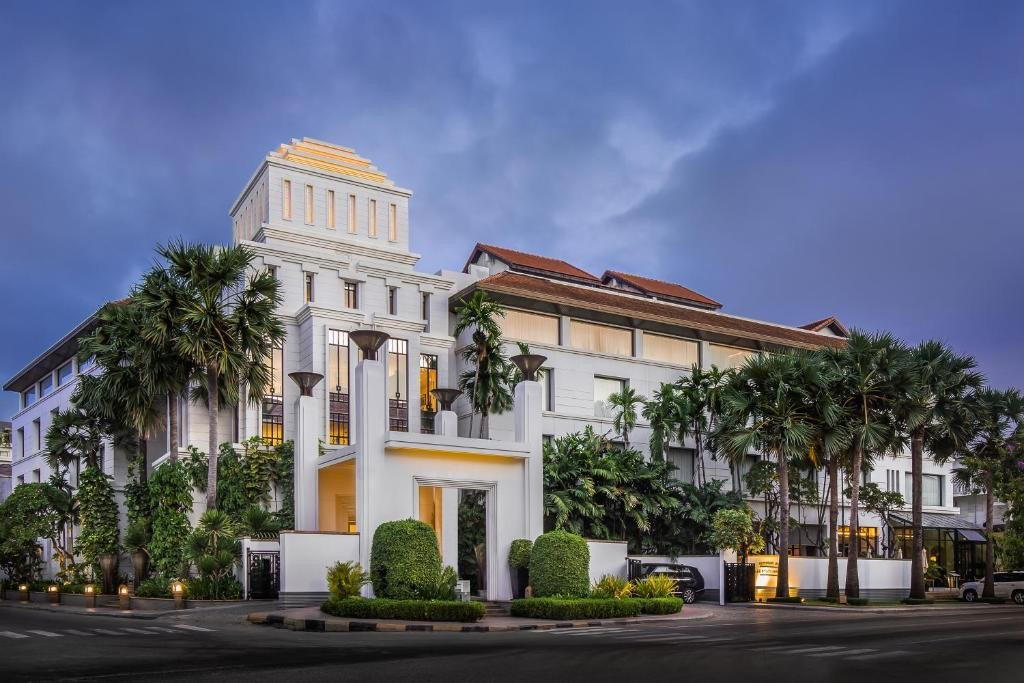
Across Siem Reap's premium accommodation tier, the design conversation has split between colonial renovation (the Raffles Grand Hotel d'Angkor and FCC Angkor by Avani occupy this lane) and new-build vernacular construction that attempts to articulate a specifically Cambodian spatial logic. Phum Baitang belongs to the second category, alongside properties like Sala Lodges and Angkor Village Hotel, each approaching the same problem differently. What AW² achieved here is a traditional Cambodian colonial aesthetic that absorbs French spatial sensibility without defaulting to generic "resort contemporary." The stilted villas create a relationship with the ground that feels deliberate rather than decorative. This is architecture that knows its site.
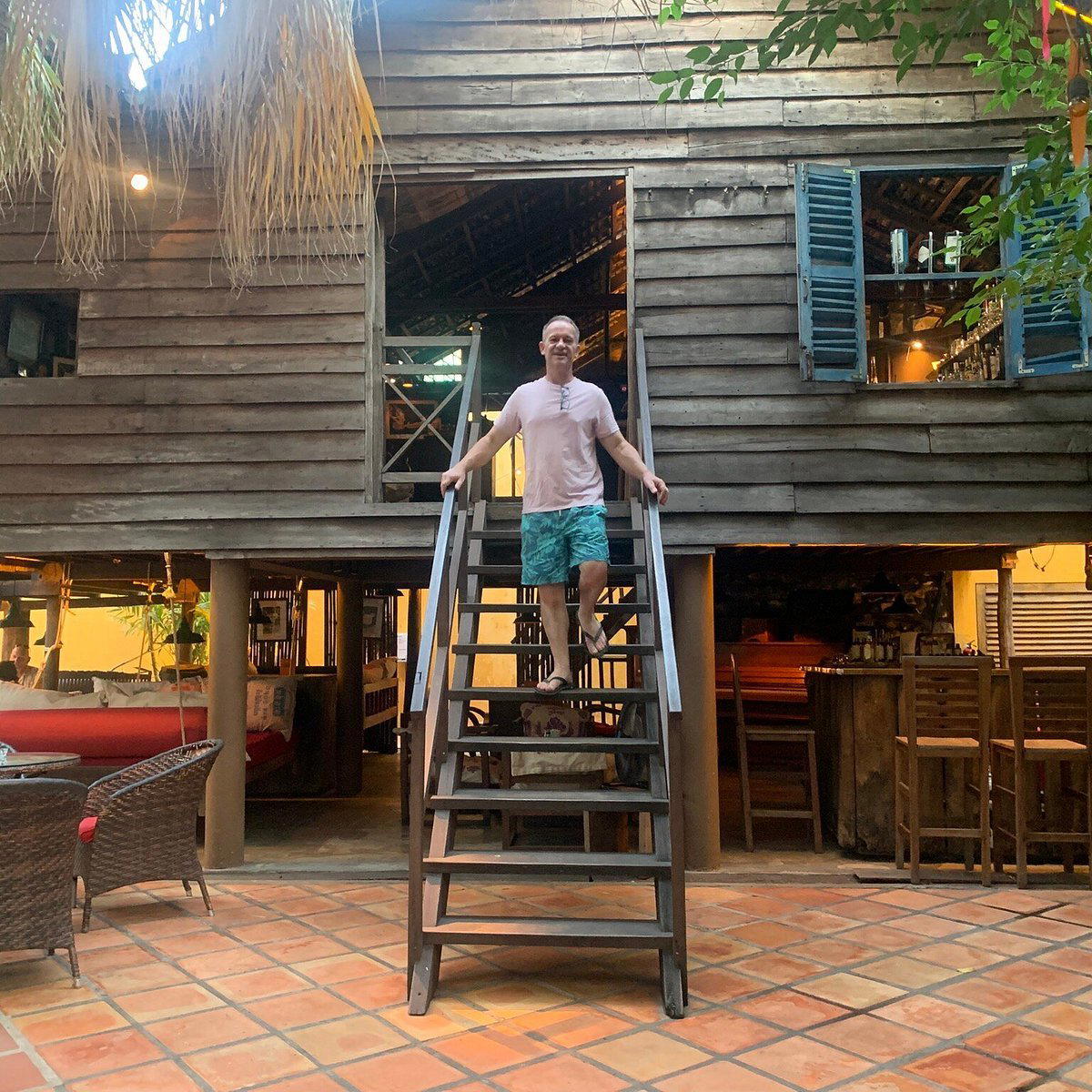
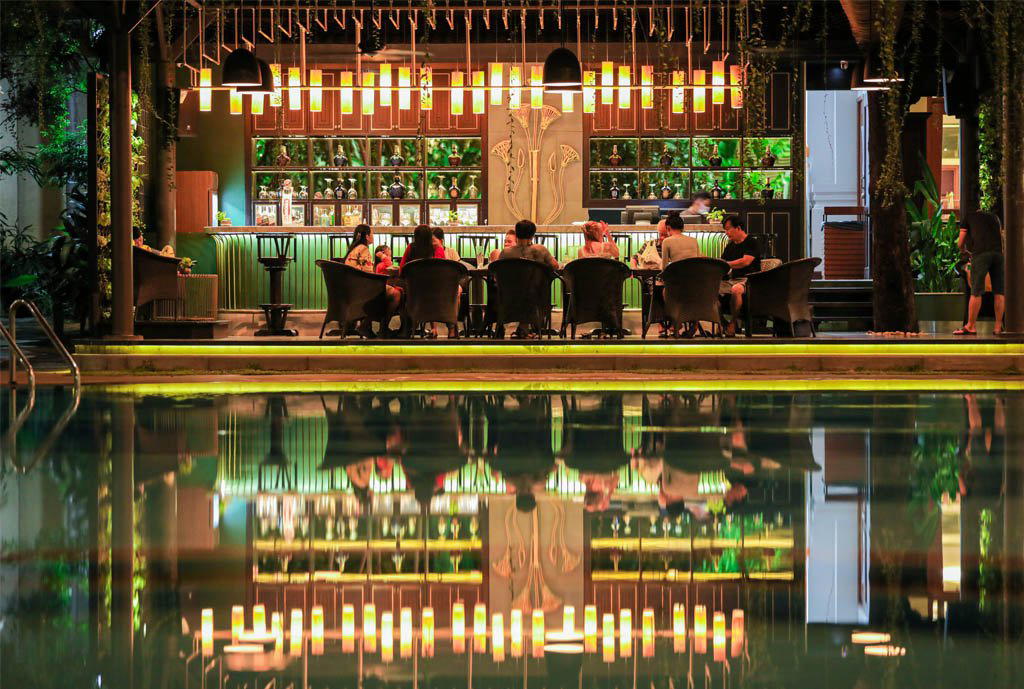
The restored farmhouse at the property's centre deserves particular attention. Repurposed as the hotel's cocktail and cigar bar, it carries the atmospheric weight of genuine age: rattan wing chairs, oriental carpets, and the kind of worn-in quality that no interior designer can fully fabricate. It evokes the era when French explorers and administrators established the colonial presence that still informs so much of Siem Reap's built character. Against the otherwise new construction of the villas, the farmhouse functions as an anchor, a reminder that this land had a life before the resort industry arrived.
Room Categories and Practical Considerations
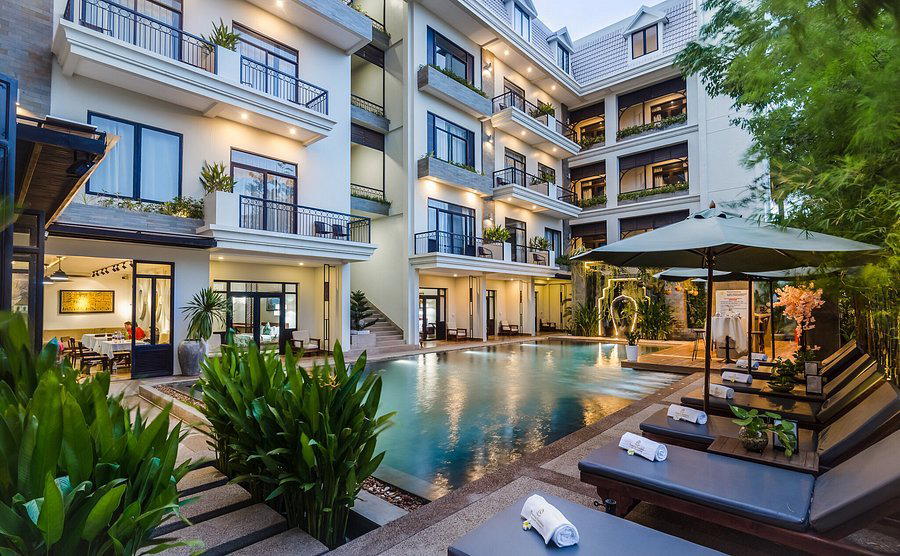
The 45 villas divide into Terrace Villas and Pool Villas. Terrace Villas feature large decks suited to the climate for most of the year, while Pool Villas add private gardens with plunge pools, placing them in a peer tier with the private-pool categories at Amansara and Anantara Angkor Resort. Across both categories, the specification runs to king-sized beds, Nespresso machines, flat-screen televisions, state-of-the-art sound systems, oversized ceramic bathtubs, separate rain showers, and Aesop bath products. At a rate from $586 per night, the property prices in the upper bracket of Siem Reap's independent luxury segment, sitting above mid-market options like Hotel Vellita Siem Reap and Heritage Suites Hotel, and competitive with, though structurally different from, the Park Hyatt Siem Reap's brand-backed urban proposition.
Property's La Liste Leading Hotels score of 93 points (2026) and Forbes 4-Star rating (2025) provide benchmarking context within Cambodia's premium accommodation tier. These credentials place it alongside a small group of properties in the country that hold sustained international recognition, including Shinta Mani Wild in the Cardamom Mountains and full Siem Reap restaurants guide maps the city's current character in more detail.
Where This Fits in Cambodia's Wider Property Picture
Siem Reap concentrates Cambodia's premium hotel supply, but the country's accommodation range has expanded considerably. On the coast, Song Saa Private Island in the Koh Rong Archipelago and Pearl Beach Resort and Spa in Sihanoukville serve different itinerary logic entirely, as do The Last Point in Prey Nob and The Secret Garden at Otres Beach. In Phnom Penh, Raffles Hotel Le Royal holds the colonial heritage position in the capital. Phum Baitang operates in a narrower and more specific lane: the design-led, low-key-count, vernacular-architecture property positioned as an immersive counterpoint to the temple tourism industry surrounding it. That lane rewards guests who engage with it on its own terms.
Timing matters here. The dry season running from November through April brings the clearest conditions for temple visits and the most agreeable temperatures. The green season, when the paddy fields around the property are at their most saturated and vivid, has its own atmospheric argument for an earlier or later-year visit. Either window supports the "green village" premise that gives the property its name. Rates begin at $586 per night. The property holds 45 villas across Terrace and Pool Villa categories. Given its position outside the hotel cluster and its relatively small villa count, forward planning is advisable for travel during peak temple season (November to March). Guests arriving via Siem Reap International Airport will find the property accessible by transfer; the remove from central Siem Reap is a feature rather than an inconvenience for those whose itinerary centres on Angkor and the surrounding archaeological zone.
Comparable Venues
Comparable venues nearby, for context on price, style, and recognition.
| Venue | Cuisine | Price | Awards | Notes |
|---|---|---|---|---|
| Zannier Phum BaitangThis venue — the venue you are viewing | Traditional Cambodian village recreation with stilted wooden villas | Not listed | 2 Michelin Keys · La Liste Top Hotels | Not listed |
| Amansara | Historic royal villa restored to 1960s colonial-modern elegance with contemporary luxury amenities; James Bond-era sophistication meets Cambodian cultural refinement. | $1,000–1,500 | 2 Michelin Keys · La Liste Top Hotels | Phum Boeung Daun Pa Sangkat Slorgram |
| Park Hyatt Siem Reap | Luxurious urban resort with lush tropical gardens | Not listed | 1 Michelin Key · Virtuoso Luxury Hotel Partner | Svay Dangkum |
| Raffles Grand Hotel d'Angkor | Historic French colonial resort with expansive gardens | $300–500 | 1 Michelin Key · La Liste Top Hotels | Khum Svay Dangkum |
| FCC Angkor by Avani | Historic French colonial governor's residence reimagined as a luxury heritage hotel with contemporary minimalist design and resort amenities. | $200–300 | 1 Michelin Key · World Luxury Hotel Awards WLHA Country Winner | Old French Quarter |
| Sala Lodges | Authentic Cambodian heritage resort reimagined as luxury boutique property with preserved traditional architecture and contemporary design fusion. | $100–200 | 1 Michelin Key · World Luxury Hotel Awards WLHA Regional Winner | near city center |
Recognition history
Dated appearances from independent guides and award organizations, with the underlying list record or original source where available.
Michelin 2 Keys
Michelin
La Liste Top Hotels
La Liste
Star Wine List
Star Wine List
Forbes 4-Star
Forbes
Mr & Mrs Smith Seal of Approval
Mr & Mrs Smith
Full recognition history (7 entries)
Forbes 4-Star
Forbes
Michelin 2 Keys
Michelin
Details
- Rustic
- Elegant
- Scenic
- Quiet
- Sophisticated
- Honeymoon
- Romantic Getaway
- Wellness Retreat
- Anniversary
- Infinity Pool
- Private Villa
- Pool
- Spa
- Fitness Center
- Room Service
- Concierge
- Wi Fi
- Restaurant
- Bar
- Kids Club
- Garden
- Step Free Entrance
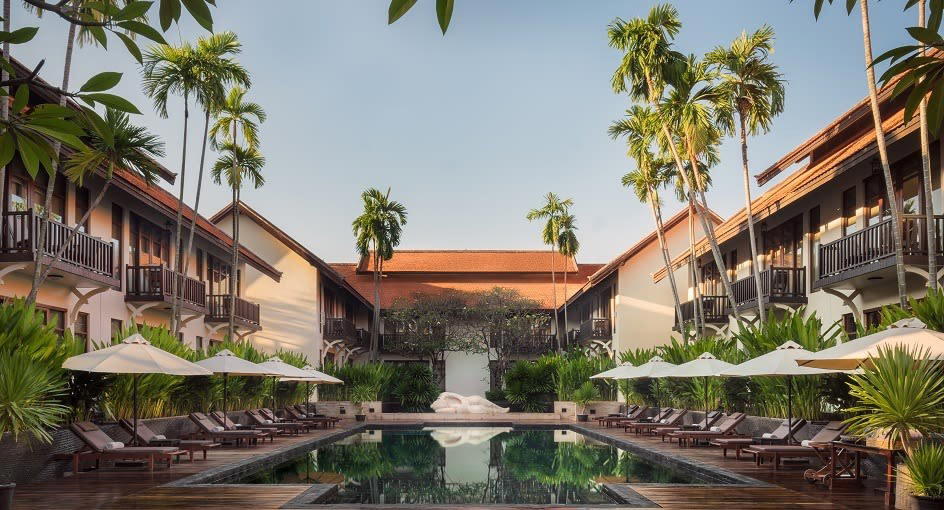
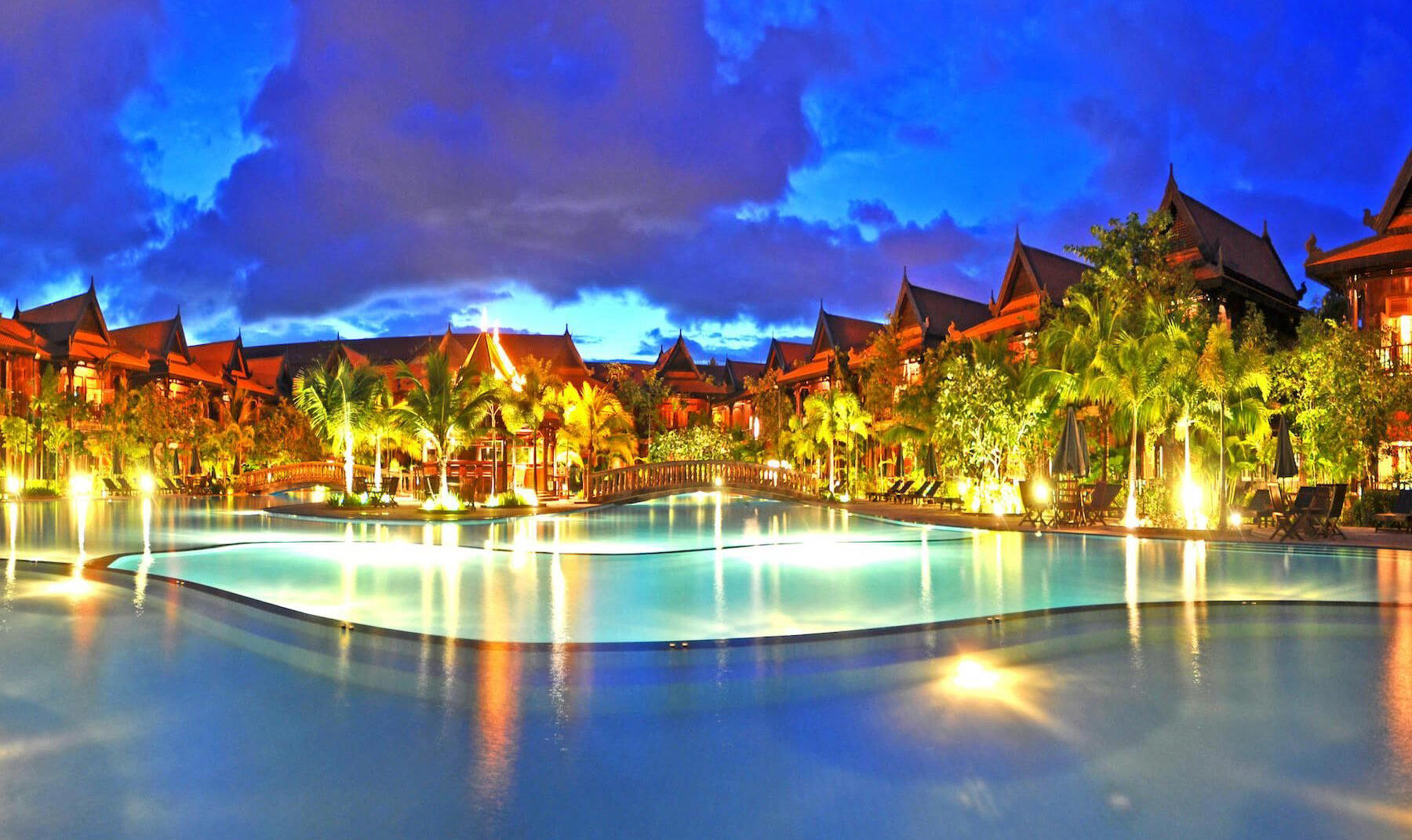
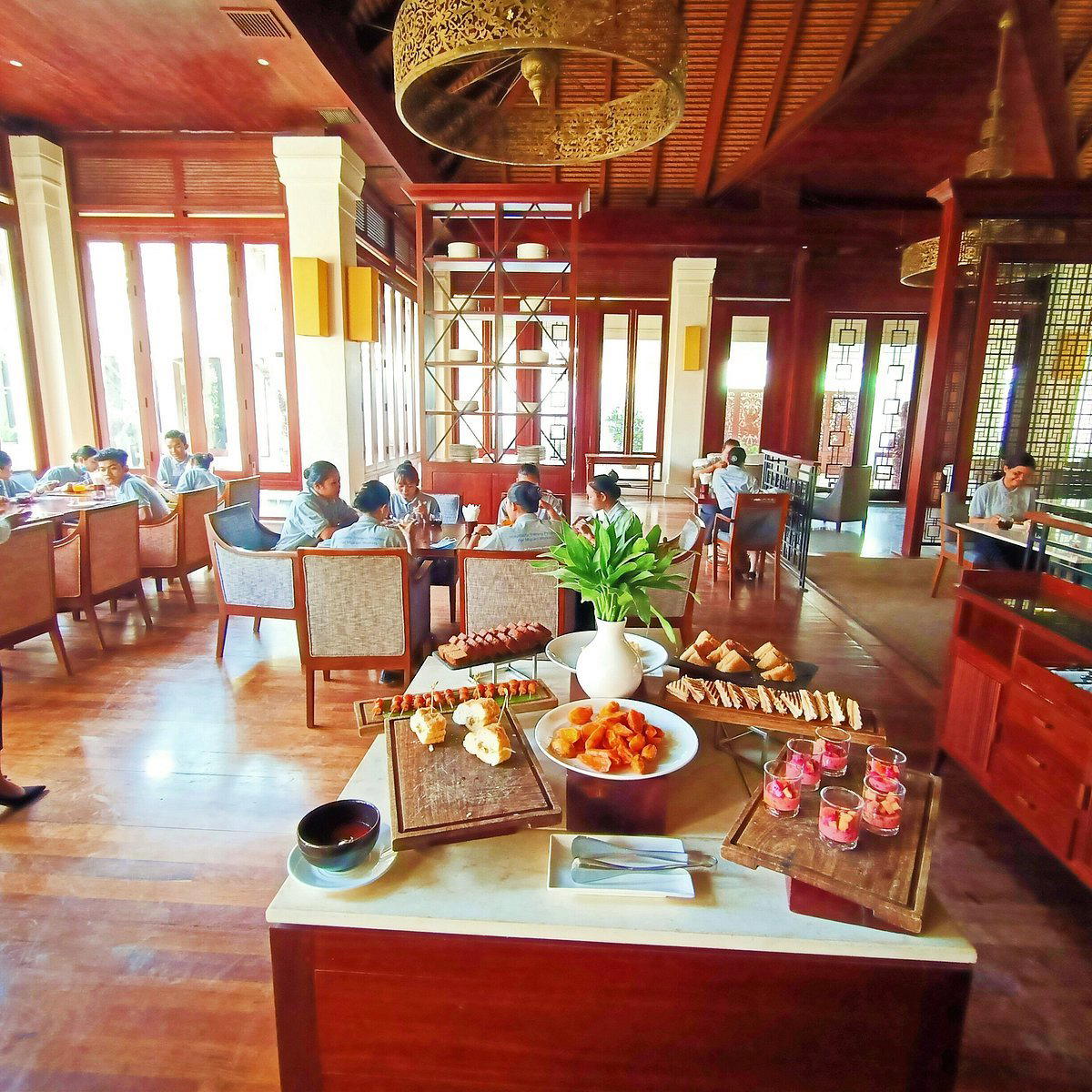
Serene and calming with natural light filtering through wooden structures, evoking rustic elegance amid tropical greenery.