Gansevoort Meatpacking

Gansevoort Meatpacking has anchored New York's most fashion-forward neighbourhood for twenty years, and a top-to-bottom renovation has sharpened every edge. The 186-room hotel sits at 9th Avenue and 13th Street, one block from the High Line, with four full-service dining venues, a 45-foot rooftop heated pool, and a members-only club that extends the stay well beyond a standard room night.
Pearl is the En Primeur Club membership app — saves, bookings, and concierge access live there. Same editors, same standards.
- Address
- 18 9th Ave
- Directions
- Get directions
 Saves & bookings on Pearl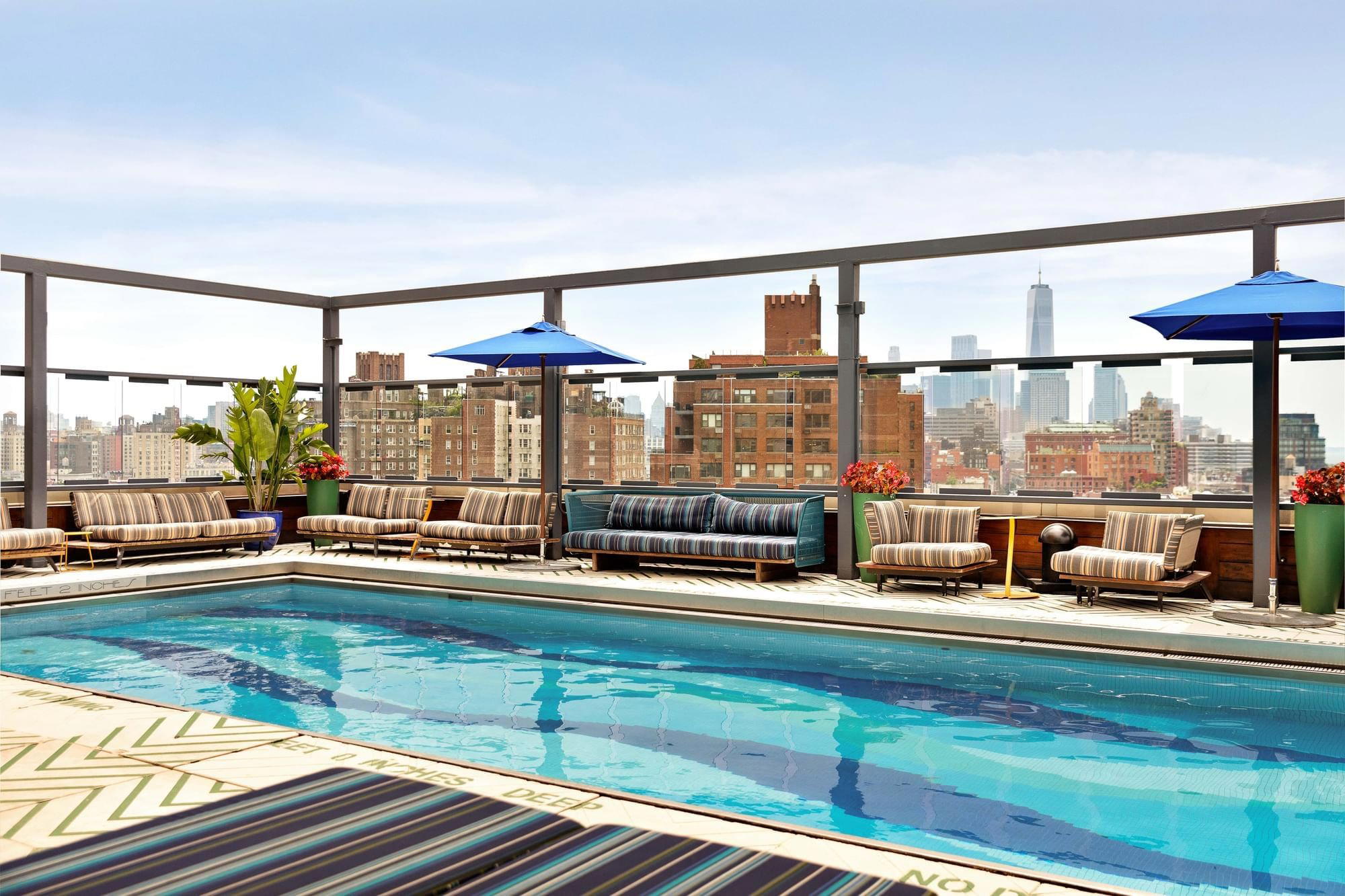
Where the Meatpacking District Earns Its Reputation
Ninth Avenue at 13th Street has a particular quality at dusk: the cobblestones catch the last of the western light off the Hudson, the High Line pedestrians thin out, and the neighbourhood shifts registers from daytime fashion traffic to something more deliberate. Gansevoort Meatpacking sits at 18 9th Ave in Manhattan's Meatpacking District, a 186-room hotel with a 4-star rating and a recent renovation.
The Meatpacking District itself has gone through more identity shifts than almost any Manhattan neighbourhood. From the actual meatpacking trade, through the nightclub years of the late 1990s and early 2000s, into the luxury retail corridor it became after the High Line opened in 2009, the area has never settled into a single mode. That instability is part of its appeal. Hotels here don't occupy a neutral backdrop; they take a position within a neighbourhood that is always in argument with itself. Gansevoort, as one of the district's anchor properties, has had to evolve alongside those shifts, and the current renovation reflects twenty years of reading what this particular guest, in this particular location, actually needs.
The Ritual of the Hotel Meal, Rethought Across Four Venues
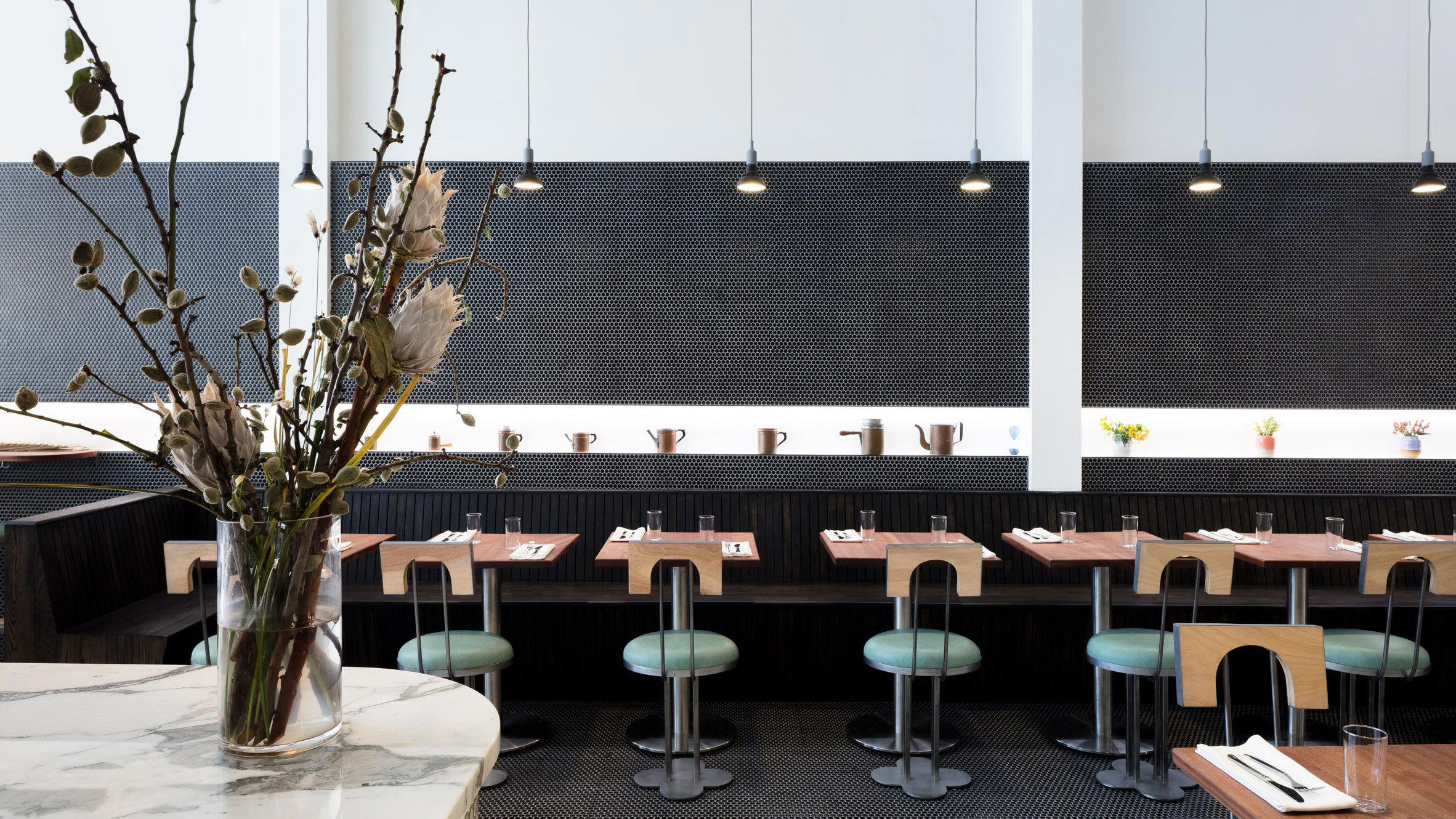
Hotel dining in New York has long operated under a structural disadvantage: guests often treat it as a fallback, a convenience rather than a choice. Gansevoort addresses this with four distinct dining venues rather than a single restaurant forced to serve every function from breakfast through late-night.
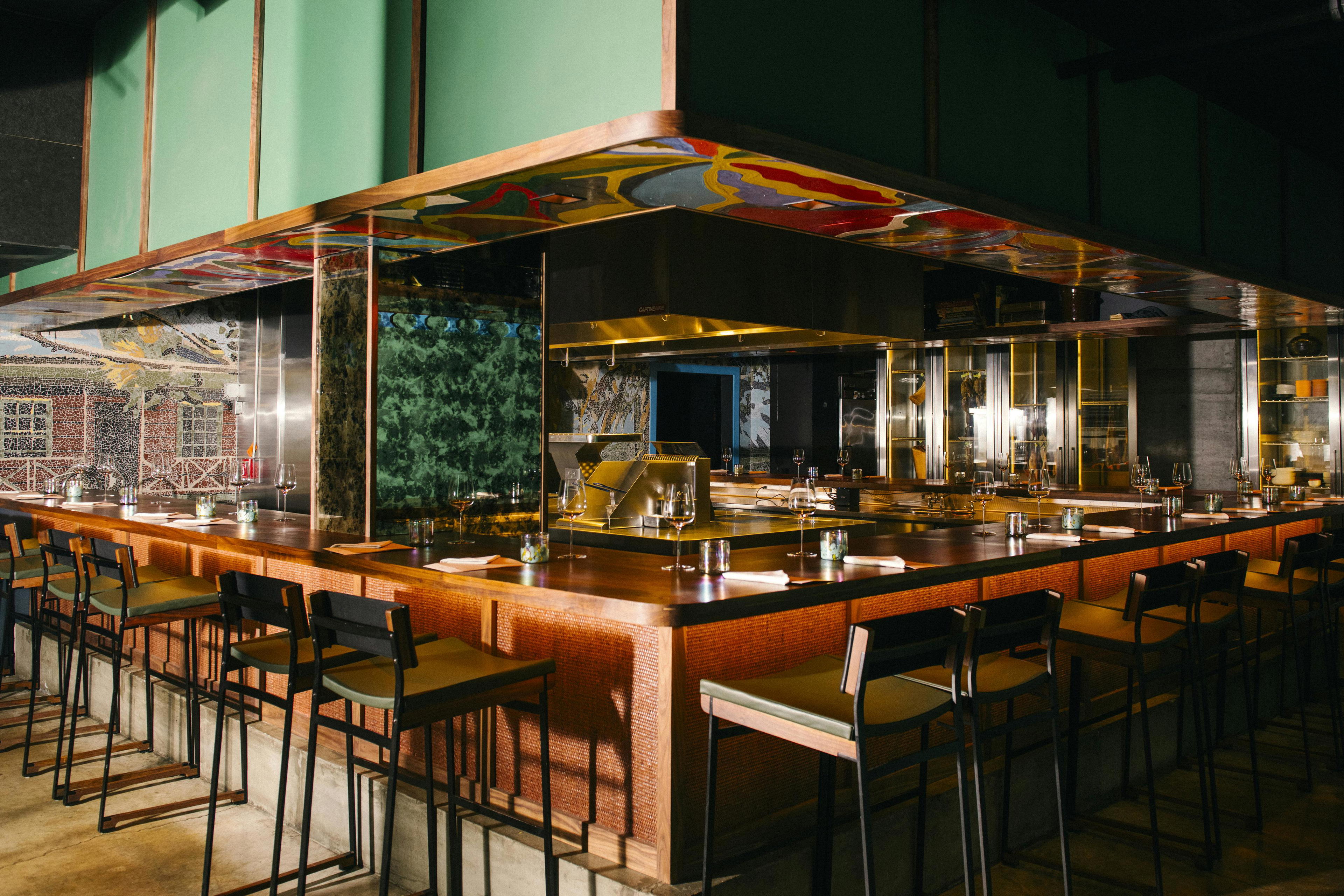
The anchor of the food program is Saishin, a sushi bar and omakase counter overlooking the Manhattan skyline. Omakase as a format imposes its own dining ritual, one that has particular discipline built into it: the chef sequences the meal, the counter seats are limited, and the pacing is set by the kitchen rather than the guest. In New York, where omakase counters have proliferated from midtown to the outer boroughs, the format has become a reliable signal of a kitchen's ambition. Saishin positions itself within that conversation, offering both the full omakase sequence and a la carte selections at the sushi bar for guests who want access to the format without the full commitment of the tasting counter.
The rooftop operates as a separate proposition entirely. All-season access to a heated outdoor pool, panoramic views toward the Hudson, and a dining and bar program that runs year-round make the rooftop a defining part of the property. In a city where rooftop seasonality is a genuine logistical constraint, the year-round heated pool changes what the space can do and when.
Design, Art, and the Architecture of a Stay
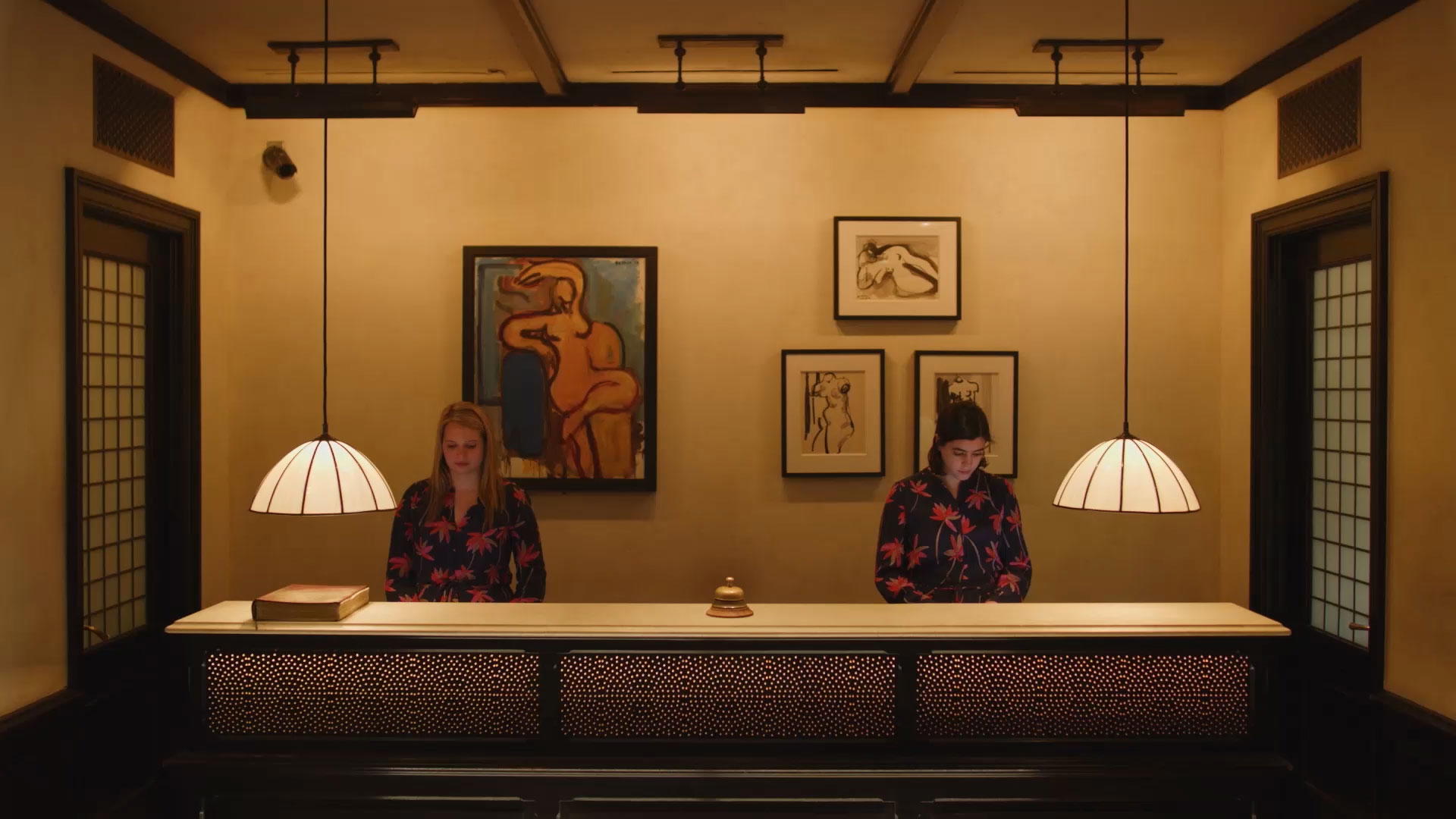
Hotels in this price tier now compete on the texture of the spaces between rooms as much as on the rooms themselves. The renovation at Gansevoort incorporated original art throughout the property, with work from photographers and painters across different periods. This is a different approach from the branded-collection model that larger hotel groups have adopted, where art functions more as wallpaper than as a curatorial statement. The intention to use the physical spaces as an art environment rather than a decorated one is legible in the approach.
Guest rooms have been remodeled with an explicit attention to embedded technology, framed not as gadgetry but as a layer that sits beneath the design rather than competing with it. This is the more difficult balance to strike: tech-forward hotel rooms often end up feeling like demonstration units rather than places to sleep. The renovation's stated goal of discreet integration rather than conspicuous feature-stacking is worth noting, even if the proof is in the experience rather than the description.
Seven24 Collective and the Members-Club Layer
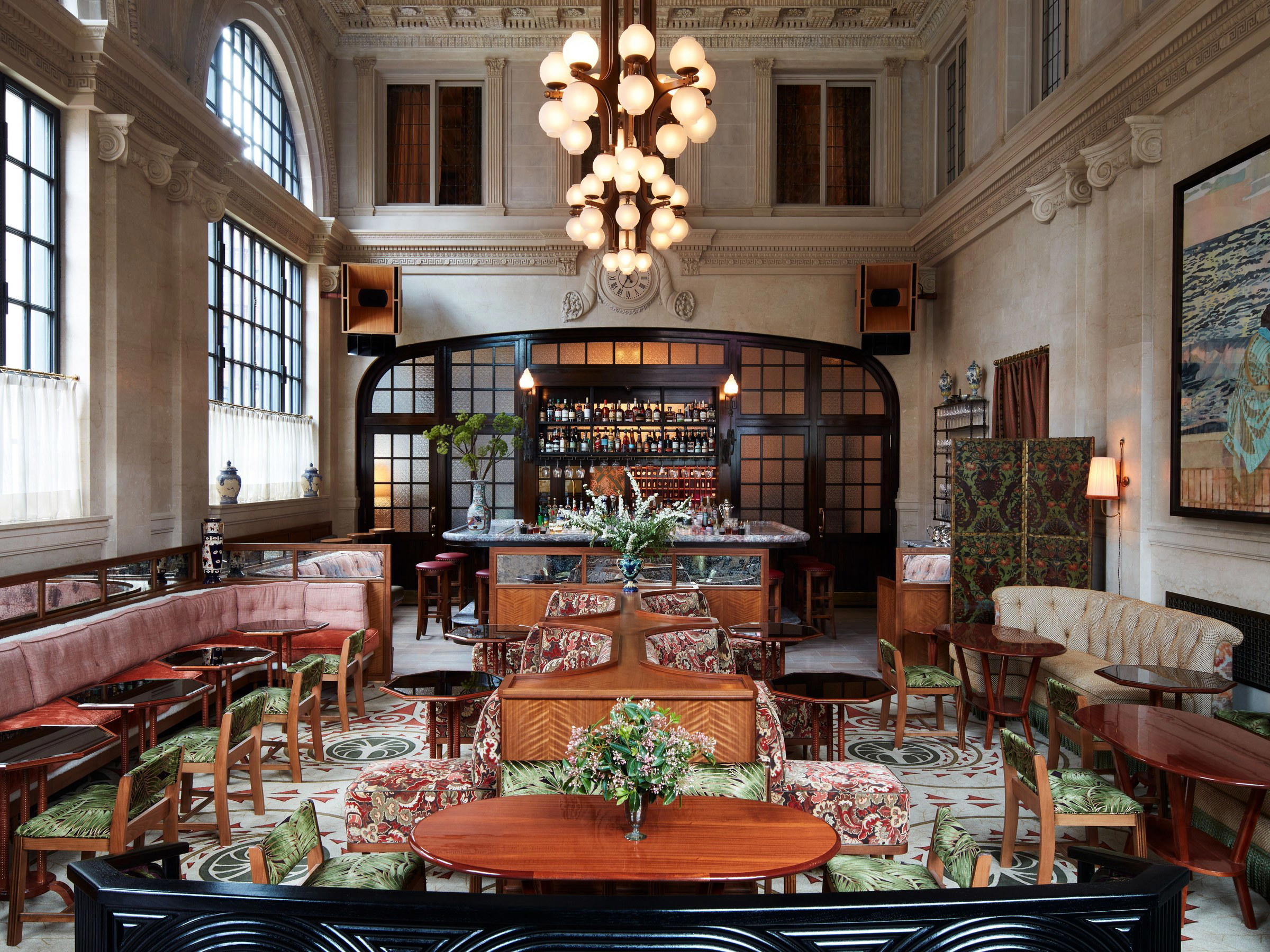
Properties including Casa Cipriani New York and Aman New York have built hybrid models where hotel guests and club members share infrastructure but occupy different tiers of access. Gansevoort's Seven24 Collective is a members-only club accessible to guests during their stay, with dedicated spaces including a Study and a 1970s-themed speakeasy called DIMES. The speakeasy reference is pointed. New York's cocktail culture moved away from the hidden-door theatrical format several years ago, toward transparent technical programs. A space that invokes the 1970s rather than the Prohibition era suggests a different kind of nostalgia, one more about the decade's particular brand of downtown confidence than about concealment for its own sake.
Placing the Property in the Manhattan comparable set
The renovated Gansevoort occupies a distinct position in a city with hotel options at every tier. Properties like The Fifth Avenue Hotel, The Carlyle, A Rosewood Hotel, and The Mark occupy the Upper East Side institutional tier, while Crosby Street Hotel and The Whitby Hotel anchor a design-led Soho-to-Midtown corridor. The Greenwich Hotel sits closest in geography, occupying Tribeca with a different ownership profile and a quieter neighbourhood register. Gansevoort's 186 rooms, four dining venues, rooftop pool, and members club create a broad offering for Meatpacking guests. The Whitney Museum two blocks south, the Hudson River greenway at the end of the street, and the High Line at the doorstep constitute a walkable cultural radius that few Manhattan hotel addresses can match.
For readers weighing Gansevoort against properties further afield, the EP Club library covers a broad range of alternatives, from Amangiri in Canyon Point and Post Ranch Inn in Big Sur to Raffles Boston and Four Seasons at The Surf Club in Surfside. Internationally, the contrast sharpens: Aman Venice, Badrutt's Palace Hotel in St. Moritz, and Bvlgari Hotel Tokyo represent a different tier of infrastructure and address, while domestic alternatives like SingleThread Farm Inn in Healdsburg, Auberge du Soleil in Napa, Hotel Bel-Air in Los Angeles, Troutbeck in Amenia, Kona Village, A Rosewood Resort in Kailua Kona, Little Palm Island Resort & Spa in Little Torch Key, Canyon Ranch Tucson, Sage Lodge in Pray, and 1 Hotel San Francisco each represent a different logic of place entirely.
Planning a Stay
Gansevoort Meatpacking is located at 18 9th Ave, at the corner of 13th Street, within walking distance of the Whitney Museum of American Art, Chelsea Market, and the Hudson River greenway. The High Line's southern access point is a short walk north. The property carries 186 rooms across its renovated inventory, with the four dining venues, rooftop pool, gym, sauna, and Seven24 Collective members club as the principal amenity stack.
Comparable Venues
Comparable venues nearby, for context on price, style, and recognition.
| Venue | Cuisine | Price | Awards | Notes |
|---|---|---|---|---|
| Gansevoort MeatpackingThis venue — the venue you are viewing | Modern luxury boutique in lively urban district | $$$$ | 4-Star | Not listed |
| Archer Hotel New York | Intimate boutique hotel with industrial-chic ambiance and sincere service. | $$$$ | 4-Star | Midtown-Times Square |
| Sofitel New York | French-inspired luxury urban hotel | $$$$ | 4-Star | Midtown-Times Square |
| The Standard, East Village | Boutique hotel blending tenement charm with modern high-rise tower. | $$$$ | 4-Star | East Village |
| The Standard, High Line | Bold architectural statement perched on stilts above the High Line park | $$$$ | 4-Star | West Village |
| ModernHaus SoHo | Contemporary urban residential luxury | $$$$ | 4-Star | SoHo-Little Italy-Hudson Square |
Recognition history
Dated appearances from independent guides and award organizations, with the underlying list record or original source where available.
Virtuoso Luxury Hotel Partner
Virtuoso
Continue exploring
More in New York City
Hotels in New York City
Browse all →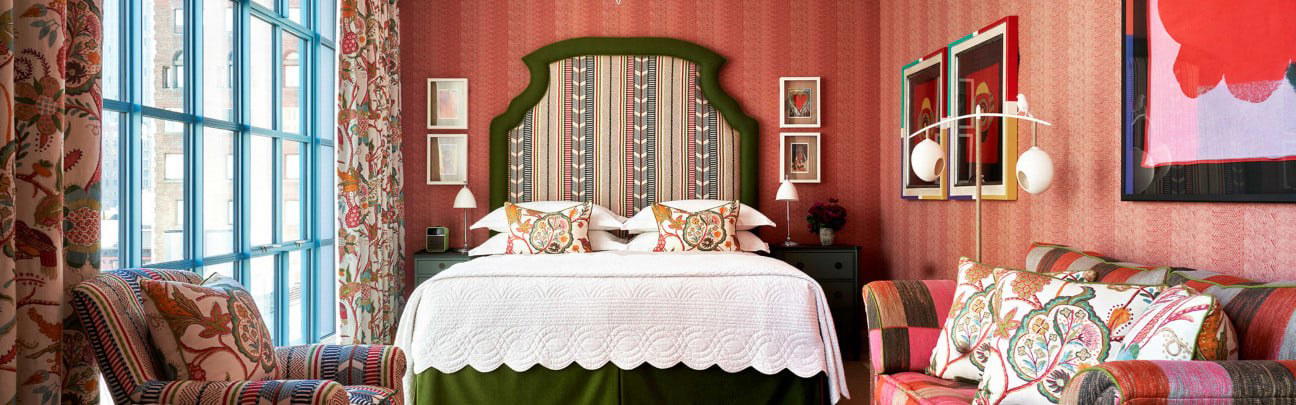

Bars in New York City
Browse all →


Restaurants in New York City
Browse all →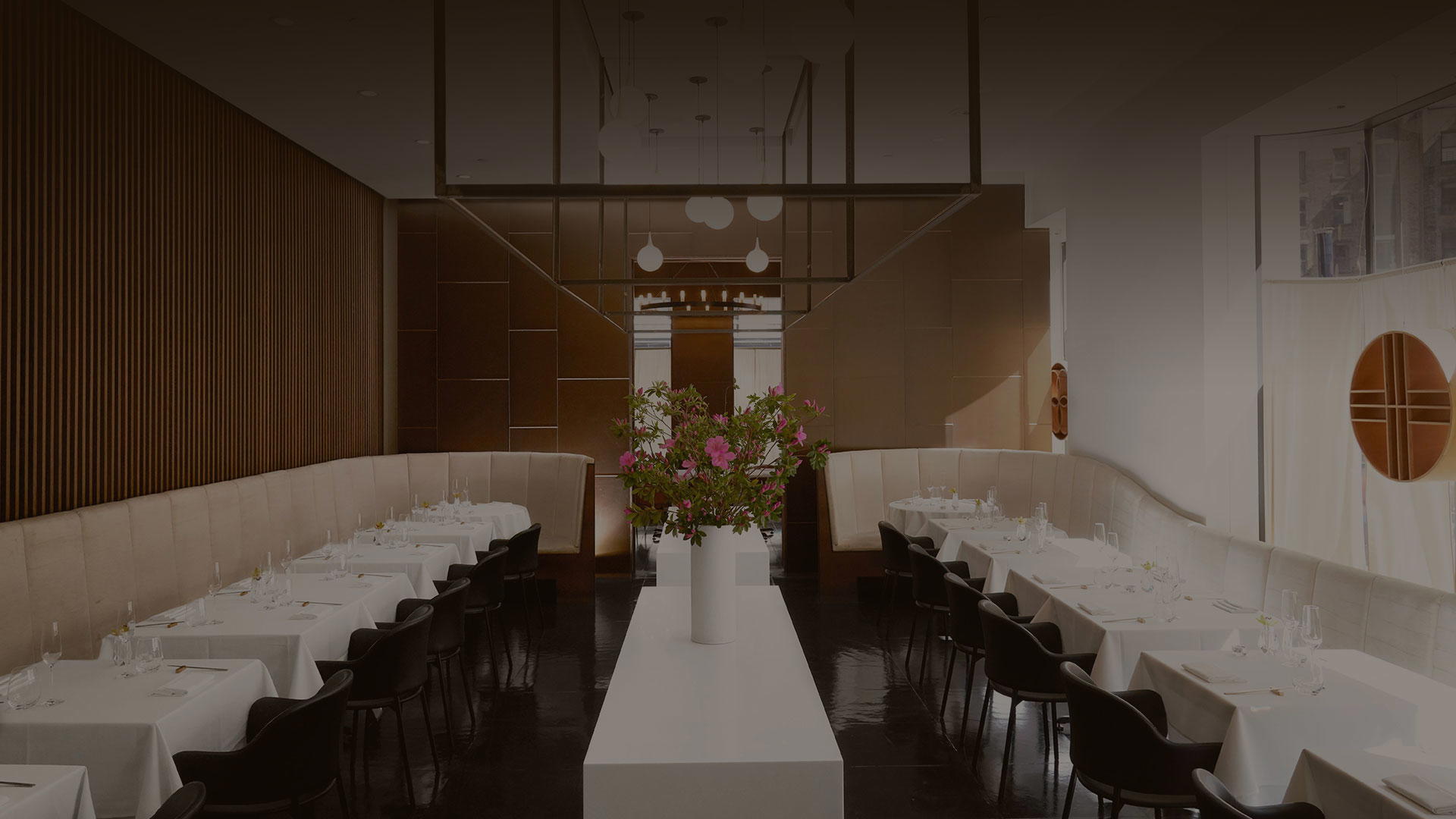
Wineries in New York City
Browse all →


At a Glance
- Trendy
- Modern
- Lively
- Sophisticated
- Elegant
- Romantic Getaway
- Business Trip
- Weekend Escape
- Celebration
- Rooftop Pool
- Panoramic View
- Terrace
- Wi Fi
- Pool
- Fitness Center
- Room Service
- Concierge
- Sauna
- Valet Parking
- Skyline
- Waterfront
- Wi Fi
- Pool
- Fitness Center
- Room Service
- Concierge
- Sauna
- Valet Parking
Loft-like with cool blue and gray hues, pops of color, modern art, and lively urban energy.