The Royal Hawaiian, a Luxury Collection Resort, Waikiki
The Royal Hawaiian has anchored the western end of Kalākaua Avenue since 1927, its coral-pink Moorish-Spanish facade as much a piece of Waikiki's architectural record as the beach itself. Sitting inside the Luxury Collection, it occupies the quieter, heritage end of the Waikiki resort spectrum, drawing guests who want proximity to the surf without the convention-hotel scale of its neighbors.
Pearl is the En Primeur Club membership app — saves, bookings, and concierge access live there. Same editors, same standards.
- Address
- 2259 Kalākaua Ave, Honolulu, HI 96815
- Phone
- +1 808 923 7311
- Website
- marriott.com
 Saves & bookings on Pearl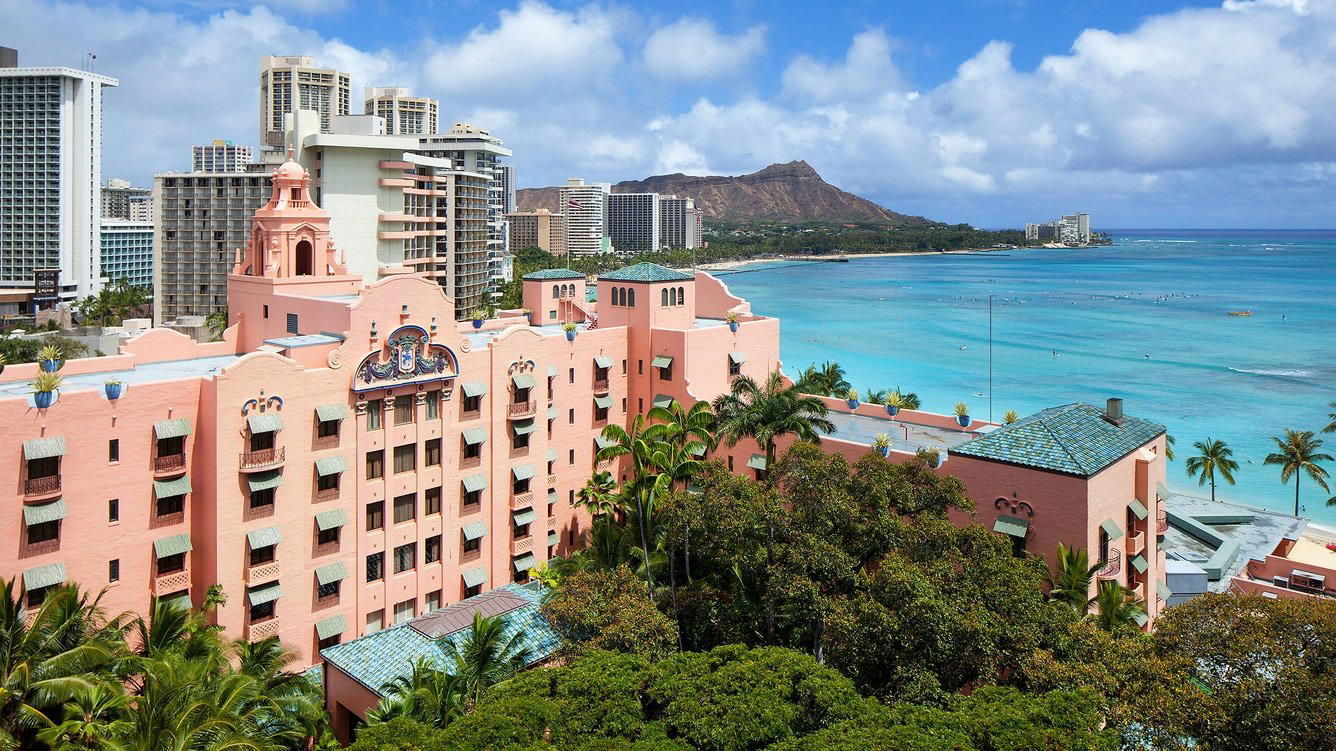
A Different Register on Kalākaua Avenue
Waikiki's hotel strip runs a wide spectrum: glass towers with ballroom capacity on one end, boutique retreats like Hotel Renew and the Surfjack Hotel & Swim Club on the other, and a broad middle ground occupied by properties like the Hyatt Regency Waikiki Beach Resort and Spa and the Hilton Hawaiian Village Waikiki Beach Resort. The Royal Hawaiian sits closer to neither extreme. It is a heritage property with genuine age, operating at a scale that belongs to the pre-tower era of Hawaiian hospitality, and its pink stucco facade at 2259 Kalākaua Ave has been a fixed point on this coastline since 1927. That longevity is not incidental to the experience; it shapes the rhythm, the sightlines, and the way the property relates to the beach in front of it.
For context, this is a five-star Luxury Collection property, which places it inside Marriott Bonvoy's upper tier alongside addresses like Moana Surfrider, A Westin Resort & Spa, Waikiki Beach, another Waikiki landmark with comparable historical credentials. The competitive set here is not the convention resorts but the handful of beachfront properties that can make a credible claim to heritage and a direct relationship with the sand. See our full Urban Honolulu guide for how these properties map against the broader Honolulu hotel picture.
The Approach and the Physical Environment
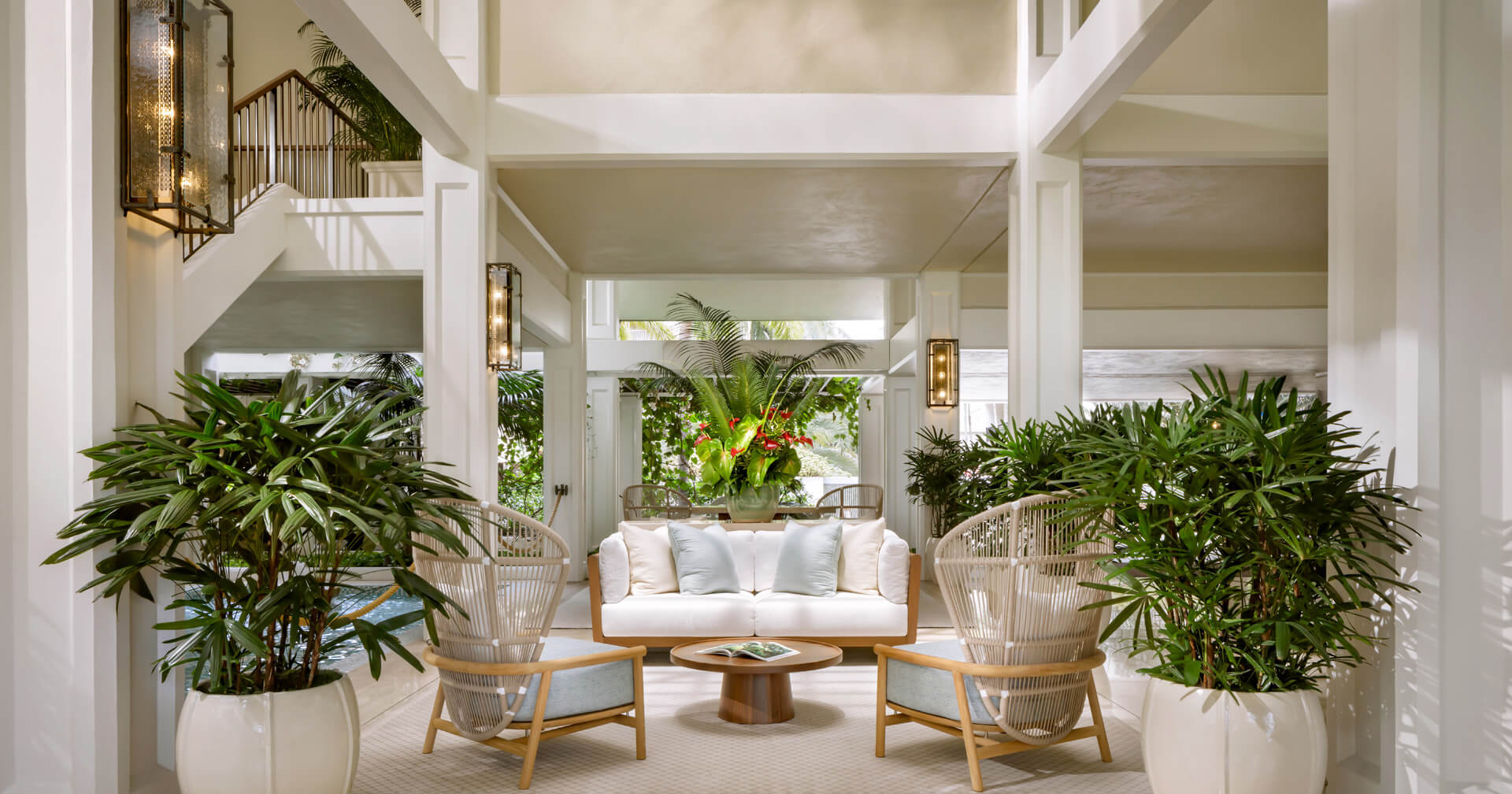
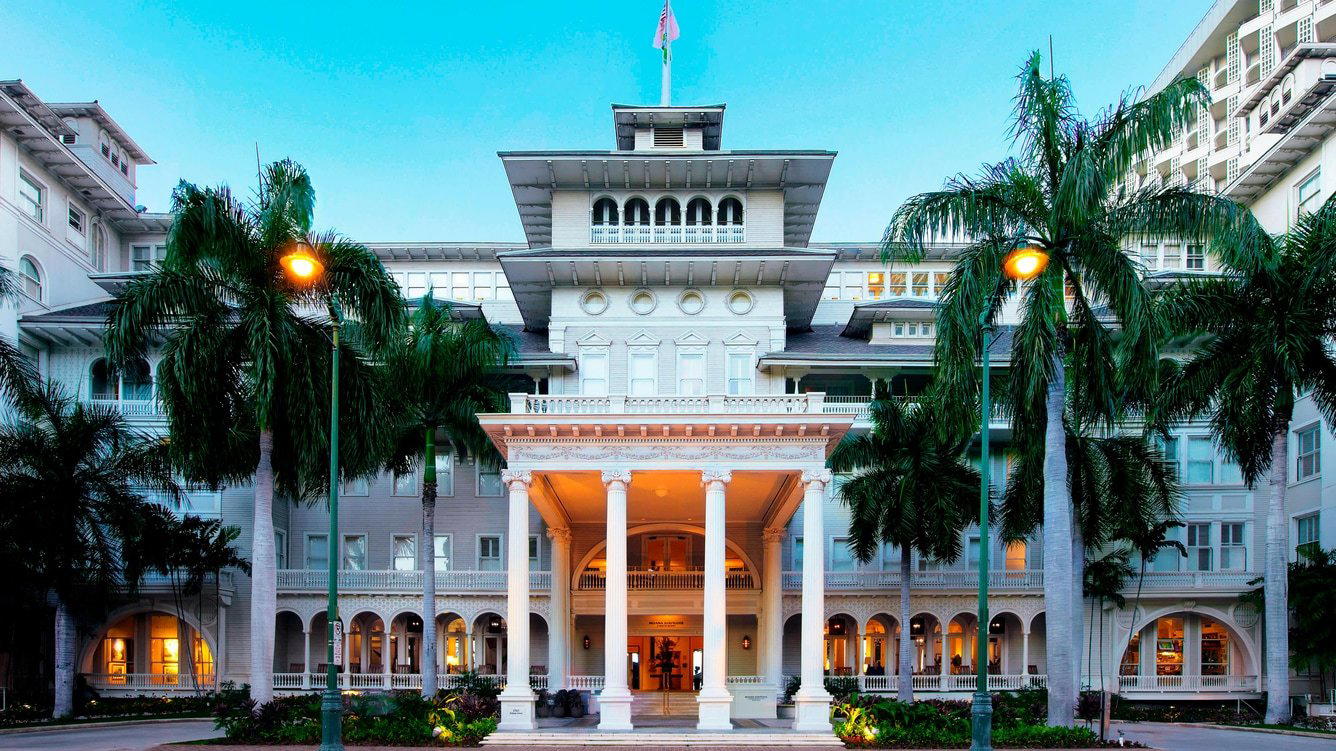
Walking toward the Royal Hawaiian from the Kalākaua sidewalk, the first signal is color: the facade reads pink against the Oahu sky in a way that no other building on this strip does. The Moorish-Spanish arches at the entrance are original architecture, not a renovation-era interpretation. Inside, the lobby scale is proportioned to a 1920s resort concept rather than a modern convention hotel, which means lower ceilings, tighter corridors in the historic wing, and a garden that connects the building to the beach rather than a lobby that announces itself as the centerpiece. That compressed, older geometry is either a charm or a limitation depending on what the guest is prioritizing. Guests who prefer the spatial drama of a grand contemporary lobby may find more of that at the Hilton Vacation Club The Modern Honolulu or similar addresses. Those arriving for the heritage character will read the original architecture as the point.
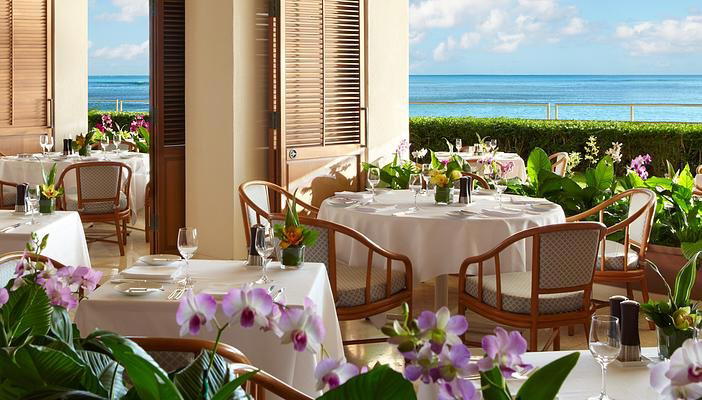
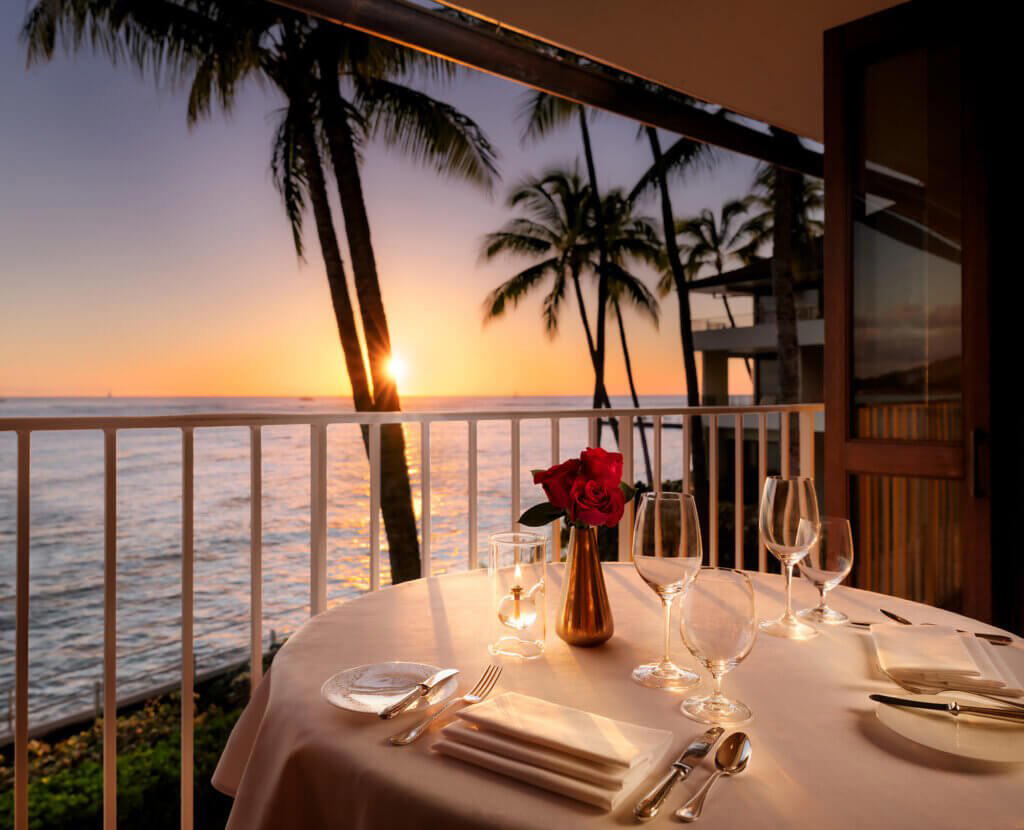
The beachfront position is among the more direct on Waikiki. The property sits on one of the wider sections of the beach, and the transition from hotel garden to sand is short enough that the boundary between resort and shoreline is genuinely permeable. That kind of physical relationship with the water is increasingly rare in Waikiki, where newer towers set back from the beach or above street retail lose the immediate beach adjacency that defined the original resort model here.
Hawaiian Sourcing and the Dining Tradition at a Heritage Property
Hawaiian resort dining has shifted considerably since the era the Royal Hawaiian was built. The archipelago now has a defined farm-to-table movement anchored in producers across Oahu's North Shore, the Big Island, and Maui, with resort kitchens at the upper end expected to connect their menus to named local suppliers. This is the context in which the Royal Hawaiian's dining outlets operate. Hawaii's geographic isolation historically made local sourcing both a necessity and a constraint; today it functions as a point of distinction, with ingredients like Hamakua mushrooms, Maui cattle, Kauai shrimp, and locally harvested seafood appearing across the premium resort segment as markers of culinary commitment rather than mere logistics.
At a property of this vintage and positioning, the dining program is expected to reflect that sourcing culture. The beachfront setting creates a specific appetite for the kind of food that makes sense at the water's edge in the late afternoon: lighter preparations, local fish, produce that reads as specific to place. This is the culinary tradition the Royal Hawaiian sits inside, and it connects to a broader American resort pattern visible at properties like Kona Village, A Rosewood Resort on the Big Island, or, on the mainland, Auberge du Soleil in Napa and SingleThread Farm Inn in Healdsburg, where the relationship between kitchen and local agriculture is foundational rather than decorative.
That sourcing logic extends to how premium Hawaiian resorts position their food and beverage programs against international luxury peers. Guests comparing the Royal Hawaiian to a property like Amangiri in Canyon Point or Post Ranch Inn in Big Sur will find a different approach to place-specificity, but the underlying idea, that the land and water surrounding the property should inform what arrives at the table, is consistent across this tier of American resort hospitality.
Where It Sits in the Waikiki comparable set
The Waikiki luxury segment has consolidated around a handful of positions. Large-format resorts like the OUTRIGGER Reef Waikiki Beach Resort compete on amenity breadth and volume. Smaller properties like the Coconut Waikiki Hotel offer a lower-key, less branded experience. The Royal Hawaiian's position is defined by age and Luxury Collection affiliation: it offers chain-level booking infrastructure and loyalty integration alongside a physical asset that no new-build property can replicate. That combination is what draws guests who want both the Marriott Bonvoy ecosystem and something that reads as distinct from a generic international hotel room.
Globally, this heritage-resort model has parallels at properties like Badrutt's Palace Hotel in St. Moritz or Raffles Boston, where the brand's value proposition rests substantially on architectural permanence and a documented history. At the Royal Hawaiian, that history is inseparable from the physical experience of the property. The 1927 opening date is not a marketing footnote; it is the reason the building's relationship to the beach, the gardens, and Kalākaua Avenue looks and feels the way it does.
Planning Your Stay
The Royal Hawaiian operates within a well-trafficked part of Waikiki, and the surrounding blocks on Kalākaua Avenue give immediate access to the full range of Honolulu dining and retail. Guests arriving via Daniel K. Inouye International Airport should allow 25 to 40 minutes by car depending on time of day, as the H-1 corridor into Waikiki carries significant congestion during morning and late-afternoon hours. Booking windows for peak periods, particularly December through February and June through August, warrant early planning; the Luxury Collection tier at this address fills at a pace comparable to other legacy beachfront properties in the region. For travelers considering the Royal Hawaiian alongside other American resort addresses, the Little Palm Island Resort & Spa in Little Torch Key, Canyon Ranch Tucson, and Four Seasons at The Surf Club in Surfside represent different but comparable positions in the premium American resort category. Those preferring urban-luxury alternatives elsewhere might look at The Fifth Avenue Hotel in New York City, Aman New York, or Hotel Bel-Air in Los Angeles for comparable heritage-plus-luxury positioning in mainland cities. Those drawn to quieter countryside formats in the Northeast may find Troutbeck in Amenia or Sage Lodge in Pray worth comparing, while travelers with an eye on European luxury equivalents should consider Aman Venice as a parallel study in landmark-building hospitality.
Cuisine and Recognition
Comparable venues nearby, for context on price, style, and recognition.
| Venue | Cuisine | Price | Awards | Notes |
|---|---|---|---|---|
| The Royal Hawaiian, a Luxury Collection Resort, WaikikiThis venue — the venue you are viewing | Historic oceanfront resort blending Spanish-Moorish grandeur with modern Hawaiian luxury. | $$$$ | 5-Star | Not listed |
| OUTRIGGER Reef Waikiki Beach Resort | Contemporary beachfront retreat rooted in Hawaiian culture | $$$ | 4-Star | Waikiki |
| Moana Surfrider, A Westin Resort & Spa, Waikiki Beach | Historic beachfront resort blending Victorian heritage with modern luxury. | $$$$ | 4-Star | Waikiki |
| Hyatt Regency Waikiki Beach Resort and Spa | Full-service beachfront resort with Hawaiian cultural touches | $$$$ | 4-Star | Waikiki |
| Coconut Waikiki Hotel | modern island style | $$ | 3-Star | Waikiki |
| Surfjack Hotel & Swim Club | Vintage-inspired beach bungalow with Hawaiian mid-century modern touches | $$ | 4-Star | Waikiki |
Continue exploring
More in Urban Honolulu
Hotels in Urban Honolulu
Browse all →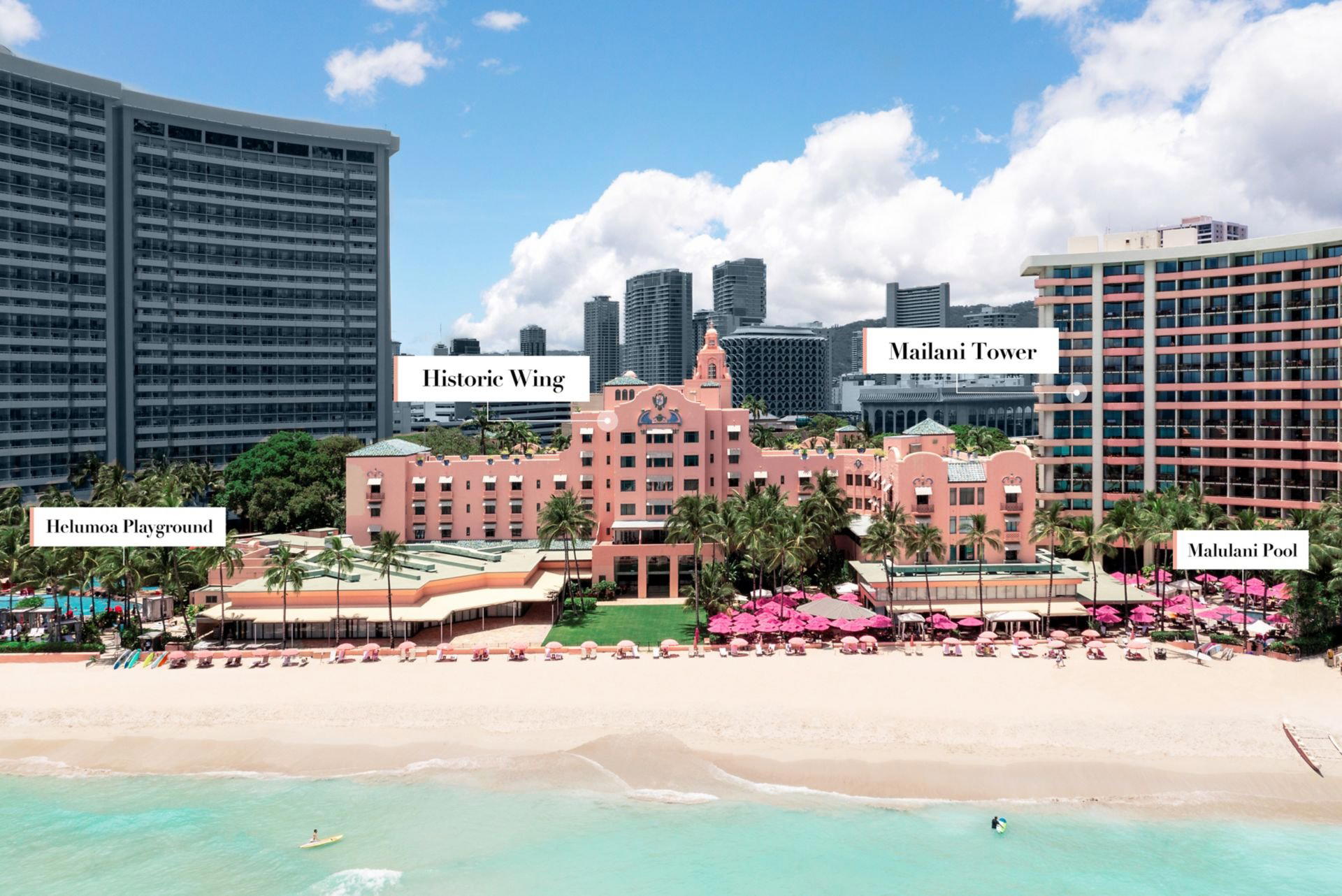
Bars in Urban Honolulu
Browse all →
Restaurants in Urban Honolulu
Browse all →
At a Glance
- Well Known
- Elegant
- Romantic
- Classic
- Ornate
- Honeymoon
- Romantic Getaway
- Family Vacation
- Anniversary
- Beachfront
- Rooftop Pool
- Historic Building
- Panoramic View
- Pool
- Spa
- Beach Access
- Room Service
- Concierge
- Valet Parking
- Waterfront
- Pool
- Spa
- Beach Access
- Room Service
- Concierge
- Valet Parking
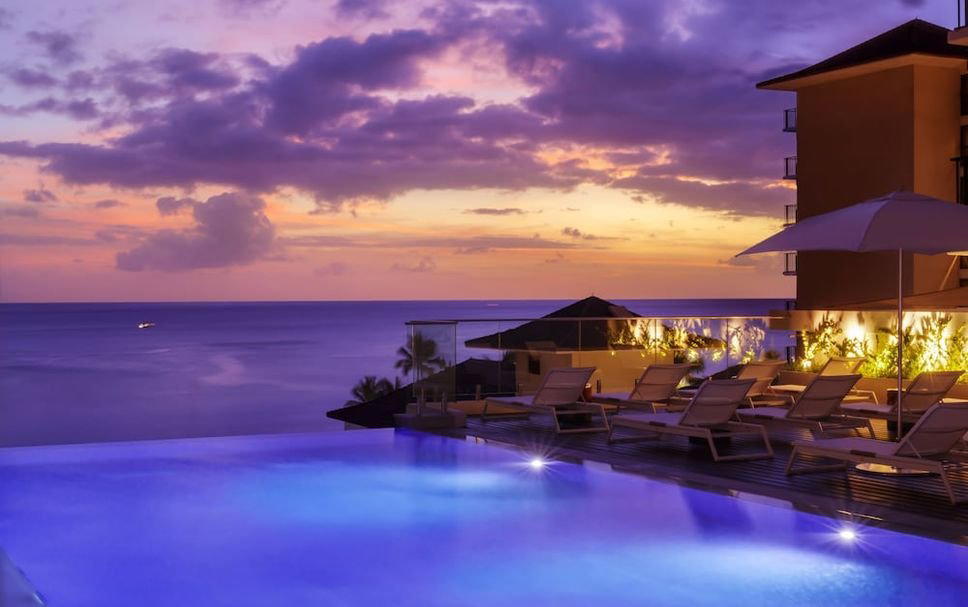
Oasis of calm with lush tropical gardens, elegant indoor/outdoor spaces, and timeless pink-hued luxury evoking old Waikiki charm.