The Roxy Hotel New York

The Roxy Hotel New York occupies a TriBeCa address that bridges the neighbourhood's industrial past with its current status as one of downtown Manhattan's most culturally active corridors. A Michelin Selected property for 2025, it sits in the tier of independent-spirited hotels that trade large-brand certainty for a more specific sense of place, anchored by live music, a resident cinema, and a program that keeps the lobby in motion well after midnight.
Pearl is the En Primeur Club membership app — saves, bookings, and concierge access live there. Same editors, same standards.
- Address
- 2 6th Ave, New York, NY 10013
- Phone
- (212) 519-6600
- Website
- roxyhotelnyc.com
- Directions
- Get directions
 Saves & bookings on Pearl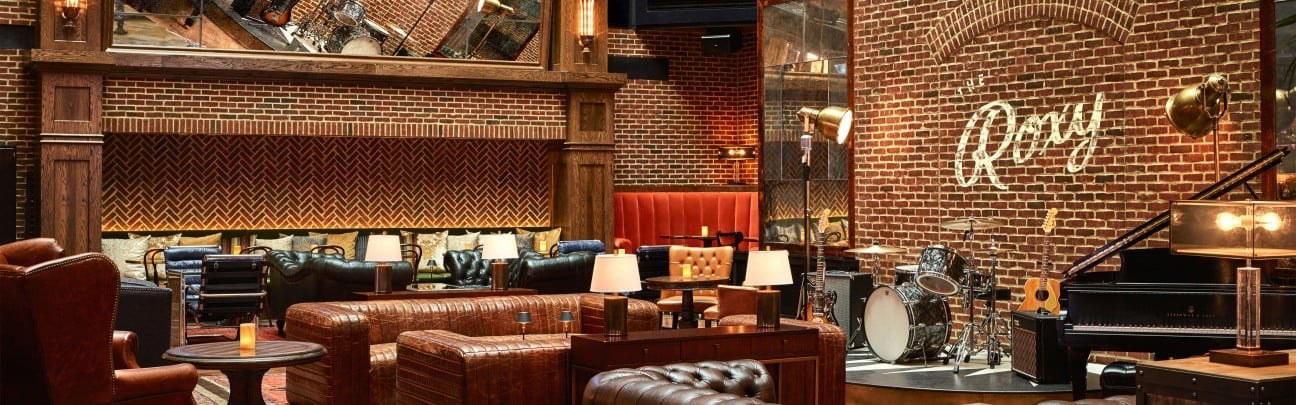
TriBeCa's Independent Hotel Tier and Where the Roxy Sits Within It
Downtown Manhattan's hotel market has fractured along predictable lines. At one end sit the major international flags with their loyalty programs and standardised amenities; at the other, a cohort of smaller, independently programmed properties that have made their reputations through cultural positioning rather than points accumulation. The Roxy Hotel New York belongs firmly in that second group, and its 2025 Michelin Selected designation confirms what the neighbourhood already knew: that this Avenue of the Americas address has earned a place in a more selective conversation about how to spend a night, or several, in lower Manhattan.
The distinction matters in context. Michelin's hotel selection process does not operate on restaurant-style star logic; properties are assessed on service consistency, atmosphere, and the overall coherence of the guest experience. The hotel does not compete on room count or spa square footage; it competes on atmosphere, programming, and the feeling that the property has a point of view.
The Atmosphere That Greets You
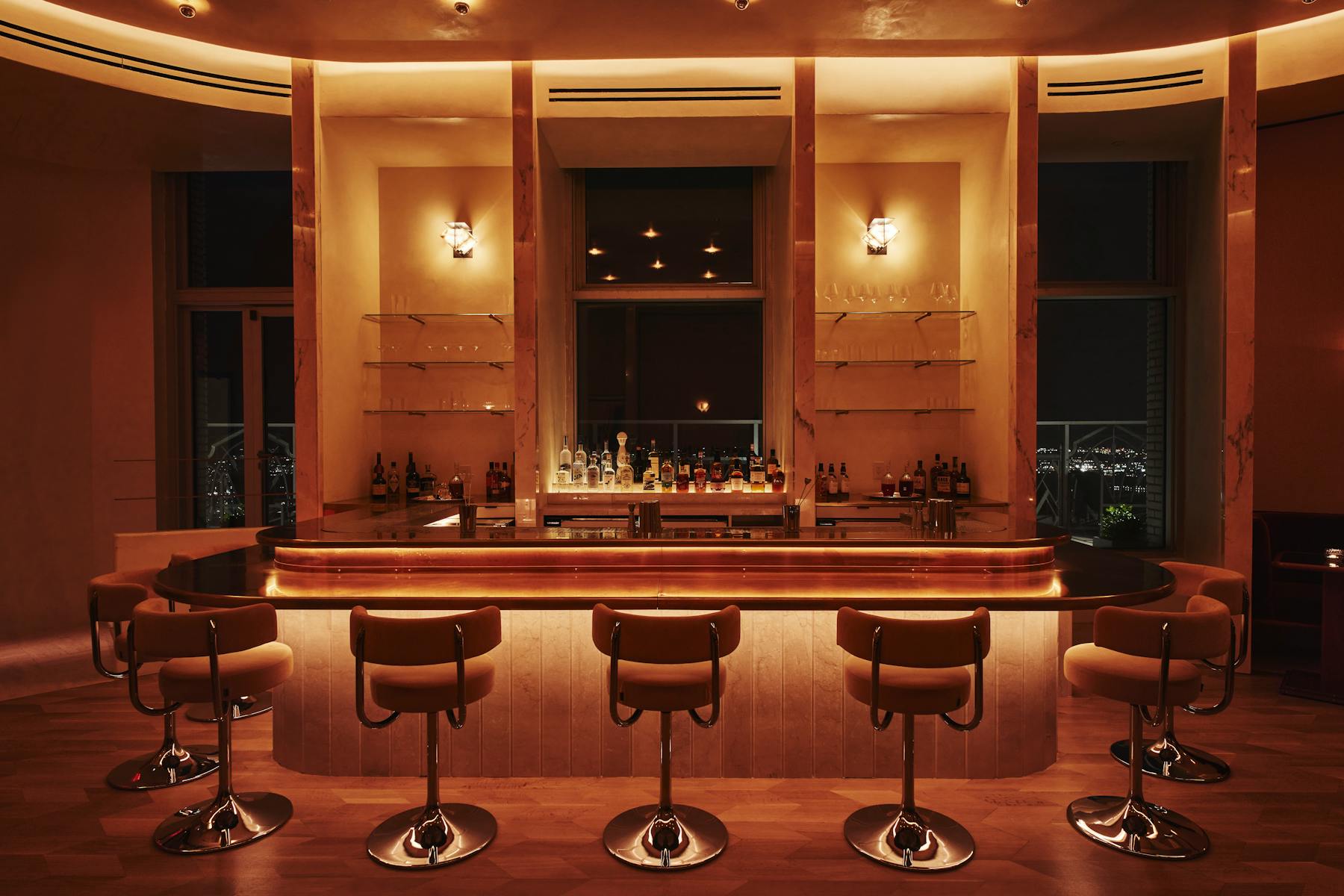
Walking into the Roxy's lobby, the sensory register is immediately different from TriBeCa's quieter residential streets. The ground floor functions as a kind of civic space for the neighbourhood's creative community: there is a working cinema, a jazz bar that draws a local crowd rather than an exclusively hotel-staying one, and a lobby that circulates with enough energy that the distinction between guest and neighbour feels deliberately blurred. This is the architectural argument the hotel makes about itself — that a hotel should be a venue in its own right, not merely a backdrop for the city outside.
That philosophy shapes service culture as much as it shapes the physical space. In hotels where the programming is this active, front-of-house staff tend to operate more like cultural concierges than room-key distributors. The expectation, implicit in the Michelin recognition, is that the team can speak to what's on in the jazz bar that evening, which screening the cinema is running, and how to connect a guest's interests to the full range of what the building offers. That kind of anticipatory, context-aware service is harder to train than standard check-in protocol, and it is the mechanism through which independently programmed hotels like this one justify their position in the selective tier.
TriBeCa as a Hotel Context
The neighbourhood itself is relevant to the choice. TriBeCa has shifted considerably over the past two decades from a largely industrial district into one of the most expensive residential zip codes in New York. That transformation has produced a specific kind of hotel guest: someone who already knows the city well, who has probably stayed at the larger Midtown properties and found them efficient but characterless, and who is now looking for a downtown address that matches their actual interests in the city. The Roxy's programming, which leans into live music and film, speaks directly to that profile.
For comparison within the SoHo and TriBeCa corridor, properties like Crosby Street Hotel and The Greenwich Hotel each take distinct approaches: Crosby Street leans into Firmdale's art-saturated aesthetic, while the Greenwich draws on Robert De Niro's Italian provenance and a Shibui spa that runs counter to the neighbourhood's post-industrial grain. The Roxy's differentiator is the live programming — the cinema and jazz bar give it an anchor that the others do not replicate in quite the same way.
Guests who prefer Midtown's hotel density might look at The Whitby Hotel or The Fifth Avenue Hotel, both of which operate in a similarly curated register but with a very different neighbourhood character. Further uptown, The Mark and Casa Cipriani New York serve guests whose gravitational pull is toward the Upper East Side and the Financial District respectively. Each of those properties makes a coherent argument for its location; the Roxy's argument is that TriBeCa itself, at this moment in the city's geography, is the right place to be based.
Thinking About the Roxy Relative to Other U.S. Stays
For travellers building a longer American itinerary, the Roxy occupies a specific position. It is a city hotel with a cultural program, not a resort or a destination property in the traditional sense. Guests who want landscape and withdrawal might instead look at Post Ranch Inn in Big Sur, Amangiri in Canyon Point, or Troutbeck in Amenia for something within easier reach of New York. Those properties deliver a very different kind of guest experience, centred on natural setting rather than urban programming. The Roxy is for guests who want the city to come to them, rather than to step outside it.
For properties in a comparable independent-hotel-with-cultural-credentials tier across other U.S. cities, the Chicago Athletic Association in Chicago offers a useful point of reference: a property with deep local history, a bar culture that extends beyond the hotel's own guests, and a service ethos that is more interested in giving guests access to the city than in insulating them from it.
Planning a Stay
The Roxy Hotel sits at Two Avenue of the Americas, placing it in the western reach of TriBeCa with easy access to the A, C, and E trains at Canal Street, as well as the 1 train a few blocks east. For guests arriving from JFK or Newark, the hotel's downtown position means factoring in the length of the cross-Manhattan approach; the PATH train at World Trade Center is an option from Newark that deposits you within a short cab ride of the address. Booking through the hotel directly, or via a channel that reflects the Michelin Selected recognition, is the standard approach for this tier. Given the hotel's active programming, weekend availability runs tighter than midweek; for stays that coincide with specific events in the jazz bar or cinema, planning several weeks ahead is practical rather than optional. For broader context on how the Roxy sits within New York's dining and hospitality scene, see our full New York City guide.
Recognition history
Dated appearances from independent guides and award organizations, with the underlying list record or original source where available.
Mr & Mrs Smith Smith Seal of Approval
Mr & Mrs Smith
Michelin Selected
Michelin
Continue exploring
More in New York City
Hotels in New York City
Browse all →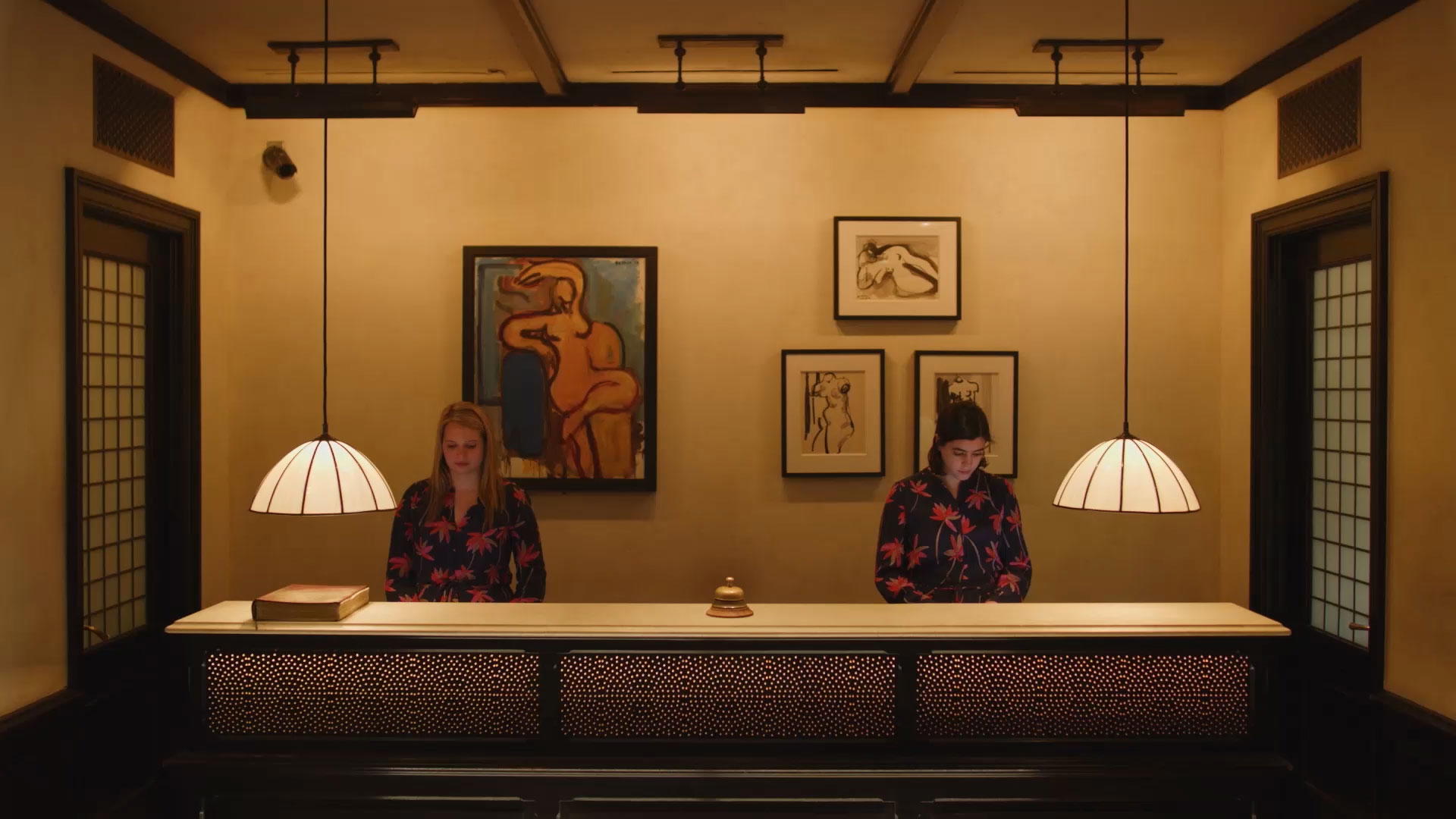


Bars in New York City
Browse all →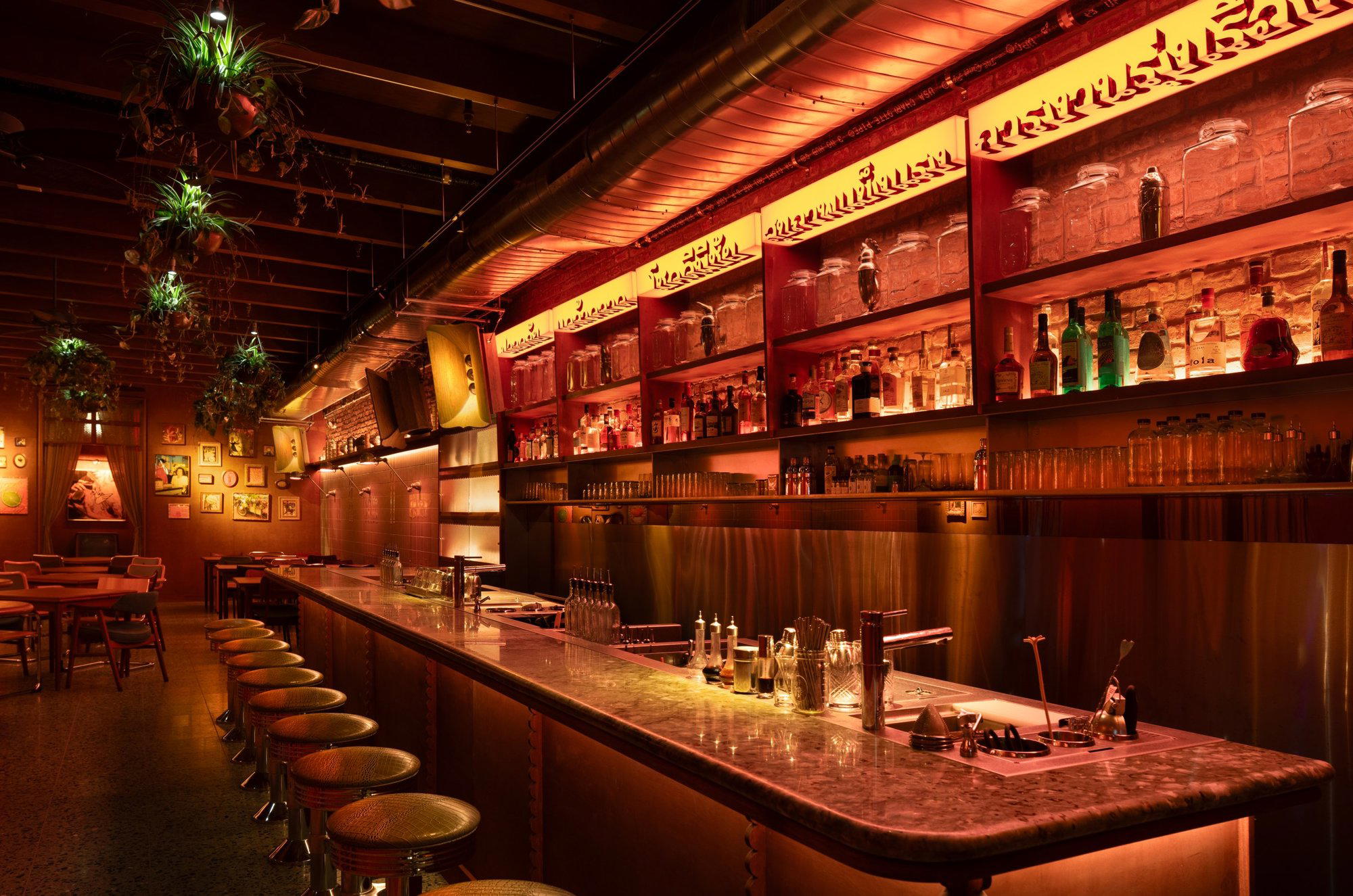
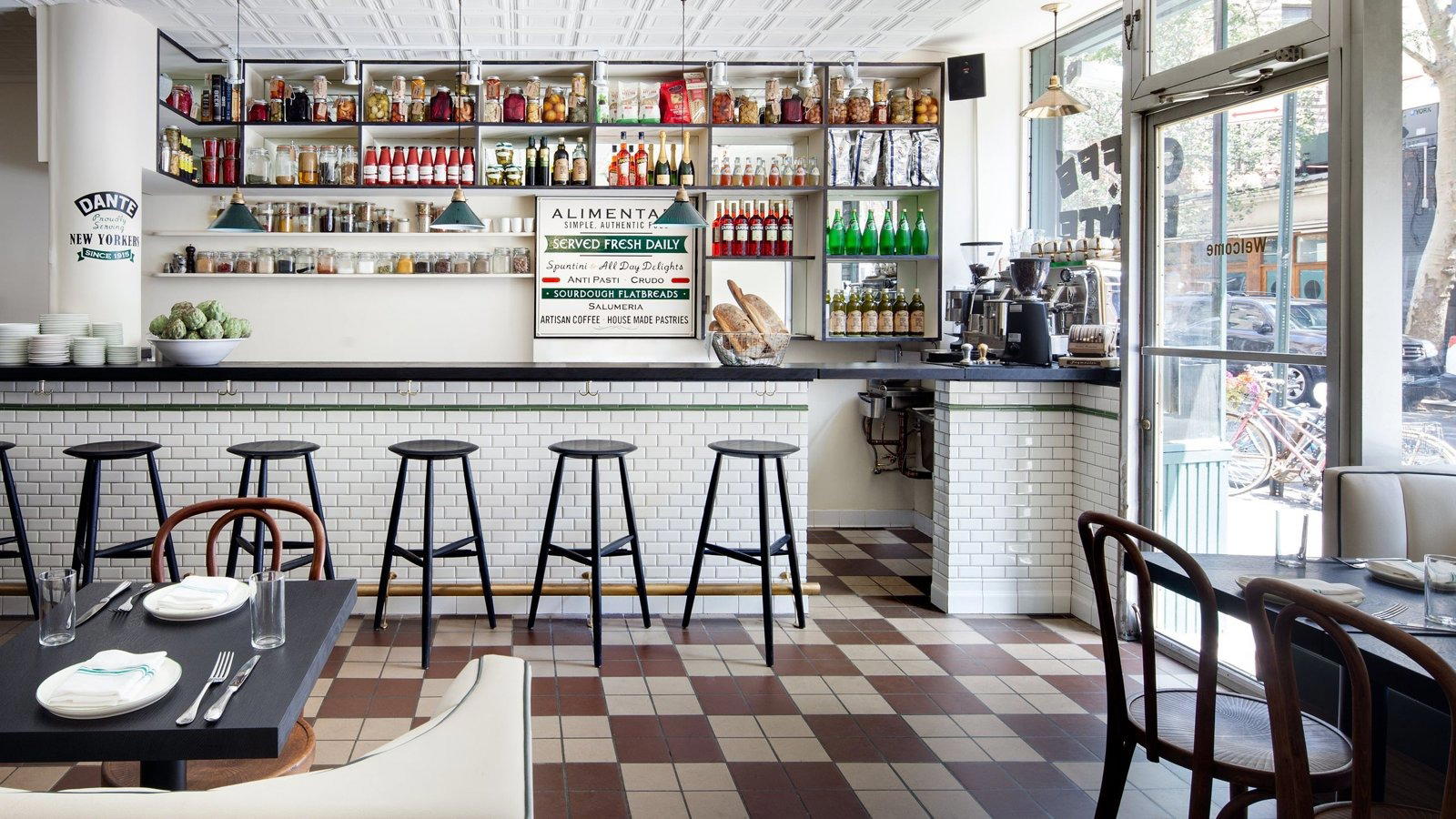
Restaurants in New York City
Browse all →




At a Glance
- Trendy
- Modern
- Lively
- Sophisticated
- Weekend Escape
- Business Trip
- Historic Building
- Design Destination
- Wi Fi
- Fitness Center
- Concierge
- Bicycle Rental
- Wi Fi
- Fitness Center
- Concierge
- Bicycle Rental
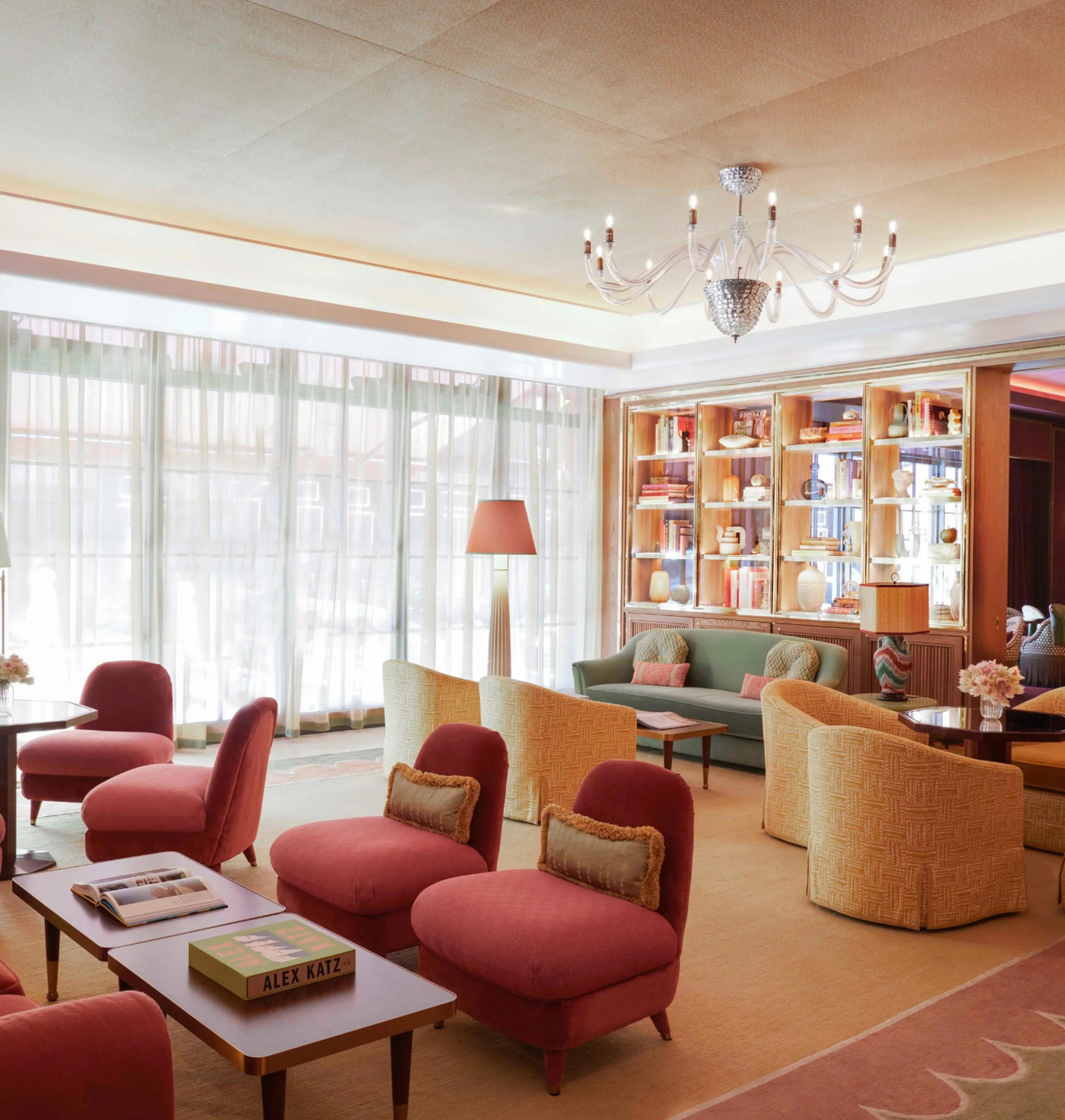
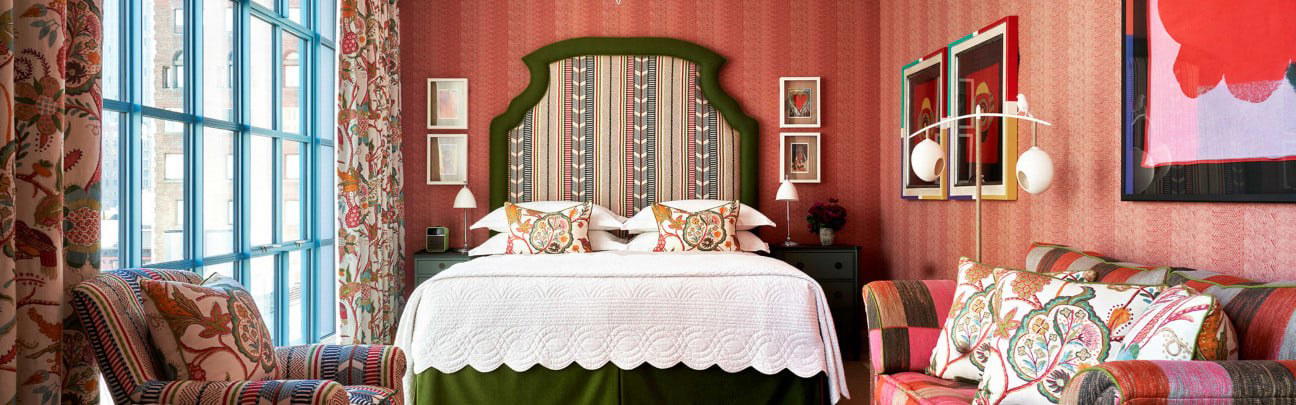
Tranquil interior with glimmers of Regency and Art Deco, dramatic vaulted atrium, bare brick walls, lively jazz-inspired atmosphere, and noise-damping technology.
Know Before You Go
- Getting there
- 2 6th Ave, New York, NY 10013