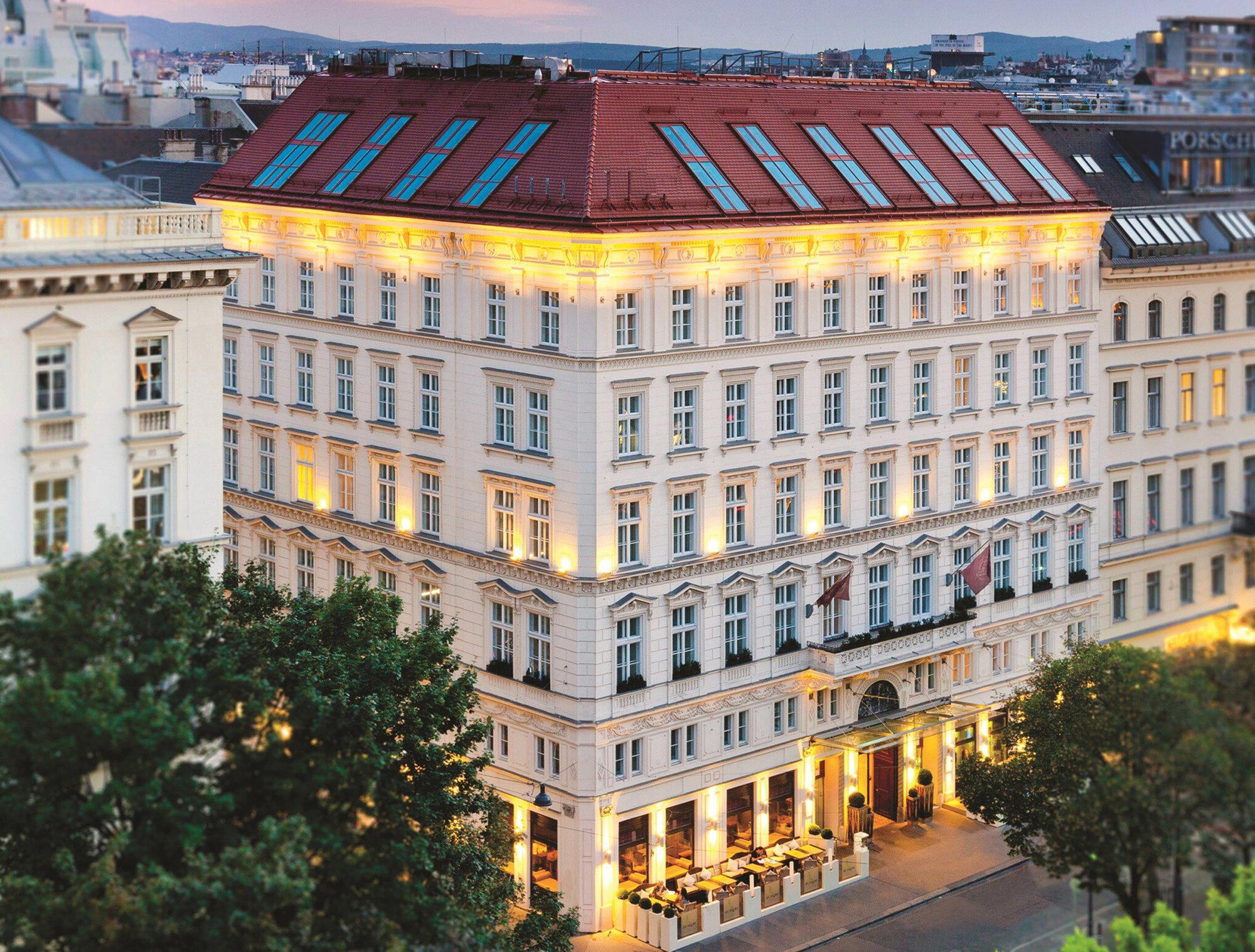
Positioned on the Ringstrasse at Kärntner Ring 8, The Ring Hotel occupies one of Vienna's most historically charged addresses, steps from the Staatsoper and the Musikverein. The building's imperial-era bones and the boulevard's architectural procession place it inside the upper tier of Vienna's city-centre hotel offer, where location along the Ring is itself a credential.
- Address
- Kärntner Ring 8, 1010 Wien, Austria
- Phone
- +43 1 22122
- Website
- theringhotel.com
The Ringstrasse Address and What It Signals
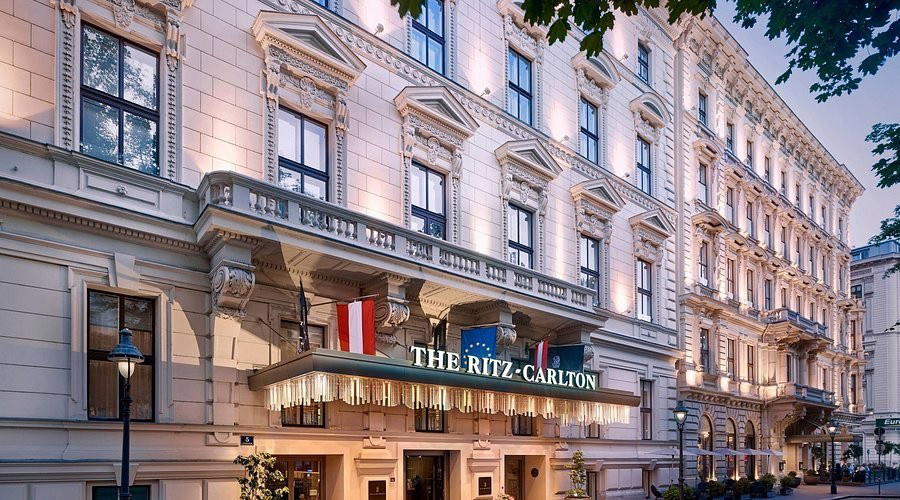
Vienna's Ringstrasse was not a street that evolved organically. Emperor Franz Joseph commissioned it in 1857 as a deliberate act of urban theatre, replacing the old city walls with a four-kilometre ceremonial boulevard lined with monumental public buildings, the Opera House, the Parliament, the Kunsthistorisches Museum, each chosen to broadcast the reach of Habsburg ambition. Hotels that sit on the Ring today inherit that staging. The Ring Hotel is a 5-star hotel at Kärntner Ring 8 in Vienna, Austria, with 68 rooms. It sits at the southern arc of that boulevard, at the precise juncture where the Ringstrasse curves toward the Staatsoper. Few addresses in Vienna carry that combination of historical weight and operational convenience.
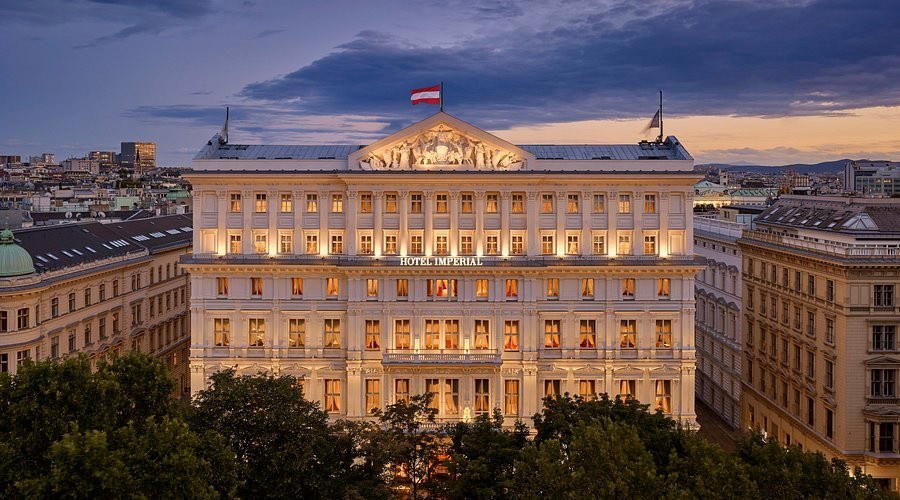
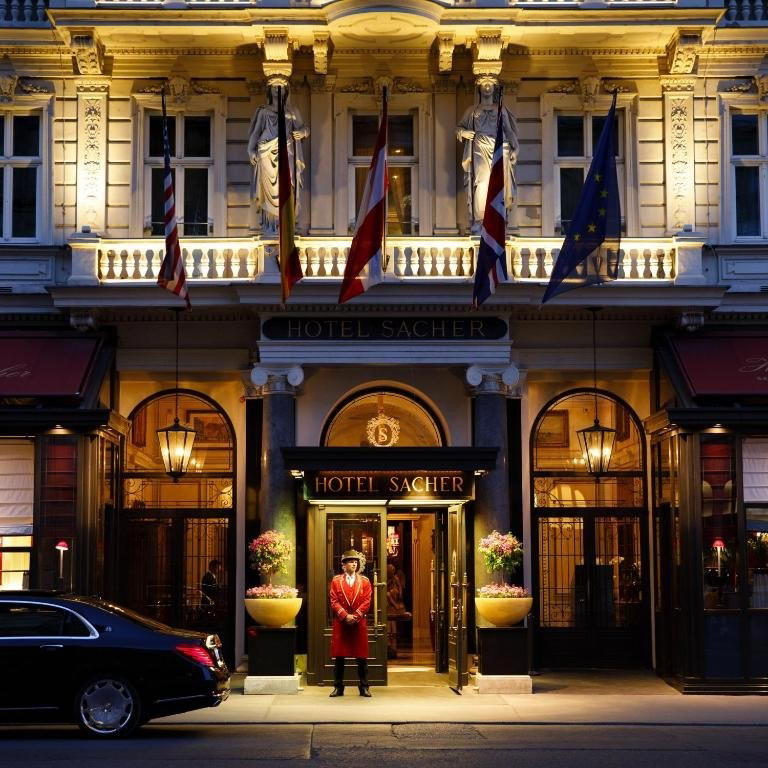
For comparison, consider where Vienna's other recognised hotels land relative to the Ring. Hotel Imperial occupies the Schillerplatz corner of the same boulevard, a former palace adapted in the 1870s and historically the address of choice for visiting heads of state. Hotel Sacher Wien sits directly behind the Staatsoper, a position it has held since 1876. The Ring Hotel enters this geography as a more recent participant, but it anchors itself to the same address logic: proximity to the Ringstrasse's institutional architecture is not incidental to the product, it is the product.
The Physical Environment on Approach
Arriving at Kärntner Ring 8 from the Staatsoper end of the boulevard, the building presents a late-historicist facade consistent with the architectural register of its neighbours. The street-level approach along the Ring delivers what the boulevard was always designed to deliver: a sense of ceremony without requiring the guest to look for it. Trams move along dedicated tracks in the boulevard's median, the Staatsoper's green copper roof sits at the southern sightline, and the density of architectural detail on adjacent facades means the approach to the hotel feels continuous with the city's formal public face rather than separate from it.
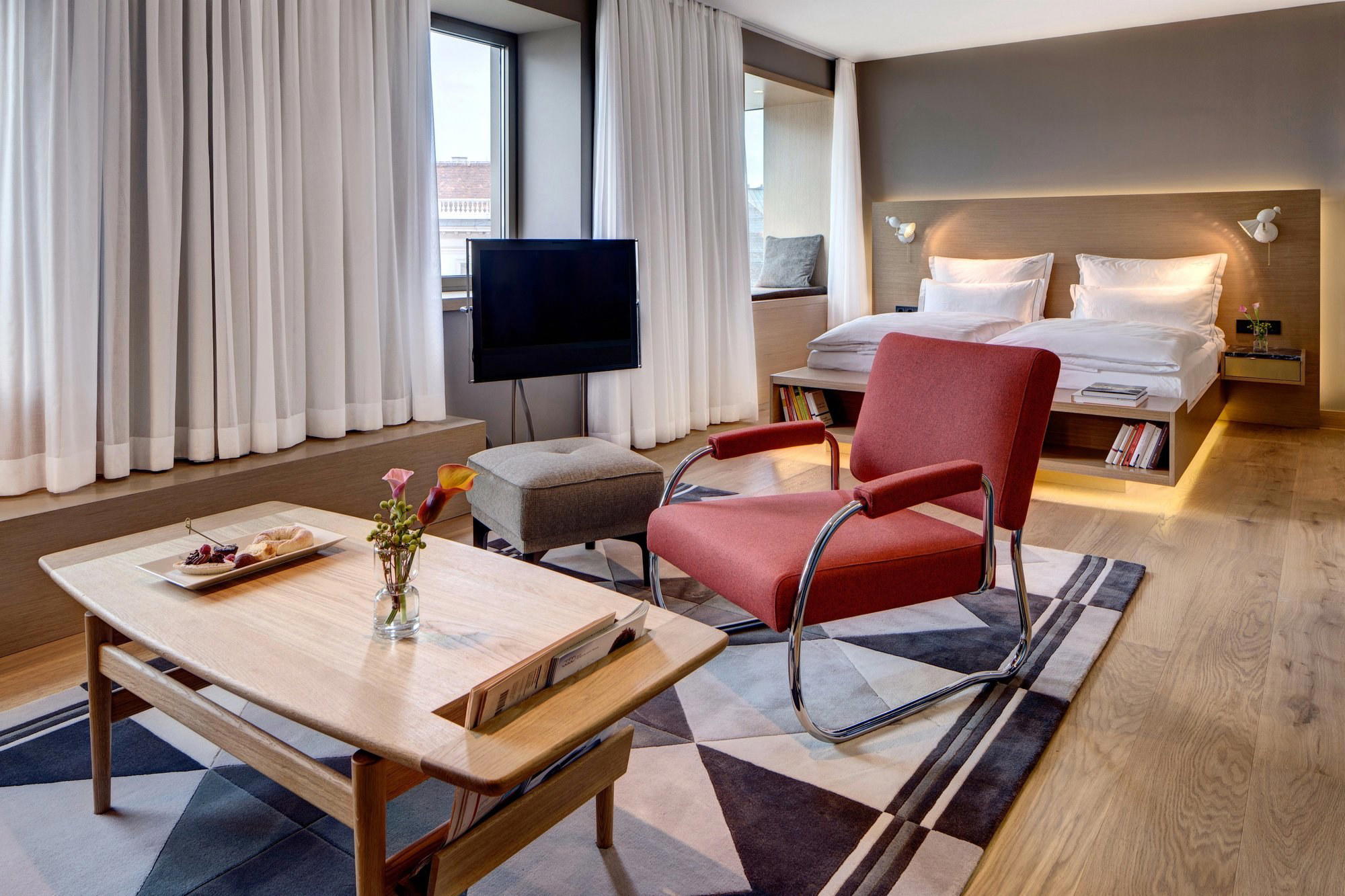
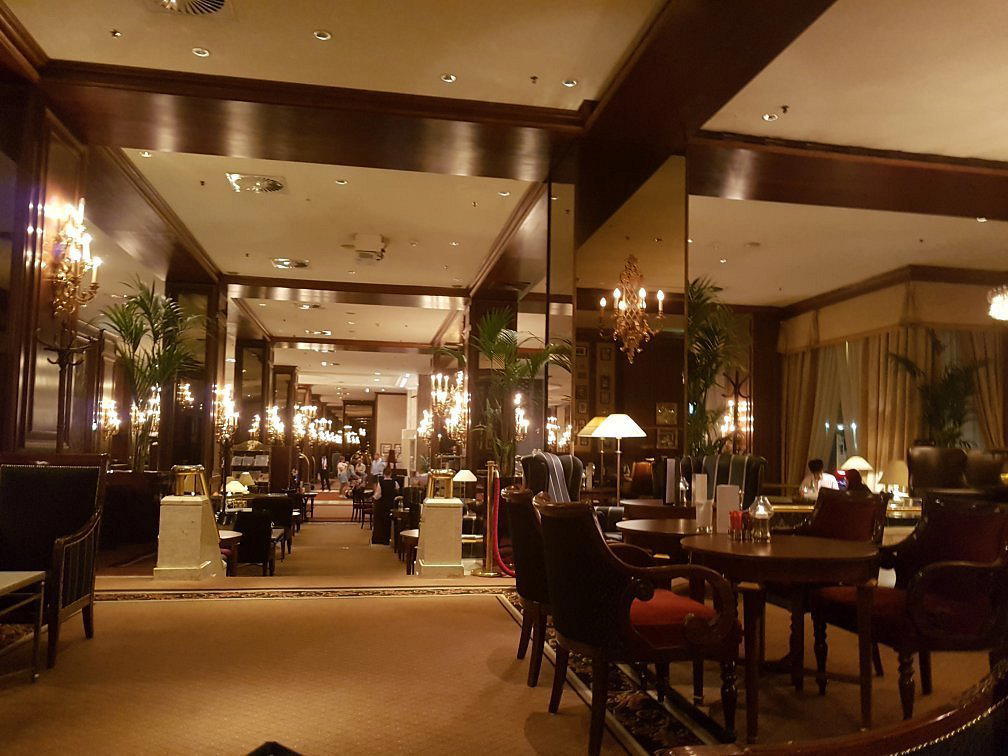
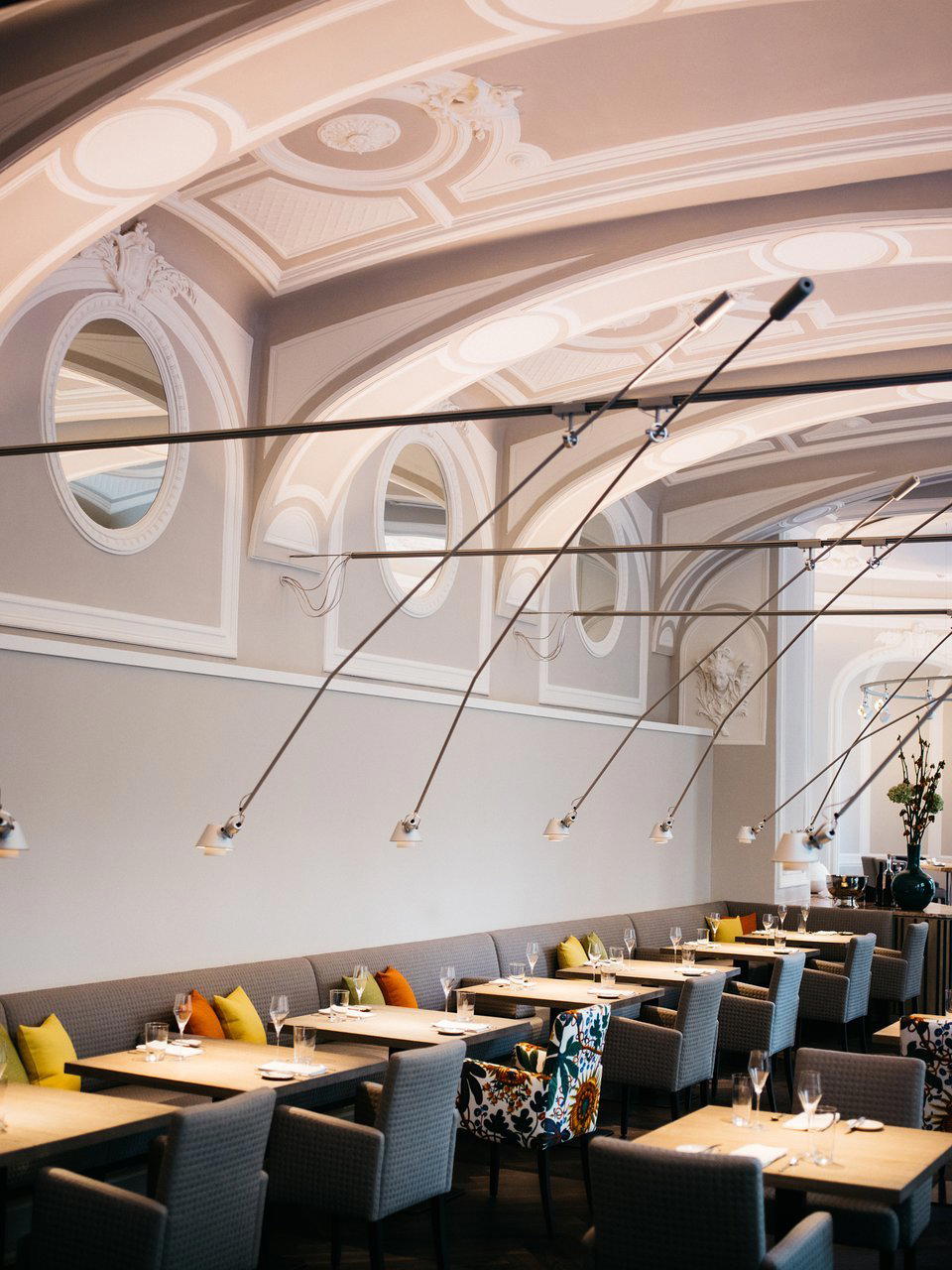
Inside, the hotel's design reads as a deliberate negotiation between the building's historical shell and a more contemporary interior register. Vienna has developed a recognisable strand of this approach among its upper-bracket city hotels: the Almanac Palais Vienna works within a palais structure; the Park Hyatt Vienna occupies a former bank building from the early twentieth century; Rosewood Vienna converted a building on the Petersplatz. The Ring Hotel's approach belongs to the same pattern of adaptive use that defines contemporary luxury hospitality in central Vienna, where listed facades set the terms and interior design works within those constraints.
comparable set and Market Position
Vienna's upper hotel tier has expanded and sharpened over the past decade. The Amauris Vienna and Hotel Sans Souci Wien have brought design-led independent properties into a conversation previously dominated by the grand palace hotels. 25hours Hotel Vienna at MuseumsQuartier addressed a different segment entirely. The Ring Hotel's position within this field is defined primarily by its Ringstrasse address, which aligns it with the historic boulevard hotels rather than with the design-independent strand. That alignment is a competitive advantage in one direction, guests specifically seeking the Ringstrasse location and its cultural adjacency, and a less decisive factor for guests prioritising interior design programmes or restaurant-led credentials.
The Staatsoper is a short walk from the hotel's entrance, as are the Musikverein and the Künstlerhaus. The Naschmarkt, Vienna's principal outdoor market, is reachable on foot via the Operngasse. This concentration of cultural and commercial infrastructure within a ten-to-fifteen minute walking radius is a material feature of the Kärntner Ring location, and it distinguishes the Ring Hotel's address from upper-bracket Vienna properties positioned in the First District's interior streets or in the lateral districts away from the boulevard.
Vienna Hotel Traditions and What the Ring Carries Forward
The grand Ringstrasse hotels were built within a specific historical logic: they were expected to receive visiting royalty, foreign dignitaries, and the professional classes of a multi-ethnic empire. That expectation shaped their architecture, their room configurations, and their public spaces in ways that persist into the present. Hotels along the Ring have historically been expected to perform a certain formality, not social exclusion, but architectural ceremony, a sense that the building itself constitutes a kind of civic gesture.
Ring Hotel participates in that tradition by virtue of its address. Its 5-star status and 68 rooms position it within Vienna's upper hotel tier. What the address itself guarantees is historical positioning: the same boulevard where Hotel Imperial hosted Wagner, where the Staatsoper first opened in 1869, and where the formal procession of imperial Vienna was made visible in stone and plaster.
For guests seeking a parallel experience outside Austria's capital, the mountain and lake resort tier offers a different but comparably historically grounded set of options. Rosewood Schloss Fuschl in Hof bei Salzburg, Schloss Mönchstein in Salzburg, and Falkensteiner Schlosshotel Velden in Velden am Wörthersee each occupy historic structures in their respective settings, extending the same logic of adaptive heritage hospitality into Austria's lake and Alpine regions. At the Alpine end, Grand Tirolia Kitzbühel in Kitzbühel and Hotel Almhof Schneider in Lech represent the upper bracket of ski-adjacent hospitality. For wellness-oriented alternatives within the Austrian Alps, Alpen-Wellness Resort Hochfirst in Obergurgl and Naturhotel Waldklause in Längenfeld occupy a distinct category.
Planning a Stay at Kärntner Ring 8
The Ring Hotel's address at Kärntner Ring 8 in the First District places it within walking distance of Vienna's principal cultural institutions and the U-Bahn network at Karlsplatz, which connects directly to the main rail terminus at Wien Hauptbahnhof. The Opera season at the Staatsoper runs from September through June, with the shoulder months of October and May typically offering a balance of programming density and slightly reduced hotel demand relative to December and the peak summer weeks of July and August. Vienna's festival calendar, including the Philharmoniker's concert season at the Musikverein, runs on a similar rhythm. Guests planning around specific performances should book accommodation well in advance of their cultural programme rather than after it. Current pricing starts at US$393 per night.
Comparison Snapshot
Comparable venues nearby, for context on price, style, and recognition.
| Venue | Cuisine | Price | Awards | Notes |
|---|---|---|---|---|
| The Ring HotelThis venue — the venue you are viewing | casual luxury boutique in historic Ringstrasse palace | $$$$ | 5-Star | |
| Hotel Grand Ferdinand Wien | Contemporary revival of Viennese grandeur in a preserved 1950s Ringstraße building. | $$$$ | 5-Star | Staatsoper |
| Grand Hotel Wien | Classic Viennese luxury with timeless elegance | $$$$ | 5-Star | Staatsoper |
| Imperial Riding School, Autograph Collection | Historic landmark reimagined as a grand meeting hotel with contemporary addition. | $$$$ | 4-Star | Landstraße |
| Hotel Bristol, a Luxury Collection Hotel, Vienna | Historic Viennese grandeur with modern luxury updates. | $$$$ | 5-Star | Staatsoper |
| Hotel Sans Souci, Vienna | Contemporary luxury boutique blending modern design with historic architecture, positioned as an artistic retreat in Vienna's cultural district. | $$$$ | 5-Star | Hofburg |
Continue exploring
More in Vienna
Hotels in Vienna
Browse all →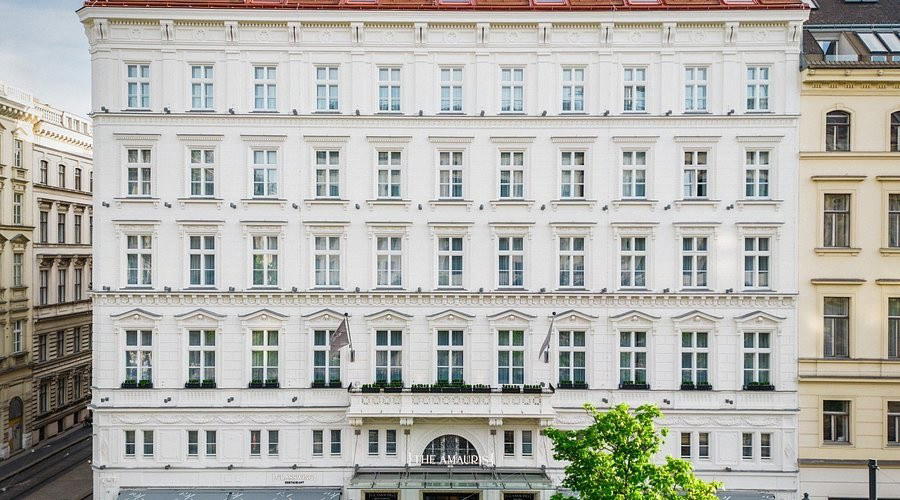
Bars in Vienna
Browse all →
Restaurants in Vienna
Browse all →
At a Glance
- Elegant
- Modern
- Sophisticated
- Intimate
- Romantic Getaway
- Business Trip
- Anniversary
- Historic Building
- Panoramic View
- Terrace
- Wifi
- Pool
- Spa
- Fitness Center
- Room Service
- Concierge
- Valet Parking
- Sauna
- Steam Room
- Street Scene
- Skyline
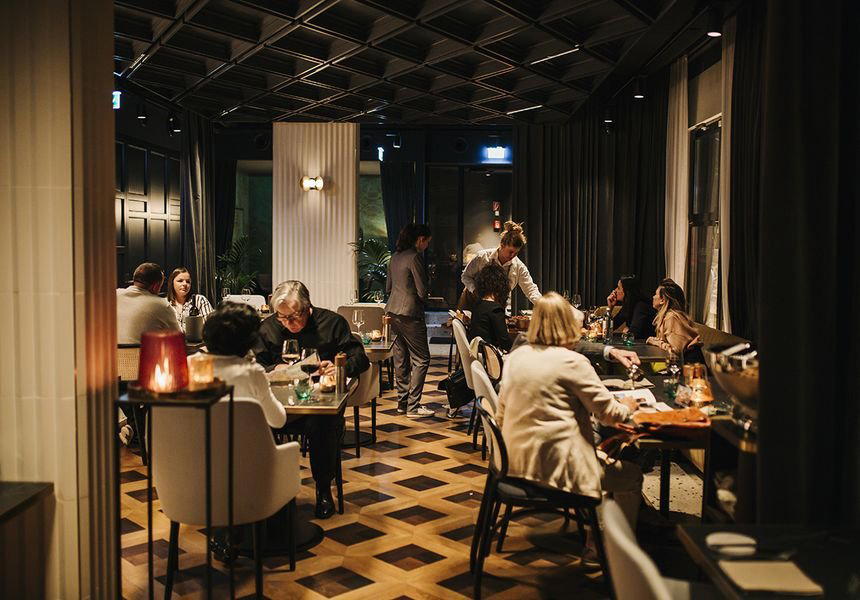
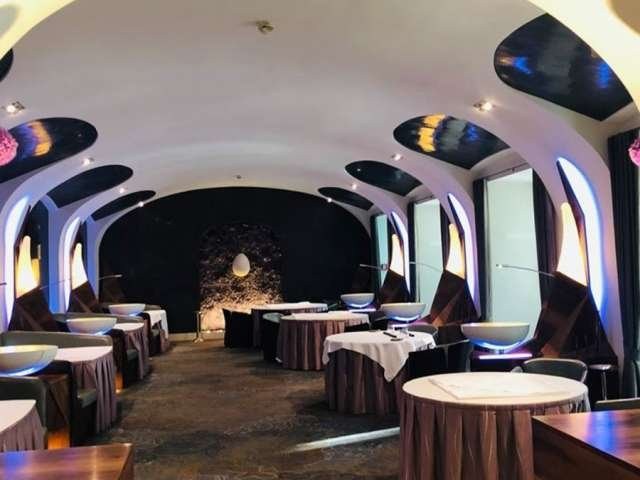
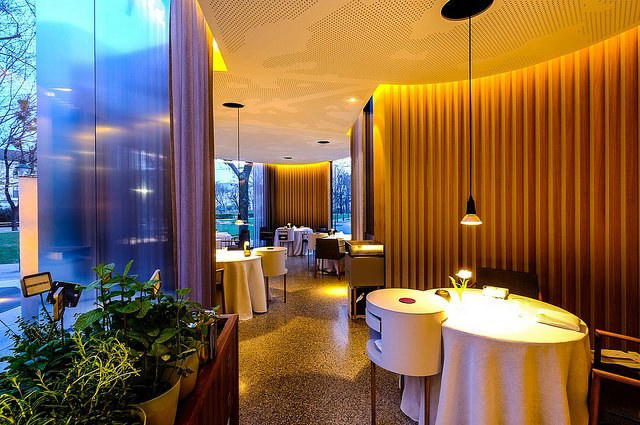
Sensual mix of classical historical elements and modern luxury with warm tones, marble, wood, and artistic details creating an elegant urban hideaway.